
Reviewed · CRAFT WORKSHOPS
Experience all of Japanese culture and Japanese food experience classes “origami, udon, Japanese food, green tea, calligraphy” in 4 hours
The most unusual part of this Tokyo experience is simple: you enter Taka and Keiko’s home near JR Omori Station and spend four hours cooking, eating, crafting, and talking with them. You make food from scratch, not just watch a demonstration, and the hosts treat the visit as a friendly cultural exchange.
I like the mix of practical skills, from stepping on udon dough to folding a paper crane. I also like the generous meal, which includes sushi, gyoza, tempura, small Japanese dishes, matcha, sweets, and free drinks. The main thing to consider is the pace: four hours of food and activities in a private home may feel intimate and social rather than polished like a cooking school.
In This Review
- Key points to know before booking
- Why this Tokyo home visit feels different
- Folding a crane before lunch
- Making udon from flour to bowl
- Sushi, gyoza, and tempura for lunch
- Matcha and sweets after the meal
- A name written in calligraphy
- How much value do you get for $92.50?
- Who will enjoy this most?
- Timing, meeting point, and practical details
- Should you book the Homecoming TAKA experience?
- FAQ
- Where does the experience begin?
- What time does the activity start?
- How do I identify the host at the station?
- How long is the experience?
- How far is the house from JR Omori Station?
- What activities are included?
- Is lunch included?
- Are drinks included?
- Can vegetarians and vegans participate?
- Is this a private activity?
- What souvenir do I receive?
- Is transportation included?
Key points to know before booking
- A home visit near Omori: Meet Taka at the central exit of JR Omori Station, then walk about eight minutes through a quiet residential area and past a shrine.
- Five hands-on activities: Fold origami, make udon, prepare Japanese dishes, whisk matcha, and receive a name card written in calligraphy.
- A full lunch is included: Sushi and gyoza are the main cooking projects, with tempura and Japanese small plates served as part of the meal.
- Drinks are included: Sake, beer, shochu, and soft drinks are provided at no extra charge.
- Private and family-friendly: Only your group participates, and vegetarian and vegan versions can be prepared with different ingredients.
- A personal souvenir: Keiko writes your name in Japanese calligraphy on colored paper for you to take home.
Why this Tokyo home visit feels different
Many Tokyo food activities take place in a studio or restaurant kitchen. This one takes place in a private home in Ota City, which changes the mood from formal lesson to friendly visit.
Taka meets you at the central exit of JR Omori Station at 10:30 am. Look for the bag marked with the homecoming TAKA logo. From the station, the walk takes about eight minutes. You pass a shrine and move through a quiet residential neighborhood before reaching the house.
That short walk matters. It gives you a little time to leave the busy rail station behind and see an ordinary part of Tokyo. The route is not a sightseeing tour in itself, but it helps set the tone. You are heading into a lived-in neighborhood, not a staged cultural attraction.
At the house, Taka explains the plan. The schedule includes origami, udon making, Japanese food preparation, lunch, matcha, Japanese sweets, and calligraphy. The hosts, Taka and Keiko, lead the activities together, with Keiko preparing and serving some of the small dishes.
The experience is private, so only your own group takes part. That is useful if you are traveling with children, older relatives, or friends who prefer not to perform in front of strangers. It also means the day depends heavily on conversation and participation. If you enjoy meeting people and asking questions, the setting works well. If you prefer to keep to yourself, a group cooking studio may be a better fit.
A few more Tokyo tours and experiences worth a look

Folding a crane before lunch
The first activity is origami, with a paper crane as the project. This is a gentle way to begin because it requires no cooking skill and gives everyone something to focus on while getting acquainted.
Origami also offers a small window into Japanese craft traditions. You are not simply handed a finished decoration. You follow the folds, correct mistakes, and end with something you made yourself. For children, this may be one of the easiest activities to enjoy. Adults who think they are not crafty may find the crane more demanding than expected.
The paper crane is also a practical souvenir in its own right, though the formal take-home gift comes later with the calligraphy. Do not expect an extended art lesson. The value here is in trying a familiar Japanese form with local hosts and starting the day at an easy pace.
Making udon from flour to bowl
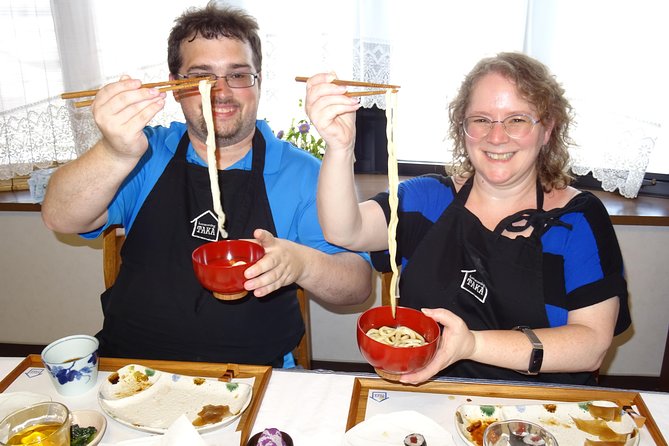
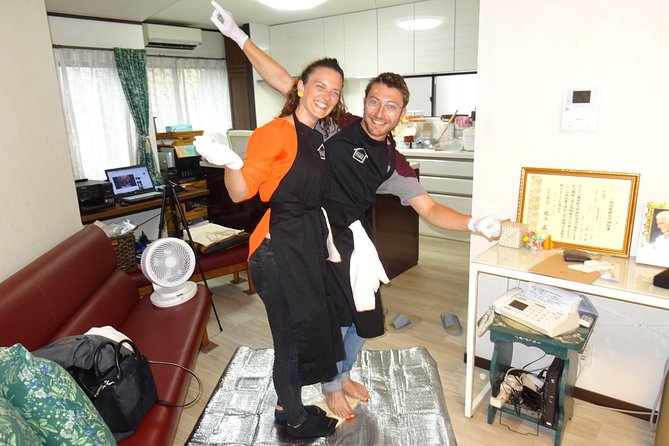
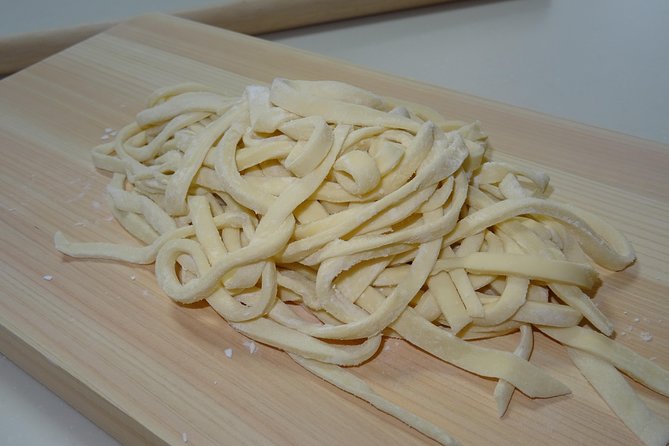
Next comes the most playful food activity: making udon noodles. You work through the process from the ingredients to the finished noodles, including stepping on the dough.
That detail makes this more than a standard cooking demonstration. The physical work helps you understand how handmade noodles are prepared, and it is likely to be especially enjoyable for children. One family with boys aged seven and eight found the udon portion a favorite, and another visitor described the noodle-making process as both delightful and unexpected.
The exact final dish can depend on the day’s preparation, but the point is the process. You handle the materials, help form the dough, and see how the noodles become part of a meal. If you hope to recreate the experience at home, pay attention to the texture and timing, then ask questions as you work.
An apron is included, which is helpful because flour and food preparation can get messy. Still, wear comfortable clothes that you do not mind using in a home kitchen. The information provided does not describe the kitchen layout or seating, so anyone with mobility concerns should ask the host before booking.
Sushi, gyoza, and tempura for lunch
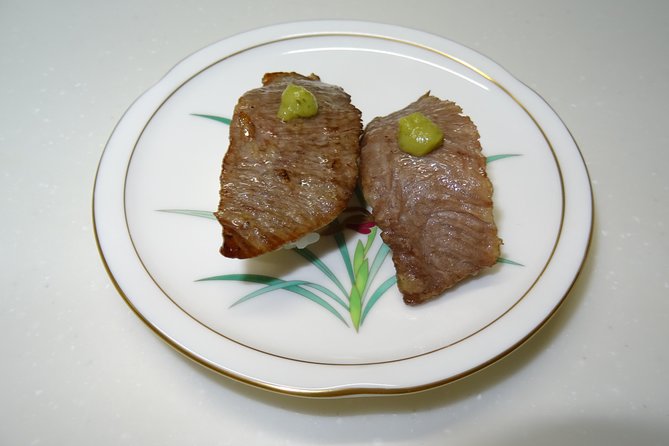
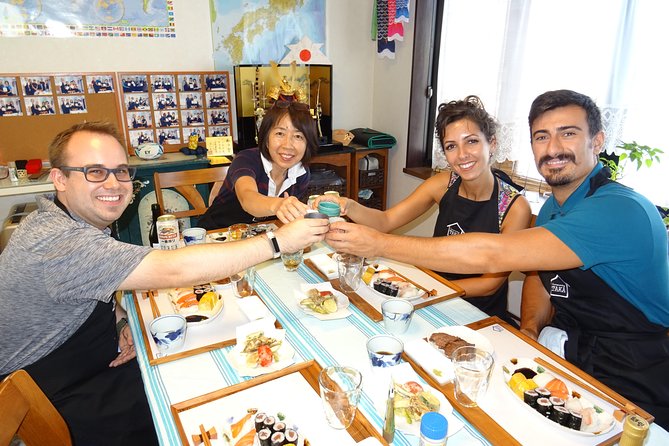
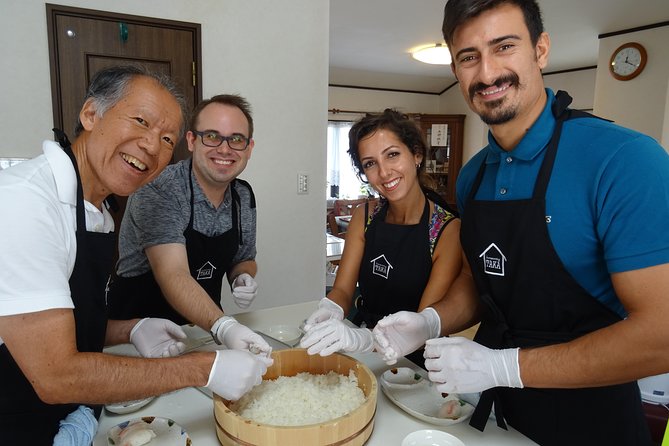
The main cooking session centers on sushi and gyoza. You prepare these dishes together, then sit down for a leisurely lunch. Keiko also serves several Japanese small plates, adding variety beyond the items you make yourself.
This balance is one of the strongest reasons to consider the experience. You get instruction and hands-on work, but you are not expected to cook every item on the table. The meal becomes a chance to taste more Japanese home-style food while talking with Taka and Keiko.
The menu includes tempura as well. Some descriptions mention making or cooking tempura as part of the wider food lesson, while the stated main menu identifies sushi and gyoza as the central projects. In practical terms, you should expect to learn about several dishes, with sushi and gyoza receiving the clearest focus.
The meal uses ingredients made in Japan, and the included drinks are also Japanese. Sake, beer, shochu, and soft drinks are free during the experience. That is a meaningful value at $92.50 per person, since drinks can quickly raise the cost of a food tour in Tokyo.
You should also expect time for conversation. The hosts place clear importance on sharing stories and getting to know the people at their table. Past participants have stayed in touch with the couple, exchanged cooking ideas, and even sent photographs of Japanese dishes they later made at home.
That personal element is a major part of the price. You are not paying only for lunch or recipes. You are paying for a small private gathering with hosts who actively take part in the meal.
Matcha and sweets after the meal
After lunch, you prepare matcha and taste it with local Japanese sweets. This is a quieter change of pace after the hands-on cooking.
The activity is presented as a shared preparation rather than a formal tea ceremony. That distinction matters. You should expect to make and drink matcha, not necessarily take part in a full traditional ceremony with every ritual detail.
The sweets give you a chance to compare the bitter, grassy taste of matcha with a small sweet treat. For many visitors, this is a useful introduction because it connects the drink to the food traditionally served with it.
If you do not drink alcohol, the matcha and soft drinks help make the meal inclusive. If you do drink, sake, beer, and shochu are included, but you should still pace yourself. The day has several activities after lunch, and the final calligraphy session is best enjoyed with a clear head.
A few more Tokyo tours and experiences worth a look


A name written in calligraphy
The final activity is a personalized souvenir. Keiko writes your name in calligraphy on colored paper, which you take home.
This is more personal than a generic souvenir from a shop. Your name connects the object directly to the visit, and the colored paper is easy to pack. It also gives you a final quiet moment with the hosts after the food and conversation.
Calligraphy can be difficult to appreciate from a short demonstration alone, but receiving your name in Japanese brush writing gives you a tangible reminder of the visit. You might want to ask how your name is represented and what the characters mean, though the provided details do not specify how each name is translated or written.
At the end, Taka and Keiko walk you back to JR Omori Station. The experience ends at the same meeting point where it begins.
How much value do you get for $92.50?
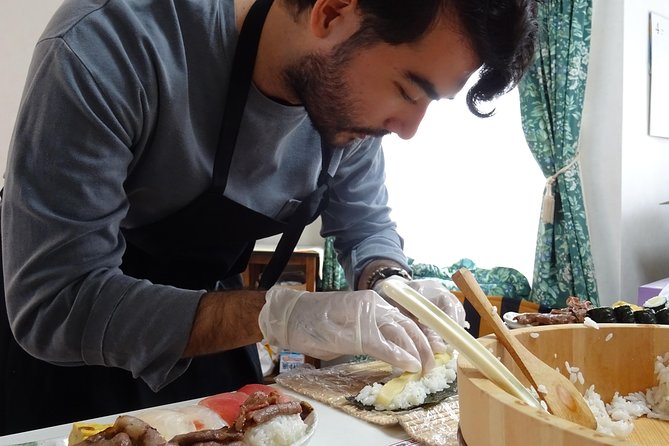
At $92.50 per person, this is not the cheapest way to eat lunch in Tokyo. You can find excellent inexpensive meals across the city for far less.
The comparison changes when you count what is included. You receive a four-hour private experience, lunch, an apron, origami materials, several cooking activities, matcha, Japanese sweets, alcoholic drinks, soft drinks, and a calligraphy souvenir. You also get direct time with two local hosts in their home.
The strongest value comes if you plan to take part fully. If you only want to watch someone cook, the price will feel high. If you want to make noodles, shape food, ask questions, share a meal, and leave with something personalized, the cost is easier to justify.
The private format is another value point. A private activity can cost more than a large group class, but you get a setting shaped around your own group. Families can work at their own pace, and solo visitors can join without needing to organize a larger party. The description confirms that only your group participates, so clarify the booking details if you are hoping to meet other visitors.
Who will enjoy this most?
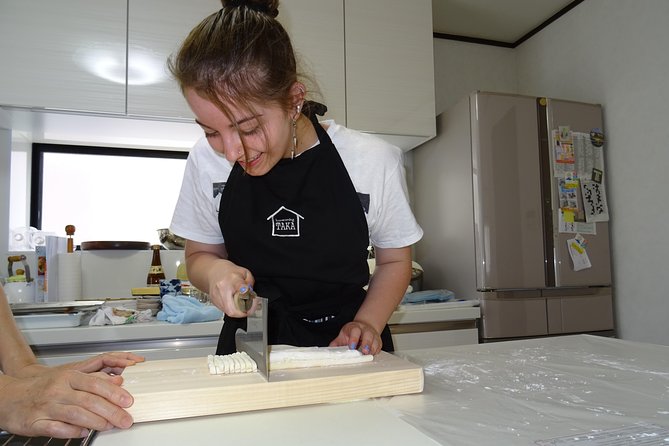
I would recommend this experience most strongly to families, couples, and solo visitors who want a human connection during a Tokyo stay.
Children have several ways to take part. Folding origami, stepping on udon dough, and shaping food offer more variety than a single cooking class. Previous family groups included children aged seven, eight, thirteen, and fifteen, with especially strong interest in udon and sushi.
It also suits adults who want to learn recipes they can try at home. The activities are practical enough to inspire a return to the kitchen, and the hosts encourage an exchange of food ideas between countries.
Solo visitors can also fit in well. One solo participant described the activity as welcoming and personal. The private format means you should confirm exactly how solo bookings are handled, but the experience clearly aims to create friendly conversation rather than leave a single person on the sidelines.
Vegetarians and vegans can take part in all the dishes using different ingredients. Tell the provider your dietary needs when booking so the meal can be prepared properly.
This is less suitable if you want a fast sightseeing stop, a formal culinary qualification, or a highly structured demonstration. Four hours is a long commitment, and the social side is not an optional extra. You are expected to eat, talk, and participate.
Timing, meeting point, and practical details
The start time is 10:30 am. Meet at the central exit of JR Omori Station in Tokyo, at 1 Chome-6 Omorikita, Ota City, Tokyo 143-0016. Taka carries a bag with the homecoming TAKA logo.
The walk to the house takes about eight minutes and includes a shrine and a quiet residential area. The activity ends back at the station meeting point, and no transfer is included.
A mobile ticket is provided, and confirmation arrives when you book. The experience is near public transportation, which makes it easier to fit into a day based around Tokyo’s rail network.
The activity lasts about four hours, so leave enough room in your schedule afterward. The program includes many separate parts, but the hosts aim for a relaxed lunch and conversation rather than a rushed checklist.
Free cancellation is available if you cancel at least 24 hours before the local start time. Changes or cancellations made within 24 hours are not accepted for a refund.
Should you book the Homecoming TAKA experience?
Book it if you want your Tokyo food experience to feel personal, practical, and social. The combination of handmade udon, sushi, gyoza, tempura, matcha, origami, and calligraphy gives you plenty to do, while Taka and Keiko provide the warmth that ties the day together.
I especially like it for families looking for something beyond temples and shopping. It gives children a direct way to handle ingredients, make food, and meet people in a normal home setting.
Skip it if you want a short activity or a restaurant-style meal with no participation. At $92.50, the value rests in the four-hour cultural exchange, not just the lunch.
For the right visitor, this is one of those Tokyo experiences that can stay with you after the sightseeing schedule fades. You leave with a full meal, a calligraphy keepsake, and recipes or skills you may actually use at home.
FAQ
Where does the experience begin?
It begins at the central exit of JR Omori Station in Tokyo, at 1 Chome-6 Omorikita, Ota City, Tokyo 143-0016, Japan.
What time does the activity start?
The start time is 10:30 am.
How do I identify the host at the station?
Look for Taka carrying a bag with the homecoming TAKA logo.
How long is the experience?
The activity lasts approximately four hours.
How far is the house from JR Omori Station?
The walk from the station to the house takes about eight minutes.
What activities are included?
You fold an origami crane, make udon noodles, prepare Japanese food such as sushi and gyoza, make matcha, and receive a calligraphy souvenir.
Is lunch included?
Yes. Lunch is included, with sushi and gyoza as the main cooking activities, along with Japanese small plates and other food such as tempura.
Are drinks included?
Yes. Sake, shochu, beer, and soft drinks are included at no extra charge.
Can vegetarians and vegans participate?
Yes. Vegetarians and vegans can enjoy the dishes with different ingredients.
Is this a private activity?
Yes. Only your group participates in the activity.
What souvenir do I receive?
Keiko writes your name in calligraphy on colored paper for you to take home.
Is transportation included?
No. Transfers are not included, but the experience is near public transportation and begins and ends at the JR Omori Station meeting point.
More Dining Experiences in Tokyo


More Food Experiences in Tokyo
More Craft Workshops in Tokyo

More tours in Tokyo we've reviewed








Craft Workshops, compared.
 ★ 5.0Tokyo Shinjuku Chopsticks Making ClassFrom $20
 ★ 4.8Chopstick Making Workshop in GinzaFrom $251 hour
 ★ 5.0Kintsugi Experience: Art of Golden Joinery in TokyoFrom $59
 ★ 5.0Tokyo Chopstick Making Workshop with ArtisanFrom $26
Tokyo: Shinjuku Chopstick Making ClassFrom $121 hour
Tokyo: Chopstick-Making WorkshopFrom $61 hour
★ 5.0Tokyo Chopstick Making Workshop with ArtisanFrom $26
Tokyo: Shinjuku Chopstick Making ClassFrom $121 hour
Tokyo: Chopstick-Making WorkshopFrom $61 hour