
Reviewed · WALKING TOURS
Tokyo: Customizable Private Guided Walking Tour
Tokyo: Customizable Private Guided Walking Tour Review
Tokyo is easier to understand when someone shows you how its pieces fit together. This private four-hour tour lets you choose the focus, from Tokyo Tower, the Imperial Palace, and Shibuya Crossing to food stalls, shrines, gardens, and quiet side streets.
I like the hotel pickup on foot, which removes the usual first-day guesswork, and I like that your guide can teach you the subway while taking you around. The main thing to consider is the city’s size: seeing several districts can mean spending a good part of the tour on trains, and the $87 price does not include fares, food, or entry fees.
In This Review
- Key points to know
- A Tokyo day built around your interests
- What the four-hour route can include
- Why the subway lesson may be the best souvenir
- Food stops that make the tour personal
- Personal guidance for solo visitors and families
- Guides who shape the experience
- What the price includes, and what it does not
- The best way to plan your half-day
- Who should book this Tokyo tour?
- FAQ
- How long is the Tokyo private walking tour?
- What languages are available?
- Is the tour private?
- Is hotel pickup included?
- Are transportation costs included?
- Are food and drinks included?
- Are attraction entry fees included?
- Can the itinerary include Tokyo Tower, the Imperial Palace, and Shibuya Crossing?
- Is the tour wheelchair accessible?
- Should you book it?
Key points to know
- Your itinerary is personal: Choose famous sights, local food, history, shopping, gardens, or a mixture.
- Hotel pickup is included: Your guide meets you at your hotel and finishes with a walk back or another on-foot drop-off.
- The subway becomes part of the lesson: Guides such as Jack, Mika, Brian, and Shish have helped visitors learn Tokyo’s rail system.
- Four hours goes quickly: You can cover several areas, but major towers and other paid sights may need more time.
- Food can shape the route: Traditional restaurants, local shops, street food, okonomiyaki, karaage, and unusual sweets may fit the plan.
- The pace can be adjusted: Guides have adapted routes for solo visitors, families with teenagers, older people, and hot weather.
A Tokyo day built around your interests
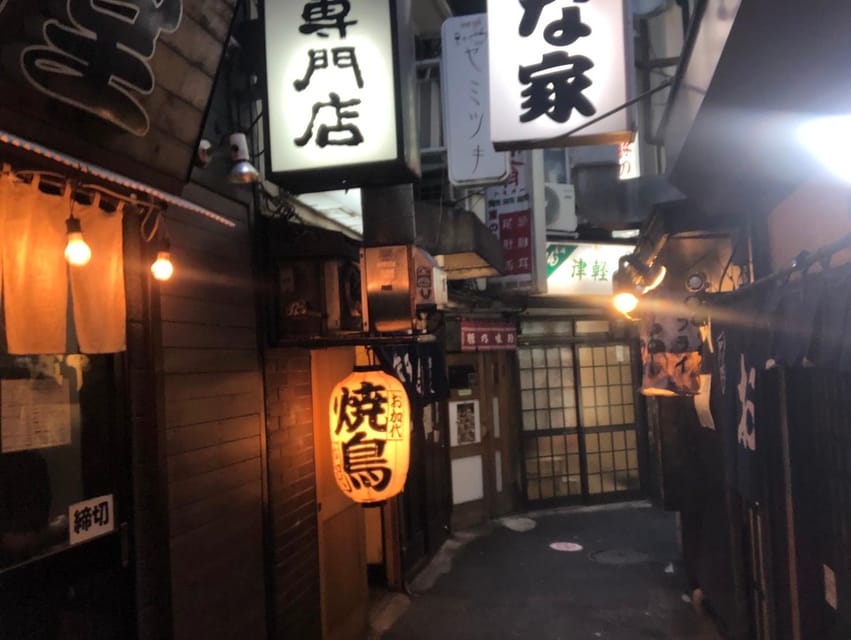
This is not a fixed march from one sight to the next. Before the tour, your guide can ask what you want to see and adjust the route around those priorities. That matters in Tokyo, where a single district can fill half a day and famous places are spread across a huge urban area.
You might choose a classic first look at Tokyo. That could include the Imperial Palace area, Meiji Shrine, Harajuku, Shibuya Crossing, and a view from a government observation tower. You might instead spend more time around traditional restaurants, small shops, temples, and alleys.
I would send your guide a short wish list before the day. Put your must-see place first, then add two or three interests such as Japanese food, history, shopping, gardens, anime, or photography. A private guide can work with that list far better than a standard group outing.
The experience is offered to a private group, so you are not sharing the route with strangers. That makes it easier to stop for photos, ask questions, change direction, or slow down when the streets and stations become tiring.
Other walking tours we've reviewed in Tokyo

What the four-hour route can include
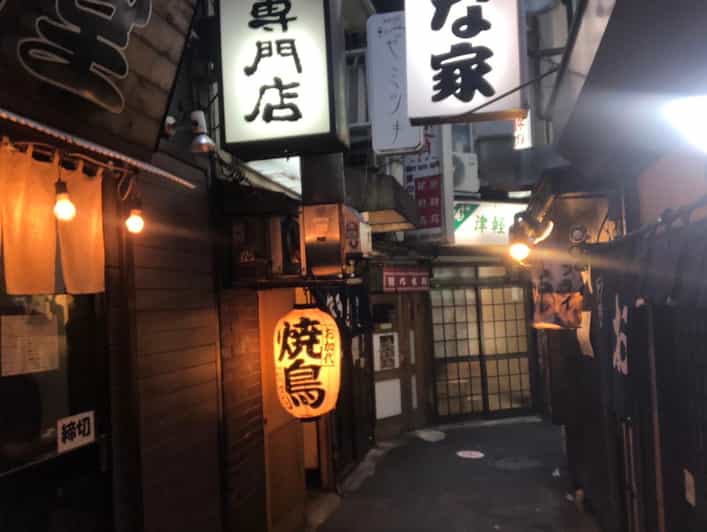
The advertised choices cover much of Tokyo’s personality. Tokyo Tower gives you one of the city’s best-known skyline markers, while the Imperial Palace offers a different feel, with formal grounds and a strong connection to Japan’s national story. Shibuya Crossing supplies the big city energy, with its famous crossing and dense streets.
Meiji Shrine and Harajuku can add culture and youthful Tokyo in one outing. One route described by a guide included the shrine, Takeshita Street, Shibuya Scramble, the Imperial Palace, and a meal of okonomiyaki and karaage. That is a useful picture of the tour’s range, though you should not assume every route will include all of those places.
Other possible stops include temples, tranquil gardens, art galleries, traditional teahouses, and characteristic alleys. You may also catch a street performance or discover a smaller neighborhood that never appears on a first-time sightseeing checklist.
The tradeoff is simple. The more districts you request, the less time you have at each stop. One visitor calculated that more than an hour of the four-hour outing went to the subway while ticking off several major places. That is not wasted time if you are learning the system, but it does limit sightseeing.
If you want to enter a tower, museum, garden, or other paid attraction, remember that entry costs are extra. The guide can help you decide what fits, but four hours is usually better for seeing several places from the outside than for lingering inside multiple attractions.
Why the subway lesson may be the best souvenir
Tokyo’s rail network can feel intimidating at first. The stations are large, routes cross the city, and a wrong platform can cost you valuable time. Here, public transportation is not included in the $87 fee, but using the trains with a guide turns the necessary transfers into practical instruction.
Several guides have helped visitors understand how to get around after the tour. Jack showed one solo visitor how to use the subway and explained how to return to the hotel. Mika and Shish also helped people feel more comfortable with train travel. Marco, Brian, Lucy, and Juan were praised for combining sightseeing with rail guidance.
Stay close to your guide in the stations. One visitor learned this the hard way, and it is sound advice. Tokyo platforms can be crowded, and a private tour loses its value if you become separated at a transfer.
This part of the experience is especially useful early in your stay. A four-hour introduction can give you enough confidence to return to Shibuya, Harajuku, Shinjuku, or another district on your own. You also get a practical sense of how long cross-city trips take.
Still, budget for transportation. Fares are not included, and food, drinks, and admission fees are also separate. Ask your guide at the start how much train travel the proposed route requires so you know what the day will cost beyond the booking price.
Food stops that make the tour personal
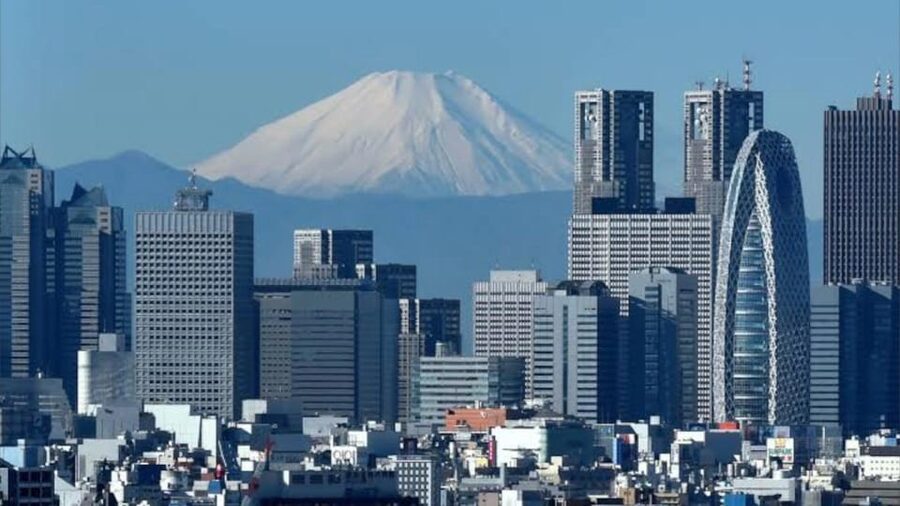
Tokyo’s food scene gives this tour a strong advantage over a standard sightseeing circuit. You can ask for a food-focused route, or simply build one meal and a few tastings into a sightseeing day.
Past routes have included traditional Japanese restaurants, local shops, street food, okonomiyaki, karaage, and playful desserts such as panda ice cream parfaits and rainbow cheese. The food choices can be serious, casual, modern, or simply fun. One guide took a visitor to a traditional restaurant, while another helped a solo visitor try foods she would not normally have chosen.
Food is not included, so treat the guide’s role as local direction rather than a prepaid tasting tour. You pay for what you order. That arrangement gives you control over price and appetite, but ask for recommendations that match your budget before sitting down.
A food-centered route also changes the pace. You will spend less time checking off landmarks and more time learning what you are eating and how a local neighborhood works. If this is your first day in Tokyo, I would combine one major sight with a meal rather than attempt a full list of famous places.
Personal guidance for solo visitors and families
A private format can be a comfortable way to meet Tokyo alone. One solo visitor used the day to learn train rides, local shops, and food spots. Another arranged a kimono rental near Harajuku, visited parks and a shrine, and had the guide take photographs.
That kind of help is hard to get from a large group. You can ask questions without holding anyone up, and the guide can adjust the day if your interests change. Niza, in particular, helped arrange a kimono rental and suggested food stops that matched a visitor’s request for something unusual.
Families with teenagers can also make good use of the flexible plan. A route can mix shrines and history with shopping, sweets, or pop culture. One family described the experience as fun, informative, and tasty, which is a good goal for a short Tokyo introduction.
The tour has also worked for older visitors and people who need a gentler route. Eduardo adjusted one personal itinerary to suit age and physical ability and avoided crowded areas in favor of different places with good views. If mobility or stamina matters to you, discuss it before the tour, not after the first long station transfer.
Tokyo walking still means real walking. One four-star assessment gave clear practical advice: be prepared to walk a lot, even though that is part of learning the city. Comfortable shoes, water, and an honest pace request will make a difference, especially in summer.
Other guided tours in Tokyo


Guides who shape the experience
The guide makes a greater difference here than the brand name or the list of sights. The strongest guide experiences combine clear English, local knowledge, patience, and the ability to change plans without fuss.
Mika earned praise for arranging a reservation before the tour, adapting to a limited schedule, explaining the subway, and choosing a traditional restaurant. Brian was described as flexible, entertaining, and strong on train routes. Lauren contacted visitors before the tour to learn their interests and adjusted the pace during hot and humid weather.
Other guides have brought different strengths. Juan and Matias focused on history and Japanese culture. Trevor was praised for making the walk feel like time with a friend while still sharing useful information. Lucy helped visitors navigate trains, major districts, and lunch. Niza suited visitors interested in food, kimono, photography, and unusual Tokyo stops.
The guide names are useful when you are communicating before the tour, but availability is not guaranteed. You can request a guide if the booking system allows it, yet the best approach is to describe what you need rather than focus only on a particular person. Say if you want fluent English, history, food, slower walking, subway help, or quieter streets.
The supplied information lists English and Japanese as the available tour languages. The experience is wheelchair accessible, but the exact route and train movements should be discussed in advance if you use a wheelchair.
What the price includes, and what it does not
At $87 per person, this is not the cheapest way to see Tokyo. It becomes better value when you are sharing the private guide with family or friends and want more than a basic landmark checklist.
You are paying for a four-hour private guide, a hotel meeting point, route planning, local advice, and help with a city that can be difficult to read at first. The subway lesson can continue to pay off during the rest of your visit. So can advice about restaurants, train routes, neighborhoods, and the next part of your Japan trip.
The price does not cover food, drinks, transportation, or entry costs. That distinction matters. A route involving several train rides and a restaurant meal will cost more than the booking price, while a mostly outdoor walk will keep added spending lower.
I would compare this with the cost of losing half a day to poor planning. If you have only a short stay, the guide can help you target the places you care about and avoid wandering between distant districts. If you already know Tokyo well and can manage the trains, the value is less obvious.
The overall rating is 4.5 from 129 reviews, with many strong scores. The less enthusiastic feedback focused mainly on price and the time spent traveling between attractions, not on the private format itself.
The best way to plan your half-day
Start with one area or one clear purpose. A route around Meiji Shrine, Harajuku, and Shibuya will feel more relaxed than trying to add Tokyo Tower, the Imperial Palace, a food market, and an observation deck in the same four hours.
If you want a broad introduction, ask your guide to explain which sights are worth returning to on your own. You can then use this outing as a city orientation rather than trying to complete Tokyo in a morning.
Tell the guide about food restrictions, walking limits, mobility needs, and any reservations you already have. Also mention places you have already seen. Colt, for example, redirected a visitor toward Tsukiji Fish Market, Ginza, Shinjuku Gyoen, a Buddhist temple, and a shrine after checking what had already been covered.
Keep a little breathing room in the plan. Tokyo’s stations take time, photo stops stretch, and a good conversation may be more valuable than one extra landmark. Several guides have been praised for giving visitors the time they needed at each stop and adapting to the group’s pace.
Hotel pickup and drop-off are on foot, so confirm the meeting details and allow time to leave your hotel. The activity lasts four hours, and starting times depend on availability. You can cancel up to 24 hours ahead for a full refund, and the reserve-now, pay-later option helps if your schedule is still changing.
Who should book this Tokyo tour?
I would recommend it most strongly to first-time visitors, solo travelers, couples, families, and anyone who feels unsure about the subway. It is also a good choice if you have a short stay and want a local person to help sort Tokyo’s many options.
Food lovers, history fans, photographers, and people who prefer quieter streets can all shape the route around their interests. Older visitors may appreciate the chance to request a gentler pace and avoid crowded areas.
You may want another kind of tour if you prefer a fixed schedule, prepaid admission, or a deep visit inside one museum or tower. The four-hour limit and extra costs also make it less suitable for anyone expecting a full-day sightseeing package.
FAQ
How long is the Tokyo private walking tour?
The tour lasts four hours.
What languages are available?
The live guide service is available in English and Japanese.
Is the tour private?
Yes. It is offered as a private group experience.
Is hotel pickup included?
Yes. Hotel pickup and drop-off are included on foot.
Are transportation costs included?
No. Train and other transportation costs are not included in the $87 price.
Are food and drinks included?
No. You pay separately for food and drinks during the tour.
Are attraction entry fees included?
No. Entry costs are not included.
Can the itinerary include Tokyo Tower, the Imperial Palace, and Shibuya Crossing?
Yes. These are listed as possible sights, but your private route is adjusted to your interests and available time.
Is the tour wheelchair accessible?
Yes. The activity is listed as wheelchair accessible.
Should you book it?
Book this tour if you want a person beside you while Tokyo starts to make sense. The best value comes from the combination of a tailored route and practical subway help, especially on your first day.
Before booking, send a focused wish list and be realistic about distance. Choose fewer districts if you want time to linger, and budget separately for trains, meals, and entry fees. With those expectations, this is a useful, friendly introduction to Tokyo that can leave you better prepared for the rest of Japan.
More Private Tours in Tokyo


More Guided Tours in Tokyo
More Walking Tours in Tokyo

More tours in Tokyo we've reviewed










Walking Tours, compared.
 ★ 5.0Tokyo Tsukiji Fish Market Food and Culture Walking TourFrom $99
 ★ 5.0Tokyo: Imperial Palace and Shogun Historical Walking TourFrom $22
 ★ 4.9Tokyo: Shinjuku Local Bar and Izakaya Guided Walking TourFrom $343 hours
 ★ 5.0Tokyo: Tsukiji Fish Market Food and Walking tourFrom $30
 ★ 4.8Tokyo: Asakusa Walking Tour with Sensoji Temple VisitFrom $222 hours
 ★ 4.9Tokyo: Tsukiji Fish Market Guided Walking TourFrom $222 hours