
Reviewed · SHIBUYA TOURS
Tokyo Shibuya & Harajuku Walking tour With A Guide
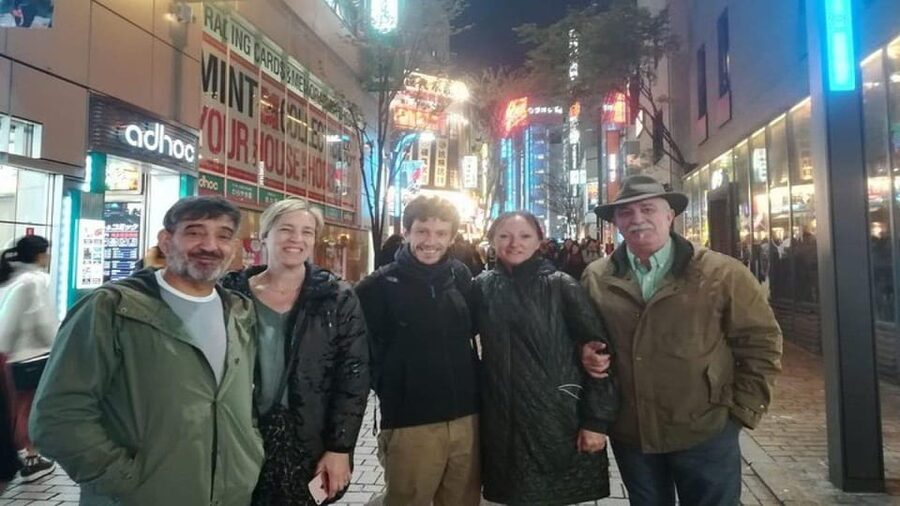
Shibuya Crossing is the obvious star, but the real value of this private walking tour comes from seeing how quickly Tokyo changes from giant screens and department stores to quiet shrine paths, small fashion shops, and side streets. Your guide connects those worlds and helps you make sense of them.
I like the one-to-one format, which lets you ask for more fashion, culture, food, or neighborhood advice as you go. I also like the route between Shibuya and Harajuku, since it covers major sights such as Hachiko and Takeshita Street while leaving room for less polished corners. The main drawback is pace: three hours is useful for an overview, but some stops may feel brief, and one visitor wanted more detail on Japanese history, culture, and religion.
In This Review
- Key points to know before booking
- Starting at Shibuya Station and the famous crossing
- Hachiko and the human side of Shibuya
- Center Gai and Shibuya 109: Tokyo at full volume
- Cat Street and the quieter side of the route
- Ura-Hara and Harajuku’s alternative style
- Takeshita Street and the visual overload of Harajuku
- Omotesando’s polished architecture and designer shops
- Meiji Shrine, a calm finish near Harajuku
- Three hours, private pacing, and transport details
- What the guides add to the experience
- Who should book this Shibuya and Harajuku walk?
- Should you book this private Tokyo walk?
- FAQ
- How long is the Shibuya and Harajuku walking tour?
- Is this a private tour?
- Which places are included?
- Which languages are available?
- Is transportation included?
- Can I cancel or pay later?
Key points to know before booking
- Private from start to finish: You will not share the group with other participants, and the route can be adjusted to your interests.
- Nine useful stops in three hours: The walk links Shibuya Crossing, Hachiko, Shibuya 109, Center Gai, Cat Street, Harajuku, Takeshita Street, Omotesando, and Meiji Shrine.
- A strong first-day tour: Your guide can suggest other things to do in Tokyo, making this useful early in your stay.
- Fashion is a major theme: Expect youth styles in Harajuku, designer shops on Omotesando, indie boutiques in Ura-Hara, and trend-focused retail at Shibuya 109.
- Guides speak five languages: Tours are offered in English, French, Italian, Spanish, and Portuguese.
- Plan for a walking tour: Food and drinks are not included, and car transport is not part of the experience.
Starting at Shibuya Station and the famous crossing
The tour begins at Shibuya Station, with listed meeting options at Dolce Shibuya or the Hashimoto Building, depending on the booking choice. Since the meeting point can vary, check your confirmation carefully before setting out.
Shibuya Station is a good place to begin because it drops you straight into the city’s modern side. The famous crossing is a short walk away, where several streams of pedestrians move across the intersection when the signals change. From a nearby vantage point, you can take in the scale of the scene and get the classic Tokyo photograph.
Your guide adds value here by explaining what you are seeing rather than simply pointing at a famous intersection. You can ask about the surrounding shopping streets, the station area, or where to return later for more shopping and food. If you have never visited Tokyo, this early orientation can save you time during the rest of your trip.
The crossing itself does not require a long visit. It is more of a scene-setting stop, and the tour wisely moves on to nearby streets instead of treating it as the whole Shibuya experience.
A few more Tokyo tours and experiences worth a look



Hachiko and the human side of Shibuya
Near the station, you will stop at the Hachiko Statue. It is one of Tokyo’s best-known meeting points, but it also gives the guide a chance to introduce a more personal side of the city.
The statue is compact and often surrounded by people taking photographs, so do not expect a quiet monument visit. Still, it is a useful landmark and an easy place to understand Shibuya’s layout. Your guide can help you find the statue and explain why it matters in local popular culture.
I like having Hachiko included because it gives the tour a clear reference point. Afterward, you know where you are in relation to the station, the crossing, Center Gai, and Shibuya 109. That practical sense of direction is worth more than another rushed photo stop.
Center Gai and Shibuya 109: Tokyo at full volume

The walk continues through Center Gai, one of Shibuya’s main shopping streets. Here, the tone changes from a single landmark to a dense stretch of stores, signs, crowds, and fast-moving city life.
This is a useful place to ask your guide about shopping and youth culture. You may find that the street feels more commercial than traditional, but that is exactly the point. Shibuya is not trying to recreate old Tokyo. It shows the city’s current taste for fashion, entertainment, and visual energy.
Shibuya 109 offers another angle. Its many floors focus on fashion and changing youth styles, making it a worthwhile stop even if you are not planning to buy anything. The building helps explain why Shibuya and Harajuku are often linked in discussions of Tokyo style.
You should keep your expectations realistic. A 20-minute stop is enough for a look around and some context, but not enough for serious shopping. If you want to browse every floor, you will need to return on your own.
Cat Street and the quieter side of the route

The route then heads toward Harajuku along Cat Street, the link between the two districts. This section is one of the tour’s best ideas because it shows the change between Shibuya’s large commercial streets and Harajuku’s smaller-scale retail areas.
Cat Street is associated with indie boutiques and street art. The guide can point out the differences in style and atmosphere as you walk, helping you notice details you might otherwise pass without a second glance.
I especially like this part for visitors who want more than a checklist of famous places. The route still covers well-known sights, but Cat Street gives you time to see how the neighborhoods connect. It also breaks up the larger streets with a more relaxed walk.
The exact shops and displays can change, so this is not a fixed museum visit. Think of it as a guided look at an active shopping district rather than a guaranteed list of particular stores.
Ura-Hara and Harajuku’s alternative style
Ura-Harajuku, often shortened to Ura-Hara, brings you into a side of Harajuku associated with unusual shops and alternative fashion. The name suggests a behind-the-main-street version of Harajuku, and that is how the stop functions on this walk.
Your guide can help you understand the contrast between the area’s smaller independent businesses and the more obvious retail strips. If you are interested in clothing, design, or street culture, this is likely to be one of the most rewarding parts of the afternoon.
It is also a good point to tell your guide what you want from the rest of the tour. The experience is customizable, so you might ask for more time on fashion, architecture, local life, or suggestions for later. The guide’s advice is one of the strongest practical reasons to choose a private format.
Do not expect a formal lecture. The value comes from conversation, observation, and knowing which details to notice. One Italian-language booking praised the friendly guide but wanted more explanation of Japanese history, culture, and religion. That is a fair warning: if cultural background is your priority, tell your guide early and ask direct questions.
Other walking tours we've reviewed in Tokyo



Takeshita Street and the visual overload of Harajuku
Takeshita Street is Harajuku’s most famous narrow shopping lane. It is lined with quirky boutiques, trendy shops, colorful signs, and youth-oriented fashion.
This is where the tour delivers its most concentrated dose of Harajuku style. You will see the district’s playful side, with a stronger focus on clothes and youth trends than on old Tokyo. The street is a natural place for photographs, but it can also feel crowded and intense.
A guide helps you avoid treating the street as a blur of signs. Ask what styles are popular, how Takeshita differs from Ura-Hara, and which parts of Harajuku are aimed at different shoppers. That kind of explanation turns a quick walk into a clearer picture of the district.
The listed stop is about 20 minutes, so you will not have much time to shop. If you see something you want to investigate, note the location and come back later. This is a sightseeing pass through Takeshita Street, not a shopping trip.
Omotesando’s polished architecture and designer shops
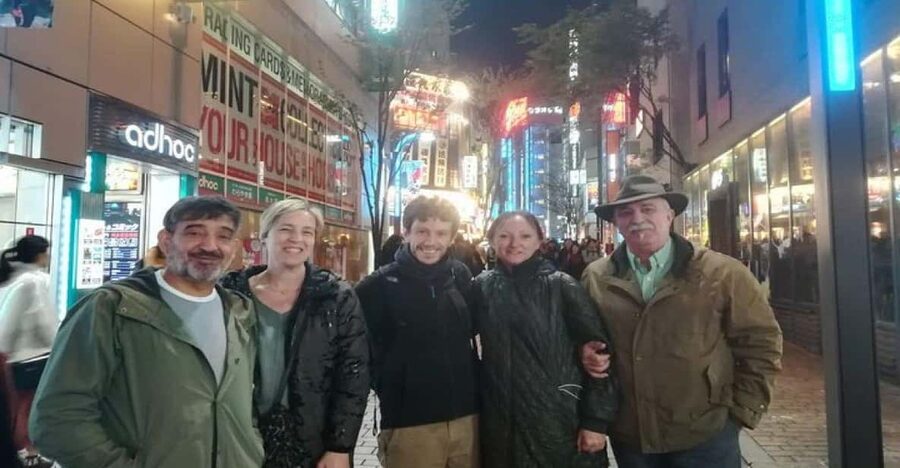
Omotesando Avenue provides a sharp contrast. The street is known for an upscale feel, designer boutiques, and carefully designed buildings. After the colorful energy of Takeshita Street, Omotesando feels more spacious and controlled.
This change is one of the route’s strongest features. In a short distance, you see several versions of Tokyo fashion: mass-market youth retail in Shibuya, alternative shops in Ura-Hara, playful Harajuku storefronts, and luxury shopping along Omotesando.
You do not need to be a serious shopper to enjoy this stretch. The architecture and shopfronts are part of the attraction, and your guide can point out how the street differs from the nearby lanes. The stop is brief, so treat it as an introduction rather than a full shopping visit.
If designer stores are not your interest, ask your guide to focus on the street’s design and neighborhood character. The private setup makes that kind of adjustment possible.
Meiji Shrine, a calm finish near Harajuku
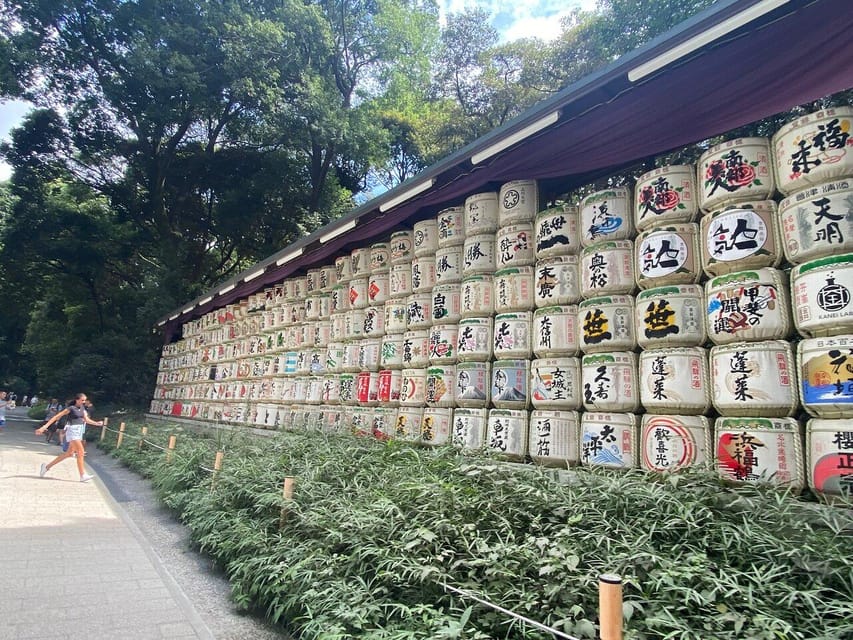
The tour includes a short detour to Meiji Shrine. The approach offers a quiet change from the commercial streets, with a more peaceful setting and a chance to pause.
The stop is listed as about 20 minutes, so you should not expect an extended shrine visit or a full lesson in Shinto practice. Still, it provides useful contrast. You move from giant advertising screens, fashion shops, and busy pedestrian streets to a place associated with Japanese religious tradition.
This is also the section where a guide’s depth matters most. If you want to understand shrine customs, Japanese religion, or the history connected with Meiji Shrine, ask for that information clearly. The tour can introduce the setting, but three hours and several stops limit how much detail any guide can provide.
I like the shrine detour because it keeps the experience from becoming only a shopping walk. It gives you a moment of stillness and shows that Harajuku is more than youth fashion and crowded retail.
Three hours, private pacing, and transport details
The advertised price is $53 per person for three hours. The value depends heavily on your group size and what you want from the guide. For a private group, the cost buys personal attention, route changes, and direct advice about the rest of Tokyo. Those benefits are harder to get on a large group walk.
The tour is primarily on foot. Public transport may be used as part of the walking experience, depending on the selected option, but local transportation around the city is not generally included. Car transport is not included. Wear comfortable shoes and leave room in your schedule for station corridors, shopping streets, and city pavement.
The planned stops are generally about 20 minutes each. That creates a broad overview, but it also means you will not have long at every location. One booking from Antonio in Italy suggested that two hours might be enough to complete the route, while another participant wanted greater cultural detail. Together, those points tell you how to judge the format: it is efficient and flexible, but not a slow study tour.
The private arrangement can help with the pace. If you are enjoying Ura-Hara, you can ask for more time there. If you have already seen Shibuya Crossing, you can move on. Confirm the meeting location because it may differ by booking option.
Free cancellation is available up to 24 hours before the tour for a full refund, and you can reserve now and pay later. The tour is wheelchair accessible. Live guiding is available in English, French, Italian, Spanish, and Portuguese.
What the guides add to the experience
The strongest feedback centers on guide professionalism, friendliness, local knowledge, and useful suggestions for the rest of a Tokyo visit. Sergio is named in several bookings, including one pickup that went smoothly from a hotel. Teresa Calzone led an evening walk that also included dinner, with discussion of fashion, architecture, youth culture, and some local history.
Those details suggest that the guide relationship is central to the experience. You are not simply being moved from one landmark to another. You can ask for restaurant suggestions, later sightseeing ideas, shopping help, or a better explanation of the districts you are seeing.
The exact depth may vary by guide and by the questions you ask. If you want a strong focus on Japanese history and religion, say so at the beginning. If you want a practical introduction to neighborhoods, fashion, and places to return to later, this format should fit well.
The guide can also make the walk feel more personal. One booking described a guide who took time to learn the group’s interests and offered tailored suggestions. That is a small detail, but it is the main difference between a private walk and a standard route with a fixed script.
Who should book this Shibuya and Harajuku walk?
I would choose this tour early in a Tokyo stay, especially if you want to understand how Shibuya and Harajuku fit together. It is suited to first-time visitors, couples, families, and small groups who prefer conversation over a large scheduled tour.
It is also a good match if you want a mix of famous sights and side streets. You will see Hachiko, Shibuya 109, Takeshita Street, Omotesando, and Meiji Shrine, while Cat Street and Ura-Hara add a less obvious side of the route.
I would be more cautious if you want a detailed historical or religious tour. The shrine visit is short, and the main theme is the changing character of Shibuya and Harajuku, particularly fashion, shopping, architecture, and youth culture.
You should also avoid booking it as a dedicated shopping session. The schedule gives you an introduction to several retail areas, but the short stops are designed for orientation. Return later if you want to shop carefully.
Should you book this private Tokyo walk?
Book it if you want a friendly, flexible introduction to two of Tokyo’s most distinctive districts, with a guide who can give you practical advice for the rest of your visit. At $53 per person, the private format offers solid value when shared among a small group, especially if you use the customization option.
Go in expecting a fast overview, not a scholarly account of Japanese culture. Ask for the subjects you care about, wear comfortable shoes, and keep extra time available if you want to revisit a shop or street. For a first look at Shibuya and Harajuku, this is a useful and personable way to get your bearings.
FAQ
How long is the Shibuya and Harajuku walking tour?
The tour lasts three hours. The planned sightseeing stops are generally scheduled for about 20 minutes each.
Is this a private tour?
Yes. The tour is private and exclusive, so no one outside your group will join. A private group option is also available.
Which places are included?
The route includes Meiji Shrine, Omotesando Street, Ura-Harajuku, Takeshita Street, Harajuku, Shibuya 109, Center Gai shopping street, and the Hachiko Statue. It begins from a designated meeting point near Shibuya Station.
Which languages are available?
Live guiding is available in English, French, Italian, Spanish, and Portuguese.
Is transportation included?
The experience is a walking tour, with public transport included where applicable depending on the selected option. Local transportation around the city and car transportation are not included.
Can I cancel or pay later?
You can cancel up to 24 hours before the tour for a full refund. Reserve now and pay later is also available, so you do not have to pay at the time of booking.
More Guided Tours in Tokyo


More Walking Tours in Tokyo
More Shibuya Tours in Tokyo



More tours in Tokyo we've reviewed











Shibuya Tours, compared.
 ★ 5.0Official Street Go-Kart in ShibuyaFrom $76
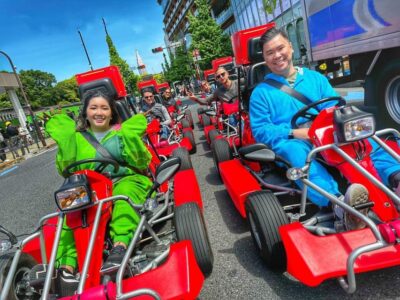 ★ 4.9Tokyo: Street Kart Experience in ShibuyaFrom $741 hour
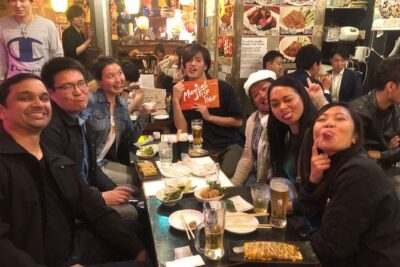 ★ 5.0Shibuya Meltdown Nightlife Tour: All-You-Can-Drink Bar HoppingFrom $106
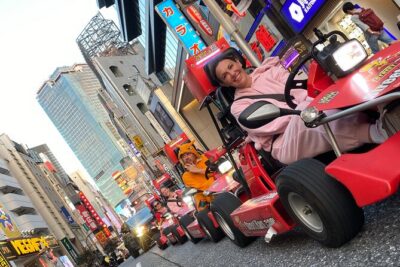 ★ 5.0Shibuya Official Street Go-Kart in Shibuya AnnexFrom $69
 ★ 5.0Tokyo: Shibuya Food Tour (13 dishes and 4 Eateries)From $77
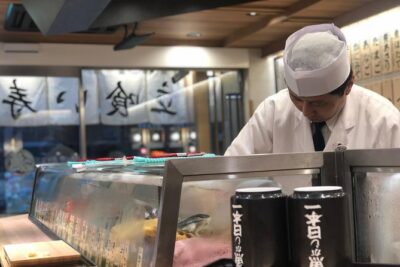 ★ 5.0Best of Shibuya Food TourFrom $217