
Reviewed · UENO & YANAKA WALKS
Tokyo ART Walking: National Museum and Yanaka ART Area
This tour gives you two very different views of Tokyo art in one compact outing. You begin with Japan’s grandest museum, then walk through Ueno and Yanaka to see university galleries, a renovated bathhouse gallery, working artists’ spaces, and a quiet temple.
I like the included Tokyo National Museum admission, which removes one costly and time-consuming step. I also like the personal scale of the Yanaka portion, especially the chance to talk with an artist at haco or visit Allan West’s studio. The main consideration is pace: three and a half hours covers many stops, so museum lovers may want more time inside the National Museum than this tour allows.
In This Review
- Key points to know before booking
- Starting at Ueno Station and the Tokyo National Museum
- Ueno’s concert halls and modern architecture
- The International Library and Kuroda’s place in Japanese art
- Tokyo University of the Arts and the Chinretsukan Gallery
- Gokoku-in Temple adds a quiet pause
- Allan West’s folding-screen studio
- Haco and the chance to meet a local artist
- SCAI The Bathhouse in a former public bath
- Yanaka Cemetery and the walk toward Nippori
- What the guide adds to the experience
- Is $96.75 a fair price?
- Who should book this art walk?
- Should you book it?
- FAQ
- How long does the Tokyo ART Walking tour last?
- Where does the tour begin?
- Where does the tour end?
- Is Tokyo National Museum admission included?
- Does the tour enter the National Museum of Western Art?
- What is included besides the guide and museum ticket?
Key points to know before booking
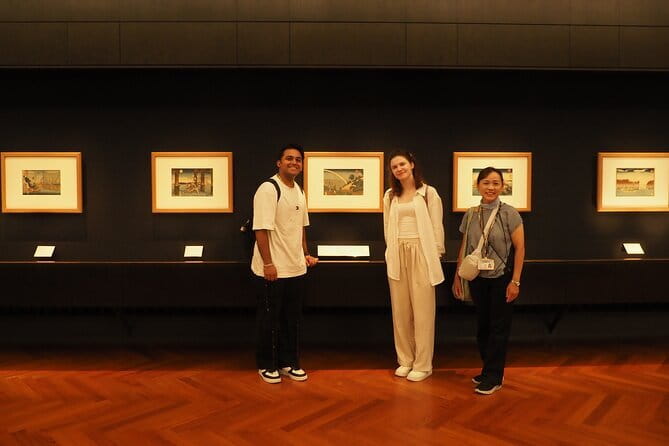
- The Tokyo National Museum is the main anchor: You get 1 hour and 15 minutes inside Japan’s largest museum and art gallery.
- The route changes character after Ueno: Modern architecture, university art, temples, small galleries, and Yanaka’s cemetery follow the museum visit.
- Guide quality matters here: Kyoko, Yuka, and Kenny have each led particularly well-regarded tours, with strong communication and help with meeting logistics.
- The group is capped at 16 people: That is small enough for a more personal walk, though not the same as a private tour.
- Coffee or tea is included: One coffee, tea, or soft drink is part of the experience.
- You finish near Nippori Station: The walk begins at JR Ueno Station and ends in a different part of Tokyo, so plan your day around that one-way route.
Starting at Ueno Station and the Tokyo National Museum
The meeting point is outside the Ueno Park gate at JR Ueno Station, near the Babycal NewDays Ecute Ueno Park Gate location. Ueno Station is large, so allow time to find the correct exit. Your guide can make a big difference here. Kyoko, in particular, has helped participants get to the meeting point and later arrange a taxi when needed.
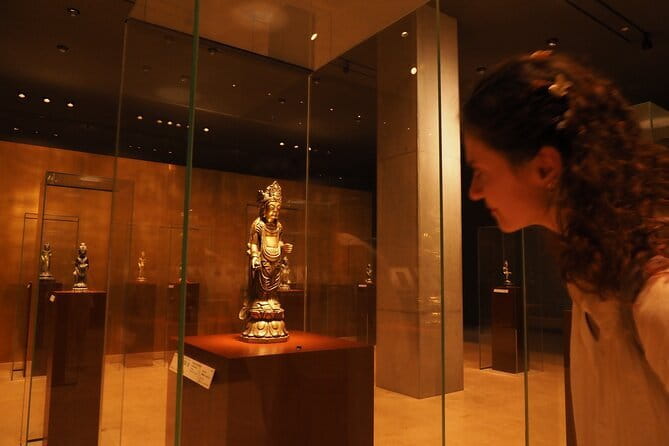
The first major stop is the Tokyo National Museum, with admission included in the price. This is Japan’s largest museum and art gallery, and it holds paintings, sculpture, ceramics, textiles, calligraphy, and other works from ancient to modern times.
You have about 75 minutes inside. That is enough for a guided introduction and a look at major sections, but it is not enough to see everything. If you already know the museum, you may find the time short. If this is your first visit, the guide’s explanations can help you make sense of what you are seeing instead of wandering through a very large collection without a plan.
The museum is particularly useful for setting up the rest of the walk. After seeing formal and historic Japanese art in a major institution, you move toward smaller spaces where art is made, displayed, and sold in a more local setting. That contrast is one of the tour’s best ideas.
A few more Tokyo tours and experiences worth a look

Ueno’s concert halls and modern architecture
After the museum, the route continues through Ueno’s cultural district. Tokyo Bunka Kaikan is a major venue for opera, ballet, and classical music. You spend about 15 minutes here, mainly looking at the building and hearing about its role in Tokyo’s arts scene.
The stop is short, and the building is viewed as part of the walking route rather than as a performance visit. That makes it a useful pause between museum interiors and the smaller venues ahead.
You also see the National Museum of Western Art from outside. This is an important architectural stop because it is the only museum in East Asia designed by Le Corbusier. Entry is not included, and this tour does not take you inside, so you should not book it expecting a Western art museum visit.
That limitation is easy to understand once you see the route. The tour is trying to cover both art and architecture while moving toward Yanaka. Still, if Le Corbusier’s work is a top priority, you may want to return separately with time to visit the interior.
The International Library and Kuroda’s place in Japanese art
The International Library of Children’s Literature is another short stop, lasting about 15 minutes. Its appeal is architectural: modern and retro elements are combined in one building.
The stop adds a different note to the walk. Not every building here is a museum filled with objects. Some are cultural places whose design and purpose help explain how Tokyo uses art, education, music, and public space together.
The route also passes the former concert hall of the Tokyo National University of Fine Arts and Music. The former hall is viewed from outside, but it connects naturally to the next major stop, the Chinretsukan Gallery at the university’s Ueno campus.
You also see a small museum devoted to Kuroda, a pioneer of Western art in Japan. The supplied schedule does not give a separate duration for this stop, so expect it to be part of the guided passage through the area rather than a long gallery visit.
Tokyo University of the Arts and the Chinretsukan Gallery
The Chinretsukan Gallery belongs to Tokyo University of the Arts, Japan’s only national university of the arts. The school includes both fine arts and music faculties, and the gallery offers a look at the institution’s place in Japanese creative life.
You have about 15 minutes here. That is enough for a focused introduction, but exhibitions may vary, and the schedule does not promise a particular show. The point is less about checking off one famous collection and more about seeing the connection between education, artists, and the city around them.
This is one of the tour’s more useful stops for anyone curious about how artists develop in Japan. It also keeps the experience from becoming only a museum tour. You are not simply looking at finished works in grand rooms. You are following a route tied to schools, studios, galleries, and working artists.
Gokoku-in Temple adds a quiet pause
Gokoku-in Temple brings the walk into a different mood. The temple is dedicated to Daikokuten, associated with prosperity and a good harvest. You spend about 15 minutes here.
The stop is free, and it gives you a short break from museum and gallery talk. It also shows why the Ueno and Yanaka route works well on foot. Cultural sights are close enough to combine, but they do not all feel alike.
Do not expect a long temple visit or an extended religious tour. The schedule allows a brief look and explanation. For you, the value is in the change of setting and in seeing a place of worship included alongside concert halls, galleries, and studios.
Other walking tours we've reviewed in Tokyo


Allan West’s folding-screen studio
At Art Sanctuary Allan West, you visit the studio and gallery of Allan West, a Japanese folding-screen painter. The stop lasts about 15 minutes.
A studio visit can tell you something a large museum cannot: how art fits into a working space. You may see the setting where an artist creates and displays work, rather than only viewing objects after they have entered a formal collection.
The short time limit matters here. You will get an introduction, but this is not an extended workshop or a chance to watch a complete painting being made. Still, it is one of the most distinctive stops on the route and a good reason to choose this tour instead of a standard Ueno highlights walk.
Haco and the chance to meet a local artist
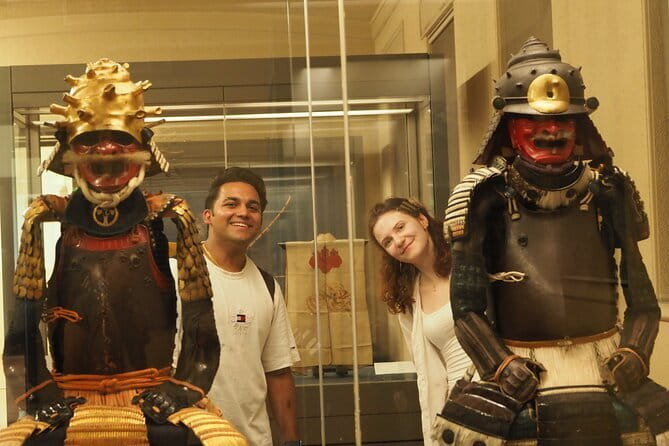
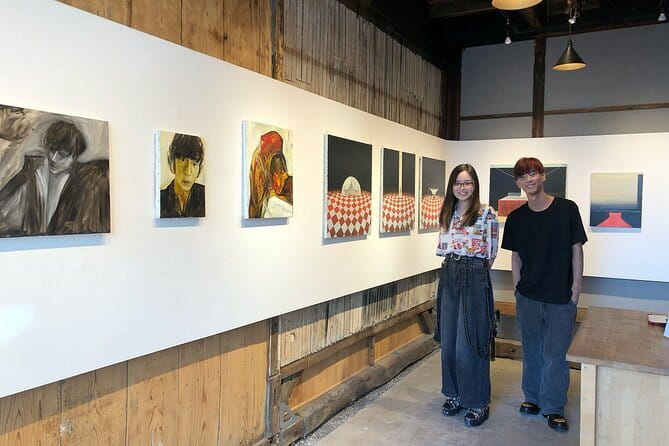
Haco, described as an art brewing gallery, changes its exhibitions every week. The schedule allows about 15 minutes, and you may be able to speak with the artist.
That last point comes with an important qualification: the artist may not be present during your tour. You should treat a conversation as a welcome possibility, not a promised feature.
The changing exhibits also mean your experience depends partly on timing. This is not a fixed collection where you know exactly what you will see. For many people, that is part of the appeal. The gallery reflects current local activity instead of presenting only established names.
This stop also helps explain the tour’s unusual mix. You get the national museum first, then smaller spaces where the art scene feels more immediate and less formal. I would especially recommend this portion if you enjoy seeing how neighborhoods support artists outside the major institutions.
SCAI The Bathhouse in a former public bath
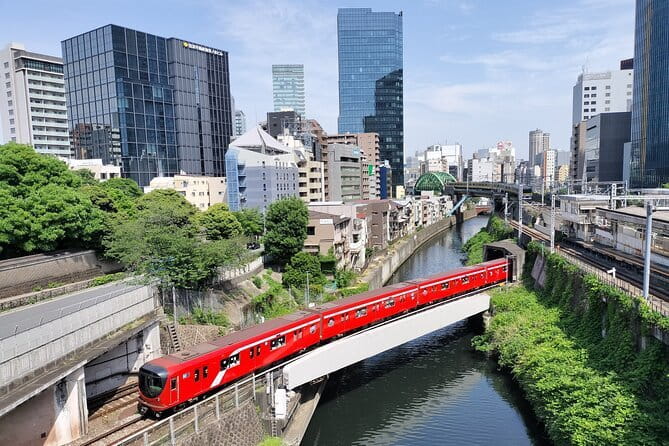
SCAI The Bathhouse is a contemporary art gallery in a renovated public bathhouse. You spend about 15 minutes here.
The building’s earlier use is part of the attraction. A former neighborhood bathhouse becomes a space for contemporary art, giving the visit a strong sense of place. You are not entering a generic white gallery with no connection to its surroundings.
Again, the time is brief. You may see only part of an exhibition, and the schedule does not promise specific artists or works. But the stop is well chosen for a walking tour because the building itself shows how older community spaces can receive a new purpose.
Yanaka Cemetery and the walk toward Nippori
The final listed stop is Yanaka Cemetery, a green, quiet cemetery with about 10 minutes allotted. It is not an art gallery, but it gives the route a calmer finish and places you firmly in Yanaka.
The cemetery is also a reminder that this is a neighborhood walk, not a museum shuttle. You move through a part of Tokyo where art spaces, religious sites, homes, and memorial grounds share the same streets.
The tour ends at Nippori Station, at 2 Chome-19 Nishinippori. Since you start at Ueno and finish at Nippori, the route is useful if you plan to continue from Nippori afterward. It is less convenient if you need to return to Ueno immediately, though public transportation is nearby.
What the guide adds to the experience
The guide is central to the value of this tour. A self-guided visit could take you to the Tokyo National Museum and perhaps a few major Ueno buildings, but it would be harder to connect the small galleries, university campus, temple, studio, and cemetery into one understandable story.
Kyoko has been praised for strong support before and after the walk, including help with the meeting point and arranging a taxi when needed. Yuka is described as an excellent communicator with a strong command of Japanese art and the Ueno area. Kenny has led walks through the Ueno Park buildings, the museum’s Japan Gallery, and nearby galleries, and has also adjusted plans to meet individual needs.
Those names are useful when you book, but you should not assume a particular guide is guaranteed unless the provider confirms it. The important point is that this tour depends on clear explanation and good route management, especially with many short stops packed into three and a half hours.
The maximum group size is 16. That is not a private experience, but it is still more manageable than a large coach group. The included certified guide can also help you navigate the station meeting point and the one-way walk.
Is $96.75 a fair price?
At $96.75 per person, this is not a cheap museum ticket. The value comes from the combination of admission, guiding, route planning, and access to places you might not think to connect on your own.
The Tokyo National Museum admission is included, as is coffee, tea, or one soft drink. Private transportation is not included, so you are paying for a walking experience rather than door-to-door touring.
I see the price as reasonable for someone who wants an organized introduction to Japanese art without spending hours researching Ueno and Yanaka. You are also paying for the guide’s interpretation, which matters more here than it would on a simple sightseeing route.
The value is weaker if you only want the National Museum. You could visit it independently and spend far longer inside. It is also less attractive if you dislike short stops or prefer to linger over each gallery.
Group discounts may be available, and the tour is typically booked about 27 days ahead. That advance pattern suggests you should not leave it until the final day of a short Tokyo stay.
Who should book this art walk?
I would choose this tour if you want a first look at Japanese art and prefer a guide to help connect the pieces. It suits curious beginners as well as art lovers who enjoy architecture, studios, and smaller exhibitions along with a major museum.
It is also a good fit if you want to see Ueno and Yanaka in one outing. The route gives you a useful mix of formal culture and neighborhood life without requiring private transportation.
You should think twice if you need a slow, detailed museum visit. The National Museum gets the longest stop, but 75 minutes is still a sample rather than a full exploration. The same is true of SCAI The Bathhouse, haco, and Allan West’s studio, each of which receives only about 15 minutes.
Wear comfortable shoes and plan for a long walk, even though the total duration is listed as about three and a half hours. The route includes several outdoor passages, and the end point is Nippori rather than the starting station.
Free cancellation is available if you cancel at least 24 hours before the start time. Changes or cancellations inside that window are not refunded, so keep your schedule firm once the deadline passes.
Should you book it?
Book this experience if you want a guided art route rather than a single museum visit. The strongest parts are the included Tokyo National Museum entry, the carefully connected Ueno sights, and the unusual Yanaka stops at small galleries and an artist’s studio.
Skip it if you want to set your own pace or spend half a day inside the National Museum. For everyone else, this is a smart way to see how Tokyo’s large cultural institutions connect with small galleries, working artists, temples, and everyday neighborhoods.
FAQ
How long does the Tokyo ART Walking tour last?
The experience lasts approximately 3 hours and 30 minutes.
Where does the tour begin?
It begins outside the Park Gate at JR Ueno Station, near the Babycal NewDays Ecute Ueno Park Gate location in Ueno, Tokyo.
Where does the tour end?
The walk ends at Nippori Station in Nishinippori, Tokyo.
Is Tokyo National Museum admission included?
Yes. Admission to the Tokyo National Museum is included in the tour price.
Does the tour enter the National Museum of Western Art?
No. The tour views the National Museum of Western Art from outside. Entry into that museum is not included.
What is included besides the guide and museum ticket?
A certified guide and coffee, tea, or one soft drink are included. Private transportation is not included.
More Museum Experiences in Tokyo

More Walking Tours in Tokyo
More Ueno & Yanaka Walks in Tokyo

More tours in Tokyo we've reviewed







Ueno & Yanaka Walks, compared.
 ★ 5.0Eat and Drink Like a Local: Tokyo Ueno Food Tour-Taverns&RamenFrom $95
 ★ 4.5The Old Quarter of Tokyo – Yanaka Walking TourFrom $40
 ★ 5.0Yanaka Walking Tour: Historic and Traditional District of TokyoFrom $72
 ★ 4.8Tokyo: Old Quarter Yanaka Walking TourFrom $323 hours
 ★ 5.0Tokyo: Food Tour in Ueno with 10+ Tastings of Japanese ClassicsFrom $142
 ★ 4.9Tokyo:Stroll in Old traditional culture towns~Yanaka & NezuFrom $293h 30m