
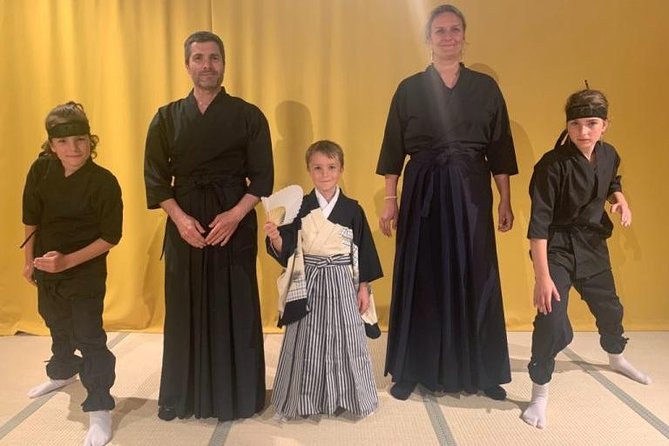
Reviewed · SAMURAI & NINJA EXPERIENCES
Samurai Sword Experience (Family Friendly)at SAMURAI MUSEUM TOKYO
The best part of this Tokyo experience is the chance to do more than pose in costume. You put on a hakama, handle a non-sharp replica sword, practice basic movements, and try throwing ninja stars. The session is designed for participation, not just looking at displays.
I like the family-friendly format and the small-group sword lesson, where instructors can help children and beginners. I also like the mix of hands-on fun and history, with a museum tour, armor photos, and explanations of samurai and ninja culture.
The main catch is timing and crowd control. Group sizes appear inconsistent, and some sessions may include up to 16 people rather than the advertised eight or fewer. If the museum is crowded or people arrive late, the experience can feel less organized and leave little time for the exhibits.
In This Review
- Key points to know before booking
- What the 75-minute samurai experience is really like
- Putting on the hakama and samurai gear
- Learning the three sword movements
- Ninja stars and the compact museum tour
- Why the guides make a difference
- Group size, timing, and the crowd question
- Is the $65.41 price good value?
- Who should book this experience
- My verdict on this Tokyo samurai activity
- FAQ
- Where does the Samurai Sword Experience take place?
- What time does the experience start?
- How long does the activity last?
- Can children participate?
- Is the sword real and sharp?
- What do I wear during the activity?
- Are ninja weapons included?
- Is transportation included?
- What is the cancellation policy?
Key points to know before booking
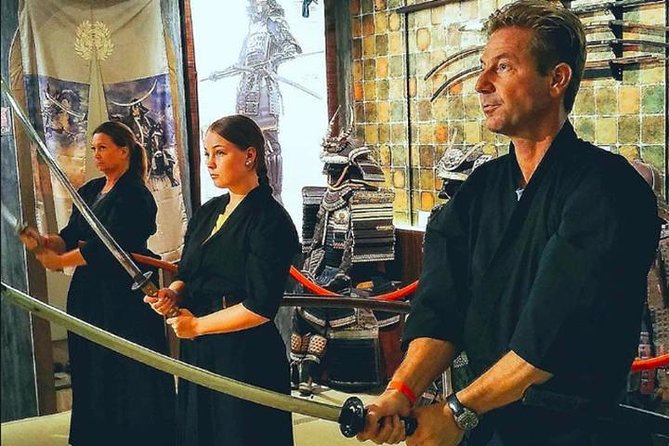
- Practice three basic sword movements with a replica blade under an instructor’s direction.
- Wear a hakama and samurai costume, with armor and helmet available for photos.
- Try rubber ninja stars against a target, a simple activity that works well for children.
- Meet at Samurai Ninja Museum Asakusa Tokyo at 2:00 pm, near public transportation.
- Expect a compact museum tour, with artifacts and displays rather than a large, full-scale museum.
- Children under six cannot enter, and published group limits vary between four, eight, and 16 people.
What the 75-minute samurai experience is really like
This activity takes place at Samurai Ninja Museum Asakusa Tokyo, at 1-chōme-8-13 Nishiasakusa in Taito City. The meeting point is also the ending point, so you do not need to arrange a second pickup or find your way across Tokyo after the lesson.
The advertised duration is about one hour and 15 minutes, though the practical length can vary. Some descriptions place the combined activities closer to 90 to 120 minutes, especially when the museum tour, costume changes, photography, and ninja-star practice run at their full pace.
You begin with an introduction to samurai and ninja culture. The guides explain the setting and show artifacts before moving into the practical part. English is used, and several instructors have been singled out for clear explanations and a friendly manner.
The tone is light. You are not signing up for formal martial-arts training. You are learning a few controlled movements, getting a sense of how a sword is handled, and taking part in a carefully managed demonstration.
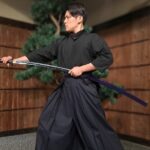
That distinction matters. The blade used for practice is a replica and is not sharp. You will not cut a target or train with a battle-ready katana. The appeal is the combination of instruction, costume, movement, and photos, not advanced swordsmanship.
A few more Tokyo tours and experiences worth a look
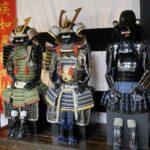
Putting on the hakama and samurai gear
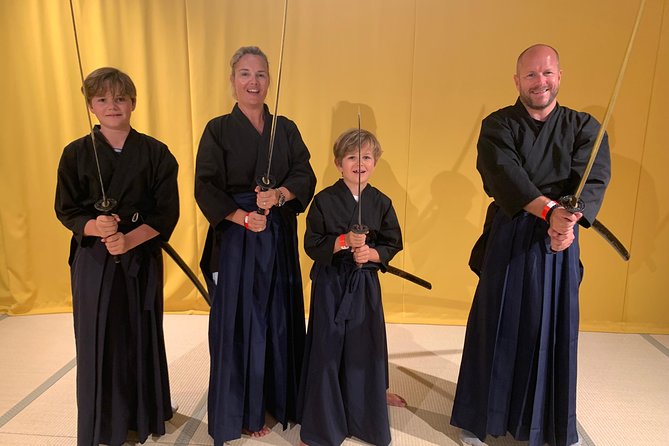
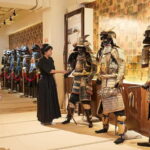
The costume portion gives the experience much of its visual appeal. You wear a hakama, the pleated traditional garment associated with Japanese formal wear and martial arts. You can also try samurai armor and a helmet, then pose with swords against studio or samurai-themed backgrounds.
The armor is imitation rather than historical protective equipment. One detailed account describes it as rubber armor that looks convincing in photographs. That is useful to know if you are expecting museum-grade antiques or a full reenactment.
For families, this part is often the easiest win. Children can dress up, pose, and take home memorable photos without needing to understand every historical detail first. Adults usually enjoy it for the same reason. A serious expression under a helmet is hard to resist.
Photography can also slow the schedule. The staff tries to give each participant time for photos and video, but a group of 16 takes much longer than a group of four. If you want your own photos, be ready to move efficiently and follow the staff’s instructions.
The costume is not only a photo prop. It helps you understand the physical side of the subject. The layers, formal posture, and movement make the sword lesson feel more connected to the theme than a quick demonstration in everyday clothes.
Learning the three sword movements
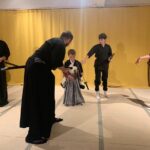
The sword lesson is the heart of the booking. The instructor first demonstrates basic handling, then has you practice with wooden swords. Younger children may use foam swords, which makes the session less intimidating and more manageable for small hands.
You practice three movements rather than a long sequence of forms. The instructor demonstrates, the group repeats the motions, and the activity builds toward a coordinated performance. You then use a replica sword for the final practice.
The lesson is structured for first-timers. You do not need martial-arts experience, and the instructors are described as patient and encouraging. Some sessions feature Ryo, who is presented as a descendant of a samurai family and as a trained martial artist. Other named staff include Kenny, Momo, and Jack, with different people handling instruction and museum interpretation.
Do not expect one-on-one coaching for every participant. In a larger group, the lesson becomes a shared demonstration. The instructor may film or photograph each group performing the movements, but you may not receive an individual sword routine or a chance to show advanced technique.
The safety setup is important. The sword is not sharp, and the movements are controlled. Still, you should listen closely, especially when children are involved. The activity is family-friendly, but it is not a free-for-all with weapons.
I see the sword lesson as a theatrical introduction to samurai movement. You will leave with a few simple actions and a better feel for the discipline behind them. You will not leave trained to wield a katana.
Ninja stars and the compact museum tour
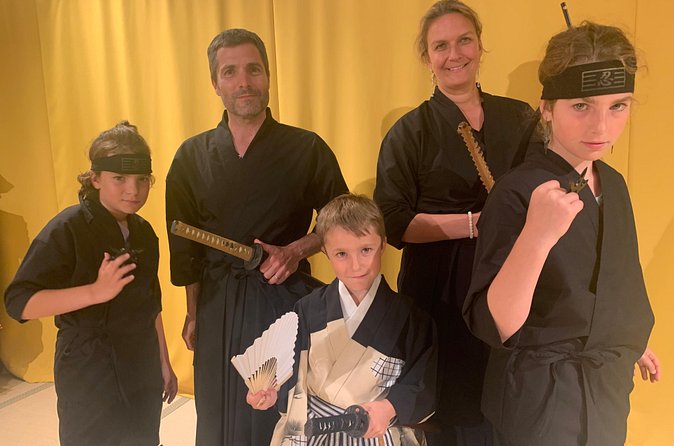
The ninja-star activity adds another short hands-on element. You throw hard rubber stars into Styrofoam, which gives you a clear target and lets children take part. It is simple, safe, and often one of the most entertaining parts for families.
The activity is not a lesson in actual ninja combat. It is a controlled try-it station that adds variety after the sword practice. If you have a child who loses interest during historical explanations, this physical section can bring the energy back.
The museum itself is small. You may see samurai and ninja artifacts, costumes, weapons, and themed displays, but do not compare it with a large national museum. The value lies in the guided explanation and the chance to connect objects with the activities you have just tried.
The guide-led format is helpful because the displays are compact and the subject can be unfamiliar. Staff members explain the role of samurai and ninja in an accessible way, with humor and audience interaction. The museum tour can feel rushed, though, especially if the sword activity runs long or the venue is full.
Crowding is the biggest museum drawback. A small room filled with people makes it hard to see every object or move comfortably. One account also described a delay between the costume activity and the museum tour. That sort of wait may be frustrating when you have planned the afternoon around a short session.
If the museum matters most to you, arrive on time and keep your expectations modest. You are getting a lively introduction, not an unhurried museum visit with space to read every label.
Why the guides make a difference
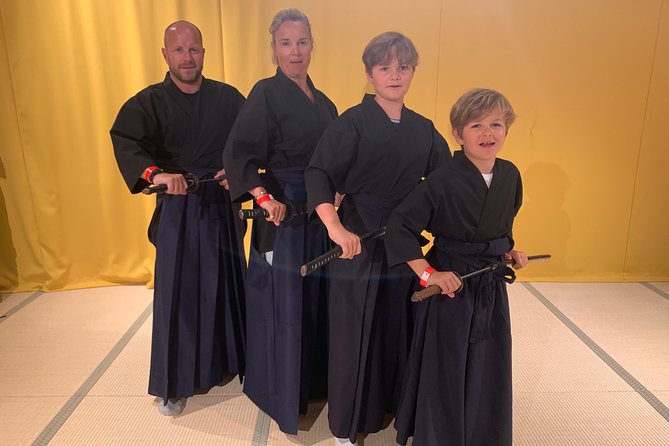
The people leading this activity shape the experience more than the objects do. A good instructor keeps the sword movements clear, watches the group, and gives children enough attention to feel involved. The strongest feedback centers on staff who are warm, funny, patient, and easy to understand in English.
Ryo is especially associated with the sword lesson and is described as a professional instructor with family ties to samurai tradition. Kenny is noted for supportive teaching, while Momo is associated with clear Japanese history explanations. Jack is also praised for making the history and sword activities accessible.
Staff names may vary by date, so you should not assume one particular instructor will lead your session. The useful point is that the experience depends on an active guide. You are not simply handed a costume and left alone with a display.
The guides also manage the balance between entertainment and instruction. The best moments come when the lesson explains why posture, controlled movement, and sword handling matter. The weaker moments come when too much time goes to lining up, changing clothes, or waiting for photos.
This is a good activity for you if you enjoy learning through doing. If you want a quiet, detailed lecture on Japanese military history, the museum section may feel too brief.
Other museum experiences in Tokyo


Group size, timing, and the crowd question
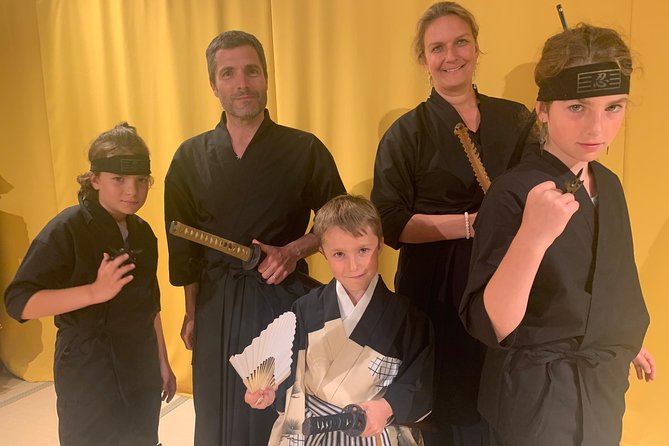
The booking information gives several different maximum group sizes: four, eight, and 16. That inconsistency is worth taking seriously. A group of four can feel personal, while 16 people in a small costume and practice area can create delays.
The 2:00 pm start makes this easy to pair with other time in Asakusa. You can plan the activity as an afternoon stop, but keep some flexibility afterward. The published 75-minute duration may not include every delay, transition, or extended photo session.
Late arrivals can affect everyone. The staff may need to wait for people to change, join the lesson, or catch up with the group. Rainy periods may also bring more people into the venue and complicate scheduling.
For a smoother visit, arrive before 2:00 pm, have your phone ready for photos, and listen for instructions during the costume change. If you are traveling with young children, explain that the sword movements are practiced together and that they will need to wait their turn for photos.
A larger group is not automatically a bad experience. It can make the lesson lively, and children may enjoy seeing others perform. But it reduces personal attention and increases the odds that the museum portion will feel hurried.
Is the $65.41 price good value?
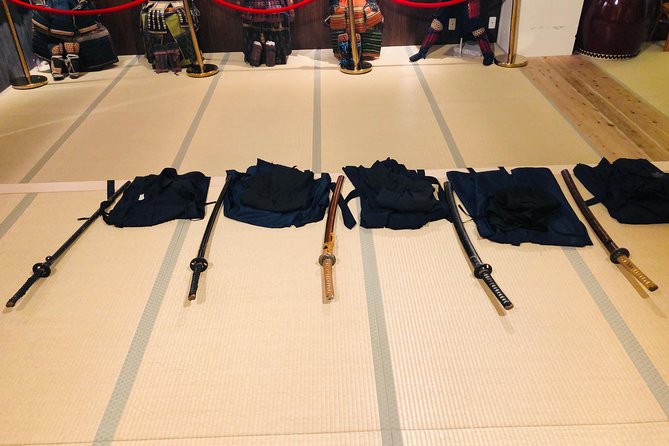
At $65.41 per person, this is not a cheap photo stop. The value depends on how much you want the guided activity rather than the museum alone.
You are paying for several linked elements: the museum introduction, the hakama and samurai costume, the armor and helmet photos, the sword lesson, the replica-sword practice, and the ninja-star activity. For a family, that variety can justify the price because different ages can enjoy different parts.
The price is easier to defend if you want a ready-made cultural activity in English. You do not need to research samurai etiquette, find a separate costume studio, or organize a sword demonstration. The staff supplies the structure and keeps the activity moving, at least when the group is on time and manageable.
The value is weaker if your main goal is serious sword training or a large museum collection. The lesson covers only a few movements, the sword is a non-sharp replica, and the displays are compact. You should book it for entertainment with cultural context, not as a substitute for a martial-arts class.
A mobile ticket and free cancellation up to 24 hours before the start time add practical flexibility. Changes or cancellations inside that 24-hour window are not refunded, so do not wait until the last minute if your plans are uncertain.
Transportation is not included. You make your own way to the Asakusa meeting point and return from there, though the venue is near public transportation and the surrounding area has shops.
Who should book this experience
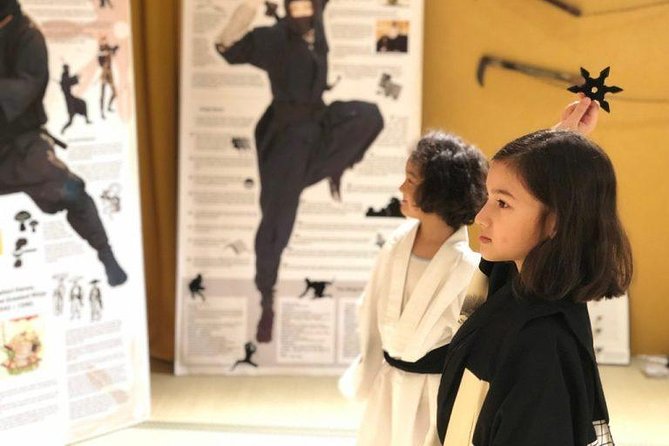
I would put this near the top of the list for families with school-age children, especially kids who already like swords, ninjas, costumes, or Japanese culture. Foam weapons for younger children and a clear group format make the activity approachable.
It also suits adults who want a playful cultural stop. You do not need to be an enthusiast. The costume photos, guided movements, and short museum explanation create an easy afternoon activity.
It may suit you less if you dislike staged photography, crowded rooms, or waiting for other people. You may also be disappointed if you expect to use a real sharpened katana, perform a solo cutting demonstration, or spend a long time studying artifacts.
Children under six cannot enter the samurai venue. That rule is firm and important for family planning.
The location makes this a useful choice if you are already visiting Asakusa. Since the activity starts and ends at the same point, you can continue exploring the neighborhood afterward without arranging a transfer.
My verdict on this Tokyo samurai activity
I would book this if you want a hands-on family activity with costumes, simple sword practice, ninja stars, and a short introduction to samurai culture. The instructors are the main strength, and the best sessions sound lively, clear, and welcoming.
I would not book it expecting a full museum visit or authentic combat training. Ask yourself what you want from the afternoon. If the answer is fun photos, a safe sword lesson, and a memorable activity for mixed ages, the $65.41 price can make sense. If you want quiet galleries or serious historical study, choose something else.
Before paying, confirm the expected group size and total duration. That single check can make the difference between a personal lesson and a crowded, stop-start session.
FAQ
Where does the Samurai Sword Experience take place?
It starts and ends at Samurai Ninja Museum Asakusa Tokyo, located at 1-chōme-8-13 Nishiasakusa, Taito City, Tokyo 111-0035, Japan.
What time does the experience start?
The stated start time is 2:00 pm.
How long does the activity last?
The listed duration is approximately one hour and 15 minutes. The combined sword, ninja, photography, and museum activities may take about 90 to 120 minutes in some sessions.
Can children participate?
Children can participate if they are at least six years old. Children under six cannot enter the samurai venue.
Is the sword real and sharp?
No. The sword used by participants is a replica and is not sharp. Practice may also begin with wooden swords, while younger children may use foam swords.
What do I wear during the activity?
You wear a hakama and a samurai outfit. Samurai armor and a helmet are available for a trial and photographs.
Are ninja weapons included?
Yes. The activity includes a ninja-weapons trial, including throwing hard rubber ninja stars into Styrofoam.
Is transportation included?
No. Transportation to and from the attraction is not included. You make your own way to the meeting point, which is near public transportation.
What is the cancellation policy?
You can cancel at least 24 hours before the local start time for a full refund. Cancellations or changes made less than 24 hours before the start time are not accepted for a refund.
More Museum Experiences in Tokyo
More Samurai & Ninja Experiences in Tokyo
More tours in Tokyo we've reviewed











Samurai & Ninja Experiences, compared.
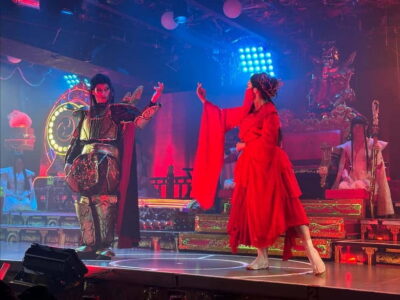 ★ 4.5Tokyo: Samurai Restaurant Show Ticket with 2 DrinksFrom $551h 30m
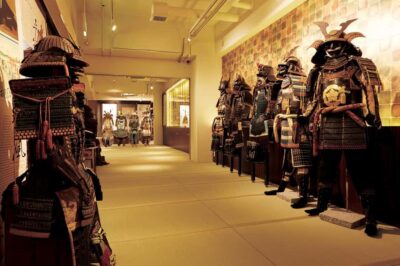 ★ 4.6Tokyo: Samurai Ninja Museum Guided tour and ExperienceFrom $27
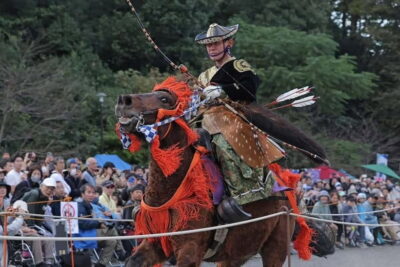 ★ 5.0Tokyo: Samurai Sword & Archery Class from Samurai DescendantFrom $1933 hours
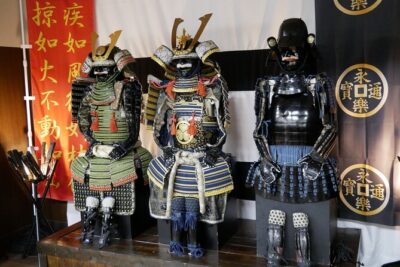 ★ 5.0Best Samurai Experience in TokyoFrom $65
 ★ 5.0Ninja Experience (Family Friendly) at Samurai Ninja Museum TOKYOFrom $47
 ★ 4.6Tokyo: Samurai Entertainment Night Show in Kanda ShrineFrom $412 - 3 hours