
Reviewed · SUSHI MAKING CLASSES
Samurai Sword & Sushi Experience with Chef Live Shows in Asakusa
The clever part of this Asakusa experience is the two-for-one format. You learn hands-on sushi skills from a Japanese chef, then step into samurai armor for photos among swords, bamboo, torches, and traditional decorations. It feels more like an evening activity than a standard meal.
I like the friendly, playful teaching style and the chance to make several kinds of nigiri yourself. I also like the location: just one minute from Asakusa Station and three minutes from Sensoji Temple. The main consideration is that this is a themed cultural experience, not a quiet sushi-counter meal, and extra drinks cost more.
In This Review
- Key points to know
- A sushi class with a samurai backdrop
- Finding Jin Asakusa near Sensoji Temple
- What happens during the sushi lesson
- A meal that goes beyond basic tuna and salmon
- The samurai costume session
- How the small group size affects the experience
- Who will get the most from this experience
- Is the $49.54 price good value?
- Booking timing and practical planning
- Should you book the Samurai Sword and Sushi Experience?
- FAQ
- How long does the experience last?
- Where does the activity take place?
- How far is the venue from Asakusa Station and Sensoji Temple?
- Is transportation included?
- What food is included?
- Can I cancel for a refund?
Key points to know
- Make your own nigiri: A chef demonstrates techniques and helps you prepare several sushi types, including five kinds of nigiri in one course.
- Try premium toppings: Depending on your package, the meal can include Wagyu beef, caviar, crab, tuna, salmon, and other sushi.
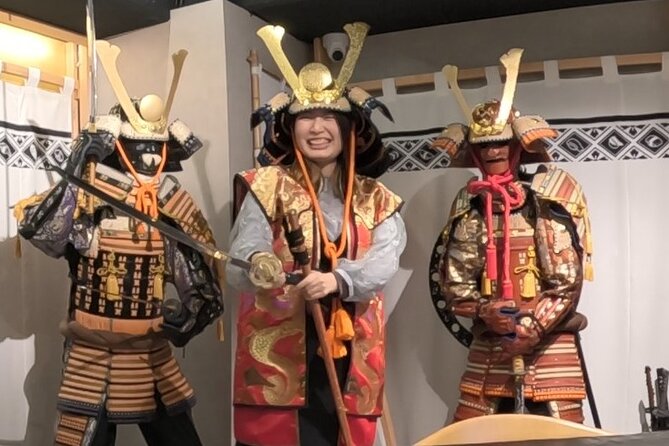
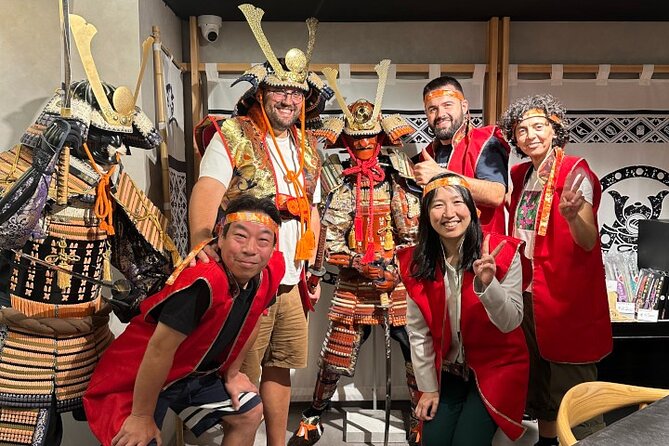
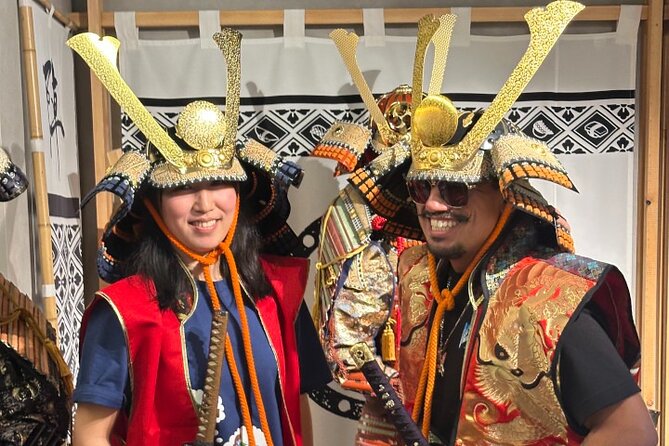
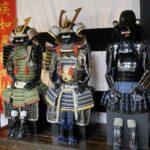
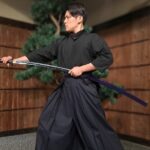
- Samurai photo time: Put on samurai clothing or armor in a room filled with swords, bamboo, torches, and Japanese warrior decor.
- Small group setting: The maximum group size is 12, with some time slots potentially feeling much smaller.
- Useful Asakusa base: The venue is one minute from Asakusa Station, three minutes from Sensoji Temple, and offers views toward Tokyo Skytree.
- Budget-friendly meal activity: At about $49.54 per person, the price includes food, service charge, and consumption tax, but not transportation or extra drinks.
A sushi class with a samurai backdrop
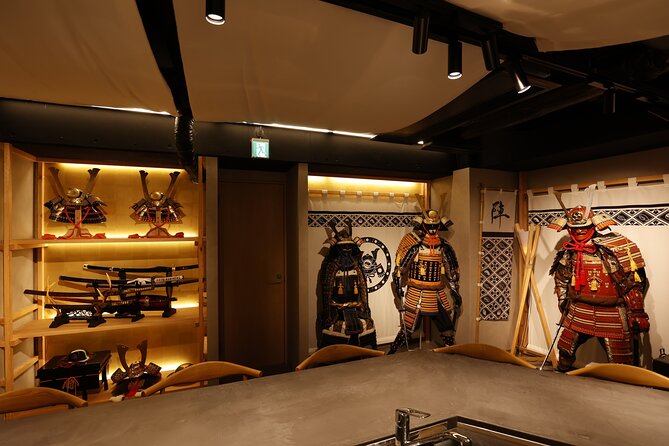
Most sushi classes ask you to sit at a counter, watch a chef, and shape a few pieces. This one adds a theatrical Japanese setting. Jin Asakusa is decorated with armor, swords, bamboo, and torch-style details, creating a backdrop that is especially fun for families, couples, and anyone who wants photos beyond the usual Tokyo street scene.
The atmosphere is clearly designed to entertain. You may take part in games, trivia, and other interactive moments alongside the cooking. That makes the experience less formal than a traditional sushi lesson, but it also keeps the pace lively for children and first-time cooks.
The cultural theme is broad rather than academic. You get visual references to warlords, samurai, and ninjas, plus food instruction and a meal. If you want a serious lesson in Japanese military history, this is not the right choice. If you want a memorable way to connect food and popular images of Japan, it works well.
A few more Tokyo tours and experiences worth a look

Finding Jin Asakusa near Sensoji Temple
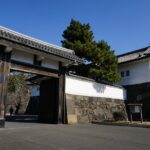
The meeting point is Jin Asakusa, on the fourth floor of CREAL Asakusa Skyview Square at 1-10-14 Hanakawado, Taito City. The address is close to the main Asakusa sights, so you can pair the activity with Sensoji Temple, Nakamise shopping streets, or a walk toward the Skytree.
The short walk from Asakusa Station matters. Tokyo days can involve a lot of stairs, train changes, and long walks, so an activity that is easy to reach has real value. Sensoji is about three minutes away, making it possible to visit the temple before or after your class without building your whole day around transportation.
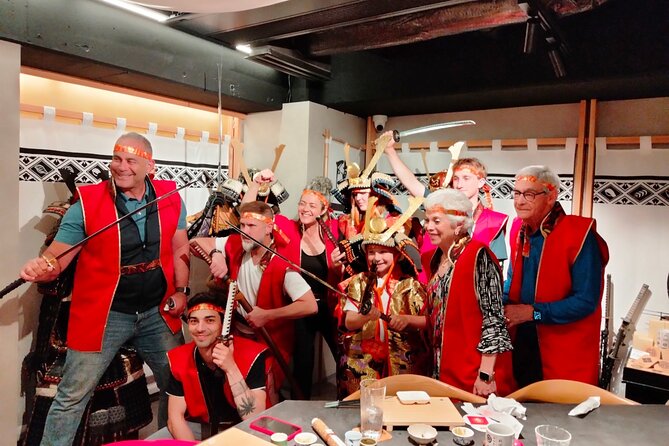
The room itself is part of the experience. With armor, blades, bamboo, and warm torch-like decoration, it gives you something to look at while the chef prepares food. The setting also makes the samurai photos feel connected to the meal rather than tacked on as an unrelated add-on.
The activity returns to the same meeting point when it ends. Transportation to the venue is not included, so you will need to make your own way there. A mobile ticket is provided, which keeps check-in simple if you are already using your phone for Tokyo bookings.
What happens during the sushi lesson
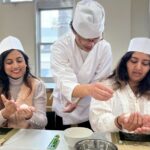
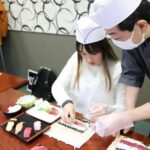
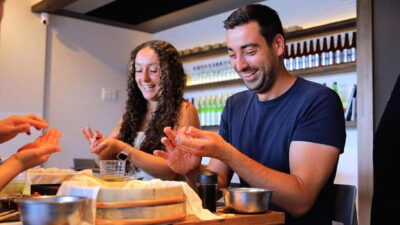
The central part of the experience is the chef-led sushi lesson. You watch the chef demonstrate the process, then try the technique yourself. The instruction is aimed at beginners, and the teaching is described as clear and friendly, including English explanations.
You learn skills that restaurants normally keep behind the counter. The important value here is not simply making lunch. You get to see how the chef handles the rice and toppings, then repeat the motions with guidance nearby.
The course includes nigiri, and one version of the activity teaches five different kinds. You may also prepare thick sushi rolls, sometimes called futomaki, along with other hands-on items. The exact number and mix can depend on the package you select, so check the course description when comparing options.
A chef also grills dashimaki in front of you. Dashimaki is a Japanese rolled omelet, and watching it cooked adds a different skill to the sushi lesson. It gives you a look at the controlled technique involved in a dish that seems simple but takes practice to shape neatly.
The lesson is not presented as a silent demonstration. You take part, answer questions, and may face food-related trivia challenges. That format helped keep a family group with children ages 9, 11, 14, and 15 engaged for the full activity. If you prefer a calm, highly formal cooking class, the games may feel a little much. For most families and casual visitors, they make the time pass quickly.
A meal that goes beyond basic tuna and salmon
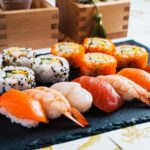
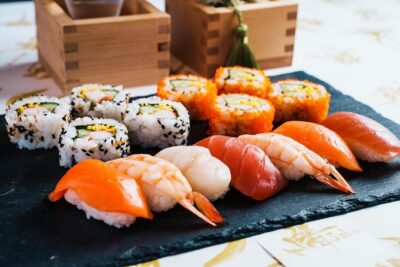
You do not finish the class with only the sushi you made. The Shogun Course includes around 10 types of sushi plus additional food, with familiar choices such as tuna and salmon and more luxurious items such as Kobe or Wagyu beef, caviar, and crab.
This range gives the meal a festive feel. You can compare straightforward fish with richer toppings and unusual combinations. It is also useful if someone in your group is cautious about raw seafood, since Wagyu beef and other non-fish options may make the meal easier to enjoy.
The food is described as high quality, with fresh fish used for the sushi. Still, keep your expectations in proportion to the price. At about $49.54, this is an inexpensive way to pair a meal with instruction, entertainment, and a costume activity. It is not a replacement for an expensive omakase dinner where every piece is served individually by a master at a quiet counter.
The best reason to choose this meal is variety. You get to eat, make, compare, and ask questions. If your only goal is to find the finest sushi in Tokyo, use your budget elsewhere. If you want a meal that also gives you an activity and a story to take home, the value is much stronger.
You should also arrive hungry. The course can include a substantial amount of sushi and other food, and the experience is designed to leave you well fed. Water and green tea are not treated as additional drink purchases, while other drinks cost extra.
The samurai costume session
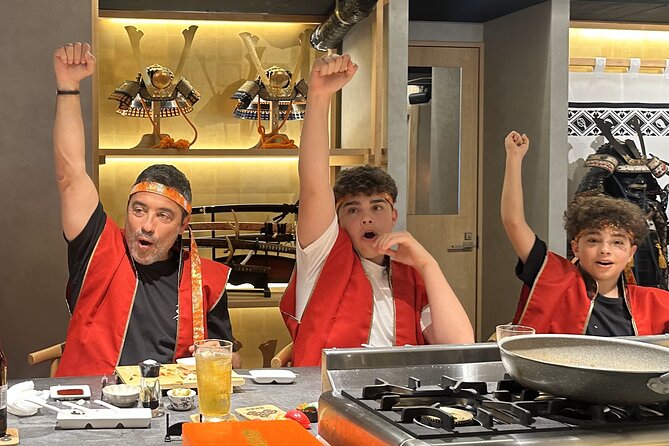
The samurai portion is simple but memorable. You can dress in samurai outfits or armor and pose for photos inside the themed room. Swords and traditional decorations create a ready-made background, so you do not need to arrange a separate photo studio session.
This works especially well for families and couples. Children get a playful change of pace after the food lesson, and adults can take home photos that look different from the usual temple and crossing snapshots. The activity does not promise a long historical presentation or weapons demonstration, so think of the armor as a photo and cultural touch rather than a full samurai workshop.
The order may vary by package or class flow, but the experience combines both parts in roughly two hours. One course description refers to an 80-minute sushi-making session, so you should allow the full advertised two-hour window rather than scheduling a tight connection afterward.
A few more Tokyo tours and experiences worth a look

How the small group size affects the experience
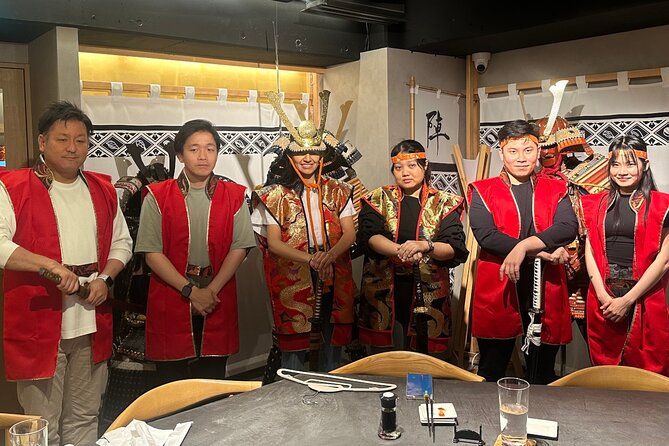
The maximum group size is 12. That is small enough for the chef to demonstrate from nearby and give direct instruction, while still allowing the activity to feel social.
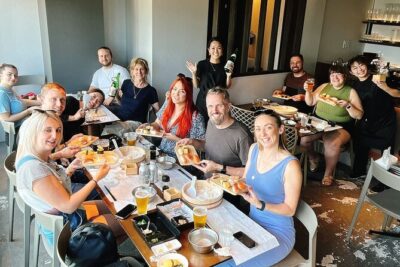
A smaller group also helps during the costume photos and cooking practice. You are less likely to feel lost in a large class, and the instructor can see when a beginner needs another explanation. One evening time slot had only a couple taking part, which created a private-feeling class. You cannot count on that, but the cap of 12 keeps the risk of a crowded room low.
The social side is part of the appeal. You make food in the same room where others are learning, join the trivia or games, and share the meal afterward. That makes it a good option if you want an organized evening activity but do not want a long guided tour.
Who will get the most from this experience
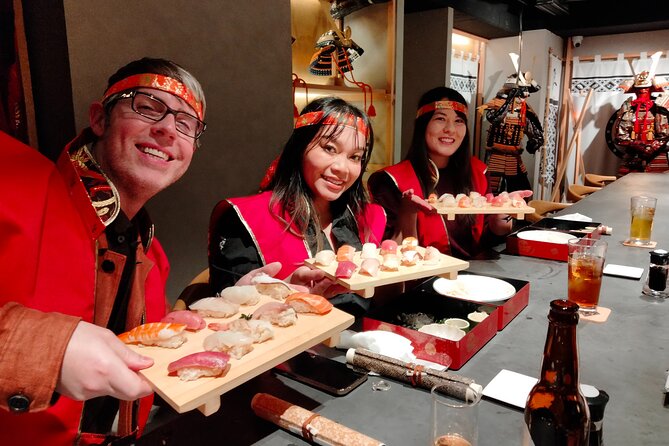
I would recommend this to first-time sushi makers, families with older children, couples, and visitors who want a light cultural activity in Asakusa. It is also useful for people who are not sure they like sushi. Learning to make it yourself and having several toppings to try can make the food feel less intimidating.
English instruction is available, which is important for a cooking class where small details matter. The teaching style is friendly and direct, and the chef-led format gives you more to do than simply watching a food demonstration.
The experience is less suitable if you are seeking a quiet, refined dinner, a serious culinary qualification, or a detailed history lecture about the samurai. The room is themed, the activity includes games, and the event is built around fun as much as technique.
It may also be less appealing if you do not eat seafood and do not want sushi at all. There are Wagyu and other choices, but sushi remains the main focus. Check the available package before booking if dietary needs are important to you, since no special dietary arrangements are stated here.
Is the $49.54 price good value?
The price includes the meal, service charge, and consumption tax. That matters in Tokyo, where a low headline price can sometimes rise after fees or required charges. Here, the main extra costs are your transportation to Asakusa and any drinks beyond water and green tea.
For the money, you are buying several elements at once: chef instruction, a full tasting meal, a themed setting, a costume opportunity, and a convenient location near major sights. Even if you would not normally pay for a sushi class, the combination can make sense as a two-hour evening plan.
The value is strongest for groups. A family can share a hands-on activity, a meal, and photos without arranging separate entertainment for children. A couple can also use it as a casual date that feels more personal than sitting through a standard restaurant meal.
The value is weaker for a serious sushi fan who already knows how to make nigiri or wants rare fish and highly polished counter service. In that case, spend the same money on a meal chosen for the food alone.
Booking timing and practical planning
This experience is booked about 20 days ahead on average, so it is wise to reserve before your Asakusa day is fixed. The maximum group size is 12, and popular evening slots may have less space than the group limit suggests.
Free cancellation is available if you cancel at least 24 hours before the local start time. Within 24 hours, you do not receive a refund, and late changes are not accepted. That gives you some flexibility while planning Tokyo, but you should not wait until the last day if your schedule is uncertain.
Plan to spend the rest of your Asakusa visit nearby. Sensoji Temple is only a short walk from the venue, and the view toward Tokyo Skytree adds a useful sense of place. The activity ends where it starts, so you can continue to dinner, shopping, or an evening walk without arranging a return transfer.
Should you book the Samurai Sword and Sushi Experience?
Book it if you want to make sushi rather than only eat it, enjoy playful cultural settings, and like the idea of samurai photos in the same session. The easy Asakusa location, small group cap, English instruction, and generous food selection make it a practical choice for a first visit to Tokyo.
Skip it if your priority is a quiet, high-end sushi counter or a serious lesson in samurai history. For everyone else, the roughly two-hour format gives you a useful mix of food, participation, and fun without taking over your day.
FAQ
How long does the experience last?
The advertised duration is approximately two hours. One sushi course is described as an 80-minute class, so you should allow the full two-hour period.
Where does the activity take place?
It takes place at JIN-ASAKUSA, on the fourth floor of CREAL Asakusa Skyview Square at 1-10-14 Hanakawado, Taito City, Tokyo 111-0033.
How far is the venue from Asakusa Station and Sensoji Temple?
The venue is about one minute from Asakusa Station and three minutes from Sensoji Temple.
Is transportation included?
No. You are responsible for getting to the activity venue. The experience ends back at the meeting point.
What food is included?
The meal can include around 10 types of sushi plus additional items. Depending on the course, you may try tuna, salmon, Wagyu beef, caviar, crab, and dashimaki. The meal costs, service charge, and consumption tax are included.
Can I cancel for a refund?
Yes, if you cancel at least 24 hours before the experience start time. Cancellations or changes made within 24 hours are not refunded.
More Samurai & Ninja Experiences in Tokyo
More Sushi Making Classes in Tokyo
More Asakusa Tours in Tokyo
More tours in Tokyo we've reviewed





Sushi Making Classes, compared.
 ★ 5.0Sushi Making Tokyo Roll and Authentic Japanese Sushi ClassFrom $59
 ★ 4.9Tokyo: Roll and Authentic Sushi Making Class in AsakusaFrom $581h 40m
 ★ 5.0Make Sushi and Create Unforgettable Memories in TokyoFrom $79
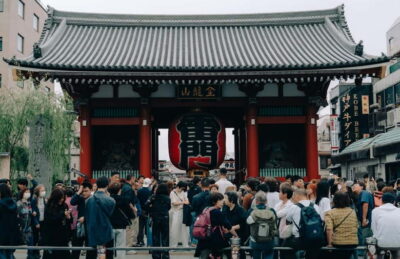 ★ 4.9Tokyo: Sushi Making Class in a Happi Coat near a Famous SpotFrom $421h 30m
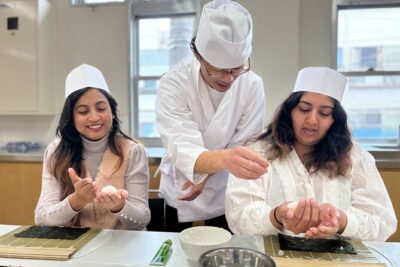 ★ 5.0Tokyo Sushi Making Class in Tsukiji with Professional ChefFrom $49
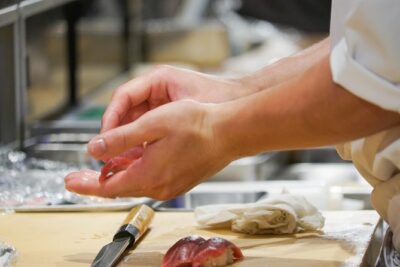 ★ 5.0Tokyo Night Foodie Tour in Shinjuku – Seasonal Sushi, Wagyu BeefFrom $111