
Reviewed · ASAKUSA TOURS
Tokyo: Asakusa Sightseeing Tour by Rickshaw
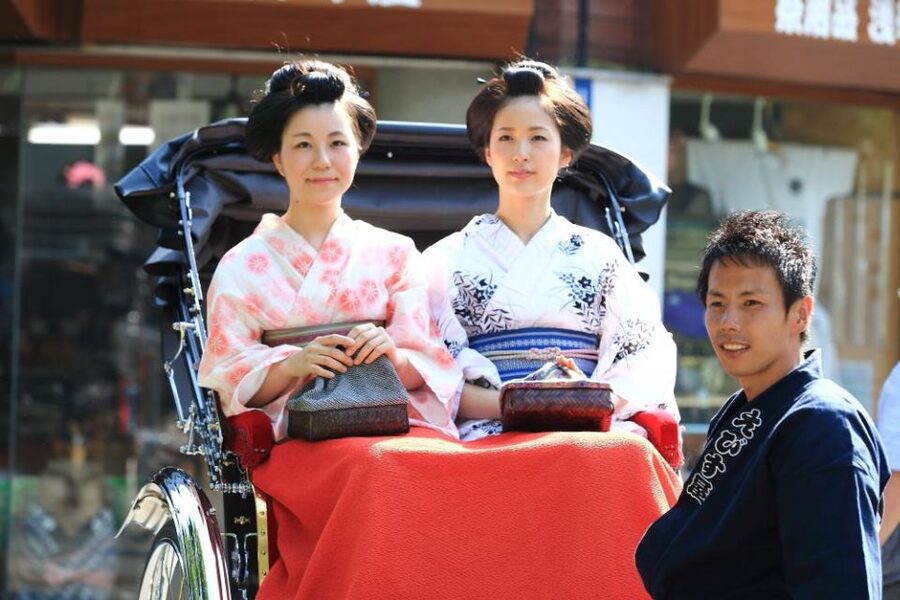
Asakusa is one of Tokyo’s best districts for a rickshaw ride because the scenery changes every few minutes. You roll from temple courtyards to old shopping streets, quiet gardens, the Sumida River, and the slightly cheeky entertainment quarter of Rokku. Your guide does the pulling, storytelling, and photo-taking while you sit above the traffic.
I like two things in particular: the private format, which lets you ask questions and shape the route, and the guides’ warm, playful style. Guides such as Tashi, Taisei, Masa, Kazu, Shima, and Yusuke have been praised for clear English, local insight, humor, and excellent photos. The main consideration is comfort: each rickshaw is only 74 centimeters wide, and the ride is open to the weather. Summer heat can be hard, while spring and autumn are easier.
In This Review
- Key points to know before you book
- Why Asakusa works so well from a rickshaw
- From Asakusa Shrine to Tokyo’s oldest temple
- Hanakawado and the everyday side of Asakusa
- Sumida Park and the river views
- Tanuki-doori, Rokku, and old entertainment Tokyo
- Denpoin Street and the return through older Asakusa
- Choosing between 30, 70, 90, and 190 minutes
- The guides are the heart of the experience
- Comfort, access, and who should book
- Is $35 per person a fair price?
- Should you book the Asakusa rickshaw ride?
- FAQ
- Where does the Asakusa rickshaw tour begin?
- Are there multiple Asakusa stations?
- How long is the ride?
- Is the rickshaw private?
- How many adults can ride in one rickshaw?
- Can young children ride for free?
- Does a five-year-old need an adult ticket?
- What languages are available?
- Is the experience wheelchair and stroller friendly?
- Are food and drinks included?
- Can the route be customized?
- Is the tour suitable during pregnancy?
- Can I cancel for a full refund?
- Do I have to pay when I book?
- Are selfie sticks allowed?
Key points to know before you book
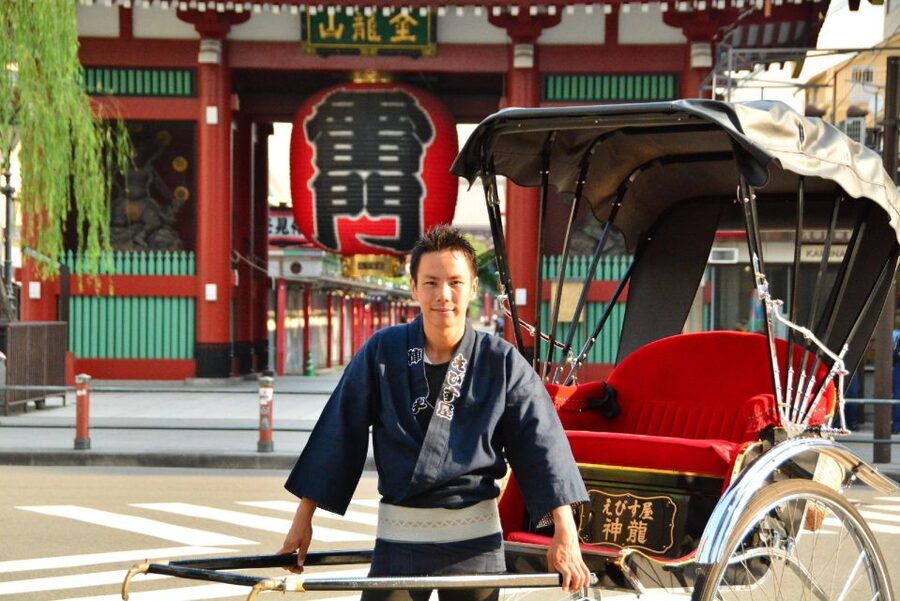
- You see old and modern Asakusa in one ride: Temples, shrines, gardens, shopping streets, amusement history, and the river all fit into the route.
- Your rickshaw is private: A maximum of two adults rides in each vehicle, so you get direct attention from your guide.
- The guide makes the difference: Expect explanations of shrine and temple customs, local stories, restaurant suggestions, and help with photographs.
- A 30-minute ride can work: It gives you a quick introduction, while 70 to 190 minutes allows time for quieter streets and smaller religious sites.
- The route can be adjusted: You can ask for particular interests, and longer rides may include less visited corners of Asakusa.
- The price buys more than transport: At $35 per person, the value comes from private guiding, efficient sightseeing, and a very Japanese way to see the district.
Why Asakusa works so well from a rickshaw
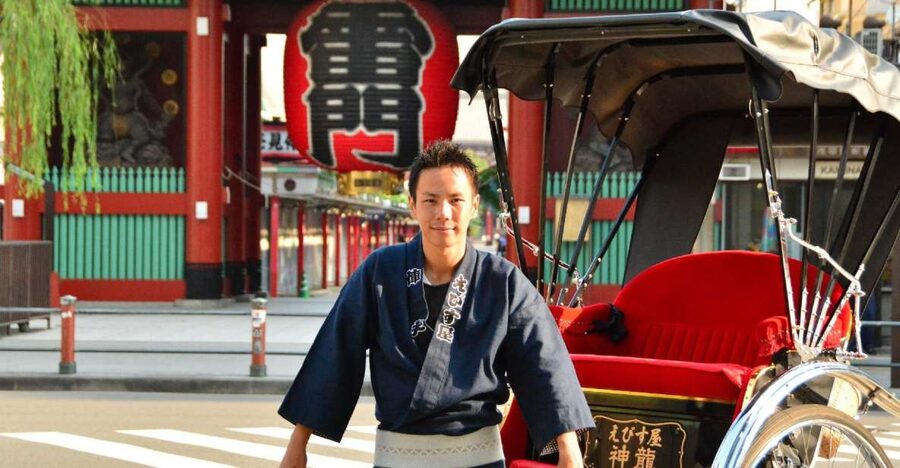
Asakusa is compact, but it is not uniform. Around one corner you may face a major Buddhist temple filled with visitors, and a few minutes later you can be passing a small shrine, a traditional garden, or a street that still carries the feel of older Tokyo.
A rickshaw gives you a higher view than walking and a slower pace than a car. You can look up at temple roofs, watch ordinary street life, and hear your guide without fighting traffic noise or trying to read a map. You also cover more ground than you would on foot, which matters if you have only a short stop in Tokyo.
The ride begins at the rickshaw stand outside Exit 1 of Asakusa Station on the Tokyo Metro Ginza Line. Take care here: Asakusa has several stations and many exits with the same district name. You need the Ginza Line station, Exit 1, then walk a few meters to the stand along the street.
The private setup is especially useful for families, couples, and solo visitors. A guide can speak directly to you, stop for pictures, and adjust the route to your pace. A solo rider can book a seat alone, while two adults can share one rickshaw. Children aged five and under ride free on an adult’s lap, with one child per adult.
A few more Tokyo tours and experiences worth a look


From Asakusa Shrine to Tokyo’s oldest temple
The core route takes you through the religious center of Asakusa. Asakusa Shrine sits beside the city’s oldest temple, giving you an immediate lesson in how Buddhist and Shinto traditions share space in Japan.
Your guide can explain simple customs that are easy to miss when you walk alone. You may learn why people wash their hands and mouth before approaching a shrine, what the water container is for, and why worshippers burn incense before gathering its smoke toward their bodies. These small details turn a quick temple visit into a more meaningful look at daily religious practice.
Bentendo Hall is another notable stop in the area. Its setting offers a change from the broad temple approach and crowded lanes. The ride may also include smaller religious sites, depending on the duration and the route you request.
The shorter tours may pass the major sights without allowing much time to linger. If you want a slower explanation of rituals, architecture, and local customs, choose a longer option. The 70-minute ride is a useful middle ground for first-time visitors, while two or three hours gives the guide more room to take you off the main path.
Hanakawado and the everyday side of Asakusa
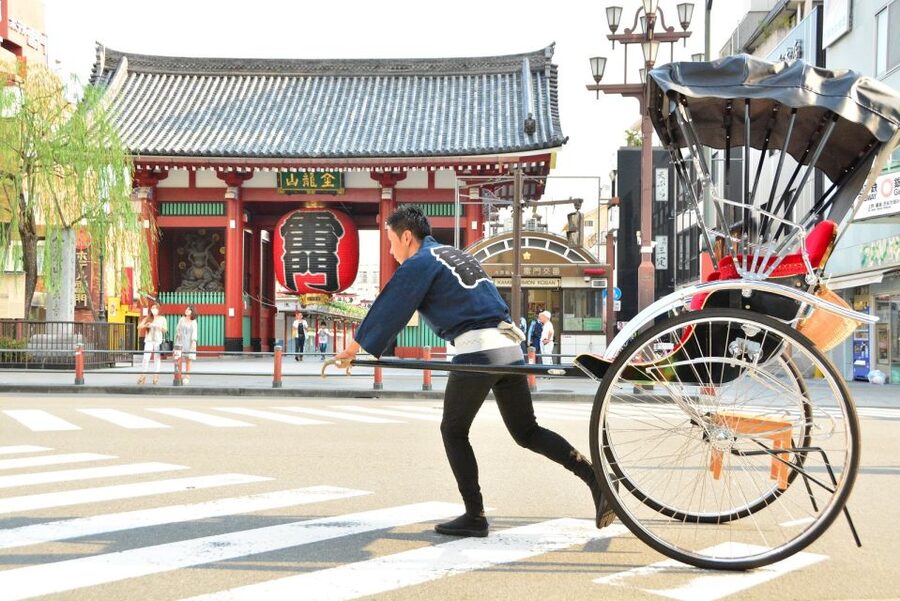
The ride continues toward Hanakawado, known for shoe shopping. This area helps you see Asakusa as a working neighborhood rather than only a sightseeing zone.
That difference matters. The large temples attract attention, but the local streets show how the district functions between festivals and photo stops. You pass shops, small businesses, and ordinary city scenes while your guide points out what makes the neighborhood distinctive.
A rickshaw is well suited to these streets. You are not sealed inside a bus, and you do not have to stop constantly to check directions. The guide can pull over for a picture or point out a detail as you move.
Several guides are also happy to offer food ideas and suggestions for things to try later. Snacks and drinks are not included, so plan to buy refreshments separately. That is easy to do in Asakusa, but a longer ride in hot weather calls for water before you start.
Sumida Park and the river views
Sumida Park brings trees, open space, and a more relaxed rhythm. In spring, thousands of cherry trees make this one of the most attractive sections of the route. Even outside cherry blossom season, the park gives you a break from the hard surfaces and dense streets around the temple district.
The Sumida River adds another useful view of Tokyo. From the rickshaw, you can see how the waterway relates to Asakusa’s older neighborhoods and major landmarks. The open vehicle also lets you feel the breeze, which is a welcome benefit in summer, though the same exposure means you should dress for the forecast.
One practical detail is worth noting: the ride can include slopes, and the guides pull the rickshaw by hand. Visitors have praised the drivers’ strength and care, but the physical nature of the work is part of the experience. You are not taking a motorized tour.
Winter rides can still be comfortable. Blankets and heated seats or heating pads have been provided on cold days, according to the service details from past rides. Do not assume the same setup in every condition, but you can ask about comfort when you arrive.
Tanuki-doori, Rokku, and old entertainment Tokyo
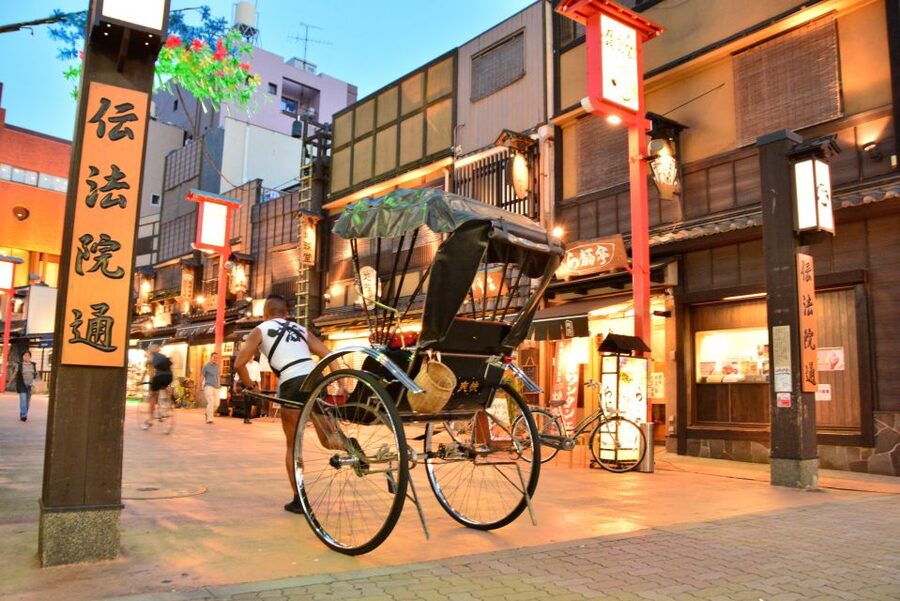
Tanuki-doori gives the ride a more unusual turn. This quirky street is different from the formal temple area and helps show the variety packed into Asakusa.
Rokku, the historic entertainment quarter, adds another layer. The route passes old adult theaters and the area around Hanayashiki, Japan’s oldest amusement park. You may not spend long at every sight, but the guide helps explain how this part of Asakusa developed as a place for entertainment.
Hanayashiki is often best treated as a photo stop rather than a full park visit. The tour does not include amusement park admission, and the focus remains on seeing the neighborhood from the rickshaw. Your guide may take pictures of you with the park as a backdrop.
This section will suit you if you like urban character and a little oddness. It is less polished than a classic temple visit, and that is precisely why it is useful. You get a glimpse of the district’s working entertainment past instead of only its postcard views.
A few more Tokyo tours and experiences worth a look

Denpoin Street and the return through older Asakusa
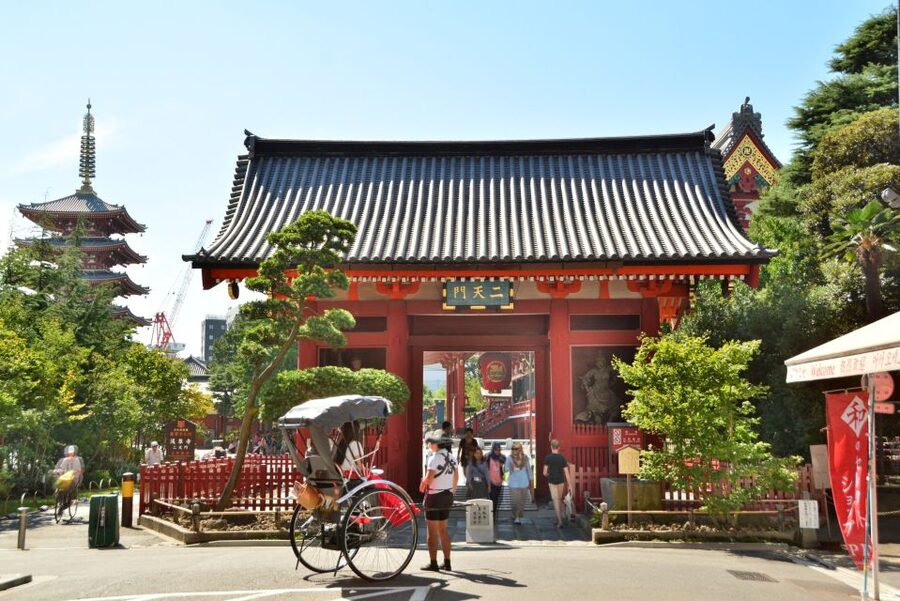
Denpoin Street is one of the strongest parts of the longer routes. Little changed here after World War II, so the street offers a sense of older Tokyo that is easy to miss in the city’s newer districts.
Look for the contrast between the compact buildings, shopfronts, and carefully kept details. You may find the street more atmospheric than the major temple approach, especially when you want a quieter look at the district.
Longer rides can also include Nishi Shitamachi, a neighborhood associated with the older downtown side of Tokyo. The exact route depends on your chosen duration and interests, but the option to customize is important. You can ask for more temples, gardens, local streets, or anime-related stops. One guide even added anime locations for a family, which made the ride work well for a teenager.
The route returns to the starting area after this neighborhood circuit. Since the rickshaw is private, you can use the ride to get recommendations for the rest of your time in Tokyo. It is a smart first-day activity because you finish with a better sense of where to eat, shop, and walk in Asakusa.
Choosing between 30, 70, 90, and 190 minutes
The tour is sold in several time options, from 30 minutes to roughly three hours and ten minutes. Check the current choices when booking because starting times and available lengths can change.
Thirty minutes: Choose this if you want a taste of the experience, need a quick introduction, or have a tight schedule. It can still include explanations, a few photo stops, and a pleasant look at the temple area. A short ride will not give you the full district.
Seventy minutes: This is probably the best balance for most first-time visitors. You have enough time to see more than the central temple approach and still keep the activity from taking over your day. A 70-minute ride has also worked well for visitors who wanted a lively introduction with plenty of guiding.
Ninety minutes: This gives you time for more back streets, gardens, and stories. It is a good choice for families and anyone who wants the guide to adjust the route. On a hot day, remember that the vehicle is open and the driver is working hard.
Two to three hours: Choose the longest option if Asakusa is a major focus of your day. You can spend more time at smaller temples, pass through quieter streets, and ask for a route built around your interests. The three-hour option includes a choice of a commemorative Hello Kitty doll or an original T-shirt.
The longer rides cost more than the basic $35 per person starting price, so think about what you want from the tour. If you only need transport past famous sights, a short ride may be enough. If you want personal explanations and a better feel for the district, the additional time has real value.
The guides are the heart of the experience
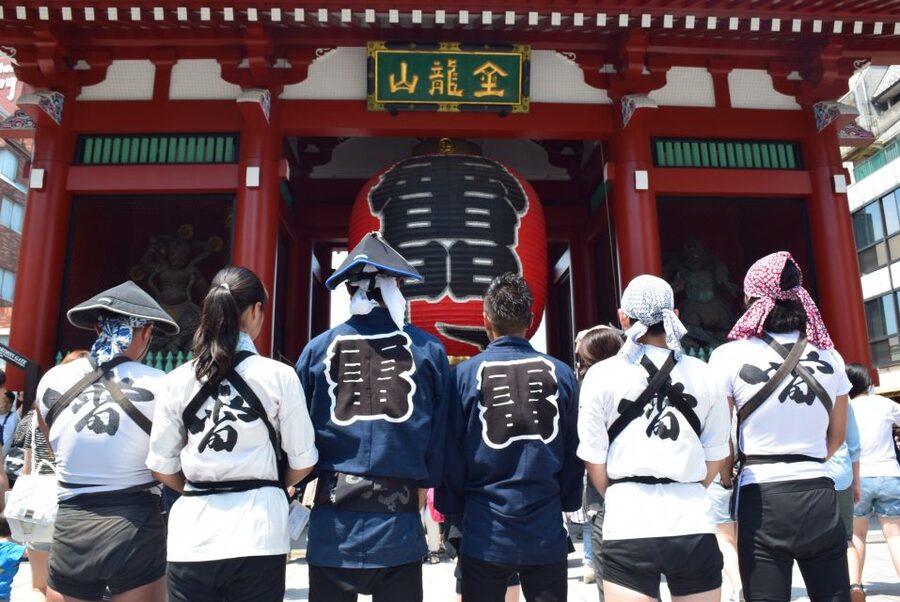
The rickshaw itself is fun, but the guide determines how much you get from it. Guides including Masa, Kazu, Shima, Taku, Yusuke, Koto, and Ryu Buchi have been praised for humor, strong English, local explanations, and thoughtful photo stops.
The best guides do several jobs at once. They pull the vehicle safely through streets shared with cars and pedestrians, explain religious customs, answer questions, keep the pace comfortable, and take pictures with your phone or camera. Some also sing, make anime references, or trade jokes with children.
English and Japanese are available. One older rating raised a concern about limited English and shorter explanations, so communication may vary by guide. Most of the recent feedback points to strong English, but if detailed cultural explanations are your priority, mention that when arranging the ride.
A guide can also rescue a small logistical problem. One family went to the wrong station exit and was helped to the correct meeting point. Still, do not rely on that. Arrive at the correct Ginza Line Exit 1 with extra time.
Comfort, access, and who should book
The rickshaw is 74 centimeters wide. Two adults can ride together, but some people will find separate rickshaws more comfortable. Children aged five and under can sit on an adult’s lap, while a five-year-old who needs a separate seat must pay the adult fare.
The activity is wheelchair and stroller friendly. You should confirm the practical setup for your particular chair or stroller when booking, but the service specifically lists both as accepted.
The ride is not recommended during the first 16 weeks of pregnancy, and the activity is listed as unsuitable for pregnant women. If that applies to you, choose a different way to see Asakusa.
Selfie sticks are not allowed. Bring a normal camera or phone instead. Guides are accustomed to taking photos for you, so you do not need to spend the entire ride trying to frame a picture from your seat.
This suits families, couples, solo visitors, older adults who prefer not to walk long distances, and anyone who wants an easy introduction to Asakusa. It is less suitable if you dislike open-air rides, want complete control of the route, or prefer to explore every temple at your own speed.
Is $35 per person a fair price?
At the starting price, I consider this good value for a private sightseeing activity in central Tokyo. You are paying for a rickshaw ride, a local guide, photo help, and efficient coverage of a district that can take much longer to understand on foot.
The value improves if you are new to Tokyo or have only a layover. In a short time, you can see temples, shrines, shopping streets, gardens, the river, and older entertainment areas. You also gain restaurant and neighborhood advice for later.
The price is less compelling if you only want a short ride with no explanation, or if you are traveling alone on a tight budget. One visitor found the experience somewhat expensive, though the lower yen helped at the time. Compare the price with a standard walking tour, but remember that this is private and includes a distinctive form of transport.
Should you book the Asakusa rickshaw ride?
I would book it, especially on your first day in Tokyo. Pick 70 or 90 minutes for the best mix of sights, stories, and time. Choose 30 minutes only if your schedule is crowded, and reserve two or three hours if you want a fuller look at older Asakusa.
Book this for the guide, not simply for the novelty of being pulled in a cart. The strongest part is the personal conversation, the explanation of temple customs, and the chance to see small streets you might skip alone. Dress for the weather, meet at the correct Ginza Line exit, and ask for photo stops and interests when you begin.
FAQ
Where does the Asakusa rickshaw tour begin?
It begins at the rickshaw stand just outside Exit 1 of Asakusa Station on the Tokyo Metro Ginza Line. You still need to walk a few meters from the exit to the stand.
Are there multiple Asakusa stations?
Yes. There are two stations with the name Asakusa on different subway lines, and the district has several exits. Use the Tokyo Metro Ginza Line station and Exit 1.
How long is the ride?
Available options range from 30 minutes to 190 minutes. Check the available starting times and durations when booking.
Is the rickshaw private?
Yes. The activity is offered as a private group experience.
How many adults can ride in one rickshaw?
A maximum of two adults can ride in one rickshaw.
Can young children ride for free?
Children aged five and under can ride free when sitting on an adult’s lap. One child can sit with each adult, with a maximum of two adults and two children per rickshaw.
Does a five-year-old need an adult ticket?
A five-year-old needs a full adult fare if the child requires their own seat on the rickshaw.
What languages are available?
Live guides are available in English and Japanese.
Is the experience wheelchair and stroller friendly?
Yes. The activity is listed as wheelchair and stroller friendly. Each rickshaw is 74 centimeters wide.
Are food and drinks included?
No. Snacks and drinks are not included.
Can the route be customized?
Yes. The activity can be customized according to your interests.
Is the tour suitable during pregnancy?
The activity is not recommended for people in their first 16 weeks of pregnancy and is listed as unsuitable for pregnant women.
Can I cancel for a full refund?
Yes. You can cancel up to 24 hours in advance for a full refund.
Do I have to pay when I book?
The reserve-now, pay-later option lets you book without paying immediately.
Are selfie sticks allowed?
No. Selfie sticks are not allowed on the activity.
More Rickshaw Rides in Tokyo
More Asakusa Tours in Tokyo
More tours in Tokyo we've reviewed


Asakusa Tours, compared.
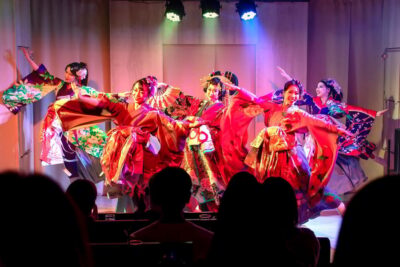 ★ 4.8Tokyo: Japanese Dance Cabaret Theater Asakusa-Kaguwa TicketFrom $492 hours
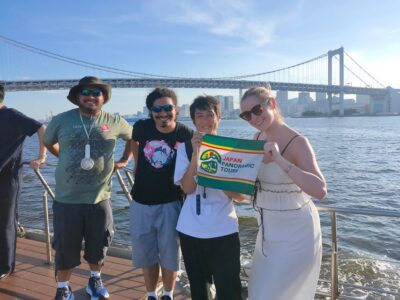 ★ 4.7Tokyo: Meiji Shrine, Asakusa, Skytree Bus Tour and CruiseFrom $12210 hours
 ★ 4.9Tokyo: Roll and Authentic Sushi Making Class in AsakusaFrom $581h 40m
 ★ 4.8Tokyo: Asakusa Walking Tour with Sensoji Temple VisitFrom $222 hours
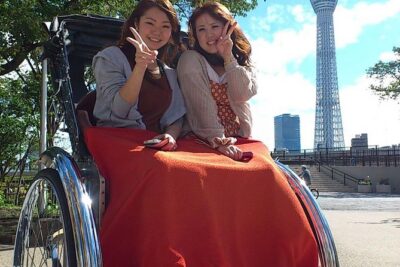 ★ 5.0Tokyo Asakusa Rickshaw TourFrom $42
 ★ 4.5Tokyo Panoramic 1 Day: Meiji Shrine, Asakusa, Odaiba and SKYTREE®From $85