
Reviewed · KAMAKURA & ENOSHIMA DAY TRIPS
Kamakura: Great Buddha, Hase Temple, & Komachi Street Tour
Kamakura’s open-air Great Buddha is the star here, but the trip is really about seeing several sides of the old capital in one well-planned day. You ride the JR train from Tokyo, switch to the charming Enoden line, visit temples and a shrine, then finish with food and shopping near Kamakura Station.
I like the private format for up to six people, since your guide can adjust the pace and explain what you are seeing instead of simply moving a group from gate to gate. I also like the mix of major sights and local transport, especially the short Enoden ride. The catch is cost: $530 covers the group and guide, but you still pay for trains, buses, admission, and lunch.
In This Review
- Key points to know before booking
- Why Kamakura makes a strong day trip from Tokyo
- The JR train ride from Tokyo
- Riding the Enoden small train
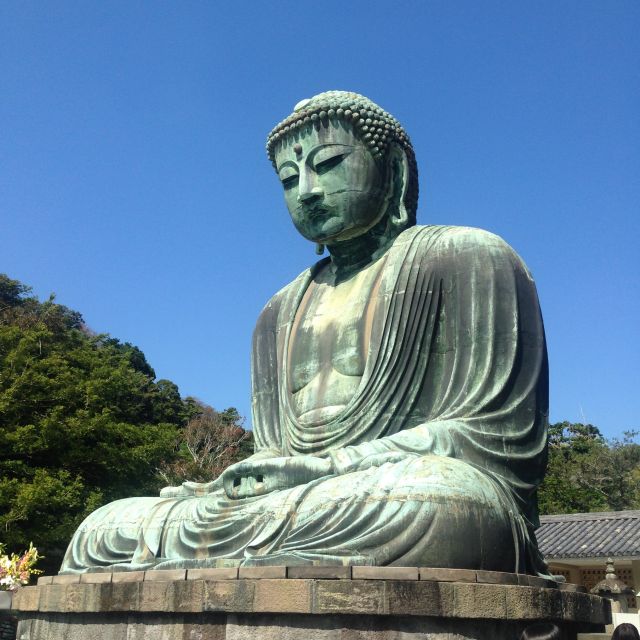
- Meeting Kamakura’s Great Buddha at Kotoku-in
- Exploring flowers and Buddhist figures at Hase Temple
- Lunch with Kamakura flavors
- The Hokokuji Bamboo Forest option
- Tsurugaoka Hachimangu and Kamakura’s Shinto side
- Shopping and snacks on Komachi Street
- What the private price really buys you
- Timing, walking, and the fine print
- Who will get the most from this Kamakura tour
- Should you book it?
- FAQ
- How long does the Kamakura tour last?
- Where does pickup take place?
- Where does the tour finish?
- Is transportation included in the price?
- Are entrance fees included?
- Is lunch included?
- Which languages are available?
- Can the itinerary be changed?
Key points to know before booking
- The Great Buddha is an outdoor bronze statue: You see Kamakura’s best-known symbol without entering a large hall.
- Enoden adds local flavor: The small train connects the Kamakura area with nearby coastal sights and makes the journey part of the tour.
- Hase Temple changes with the seasons: Hydrangeas are especially famous, while other flowers appear at different times of year.
- Hokokuji can be included: Its bamboo forest is part of the planned route, though the schedule can also be changed for Enoshima or another place.
- Your guide handles the public transport: That matters on a long day with several train and bus changes.
- Shopping comes at the end: You can spend extra time on Komachi Street if you want to remain in Kamakura after the guided portion.
Why Kamakura makes a strong day trip from Tokyo
Kamakura was once Japan’s capital and is now one of the easiest places to see temples, Buddhist images, Shinto worship, local food, and old streets in a single outing. It feels very different from central Tokyo, yet you do not need to arrange a separate transfer to and from the city.
The tour begins with hotel pickup in Tokyo’s 23 wards. From there, you take the JR train for roughly an hour to Kamakura, followed by a short local train ride. The supplied timing lists the first train as about one hour and the second as about ten minutes, though the full journey from Tokyo is described as roughly an hour and a half when transfers and station movement are considered.
That public transport choice is useful for two reasons. First, you avoid the hassle of working out the route yourself. Second, you experience Kamakura as many local people do, by train rather than from behind a car window. You should still expect a full day on your feet. Comfortable shoes are not a suggestion here.
A few more Kamakura tours and experiences worth a look
The JR train ride from Tokyo
The morning begins at your hotel lobby, with the guide joining you for the trip south toward Kamakura. The train portion gives you time to settle in and ask questions before the sightseeing begins.
Transportation is not included in the $530 price, so you pay your own fares as the day goes on. The same applies to your guide when required. This is worth keeping in mind when comparing the tour with a private car experience. The tour price buys you planning, guidance, and a private group, but not an all-inclusive day.
Stations on the route may have few elevators or escalators. If stairs are difficult for you, tell the guide in advance. This is one of the practical advantages of having a private guide: the route can be handled with your mobility needs in mind, although the public transport system itself still sets some limits.
Riding the Enoden small train
The Enoden is one of the most enjoyable details of this experience. It is a small local train used around Kamakura, and the ride lasts about ten minutes on this portion of the route.
You are not taking it simply to check off a transport method. It gives the day a more local feel and connects naturally with the Great Buddha and Hase Temple area. The ride is short, so do not expect a scenic railway journey lasting hours. Its value is that it breaks up the main train trip and places you into Kamakura’s own rhythm.
The guide takes care of the changes, which can be especially helpful if you do not read Japanese signs or want to keep your attention on the town rather than the platform number. Since this is a private tour, your guide can also explain how the day is unfolding instead of leaving you to follow a flag or numbered group.
Meeting Kamakura’s Great Buddha at Kotoku-in
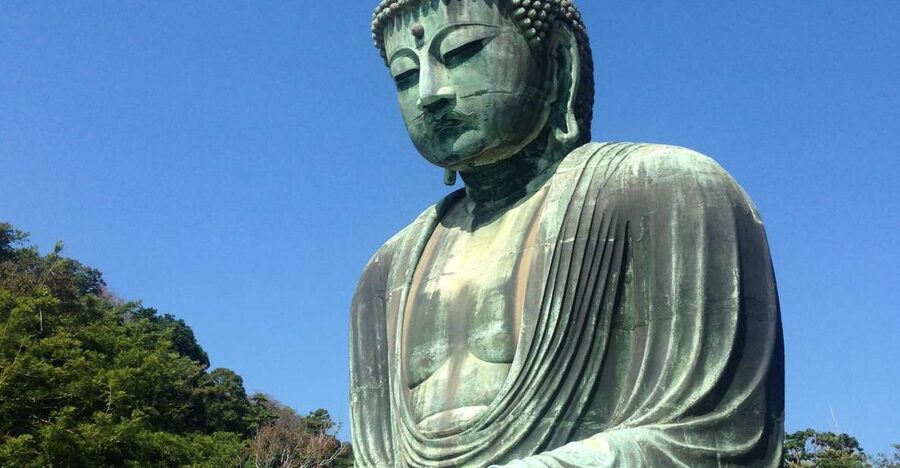
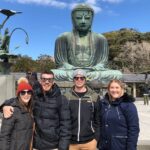
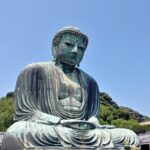
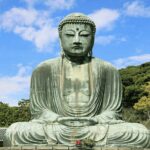
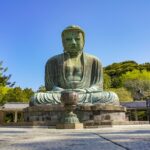
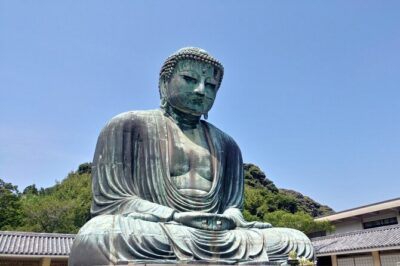
Kotoku-in is home to Kamakura’s most famous sight, the Great Buddha. The statue is described as the second-largest Buddha in Japan, and its position in the open air makes it especially memorable.
Rather than seeing the image enclosed in a vast temple hall, you approach it outdoors. That changes the experience. You can appreciate the scale of the statue against the surrounding temple grounds, and your guide can explain its place in Kamakura’s Buddhist story.
This stop is a good example of why a guide helps. A large statue can take only a few minutes to photograph, but the historical setting gives it more meaning. Ena, one of the English-speaking guides, was praised for explaining the history at the Great Buddha, Hase Temple, and the bamboo forest while also managing the route from the hotel.
Admission is not included, and you pay the entrance fee for yourself and, when needed, for the guide. Allow a little extra in your budget for each paid sight.
Exploring flowers and Buddhist figures at Hase Temple
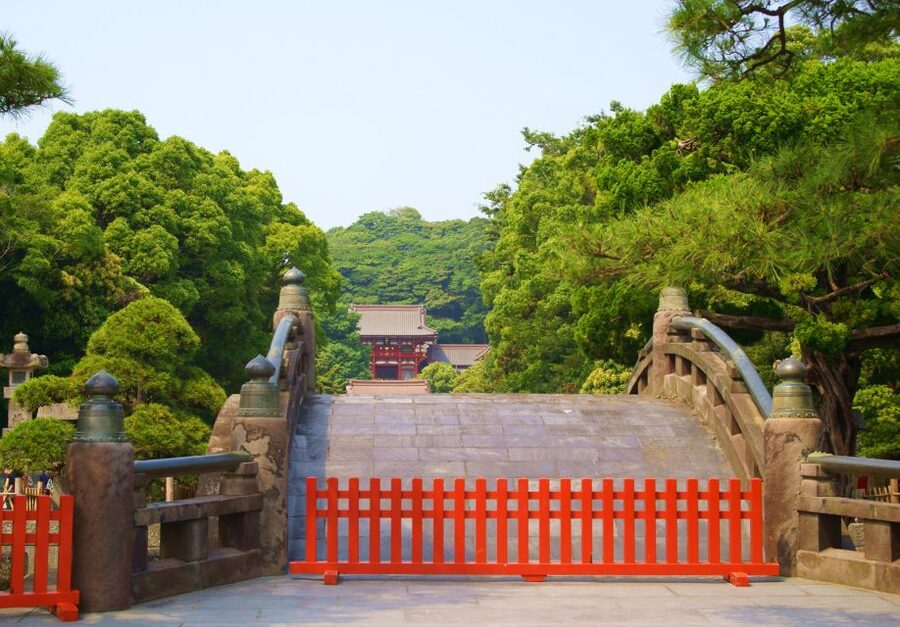
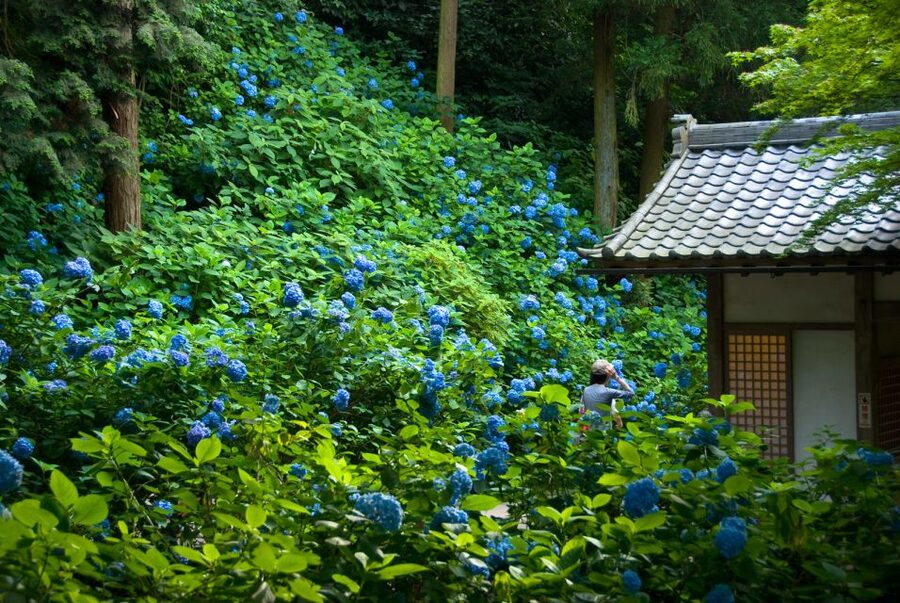
Hase Temple, also called Hase-dera, brings a different mood from Kotoku-in. The temple is known for its flowers, especially hydrangeas, so the grounds can change noticeably by season.
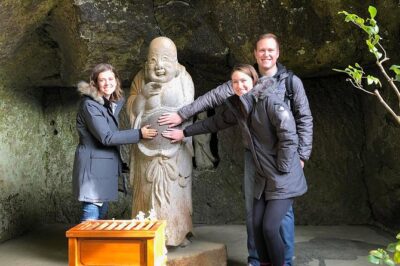
If you visit during the hydrangea season, flowers are a major reason to come. At other times, you might find different seasonal blooms instead. The tour description also points to a range of Buddhist figures, Kannon images, and gods connected with wealth. This gives the visit a more varied focus than simply walking through a garden.
Your guide can help explain the difference between the religious figures and the customs connected with making wishes. If you want to pray for financial good fortune, this is the place to ask about the wealth-related figures rather than rushing past them.
Hase Temple can be busy during popular flower periods. The schedule gives you a useful framework, but the eight-hour limit means you cannot examine every corner at leisure. If flowers are your main reason for visiting, tell the guide at the start so the pace can reflect that interest.
A few more Kamakura tours and experiences worth a look
Lunch with Kamakura flavors
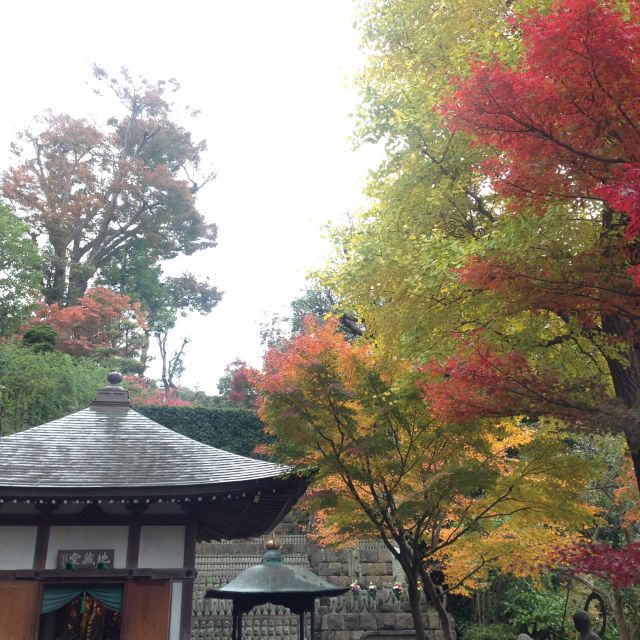
Lunch takes place at a local restaurant, with the guide joining you and helping you choose. Kamakura is known for seafood, so seafood dishes may be part of the local meal experience.
If you do not eat seafood, alternatives can be arranged based on your request. Make that request before the tour, not when you are already hungry and sitting at the restaurant. Lunch is not included in the tour price, and you also pay for the guide’s meal.
This is one of the small but useful touches of a private tour. A guide can help explain unfamiliar dishes and steer you toward food that fits your preferences. A previous guide was specifically praised for helping with the meal, which matters if you are unsure how to order or want something beyond the most obvious tourist choice.
Still, do not treat lunch as a fixed tasting menu. The supplied details promise a local restaurant and food arrangements based on your request, but they do not specify one restaurant, menu, or price. Your final cost will depend on what you order.
The Hokokuji Bamboo Forest option
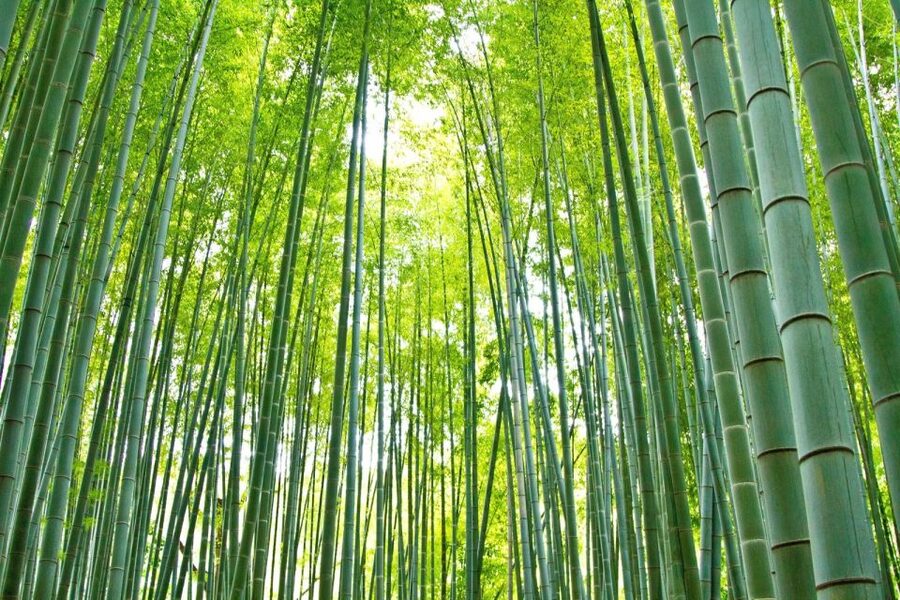
The route includes a bus ride of about fifteen minutes to Hokokuji Bamboo Forest, followed by another fifteen-minute bus trip toward Tsurugaoka Hachimangu. This makes Hokokuji a notable part of the day, even though it is not named in the short list of headline highlights.
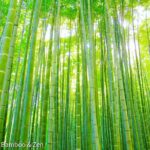
The bamboo forest offers a quiet change after the Great Buddha and Hase Temple. Its scale is more intimate than a huge park, and the appeal comes from walking among tall bamboo rather than checking off another grand monument.
Bus travel also shows the practical side of Kamakura. You are not staying inside one temple district all day, so the guide’s route planning saves time. On the other hand, every bus and train change reduces the amount of time available at the sights. If you prefer a slower visit, ask about dropping Hokokuji or another stop.
The plan is flexible. You can request a change to include Enoshima Island or another Kamakura-area place. That flexibility is valuable, but it should be discussed before the day begins, since an additional destination may mean less time at the Great Buddha, Hase Temple, or Komachi Street.
Tsurugaoka Hachimangu and Kamakura’s Shinto side
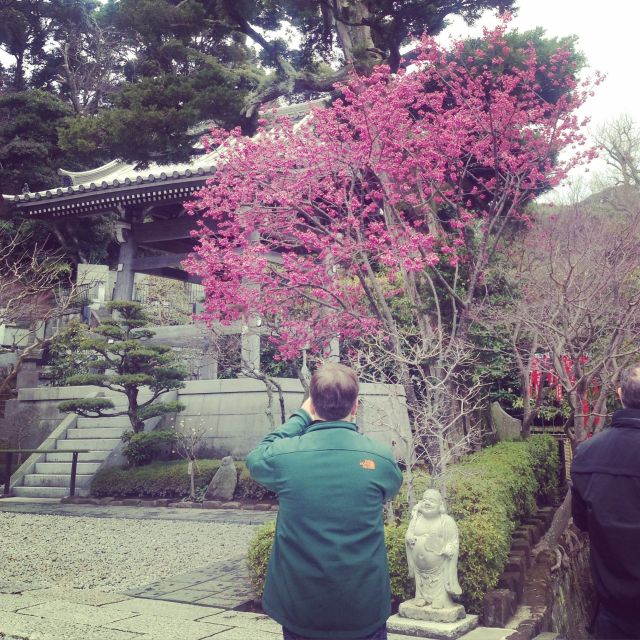
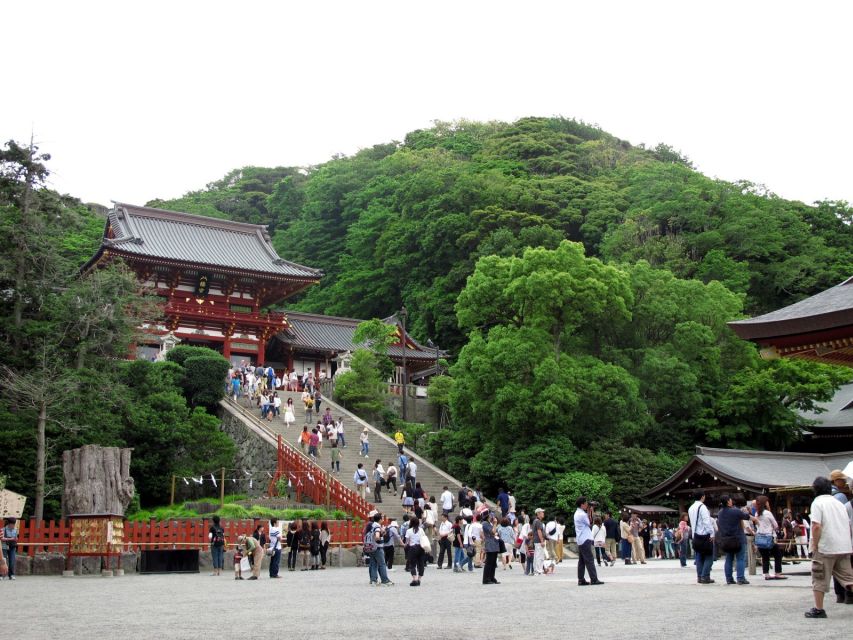
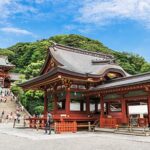
Tsurugaoka Hachimangu is the major shrine stop and gives the day a Shinto counterpart to the Buddhist temples. After the statues and temple grounds, you get a chance to see a different religious tradition and a central Kamakura landmark.
The shrine is reached after the second bus ride, and it leads naturally toward the shopping district. A guide can help you understand what you are seeing, how the shrine functions, and how it fits into Kamakura’s past.
The shrine visit is not just filler between the bamboo forest and the shops. It keeps the day balanced. You see a famous Buddhist statue, a flower-filled temple, a bamboo grove, and a major Shinto shrine instead of spending eight hours on one theme.
As with the other sights, entrance costs are separate. The tour includes the guide, not admission tickets.
Shopping and snacks on Komachi Street
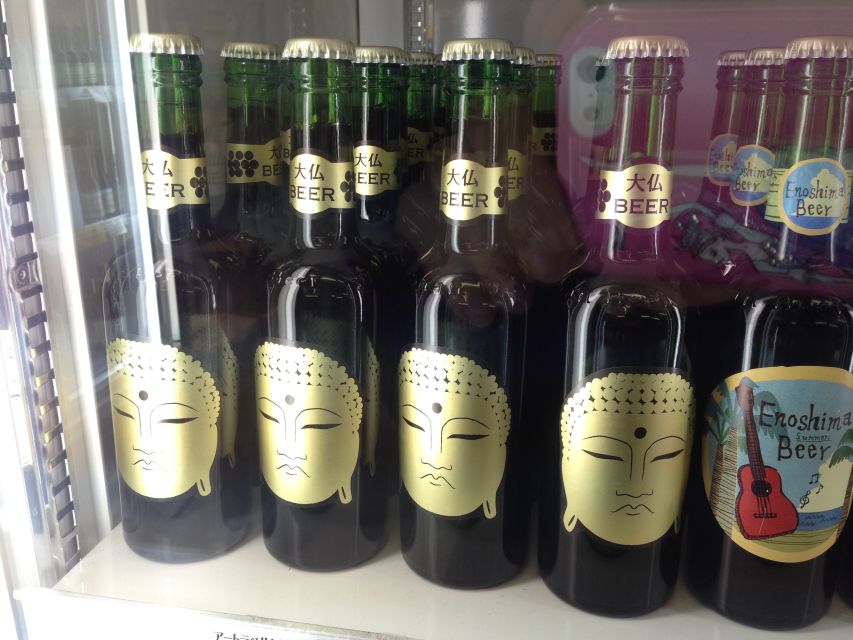
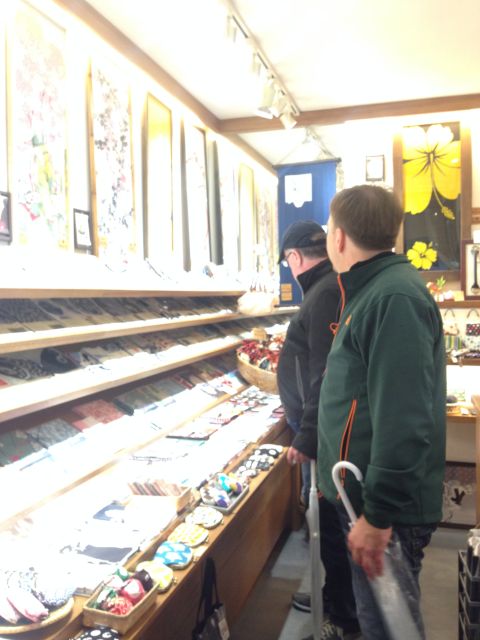
Komachi Street is the final major stop and a good place to loosen the schedule. You can browse souvenirs, local products, and food before returning to Tokyo.
This is where the private format pays off again. The guide can point out items connected with Kamakura, as Ena did for one group shopping for gifts. That kind of advice is more useful than simply being told where the main shopping street is.
The tour does not require you to leave as soon as the formal sightseeing ends. If you want to stay longer for shopping, you can do so. You will then make your own way back, so clarify the timing and return arrangements with the guide before separating.
Komachi Street can be a lively place, especially during popular periods. Keep your expectations practical. It is a shopping street, not a preserved medieval lane, and its value is convenience, food, and souvenirs after a day of temples.
What the private price really buys you
The $530 price is for a group of up to six people. If six people share the cost, it works out to about $88 per person before transport, admission, and food. For one or two people, the per-person cost is much higher.
The main value is not a private vehicle. You are paying for a professional local guide, hotel pickup in Tokyo’s 23 wards, route management, language support, and the ability to adjust the plan. You also avoid arranging several train and bus legs yourself.
This price makes the most sense for a family or small group that values convenience and explanation. It is harder to justify if you are a confident solo visitor who is happy using Japanese public transport and reading temple information independently.
The guides can conduct the tour in English, French, German, or Spanish. English availability appears to be the safest choice based on the named experiences with Ena and other English-speaking guides. German-language guiding was also provided by Rie, who explained the temples and Kamakura’s history. During March through May and September through November, French, Spanish, German, and other non-English guide availability may be limited, so book early if language is important.
Timing, walking, and the fine print
This is an eight-hour experience with a planned return to Tokyo, finishing around Shinjuku. The route includes trains, a bus, temple grounds, shrine grounds, shopping streets, and station transfers.
You need comfortable shoes and a willingness to walk. Some stations have few elevators or escalators, so stair use may be part of the day. Tell the guide if you prefer elevators or escalators, but do not assume every station can provide an easy step-free route.
Start on time. If the tour begins late because of participant delays, it still ends at the planned time. That can cut into shopping or make the later stops feel rushed.
Children under five are free. Travel insurance is recommended, and the guide is not responsible for illness, injury, theft, loss, or related damage during the tour. The cancellation terms are strict enough to note: cancel at least 30 days ahead for a 50 percent refund.
Who will get the most from this Kamakura tour
I would choose this for a first Kamakura visit from Tokyo, especially if you want cultural context rather than a quick photo stop at the Great Buddha. It is also a strong fit for families, older visitors who want help with the route, and small groups that would rather have one adaptable guide than join a large coach tour.
It suits you if you want to combine major sights with local trains and a flexible lunch. It also works well if language support matters. The named guides include Rie, Ena, Shizuko, and Mina, with positive experiences reported in German, English, and Portuguese-speaking settings.
I would think twice if you want a slow, unstructured day. There are many moving parts, and the standard plan covers a lot: two trains, the Great Buddha, Hase Temple, lunch, a bus ride, Hokokuji, another bus ride, Tsurugaoka Hachimangu, Komachi Street, and the return train.
The best way to improve the day is to choose your priorities before departure. If the hydrangeas matter most, give Hase Temple extra attention. If you want bamboo, keep Hokokuji. If shopping is your goal, arrange to remain in Kamakura after the guided schedule.
Should you book it?
Book this tour if you want a guided cultural day trip from Tokyo and value having someone handle the train and bus connections. The mix of the open-air Great Buddha, Hase Temple’s seasonal flowers, Hokokuji’s bamboo, Tsurugaoka Hachimangu, and Komachi Street gives you a broad look at Kamakura in one day.
Skip it if you are comfortable planning public transport yourself and want to keep costs low. The $530 group price becomes more reasonable with five or six people, but the extra fares, admissions, and lunch still add up.
For most first-time visitors, the strongest reason to book is the guide. Names such as Ena, Rie, Shizuko, and Mina have been associated with attentive route help, clear language support, and useful explanations at the sights. Just book early for a specific language, confirm food needs, and accept that this is an active day rather than a leisurely temple stroll.
FAQ
How long does the Kamakura tour last?
The tour lasts eight hours, including travel from Tokyo, sightseeing in Kamakura, lunch, and the return journey.
Where does pickup take place?
Pickup is included from the lobby of your hotel in Tokyo’s 23 wards.
Where does the tour finish?
The tour finishes in Shinjuku, in Tokyo.
Is transportation included in the price?
No. You pay the transportation fees for yourself, and for the guide when required.
Are entrance fees included?
No. Entrance fees for you, and for the guide when needed, are paid separately.
Is lunch included?
No. Lunch for you and the guide is not included. Seafood is a local specialty, and other food can be arranged if requested.
Which languages are available?
The tour is offered with live guides in English, French, German, and Spanish. Availability for French, Spanish, German, and other non-English languages may be limited during busy seasons.
Can the itinerary be changed?
Yes. The plan can be adjusted for places such as Hokokuji Bamboo Forest or Enoshima Island, depending on the requested arrangement.
More Temples & Meditation in Kamakura
More Kamakura & Enoshima Day Trips in Kamakura
More tours in Kamakura we've reviewed

Kamakura & Enoshima Day Trips, compared.
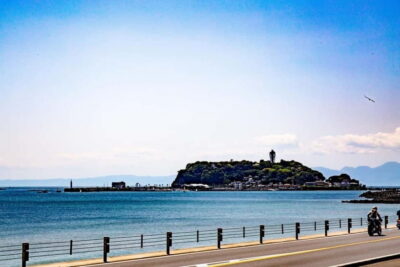 ★ 4.5Tokyo: Kamakura & Enoshima Day Trip including Temple TicketsFrom $589 hours - 570 minutes
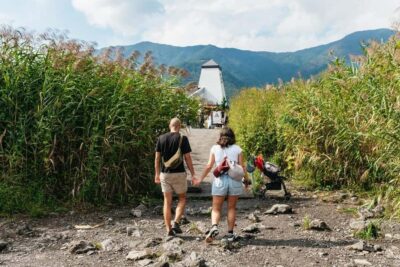 ★ 4.5Tokyo: Mt. Fuji, Kamakura, Big Buddha, & Lake Ashi Day TripFrom $4910 - 11 hours
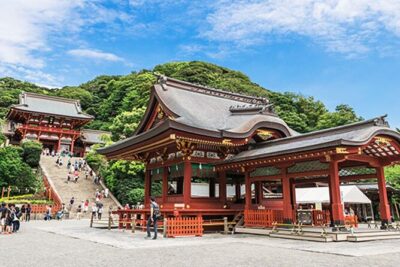 ★ 4.5From Tokyo: Kamakura & Enoshima 1-Day Bus TourFrom $66
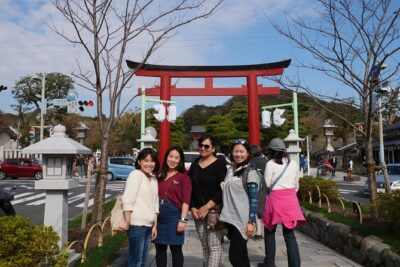 ★ 5.0Kamakura Historical Walking Tour with the Great BuddhaFrom $98
 ★ 5.0Kamakura Private Tour: Temples, Nature, and the Great BuddhaFrom $98
 ★ 5.0Kamakura Walking Tour – The City of ShogunFrom $35