
Reviewed · KAMAKURA & ENOSHIMA DAY TRIPS
Kamakura: Half day Walking tour & Japanese sweets
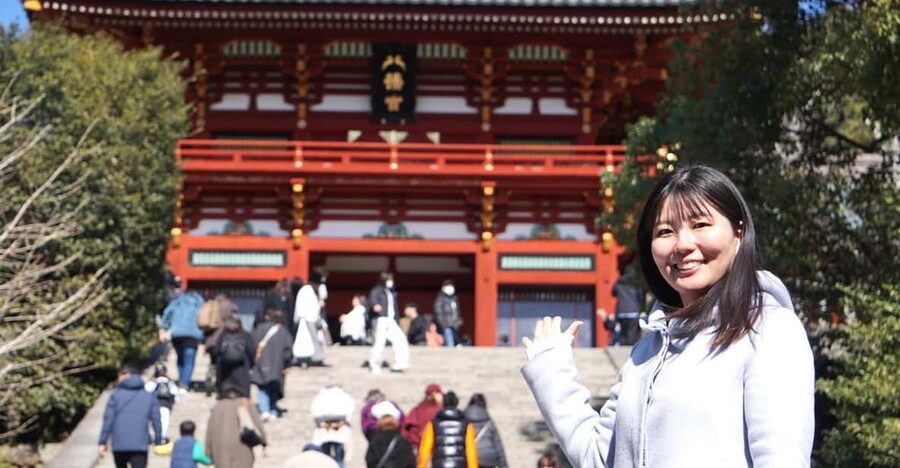
Kamakura’s appeal is easy to understand once you move beyond the famous Great Buddha. This four-hour walk links the statue at Kotoku-in, the gardens of Hase-dera, the samurai-era center of Tsurugaoka Hachimangu, and the town’s quieter lanes. The finishing touch is nerikiri Japanese sweets with matcha, a delicate cafe experience that gives the afternoon a distinctly local flavor.
I like the small group size, limited to six people, and the way guide Kelly combines major sights with back streets and local shopping areas. I also like that the two temple entrance fees and the cafe treat are included in the $64 price. The main drawback is the walking: stairs are part of the visit, and the tour is not suitable for wheelchair users or people with low fitness.
In This Review
- Key points at a glance
- Why this Kamakura walk works well
- Starting at Kamakura Station at 13:00
- The local train to Hase
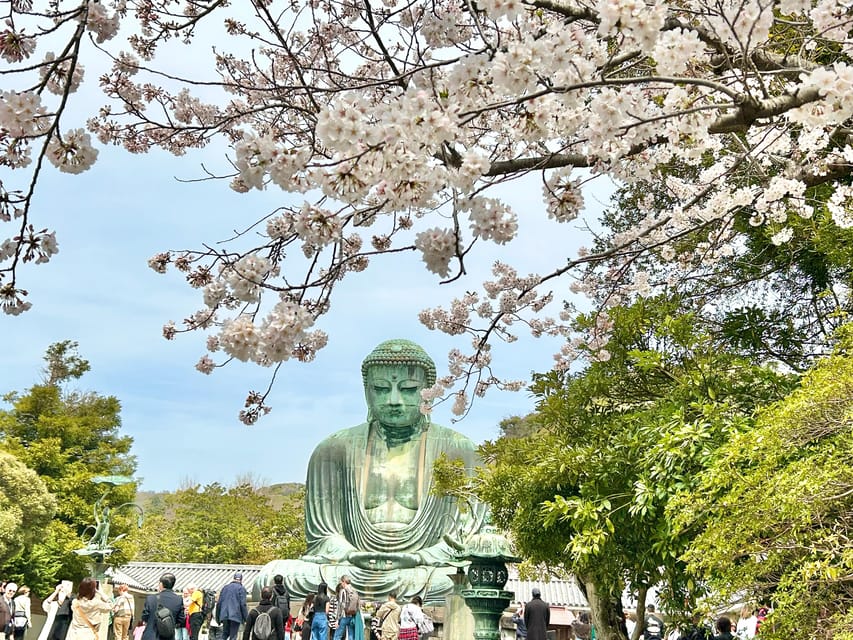
- Kotoku-in and the Great Buddha
- Hase-dera’s gardens, sea views, and cave
- Tsurugaoka Hachimangu and Kamakura’s samurai center
- Nerikiri and matcha on Komachi-dori
- Narrow lanes and local shopping
- What the $64 price includes
- Who should book this experience?
- Booking details worth knowing
- Should you book Kelly’s Kamakura tour?
- FAQ
- Where does the Kamakura walking tour start?
- What time does the tour begin?
- Is the local train fare included?
- Are temple entrance fees included?
- Is the matcha and Japanese sweet included?
- How large is the group?
- Is the tour suitable for wheelchair users or people with low fitness?
Key points at a glance
- Great Buddha and Hase-dera: See Kamakura’s two best-known sights with entrance fees included.
- Samurai and Zen context: Kelly explains how Kamakura’s temples, shrine, warriors, and religious traditions fit together.
- Nerikiri and matcha: Try a Japanese sweet that is rarely part of a standard sightseeing stop.
- Local streets: Walk through narrow lanes and shopping areas beyond the main tourist route.
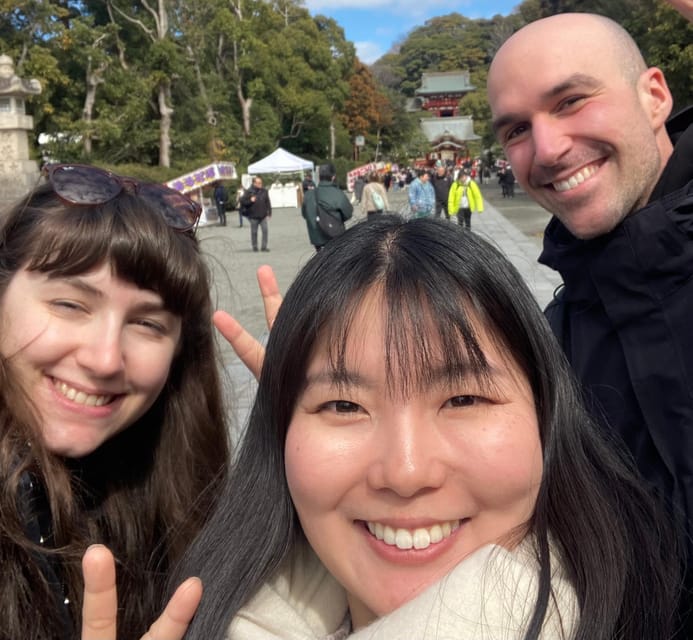
- Small English-speaking group: The tour accepts no more than six participants and is led by National licensed guide Kelly.
- Useful practical detail: The local train costs ¥400 total for the round trip and is not included.
Why this Kamakura walk works well
Kamakura can feel scattered if you visit without a plan. The Great Buddha is in the Hase area, while Tsurugaoka Hachimangu and Komachi-dori are closer to Kamakura Station. This tour solves that problem with a simple route using the local train, then finishes near the station’s shopping streets.
The pace also makes sense. You spend about 30 minutes at Kotoku-in, one hour at Hase-dera, 45 minutes at Tsurugaoka Hachimangu, and 45 minutes at a cafe on Komachi-dori. That leaves time for walking, short train rides, and shopping without turning the afternoon into a race.
Kelly is the guide for this experience. She is a local, speaks English, and holds a National licensed tour guide qualification. That matters in Kamakura, where a good explanation can turn a statue, cave, or shrine gate from a photo stop into something you understand.
The group limit of six is another real advantage. You can ask questions without trying to catch a guide’s voice across a crowd. Several parts of the experience also have a personal feel, including help with train connections, shopping, translation, and everyday Japanese customs.
A few more Kamakura tours and experiences worth a look
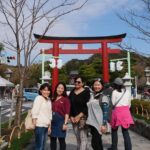
Starting at Kamakura Station at 13:00
Meet Kelly beside the ticket gates at the East Exit of Kamakura Station, next to the Kamakura City Tourist Information Center. She will have a meeting board, which makes the meeting point easier to identify in a busy station.
The start time is 13:00, so this suits a morning arrival from Tokyo or a longer Kamakura day that begins with another activity. You finish on Komachi-dori Street after four hours, rather than returning to the station as a formal endpoint. That is useful because you can continue shopping, eat dinner, or walk back to the station at your own pace.
Kamakura is compact in feel but not always simple to navigate. The tour gives you a clear structure, and Kelly can help you find the right train after the walk. One visitor even received help arranging the train connection back toward Shibuya, a useful extra if you are heading back to Tokyo after the tour.
The local train to Hase
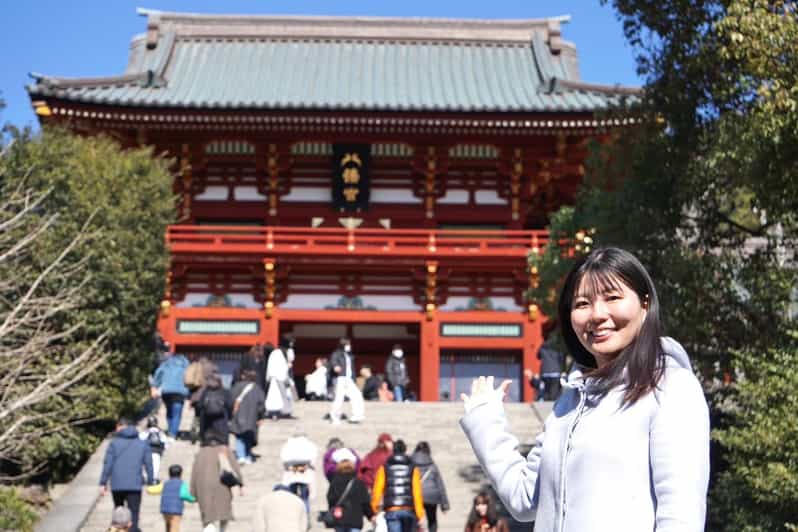
The first part of the route uses a local train from Kamakura to Hase. The ride takes about 10 minutes. You pay ¥200 each way, or ¥400 total, separate from the tour price.
This is a small cost, but it is worth knowing before you book. At $64 per person, the package includes a guide, two temple entrance fees, and the cafe food, but not this short rail journey. Bring cash or another accepted payment method for the fare.
The train also saves your legs for the places that matter. Kamakura’s lanes can be narrow, and the tour uses quieter shortcuts where possible. That keeps the walk more pleasant, particularly when the streets near the major sights become crowded.
Kotoku-in and the Great Buddha
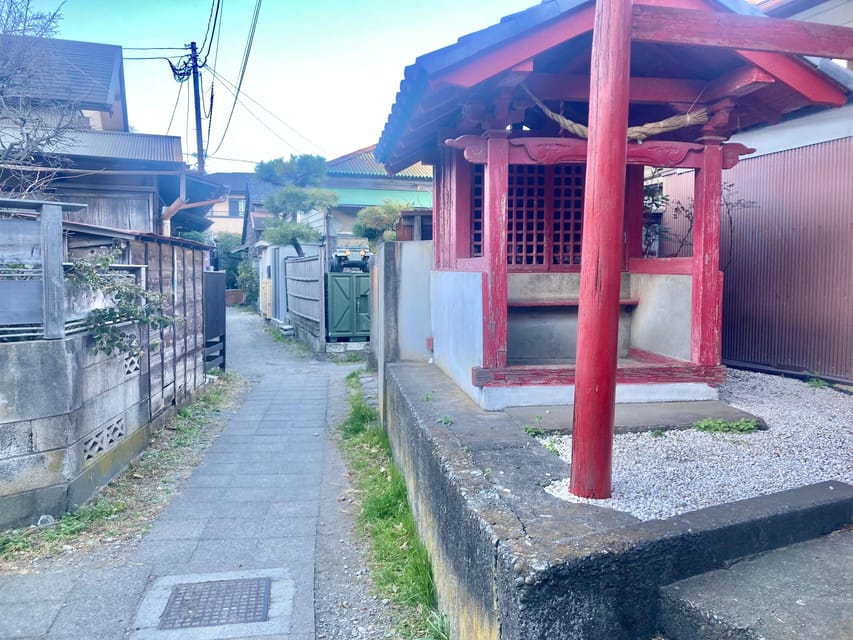
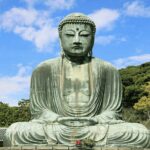
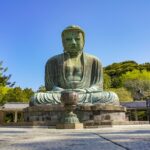
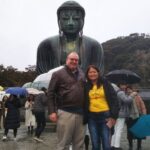
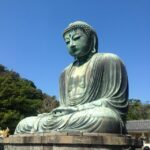
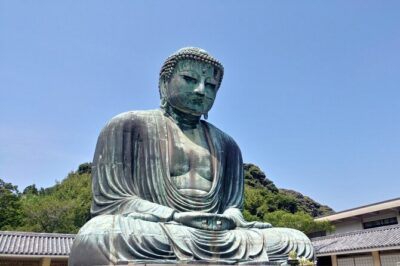
Kotoku-in is home to Kamakura’s giant bronze Buddha, one of Japan’s most recognizable religious statues. You have around 30 minutes here, enough to see the statue properly, take photographs, and hear Kelly explain its background.
The value of a guide is clear at this stop. A quick visit can become little more than a photograph beside a large bronze figure. Kelly adds the setting of the statue, its connection to Kamakura’s samurai period, and the place of Zen thought in the city’s religious culture.
The entrance fee is included. That removes one small decision from the visit and lets the group move through the gate together.
Thirty minutes is not a long time, so this is not a slow, reflective temple visit. If your main goal is extensive photography or close study of the grounds, you may want more time here. For a half-day overview, though, the short stop keeps the afternoon moving.
Hase-dera’s gardens, sea views, and cave
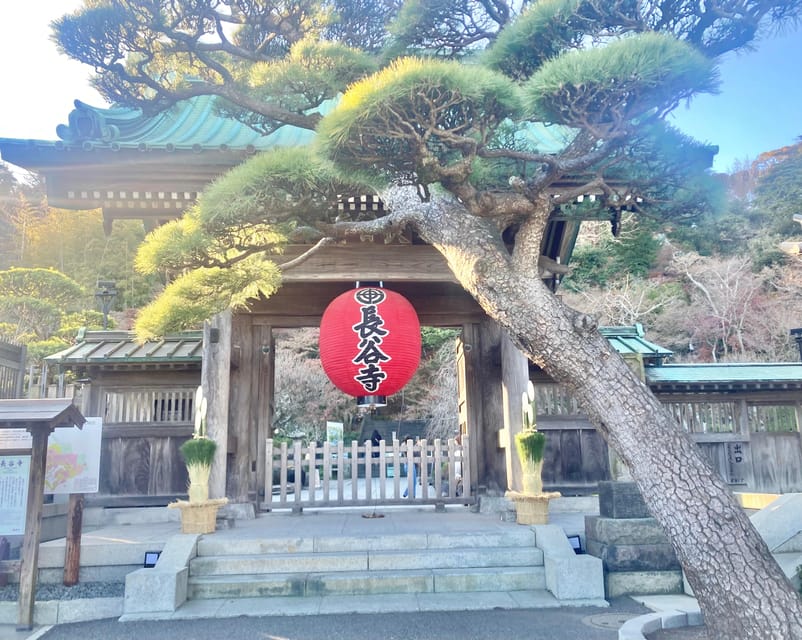
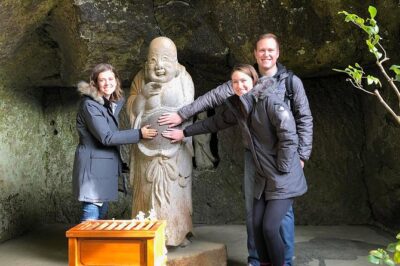
Hase-dera receives the longest visit, about one hour, and it is likely to be the most varied part of the tour. The temple has Japanese gardens, an observation deck looking toward Kamakura and the beach, and a mysterious cave within the grounds.
The gardens give you a different side of Kamakura from the Great Buddha. Instead of one major object, you move through a series of details: planted areas, temple buildings, views, and the cave. The scenery changes with the season, so this stop has more than one fixed postcard view.
The observation deck is especially useful. You can look across the town toward the beach and understand Kamakura’s setting instead of seeing the temples as isolated attractions. The beach is one of the tour’s stated highlights, and Hase-dera is where you get the best chance to appreciate it from above.
There are stairs here, and that affects how enjoyable the visit will be. Comfortable shoes are essential. High heels are not allowed, and the tour is not suitable for wheelchair users. If heat or humidity wears you down, tell Kelly early. The walking route includes several stops, but the day still requires steady movement.
The one-hour visit gives you enough time to enjoy the main features without lingering indefinitely. It is a good fit if you want gardens, views, and religious sites in one stop. It is less suitable if you prefer to sit quietly for long periods or explore every corner at your own speed.
Other walking tours we've reviewed in Kamakura
Tsurugaoka Hachimangu and Kamakura’s samurai center
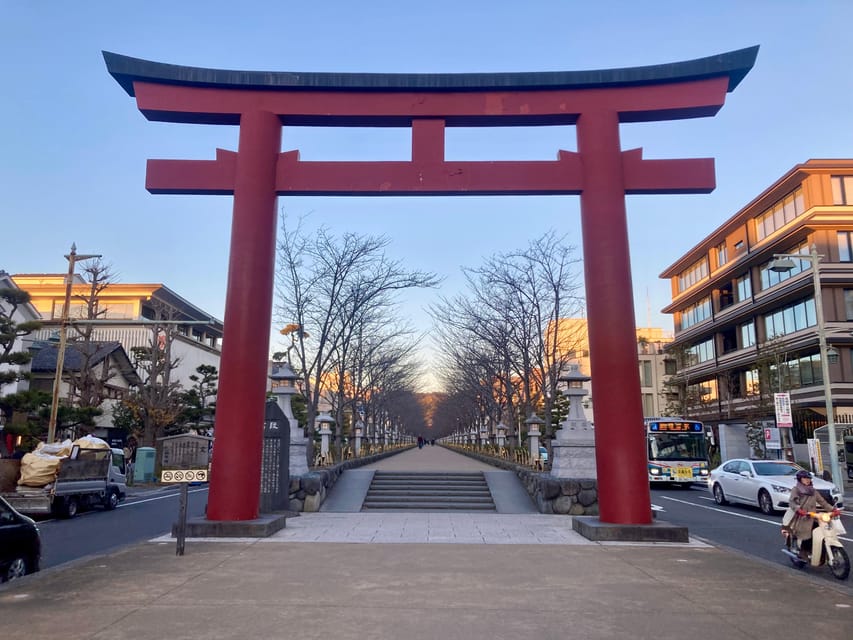
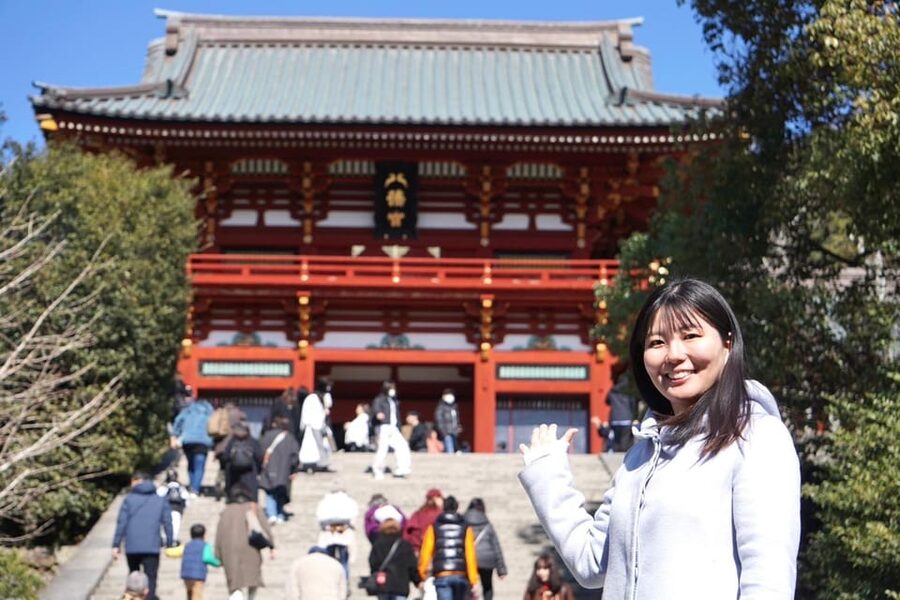
After returning by train, the tour visits Tsurugaoka Hachimangu, Kamakura’s central shrine. The visit lasts about 45 minutes and carries the historical part of the walk forward.
Here, Kelly explains the shrine’s connection to the samurai period and Kamakura’s roughly 800 years of history. That context helps tie together the earlier stops. The Great Buddha and Hase-dera show the city’s religious side, while Tsurugaoka Hachimangu gives you a clearer sense of how warriors and political power shaped Kamakura.
There is no entrance fee for the shrine. You can expect a more open, ceremonial setting than at the temples, with the main approach and shrine precinct providing a strong contrast to Hase-dera’s gardens and cave.
The 45-minute visit is enough for an introduction, not an exhaustive study. If you are especially interested in Japanese military history, you will get useful background from Kelly, but you should not expect a full museum-style lesson. The tour’s strength is the connection between places, not a long lecture at a single site.
Nerikiri and matcha on Komachi-dori
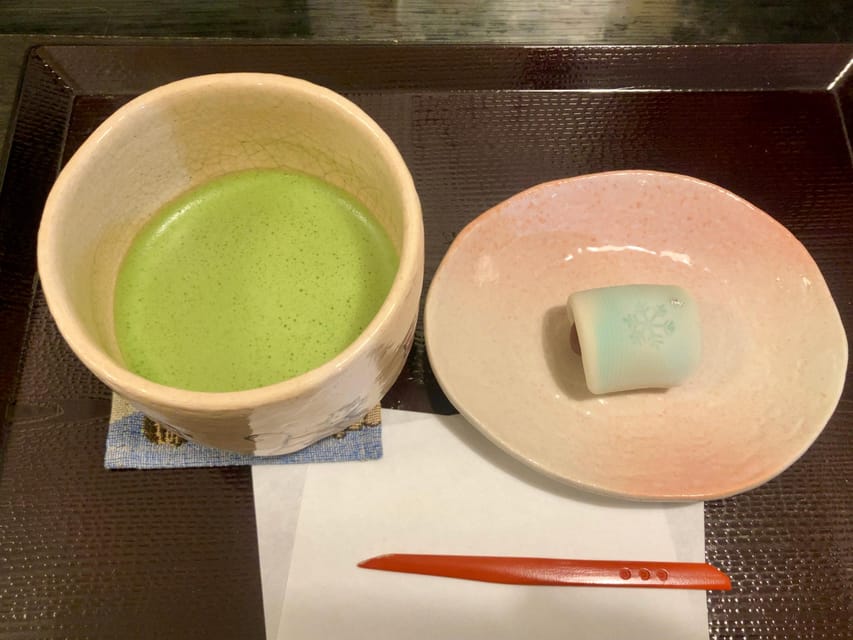
The cafe stop is the tour’s most distinctive feature. On Komachi-dori, Kelly takes you for traditional Japanese sweets and matcha green tea. The food cost is included, and the experience is vegetarian friendly.
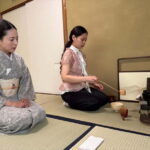
Nerikiri is a fresh Japanese sweet made in carefully shaped forms, often linked to seasonal themes. It is not the kind of snack you usually pick up while rushing between temples. Here, you have time to sit, taste it with matcha, and ask Kelly about local food customs.
The cafe stop lasts around 45 minutes. That is long enough to make the treat feel like part of the experience rather than a quick drink break. Some participants have also had the chance to try preparing matcha themselves, which adds a hands-on element when available.
I like this stop because it slows the afternoon at exactly the right moment. The temples and shrine involve walking, stairs, and a lot of visual information. A quiet cup of tea gives you time to ask questions and sort out what you have seen.
Kelly’s local connection also matters here. She was born and raised in the area, and the cafe is presented as a place she recommends rather than simply the nearest available shop. The emphasis is on conversation and local knowledge, not just consuming a sweet.
Narrow lanes and local shopping
The tour does not end with the major sights. Kelly leads you through narrow back streets that many independent visitors might miss, along with shopping areas used by local residents.
Kamakura’s smaller lanes have a different mood from Komachi-dori. They can feel quieter and more residential, with the sort of atmosphere that has appeared in anime and television dramas. You will not need to know the names of every street to appreciate the change. The point is seeing how the town works away from its headline attractions.
The shopping portion also has a practical side. Komachi-dori is the obvious place for souvenirs and snacks, but Kelly can show you other areas and help you understand where local shopping fits into daily life. If you want to buy something but do not speak Japanese, her translation help can make the process easier.
You finish on Komachi-dori, so you can keep shopping after the official four hours. This is a better ending than being dropped at a station with no time to browse. It also gives you flexibility: stay for food, return to Kamakura Station, or continue exploring on your own.
What the $64 price includes

The $64 fee is reasonable if you value guidance and want a compact introduction to Kamakura. You are paying for four hours with a National licensed English-speaking guide, the Kotoku-in entrance fee, the Hase-dera entrance fee, and Japanese sweets with matcha.
The extra train fare is only ¥400 total, but remember to add it to your budget. There is no fee for Tsurugaoka Hachimangu.
The strongest value comes from the range of the experience. A self-guided visit could cover the same broad area, but you would need to research the temples, manage the train, find the less obvious lanes, choose a cafe, and handle shopping questions yourself. If those tasks sound enjoyable, independent travel may suit you. If you want the cultural links explained as you go, the guide fee earns its place.
The small group limit also helps. A private tour is not advertised, but six participants is still intimate enough for questions and personal attention. Kelly has helped people with onward train routes and shopping, which adds value beyond the scheduled stops.
Who should book this experience?
This tour suits a first visit to Kamakura, especially if you want the major sights without spending a full day planning routes. It is also a good choice for solo visitors, couples, families with older children, and anyone who prefers a small English-speaking group.
You should book it if you enjoy a mix of culture, walking, scenery, food, and local streets. The matcha and nerikiri stop makes it more rounded than a simple temple tour.
It may not suit you if you want a slow photography session, dislike stairs, or have limited walking stamina. The tour covers several areas in four hours, and even with short train rides, you need comfortable shoes and a reasonable level of fitness.
Weather is another factor. The walk operates in rain, and one April visit remained enjoyable despite wet conditions. Still, summer heat and humidity can make the stairs and street walking harder. Carry water and dress for the forecast.
Booking details worth knowing
The tour runs for four hours and starts at 13:00, with availability depending on the date. You can cancel up to 24 hours before the start for a full refund, and the reserve-now, pay-later option lets you hold a place without paying immediately.
The tour is offered in English by Kelly and is limited to six participants. High-heeled shoes and pets are not allowed, although assistance dogs are permitted.
Bring comfortable walking shoes, money for the ¥400 train fare, and enough energy for temple stairs. The tour ends on Komachi-dori Street, not at the original meeting point, so plan your next stop from there.
Should you book Kelly’s Kamakura tour?
Book it if you want Kamakura’s essential sights explained by a local guide, with a small group, a proper tea break, and some streets beyond the standard route. Kelly’s patient style, help with train connections, and willingness to answer questions are particularly useful if you are new to Japan.
Skip it if you prefer complete independence or need step-free access. For most visitors who want a well-paced half-day introduction, the combination of the Great Buddha, Hase-dera, Tsurugaoka Hachimangu, local lanes, and nerikiri with matcha makes the $64 fee a solid buy.
FAQ
Where does the Kamakura walking tour start?
Meet at the Kamakura City Tourist Information Center, beside the ticket gates at Kamakura Station’s East Exit. Kelly will have a meeting board.
What time does the tour begin?
The tour starts at 13:00 and lasts four hours.
Is the local train fare included?
No. The train between Kamakura and Hase costs ¥200 each way, for a total of ¥400.
Are temple entrance fees included?
Yes. Entrance to Kotoku-in, home of the Great Buddha, and Hase-dera is included. Tsurugaoka Hachimangu has no entrance fee.
Is the matcha and Japanese sweet included?
Yes. The cafe food cost is included, including traditional Japanese sweets and matcha green tea.
How large is the group?
The tour is limited to six participants and is led in English by local National licensed guide Kelly.
Is the tour suitable for wheelchair users or people with low fitness?
No. The tour includes stairs and walking, and it is not suitable for wheelchair users or people with a low level of fitness. Comfortable shoes are recommended, and high-heeled shoes are not allowed.
More Dessert Tours in Kamakura

More Walking Tours in Kamakura
More Kamakura & Enoshima Day Trips in Kamakura
More tours in Kamakura we've reviewed
Kamakura & Enoshima Day Trips, compared.
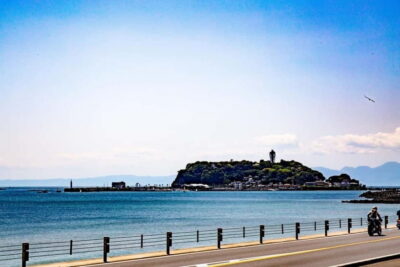 ★ 4.5Tokyo: Kamakura & Enoshima Day Trip including Temple TicketsFrom $589 hours - 570 minutes
 ★ 4.5Tokyo: Mt. Fuji, Kamakura, Big Buddha, & Lake Ashi Day TripFrom $4910 - 11 hours
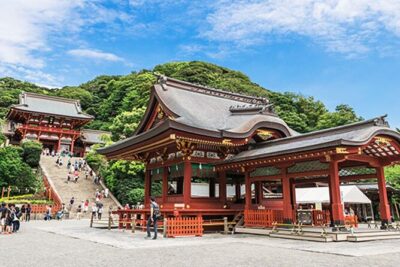 ★ 4.5From Tokyo: Kamakura & Enoshima 1-Day Bus TourFrom $66
 ★ 5.0Kamakura Historical Walking Tour with the Great BuddhaFrom $98
 ★ 5.0Kamakura Private Tour: Temples, Nature, and the Great BuddhaFrom $98
 ★ 5.0Kamakura Walking Tour – The City of ShogunFrom $35