
Reviewed · HAKONE DAY TRIPS
Hakone Private Two Day Tour from Tokyo with Overnight Stay in Ryokan
Hakone is at its best when you do not try to squeeze it into a rushed day trip. This private two-day outing takes you from Tokyo to Lake Ashi, volcanic Owakudani, mountain railways, museums, and a traditional ryokan stay, with a guide handling the transport on day one.
I like the practical setup: your Hakone transport, Hakone Free Pass, Shinkansen tickets between Tokyo and Odawara, breakfast, and one night’s lodging are arranged. I also like the mix of guided sightseeing and free time, since a guide such as Kazuo-San can get you oriented, then you can explore on your own the next day.
The main catch is that the advertised price of $486.47 per person does not cover every appealing extra. Museum admissions, meals, public baths, some ropeway and ship options, and the optional 15,000 JPY kaiseki dinner can add up quickly.
In This Review
- Key points to know before booking
- Why two days makes Hakone easier
- From Shinjuku to Lake Ashi
- Hakone Shrine beside the water
- Ropeways, Owakudani, and the volcanic valley
- Hakone Open-Air Museum and the art stops
- The Old Tokaido Road and Hakone Sekisho
- Gora Park and a slower corner of Hakone
- Sleeping on tatami in a Hakone ryokan
- Making the most of your independent second day
- What the $486.47 price really covers
- Who will enjoy this Hakone trip most
- Should you book it?
- FAQ
- Where does the tour start and finish?
- What time does the tour begin?
- Is transportation from Tokyo included?
- Is the ryokan dinner included?
- What should I expect in the ryokan room?
- Can children join the tour?
Key points to know before booking
- Lake Ashi and Hakone’s mountain transport: Expect buses, mountain trains, cable cars, ropeways, and possibly a pirate ship, all tied together by the Hakone Free Pass.
- A real ryokan night: Your room is a traditional Japanese-style space with tatami flooring and a futon placed on the floor.
- A guided first day: The guide helps with routes, tickets, timing, and local context while you visit Hakone’s main sights.
- Independent second day: Day two gives you breathing room, but you must be comfortable managing your own movements.
- Weather affects the views: Clear conditions may reveal Mount Fuji and open the Owakudani ropeway and Lake Ashi cruise options.
- A custom element: You complete a tour form so the operator can shape the route around your interests and previous visits.
Why two days makes Hakone easier
Hakone is close enough to Tokyo for a day trip, but its sights are spread across steep hills, lake shores, hot-spring towns, and wooded valleys. The route is enjoyable, though it involves transfers. A one-day visit can feel like a race between trains, buses, ropeways, and boats.
This two-day format gives you a better rhythm. You start early at 7:30 am from Shinjuku Station, travel toward Odawara by Shinkansen, and then use Hakone’s local transport. The first day is guided, so you do not have to work out every connection while watching the clock.
Day two is intentionally less structured. That suits you if you want to revisit a favorite area, add a museum, spend time at a garden, or simply take Hakone at a slower pace. It is less suitable if you want a guide beside you for every hour.
The tour is private, so only your own group takes part. That matters when you are traveling with family or friends, since the itinerary can be discussed around your interests. The operator asks you to complete a detailed Hakone form after booking, ideally at least three weeks before departure, so there is room to arrange guides, tickets, and reservations.
A few more Tokyo tours and experiences worth a look
From Shinjuku to Lake Ashi
The meeting point is at Shinjuku Station, and you are asked to arrive at least 10 minutes early. Bring your passport, since it is required for transportation on the tour day and may also be checked for age verification.
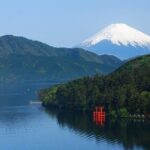
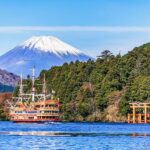
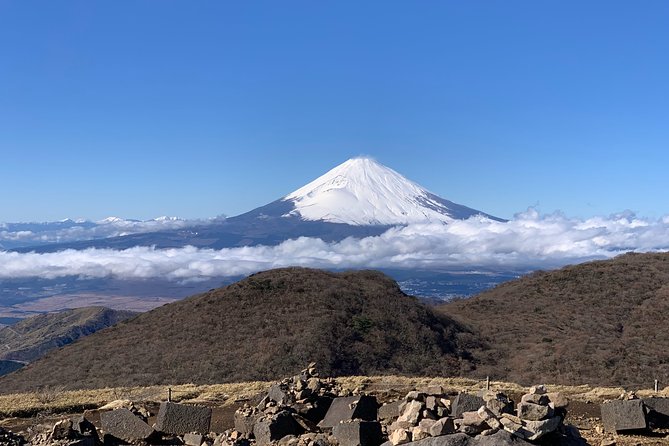
Lake Ashi, or Ashinoko, is the scenic centerpiece of Hakone. It fills an old volcanic caldera and is framed by forested hills. The water itself is only part of the appeal. The lake links several of Hakone’s main experiences, including the shrine, sightseeing boats, mountain roads, and views toward Mount Fuji when conditions cooperate.
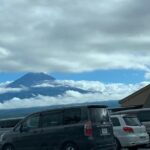
You receive about an hour here, though the exact order and length of stops can change as the guide works around transport and weather. In clear conditions, the view toward Mount Fuji can be superb. In cloud or mist, the lake still offers a calm setting, but you should not book this trip solely for a guaranteed Fuji photograph.
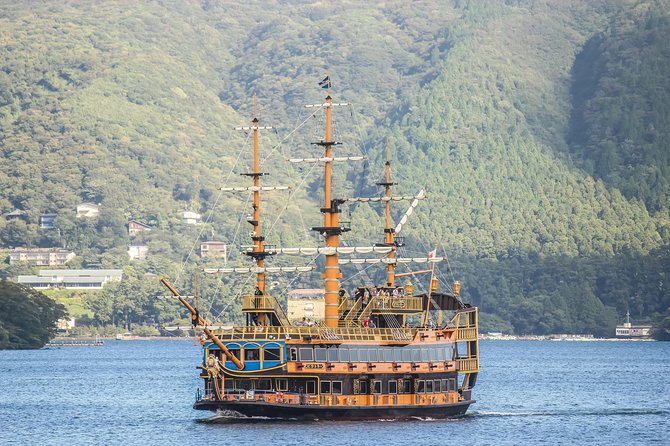
A Lake Ashi cruise may be included in good weather, using the well-known pirate ship service. The included transport information also refers to a modern ship and a ropeway route toward Mount Komagatake as an optional combination. Check the final plan carefully, because the standard and optional boat and ropeway arrangements are not the same thing.
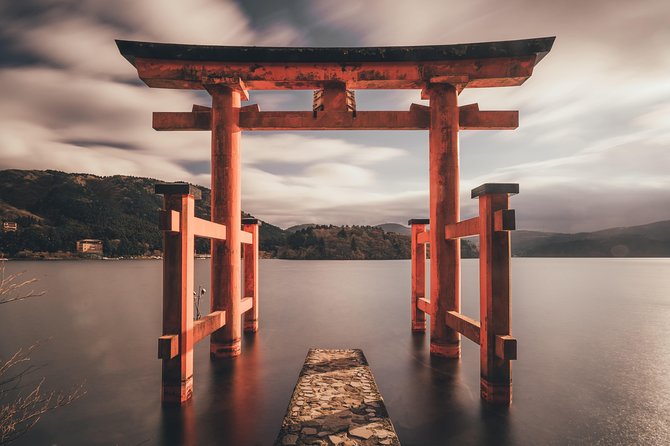
Hakone Shrine beside the water
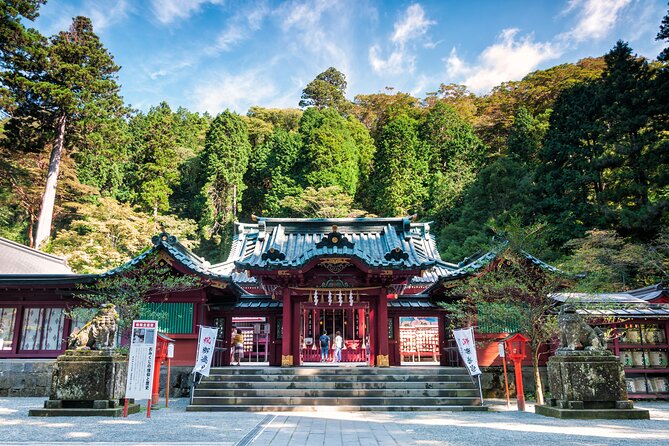
Hakone Shrine sits near the shore of Lake Ashi and is one of the area’s best-known religious sites. Its setting among trees and beside the lake gives the visit a strong sense of place, even if you are not familiar with Shinto customs.
You have about 45 minutes here. That is enough for a look around and some quiet time, but not an extended visit. Wear shoes suited to steps and uneven surfaces, and dress for changing weather. Hakone can feel cooler than Tokyo, particularly around the lake and mountain stations.
The shrine is also a good example of why a local guide helps. Your guide can explain what you are seeing and help you fit the visit into the wider route. Without that context, it is easy to treat the shrine as just another photo stop.
Ropeways, Owakudani, and the volcanic valley
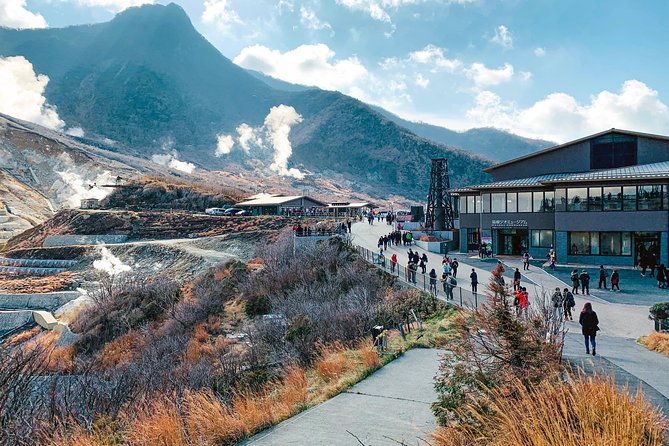
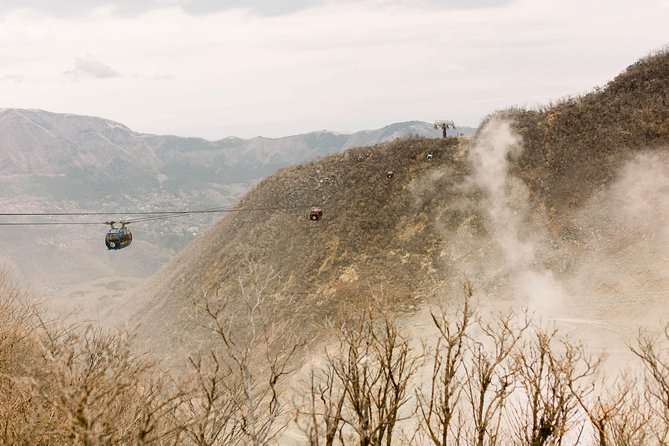
The Hakone Ropeway links Sounzan and Togendai, passing through Owakudani. This is one of the most memorable ways to see Hakone, since the cabins cross high mountain slopes and volcanic areas.
Owakudani, often called the Boiling Valley, is known for visible volcanic activity. The terrain can look stark and unusual compared with the wooded parts of Hakone. On a clear day, you may also see Mount Fuji from the ropeway route.
The operator includes the Owakudani ropeway when weather and operating conditions allow. That qualification matters. Mountain transport can be affected by wind, volcanic conditions, or other temporary restrictions, and Fuji views are never promised.
Do not confuse this route with the separate Mount Komagatake Ropeway. The latter is listed as an optional activity at 1,300 JPY and offers views across Hakone National Park. Another optional package combines a ropeway and Lake Ashi ship for 2,220 JPY. Ask which route is part of your plan before assuming every cable ride is included.
Hakone Open-Air Museum and the art stops
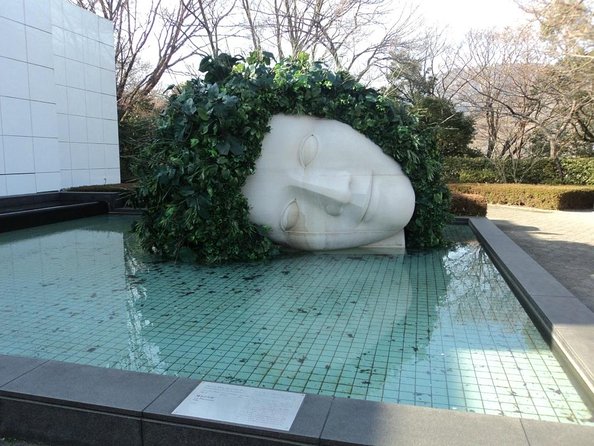
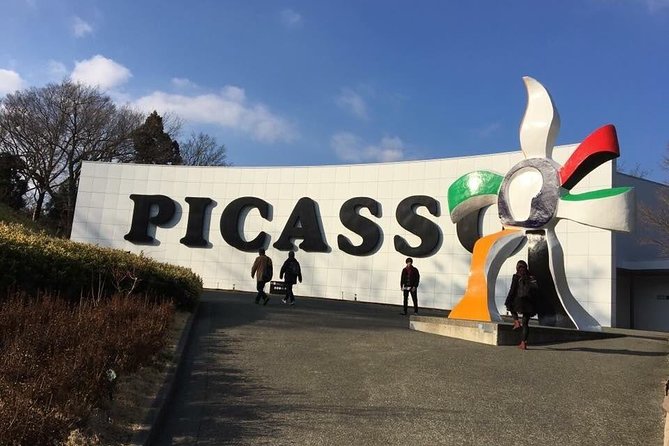
The Hakone Open-Air Museum is Japan’s first open-air museum. Its sculpture collection is spread through gardens and outdoor spaces, with works by artists including Picasso, Henry Moore, and Taro Okamoto.
This is not a quick roadside stop. If you enjoy sculpture, the museum can take a meaningful part of your day. It also gives you a change of pace after the transport-heavy mountain route. You can see art in the open air rather than moving from one indoor gallery to the next.
Admission to the Open-Air Museum, including the Picasso Gallery, is listed as an optional 1,600 JPY expense. That extra fee is reasonable if modern sculpture interests you, but it should be included in your budget.
The route may also include an art museum opened in 1988, featuring Nihonga-style paintings, city views, a café, and gardens. Narukawa Art Museum is separately listed at 1,200 JPY and is valued for Japanese paintings and views toward Mount Fuji. Since the final route is customized, confirm which museum or museums your group will visit and which admissions you will pay.
Other private tours in Tokyo


The Old Tokaido Road and Hakone Sekisho
Hakone’s appeal is not only scenery and hot springs. The Old Tokaido Road recalls the historic route between Tokyo and Kyoto, and Hakone Sekisho gives you a closer look at how movement was once controlled along that road.
The checkpoint has been reconstructed with gates, fences, officers’ and foot soldiers’ housing, a prison chamber, and a lookout tower. It is a useful stop if you want historical detail to balance the lake and mountain views.
The supplied route information lists Hakone Sekisho and its museum among the possible stops, but it does not specify an admission arrangement. Ask your guide what is included on your chosen day. Time is another factor. Hakone contains more worthwhile stops than most visitors can fully absorb in two days.
Gora Park and a slower corner of Hakone
Gora Park is a French-style landscaped park with a large fountain and rose garden. It is a pleasant place to pause after the more active parts of the route, especially if you want gardens rather than another major attraction.
A Japanese tea ceremony is an optional 500 JPY activity here. It may suit you if you want a small cultural experience without committing to a formal evening program. The ceremony is not included in the base price.
Gora is also important for transport, since the area connects with Hakone’s mountain rail system and other local routes. Your guide can help you understand how the pieces fit together. That guidance is especially useful if you plan to continue independently on day two.
Sleeping on tatami in a Hakone ryokan
The overnight stay is the cultural heart of this experience. Your accommodation is a traditional Japanese inn, with tatami floors and a futon laid out on the floor. This is very different from a standard Western hotel room.
If you have never slept on a futon over tatami, expect a firm, simple setup rather than a conventional bed. The rooms are non-smoking, with designated outdoor smoking areas. The standard accommodation is described as three-star, while four- or five-star hotel or ryokan options cost extra.
Breakfast is included. Meals, snacks, and drinks generally are not, and a full kaiseki dinner is optional at 15,000 JPY per person. That dinner can be a fine way to experience a traditional Japanese meal, but it is a major addition to the cost. You may prefer to choose your own evening meal, depending on the ryokan location and your appetite.
The accommodation details are important for families. Children must be accompanied by an adult, and up to three children may share one room with two adults. Ask about room arrangements before booking if your group includes children or anyone who does not sleep comfortably on the floor.
Making the most of your independent second day
The second day is not another full guided circuit. It is for independent exploring, with the planned route including a Western-style hillside botanical garden with a tea house and greenhouses.
That lighter schedule can be a strength. You can use your free time to return to Lake Ashi, visit a museum you skipped, enjoy a hot bath, or spend longer in Gora. A public hot bath at Hakone-Yumoto costs 1,800 JPY, with a private indoor bath available for an additional 1,000 JPY.
The tradeoff is that you need to keep track of your own timing. You have the Hakone Free Pass and local transport coverage, but the guide is not necessarily with you on day two. If independent navigation makes you uneasy, ask in advance for clear instructions and the expected return schedule.
The botanical garden offers an easy change from the busier sightseeing circuit. Greenhouses and a tea house give you indoor and sheltered options if the weather turns wet. Still, the supplied details do not specify how long you will spend there, so confirm the day-two plan before setting expectations.
What the $486.47 price really covers
At $486.47 per person, this is not a budget Hakone outing. Its value comes from combining several costs and removing much of the planning work.
The price includes the Shinkansen round trip from Tokyo to Odawara, transportation within Hakone, buses, the mountain train, cable cars, guide fees, the Hakone Free Pass, one night in a ryokan, breakfast, and the fuel surcharge. For a private group, that bundle can make sense, especially if you want help with the complicated transport network.
The price does not include all meals, drinks, museum admissions, the Mount Komagatake Ropeway, the tea ceremony, certain ship and ropeway combinations, hot baths, or the optional kaiseki dinner. Set aside extra yen for the activities that matter most to you.
You should also note the cancellation terms before paying. The experience is non-refundable and cannot be changed for any reason. Once planning begins, the operator may arrange transport, guides, tickets, and reservations, so this is a poor choice if your Tokyo schedule is uncertain.
Who will enjoy this Hakone trip most
I would choose this tour if you want Hakone’s major sights but do not want to coordinate several rail, bus, cable car, and boat connections yourself. It is also a good match if a ryokan night matters to you and you want a first guided day followed by personal time.
Families can benefit from the private format, though the moderate physical fitness requirement should be taken seriously. You will be moving through stations, mountain areas, shrines, museums, and transport platforms. Dress for changing weather and wear practical shoes.
This is less ideal if you want a luxury ryokan by default. The standard lodging is three-star, and an upgraded four- or five-star property costs more. It is also not the best fit if your top goal is guaranteed Mount Fuji visibility, since cloud and weather can change the view and some services.
The guide can discuss a drop-off point at your hotel or a train station instead of returning you to the original Shinjuku meeting point. Confirm that arrangement early, particularly if you have an evening reservation in Tokyo.
Should you book it?
Book this Hakone tour if you value easy transport and local guidance more than the lowest possible price. The two-day format is more comfortable than a rushed day trip, and the ryokan stay gives the journey a distinctly Japanese touch.
Before booking, decide which extras you want, ask exactly which museums and boat services are included, and confirm the standard ryokan level. Complete the custom tour form carefully and book well ahead, ideally around three months before your date, since the operator needs time to build the route.
You should choose it if you want Hakone made manageable without giving up independent time. Skip it if you prefer to arrange every ticket yourself, need flexible cancellation, or want a guaranteed luxury hotel and Fuji view.
FAQ
Where does the tour start and finish?
The listed meeting and end point is Shinjuku Station in Tokyo. You can discuss a different drop-off point with the guide, including your hotel or another train station.
What time does the tour begin?
The start time is 7:30 am. You should arrive at least 10 minutes before the scheduled meeting time.
Is transportation from Tokyo included?
Yes. The package includes the Shinkansen round trip from Tokyo to Odawara, the Hakone Free Pass, transportation within Hakone, Hakone buses, the mountain train, and cable cars.
Is the ryokan dinner included?
No. Breakfast is included, but meals, snacks, and drinks are not. An optional kaiseki dinner is available for 15,000 JPY per person.
What should I expect in the ryokan room?
The standard accommodation is a traditional Japanese inn with tatami flooring and a futon placed on the floor. Rooms are non-smoking, with designated outdoor smoking areas.
Can children join the tour?
Yes. Children must be accompanied by an adult and stay in the same room as the adults. Up to three children may share one room with two adults.
More 2-Day Experiences in Tokyo
More Private Tours in Tokyo
More Hakone Day Trips in Tokyo
More tours in Tokyo we've reviewed


Hakone Day Trips, compared.
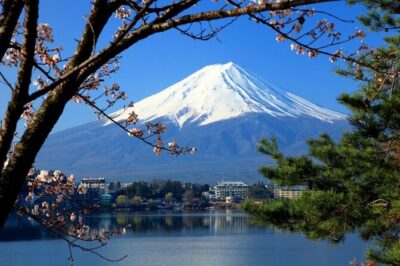 ★ 5.0Mt Fuji and Hakone 1-Day Bus Tour Return by Bullet TrainFrom $163
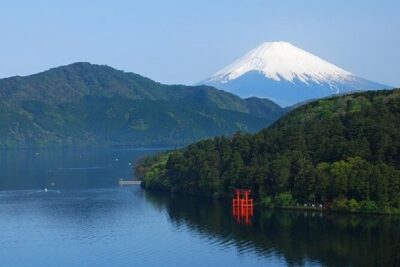 ★ 4.0Mt Fuji & Hakone Cruise, Drum Show Bullet Train 1 Day from TokyoFrom $149
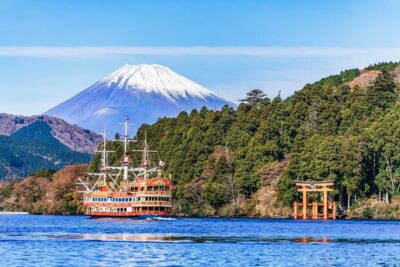 ★ 4.4Tokyo Mt Fuji 5th St & Hakone Cruise Bus Tour w/Bullet TrainFrom $15410 hours
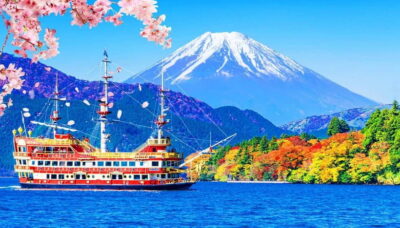 ★ 4.7Tokyo: Mt. Fuji Tour, Hakone Ropeway, Owakudani, Lake AshiFrom $5410 hours
 ★ 4.2Tokyo: Mt. Fuji 5th Station & Hakone Cruise 1-Day Bus TourFrom $12911 hours
 ★ 5.0Private Tour to Mt. Fuji and Hakone (Fully Licenced Operator)From $497