
Reviewed · SUSHI MAKING CLASSES
Shibuya Hands On Sushi Making Class with Chef
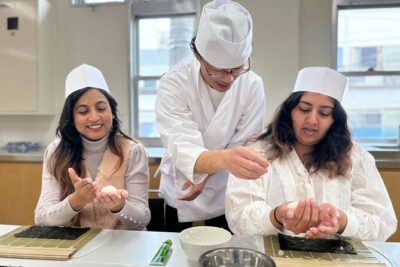
The best part of this Shibuya experience is that you do not just watch a sushi chef work. You put on a traditional hachimaki headband, shape your own pieces, and sit down to eat what you made. In about 90 minutes, you practice nigiri, maki, and gunkan sushi with more than seven toppings, including tuna, salmon, and gizzard shad.
I like the small group limit of six people, which should give you a better chance to ask questions and get help with tricky hand movements. I also like that chef Tero is described as especially good with children, making this a useful pick for families. The main consideration is time: 90 minutes is enough for an introduction, but not a full cooking course.
In This Review
- Key points
- A Hands-On Sushi Class in the Heart of Shibuya
- What Happens During the 90 Minutes
- The Fish and Toppings You Get to Handle
- Why Making the Rice Matters
- The Hachimaki, Photos, and Shared Meal
- A Good Choice for Families and First-Time Visitors
- What the Class Does Not Try to Be
- Is the $43.18 Price Good Value?
- Getting There and Planning Your Time
- Who Should Book This Sushi Experience?
- Final Verdict: Book It If You Want to Make Your Lunch
- FAQ
- How long does the sushi-making class last?
- Where does the experience take place?
- What types of sushi will I learn to make?
- How many people can join the class?
- Is a meal included?
- What happens if I need to cancel?
Key points
- Make more than seven sushi pieces: Practice nigiri, maki, and gunkan rather than simply watching a demonstration.
- Work with a professional chef: Chef Tero leads the class and helps explain the methods behind the food.
- Try several toppings: Tuna, salmon, gizzard shad, and other types of neta are included.
- Eat what you prepare: The session ends with a shared meal of your handmade sushi.
- Small group setting: The class accepts no more than six participants.
- Receive a Japanese souvenir: A traditional tenugui hand towel is included.
A Hands-On Sushi Class in the Heart of Shibuya
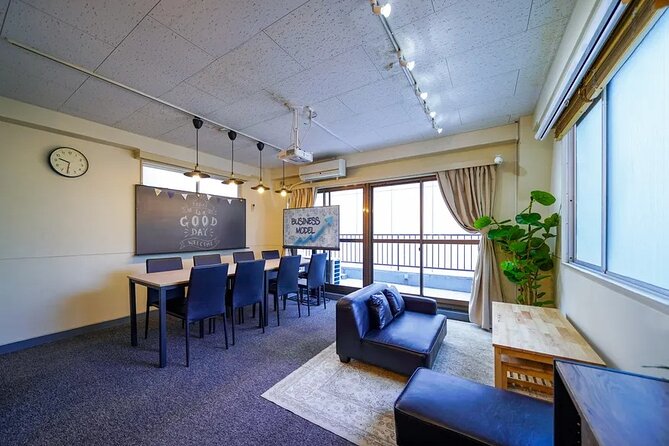
This is a short, practical introduction to sushi making at 2-chōme-14-6 Shibuya, Tokyo. You meet the chef there, complete the activity at the same location, and spend the session learning by doing rather than sitting through a long lecture.
That setting matters. Sushi can look simple when a trained chef forms it in seconds, but the work depends on small details: how the rice is seasoned, how firmly it is shaped, and how the topping sits on the rice. This class gives you a chance to notice those details with your own hands.
Chef Tero leads the experience. The available information describes him as friendly, clear in his teaching, and particularly comfortable working with children. For a family, that is useful. Kids can take part in the same task as adults, then enjoy a meal they helped create.
The class is also limited to six people. That is a good size for a hands-on activity. You are less likely to feel lost in the back of a large group, and the chef can watch your technique more closely.
A few more Tokyo tours and experiences worth a look


What Happens During the 90 Minutes
The workshop lasts approximately one hour and 30 minutes. The exact order of each lesson may vary, but the core of the session is clear: learn about sushi, prepare the rice and toppings, practice several forms, and eat your finished work.
The class begins with instruction from the chef. You learn the basic ideas behind sushi and the role of properly seasoned rice. This is more useful than it may sound. Rice is the base of nigiri and many rolls, so getting its flavor and texture right affects every piece you make.
You then move into the hands-on portion. The class covers nigiri, maki, and gunkan sushi, three forms that look different and require different movements.
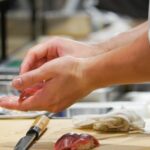
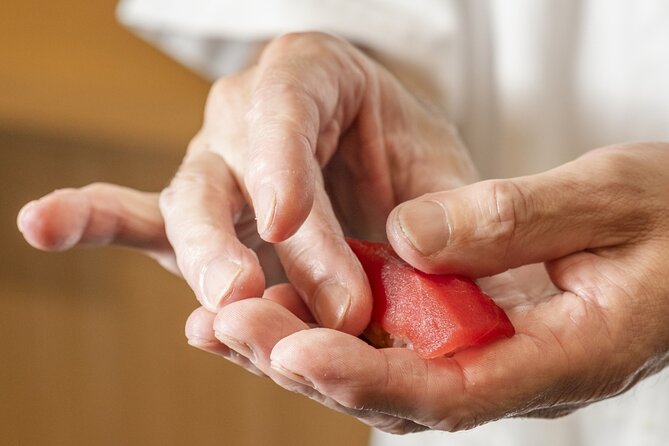
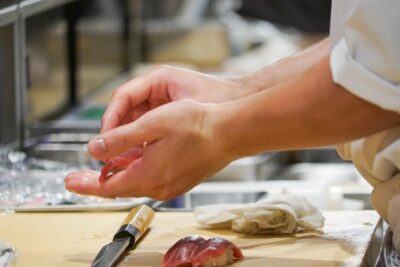
Nigiri is the familiar hand-shaped sushi made with rice and a topping. The challenge is to form the rice so it holds together without becoming a hard block. You also need to place the topping neatly. Making a good-looking piece gives you a quick lesson in the balance between control and a light touch.
Maki is rolled sushi. This adds another kind of coordination, since you need to spread and roll the ingredients into a finished shape. It is a good choice for beginners because the finished roll gives you a clear visual result, even if your first attempt is not perfectly even.
Gunkan sushi has a different shape and appearance. Practicing it helps show how sushi can be formed to hold a topping in a way that differs from both nigiri and maki. Making three styles in one short class keeps the lesson active and gives you more than one technique to remember.
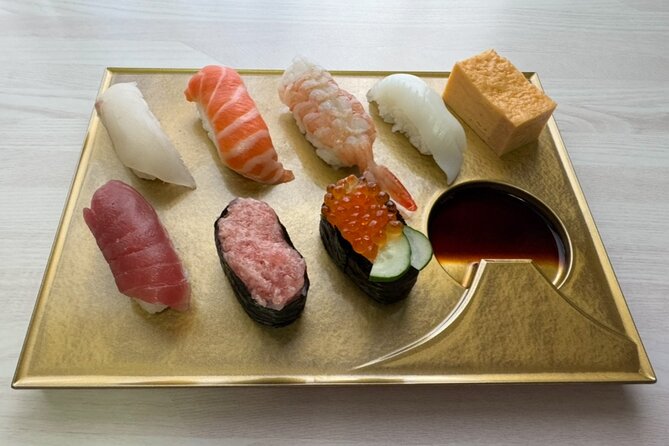
The goal is to make more than seven beautiful pieces. That is enough food to make the work feel worthwhile, while still leaving room for the chef to guide you through each stage.
The Fish and Toppings You Get to Handle
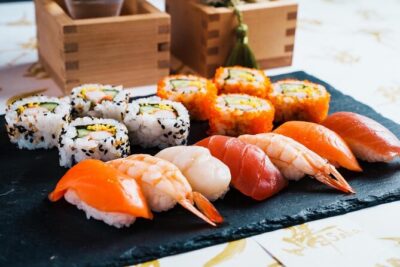
The sushi uses more than seven types of high-quality neta, the Japanese term for sushi toppings. Tuna and salmon are included, along with traditional choices such as gizzard shad.
For you, the variety is one of the strongest reasons to choose this class. A single topping would teach you the basic technique, but several types let you see how different colors, shapes, and textures affect the finished sushi.
Tuna and salmon are familiar choices for many first-time sushi makers. Gizzard shad offers something more traditional and gives the class a broader look at Japanese sushi beyond the most common menu items.
The available details do not list every topping or explain the exact serving size of each one, so you should not book expecting a particular full menu. What you can count on is a selection of more than seven toppings and the chance to use them while preparing your own pieces.
The freshness of the fish also matters. One family specifically praised the fish as fresh, which supports the value of having the ingredients prepared for a proper chef-led class rather than treating the session as a novelty craft activity.
Why Making the Rice Matters
Many people focus on the fish when they think about sushi. In practice, the rice is just as important. The chef explains how to season it, and that lesson gives you a better sense of why restaurant sushi tastes balanced even when the ingredient list is short.
You are not simply placing fish on plain rice. You learn that the rice needs to support the topping without overpowering it. The class does not appear to be designed as an advanced rice-making course, but the basic instruction gives you a useful starting point.
This is one of the more valuable parts of the experience for anyone who wants to repeat sushi making at home. You may not leave with professional speed, but you will have a clearer idea of what to watch for when preparing the rice and shaping it.
The Hachimaki, Photos, and Shared Meal
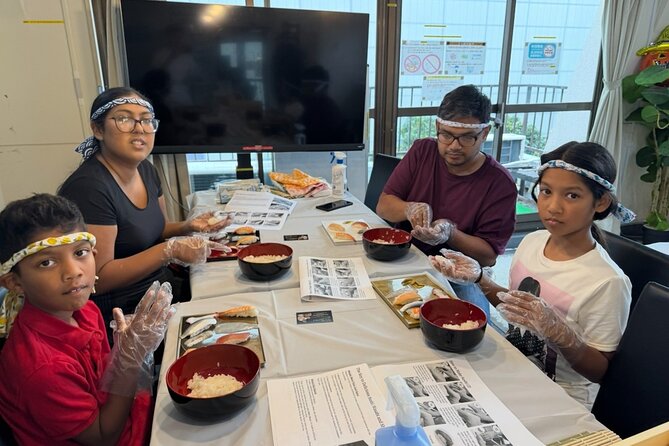
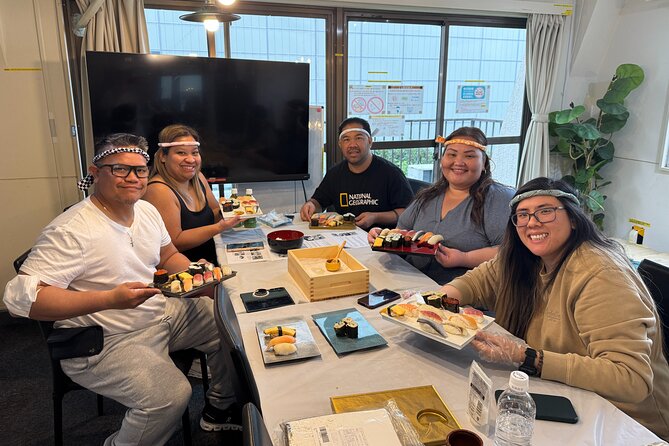
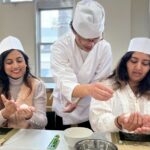
Putting on a traditional hachimaki headband adds a playful Japanese touch to the class. It also marks the change from observer to participant. You are there to work with the chef, not just take notes.
The session includes time to make photos and chat with the group. That can be especially welcome for families, since the finished sushi provides a clear moment to celebrate what everyone has made. The experience is hands-on, but it is also social.
At the end, you eat your handmade sushi with the group. This is an important part of the format. You get to see how the pieces taste after you have shaped them, and you can compare the results without turning the activity into a formal restaurant meal.
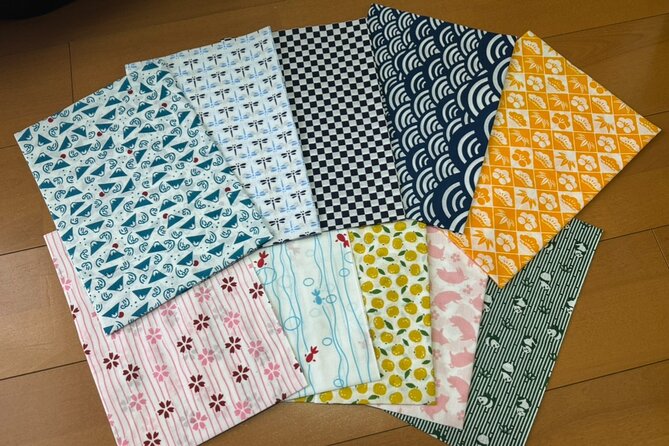
You also receive a traditional Japanese tenugui hand towel as a souvenir. It is a small extra, but a practical one. Unlike a generic class certificate, a tenugui has a real place in Japanese daily life and is easy to pack.
A few more Tokyo tours and experiences worth a look

A Good Choice for Families and First-Time Visitors
The class is aimed at food lovers and people visiting Japan for the first time. I can also see it working well for families, couples, and small groups who want an activity that creates a shared memory without taking half a day.
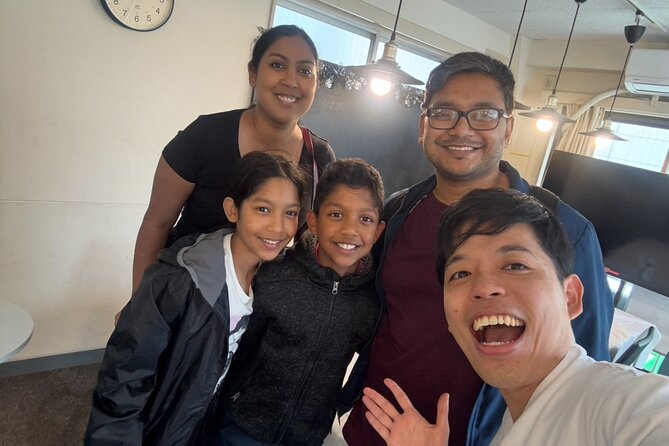
The feedback from a family of four is especially relevant. Everyone in the family enjoyed the activity, and chef Tero was praised for working well with children. The family also produced attractive sushi and ate a meal with the chef.
That does not mean every child will find each step easy. Sushi shaping uses careful hand movements, and younger children may need help. Still, the small group limit and the chef’s experience with kids make this more promising for families than a large demonstration where children only watch.
For adults, the class offers a break from sightseeing. Shibuya can fill a day with shops, signs, and busy streets, but this gives you a quieter task with a clear beginning and end. You leave with a better understanding of a food you are likely to encounter throughout Japan.
What the Class Does Not Try to Be
It is important to keep the format in perspective. This is a 90-minute workshop, not a professional sushi apprenticeship. You will learn the fundamentals and prepare several pieces, but you should not expect a long lesson on fish selection, knife work, market buying, or restaurant training.
The details also do not promise a visit to a fish market or a separate shopping stop. The activity begins and ends at the Shibuya meeting point. If you want a broader food tour around Tokyo, this class will not fill that role.
The short length is both a benefit and a limitation. You can fit it into a busy sightseeing day, but the chef has to keep the lesson moving. If you want extensive time to practice one technique repeatedly, a longer cooking course may suit you better.
Still, for a first introduction, the pace makes sense. You cover three sushi styles, work with several toppings, make more than seven pieces, and eat the result without committing an entire afternoon.
Is the $43.18 Price Good Value?
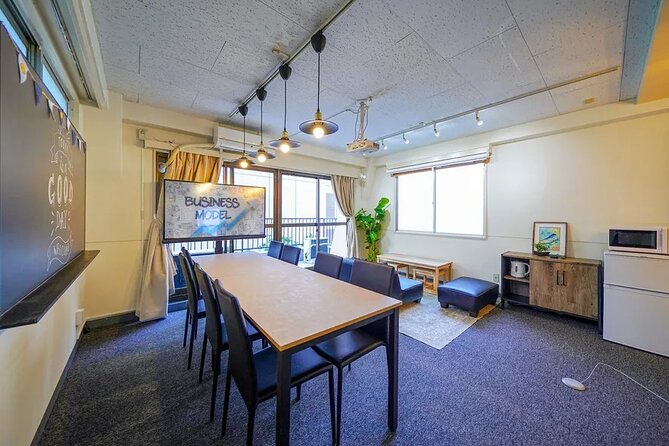
At $43.18 per person, the price is reasonable for a small-group cooking activity that includes professional instruction, ingredients, a meal, and a tenugui souvenir. The value is not just in the amount of sushi you eat. It comes from the combination of teaching and participation.
A regular sushi meal might cost less or more depending on the restaurant, but it would not show you how the rice is seasoned or how the pieces are shaped. Here, you pay for the chance to handle the ingredients and learn the basic forms.
The group size strengthens the value. With no more than six participants, the chef has a manageable group for demonstrations and corrections. That is more useful than a cheaper class packed with people, especially if you want help with rolling maki or shaping nigiri.
I would also judge the price by your plans in Tokyo. If you already have several food tours and cooking activities booked, this may feel repetitive. If this is your main chance to learn a Japanese food skill, the cost is easier to justify.
Getting There and Planning Your Time
The meeting point is 2-chōme-14-6 Shibuya, Tokyo 150-0002, Japan. The activity is near public transportation, which makes it practical to combine with other plans in Shibuya.
Allow time to find the exact meeting point before the class begins. The supplied details do not name a specific station exit or provide a detailed route, so check the final booking information and use the address carefully.
The activity ends back at the same meeting point. That makes planning simple. You do not need to arrange a separate return transfer or collect belongings at another location.
Mobile tickets are accepted. Confirmation is provided within 48 hours of booking, subject to availability. The class is often booked about 15 days ahead, so I would reserve earlier if your Tokyo dates are fixed, especially if you need a particular day for a family schedule.
Free cancellation is available until 24 hours before the start time for a full refund. Changes or cancellations made less than 24 hours before the start are not accepted for a refund. The class also requires a minimum number of participants, and if that minimum is not reached, you will be offered another date or experience, or a full refund.
Who Should Book This Sushi Experience?
I would choose this class if you want to do something practical in Shibuya and enjoy Japanese food beyond simply ordering it. It suits first-time sushi makers because the chef covers basic forms and lets you practice several styles in one sitting.
Families should give it serious thought. The small group and chef Tero’s ability to work with children are strong points, and the shared meal gives everyone a clear reward at the end.
It also works for couples and friends who want photos, conversation, and a small souvenir along with the food. The hachimaki headband adds a fun visual element without turning the whole session into a staged show.
I would hesitate only if you want advanced culinary training, a long restaurant-style meal, or a detailed tour of Tokyo’s seafood trade. The class keeps to the essentials, and that is exactly why it fits well into a sightseeing itinerary.
Final Verdict: Book It If You Want to Make Your Lunch
Book this experience if you value participation over passive sightseeing. For $43.18, you spend 90 minutes with a professional chef, make nigiri, maki, and gunkan, use several types of neta, eat your own work, and take home a tenugui towel.
The strongest reasons to book are the six-person limit, the family-friendly teaching style associated with chef Tero, and the chance to work with fresh fish rather than only watching a demonstration. The main tradeoff is the short format, which gives you a good first lesson but not advanced training.
If you want a compact, social, and genuinely hands-on food activity in Shibuya, this is a sensible choice. Reserve ahead, arrive ready to use your hands, and expect to leave with sushi that may not look perfect, but will taste better because you made it yourself.
FAQ
How long does the sushi-making class last?
The class lasts approximately 1 hour and 30 minutes.
Where does the experience take place?
The meeting point is 2-chōme-14-6 Shibuya, Tokyo 150-0002, Japan. The activity ends back at the same location.
What types of sushi will I learn to make?
You will practice nigiri, maki, and gunkan sushi.
How many people can join the class?
The activity has a maximum of six participants.
Is a meal included?
Yes. You eat the sushi you make with the group during the experience.
What happens if I need to cancel?
You can cancel at least 24 hours before the start time for a full refund. Cancellations or changes made less than 24 hours before the start are not refunded or accepted.
More Workshops & Classes in Tokyo

More Sushi Making Classes in Tokyo
More Shibuya Tours in Tokyo


More tours in Tokyo we've reviewed





Sushi Making Classes, compared.
 ★ 5.0Sushi Making Tokyo Roll and Authentic Japanese Sushi ClassFrom $59
 ★ 4.9Tokyo: Roll and Authentic Sushi Making Class in AsakusaFrom $581h 40m
 ★ 5.0Make Sushi and Create Unforgettable Memories in TokyoFrom $79
 ★ 4.9Tokyo: Sushi Making Class in a Happi Coat near a Famous SpotFrom $421h 30m
 ★ 5.0Tokyo Sushi Making Class in Tsukiji with Professional ChefFrom $49
 ★ 5.0Tokyo Night Foodie Tour in Shinjuku – Seasonal Sushi, Wagyu BeefFrom $111