
Reviewed · MT FUJI DAY TRIPS
In 2026, 2-Day Mt. Fuji Climbing Tour with Mountain guide
Mt. Fuji is not a sightseeing stop you simply check off. This two-day climb asks you to walk steadily uphill for hours, sleep in a mountain hut, and face thin air, crowds, changing weather, and a long descent. The reward is a summit view across the Kanto plains when conditions cooperate.
I like the practical setup: transport from central Tokyo, meals, a mountain guide, and a bath after the climb are all arranged. I also like the support from guides such as Shin, whose attentive help has been especially useful for non-Japanese speakers. The main concern is communication, since the listed mountain guide speaks Japanese and some climbers have found English instructions limited.
In This Review
- Key points to know
- What the two-day Mt. Fuji climb really asks of you
- Starting at Tochomae Station at 6:30 a.m.
- The Subaru Line 5th Station, where the climb begins
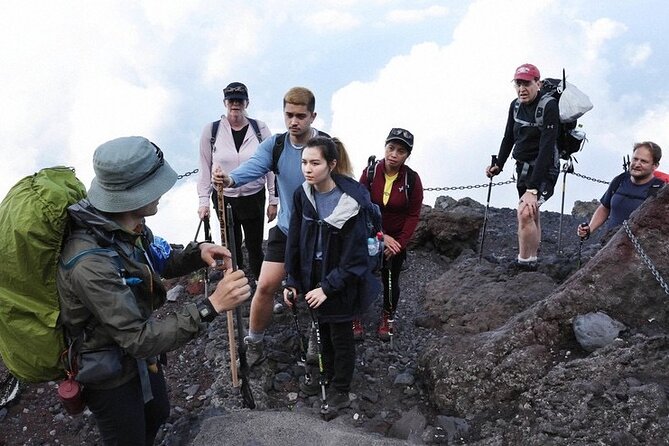
- Climbing with a guide, breaks, and group pace
- Dinner and a night in a mountain lodge
- The summit attempt and views across the Kanto plains
- Descending, lunch, and the welcome bath
- Is $470 a fair price for this Fuji experience?
- Who should book this guided climb?
- Should you book the Mt. Fuji two-day climb?
- FAQ
- Where does the Mt. Fuji climbing tour begin?
- Where does the tour end?
- How long does the experience last?
- Is a mountain guide included?
- Do I need mountaineering experience?
- Are meals included?
- Is bathing included?
- Can I cancel for a refund?
Key points to know
- A real physical challenge: You need moderate fitness, even though no mountaineering skills are required.
- Early start in Shinjuku: Meet at Tochomae Station at 6:30 a.m., then return near Shinjuku Station.
- The Subaru Line 5th Station is your trailhead: This high starting point saves lower-elevation walking but does not make the climb easy.
- Meals and recovery are included: You receive lunch after reaching the 5th Station, dinner at the mountain lodge, and lunch plus bathing after the descent.
- Japanese-led mountain support: Shin and the local team can be helpful, but English communication may be limited.
- Weather can change the goal: A summit attempt is not guaranteed, and the fee is non-refundable if plans change.
What the two-day Mt. Fuji climb really asks of you
This is best understood as a guided endurance outing, not a casual day trip. You travel from Tokyo to the mountain, start high on the Fuji trail, climb toward a mountain hut, rest overnight, and continue toward the summit before descending.
The route is described as moderately challenging, but that label deserves care. You do not need climbing ropes or technical mountaineering experience. You do need the ability to walk uphill for a long stretch, handle a demanding descent, and keep going when the air is colder and thinner than it was in Tokyo.
I would choose this trip if you want the structure of a group climb and do not want to arrange transport, meals, a hut, and post-hike bathing yourself. I would not choose it simply because Mt. Fuji looks easy from the city. The mountain’s smooth cone hides a serious workout.
A few more Tokyo tours and experiences worth a look
Starting at Tochomae Station at 6:30 a.m.
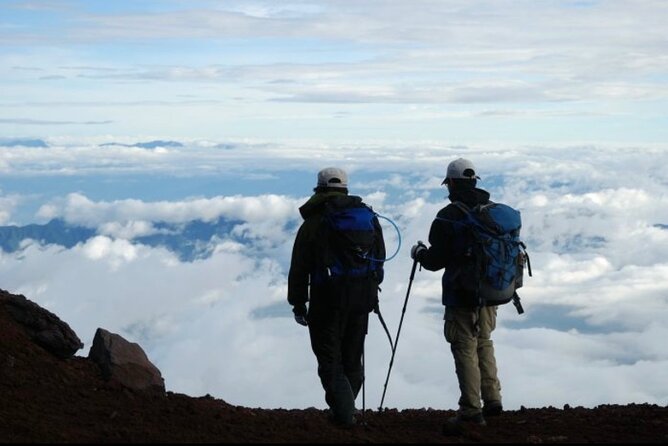
Your day begins at Tochomae Station in Shinjuku City. The early meeting time matters. You get out of Tokyo before the main heat and congestion build, and the long transfer to the mountain is handled in an air-conditioned vehicle.
The starting point is near public transportation, but you should still allow time to find the correct station exit and meeting area. A 6:30 a.m. departure leaves little room for a slow breakfast or a wrong turn. Eat beforehand or bring something simple for the journey, since the mountain schedule will be active from the start.
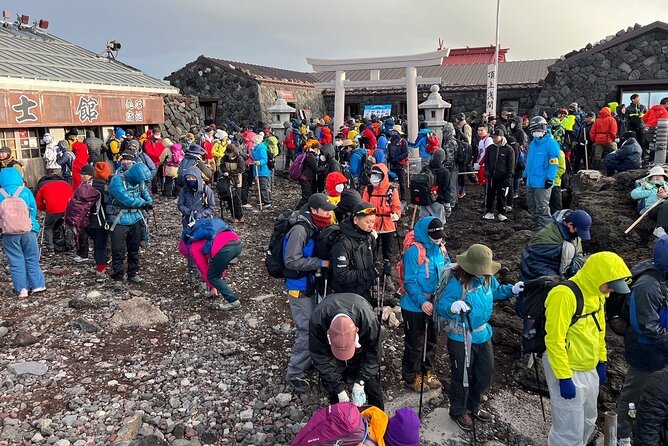
The group may include up to 49 people. That is a sizeable party, so do not expect the pace or personal attention of a private expedition. A large group can also mean waiting at meeting points and a less even walking rhythm. The benefit is that the guides have a planned system and you are not solving every transport detail alone.
The Subaru Line 5th Station, where the climb begins
The Mt. Fuji Subaru Line 5th Station is the practical gateway for the Yoshida route. The vehicle takes you high up the mountain, so you avoid the long approach from the foothills. That saves time, but it also means your body has less time to adjust before the serious walking begins.
You have about an hour and a half at this stop according to the planned itinerary. Lunch is provided after arrival at the 5th Station, giving you a useful chance to eat before hiking. This is also the moment to check clothing, water, footwear, and any rental equipment.
Rental gear is available for an extra charge if needed. The supplied information does not specify which items can be rented, so ask before departure rather than assuming every piece of equipment will be waiting at the mountain. You should arrive with suitable walking shoes and clothing for changing conditions.
The 5th Station is also where the tour guide is scheduled to meet the group. The mountain guide is Japanese, while the tour guide is listed as being on standby at the Fifth Station. That division of roles is worth understanding. You may have help with the mountain route and group movement, but spoken English support may not be constant.
Climbing with a guide, breaks, and group pace
The guide’s main value is not simply pointing toward the summit. It is helping the group move safely, follow the planned route, take breaks, and deal with the mountain’s changing demands.
A steady pace is important on Fuji. Several climbers have found the climb manageable for new hikers when breaks were built in, but they also noted that decent fitness was needed. That is a fair description. You can be inexperienced and still do well, but you should not be sedentary and expect the guide to carry the effort for you.
The team has received strong praise for making sure the group reached the summit when conditions and ability allowed it. Shin has also been singled out for taking extra care with a non-Japanese climber. That kind of individual attention can make a hard day feel much more manageable.
Still, you should prepare for a communication gap. Instructions may be given in Japanese, and some people have had to rely on other members of the group to understand what was happening. If you do not speak Japanese, keep your phone charged, save the operator’s WhatsApp contact if provided, and ask for key instructions to be repeated clearly.
Do not treat the presence of a guide as a promise that everyone will reach the top. Mountain safety comes first. One account describes a climber being injured and left to arrange a separate mountain hut at an additional cost. That is a serious warning. Before setting out, ask how the group handles injury, separation, and an early descent.
Dinner and a night in a mountain lodge
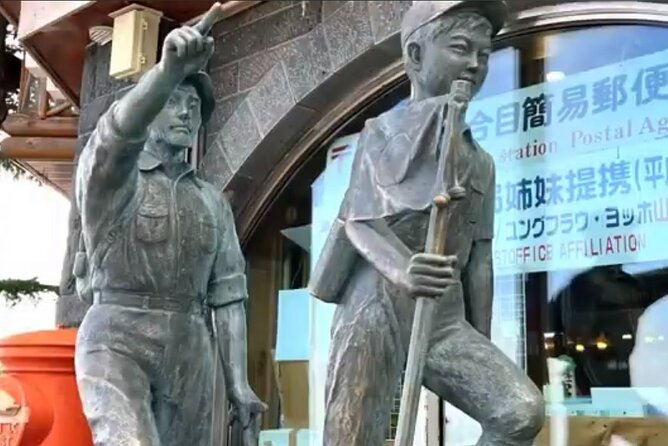
Dinner is included at the mountain lodge, and overnight sleeping arrangements are provided. Those comforts matter because the hut is not just a place to stop. It breaks the climb into two days and gives you a chance to rest before the summit push.
Expect mountain accommodation rather than hotel comfort. One strong point of the experience is that the sleeping arrangements have been considered good for being at the top of a volcano. That is useful praise, but you should still arrive ready for a basic setting and a night shaped by the needs of a large climbing group.
The meal is another practical advantage. You do not need to carry every meal from Tokyo or figure out where to eat on the mountain. Meals may not be the reason you book the trip, but they reduce planning and help keep your energy focused on the climb.
Crowds are part of the Fuji experience during the climbing season, especially around holidays. You may encounter a slow-moving route and pauses that have nothing to do with your own fitness. Patience matters. A crowded trail can also make it harder for a large group to stay together.
Other guided tours in Tokyo


The summit attempt and views across the Kanto plains
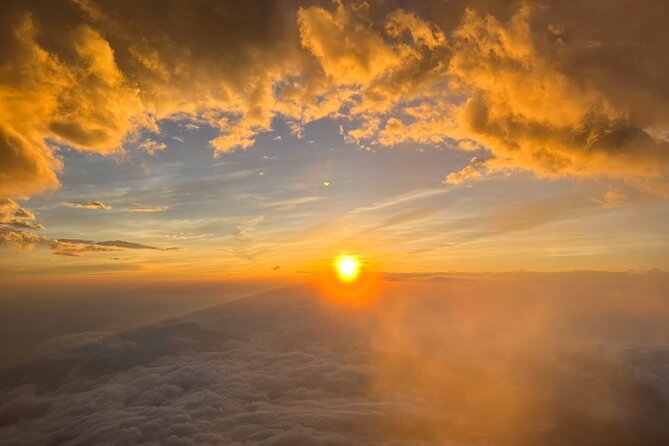
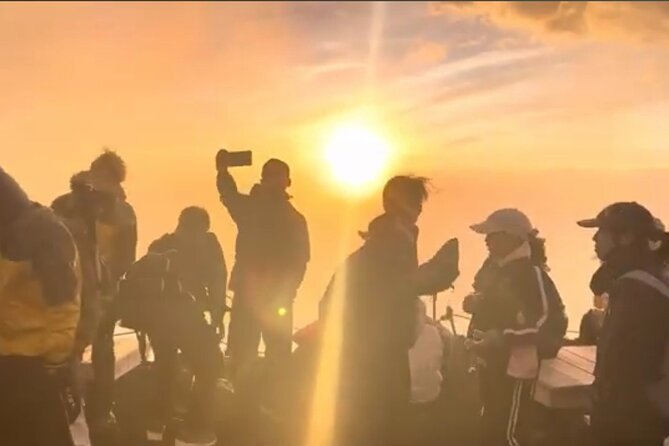
The summit is the emotional high point of the trip, but it is not guaranteed. Clear weather can open views across the Kanto plains and give you the sense of scale that makes the effort worthwhile. Cloud, wind, rain, trail conditions, or a group member’s condition can change the plan.
That uncertainty is important when judging the $470 price. You are paying for transport, organization, guides, meals, an overnight stay, and recovery facilities, not for a guaranteed photograph at the highest point. Some climbers have felt the cost was worthwhile even when the climb did not go exactly as planned, while others were disappointed when they could not reach the summit.
You should decide in advance what success means for you. If the summit is the only acceptable result, this trip carries real risk. If you value the mountain experience, guided structure, and chance to climb as far as conditions allow, the arrangement makes more sense.
The climb can be especially rewarding for an active parent and older child, a fit first-time hiker, or someone who wants a major physical goal during a Tokyo visit. It is less suitable for anyone seeking a relaxed scenic excursion.
Descending, lunch, and the welcome bath
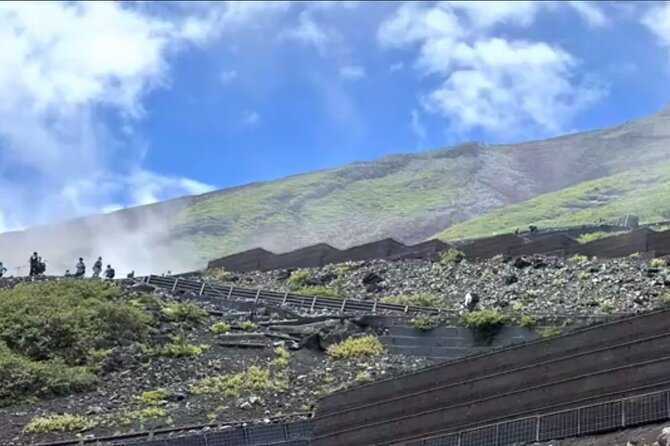
The descent is not an afterthought. Going downhill for hours can be hard on knees, hips, and feet, even after the summit effort is over. Keep some energy in reserve and do not assume that reaching the top means the demanding part has ended.
After the descent, lunch is provided and you can bathe at a rest facility. This is one of the tour’s smartest features. A hot bath after a long mountain day can feel better than another sightseeing stop, and it lets you return to Tokyo clean, fed, and less worn out.
The post-climb meal and bath also improve the value of the package. If you arranged the trip independently, you would need to organize transport, food, the mountain hut, and a place to wash afterward. Here, those pieces are built into the plan.
The tour ends at Shinjuku Station, at 3-chōme-38-1 Shinjuku. That central finish is convenient for your next hotel or evening plans, though you should avoid scheduling anything that requires you to be on time. Mountain weather, group pace, and the long descent can all affect the return.
Is $470 a fair price for this Fuji experience?
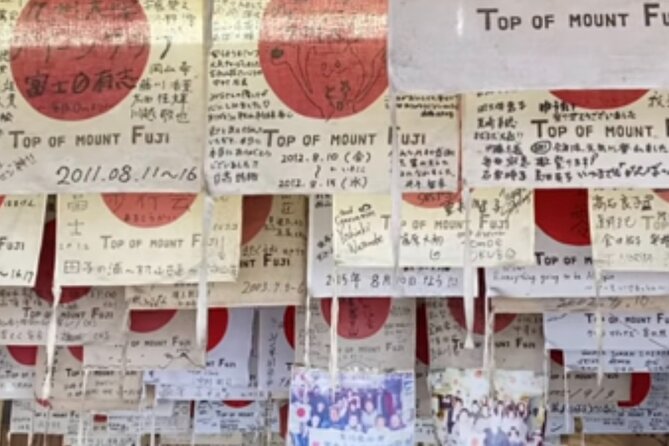
At $470 per person, this is not a cheap way to see Mt. Fuji. It can be fair value if you want a managed two-day climb and would rather pay for support than assemble every piece independently.
The price covers an air-conditioned vehicle, lunch on the first day, dinner at the mountain lodge, a mountain guide, lunch after the descent, and bathing at a rest facility. The practical value comes from putting those services together. You are buying less uncertainty around the basic mechanics of the climb.
The value drops if you already have mountain transport, a hut reservation, meals, and a clear route plan. It also drops if your main aim is simply to see Fuji rather than climb it. A viewpoint or lower mountain visit would demand far less from your body and budget.
The non-refundable policy raises the stakes. You cannot receive a refund or change the booking for any reason after cancellation. Since weather can affect a summit attempt, you should only book once your dates and fitness are firm.
The tour is booked an average of 55 days ahead, so planning early is sensible. That lead time also suggests that you should not leave equipment, clothing, or fitness preparation until the last week.
Who should book this guided climb?
I would recommend it to you if:
- You want to climb Fuji but prefer organized transport and meals.
- You have moderate fitness and are comfortable with a long uphill walk and descent.
- You are happy to share the experience with a group that may reach 49 people.
- You can accept that weather or safety may prevent a summit finish.
- You value a mountain guide and a bath after the descent.
- You can manage basic communication in Japanese or use translation help when needed.
I would hesitate if you have an injury, limited walking ability, or little tolerance for cold, crowds, basic mountain lodging, and changing plans. I would also hesitate if you need detailed English instruction at every stage.
Before booking, ask about the current equipment rental options, the communication plan for English speakers, and what happens if you need to stop or leave the group. Those questions are not fussing over small details. On a mountain, they are part of good preparation.
Should you book the Mt. Fuji two-day climb?
Book this tour if you want the challenge of Fuji with the main logistics arranged around you. The strongest reasons are the guided structure, included meals, overnight mountain stay, helpful support from Shin and the wider team, and the bath waiting after the descent.
Go in with clear expectations. This is a demanding group climb, not a guaranteed summit package and not a fully English-led experience. You may face crowds, limited English communication, and a changed route if weather or safety requires it.
For a fit, flexible person who wants to say they climbed Japan’s iconic mountain, the experience can be memorable and worth the cost. For someone who wants certainty, comfort, or a gentle introduction to Fuji, choose a simpler mountain visit instead.
FAQ
Where does the Mt. Fuji climbing tour begin?
The tour begins at Tochomae Station, 2-chōme-8-1 Nishishinjuku, Shinjuku City, Tokyo. The meeting time is 6:30 a.m.
Where does the tour end?
The tour ends at Shinjuku Station, 3-chōme-38-1 Shinjuku, Shinjuku City, Tokyo.
How long does the experience last?
The climb and tour take approximately two days.
Is a mountain guide included?
Yes. A Japanese mountain guide is included, and a tour guide is scheduled to be on standby at the Yoshida Fifth Station.
Do I need mountaineering experience?
No technical mountaineering skills are required. You should still have a moderate level of physical fitness because the climb is strenuous.
Are meals included?
Yes. Lunch is provided after arrival at the 5th Station, dinner is provided at the mountain lodge, and lunch is provided after the descent.
Is bathing included?
Yes. Bathing at a rest facility after the descent is included.
Can I cancel for a refund?
No. The experience is non-refundable and cannot be changed for any reason.
More 2-Day Experiences in Tokyo
More Guided Tours in Tokyo
More Mt Fuji Day Trips in Tokyo
More tours in Tokyo we've reviewed




Mt Fuji Day Trips, compared.
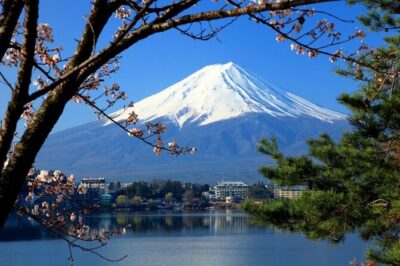 ★ 5.0Mt Fuji and Hakone 1-Day Bus Tour Return by Bullet TrainFrom $163
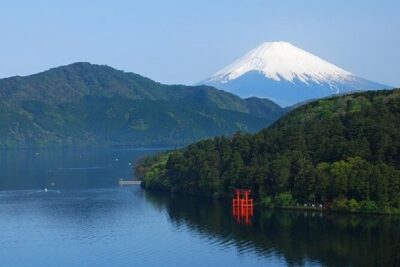 ★ 4.0Mt Fuji & Hakone Cruise, Drum Show Bullet Train 1 Day from TokyoFrom $149
 ★ 4.4Tokyo Mt Fuji 5th St & Hakone Cruise Bus Tour w/Bullet TrainFrom $15410 hours
 ★ 4.5From Tokyo: Mount Fuji Full-Day Sightseeing TripFrom $6810 hours
 ★ 4.7Tokyo: Mt. Fuji Tour, Hakone Ropeway, Owakudani, Lake AshiFrom $5410 hours
 ★ 4.4Tokyo:Mt.Fuji,Kawaguchiko Oishi Park,Arakurayama Sengen ParkFrom $5410 hours