

Reviewed · 2-DAY EXPERIENCES
Tokyo 2-Day Private Walking Tour with Licensed Guide
Tokyo is too large for a quick checklist tour, and this experience makes a sensible answer: two private six-hour days with the same licensed English-speaking guide. You choose three or four places each day, then meet your guide at your hotel or another agreed point and move around Tokyo on foot and public transportation.
I like the freedom to build the days around your interests, and I like having one guide for both days. Guides Yasuho Suzuki, Yoshi, and Kazu Hakata have each been praised for answering questions, keeping a good pace, and arranging thoughtful extras such as a matcha tea ceremony. The main catch is that transportation, meals, admissions, and personal expenses are extra, so the advertised price is only part of your final cost.
In This Review
- Key points before you book
- Why two private days make sense in Tokyo
- Building Day 1 around old Tokyo and central sights
- Asakusa and Senso-ji
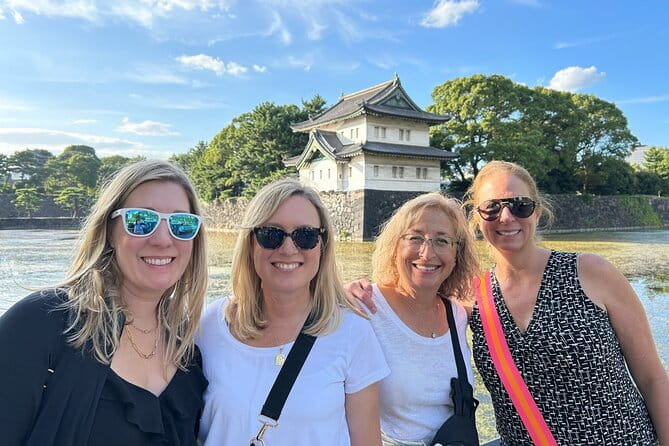
- The Imperial Palace area
- Tokyo National Museum and Ueno Park
- Tsukiji Fish Market
- Akihabara
- Hama Rikyu Gardens
- Shibamata and Nezu
- Making Day 2 the modern Tokyo day
- Shinjuku Gyoen National Garden
- Harajuku, Yoyogi Park, and Meiji Jingu
- Shibuya Crossing
- Kabukicho and Golden Gai
- Rikugien and Koishikawa Korakuen
- Tokyo Tower and Odaiba
- What the guide adds to the experience
- Price, pace, and extra costs
- Who should book these two days
- Should you book the Tokyo two-day private tour?
- FAQ
- Is this tour private?
- How long is each tour day?
- Can I choose the places I visit?
- Will I have the same guide both days?
- Is the guide English-speaking?
- Does the tour include transportation?
- Are admission fees included?
- Can I cancel for a refund?
Key points before you book
- Two consecutive days with one guide: The booking covers two days only, not two separate dates.
- Three to four sites per day: You select from a long list and can mix modern Tokyo with older neighborhoods and gardens.
- Six hours of private guiding daily: Your group gets the guide’s attention rather than following a fixed group route.
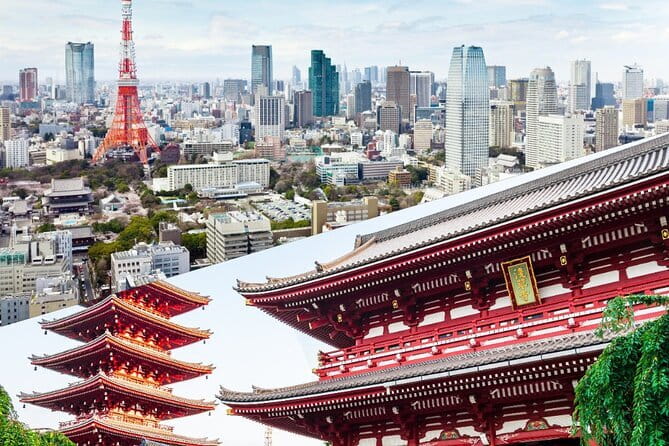
- A strong mix of Tokyo: Senso-ji, the Imperial Palace area, Shibuya Crossing, Meiji Shrine, markets, museums, gardens, and Odaiba are all possible choices.
- Walking and transit are part of the plan: There is no private vehicle, and transportation fees are not included.
- Best for first-time visitors: You get help sorting Tokyo’s huge menu of sights into two workable days.
Why two private days make sense in Tokyo
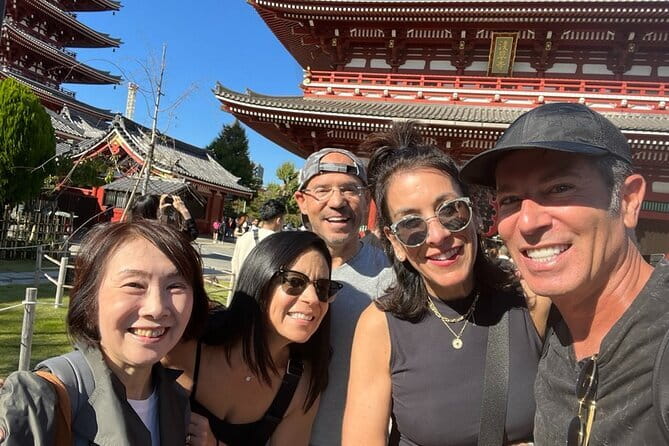
Tokyo can feel like several cities joined together. One area offers temple lanes and old shopping streets, another gives you giant screens and fashion crowds, and another opens onto quiet ponds and carefully arranged gardens.
A private two-day plan lets you avoid spending your whole visit simply figuring out where to go next. You can ask for traditional Tokyo on one day and modern Tokyo on the other, or mix both. The same guide returns on day two, which means you do not need to explain your interests all over again.
The six-hour length is useful, but it is not unlimited. Three or four major areas can fill a day, especially when train rides, walking, photographs, meals, and entrance lines are included. I would treat the site list as a menu, not a promise that you can see everything on it.
The tour is called a walking tour, but Tokyo’s size means you should expect public transportation between distant districts. That is a good fit for the city. A private car would be slower and less practical in many central areas, but you must budget for your own fares.
Other walking tours we've reviewed in Tokyo

Building Day 1 around old Tokyo and central sights
Day one gives you the broadest choice. You can focus on historic Tokyo, museums, markets, gardens, or neighborhoods with a local feel. Start by telling the guide what matters most to you, then choose three or four stops that work together geographically.
Asakusa and Senso-ji
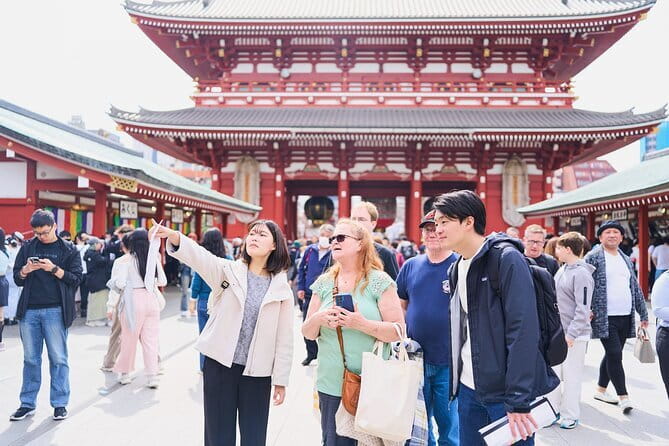
Asakusa is the natural choice for a first taste of older Tokyo. The district has a more traditional feel than the glass towers and giant stations elsewhere in the city, and it gives your guide plenty of room to explain religious customs, local history, and daily life.
Senso-ji is the centerpiece. This Buddhist temple is one of Tokyo’s best-known sights, with a colorful approach and a long story tied to the neighborhood. Admission is free, making it an easy stop for any budget.
Allow about an hour for Asakusa and another hour for Senso-ji in the suggested timing. In practice, those two stops can work as one connected visit. If you want time for shopping or food, do not add too many distant sights afterward.
The Imperial Palace area
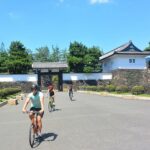
The Imperial Palace occupies the former site of Edo Castle, with broad grounds, moats, and large stone walls. The important practical point is easy to miss: this tour does not include access inside the Imperial Palace.
You are visiting the surrounding area and its historic setting, not taking a full palace interior tour. It is a worthwhile choice if you want central Tokyo history and open space, but you should not select it expecting rooms, exhibits, or an indoor palace visit.
Tokyo National Museum and Ueno Park
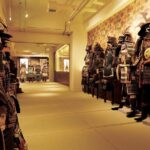
The Tokyo National Museum is the oldest and largest of Japan’s top-level national museums. It is the right pick if you want art and cultural objects rather than a quick photo stop.
The museum admission is not included. You should also allow enough time for the museum to make the entry worthwhile. The suggested one-hour stop is a starting point, but a museum can easily absorb more of your day.
Ueno Park offers another useful combination of culture and open air. It includes several museums, a zoo, Toshogu Shrine, and Shinobazu Pond. The suggested timing lists only five minutes, which is best understood as a quick orientation or crossing point, not a full park visit.
Other guided tours in Tokyo


Tsukiji Fish Market
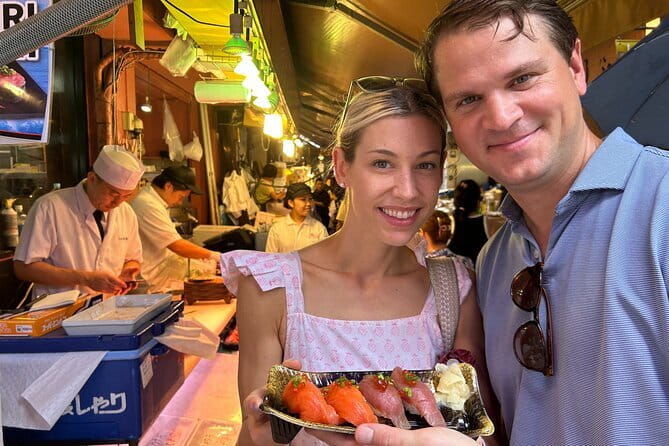
Tsukiji is a good choice if food culture interests you. The old fish market area offers a chance to explore Tokyo through produce, seafood, small shops, and street food rather than monuments.
The suggested visit is only 30 minutes, so this is a compact stop. If you want to eat, browse, and ask questions, tell your guide in advance. A market visit works best when you are willing to sample the atmosphere at a relaxed pace instead of rushing to another landmark.
Akihabara
Akihabara is Tokyo’s famous electronics district and a major center for anime, games, and related popular culture. The suggested 30-minute stop gives you a quick look, but it will not suit you if you want serious shopping or time in specialty stores.
Choose Akihabara because you are curious about modern Japanese pop culture, not because you expect a quiet neighborhood walk. It pairs well with traditional Asakusa if you want a sharp contrast in one day.
Hama Rikyu Gardens
Hama Rikyu is a large garden beside Tokyo Bay, known for seawater ponds that change with the tide and a teahouse. It offers a calm pause between denser city districts.
Admission is not included. The garden can be especially useful in a custom itinerary because it slows the day down. You will trade one major urban sight for a quieter walk, which may be a very good exchange after a busy morning.
Shibamata and Nezu
Shibamata retains an old-fashioned character near the Edogawa River. It is farther from the usual first-time Tokyo circuit, so choosing it means you are seeking neighborhood atmosphere rather than famous city icons.
Nezu, along with nearby Yanaka, is another older part of Tokyo that escaped major damage from wars and disasters. It gives you a look at shitamachi, the city’s former downtown, with a less polished and less crowded feel than the major central districts.
These areas are strong choices if you have already seen the obvious sights or prefer local streets to skyline views. The tradeoff is travel time. Ask the guide to build the rest of day one nearby rather than pairing either district with stops scattered across the city.
Making Day 2 the modern Tokyo day
Day two has an easy, popular route through Shinjuku, Harajuku, Shibuya, and nearby parks. You can also choose gardens, Tokyo Tower, or Odaiba. This is where the guide’s planning matters most, since several choices are close enough to connect but can become tiring if you try to do them all.
Shinjuku Gyoen National Garden
Shinjuku Gyoen gives you a break from the giant station and high-rise city around it. It has spacious lawns, walking paths, and peaceful scenery, making it one of the best choices for a slower morning.
Admission is not included. The suggested visit is one hour, which lets you see the main character of the garden without turning the day into a full park visit.
Harajuku, Yoyogi Park, and Meiji Jingu
These three stops can form one of the most satisfying half-days in Tokyo. Yoyogi Park offers broad lawns, ponds, and wooded areas. It is used for jogging, picnics, and other outdoor activities, so it feels more open and casual than a formal Japanese garden.
Meiji Jingu is dedicated to the deified spirits of Emperor Meiji and Empress Shoken. Despite being beside busy Harajuku Station, the shrine offers a marked change of mood. Admission is free, and the suggested time is 30 minutes.
Takeshita Street brings you back to youth fashion and Harajuku’s more playful side. The area is known for bold teenage styles and shops, but it is also part of a useful city contrast: formal shrine grounds, a large public park, then a narrow commercial street.
You can cover all three, but only if you keep moving. If shopping matters, reduce the number of other stops. A private guide can explain the area and point out what interests you, but the six-hour clock still applies.
Shibuya Crossing
Shibuya Crossing is a one-hour stop on the suggested plan. It is free and easy to combine with Harajuku, though you should allow time for the journey and the sheer size of Shibuya Station.
This is less about a guided monument and more about seeing Tokyo’s modern rhythm. If you want time for photographs, people-watching, or nearby shops, make that clear when you choose the itinerary.
Kabukicho and Golden Gai
Kabukicho is the entertainment district of Shinjuku. Golden Gai grew from postwar black-market roots into a compact area of small eating and drinking establishments.
The suggested stop lasts one hour and costs nothing to enter, though food and drinks are your responsibility. This area suits adults who want to see Tokyo nightlife culture. It is not the best use of your daytime hours if your priority is temples, museums, or gardens.
Rikugien and Koishikawa Korakuen
Rikugien is considered one of Tokyo’s finest Japanese gardens. Built around 1700 for the fifth Tokugawa shogun, it takes its name from the six principles of poetry.
Koishikawa Korakuen is another of Tokyo’s oldest and best Japanese gardens, created during the early Edo period for the Mito branch of the ruling Tokugawa family. Both gardens charge admission, and each is given about an hour in the suggested schedule.
You probably do not need both on the same day unless formal gardens are your main interest. Choose one, then use the remaining time for a district with a different character.
Tokyo Tower and Odaiba
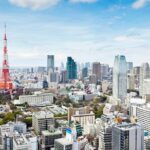
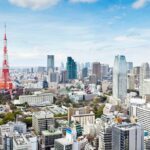
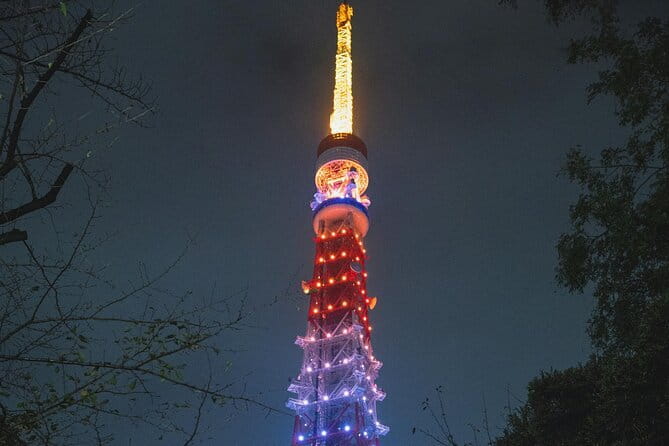
Tokyo Tower is the retro, red-orange symbol of the city. The tour includes access only up to the main deck, and the top deck is not included. Admission is extra.
Odaiba is a shopping and entertainment district on a man-made island in Tokyo Bay. Its origins as a group of defensive forts give it an unusual background, though today the appeal is modern recreation and waterfront scenery.
These are not natural companions by walking distance. Pairing them may require more transit time than a central Tokyo route. Pick Odaiba if you want a change from temples and shopping streets, and pick Tokyo Tower if a classic city view matters more.
What the guide adds to the experience
The strongest part of this tour is not simply getting from one sight to another. It is having someone who can adjust the day when your interests become clearer.
Yasuho Suzuki researched a specific store that was not originally familiar to the group and went out of his way to help. That is exactly the kind of flexibility a private tour can provide. Yoshi has guided families through cultural and historical sights while also discussing present-day Japanese society, and he kept a comfortable pace over two days.
Kazu Hakata arranged an exclusive matcha tea ceremony during a two-day visit. It is a useful reminder to ask for experiences, not only landmarks. The published choices are a starting point, and a good guide can help shape the day around your priorities.
These names do not guarantee which guide you will receive, so treat them as examples of the style of service you may encounter, not a promise. The guide is licensed, local, and English-speaking, which is especially valuable when you want context rather than a quick translation.
Price, pace, and extra costs
At $286.16 per person, the price buys two private six-hour days with a licensed guide. The value is strongest for a couple, family, or small group that wants personal planning and efficient sightseeing instead of a fixed route.
The price does not cover accommodation, meals, transportation, entrance fees, or other personal expenses. Admissions are extra at the Tokyo National Museum, Hama Rikyu, Shinjuku Gyoen, Rikugien, Koishikawa Korakuen, and Tokyo Tower. The Imperial Palace interior is not part of the visit.
Group discounts are offered, but the exact discount is not specified. You cannot combine multiple tour groups, and there is no private vehicle. Before booking, add train or subway fares, meals, and likely admissions to your budget.
Tokyo’s distances make efficiency valuable, but six hours can still feel full. Wear comfortable shoes, avoid choosing four far-apart districts, and tell the guide if you need frequent breaks. The experience requires good weather, with a different date or full refund offered if poor conditions force cancellation.
Who should book these two days
I would choose this tour if you are visiting Tokyo for the first time, have two full days, and want help making hard choices. It also fits families and groups with mixed interests, since a private guide can shift the balance between temples, gardens, food, shopping, and modern districts.
It is less suitable if you want a fixed luxury vehicle, included meals, or a fully prepaid package. It is also not ideal if you prefer to spend an entire day inside a museum or garden, since the plan is designed around three or four selected sites each day.
Book early if your schedule is firm. The experience is booked on average 50 days ahead, and the two days must be consecutive. You can cancel for a full refund up to 24 hours before the start time, but late changes and cancellations are not accepted.
Should you book the Tokyo two-day private tour?
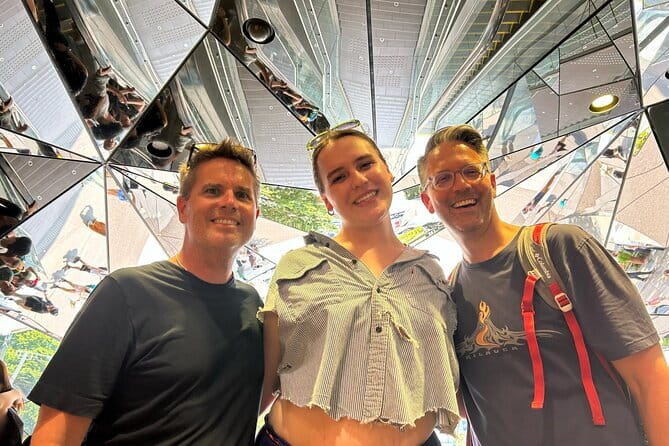
Book it if you value custom planning, a steady guide, and broad coverage more than an all-inclusive price. The best version of this experience would pair nearby areas, such as Asakusa with Senso-ji on day one and Meiji Jingu, Harajuku, and Shibuya on day two.
Ask for the same guide across both days, and tell the agency your priorities before arrival. If you want gardens, food, anime, tea, or old neighborhoods, say so clearly. With sensible route planning and a realistic budget for transit and admissions, this is a practical way to get a first, well-shaped look at a huge city.
FAQ
Is this tour private?
Yes. Only your group participates, and you cannot combine multiple tour groups.
How long is each tour day?
Each day is approximately six hours, for two consecutive days.
Can I choose the places I visit?
Yes. You select three to four sites from the provided choices for each day, and you can mix choices from both lists.
Will I have the same guide both days?
Yes. The tour is designed to use the same licensed guide for both days.
Is the guide English-speaking?
Yes. A licensed local English-speaking guide is included.
Does the tour include transportation?
No. You meet the guide on foot within the designated Tokyo area, and transportation fees are not included. There is no private vehicle.
Are admission fees included?
Some listed sights are free, but admissions are not included for places such as the Tokyo National Museum, Hama Rikyu Gardens, Shinjuku Gyoen, Rikugien, Koishikawa Korakuen, and Tokyo Tower. The Imperial Palace interior is not included.
Can I cancel for a refund?
You can cancel at least 24 hours before the start time for a full refund. If poor weather causes the experience to be canceled, you will be offered another date or a full refund.
More Private Tours in Tokyo


More Guided Tours in Tokyo
More Walking Tours in Tokyo

More tours in Tokyo we've reviewed


2-Day Experiences, compared.
 ★ 3.5In 2026, 2-Day Mt. Fuji Climbing Tour with Mountain guideFrom $470
 ★ 5.0Tokyo Private Guided 1/2-Day Walking Subway Tour English guideFrom $136
 ★ 5.0Hakone Private Two Day Tour from Tokyo with Overnight Stay in RyokanFrom $486
 ★ 5.0Tokyo Skytree, Asakusa, and Imperial Palace 1/2-Day Private TourFrom $149