
Reviewed · MT FUJI DAY TRIPS
From Tokyo: Mt. Fuji & Hakone Tour w/ Return by Bullet Train
Mt. Fuji is only part of the thrill here. The real appeal is fitting Fuji’s high slopes, Hakone’s volcanic valley, and Lake Ashi into one well-managed day, then finishing with a ride on Japan’s famous bullet train. I especially like the ropeway over Owakudani and the easy return to Tokyo by train.
The guides are a major strength, with people such as Happy, Yumi, Ai, Hide, and Ken praised for keeping the group informed and cheerful without talking nonstop. The main catch is the schedule: about 11 hours, much of it on the road, and Fuji can disappear behind fog or cloud. You need to enjoy a full sightseeing day with firm departure times.
In This Review
- Key points at a glance
- Why this Mt. Fuji and Hakone day works
- Starting at Shinjuku’s LOVE sculpture
- Mt. Fuji’s 5th Station at 2,300 meters
- A Japanese hot-pot lunch and half buffet
- Owakudani and the Hakone Ropeway
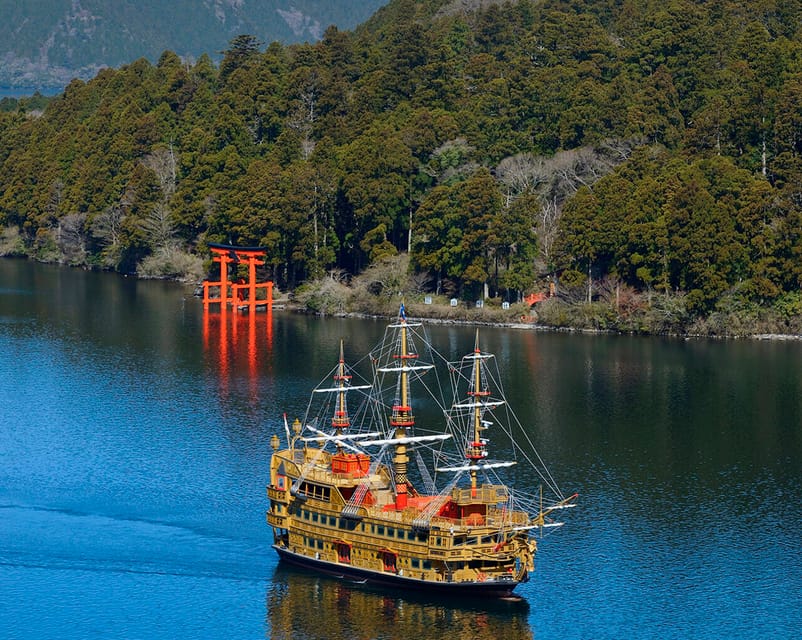
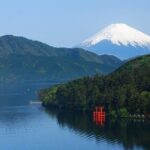
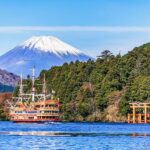
- Lake Ashi and the Hakone Pirate Ship
- Returning to Tokyo by Shinkansen
- The guides make the long day easier
- Who should book this tour
- Practical tips for a better day
- Should you book the Mt. Fuji and Hakone tour?
- FAQ
- Where does the tour meet in Tokyo?
- How long is the tour?
- Can the tour always reach Mt. Fuji’s 5th Station?
- Is Mt. Fuji guaranteed to be visible?
- Is lunch included?
- Does the tour include the Hakone Ropeway and Lake Ashi cruise?
- Where does the Shinkansen portion end?
- Can I use the tour with a wheelchair?
Key points at a glance
- Mt. Fuji’s 5th Station: Reach about 2,300 meters above sea level, weather permitting, with time for views, souvenirs, and Komitake Shrine.
- Owakudani by ropeway: Watch the terrain and elevation shift as you pass over Hakone’s volcanic zone.
- Lake Ashi cruise: Ride the decorated Hakone Pirate Ship and look for Fuji across the water on a clear day.
- Japanese lunch option: Choose the meal package for hot pot and a half buffet, though drinks cost extra.
- Shinkansen return: Use a non-reserved bullet train from Odawara, usually taking about 34 minutes to Tokyo.
- Strong guiding: English and Spanish tours are available, and individual guides are often singled out for warmth, humor, and good timing.
Why this Mt. Fuji and Hakone day works
This is a tour for seeing several famous sights without wrestling with a complicated chain of trains and buses. From the meeting point by the Nishi Shinjuku LOVE sculpture, you board an air-conditioned coach and hand the day’s route over to a guide and driver.
That convenience has a price: the first drive toward the Mt. Fuji area takes about two and a half hours, and traffic can change the schedule. Still, I see real value in having transport arranged for a route that combines two separate sightseeing areas. A solo visit can require careful planning around the Fuji Subaru Line, Hakone Ropeway, Lake Ashi boats, and Odawara trains.
The tour costs $117 per person. That includes the coach, guide, Ropeway ticket, Lake Ashi cruise, and Shinkansen ticket. Lunch is included only if you choose the lunch option. For a day that covers this much ground and ends with a bullet train ride, the price is fair, especially for a first visit to the Tokyo area.
A few more Tokyo tours and experiences worth a look
Starting at Shinjuku’s LOVE sculpture
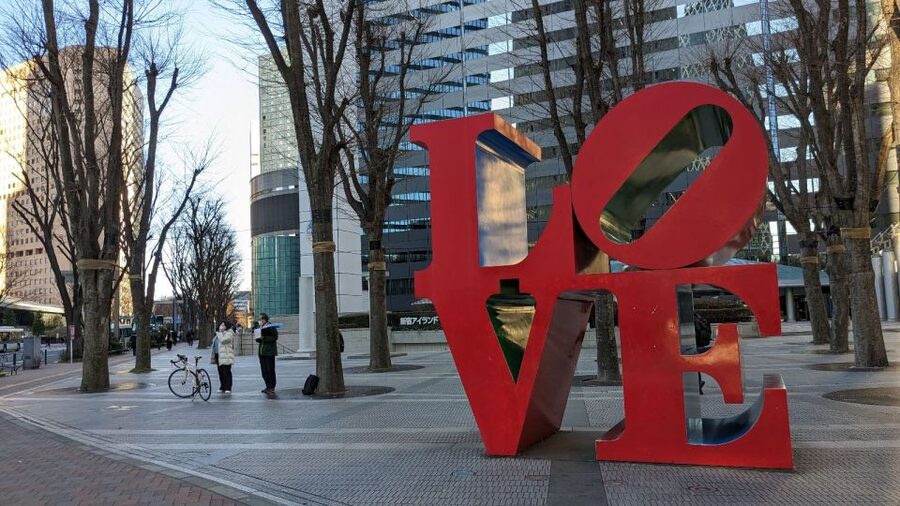
The meeting point is outside the Shinjuku i-LAND building, beside the large red LOVE sculpture in Nishi Shinjuku. This is a busy area with several tour departures, so look for the correct tour staff rather than joining the first group you see.
Arrive early. If you miss the departure, you cannot join later at another stop because the route runs on a tight timetable. Hotel pickup is not included, so plan your own route to the sculpture and allow extra time for finding the right side of the building.
Once aboard, the guide usually fills the long ride with information about Japan, Mt. Fuji, food, and local customs. Several guides have also used humor, personal stories, trivia, or even a song to keep the bus ride lively. The sound system has occasionally been hard to hear, so sitting where you can see and hear the guide helps.
Mt. Fuji’s 5th Station at 2,300 meters
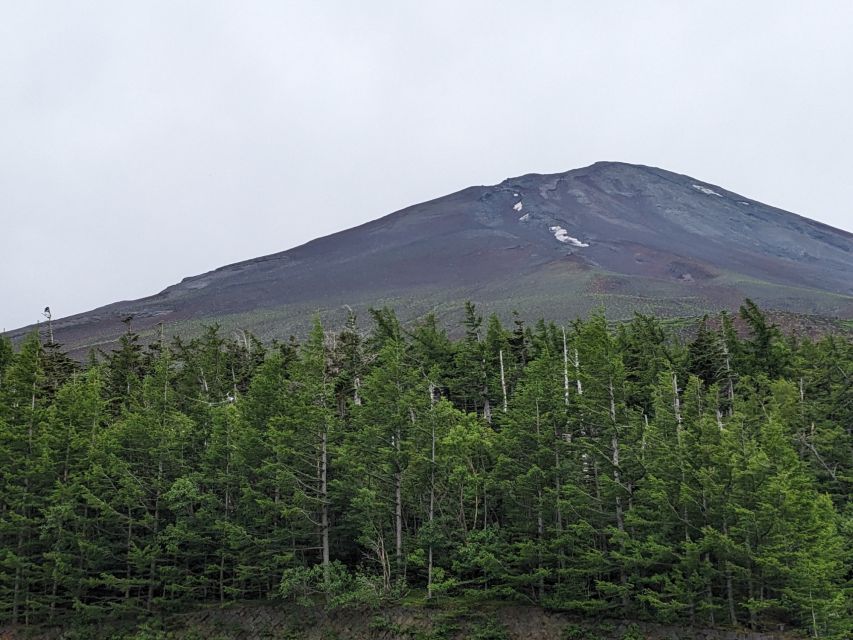
The Fuji Subaru Line carries the coach toward the 5th Station, the highest point normally reached on this outing. At around 2,300 meters, you are far above the surrounding towns and much closer to the summit than at the usual viewpoints around the lakes.
The stop gives you time to look for the peak, visit Komitake Shrine, and browse small shops for Fuji souvenirs. The air can feel different at this height, and comfortable shoes are a wise choice. Do not expect a mountain climb. This is a scenic access point, not a hike to the summit.
Weather controls the experience here. Clouds can move quickly, so keep watching even if the first view is blocked. On clear days, Fuji can appear dramatically above the area. On foggy or rainy days, you may see little or nothing of the mountain. The tour does not offer a refund for weather, so book this with the understanding that the mountain itself is never guaranteed.
Road conditions or bad weather can also prevent the coach from reaching the 5th Station. In that case, the guide takes you to the highest point possible or uses another suitable Fuji-area stop. This is disappointing if Fuji is your only reason for booking, but it keeps the day moving instead of abandoning the whole outing.
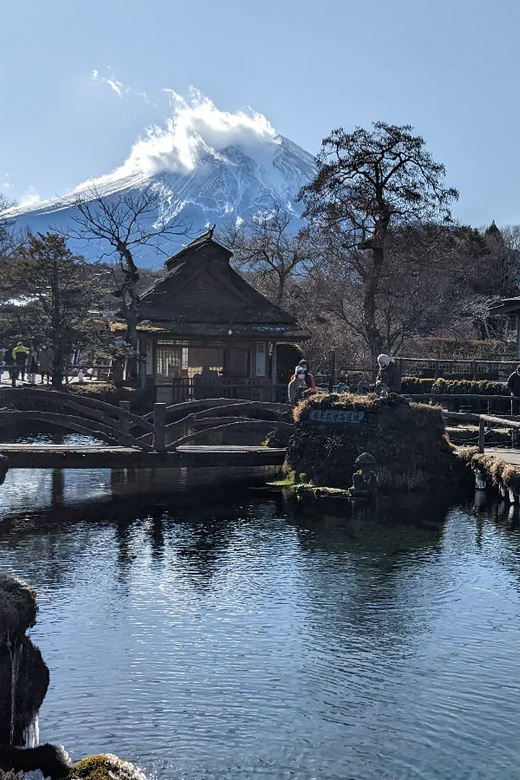
Some departures have included a beautiful snow-covered pond area or Oshino Hakkai when conditions made the standard route impractical. Those alternatives can still provide mountain views, village scenery, food stalls, and photographs, but they are not a substitute for standing at the 5th Station.
Time at the Fuji stop can feel short. You may have only enough time for a quick look, a few pictures, and a shrine or shop visit. Keep your phone and camera ready, and do not wander far from the bus.
A Japanese hot-pot lunch and half buffet
The lunch option gives you a hot-pot meal with a half buffet, usually served at a local restaurant or resort-style dining stop. It is a useful break between the Fuji and Hakone portions, and it lets you try several Japanese dishes without having to choose from an unfamiliar menu under time pressure.
The meal receives mixed reactions. Some visitors describe it as excellent and more satisfying than expected, while others find the hot pot less appealing or the food too cool and limited. That difference may come down to personal taste and the day’s food selection. Rice and fried chicken have helped when some of the Japanese dishes did not appeal.
Tell the operator about food restrictions when booking. Drinks are not included, and you may need to pay extra for a soft drink. Water is available. If lunch is not important to you, compare the price of the lunch and no-lunch options before booking. If you want a reliable meal during a packed day, the included option is practical.
Owakudani and the Hakone Ropeway
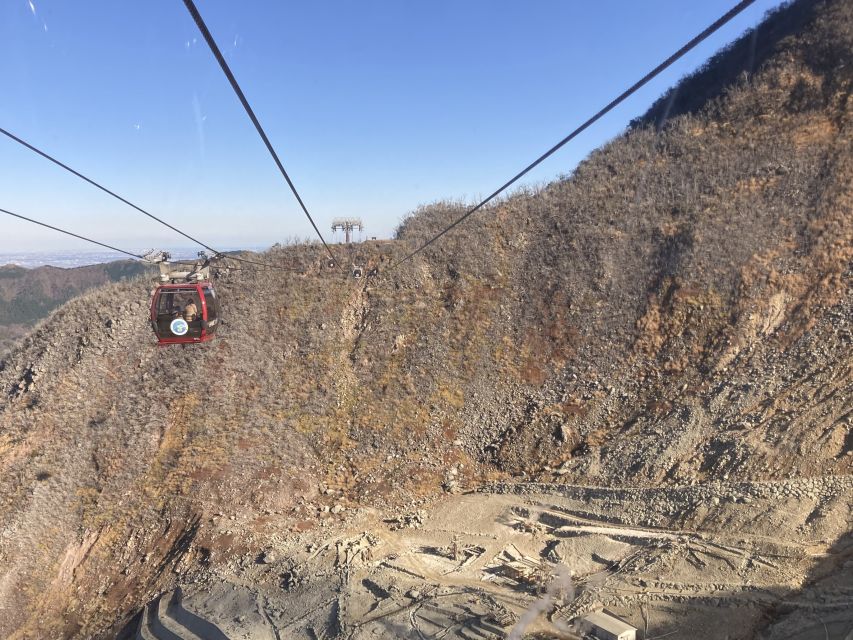
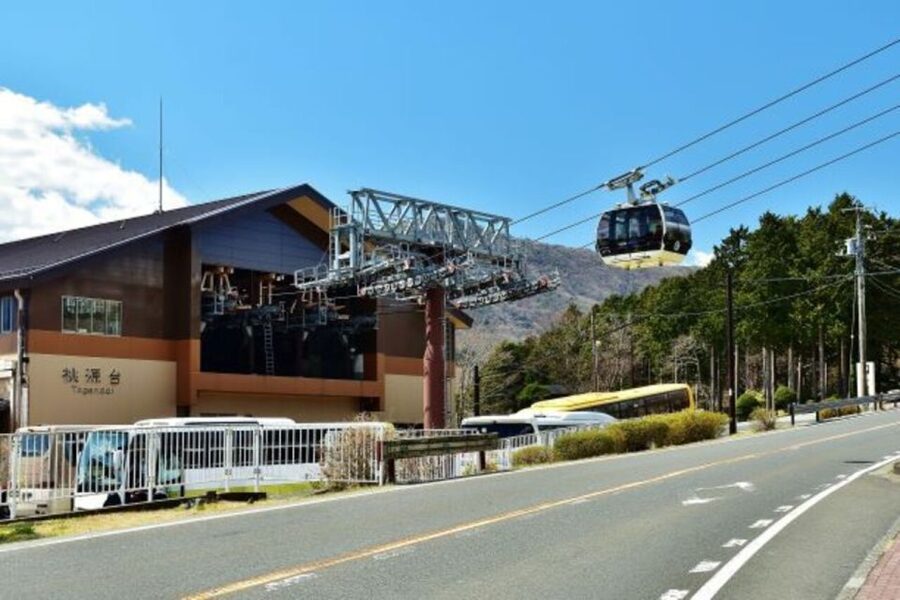
The Hakone Ropeway is one of the best parts of the day. You board the gondola and pass above Owakudani, a volcanic area known for sulfurous steam and hot ground. As the car moves across the valley, you can watch the elevations and scenery change below.
At Owakudani, you can buy the famous black eggs. They are boiled in sulfur-heated water, which darkens the shells. The egg purchase is optional and not included in the tour price, but it is one of Hakone’s most memorable local food traditions.
The ropeway is not a minor transfer. It is a proper scenic ride, and the views can be striking when the air is clear. It can also be intense if you dislike heights. One person with a serious fear of heights reportedly found the ride enjoyable after getting aboard, but you should still know what you are signing up for.
The Ropeway may close because of operating conditions. If it is not running, the itinerary can switch to places such as Komagatake Ropeway, the Mt. Fuji Panoramic Ropeway, Mishima Skywalk, Narukawa Art Museum, Hakone Checkpoint, or Hakone Shrine. The exact replacement depends on conditions and the guide’s decision.
A few more Tokyo tours and experiences worth a look
Lake Ashi and the Hakone Pirate Ship
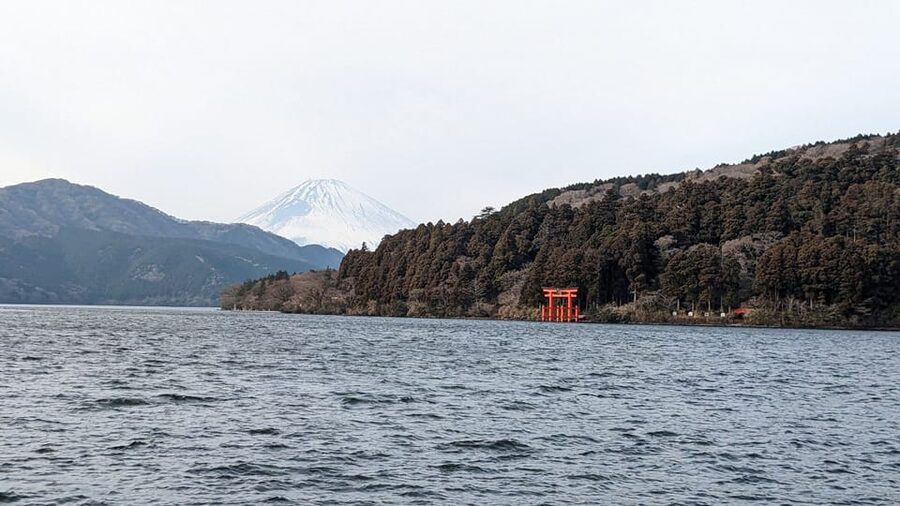
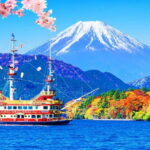
After the volcanic stop, you head to Lake Ashi for a cruise. The boat is the Hakone Pirate Ship, a highly decorated vessel that feels more theatrical than an ordinary lake ferry. Its carved and painted details make the ride fun even when Fuji is hidden.
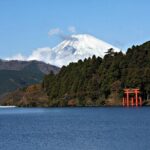
On a clear day, stand outside and look across the lake for Mt. Fuji. The view depends heavily on clouds, humidity, and your position on the boat. The cruise also gives your legs a break after the bus and gondola, though the overall day still involves moving at a brisk pace.
If you want food from the ship, buy it early. Limited items such as cream buns can sell out almost immediately, and there may not be many other choices later. This is a small tip, but it can matter if you skipped part of lunch or have children with you.
The cruise may also be replaced if the Hakone Pirate Ship is not operating. Lake Ashi itself can remain part of the day, or the group may use one of the listed alternatives.
Returning to Tokyo by Shinkansen
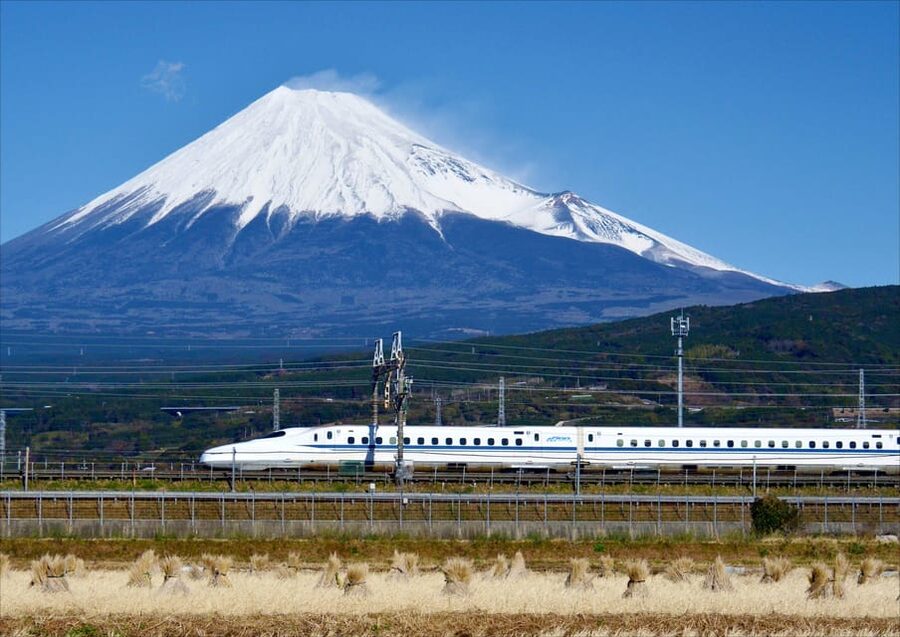
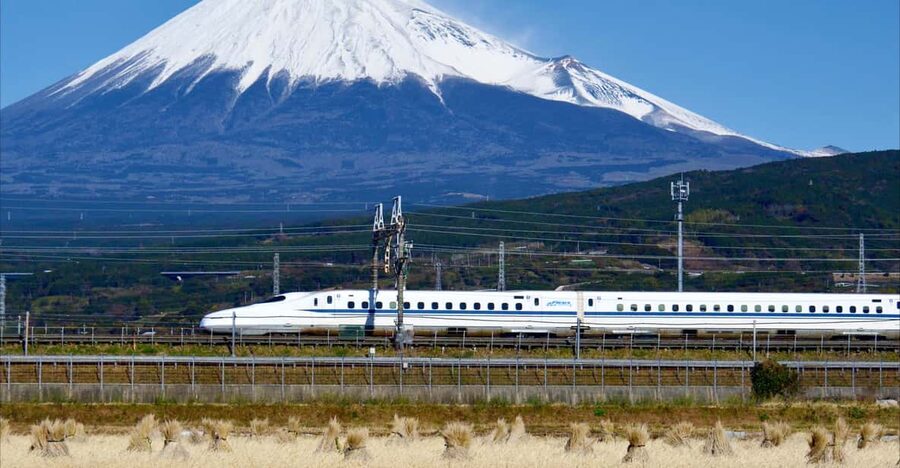
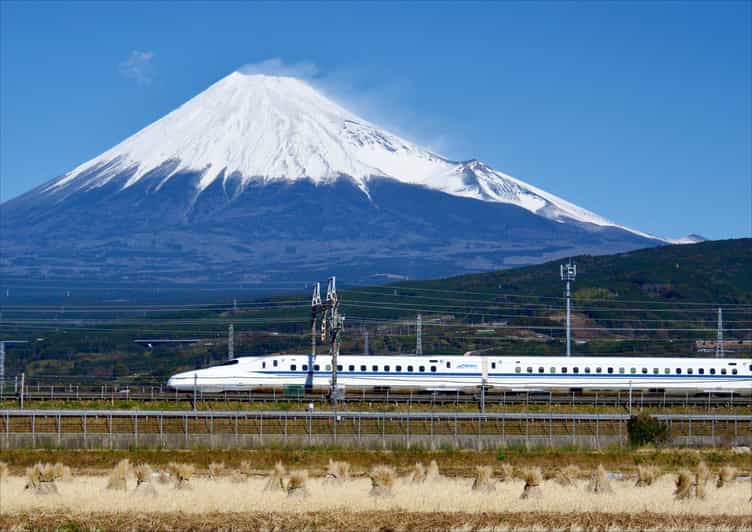
The final act is a short but memorable bullet train ride. The coach takes you to Odawara Station, where the guide helps you understand the transfer before leaving you to make the trip back on your own.
The ride to Tokyo usually takes about 34 minutes. Your ticket is for a non-reserved seat, so you may board any available non-reserved coach on the permitted train. The guide does not ride with you, but clear directions are provided.
The train schedule listed for 2025 includes departures such as:
- 17:14, arriving Tokyo at 17:48 on Kodama 732
- 17:44, arriving at 18:18 on Kodama 734
- 18:14, arriving at 18:48 on Kodama 736
- 18:39, arriving at 19:12 on Hikari 658
- 18:45, arriving at 19:18 on Kodama 738
- 19:14, arriving at 19:48 on Kodama 740
Schedules can change, and your actual train depends on traffic affecting the bus’s arrival at Odawara. There are normally two trains per hour, and you can use any suitable non-reserved coach.
You can also get off at Shinagawa, one stop before Tokyo, and use the Yamanote Line to reach Shinjuku or another station along that route. The same Shinkansen ticket can be used for that connection as stated in the tour information, but pay close attention to the instructions at the station.
This arrangement saves time compared with returning by coach. It also means the tour ends at Odawara, not at your Tokyo hotel. If you already have an active JR Pass or prefer to return by bus, a separate version ends at Odawara without the Shinkansen ticket.
The guides make the long day easier
The guide quality is one of the strongest reasons to book this organized outing. Guides such as Happy, Yumi, Ai, Sachi-san, Hide-san, Ken, and Yuji have been praised for clear explanations, personal stories, patience, and a good sense of humor.
A good guide matters on a route like this because every stop has a fixed departure time. The best guides keep you informed, help with directions, explain local food, and remind everyone when to return to the bus. They also handle late or demanding group members without letting the mood sour.
English and Spanish tours are available. The exact guide varies by departure, so you cannot count on a particular person. Still, the repeated praise for guides across many dates suggests that the operator puts real effort into the human side of the tour.
The tour can include information screens on the bus, but the sound system has not always worked perfectly. If hearing every announcement is important to you, sit near the front and stay alert when the group reaches each stop.
Who should book this tour
I would choose this trip if you have limited time in Tokyo and want a broad introduction to Mt. Fuji and Hakone in one day. It is also a good fit if you like having tickets, transport, and timing handled for you, or if the Shinkansen ride is part of your Japan plans.
Families can enjoy the mix of mountain views, a gondola, a boat, and a fast train. Children up to age three may join free, but they do not receive a bus seat or lunch unless booked at the child rate.
This is less suitable for someone who wants long, quiet visits at each stop. The Fuji Station stop may feel rushed, and much of the day is spent riding in the coach. It is also not suitable for pregnant women according to the tour conditions.
The sightseeing stops are wheelchair-accessible, but the standard buses do not have lifts or ramps. Folding wheelchairs can generally go in the luggage compartment, while electric wheelchairs may not fit because of size and weight limits. Tell the operator at booking so arrangements can be checked.
Practical tips for a better day
- Wear comfortable shoes. You will move between a coach, mountain stop, ropeway, boat, and railway station.
- Bring layers. The 5th Station is high, and conditions can differ from Tokyo.
- Keep your camera ready at Fuji. The clouds may clear for only a few minutes.
- Do not count on seeing Fuji. Treat the mountain as a bonus and enjoy Owakudani, the cruise, and the train even in poor weather.
- Keep track of time at every stop. The bus cannot wait for late arrivals.
- Ask about food restrictions before departure.
- Buy pirate ship snacks as soon as you board if you want one.
- At Odawara, follow the guide’s train instructions closely. You return without the guide.
- If you dislike heights, prepare yourself for the Ropeway rather than treating it as an ordinary cable car.
Should you book the Mt. Fuji and Hakone tour?
Book it if you want a busy, efficient day with plenty of variety and a memorable Shinkansen finish. At $117, the combination of coach transport, Ropeway, cruise, guide, and bullet train offers solid value, especially for a first visit or a short Tokyo stay.
Think twice if your main goal is a guaranteed close-up view of Mt. Fuji. Weather can block the mountain, road traffic can shorten the schedule, and the day includes several hours of transport. For most people who accept those limits, the volcanic valley, decorated pirate ship, Japanese lunch, and fast ride back to Tokyo make this a rewarding way to see a lot in one day.
FAQ
Where does the tour meet in Tokyo?
Meet the guide beside the Nishi Shinjuku LOVE sculpture outside the Shinjuku i-LAND building. Hotel pickup and drop-off are not included.
How long is the tour?
The tour lasts about 11 hours. The initial drive toward the Mt. Fuji area takes about two and a half hours.
Can the tour always reach Mt. Fuji’s 5th Station?
No. Bad weather, fog, heavy rain, high humidity, or a road accident can prevent access. The tour then visits the highest available point or another Fuji-area destination.
Is Mt. Fuji guaranteed to be visible?
No. Cloud and fog can hide the mountain. Weather-related complaints do not qualify for a refund.
Is lunch included?
Lunch is included only when you select the lunch option. The meal includes hot pot and a half buffet. Drinks are not included, and food restrictions should be shared when booking.
Does the tour include the Hakone Ropeway and Lake Ashi cruise?
Yes. The Ropeway ticket and cruise ticket are included. If either attraction is not operating, the tour uses an alternative destination selected from the available options.
Where does the Shinkansen portion end?
The coach takes you to Odawara Station. You then return to Tokyo by yourself on a non-reserved Shinkansen seat. The guide does not ride the train with you.
Can I use the tour with a wheelchair?
The sightseeing locations are wheelchair-accessible, but the standard buses do not have lifts or ramps. Folding wheelchairs can generally be stored in the luggage compartment, while electric wheelchairs may not fit. Notify the operator when booking.
More Hakone Day Trips in Tokyo
More Mt Fuji Day Trips in Tokyo
More tours in Tokyo we've reviewed


Mt Fuji Day Trips, compared.
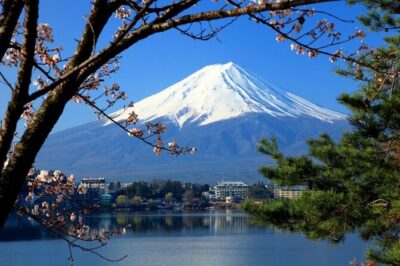 ★ 5.0Mt Fuji and Hakone 1-Day Bus Tour Return by Bullet TrainFrom $163
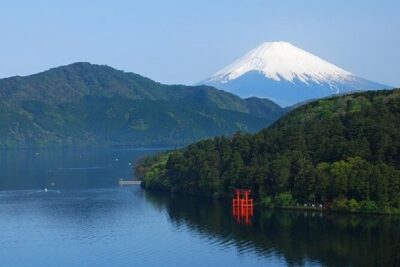 ★ 4.0Mt Fuji & Hakone Cruise, Drum Show Bullet Train 1 Day from TokyoFrom $149
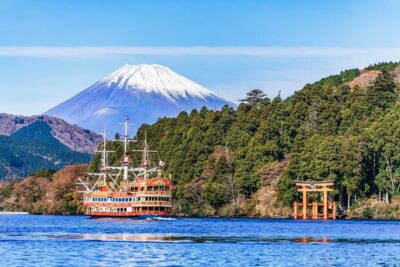 ★ 4.4Tokyo Mt Fuji 5th St & Hakone Cruise Bus Tour w/Bullet TrainFrom $15410 hours
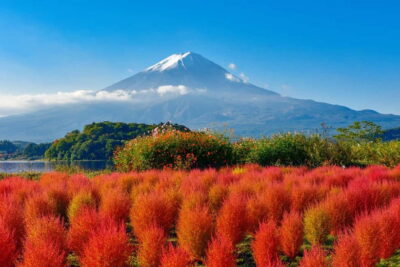 ★ 4.5From Tokyo: Mount Fuji Full-Day Sightseeing TripFrom $6810 hours
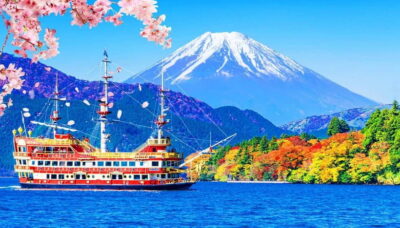 ★ 4.7Tokyo: Mt. Fuji Tour, Hakone Ropeway, Owakudani, Lake AshiFrom $5410 hours
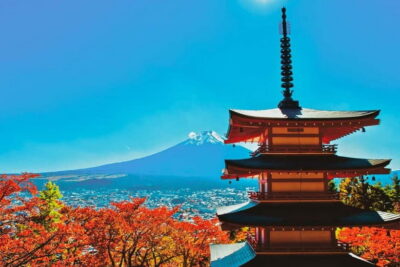 ★ 4.4Tokyo:Mt.Fuji,Kawaguchiko Oishi Park,Arakurayama Sengen ParkFrom $5410 hours