
Reviewed · KAMAKURA & ENOSHIMA DAY TRIPS
Kamakura Day Trip from Tokyo with a Local: Private & Personalized
Kamakura packs medieval temples, forested hills, a famous bronze Buddha, and the Pacific coast into an easy day from Tokyo. The best part of this experience is its flexibility: your local host can shape the day around temples, food, art, nature, or a slower pace.
I like the private format, since your group gets one host rather than a guide managing a large crowd. I also like that JR train tickets from Tokyo are included, removing one small but annoying part of planning.
The catch is simple: you will walk a lot. Entrance fees, lunch, drinks, and any transport beyond the round-trip train are extra, and a custom route means the advertised sights are possibilities rather than guarantees.
In This Review
- Key points at a glance
- Why Kamakura works so well as a Tokyo day trip
- Komachi Street and Tsurugaoka Hachimangu
- Engakuji and Kamakura’s Zen tradition
- Hase-dera and the Great Buddha
- Hokokuji’s bamboo path and matcha tea
- Forests, ocean views, and a possible surf stop
- What the private host adds
- Eight hours, walking, and extra costs
- Who should book this Kamakura experience
- My take on the value
- Should you book it?
- FAQ
- How long does the Kamakura day trip last?
- Are train tickets from Tokyo included?
- Are meals and attraction tickets included?
- Is this a private tour?
- Can the host meet me at my hotel?
- Can I cancel for a full refund?
Key points at a glance
- A private eight-hour route: Your host can adjust the day to your interests instead of following one fixed schedule.
- The Great Buddha and major temples: Kamakura’s most famous sights can be paired with Hase-dera, Engakuji, or Tsurugaoka Hachimangu.
- Hokokuji’s bamboo grove: A narrow path leads through the grove to a tea house serving matcha.
- Train tickets included: The round trip from Tokyo to Kamakura is covered, while local transport costs extra.
- Hosts who adapt well: Kay, Marc, Michael, and Martin have each been praised for personal attention, local insight, and patience.
- A walking-heavy day: The route suits active sightseers, but you should mention mobility concerns before the outing.
Why Kamakura works so well as a Tokyo day trip
Kamakura was once the center of Japan’s military government, and its temples and shrines still give the town a very different feel from central Tokyo. You can move from a shopping street to a wooded Zen temple, then on to a centuries-old Buddhist statue or the beach.
The trip begins at the JR East Travel Service Center near Tokyo Station’s Marunouchi North Gate. Round-trip JR tickets are included, and the train ride makes the outing easy to arrange. Your host may also meet you at your hotel or another agreed spot, but the final meeting plan needs to be settled after booking.
This is a private activity for your group only. That matters in Kamakura, where a guide can adjust the pace when a temple takes longer than expected, a café catches your eye, or you need a break from the hills.
The host matching process is another useful feature. After booking, you complete a short questionnaire about your interests and preferences. The company then pairs you with a local host who seems suited to your style. Past hosts have included Kay, Marc, Michael, and Martin, with praise focused on their flexibility, cultural explanations, patience, and care with walking concerns.
A few more Tokyo tours and experiences worth a look
Komachi Street and Tsurugaoka Hachimangu
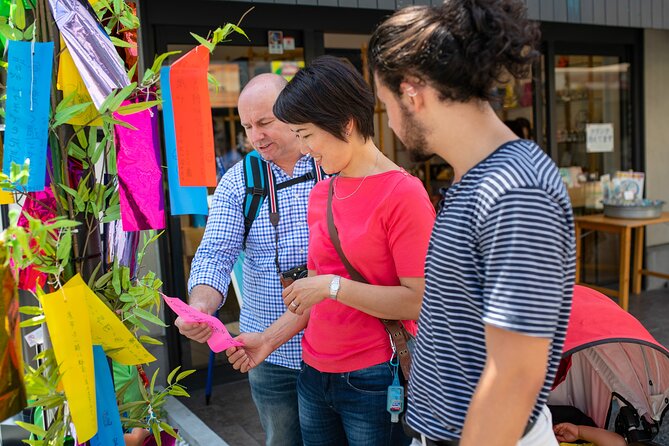
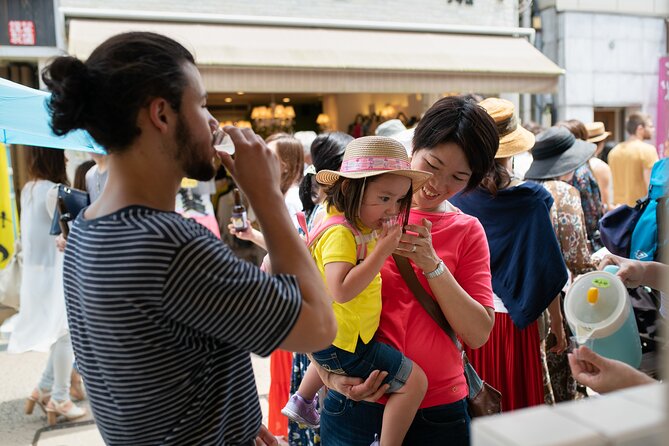
Many routes begin on Komachi Street, a lively strip leading toward Tsurugaoka Hachimangu. The setting is fun because it places modern Kamakura beside its older religious core. Food stalls and boutiques line the approach, giving you a chance to browse, snack, or pick up small souvenirs before entering the shrine grounds.
Tsurugaoka Hachimangu is Kamakura’s best-known Shinto shrine. Hachiman, the patron deity of the Minamoto family and of samurai, is worshipped here. A host can give the shrine more meaning than a quick photograph would, explaining how religion, military power, and the city’s past fit together.
I would ask your host to allow time here if you enjoy Japanese shrine customs and architecture. The drawback is that Komachi Street can pull you into shopping and food stops, so a packed schedule may force you to choose between browsing and visiting more temples.
Engakuji and Kamakura’s Zen tradition
Engakuji sits among the wooded hills of Kita-Kamakura and is one of eastern Japan’s leading Zen temples. Its setting gives you a quieter pause after the activity around Komachi Street and Tsurugaoka Hachimangu.
This is a good stop for travelers who want more than a list of famous sights. The forested grounds and temple buildings help show how Japanese religious sites often work with their surroundings rather than trying to overpower them.
The exact route may change, since this is a personalized tour. If Engakuji matters to you, tell your host in advance. The same applies to any other specific temple, since a custom itinerary does not promise every place named in the suggested route.
Hase-dera and the Great Buddha
Hase-dera is one of the most appealing temple options in Kamakura, especially in June, when hydrangeas bloom around the grounds. Even outside that season, it gives you another look at Kamakura’s Buddhist heritage and its connection to the hills.
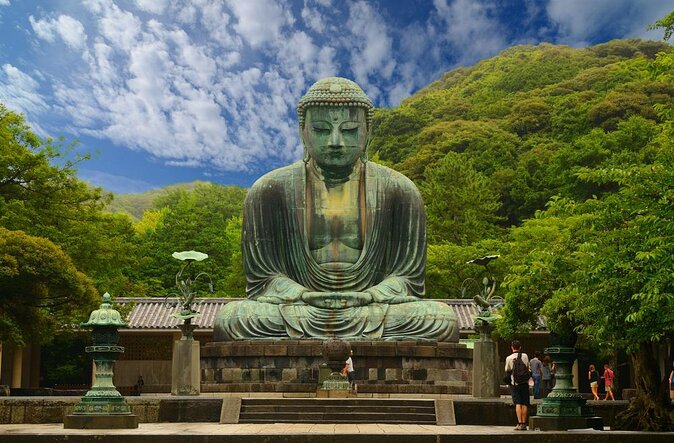
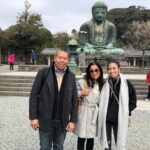
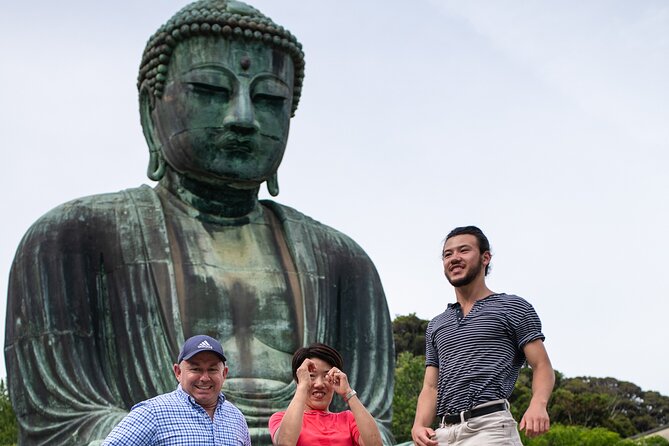
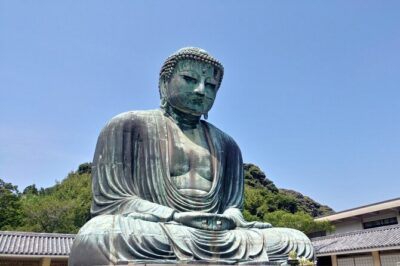
The Great Buddha is the day’s most recognizable sight. This enormous bronze Amida Buddha is nearly 800 years old, and its scale makes it worth seeing even if you have visited many temples in Japan. A local host can help put the statue into the larger story of Kamakura rather than leaving it as a standalone photo stop.
Admission to attractions is not included, so budget extra for places that charge an entrance fee. That is a small but important point when comparing the tour price with a self-guided day.
The route may also include both Hase-dera and the Great Buddha, but neither is guaranteed unless your host confirms it. If these are your priorities, state that clearly in the questionnaire and during your planning conversation.
Hokokuji’s bamboo path and matcha tea
Hokokuji Temple is known for its small bamboo grove behind the main hall. A narrow path runs through the tall bamboo to a tea house, where you can sit with a cup of matcha.
This stop adds a calmer, more focused experience to the day. It is not a huge bamboo forest, so you should not expect an all-morning attraction. Its appeal lies in the short walk, the quiet setting, and the simple ritual of tea at the end.
Hokokuji also shows why a private guide can be useful. A host can judge whether the stop fits your pace and interests, then balance it against Kamakura’s larger temples and shrines. If you want the bamboo grove, ask for it specifically because the final plan is flexible.
Other private tours in Tokyo


Forests, ocean views, and a possible surf stop
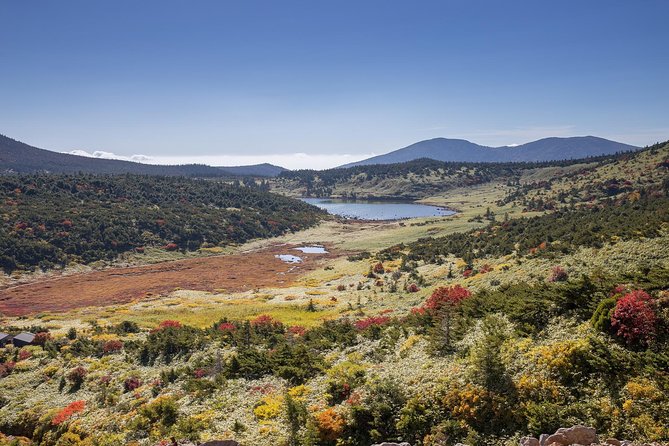
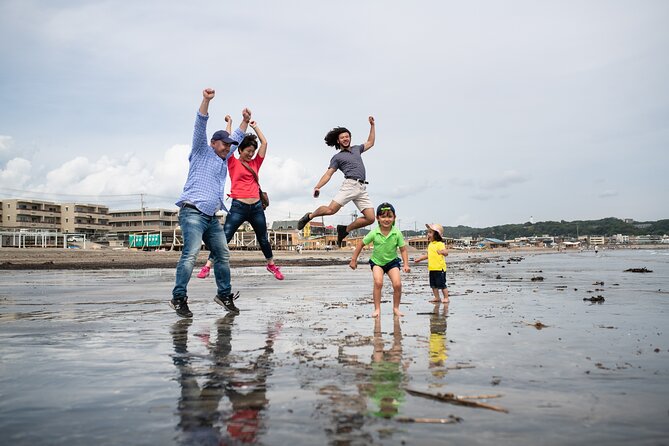
Kamakura is not only a temple town. The experience can include time among the surrounding forests and along the ocean, with the possibility of stopping at a surf shack for a beer.
That seaside element helps keep the day from becoming a nonstop procession of gates, statues, and temple halls. It also gives you room to experience Kamakura as a living beach town rather than only as a historic capital.
Still, the coast and surf stop are optional possibilities, not fixed inclusions. Food and drinks are not covered, so you pay for anything you order. I would tell your host if you want time by the water, especially if your group needs a break from walking through temple grounds.
What the private host adds
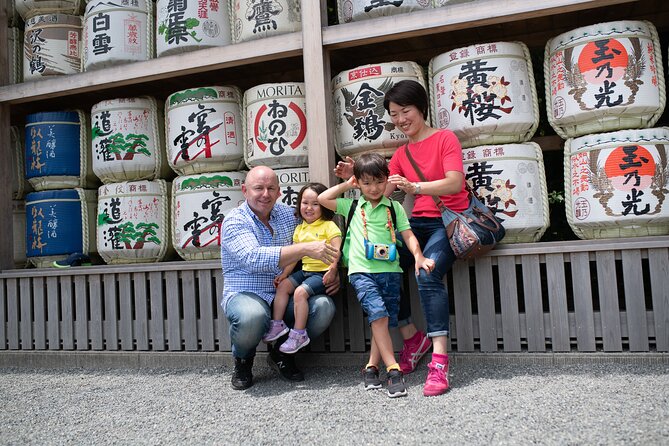
The strongest reason to choose this experience is not the train ticket. You can reach Kamakura without a private tour. The real value is having one person shape the day around your interests and explain what you are seeing.
A good host can also help with small practical problems. Marc was praised for locating elevators and making the route easier for a family member with walking difficulties. Michael was described as patient and helpful while getting a group around. Martin combined the main temples with cultural explanations, a café stop, and local food suggestions. Kay helped one visitor fit a bamboo grove, the Great Buddha, an art gallery, and udon noodles into a final day in Japan.
These details point to the sort of service you are buying. You are not simply paying for transportation between attractions. You are paying for judgment, company, translation of local customs, and the ability to change direction when your group wants something different.
The quality of the day will still depend on the host you are matched with and how clearly you explain your priorities. If you care about art, food, gardens, samurai history, or avoiding steep walks, say so before the day is planned.
Eight hours, walking, and extra costs
The experience lasts about eight hours, which gives you a full day in Kamakura but does not make every sight possible. The more temples you add, the less time you will have for Komachi Street, the coast, lunch, or a relaxed tea stop.
Walking is the default. Other transport can be arranged at an additional cost, but the included package covers only the round-trip JR train from Tokyo. You should plan for extra spending on attraction tickets, meals, drinks, and local transport if needed.
The price is listed at $323.38 per person. That is a serious cost compared with taking the train and visiting Kamakura independently. I see the value mainly for couples, families, or small groups who want a private day and will make real use of the host’s flexibility.
Group discounts may improve the price for larger private parties. If you are a solo visitor focused only on the Great Buddha, the cost is harder to justify. If your group wants a tailored day, help with navigation, and cultural context, the premium can make sense.
The strong demand also matters. This experience is booked an average of 101 days ahead, so you should not leave it until the last part of a Tokyo stay if you want a particular date.
Who should book this Kamakura experience
I would choose this tour if you want Kamakura but do not want to build a temple route, work out train details, and make every decision yourself. It suits first-time visitors, families, couples, and small groups with mixed interests.
It is also a good match for anyone who values conversation and flexibility more than a fixed checklist. You can ask for major shrines, bamboo, coastal scenery, food, art, or a lighter walking plan.
I would think twice if you are comfortable using trains and researching temple opening details on your own. The tour does not include meals or attraction admission, and its price is much higher than an independent day.
The amount of walking deserves attention. Most people can participate, and service animals are allowed, but the day includes temple grounds, forested hills, and walking between sights. Tell the host about mobility needs early. The example of Marc finding elevators shows that adjustments may be possible, but you should not assume every route is step-free.
My take on the value
I like this experience for the way it joins Kamakura’s big sights with the town’s smaller pleasures. The Great Buddha gives you the famous image, Hokokuji offers bamboo and matcha, Tsurugaoka Hachimangu brings in samurai-era history, and the coast keeps the day from feeling too formal.
The best hosts appear to be attentive and adaptable. That can turn a standard sightseeing day into something more personal, especially when the group has different walking speeds or interests.
The tradeoff is price and uncertainty. You pay a premium for a private host, but the final route is not fixed and extra costs remain. To get good value, use the questionnaire carefully, name your must-see stops, and decide how much time you want for food, shopping, and the sea.
Should you book it?
Book this tour if you want a private, flexible introduction to Kamakura and value a host who can explain the temples, manage the route, and adjust the pace. It is especially worthwhile for families, small groups, and anyone who wants help with walking or local customs.
Skip it if your main goal is simply to see the Great Buddha at the lowest possible cost. An independent day will be cheaper. For a richer mix of shrines, Zen temples, bamboo, food, art, and ocean time, this private format earns its higher price, provided you plan the route clearly with your host.
FAQ
How long does the Kamakura day trip last?
The experience lasts approximately eight hours.
Are train tickets from Tokyo included?
Yes. Round-trip tickets to Kamakura via JR train are included.
Are meals and attraction tickets included?
No. Food, drinks, attraction admission, and transportation other than the included round-trip train are not included.
Is this a private tour?
Yes. Only your group participates, with a private and personalized local host.
Can the host meet me at my hotel?
A hotel or accommodation pickup can be requested. Otherwise, you and your host agree on a convenient meeting point near the start of the experience.
Can I cancel for a full refund?
Yes, if you cancel at least 24 hours before the experience start time. Cancellations or changes made less than 24 hours before the start time are not refunded or accepted.
More 1-Day Tours in Tokyo

More Private Tours in Tokyo
More Kamakura & Enoshima Day Trips in Tokyo
More tours in Tokyo we've reviewed










Kamakura & Enoshima Day Trips, compared.
 ★ 4.5Tokyo: Kamakura & Enoshima Day Trip including Temple TicketsFrom $589 hours - 570 minutes
 ★ 4.5Tokyo: Mt. Fuji, Kamakura, Big Buddha, & Lake Ashi Day TripFrom $4910 - 11 hours
 ★ 4.5From Tokyo: Kamakura & Enoshima 1-Day Bus TourFrom $66
 ★ 5.0Kamakura Historical Walking Tour with the Great BuddhaFrom $98
 ★ 5.0Kamakura Private Tour: Temples, Nature, and the Great BuddhaFrom $98
 ★ 5.0Kamakura Walking Tour – The City of ShogunFrom $35