
Reviewed · COOKING CLASSES
Japanese Cooking Class in Tokyo with a Local Chef Chieko
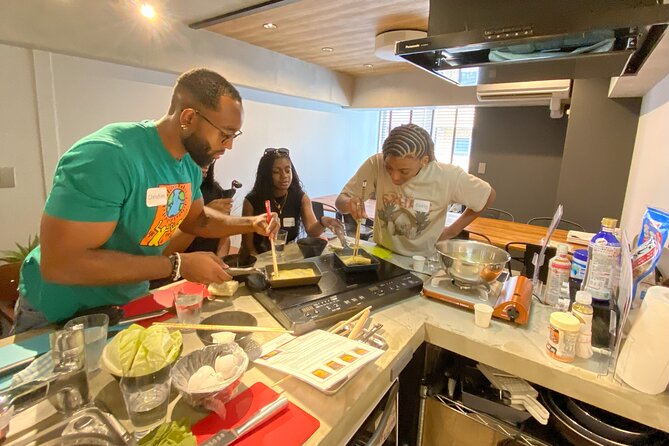
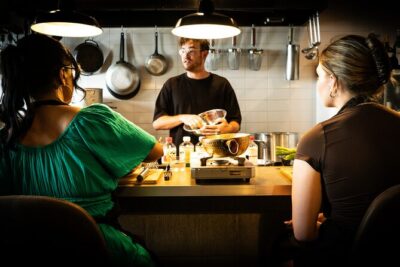
Tokyo’s best food lessons often happen away from restaurant counters. In this home-style Japanese cooking class, you meet near Shinjuku and learn to prepare a main dish plus two side dishes with Chieko, a certified instructor whose cooking began with her mother on Shikoku Island.
I like the practical recipes, which use fresh local produce and are meant to be repeated at home. I also like the meal at the end, since you do not simply watch a demonstration and leave. You help make lunch or dinner, then share it in a local setting. The main caution is that the address can be hard to spot, and the booking information describes the class as private while also listing a maximum of 11 people, so confirm the group arrangement before paying.
In This Review
- Key points to know before booking
- Why this class gives you more than a recipe
- Finding the studio near Shinjuku and Yoyogi
- Choosing between lunch and dinner
- Picking a menu and preparing three dishes
- Sitting down to eat what you made
- How much value do you get for $109?
- Who will enjoy this Tokyo cooking lesson?
- Practical planning for a smooth visit
- Should you book Chieko’s cooking class?
- FAQ
- How long does the Japanese cooking class last?
- Where does the class meet?
- What will I cook?
- Is the meal included?
- Can vegetarian diets and allergies be accommodated?
- Is hotel pickup included?
- Can I cancel for a refund?
Key points to know before booking
- A short walk from Shinjuku: The meeting point is about 10 minutes from Shinjuku Station, in the Yoyogi area of Shibuya City.
- You cook three dishes: Each class includes one main dish and two side dishes, followed by a home-cooked meal.
- Five menu choices: Choose your menu when booking, and tell the host about allergies or dietary needs in advance.
- Chieko’s cooking background: She grew up on Shikoku Island and later lived in Kyoto, Osaka, and Los Angeles before moving to Tokyo.
- Two fixed time slots: Classes run from 11 a.m. to 1:30 p.m. or from 5 p.m. to 7:30 p.m.
- A small-location challenge: The building address may not be obvious, so allow extra time and watch for instructions about meeting in the entrance hall.
Why this class gives you more than a recipe
A restaurant meal shows you what Japanese food tastes like. This class shows you how an ordinary Japanese meal comes together. That difference matters. You work with ingredients, hear the reasons behind the cooking steps, and sit down to eat what you prepared.
Chieko was born and raised on Shikoku Island, where fresh seafood, vegetables, and rice were part of daily life. She also lived in Kyoto and Osaka, two cities with strong food traditions, and spent time in Los Angeles before settling in Tokyo. Her cooking lessons draw on family methods rather than only restaurant technique.
That makes the class a good fit if you want food culture without a formal culinary-school atmosphere. The aim is not to turn you into a sushi chef in 150 minutes. It is to give you a few useful Japanese dishes, simple kitchen habits, and a clearer sense of how a home meal is made.
The class has a top rating from the five published ratings, with particular praise for the warm welcome, hands-on work, and clear explanations of the ingredients. One class was led by Junko, who offered a yukata experience at no extra cost and prepared a small birthday gift for one participant. Since different hosts or members of Chieko’s team may be involved, the exact personal touches can vary.
Other cooking classes in Tokyo
Finding the studio near Shinjuku and Yoyogi
The meeting point is listed at 2-chōme-5-1 Yoyogi, Shibuya, Tokyo, near the location marked as センスネイル. The studio is described as a 10-minute walk from Shinjuku Station, placing it in a useful part of Tokyo for a cooking activity before or after sightseeing.
This location is convenient, but do not treat the walk as completely foolproof. The address can be difficult to identify because there may be no clear name on the mailboxes. You may also need to meet your host in the building’s entrance hall rather than walk straight into an obvious cooking school.
I would arrive a little early, keep the meeting details open on your phone, and avoid rushing in from a distant part of Tokyo. The activity provider sends confirmation within 48 hours of booking, subject to availability. Read those instructions carefully, especially the contact and arrival details.
There is no hotel pickup or drop-off. You make your own way to the meeting point and return there when the class ends. Public transportation is nearby, and the Shinjuku setting makes this easy to combine with other plans.
Choosing between lunch and dinner
You can book the class from 11 a.m. to 1:30 p.m. or from 5 p.m. to 7:30 p.m. The activity is described in some places as a two-hour class, but the detailed timing gives you a total visit of about two and a half hours. Plan around the longer window.
The lunch session works well if you want to cook before spending the afternoon around Shinjuku, Harajuku, or central Tokyo. You will finish with a meal, so it can serve as your main midday food stop.
The evening session is useful after sightseeing. You cook, eat, and finish at 7:30 p.m., leaving the rest of the night open. Since the class takes place in a local cooking studio rather than a sightseeing attraction, it offers a quieter change of pace after Tokyo’s busy streets.
The fixed start times mean you should not book it as a loose drop-in activity. Give yourself time to reach Yoyogi, find the building, and settle in. A late arrival could cut into the hands-on portion, which is the main reason to pay for this experience.
Picking a menu and preparing three dishes
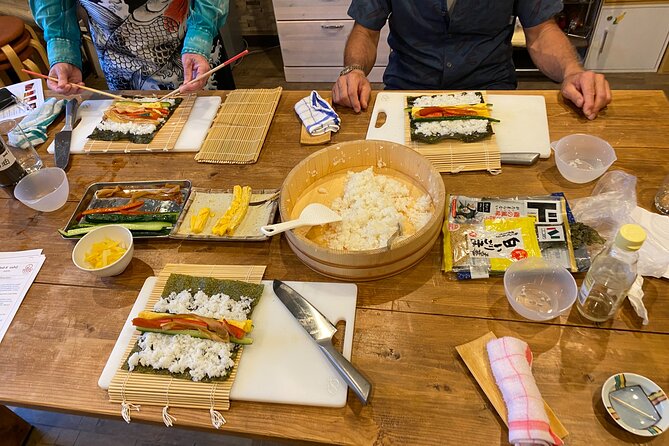
You choose one menu from five options. The exact choices are not provided in the booking details, and the menu can change with the season. That seasonal change is a plus for the food itself, since the class uses fresh local produce, but it means you should not book expecting one specific dish unless the host confirms it.
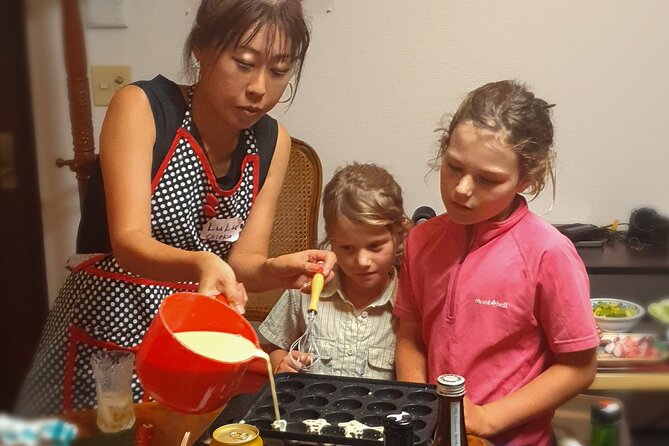
The structure is clear: one main dish and two side dishes. You cook the food from scratch with the host rather than simply watching someone work. The class also focuses on recipes that are simple enough to repeat at home, which gives the lesson value beyond the meal you eat in Tokyo.
Chieko shares tips learned from her mother. This family connection is important because Japanese home cooking is often about small choices: how ingredients are handled, how side dishes balance the main dish, and how a meal is assembled without unnecessary fuss. The class gives you a chance to ask about those choices as you work.
You should list allergies and dietary requirements in the special requirements box when booking. Vegetarian diets can be accommodated, but advance notice is needed. It is also wise to select your menu and tell the host about allergies before the class, not on arrival.
Sitting down to eat what you made
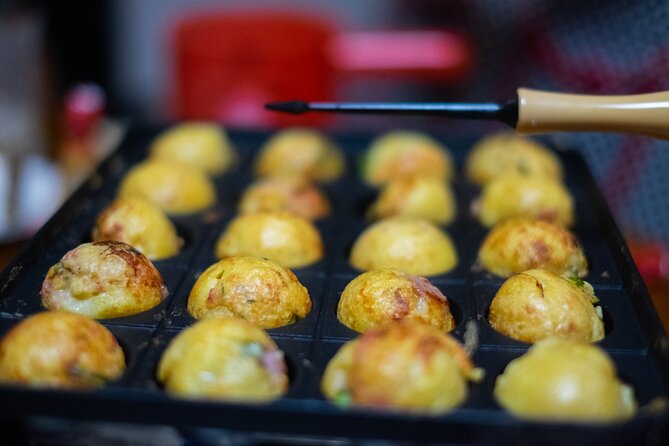
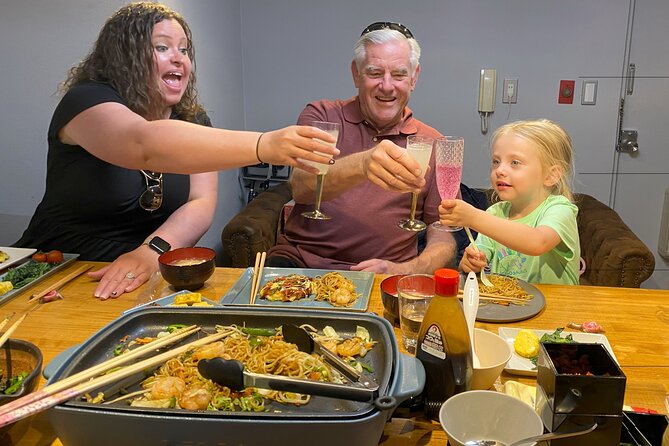
After the cooking ends, you sit down and share the meal. This is not an afterthought. Eating the finished dishes lets you judge the balance, texture, and portion of the food while the preparation is still fresh in your mind.
The meal also changes the tone of the activity. You are not just collecting a recipe card. You are spending time in a local setting and getting a glimpse into everyday Japanese hospitality. The experience provider includes the home-cooked meal in the price.
The strongest praise for this activity focuses on the warm welcome and the fact that participants truly help make the dishes. One account describes Chieko and her team as helpful throughout, with explanations of both the cooking process and the produce being used. That is exactly the sort of guidance you want in a short class, especially if you do not cook Japanese food often.
The host may add small cultural touches. Junko, for example, asked in advance if a participant wanted to wear a yukata and arranged a small birthday present. These extras are not listed as standard inclusions, so treat them as possible gestures rather than guaranteed parts of every booking.
Other cooking classes in Tokyo



How much value do you get for $109?
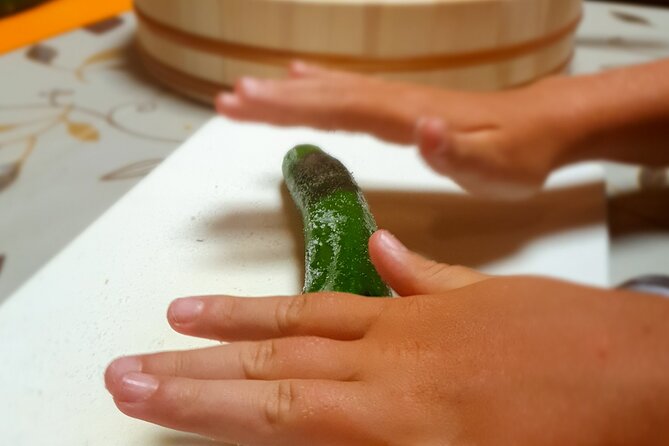
At $109 per person, this is not the cheapest meal in Tokyo. You can eat very well for much less if your only goal is lunch or dinner. The price makes more sense when you count the instruction, the ingredients, the private-home setting described for the class, and the time spent with a local host.
You are paying for participation, not just consumption. You prepare three dishes, learn methods that can be used again, and eat the finished meal. For someone who values food culture, that can be better value than a short restaurant visit, even if the restaurant meal costs less.
The wording around group size deserves attention. The activity is presented as a private Japanese cooking class, but the included service calls it a shared lesson, and the maximum is listed as 11 people. If you are booking for a couple or family and want the kitchen entirely to yourselves, ask for confirmation about how the class will be arranged.
The published rating is 5 out of 5 from five ratings. That is encouraging, though the sample is small. The repeated strengths are useful: warm hosting, real participation, clear help, and a satisfying meal. The address problem is the main practical weakness to plan around.
Who will enjoy this Tokyo cooking lesson?
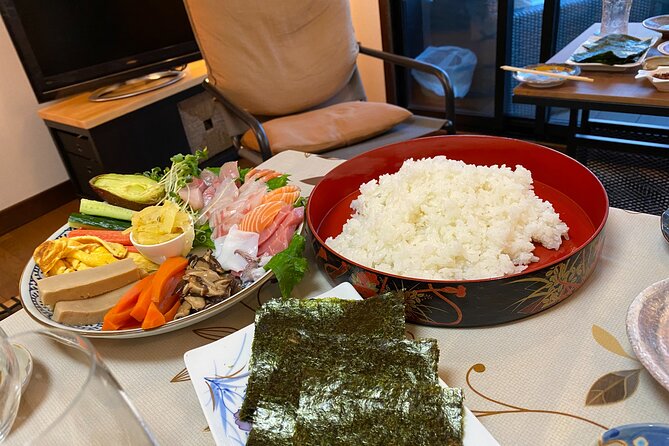
I would recommend it most strongly to people who enjoy learning by doing. You will get more from the class if you are happy to chop, mix, shape, and follow instructions instead of expecting a polished cooking show.
It also suits:
- Couples looking for a shared activity near Shinjuku
- Families who want a food-centered cultural experience
- First-time visitors curious about everyday Japanese cooking
- Vegetarian participants who provide notice in advance
- Home cooks who want recipes they can repeat after returning home
- Anyone celebrating a birthday or special occasion, while understanding that gifts and clothing experiences are not guaranteed
The class may be less suitable if you want a large menu, advanced knife training, or a restaurant-style tasting. You also may prefer a more formal cooking school if you need a fully specified menu before booking.
Children and other age groups are not described in the provided details, so families should confirm suitability before reserving. The same applies to mobility needs and any special kitchen requirements. The meeting point is near public transportation, but no detailed accessibility information is supplied.
Practical planning for a smooth visit
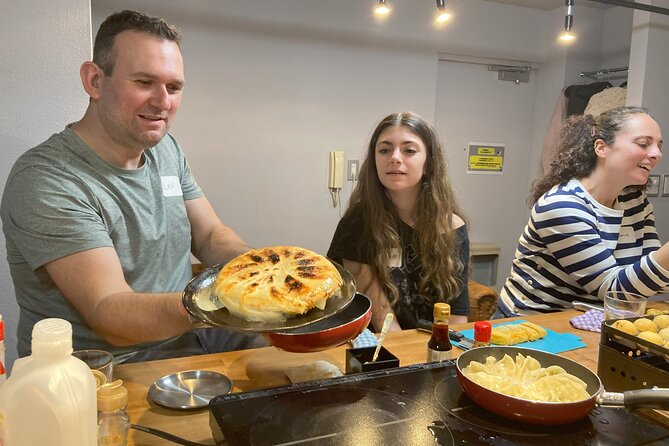
Choose your menu and enter all dietary needs when booking. Vegetarian requests are possible, but the host needs notice, and seasonal changes may affect the available dishes.
Allow extra time for the walk from Shinjuku Station. The route is listed as about 10 minutes, but the building itself may not be easy to identify. Keep the host’s instructions available and check whether you are expected to meet in the entrance hall.
Wear something you can cook in comfortably. The supplied details do not give a dress code, so I would avoid clothing that you would worry about around food. If you hope for a yukata experience, ask in advance rather than assuming it is included.
Build the full two-and-a-half-hour window into your day. The lunch slot ends at 1:30 p.m., and the evening slot ends at 7:30 p.m. Since the activity returns to the meeting point, you can plan onward transport from there.
Cancellation is free up to 24 hours before the local start time for a full refund. Changes or cancellations inside that 24-hour window are not accepted or refunded. Confirmation arrives within 48 hours, subject to availability, so do not make tight connected plans until your booking is confirmed.
Should you book Chieko’s cooking class?
Book this experience if you want a friendly, hands-on introduction to Japanese home cooking and like the idea of eating a meal you helped prepare. The location near Shinjuku is practical, the three-dish format gives you plenty to do, and Chieko’s background brings a personal connection to the food.
At $109, the class is worth it for the instruction and cultural exchange, not simply for the meal. I would hesitate only if you need a guaranteed private group, a fixed menu, or an easy-to-spot storefront. Confirm those details, plan for the tricky entrance, and this can be a rewarding break from Tokyo’s restaurant routine.
FAQ
How long does the Japanese cooking class last?
The class runs for about two and a half hours. The available time slots are 11 a.m. to 1:30 p.m. and 5 p.m. to 7:30 p.m.
Where does the class meet?
The meeting point is at センスネイル, 2-chōme-5-1 Yoyogi, Shibuya, Tokyo 151-0053, Japan. It is about a 10-minute walk from Shinjuku Station.
What will I cook?
You choose one menu from five options. The class includes one main dish and two side dishes, with the menu subject to seasonal changes.
Is the meal included?
Yes. A home-cooked Japanese meal is included after you prepare the dishes.
Can vegetarian diets and allergies be accommodated?
Chieko can accommodate a vegetarian diet. You must provide dietary requirements and allergy information when booking, in advance of the class.
Is hotel pickup included?
No. Hotel pickup and drop-off are not included. You travel to the meeting point yourself, and the activity ends there.
Can I cancel for a refund?
You can cancel at least 24 hours before the local start time for a full refund. Cancellations or changes made less than 24 hours before the start time are not accepted or refunded.
More Workshops & Classes in Tokyo


More Cooking Classes in Tokyo
More Cooking Classes in Tokyo
More tours in Tokyo we've reviewed





Cooking Classes, compared.
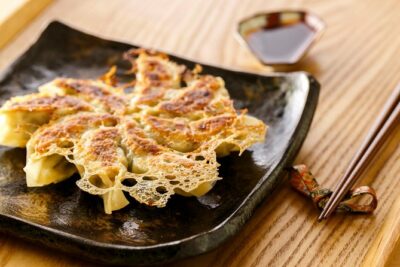 ★ 5.0Ramen & Gyoza Cooking Class in Tokyo with Local Supermarket VisitFrom $122
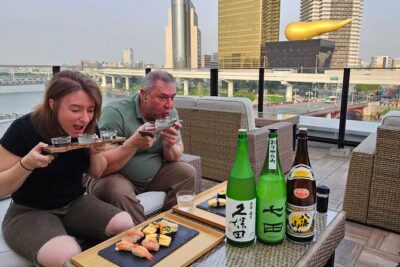 ★ 5.0Ramen and Sushi Cooking Class with Sake Pairing Set in TokyoFrom $79
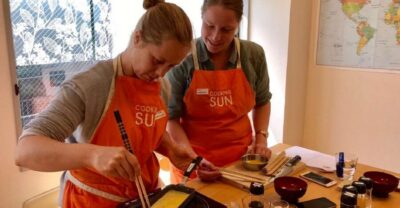 ★ 4.9Tokyo: Wagyu and 7 Japanese Dishes Cooking ClassFrom $673 hours
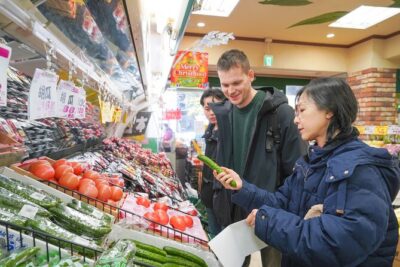 ★ 5.0Tokyo Washoku 4-hour Cooking Class: From Market to TableFrom $79
 ★ 5.0Professional Ramen & Gyoza with Ramen Chef in a restaurant!From $159
 ★ 5.0Small-Group Wagyu Beef and 7 Japanese Dishes Tokyo Cooking ClassFrom $72