
Reviewed · SUSHI MAKING CLASSES
Tokyo: Sushi and Ramen Cooking Class with Sake Pairing Set
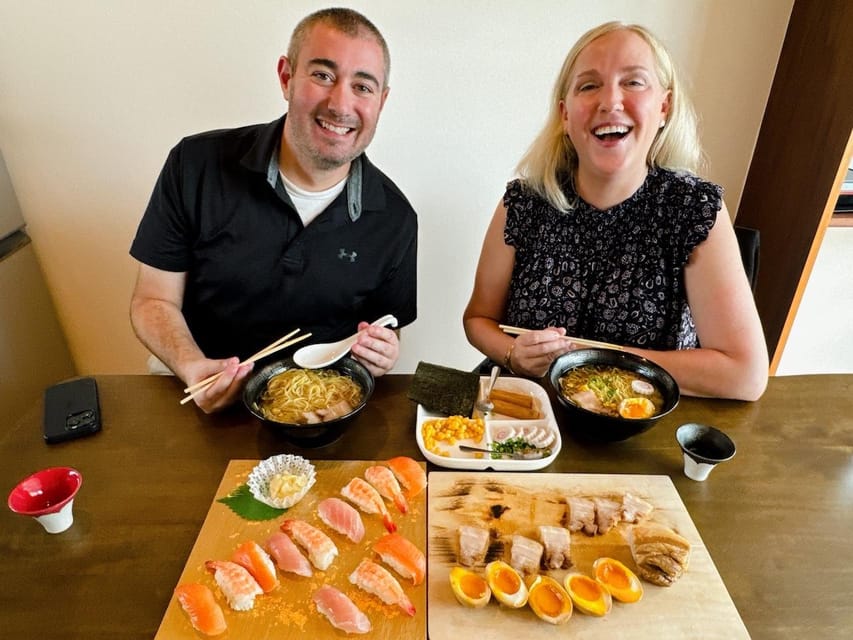
Tokyo’s best cooking lessons give you more than a plate of food. This three-hour class near Tsukishima Station teaches you to make ramen from scratch, including broth and tender chashu pork, then guides you through hand-shaped nigiri sushi. The meal becomes a lesson in Japanese food culture, not just a photo opportunity.
I like the small class size, capped at eight, because you get help at the counter instead of watching from the back of a crowded room. I also like the practical finish: three sake tastings, a recipe booklet for ramen, gyoza, and sushi, and souvenir chopsticks you can use at home.
The main consideration is that this class is not suitable for vegans or vegetarians. You should also expect some preparation to happen ahead of time, since a full ramen broth and chashu pork cannot be made from scratch within three hours.
In This Review
- Key points before you book
- Why this Tokyo cooking class is worth three hours
- Arriving at HAUS Tsukishima
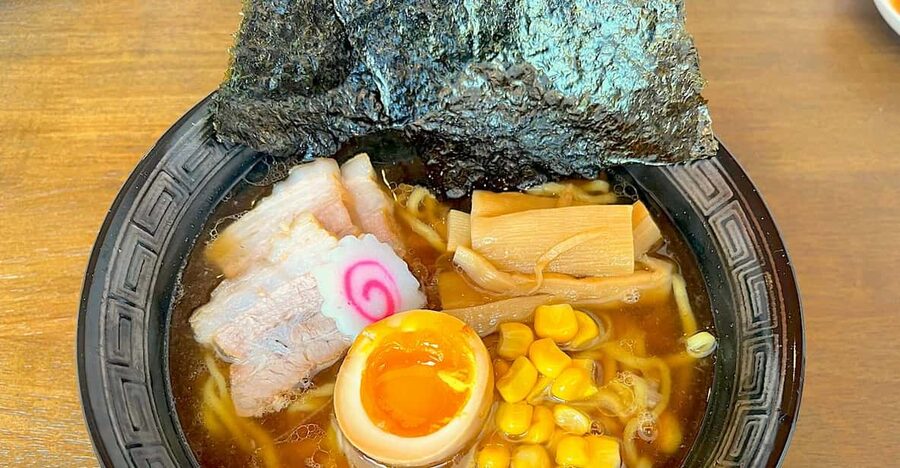
- Ramen: broth, noodles, and chashu pork
- Nigiri sushi by hand
- How the ramen and sushi timing works
- Sake tasting with a sommelier
- The instructors and the atmosphere
- What you take home
- Who should book this experience
- Should you book the ramen and sushi class?
- FAQ
- Where is the cooking class held?
- How do I reach the meeting point by train?
- How long does the class last?
- What food will I learn to make?
- Is the class taught in English?
- Is sake included?
- Is the class suitable for vegetarians or vegans?
Key points before you book
- Make two Japanese staples in one class: Prepare ramen and nigiri sushi during a single three-hour session.
- Learn the parts that matter: Instruction covers ramen broth, chashu pork, sushi history, rice, ingredients, and hand-forming nigiri.
- Taste three Japanese sakes: A certified sake sommelier selects the pairings and explains what you are drinking.
- Expect personal attention: The class is limited to about eight people, with some sessions much smaller.
- Take home useful souvenirs: You receive a recipe booklet and a pair of high-quality chopsticks.
- Find an easy-to-reach venue: The class is on the second floor of HAUS Tsukishima, a five-minute walk from Tsukishima Station.
Why this Tokyo cooking class is worth three hours
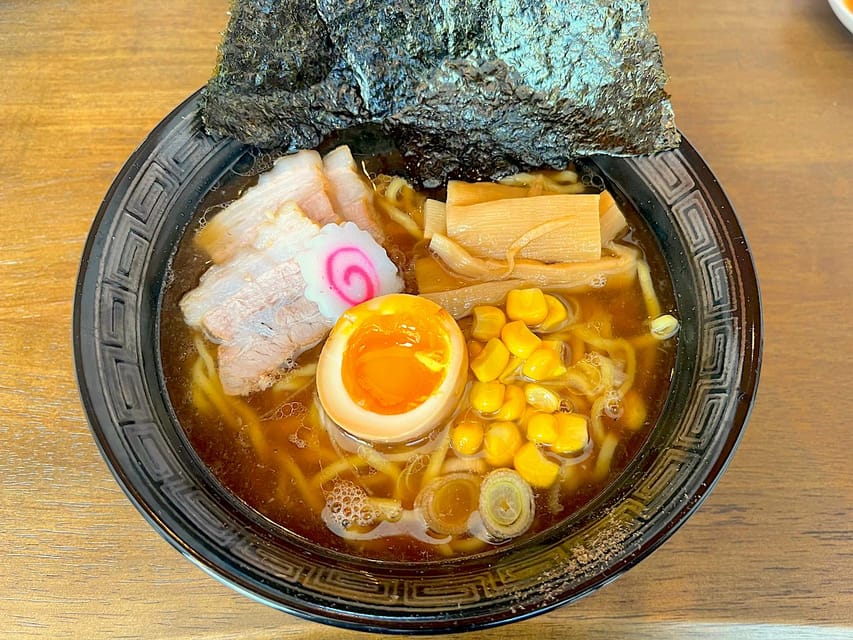
I like this experience because it joins two foods that many people already hope to eat in Japan: ramen and sushi. You do not need to choose between a sushi lesson and a noodle lesson, and the change of pace keeps the afternoon moving.
At $129 per person, it is not the cheapest meal in Tokyo. You are paying for instruction, ingredients, the cooking space, sake, recipes, and several hours with an English-speaking instructor. If you would rather spend that money on several restaurant meals, this is not the best value. If you want skills and cultural context to take home, the price is easier to justify.
The class also works well for a first visit. You learn how these dishes are put together, what the ingredients do, and how to adapt recipes outside Japan. That turns familiar foods into something you understand more clearly the next time you order them.
The tone is friendly and informal. Past sessions have included solo participants, couples, families, and private-feeling classes when only two people booked. You can expect conversation with the instructors and with the other people at the counter, rather than a formal demonstration where you simply take notes.
A few more Tokyo tours and experiences worth a look

Arriving at HAUS Tsukishima
The meeting point is 2nd Floor, HAUS Tsukishima, 2-13-5 Tsukuda, Chuo-ku, Tokyo 104-0051. From Tsukishima Station, use Exit 4, marked Y21, and allow about five minutes on foot.
This location is practical if you are already visiting central Tokyo. By taxi, it is listed as about six minutes from Tsukiji Fish Market, nine minutes from Ginza, ten minutes from Tokyo Station, and eleven minutes from teamLab Planets. Shinjuku is roughly thirty minutes away by taxi, depending on traffic.
If you take a taxi, show the driver this Japanese address:
東京都中央区佃2-13-5 HAUS Tsukishima 2階
Arrive five minutes before the scheduled start. That small buffer matters in a cooking class. You will want time to find the building, remove any last-minute travel stress, and begin with clean hands and a clear head.
Wear comfortable clothes that you do not mind getting a little dirty. Cooking is hands-on, and this is not the place for clothing that requires careful protection.
Ramen: broth, noodles, and chashu pork
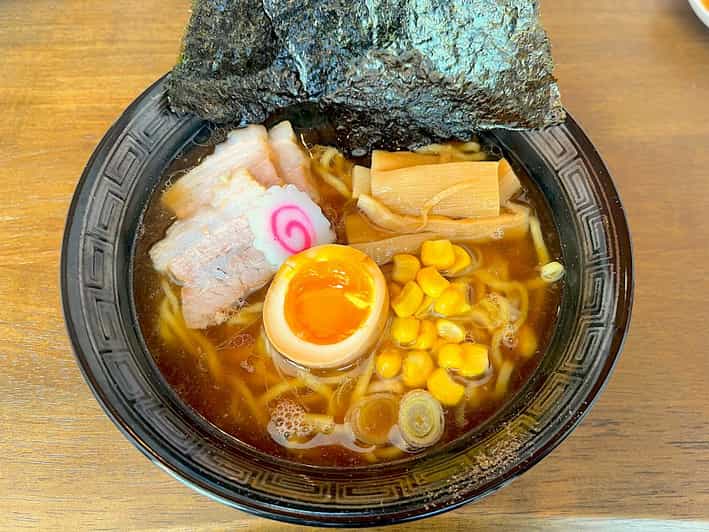
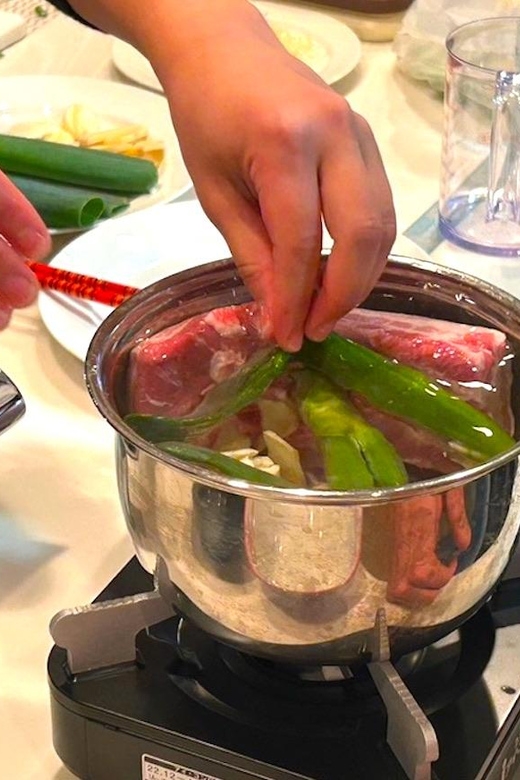
The ramen portion focuses on the elements that make the bowl satisfying. You learn how to prepare flavorful soup and work with chashu, the tender pork belly commonly served on ramen.
This is useful because ramen can look simple but is built from several parts. The soup, pork, noodles, and toppings must come together at the right time. The instructors help coordinate the process so you can cook and eat without feeling hurried.
Some preparation is done before class to fit the dish into the three-hour schedule. That is worth understanding before you arrive. You are learning the method and handling important steps, but you are not watching a complete restaurant kitchen reproduce every stage from a raw ingredient to a finished bowl.
The tradeoff is sensible. Without advance preparation, the class would either become much longer or leave you eating very late. You still get practical instruction on the broth and chashu, while the timing stays manageable for a holiday afternoon.
The ingredient quality is treated as part of the lesson. Fresh ingredients are brought in from Toyosu Market, according to the class information, which helps explain why the final meal feels more substantial than a basic demonstration dish.
I would pay close attention to substitution advice here. The recipe booklet includes tips for finding similar ingredients overseas, so you can try the ramen again after returning home. That is more useful than a recipe filled with items you can only buy in one Tokyo market.
Nigiri sushi by hand

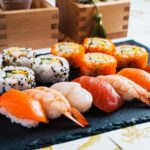
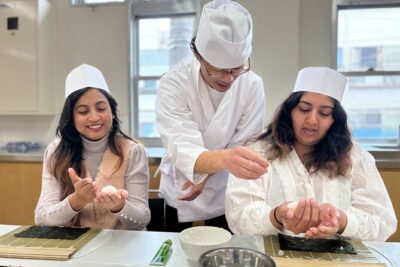
The sushi lesson introduces the origins of sushi before moving into preparation. You use the provided ingredients and tools to shape nigiri by hand.
Nigiri looks neat when it arrives at a restaurant, but the basic form depends on touch, proportion, and gentle handling. The instructors guide you through the process rather than expecting you to know how firmly to press the rice or how to place the topping.
This is a good part of the class for beginners. You are not judged on perfect restaurant presentation. The goal is to understand how the pieces are formed and why the rice and topping need to work together.
The historical context adds value. Sushi is not treated as a generic Japanese food, and the class explains how the dish developed. That background helps you notice more on later restaurant visits, especially the difference between hand-shaped nigiri and other forms of sushi.
You also get ingredient and technique tips that are meant to travel well. The class cannot turn a first-time cook into a sushi chef in one afternoon, but it can give you enough confidence to practice at home.
How the ramen and sushi timing works
A two-dish class can easily become chaotic. Here, the ramen and sushi work is arranged so you have time to cook, listen, taste, and sit down for the meal.
You will switch between tasks rather than spend three straight hours on one recipe. That makes sense for ramen, where broth and pork need attention, and sushi, where the final shaping is best done closer to eating.
The class includes time to relax and enjoy what you have prepared. The meal is described as generous, so come hungry, but do not assume you must finish every serving. The food is the main reward for the work, and the relaxed meal also gives you time to ask questions.
The small format is important here. With up to eight participants, the instructor can correct your technique and answer questions. Some sessions have been even smaller, creating a private lesson feel, but you should book with the expectation of a small shared class rather than guaranteed one-on-one instruction.
Other cooking classes in Tokyo
Sake tasting with a sommelier
The sake portion includes three premium Japanese sakes selected by a certified sake sommelier. One instructor is from a sake brewing family, adding a personal connection to the subject when that instructor is leading your session.
The tastings are paired with the food rather than treated as a separate bar stop. This gives you a chance to notice how sake works with sushi and ramen, and to compare different bottles instead of drinking a single generic serving.
Beer is also available in some sessions, but the dependable inclusion is the three-sake tasting. If you do not drink alcohol, confirm the arrangements before booking, since the class is built around sake pairing and the activity is not suitable for vegans or vegetarians.
You do not need to be a sake expert. The useful part is having someone explain the choices in plain terms while you taste. For many people, this is the piece that changes sake from an unfamiliar drink into something they can order with more confidence.
The instructors and the atmosphere
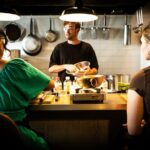
The instructors are English-speaking Japanese hosts. Names associated with the classes include Sato, Haruko, Risa, Alex, Misa, and Luna, though the exact team may vary by date.
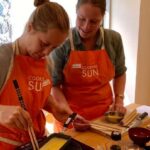
The strongest feature of the teaching style is the personal welcome. The class is designed to help beginners, and the instructors use explanations, demonstrations, questions, and hands-on practice rather than leaving you to work out each step alone.
Families can find the format especially appealing. Children and adults can work together, and the cooking gives everyone a role. Couples also get a shared activity that is more engaging than simply booking another meal.
Solo visitors should not feel out of place. A small class provides an easy way to meet people, and the cooking tasks give you natural conversation starters. At the same time, the session can feel intimate when attendance is low.
The class is not built for quiet observation. You will handle ingredients, shape sushi, work through ramen steps, and take part in the tasting. If you want a polished show with no mess, choose a restaurant meal instead.
What you take home
The recipe booklet is one of the most useful extras. It includes instructions for ramen, gyoza, and sushi, even though this class focuses on ramen and nigiri sushi.
That broader set of recipes gives the experience a longer life. You can practice the dishes at home, compare your results with what you made in Tokyo, and try substitutions suggested for cooks outside Japan.
You also receive high-quality souvenir chopsticks. They are a small gift, but a practical one. Unlike a decorative souvenir that goes into a drawer, chopsticks can bring the memory back to the table.
I would take notes on ingredient names and ratios while the instructor explains them. The booklet gives you the framework, while the live tips often address the problems that recipes cannot predict, such as texture, handling, and timing.
Who should book this experience
This class is a strong choice if you love Japanese food and want more than a restaurant meal. It suits first-time cooks, confident home cooks, couples, families, and solo visitors.
It is also useful for a short Tokyo stay. Three hours gives you a full activity without taking an entire day away from sightseeing. The Tsukishima location works well with visits to Ginza, Tsukiji, Tokyo Station, or teamLab Planets.
Book it if you value direct contact with local instructors, a small class, and food you can try to recreate. The cultural explanations and sake tasting add more than a standard cooking tutorial.
Think twice if you are vegetarian or vegan, dislike pork, do not drink alcohol, or want a class focused on one dish in extreme technical detail. You may also prefer a simpler food tour if you would rather eat than cook.
Cancellation is flexible up to 24 hours before the activity for a full refund, and you can reserve now and pay later. Starting times vary, so check the available schedule against your sightseeing plans.
Should you book the ramen and sushi class?
I would book this class if you want a warm, hands-on afternoon that combines food, culture, and useful take-home skills. The best reasons are the small group, the patient English-speaking instruction, the fresh ingredients, and the chance to make two major Japanese dishes in one sitting.
The $129 price makes sense when you count the meal, sake tasting, ingredients, instruction, booklet, and souvenirs. It is less attractive if your priority is simply finding the lowest-cost lunch in Tokyo.
For a family, couple, or solo visitor who enjoys trying things directly, this is a well-balanced choice. Just arrive early, wear practical clothing, and keep your expectations realistic: some ramen preparation happens in advance, but you still get plenty of cooking, guidance, tasting, and cultural context.
FAQ
Where is the cooking class held?
The class is held on the second floor of HAUS Tsukishima at 2-13-5 Tsukuda, Chuo-ku, Tokyo 104-0051.
How do I reach the meeting point by train?
The venue is a five-minute walk from Exit 4 of Tsukishima Station, also marked Y21.
How long does the class last?
The cooking class lasts three hours. Starting times vary, so check availability for your chosen date.
What food will I learn to make?
You will learn to make ramen, including soup and chashu pork, and hand-form nigiri sushi. A recipe booklet also includes recipes for gyoza, ramen, and sushi.
Is the class taught in English?
Yes. The class is led by English-speaking instructors.
Is sake included?
Yes. The experience includes a tasting of three premium Japanese sakes selected by a certified sake sommelier.
Is the class suitable for vegetarians or vegans?
No. The activity is not suitable for vegans or vegetarians.
More Cooking Classes in Tokyo
More Cooking Classes in Tokyo
More Sushi Making Classes in Tokyo
More tours in Tokyo we've reviewed










Sushi Making Classes, compared.
 ★ 5.0Sushi Making Tokyo Roll and Authentic Japanese Sushi ClassFrom $59
 ★ 4.9Tokyo: Roll and Authentic Sushi Making Class in AsakusaFrom $581h 40m
 ★ 5.0Make Sushi and Create Unforgettable Memories in TokyoFrom $79
 ★ 4.9Tokyo: Sushi Making Class in a Happi Coat near a Famous SpotFrom $421h 30m
 ★ 5.0Tokyo Sushi Making Class in Tsukiji with Professional ChefFrom $49
 ★ 5.0Tokyo Night Foodie Tour in Shinjuku – Seasonal Sushi, Wagyu BeefFrom $111