
Reviewed · GINZA TOURS
Ginza, Tokyo: Sake Experience with traditional vessels
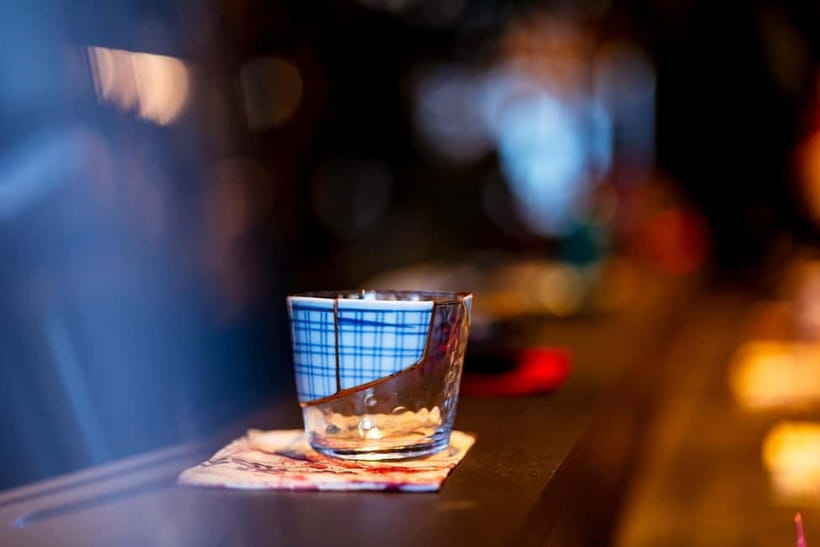
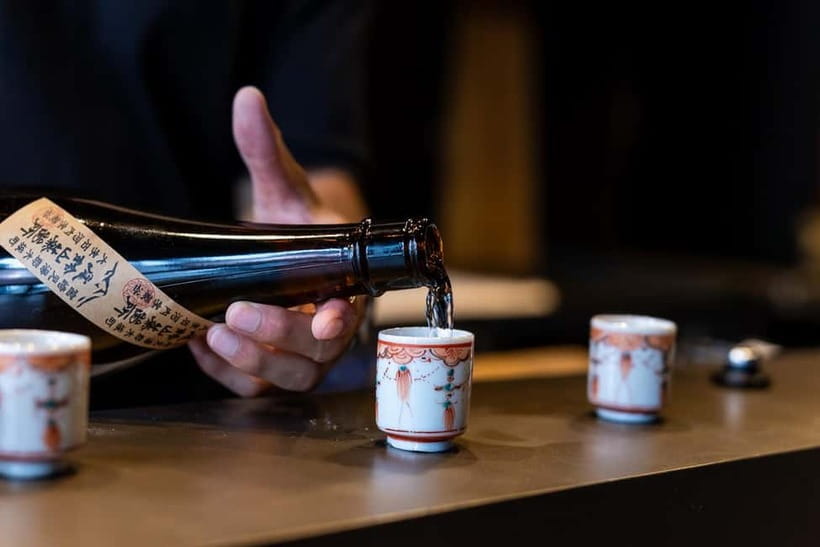
The clever part of this Ginza experience is that it treats the serving vessel as part of the tasting. You’ll try three types of sake, then see how a wine glass or KINTSUGI vessel made with 400-year-old Imari porcelain can change the way the drink feels and smells.
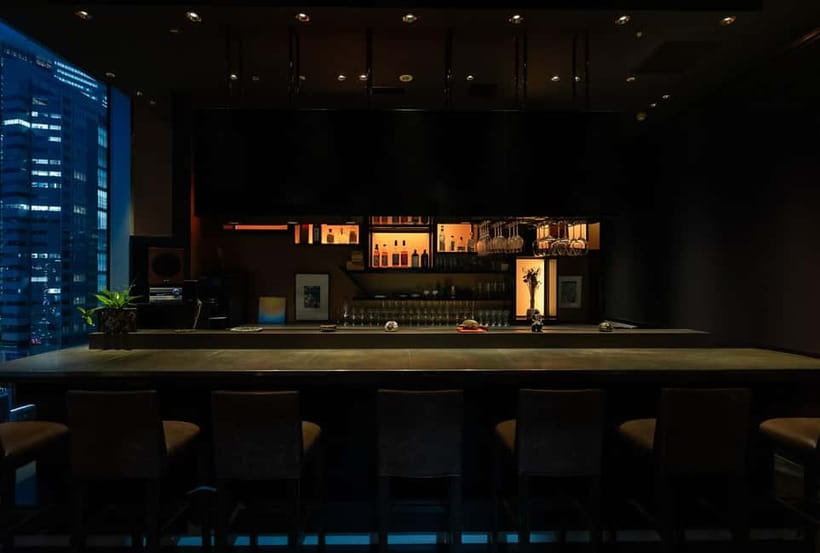
I like the small group, limited to seven people, and the chance to ask practical Tokyo questions while you sip. I also like the setting: JIDAI is on the 11th floor of JEWEL BOX GINZA, with a view toward Tokyo Bay. The main drawback is simple: three tastings may feel brief if you already know sake or want a full evening of drinks and food.
In This Review
- Key points to know before booking
- Why the vessels matter as much as the sake
- What happens when you arrive in Ginza
- The three-pour tasting, explained simply
- Learning from Hiyori, Nana, and Rireka
- The Tokyo Bay view and Ginza atmosphere
- Is $22 good value?
- Who should choose this experience?
- How to make the most of your visit
- Should you book the Ginza sake tasting?
- FAQ
- Where is the sake experience located?
- How much does the experience cost?
- How many types of sake are included?
- Are the serving vessels included?
- Is the experience offered in English?
- How many people can join the group?
- Are food and extra drinks included?
- Is the experience wheelchair accessible?
- Can I cancel or pay later?
Key points to know before booking
- Three sakes, three serving ideas: You compare sake styles while learning why some work better in wine glasses and others in traditional vessels.
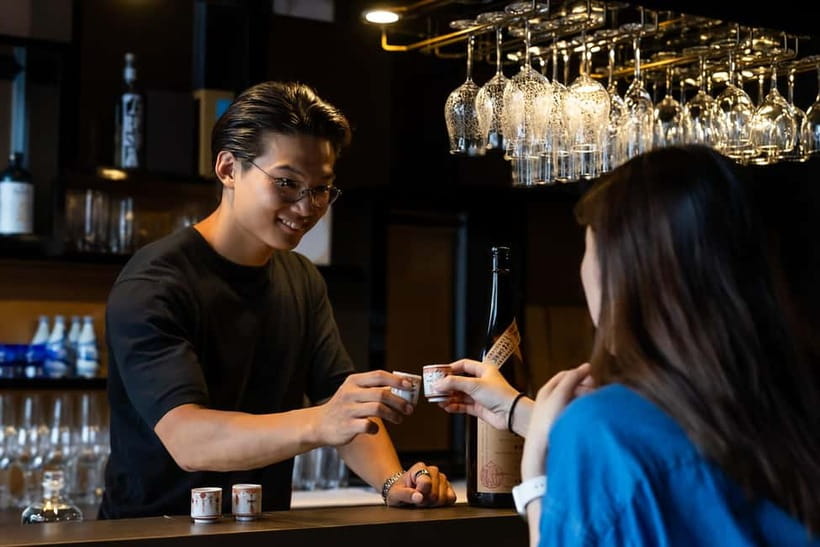
- A small English-speaking group: With a maximum of seven people, you can ask questions without shouting across a crowded room.
- KINTSUGI and old Imari porcelain: One tasting uses a vessel connected with Japanese craft and a 400-year-old porcelain tradition.
- High-floor Ginza setting: Find JIDAI on the 11th floor of JEWEL BOX GINZA, recognizable by the Swarovski store on the first floor.
- Hosts who offer Tokyo advice: Hiyori, Nana, and Rireka are among the staff praised for friendly explanations and useful local suggestions.
- A $22 introduction to sake: The price is fair for three pours, bilingual guidance, and a distinctive setting, but extra drinks and snacks cost more.
Why the vessels matter as much as the sake
Many first-time sake tastings focus only on the liquid. This one adds a useful question: how should you serve it?
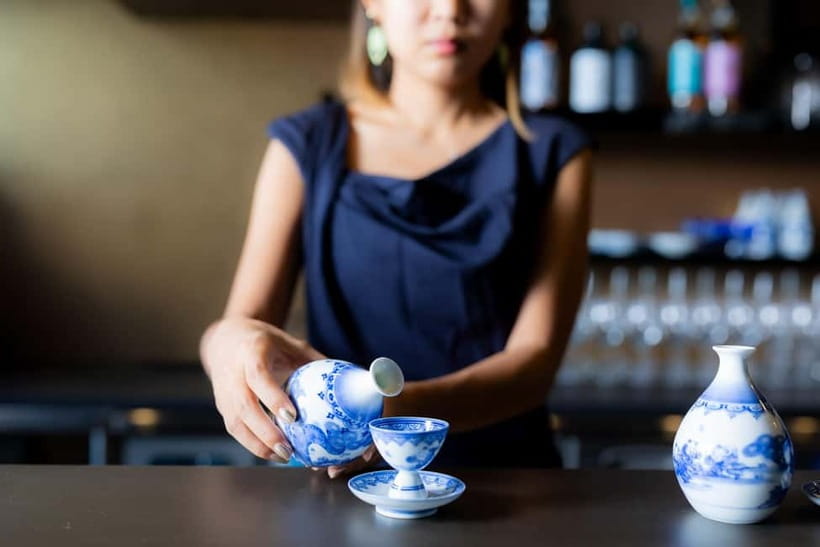
At JIDAI, each of the three selected sakes comes with a vessel chosen to suit its character. Some are served in wine glasses, which may help you notice aroma and give the tasting a familiar shape if you already drink wine. Others use KINTSUGI, connected here with 400-year-old Imari porcelain.
That makes the experience more than three small samples at a bar. You get a simple lesson in how Japanese drinking culture uses shape, material, and presentation. I find this especially useful if sake menus usually leave you guessing. Instead of trying to remember a long list of rice varieties or brewing terms, you can start with what is in front of you.
The vessel does not turn every sip into a revelation, of course. Your own taste still matters, and three samples cannot represent all of Japan’s sake. But the format gives you a practical starting point. You leave with a better sense of what to notice when a restaurant hands you a sake menu.
A few more Tokyo tours and experiences worth a look

What happens when you arrive in Ginza
JIDAI is in Ginza, one of Tokyo’s most polished and accessible districts. The meeting point is the 11th floor of the JEWEL BOX GINZA building. Look for the Swarovski store on the first floor, then head upward.
That direction matters because a high-rise Ginza building can be easy to miss if you expect a street-level bar. I would allow a little extra time to identify the building and reach the correct floor, especially if you are arriving after a long day of sightseeing.
The setting gives the tasting a clear sense of place. You are not in a rural brewery or a traditional wooden house. You are in central Tokyo, in an elegant district, looking out from a high floor toward Tokyo Bay. That contrast is part of the appeal: old porcelain and traditional drink culture meet modern Ginza.
The activity is listed as valid for one day, with starting times shown according to availability. Since the exact time is not fixed in the information provided, check the booking calendar before planning dinner or another evening activity.
The three-pour tasting, explained simply
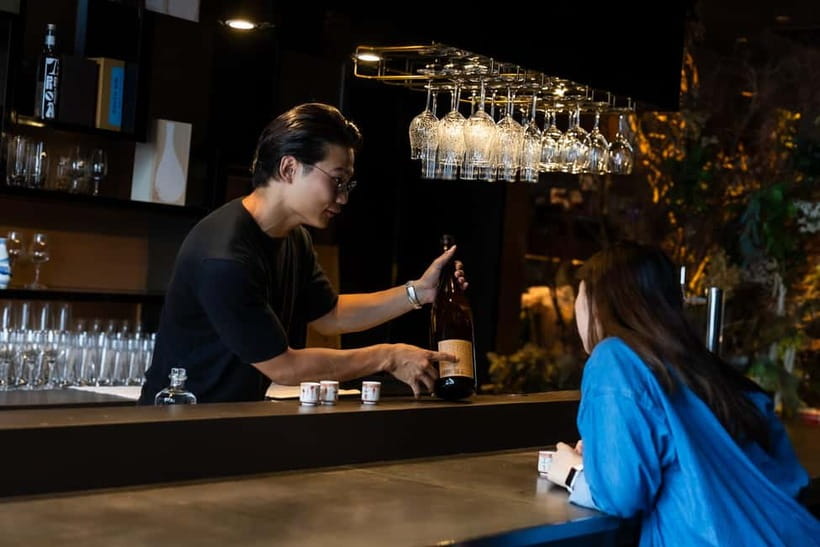
The staff select three sakes suited to a first-time tasting. You are not asked to make a difficult choice from 1,500 breweries at the start. Instead, the staff guide you through a small flight designed to show differences.
Japan has about 1,500 sake breweries, and each one makes sake with ties to its local region and culture. That figure gives you useful context, but it also explains why a beginner can feel lost. A short tasting with an English-speaking host helps you begin without turning the evening into a lecture.
Expect the focus to be on flavor, serving style, and the background of sake making. The hosts explain the process and the role sake has played in Japanese culture. Hiyori and Nana were singled out for clear explanations about how sake is made, while Rireka was praised for being helpful and friendly.
I would use the first pour to settle into the format rather than rush to decide which sake you like best. Notice the vessel, the aroma, and how the drink feels on the palate. With only three samples, you have enough variety for comparison but not enough to become tiring.
One limitation is that the included tasting does not cover additional glasses, other drinks, or snacks. If you want a full meal or a longer night at the bar, budget separately. The experience works best as an introduction or an early evening stop, not as a complete dinner plan.
Learning from Hiyori, Nana, and Rireka
The staff are central to the value of this activity. English is the listed language, and the hosts explain the sake’s background while answering questions about Japanese customs.
Hiyori and Nana received particularly warm praise for explaining sake production and making the process easy to follow. Rireka was also noted for offering helpful advice and being pleasant to talk with. You may not meet all three on your visit, since staff assignments can vary, but the experience is designed around bilingual assistance.
This personal guidance is valuable in a small group. A large tasting can give you facts, but it may leave little room for your own questions. With a maximum of seven participants, you have a better chance to ask about the drink in your glass, serving customs, or places to visit next.
The staff also act as a local concierge. You can ask for travel tips and recommendations to improve the rest of your time in Japan. The information provided does not promise a particular list of recommendations, so do not book this solely for a specific restaurant or sightseeing tip. Think of the conversation as a useful extra, especially if you are still shaping your Tokyo plans.
The Tokyo Bay view and Ginza atmosphere
The view is an important part of the setting, though the activity remains a tasting first. From the bar, you can look toward Tokyo Bay while trying the sake. A high-floor view gives the session a pause from street-level Tokyo.
I like this because sake can be served in many settings, from casual izakaya counters to formal meals. Here, the surrounding mood is more polished. Ginza is known for luxury and easy access, so the location suits an evening when you want something calm and well presented.
Do not treat the view as a guaranteed sightseeing panorama in the same way you would treat a dedicated observation deck. The attraction is the combination of the view, the bar, the vessels, and the instruction. If you want a long look at Tokyo Bay, plan a separate stop.
The atmosphere also makes this a good choice for couples, solo visitors who enjoy guided conversation, and small groups with different levels of sake experience. It offers enough structure for a beginner without requiring you to spend an entire night at a formal tasting.

Is $22 good value?
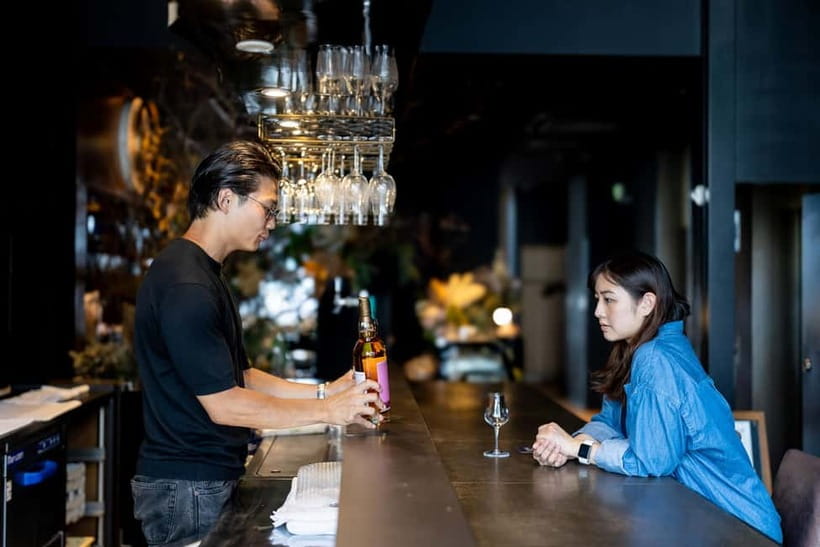
At $22 per person, the price is reasonable for three sake samples, the English-speaking guidance, and access to a distinctive high-rise setting in Ginza. You are paying for more than the alcohol itself. The vessel comparison and personal explanation are the parts that make the price worthwhile.
The value is strongest if you are new to sake. A beginner can taste several examples, learn the basic story behind the drink, and get an idea of how presentation affects the experience. The staff’s Tokyo suggestions add another small benefit.
The price is less attractive if you already know exactly what styles you like or want generous pours. Three types are enough for a lesson, but not for a long drinking session. Since snacks and extra drinks are not included, make a separate plan for food.
I would also compare the cost with what you might pay for three individual drinks at a Ginza bar. The difference here is the instruction and the use of specific vessels. If those details interest you, $22 is a sensible introduction. If you only want alcohol with a view, you may prefer to choose a bar on your own.
Who should choose this experience?
This tasting suits you best if you want a clear first step into sake. You do not need prior knowledge, and the staff select the three pours rather than asking you to navigate a long menu.
It is also a good match if you enjoy Japanese crafts and presentation. The KINTSUGI vessel and old Imari porcelain add cultural interest without requiring a museum visit or a long formal tour.
The small group helps if you prefer conversation to a loud, crowded bar. It also gives you a chance to ask for Tokyo suggestions while you are already speaking with English-speaking staff.
I would be more cautious if you want a full evening with food, many pours, or a brewery visit. This is a compact tasting at a Ginza bar. Its strength is focus, not scale.
The provider lists the activity as unsuitable for children under 18 and for pregnant women. It also lists people with claustrophobia, heart problems, vertigo, respiratory issues, epilepsy, diabetes, colds, haemophilia, kidney problems, high blood pressure, recent surgeries, other pre-existing medical conditions, children under 33 pounds or 15 kilograms, and people with lactose intolerance. Since this is an alcohol experience, check the restrictions carefully before booking and ask the provider if you are unsure about your situation.
The activity is wheelchair accessible. That is useful, but the building route and exact facilities are not described in the available information, so contact the provider if you need specific access details.
How to make the most of your visit
Arrive with a few questions ready. Ask what makes the three sakes different, why each vessel was selected, and how the serving method changes the experience. Those questions fit the format and help you get more from the short tasting.
Keep your schedule flexible afterward. The tasting itself is listed as a one-day activity with times based on availability, but no exact duration is provided. Since extra drinks and snacks are separate, you can follow it with dinner elsewhere in Ginza.
I would also avoid treating the three samples as a final verdict on sake. Japan’s breweries produce drinks rooted in different local cultures, and three pours offer only a small window. Use this experience to learn what you enjoy, then try another style during your trip.
The booking terms are friendly for uncertain plans. You can reserve now and pay later, and cancellation is free up to 24 hours in advance for a full refund. That flexibility is helpful in Tokyo, where weather, jet lag, and changing sightseeing plans can affect an evening.
Should you book the Ginza sake tasting?
Book it if you want a small, guided introduction to sake with a polished Ginza setting and a view toward Tokyo Bay. The strongest reasons are the vessel comparison, the English-speaking hosts, and the chance to ask practical Tokyo questions.
Skip it if your priority is a full meal, a long list of pours, or a visit to a working brewery. At $22, the experience offers good value for beginners, but its purpose is education and comparison, not a night of unlimited drinking.
For most first-time sake drinkers, I think it is a smart early-trip activity. You will learn enough to make better choices at later restaurants and bars, while the traditional vessels give you a detail that many ordinary tastings leave out.
FAQ
Where is the sake experience located?
JIDAI is on the 11th floor of the JEWEL BOX GINZA building in Ginza, Tokyo. The Swarovski store is on the first floor and can help you identify the building.
How much does the experience cost?
The listed price is $22 per person.
How many types of sake are included?
You receive three types of sake selected for a first-time tasting.
Are the serving vessels included?
Yes. The tasting includes specific vessels for each sake, including wine glasses and KINTSUGI using 400-year-old Imari porcelain.
Is the experience offered in English?
Yes. English-speaking bilingual staff provide the instruction and explain sake’s history and culture.
How many people can join the group?
The group is limited to seven participants.
Are food and extra drinks included?
No. Additional glasses of sake, other drinks, and snacks are not included.
Is the experience wheelchair accessible?
Yes, the activity is listed as wheelchair accessible.
Can I cancel or pay later?
You can reserve now and pay later. Cancellation is free up to 24 hours in advance for a full refund.
More Ginza Tours in Tokyo


More tours in Tokyo we've reviewed



Ginza Tours, compared.
 ★ 4.8Chopstick Making Workshop in GinzaFrom $251 hour
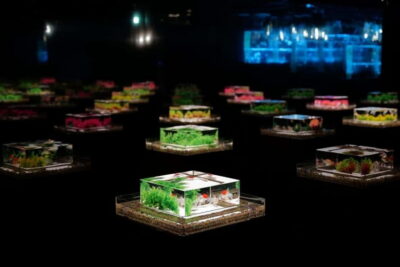 ★ 4.5Tokyo: Art Aquarium Museum GINZA Entry TicketFrom $171 day
 ★ 4.5Official Japan Go-Kart Through Tokyo Bay / Ginza (IDP Required)From $85
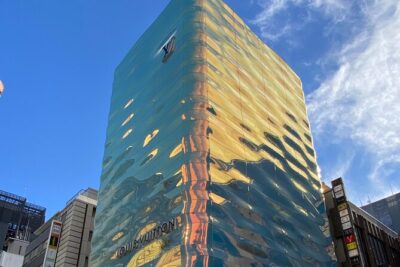 ★ 5.0Private Ginza Architecture Walking TourFrom $132
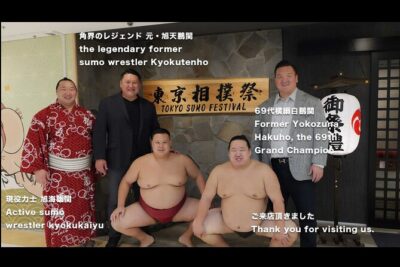 ★ 4.5【SUMO FESTIVAL】Tokyo Ginza: Sumo Show & Photo ExperienceFrom $63
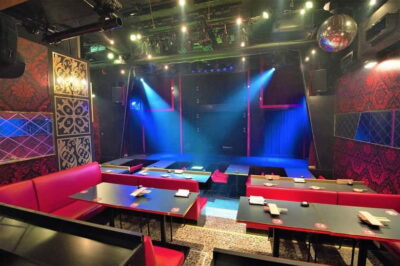 ★ 4.8Tokyo GINZA: KONPARU Japanese Cabaret Show with DrinkFrom $502 hours