
Reviewed · SHINJUKU TOURS
Wagyu & Sake Pairing in Shinjuku – Steak, Shabu-Shabu & More
The clever part of this Shinjuku dinner is the pairing work. You do not simply eat premium beef and drink sake on the side. Each wagyu course arrives with a different style of sake, from warm sake to nigori, unpasteurized sake, and original cocktails. The meal becomes a guided lesson in how preparation and drink can change the flavor of beef.
I like the small group limit of eight, which gives the host room to explain unfamiliar cuts and answer questions. I also like the range of cooking styles, from grilled beef tongue and tataki to sirloin steak, hotpot, and dashi udon. You get more variety than you likely would by ordering dinner for yourself.
The main drawback is the setting. One rating describes a small area at the back of a bar, with six people sitting quite close together. At $148.65 per person, this is not a casual budget meal, and vegetarians, vegans, and people needing gluten-free food have limited options.
In This Review
- Key points to know before booking
- Why this Shinjuku dinner is more than a steak meal
- The sample menu, from beef tongue to sake dessert
- What you learn about wagyu and sake
- How the small table shapes the evening
- Is $148.65 a fair price?
- Practical details for your evening
- Who will enjoy this experience most?
- Should you book this wagyu and sake dinner?
- FAQ
- Where does the wagyu and sake experience begin?
- What time does the experience start?
- How long does the dinner last?
- How many people can join?
- What food and drinks are included?
- Can dietary restrictions be accommodated?
- Can I cancel for a full refund?
Key points to know before booking
- A full wagyu course replaces ordinary dinner: Expect appetizers, several beef dishes, udon, and dessert over about three hours.
- Every wagyu dish has a sake match: The pairings include aged and fermented sake, warm sake, nigori, unpasteurized sake, and sake cocktails.
- You learn how Japanese beef is graded: The host explains what separates wagyu from other beef and how regional differences matter.
- The group is capped at eight people: This suits you if you want conversation and personal attention rather than a large food tour.
- Hosts make a real difference: Joe, Andrea, Chi, Tadashi, and Miyuki have all led this experience, with particular praise for clear explanations and friendly conversation.
- Food restrictions need advance notice: Send requests at least one week before the date. Last-minute changes cannot be handled.
Why this Shinjuku dinner is more than a steak meal
Wagyu and sake are both easy to order badly if you do not know the menu. Wagyu may appear in cuts and preparations you have never tried, while sake ranges from light and dry to cloudy, warm, aged, or richly fermented. This experience gives you a useful framework before the plates begin arriving.
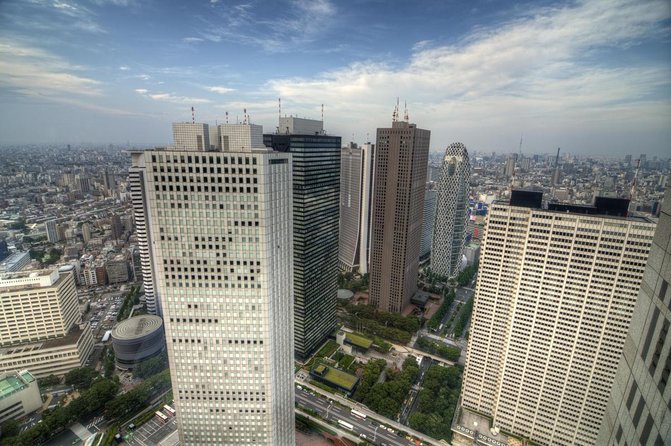
You start at Ushinobi Shinjuku, inside the NSK Building at 1-chōme-22-1 Hyakuninchō. The meeting time is 6 pm, and the activity returns to the same place. Since the restaurant is near public transportation, it works well as an evening plan in Shinjuku without requiring a long transfer across Tokyo after dinner.
The opening drink is an aperitif made with a Japanese drink. As you settle in, the host talks through the background, importance, and regional differences of wagyu and sake. This early explanation matters because it gives you something to watch for once the meal starts. You are not just told that one cut is special. You learn to connect the cut, cooking method, fat, texture, and drink.
A few more Tokyo tours and experiences worth a look

The sample menu, from beef tongue to sake dessert
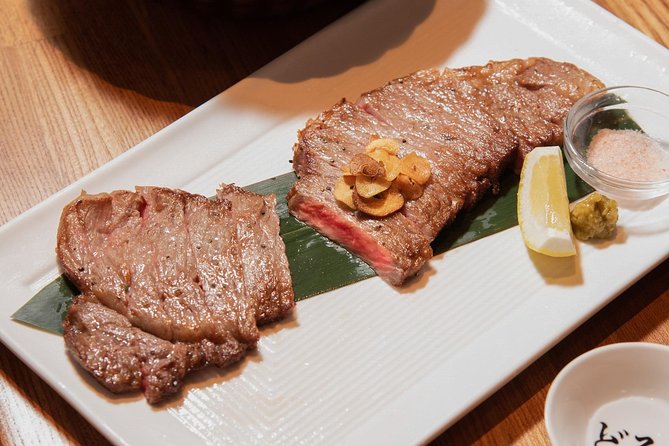
The exact menu can change, since the restaurant sources different wagyu from different parts of Japan and serves the best cuts available for that date. Still, the sample menu gives you a clear idea of the meal’s size and rhythm.
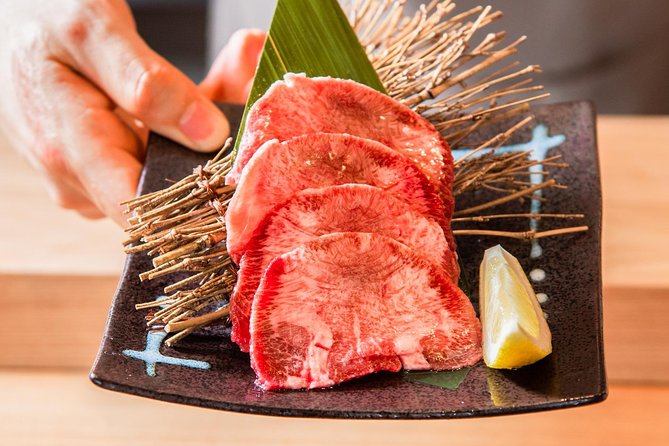
You begin with two appetizers. These provide a gentle start before the richer beef courses arrive, and they help turn the evening into a full dinner rather than a quick tasting. The menu then moves into grilled wagyu beef tongue, paired with an original sake cocktail.
Beef tongue is a useful early course because it has a different bite from a tender steak. The sake cocktail adds a less traditional touch and shows that sake does not have to arrive in a small porcelain cup. If you enjoy learning through contrast, this is one of the more interesting pairings in the meal.
Next comes wagyu chuck flap tataki with warm sake. Tataki keeps the beef close to its natural texture, while warm sake gives the pairing a different feel from a chilled pour. The host can explain why the same beef might taste different when served with a change in temperature and preparation.
A seasonal salad follows, offering a pause before the richest courses. Then comes wagyu sirloin steak with nigori. Nigori is cloudy, unfiltered-style sake with a softer and often fuller character than clear sake. It is an especially useful match to try with richly marbled meat because the texture of the drink changes the overall impression of the course.
The wagyu chuck hotpot arrives with unpasteurized sake. This is the shabu-shabu-style part of the experience, where preparation becomes part of the fun. You may get to help prepare and cook the food, though the precise level of participation can depend on the evening and the chef. It gives you a more active meal than a steak simply placed in front of you.
After the beef, wagyu dashi udon brings the savory flavors into a noodle course. It is a practical touch: the meal does not stop at premium cuts, but uses Japanese soup and noodles to give the dinner a different finish before dessert.
Dessert comes with sake and a surprise. The final pairing keeps the tasting theme going instead of treating dessert as an unrelated afterthought.
What you learn about wagyu and sake
The educational part is not filler between plates. You get an explanation of the wagyu grading system, including the points that distinguish Japanese beef from other beef. That context helps you understand why a cut costs more and why marbling alone does not tell the whole story.
The host also explains how sake is made. You can expect the conversation to cover different sake styles and how they are served. Several people have singled out aged sake and fermented sake as memorable parts of the evening, so this is not limited to the most familiar clear, chilled varieties.
Joe has been praised for being easy to understand, especially for English speakers, and for offering practical suggestions about buying sake during the rest of your trip. That kind of advice can be more useful than a long lecture. If you find a bottle or menu you cannot decipher later, you have a better sense of what to ask for and what style might suit your meal.
Tadashi has also led the dinner, explaining both the wagyu grading system and sake production while allowing participants to prepare and cook some of the food. Chi has been described as engaging during a first taste of aged and fermented sake. Andrea has received praise for guiding the tasting and helping create a sociable table, while Miyuki has been noted for being welcoming and clear about the beef.
The host may change, so do not book based on one specific person unless the operator confirms who will lead your date. The consistent value is the format: a host, a chef, multiple beef preparations, and sake matched to each course.
How the small table shapes the evening
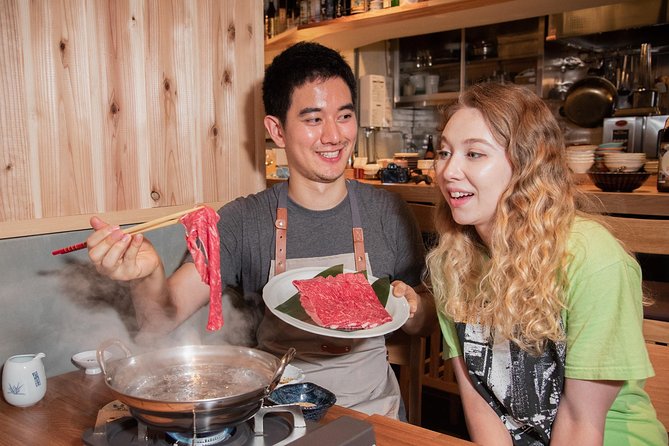
The group limit is eight people. That is large enough for the shared table to feel social but small enough for questions to reach the host. Several people have attended in groups of six, which is close to the maximum without being a packed tour.
A shared dinner has two sides. You get conversation with people from other places, and the food arrives in a sequence designed for the whole table. That can be more enjoyable than sitting alone with one cut of beef, particularly when the host encourages discussion about flavors and preparation.
The tradeoff is space. The restaurant area used for the experience can feel tight, especially when the table is full. One account found six people sitting close together in a small section at the back of the bar. If you need lots of personal space or a quiet, formal restaurant setting, this may not suit you.
The mood appears to lean casual and social rather than ceremonial. Some hosts have been praised for warm conversation and humor. One person had a less welcoming first impression and felt the price called for a more polished setting. I would book this for the food and teaching, not for a spacious dining room or formal service.
Is $148.65 a fair price?
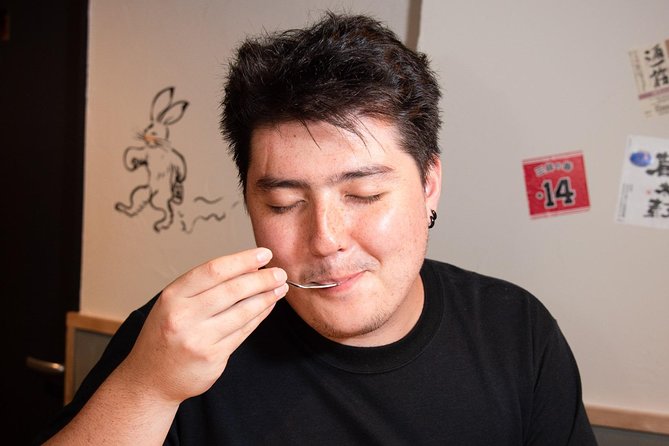
At $148.65, this is a serious dinner purchase. The price includes the full-course meal and the sake pairings, but additional drinks such as beer cost extra. You should think of it as a combined dinner, tasting, and short food class.
The value improves if you would otherwise order several wagyu dishes and several sake styles on your own. A normal restaurant menu may give you one cut, one cooking method, and a single drink choice. Here, you sample many parts of the meal, including beef tongue, chuck flap, sirloin, hotpot, udon, appetizers, and dessert.
The sake alone may make the price reasonable for someone eager to compare unusual styles. The dinner includes different serving methods and original cocktails designed for wagyu, not just repeated pours of one bottle. You also leave with practical food and sake advice for the rest of your time in Japan.
The value is weaker if you do not drink sake, want only a large steak, or dislike sharing a table with people you have just met. Additional beer and other drinks are not included, so your bill can rise if you want alternatives or extras.
Portions appear generous. You should arrive hungry, since this is intended to replace dinner rather than act as a small pre-meal tasting. The sequence of courses also means you can try a broad range without having to choose between cuts.





Practical details for your evening
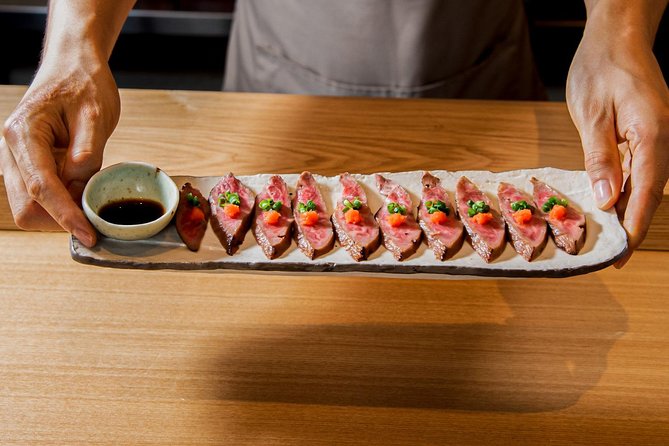
The experience lasts about three hours and begins at 6 pm. That gives you a set evening plan, but it also means you should avoid booking another fixed activity soon afterward. The meal has several courses and explanations, so rushing away would work against the format.
The start and finish are both at Ushinobi Shinjuku, Wagyu & Sake, in the NSK Building. The listed address is 201, 1-chōme-22-1 Hyakuninchō, Shinjuku City, Tokyo 169-0073. You receive confirmation when booking, and a mobile ticket is available.
Most people can participate, and the location is near public transportation. The provided information does not describe special accessibility arrangements, so contact the operator if you have mobility needs that require specific confirmation.
Food restrictions need planning. Message the operator at least a week before the date. Vegan, vegetarian, and gluten-free options are limited, and last-minute food requests cannot be accommodated. This is especially important because the meal is built around wagyu and a fixed sequence of courses.
Free cancellation is available until 24 hours before the start time for a full refund. Changes or cancellations made inside that window are not accepted for a refund, with cut-off times based on Tokyo local time.
Who will enjoy this experience most?
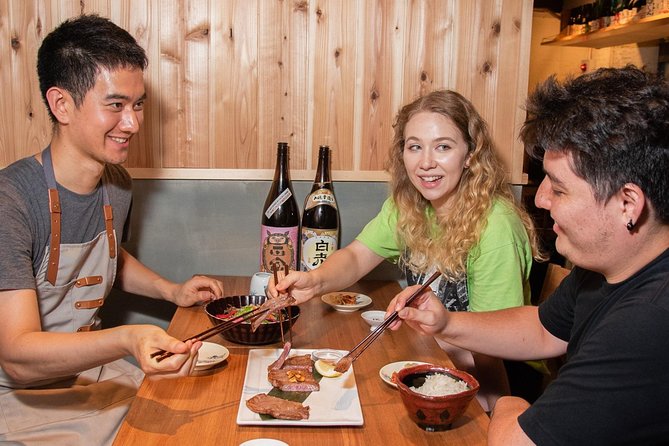
I would choose this dinner if you are visiting Japan for the first time and want help making sense of wagyu and sake. It is also a strong choice if you enjoy tasting menus, want to compare several cuts, or prefer a host-led meal to a standard restaurant reservation.
It suits couples, solo diners, and small groups who are comfortable meeting other people over dinner. The shared table can add a pleasant social element, and the maximum of eight keeps the evening from becoming a large group production.
Food-focused visitors who want to continue exploring Tokyo will get extra value from the menu help and sake-buying tips. You are learning what to look for beyond this one dinner.
I would hesitate if you want a quiet romantic meal, a roomy restaurant, or full control over every dish. I would also hesitate if your diet cannot accommodate the limited alternatives. The operator can sometimes make allergy accommodations, as one dinner did for a member of a party, but you must ask well in advance and should not assume every request can be met.
Should you book this wagyu and sake dinner?
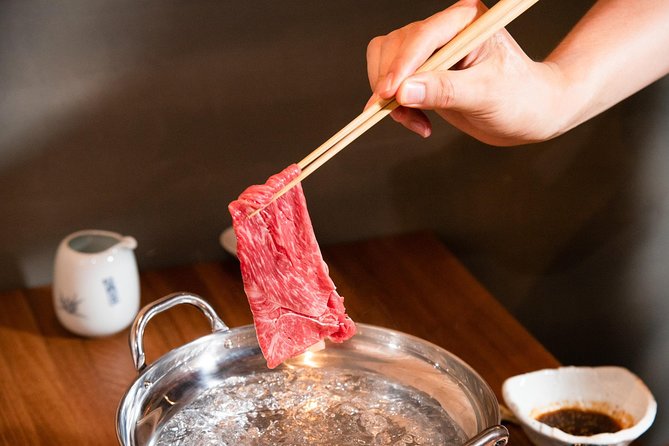
Book it if you want a substantial meal with instruction, variety, and a social table. The strongest reasons are the number of wagyu preparations, the sake matched to each dish, and the chance to understand what you are tasting instead of simply being told it is premium.
Skip it if $148.65 feels high for dinner, you do not enjoy sake, or a cramped setting would spoil the evening. For the right eater, this is a useful first step into two major Japanese food traditions, with enough food to count as one of the main meals of your Tokyo stay.
FAQ
Where does the wagyu and sake experience begin?
It begins at Ushinobi Shinjuku, Wagyu & Sake, in the NSK Building, 201, 1-chōme-22-1 Hyakuninchō, Shinjuku City, Tokyo 169-0073, Japan.
What time does the experience start?
The start time is 6 pm.
How long does the dinner last?
The activity lasts approximately three hours and ends back at the meeting point.
How many people can join?
The maximum group size is eight people.
What food and drinks are included?
A full-course wagyu meal and the sake pairings are included. Additional drinks, such as beer, are not included.
Can dietary restrictions be accommodated?
You should message the operator at least one week before the tour date. Vegan, vegetarian, and gluten-free choices are limited, and last-minute food requests cannot be accommodated.
Can I cancel for a full refund?
Yes. You can cancel at least 24 hours before the experience start time for a full refund. Cancellations or changes made less than 24 hours before the start time are not accepted for a refund.
More Shinjuku Tours in Tokyo

More tours in Tokyo we've reviewed




Shinjuku Tours, compared.
 ★ 5.0Tokyo: Shinjuku Food Tour (13 Dishes at 4 Local Eateries)From $86
 ★ 5.0Tokyo Bar Hopping Tour in Shinjuku (All-You-Can-Drink + Dinner)From $106
 ★ 4.9Tokyo: Shinjuku Food Tour (15 Dishes and 4 Eateries)From $853 hours
 ★ 5.0Best of Shinjuku: Izakaya Food Tour (4 Stops, 14+ Tastings)From $92
 ★ 4.9Tokyo: Shinjuku Local Bar and Izakaya Guided Walking TourFrom $343 hours
 ★ 5.0Tokyo Shinjuku Chopsticks Making ClassFrom $20