
Reviewed · SHINJUKU TOURS
Sake Tasting Masterclass in Shinjuku (8+ Varieties with a Pro)
The best part of this Shinjuku class is the chance to taste eight or more kinds of sake while learning how brewing methods, rice polishing, labels, and serving styles affect the glass in front of you. You are not just sampling drinks. You are building a useful guide to what you like.
I like the small maximum of eight people, which gives you room to ask questions, and I like the practical advice for ordering sake in restaurants or choosing a bottle in a shop. The main caution is simple: this is a generous tasting, and some people try nine or ten pours. Eat first, drink water, and pace yourself.
In This Review
- Key Points
- What This Shinjuku Sake Class Actually Teaches
- Tasting More Than Six Varieties
- From Rice and Brewing to the Label on the Bottle
- Snacks Show Why Sake Belongs at the Table
- The Small Group Makes the Class More Personal
- Meeting in Shinjuku and Planning the Afternoon
- The Guides Make a Noticeable Difference
- Is $72.29 a Fair Price?
- Who Should Book This Experience?
- Should You Book the Shinjuku Sake Masterclass?
- FAQ
- Where does the sake tasting take place?
- What time does the experience start?
- How long is the sake class?
- How many kinds of sake will I taste?
- Are snacks included?
- Is transportation included?
- How large is the group?
- Do I need previous sake experience?
- What is the minimum drinking age?
- Can I cancel for a full refund?
Key Points
- More than six sake varieties: Some sessions include nine or ten samples, giving you a broad look at sake styles.
- A real lesson, not just a bar crawl: You cover brewing, sake history, labels, tasting methods, and food pairing.
- Small-group format: The maximum is eight people, with some sessions becoming nearly private.
- Several praised guides: Max, Joe, Tadashi, Megan, Andrea, and Cassy are among the hosts singled out for warmth, humor, and clear instruction.
- Useful take-home confidence: You leave better prepared to order sake at dinner or buy a bottle in Japan.
- Two hours in Shinjuku: The class begins and ends at Ushinobi Shinjuku in the Nishishinjuku area, with beverages and snacks included.
What This Shinjuku Sake Class Actually Teaches
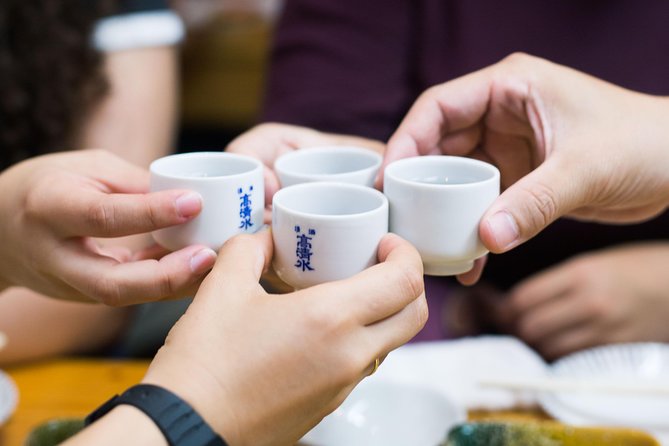
This is a two-hour introduction to sake led by a member of an international sake sommelier team. The format combines a short lesson with repeated tasting, so each new idea has a drink attached to it.
You begin with Sake 101. That includes the drink’s background, basic brewing techniques, the role of rice, and the information printed on a sake label. You do not need prior knowledge. The class is designed to help a beginner find a starting point, while still giving sake fans more precise terms for describing what they already enjoy.
The useful shift comes when sake stops being one large category. You learn to notice differences in aroma, sweetness, acidity, body, and finish. You also look at the distinction between traditional and more modern styles, along with the terms that help you choose a bottle with some confidence.
The exact order of the lesson and tastings may vary with the host and group. The central aim stays the same: sample enough variety to discover your own preferences, then connect those preferences to the labels and brewing details.
A few more Tokyo tours and experiences worth a look

Tasting More Than Six Varieties
The tasting is the heart of the experience. The official description promises at least six varieties, while several sessions have included nine or ten. That range matters because one or two samples can give you an impression of sake, but a wider flight shows how broad the category really is.
You create your own tasting chart as you go. This is a smart touch. Instead of trying to remember every sample after two hours, you can record which ones feel light, full, dry, sweet, crisp, or aromatic. You may also note the style you would order again.
The selection can include rare sake, according to the information provided about the experience. The point is not simply to present expensive bottles. It is to compare different types and help you identify a style that suits your palate.
This is also where the class can become a little much. Ten alcoholic samples in two hours is a serious amount for someone new to sake, even when the pours are tasting portions. One person found the information and volume overwhelming, while another noted that the group became noticeably intoxicated. That is not a reason to avoid the class, but it is a reason to treat it as a drinking activity rather than a casual lecture.
Have a proper meal beforehand and drink water during the class. You can learn more when you are not trying to catch up with the effects of the tasting.
From Rice and Brewing to the Label on the Bottle
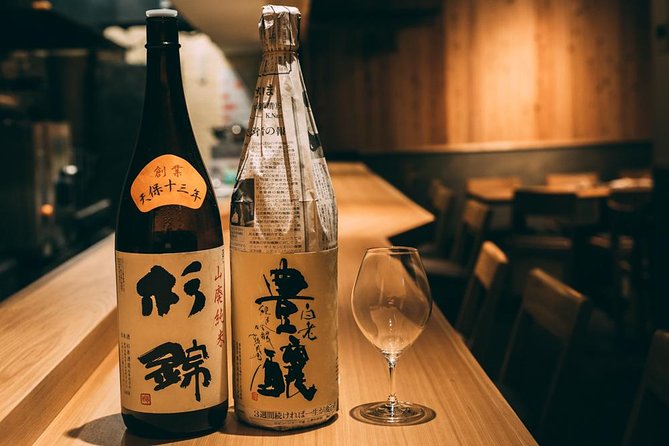
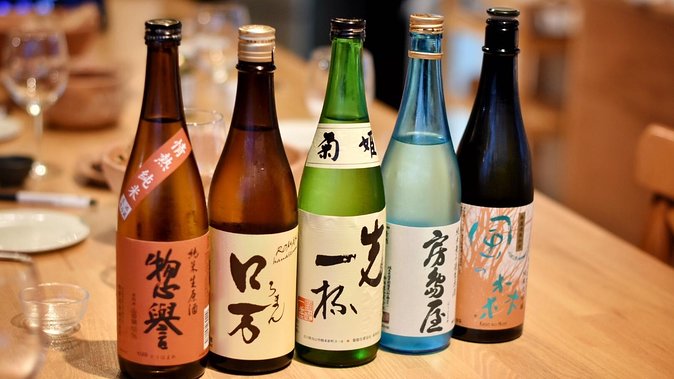
Sake can look confusing in a shop. Japanese labels contain useful clues, but those clues are not always obvious if you have never studied them. The class explains what to look for and connects the printed details to the flavor in your glass.
You learn how sake is made and how brewing choices affect the final drink. The lesson includes the general production process, the history of sake, and the language used to describe it. The goal is not to turn you into a brewer. It is to give you enough structure to understand why two bottles that both say sake can taste so different.
The tasting method also helps. You are shown how to approach each sample, compare one with another, and think about aroma and flavor without needing a polished vocabulary. That is useful for beginners who know what they like but cannot yet explain it.
The class appears to strike a casual tone. Hosts such as Max, Joe, Tadashi, Megan, Andrea, and Cassy are repeatedly praised for combining instruction with humor and conversation. Max is described as especially engaging and entertaining, while Joe is often credited with making complex details easy to use. Tadashi receives strong praise for balancing passion, clear teaching, and practical help.
Since guides rotate, you should not assume a particular person will lead your session. Still, the range of positive comments suggests that the quality depends less on a scripted performance and more on having a host who can adjust to the group.
Snacks Show Why Sake Belongs at the Table
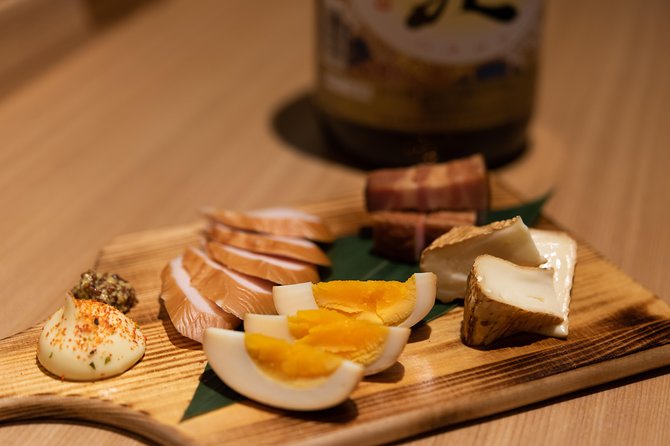
Beverages and snacks are included, but this is not a full meal. The snacks are selected to pair with the sake, so you can see how food changes your impression of each sample.
This is more useful than tasting sake in isolation. A drink that seems sharp or plain on its own may work well with a salty bite. A fuller sake may feel more balanced with food. You begin to understand that choosing sake is not only about picking the best bottle. It is also about choosing what works with dinner.
The food pairing portion can help you later in Japan. If you already know the meal you plan to order, you have a better basis for asking for a recommendation. If you are shopping for a bottle, you can think beyond sweetness or price and consider how you plan to serve it.
Do not treat the snacks as lunch or dinner. The practical advice is to eat before arriving, especially if you are new to sake. The included food supports the tasting, but it is not intended to absorb a full afternoon of alcohol.
The Small Group Makes the Class More Personal
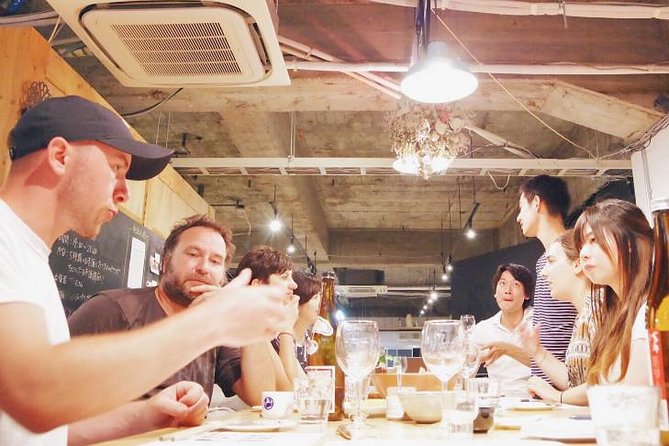
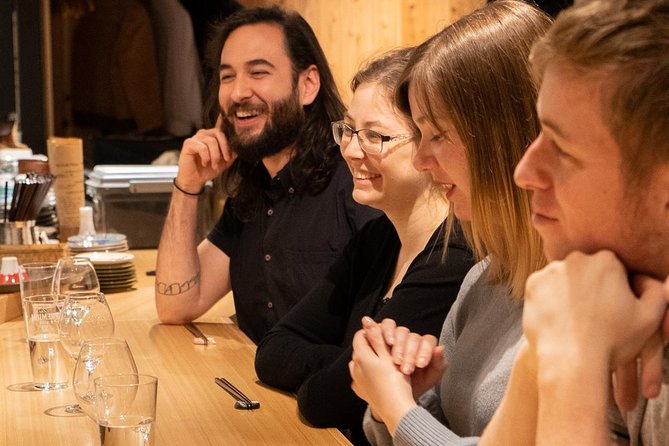
The maximum group size is eight people. That is a good limit for a tasting class because you can hear the guide, compare reactions, and ask questions without waiting through a large crowd.
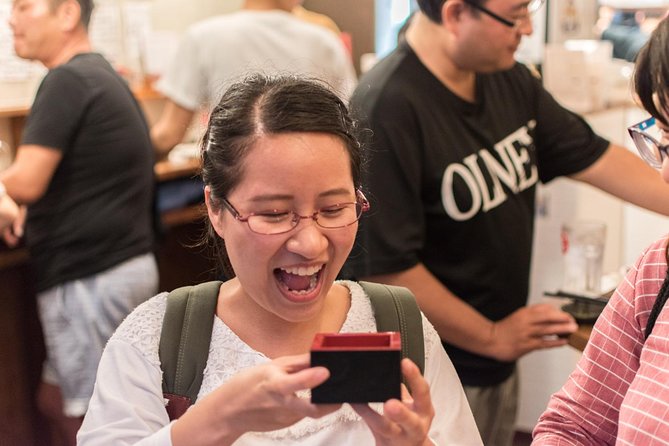
A session with six people was described as intimate and easygoing. Another booking became a private tasting when only one person was scheduled, and the class still went ahead. You should not count on having a private session, but a small turnout can make the lesson especially tailored.
The social side is part of the appeal. You may meet Japanese sake enthusiasts and people from other countries, depending on the session. The class creates a natural setting for conversation because everyone is tasting the same drink and trying to describe what they notice.
That said, a small group does not mean a quiet or slow seminar. Some people found the two-hour pace quick, especially with a large number of samples and plenty of technical information. If you want a relaxed introduction, ask questions as they arise and use the tasting chart to keep track. If you prefer a formal lecture with long pauses, this may feel lively rather than methodical.



Meeting in Shinjuku and Planning the Afternoon
The meeting point is Ushinobi Shinjuku, located in the Wagyu & SakeNSK Building at 201, 1-chōme-22-1 Hyakuninchō, Shinjuku City, Tokyo 169-0073. The activity starts at 1:00 pm, takes place in the Nishishinjuku area, and ends back at the meeting point.
Check the address carefully before setting out. One person had trouble because the place seemed different from the stated meeting information and went to the wrong location first. Allow time to find the correct building, and keep the mobile ticket and booking confirmation available on your phone.
No hotel pickup or drop-off is included. You are responsible for getting to and from the class, and no transportation to other attractions is part of the activity. The meeting point is near public transportation, which makes it practical to fit into a Shinjuku day, but the exact route depends on where you are staying.
The 1:00 pm start is well suited to an afternoon plan. You can eat beforehand, attend the class, and continue with dinner or evening plans nearby. Keep in mind that a two-hour tasting may leave you pleasantly relaxed, or more affected than expected, so avoid scheduling something that requires sharp concentration immediately afterward.
The Guides Make a Noticeable Difference
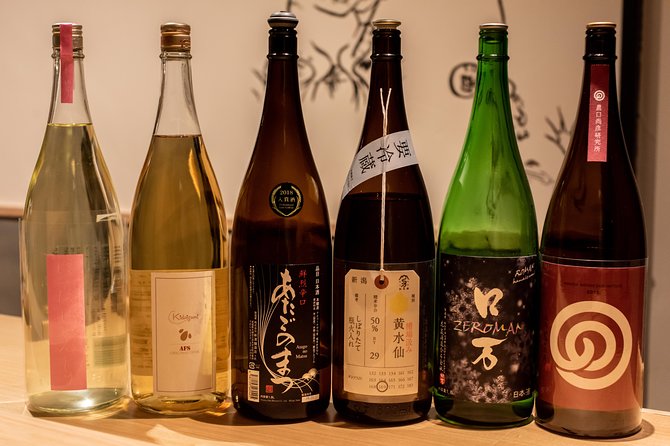
The experience provider is Ninja Food Tours, and the hosts named in the supplied information include Max, Joe, Tadashi, Megan, Andrea, and Cassy. The strongest praise goes to guides who make the information approachable rather than simply reciting facts.
Max is frequently singled out for passion, humor, and an easy personal style. Joe is praised for explaining sake terms and offering food suggestions for the rest of a Japan trip. Tadashi is noted for making the class especially memorable, while Megan receives praise for answering every question with warmth and patience.
Andrea is described as welcoming and able to explain how sake can feel modern or traditional, light-bodied or full-bodied. Cassy is praised for being fun and informative. Hawaii Joe, another name used for Joe, is credited with giving people confidence when ordering or buying sake.
You cannot guarantee a specific host from the information provided. The practical takeaway is to expect a person-led class rather than a fixed audio presentation. The host’s ability to respond to your interests is one of the experience’s main strengths.
Is $72.29 a Fair Price?
At $72.29 per person, this is not the cheapest way to have a drink in Shinjuku. You could order one or two sakes at a restaurant for much less. But that is not the right comparison.
The fee includes at least six sake samples, and some sessions offer nine or ten, along with paired snacks and two hours of instruction. You are also paying for access to an expert who can explain labels, brewing, flavor profiles, and restaurant ordering. If that knowledge helps you avoid buying bottles you dislike or ordering blindly at dinner, the value improves.
I think the price makes the most sense for three groups. First, beginners who want a clear starting point. Second, people who already enjoy sake but want better language for comparing bottles. Third, food-focused visitors who want to understand how sake fits with Japanese meals.
The value is weaker if you only want to drink, need a full meal, or dislike structured lessons. This is an educational tasting with a generous alcohol component, not a quick stop for one memorable glass.
Who Should Book This Experience?
Book it early in your Japan trip if you want to use the information during the rest of your stay. Several people found that the class gave them confidence to order a preferred style at restaurants, and one person felt prepared to choose Junmai Daiginjo on a flight home.
It also suits couples, small friend groups, and solo visitors. The class can help you meet people, but you do not need to arrive with a group. The small capacity gives a solo booking a chance of receiving unusually personal attention, though that cannot be promised.
Beginners should book, but they should arrive prepared. You do not need to know sake terms in advance, yet the amount of information can feel fast. Eat first, drink water, and use the chart instead of trying to memorize every detail.
Experienced sake drinkers may enjoy the range of samples and the chance to discuss styles with a sommelier. Still, the class is built as an introduction, so anyone seeking a highly technical professional certification course should choose something more specialized.
The minimum drinking age is 20. If you have food restrictions, message the provider at least one week before the tour date. Confirmation is received when you book, and the activity has a maximum of eight people.
Should You Book the Shinjuku Sake Masterclass?
I would book this if you want more than a tasting flight. The combination of six or more varieties, useful label advice, snacks, and a small group gives you something you can use after the class. You should leave with a clearer sense of the sake styles you prefer and a better way to order or shop.
I would skip it if you are not comfortable drinking several samples in one sitting, need a substantial meal, or want a slow class with very little technical detail. For everyone else, especially visitors starting a Japan trip, this is a practical two-hour introduction with enough variety to make sake feel less mysterious.
Free cancellation is available up to 24 hours before the 1:00 pm start for a full refund. Cancellations or changes made within 24 hours are not accepted for a refund.
FAQ
Where does the sake tasting take place?
The class starts and ends at Ushinobi Shinjuku in the Wagyu & SakeNSK Building, 201, 1-chōme-22-1 Hyakuninchō, Shinjuku City, Tokyo 169-0073, Japan.
What time does the experience start?
The stated start time is 1:00 pm.
How long is the sake class?
The experience lasts approximately two hours.
How many kinds of sake will I taste?
You will taste more than six varieties. Some sessions have included nine or ten different sakes.
Are snacks included?
Yes. Snacks selected to pair with the sake are provided, but they are not a full-size meal.
Is transportation included?
No. Hotel pickup, hotel drop-off, and transportation to or from other attractions are not included.
How large is the group?
The maximum group size is eight people.
Do I need previous sake experience?
No. The class covers basic brewing, history, labels, and tasting methods, so beginners can attend. The amount of information and alcohol may feel substantial for someone completely new to sake.
What is the minimum drinking age?
The minimum drinking age for this activity is 20.
Can I cancel for a full refund?
Yes. You can cancel at least 24 hours before the experience start time for a full refund. Cancellations and changes made less than 24 hours before the start time are not refunded or accepted.
More Shinjuku Tours in Tokyo

More tours in Tokyo we've reviewed











Shinjuku Tours, compared.
 ★ 5.0Tokyo: Shinjuku Food Tour (13 Dishes at 4 Local Eateries)From $86
 ★ 5.0Tokyo Bar Hopping Tour in Shinjuku (All-You-Can-Drink + Dinner)From $106
 ★ 4.9Tokyo: Shinjuku Food Tour (15 Dishes and 4 Eateries)From $853 hours
 ★ 5.0Best of Shinjuku: Izakaya Food Tour (4 Stops, 14+ Tastings)From $92
 ★ 4.9Tokyo: Shinjuku Local Bar and Izakaya Guided Walking TourFrom $343 hours
 ★ 5.0Tokyo Shinjuku Chopsticks Making ClassFrom $20