
Reviewed · MT FUJI DAY TRIPS
Hakone and Mt Fuji Private Custom Tour with English Guide
Owakudani’s sulfur vents, Lake Ashi’s mountain views, and the classic Chureito Pagoda photo can all fit into one private day from Tokyo. The real strength is not trying to follow every listed stop. It is having a driver-guide, a clean car, and the freedom to shape the route around weather, energy, and your priorities. Mike is one named driver-guide, and he is praised for suggesting practical custom routes and waiting patiently while you explore.
I like the pickup and drop-off within Tokyo’s 23 wards, which removes a major layer of planning. I also like the choice between cultural stops, nature, shopping, and photo points, rather than being locked into one narrow theme. The main drawback is time: ten hours sounds generous, but Hakone and the Fuji Five Lakes cover a wide area. You must choose carefully if you want the day to feel relaxed.
In This Review
- Key points at a glance
- One long day from Tokyo, made easier by a private car
- Owakudani and the Hakone Ropeway
- Lake Ashi and the Pirate Ship
- Gotemba shopping or a more scenic Fuji route
- Saiko Iyashi no Sato Nemba and Lake Saiko
- Shiraito Falls, a graceful natural stop
- Lake Kawaguchi and the classic Fuji view
- Chureito Pagoda and two important shrines
- Oshino Hakkai and the Fuji Five Lakes
- Lava caves near Aokigahara Forest
- Venetian glass or the Mishima Skywalk
- Is $430 good value for three people?
- What the guide adds to the day
- Who should book this private Fuji day?
- FAQ
- How long does the Hakone and Mt Fuji private tour last?
- How many people can join the private tour?
- Does pickup include my Tokyo accommodation?
- Is an English-speaking guide included?
- Are fuel, highway charges, and parking included?
- Are meals and entrance tickets included?
- What happens if the weather is poor?
- Should you book it?
Key points at a glance
- Private car for up to three people: You get the vehicle and schedule to yourselves, with no strangers or fixed group timetable.
- A true custom route: Mix Hakone, Lake Ashi, shrines, waterfalls, villages, caves, shopping, and Fuji viewpoints according to your interests.
- Owakudani’s volcanic setting: See steaming vents and try the famous black-shelled eggs cooked in natural hot springs.
- Several iconic Fuji photo stops: Lake Kawaguchi, Oshino Hakkai, Saiko, and Chureito Pagoda each offer a different view.
- Useful transport included: Bottled water, WiFi, fuel, highway charges, parking, and an air-conditioned vehicle are included.
- Good value for a small group: At $430 per group, the cost is shared by up to three people, not charged separately per person.
One long day from Tokyo, made easier by a private car
This is a 10-hour private tour from Tokyo, with pickup and drop-off in the city’s 23 wards. That matters because Hakone and the Mt Fuji area are not one compact attraction. They are a string of mountain, lake, village, shrine, and shopping stops spread across a large region.
You travel in an air-conditioned vehicle with an English-speaking licensed driver-guide. Highway, fuel, and parking costs are included, as are bottled water, onboard WiFi, and maps with explanations. Those details may sound small, but they make a difference on a full day away from Tokyo.
The group limit is three people. For a couple or a small family, that gives you room to adjust the pace. You can spend more time at a favorite shrine, skip a shopping stop, or change the plan when Mt Fuji is hidden by cloud. Mike is specifically praised for recommending a custom route, saving time at less important stops, and waiting patiently while the group explored.
Still, do not read the long list of possible stops as a promise that you will see everything. Fifteen listed locations, each with about 30 minutes, would already use seven and a half hours before accounting for Tokyo traffic, mountain roads, parking, transfers, and meals. The smart approach is to select a core group of stops before departure, then leave some room for changes.
A few more Tokyo tours and experiences worth a look
Owakudani and the Hakone Ropeway
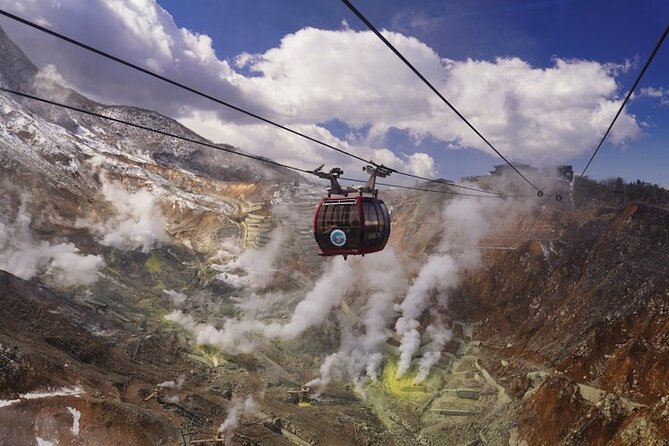
Owakudani gives the Hakone portion its strongest sense of place. This volcanic valley has steaming sulfur vents and a stark, active-earth feel that is quite different from the lakes, shrines, and gardens elsewhere in the region.
You can try a Hakone black egg, a hard-boiled egg cooked in the valley’s natural hot springs. The sulfur turns the shell black, and local tradition says eating one adds seven years to your life. The stop is short, listed at about 30 minutes, so you will have enough time to see the volcanic area and sample the specialty without treating it as a full morning visit.
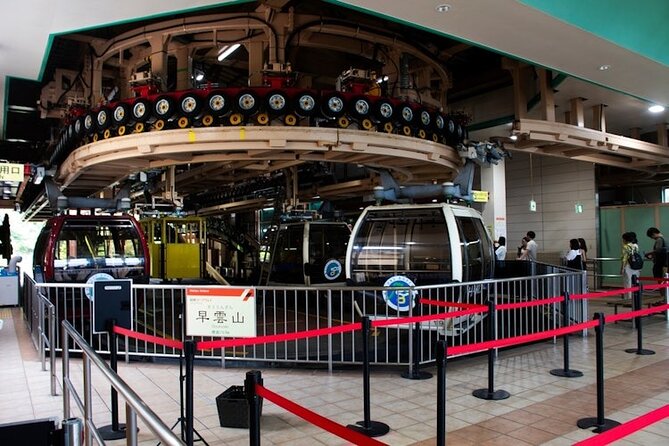
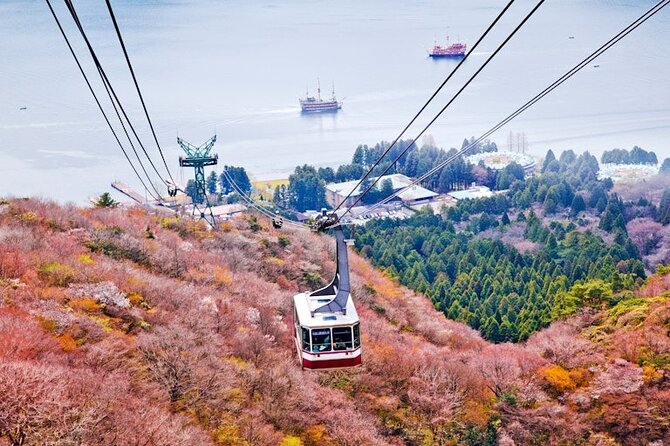
The Hakone Ropeway adds a moving viewpoint. From the cable car, you can look across Owakudani, see Lake Ashi below, and take in the surrounding volcanic scenery. This is one of the most efficient parts of the route because the ride gives you views while also serving as transportation.
The main practical point is that the ropeway and other optional activities may involve entrance or ride charges. The tour includes transport, but optional entrance fees are not included. Ask the guide which tickets are covered before you commit to a paid activity.
Lake Ashi and the Pirate Ship
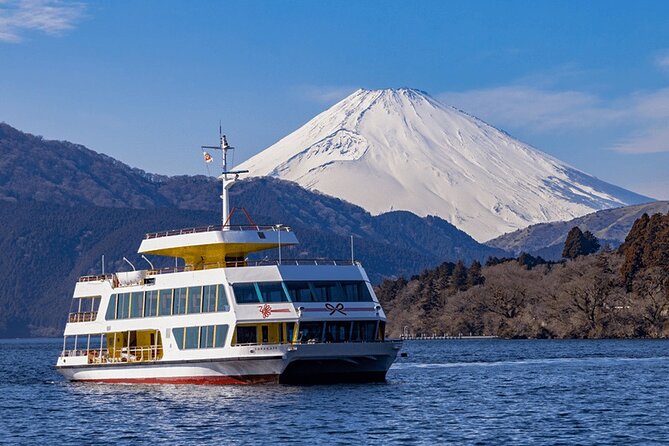
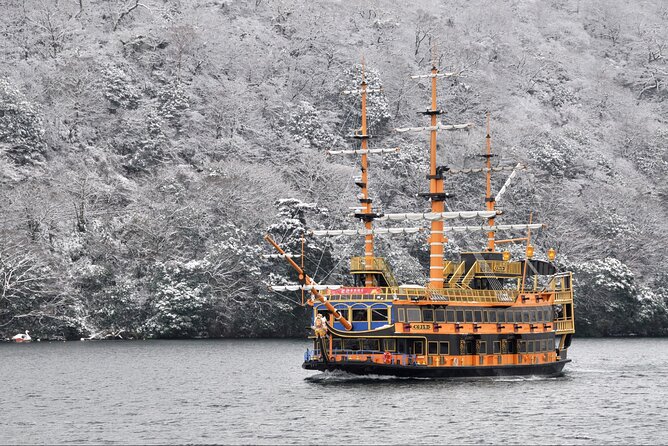
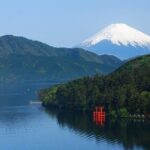
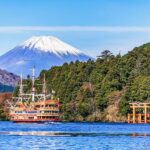
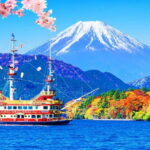
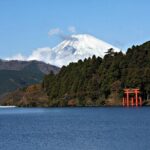
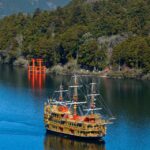
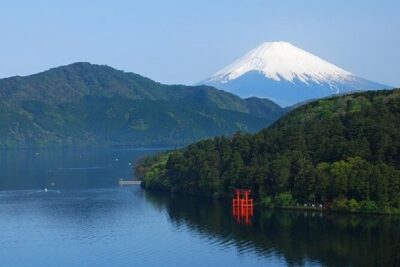
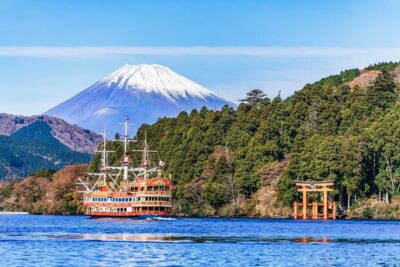
Lake Ashi is Hakone’s scenic centerpiece. The planned 30-minute cruise aboard the Hakone Pirate Ship leaves from Motohakone Port and gives you a relaxed look at the lake and its surrounding mountains.
The ship is a fun choice if you want a light, scenic break after Owakudani. It also lets you experience Hakone from the water instead of seeing every view through a car window. On a clear day, you might find Mt Fuji visible from parts of the lake, though mountain weather can change quickly.
The cruise is short. That is useful on a tightly packed day, but it also means you should not expect a full lake excursion. If your priority is the ropeway and volcanic valley, the boat may be enough. If you want a slower Hakone day, you may need to give up several Fuji-area stops later.
Gotemba shopping or a more scenic Fuji route
Gotemba Premium Outlets is an optional stop with more than 200 shops. It offers a change of pace after the lake and volcano, with shopping and views toward the foothills of Mt Fuji.
I would choose Gotemba only if shopping is genuinely important to your group. One hour is enough to browse a few stores, but not enough to explore a large outlet center at leisure. A shopping stop also uses time that could go toward shrines, waterfalls, or Fuji Five Lakes scenery.
The benefit of a private tour is that you can make this choice without forcing the whole group into a fixed shopping schedule. If one person wants outlets and another prefers nature, discuss the tradeoff early with the guide.
Saiko Iyashi no Sato Nemba and Lake Saiko
Saiko Iyashi no Sato Nemba is one of the more distinctive cultural stops on the route. This restored traditional village sits beside Lake Saiko and functions as an open-air museum. Its thatched-roof buildings offer a look at older rural Japan in a setting connected to the Fuji region.
The village was destroyed by a landslide and later rebuilt. That gives the stop a sense of place beyond a standard photo stop. You can expect a brief visit of about 30 minutes, enough to walk through part of the village and take in the setting.
Nearby Lake Saiko is quieter in character than the more accessible Lake Kawaguchi. It is known as the Lake of Reflections and is surrounded by forests and mountain views. If you prefer calm scenery to shops and crowds, Saiko deserves priority.
You should not expect a long walk or extensive museum visit within the suggested timing. Treat this as a compact cultural and scenic pause, not a full afternoon.
A few more Tokyo tours and experiences worth a look
Shiraito Falls, a graceful natural stop
Shiraito Falls is among the most visually striking nature stops near Mt Fuji. Water spills over a cliff about 20 meters high and 150 meters wide, forming many fine white streams.
The waterfall’s broad shape makes it different from a single powerful plunge. It is a good choice if you want a memorable nature stop that does not depend on a perfect Fuji view. The suggested 30 minutes should allow you to see the falls and take photographs, though you may want longer if you enjoy walking around scenic viewpoints.
Its location also creates a planning question. Shiraito Falls is not right beside every Fuji Five Lakes stop, so adding it to a route packed with Kawaguchi, Oshino, shrines, and caves can make the day feel rushed. Pick it when waterfalls and natural scenery matter more than checking off every Fuji viewpoint.
Lake Kawaguchi and the classic Fuji view
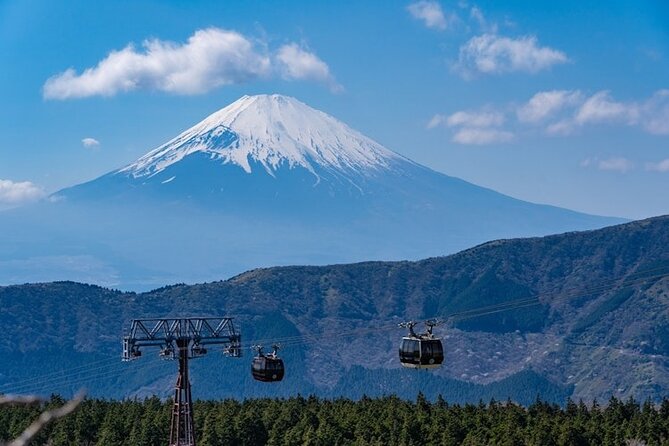
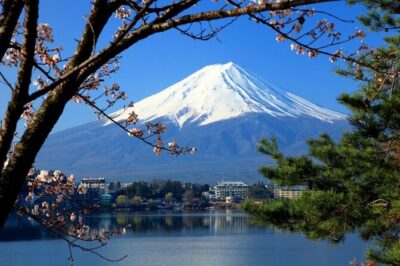
Lake Kawaguchi is the most accessible and visitor-friendly of the Fuji Five Lakes listed here. Its calm water can reflect Mt Fuji, giving you the classic mountain-and-lake composition many people hope to see.
The stop called Lake Kawaguchi Ishikoro kan is planned for about 30 minutes. That is enough for a quick look and photographs, but the view depends heavily on cloud cover. If Fuji is hidden, the lake still offers pleasant scenery, but the famous image may not appear.
This is a good place to use the tour’s flexibility. If the mountain is clear, you may want to stay longer and shorten a less important stop. If clouds cover Fuji, your guide can help shift attention to a shrine, village, waterfall, or indoor museum.
Chureito Pagoda and two important shrines
Arakura Fuji Sengen Shrine, home to the five-storied Chureito Pagoda, is one of the region’s best-known photo locations. From the hillside, you can frame the pagoda, Mt Fuji, and the surrounding town when conditions cooperate.
The 30-minute suggestion is fairly brief for a hillside visit. Be ready for steps and allow your group’s mobility to guide the decision. The view is worth prioritizing for photographers, but it may not be the best choice if someone in your group wants to avoid an uphill approach.
Kitaguchi Hongu Fuji Sengen Jinja offers a different experience. This historic shrine in Fujiyoshida is dedicated to Mt Fuji and is surrounded by tall, old cedar trees. It feels more reflective and ceremonial than the postcard viewpoint at Chureito.
I like having both options because they show two sides of Fuji tourism. Chureito is about the famous composition. Kitaguchi Hongu is about the sacred mountain tradition and the atmosphere of a long-established shrine.
Oshino Hakkai and the Fuji Five Lakes
Oshino Hakkai is a traditional village known for eight clear ponds fed by Mt Fuji snowmelt. That connection to the mountain gives the ponds more meaning than a simple scenic stop. You can see clear water, traditional houses, and Fuji-area village scenery in one compact visit.
The suggested 30 minutes will pass quickly. You can look around, photograph the ponds, and get a sense of the village, but you will not have unlimited time for food or detailed exploration. Since food is not included, plan to buy lunch or snacks separately and ask the guide how much time is practical.
Oshino Hakkai works well with Lake Kawaguchi and Chureito because all three focus on Fuji views from different angles. Adding Saiko and the shrines creates a stronger cultural route. Adding both lava caves and a waterfall may require cutting one of these stops.
Lava caves near Aokigahara Forest
Narusawa Ice Cave and Fugaku Wind Cave are optional stops formed by ancient lava flows from Mt Fuji. The Narusawa cave has ice pillars and frozen walls. The Fugaku Wind Cave stays around 3 degrees Celsius throughout the year and lies near Aokigahara Forest.
These caves offer a striking change from lakes and shrines. They are dark, cool, and geological rather than scenic in the usual Fuji-photo sense. Bring suitable clothing if you select one, since the interior temperature can be much lower than outside.
Both caves are listed at about 30 minutes. That makes them easy to add as a short specialty stop, but not as a major part of the day. Entrance charges for optional choices are not included, so confirm the price before entering.
Venetian glass or the Mishima Skywalk
The Hakone Venetian Glass Museum is another optional choice. It combines Venetian glass displays with gardens and mountain scenery, giving you an indoor cultural alternative if you want a break from outdoor viewpoints.
Mishima offers the Mishima Skywalk, a 400-meter pedestrian suspension bridge with views toward Mt Fuji and Suruga Bay. It is the better pick for dramatic height and open-air scenery, while the glass museum suits art lovers or a group looking for a quieter stop.
Neither option fits easily into a route that already includes every lake, shrine, cave, and waterfall. Think of them as substitutes, not additions. The private format makes that decision easier.
Is $430 good value for three people?
The price is $430 per group of up to three, not $430 per person. Split three ways, that is about $143 per person before food and any optional entrance fees. For two people, it works out to $215 each.
That is a meaningful price, but the value comes from the transport and time saved. You receive private transportation, a licensed English-speaking driver-guide, fuel, highway charges, parking, air conditioning, WiFi, bottled water, and Tokyo pickup and drop-off. You are also avoiding the work of linking distant mountain sights by public transport.
The value is strongest for a small group that wants a custom day and does not want to manage several train, bus, ropeway, and boat connections. It is weaker if you only want one Hakone attraction or one Fuji viewpoint, since a public transport day or a shorter private outing could be enough.
Food and optional entrance fees are extra. Keep that in your budget, especially if you choose the ropeway, cruise, caves, museum, or Skywalk.
What the guide adds to the day
The driver-guide is not just there to operate the car. The useful part is having someone who can help decide which stops deserve your limited hours. The available feedback points especially to Mike’s calm driving, patient waiting, and ability to recommend a custom route for a family.
That matters because the best Fuji view is weather dependent, and traffic can change the practical order of the day. A flexible guide can help you spend more time where conditions are good instead of sticking rigidly to a plan made weeks earlier.
The experience is also private, so you do not need to match another group’s pace. You can move quickly through a minor stop or linger at a favorite one. Just remember that flexibility works best when you tell the guide your priorities at the start.
Who should book this private Fuji day?
I would recommend it to couples, families, or small groups of up to three who want to combine Hakone and Mt Fuji without handling complicated transport. It suits people who value comfort, a calm pace, and the ability to change plans.
It is especially useful for first-time visitors who want an English-speaking guide and a broad introduction to the region. You can see volcanic scenery, a lake cruise, shrines, traditional villages, waterfalls, and Fuji viewpoints in one day.
I would be cautious if you want deep time at every location. Ten hours is enough for a strong overview, not an unhurried exploration of all 15 choices. Pick three to six main stops, then use the rest as backup options.
Confirmation is provided at booking. Service animals are allowed, and most people can participate. Free cancellation is available up to 24 hours before the start time. The experience depends on good weather, and poor conditions may lead to a new date or a full refund.
FAQ
How long does the Hakone and Mt Fuji private tour last?
The tour lasts about 10 hours.
How many people can join the private tour?
The price covers one private group of up to three people.
Does pickup include my Tokyo accommodation?
Pickup and drop-off are offered within Tokyo’s 23 wards.
Is an English-speaking guide included?
Yes. The experience includes an English-speaking licensed driver-guide.
Are fuel, highway charges, and parking included?
Yes. Highway, fuel, and parking fees are included, along with private transportation, bottled water, WiFi, an air-conditioned vehicle, and maps with explanations.
Are meals and entrance tickets included?
Food is not included. Entrance fees for optional activities are also not included.
What happens if the weather is poor?
Because the experience requires good weather, it may be canceled if conditions are unsuitable. You will be offered another date or a full refund. Cancellation by you is fully refundable when made at least 24 hours before the start time.
Should you book it?
Book this tour if you want one comfortable private day that links Hakone and the Fuji area, and you are happy to choose priorities rather than see every possible stop. The strongest plan would pair Owakudani and Lake Ashi with two or three Fuji highlights, such as Chureito Pagoda, Oshino Hakkai, Lake Kawaguchi, or Kitaguchi Hongu Shrine.
At $430 for up to three people, it makes the most sense when shared by a small group. Tell the guide whether your main goal is volcanoes, Fuji photographs, shrines, nature, or shopping. If you do that, the private format can turn a wide, complicated region into a well-shaped day.
More Guided Tours in Tokyo


More Hakone Day Trips in Tokyo
More Mt Fuji Day Trips in Tokyo
More tours in Tokyo we've reviewed




Mt Fuji Day Trips, compared.
 ★ 5.0Mt Fuji and Hakone 1-Day Bus Tour Return by Bullet TrainFrom $163
 ★ 4.0Mt Fuji & Hakone Cruise, Drum Show Bullet Train 1 Day from TokyoFrom $149
 ★ 4.4Tokyo Mt Fuji 5th St & Hakone Cruise Bus Tour w/Bullet TrainFrom $15410 hours
 ★ 4.5From Tokyo: Mount Fuji Full-Day Sightseeing TripFrom $6810 hours
 ★ 4.7Tokyo: Mt. Fuji Tour, Hakone Ropeway, Owakudani, Lake AshiFrom $5410 hours
 ★ 4.4Tokyo:Mt.Fuji,Kawaguchiko Oishi Park,Arakurayama Sengen ParkFrom $5410 hours