
Reviewed · SUSHI MAKING CLASSES
Giant Sushi Cooking Class: Make a 1.5m Sushi Roll in Tokyo
A 1.5-meter sushi roll is a fine answer to the question of what to do in Tokyo when ordinary sushi feels too ordinary. In Meguro, you work with local hosts to prepare the rice, fillings and nori, then roll one enormous maki with the rest of the group. You cut it, serve it on hand-painted Japanese plates, and eat the result.
I like the hands-on format and the chance to learn techniques you can repeat at home with normal kitchen tools. I also like the relaxed social side: Japanese snacks, conversation, and traditional social games add more than a standard recipe lesson. The main caution is the listed duration of approximately 12 hours, which is unusually long for a cooking class and is not broken into a clear schedule.
In This Review
- Key points to know before booking
- Why a giant sushi roll makes a better class project
- Arriving in Meguro for the cooking session
- Starting with sushi rice, nori and fresh fillings
- Building the 1.5-meter maki together
- Cutting, plating and eating the finished sushi
- Snacks, conversation and Japanese social games
- What the $50 price includes in practical terms
- The 12-hour listing deserves a closer look
- Who will enjoy this most
- Should you book the giant sushi class?
- FAQ
- Where does the sushi class take place?
- Where does the activity end?
- How much does the experience cost?
- How long does the activity last?
- How large is the group?
- Is the ticket available on a mobile phone?
- What will I make during the class?
- What ingredients are included in the preparation?
- Can I cancel for a full refund?
Key points to know before booking
- The main project is a 1.5-meter maki roll, prepared, rolled, cut and served by the group.
- You learn the basics from scratch, including sushi rice, nori, fish and avocado preparation.
- The setting is in Meguro, at 2 Chome-3 Senzoku, with public transport nearby and about a 10-minute walk from the station according to the available experience details.
- The group is capped at 12 people, a useful size for a shared cooking project.
- Japanese snacks, conversation and social games make this feel like a cultural get-together as well as a lesson.
- The price is $50, with a mobile ticket and free cancellation up to 24 hours before the start time.
Why a giant sushi roll makes a better class project
Most sushi classes teach you to make neat individual pieces or small maki. This one takes the opposite approach. The finished roll is long enough to require teamwork, careful timing and a little comic coordination.
That scale changes the lesson. You cannot casually roll a 1.5-meter maki on your own. You and the other participants must spread the rice evenly, arrange the fillings, hold the nori in place and apply the right pressure at the same time. If one section is too loose or overloaded, the whole roll can suffer.
I like that the size gives the class a clear goal. You are not simply following a demonstration and taking home a few pieces. You are helping create one shared dish, then seeing how it looks when sliced. The final cutting is part of the fun because each piece reveals the pattern of rice, nori, fish and avocado inside.
The format also suits people who do not usually book cooking lessons. You do not need to arrive with a special interest in fine sushi technique. The project is visual, social and easy to understand from the start: prepare, layer, roll, cut and eat.
A few more Tokyo tours and experiences worth a look

Arriving in Meguro for the cooking session
The meeting point is 2 Chome-3 Senzoku, Meguro City, Tokyo 152-0012. The activity begins and ends at the same location, so you do not need to arrange a second pickup point or find your way across Tokyo after the meal.
Public transport is nearby. The available information also places the cafe about a 10-minute walk from the station. Since the specific station name is not supplied, check your route carefully before setting out. Tokyo addresses can be precise but still take time to match with the correct train or subway exit.
Meguro is a useful part of the setting. It is known for food and entertainment, so you can pair the class with other plans in the area. Still, leave enough time to find the meeting point. A cooking session is not the sort of appointment where arriving breathless and late helps.
The setting appears to be a newer cafe with a friendly, informal feel. That matters here. A giant roll needs room for several people to work around it, and the social side of the class depends on having a comfortable place to talk, play games and share food.
Starting with sushi rice, nori and fresh fillings
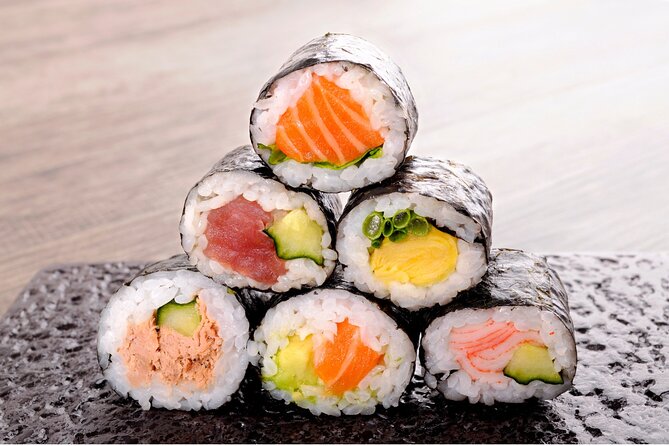
The class begins with preparation. You learn about the fish and avocado fillings, prepare the nori, and hear why sushi rice behaves differently from ordinary cooked rice.
That rice lesson is more useful than it may sound. Sushi depends on the rice as much as the filling. It needs the right texture to hold together without becoming heavy or mushy. For a large roll, even distribution matters because too much rice in one place can make rolling difficult.
You also work with nori, the dried seaweed sheet that forms the outer layer. With a giant maki, laying out the nori becomes a group task rather than a small personal exercise. You need to place the sheets carefully so the long roll has a continuous structure.
The fillings include fish and avocado. The available details do not specify the type of fish, so anyone with dietary restrictions should ask the provider before booking. The same applies to allergies and food preferences. The class description tells you what ingredients are used, but it does not provide a full ingredient list.
The hosts explain the traditional methods used in the dish. You also use everyday cooking utensils and equipment, which is a practical touch. You are not dependent on specialist sushi tools that would be hard to find at home. That makes the class more useful after your Tokyo visit.
Building the 1.5-meter maki together
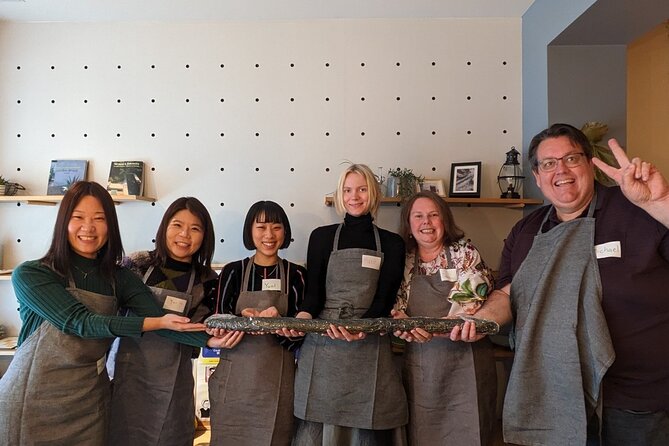
Once the ingredients are ready, the group lays out the nori and adds the sushi rice. The fillings go next, followed by sesame seeds.
This is where the class becomes a group exercise. A small maki lets you correct mistakes with your hands. A 1.5-meter roll gives you less room for casual errors. Rice must be spread across a long surface, and the fish and avocado need to be placed with enough balance that each cut piece has a fair share.
The hosts guide you through the pressure needed to form the log shape. Too little pressure leaves gaps and a loose roll. Too much can squeeze out the filling or compress the rice. The lesson is not just about copying a movement. It shows you how sushi makers control shape and texture with their hands.
A group of up to 12 people is well suited to this project. There are enough people to share the long preparation without turning the class into a large crowd. At the same time, the group size means your part of the roll may be one section of a team effort rather than a fully individual creation.
That is both a benefit and a limitation. If you want a quiet, highly personal cooking lesson, this may feel busy. If you like shared tasks and conversation, the large roll gives you an easy reason to interact with the other people in the room.
Cutting, plating and eating the finished sushi
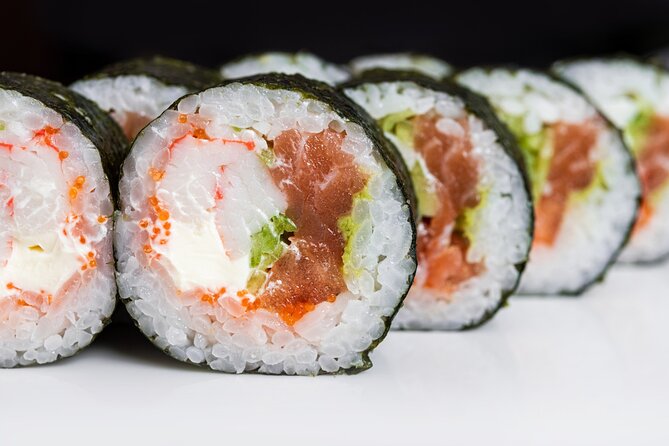
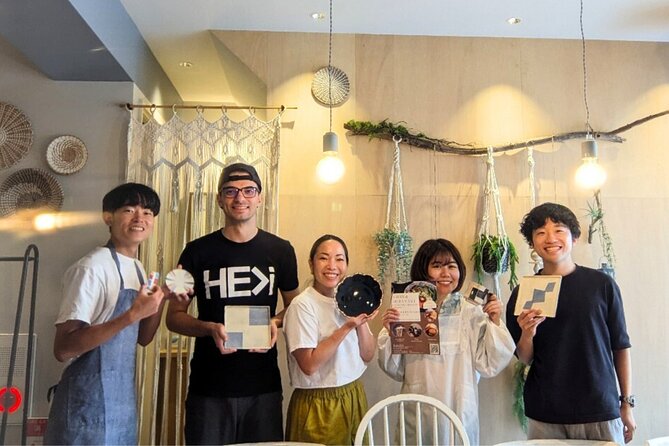
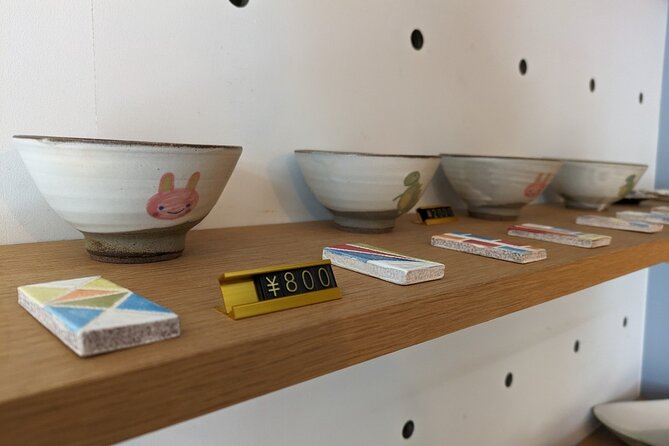
After the roll is formed, you cut it and serve it on Japanese dishware. The plates are handmade and painted by local artists, with each one having its own design.
This part adds a welcome sense of place. The meal is not simply placed on disposable plates after the cooking is over. The tableware connects the food with Japanese craft and gives you a closer look at an everyday part of dining culture.
The plates are available to buy at the onsite shop after the class. You do not have to purchase anything, but the shop gives you a chance to take home a physical reminder of the activity. Since each piece is unique, the selection may appeal to people who prefer a useful souvenir over a standard Tokyo gift.
The sushi itself is the main reward. You eat the maki you helped prepare, rather than watching someone else make a dish for you. That makes the class a good choice if you want lunch or a meal with a story attached to it.
Do keep your expectations sensible. The point is the shared giant roll, not a long tasting menu or a formal sushi counter meal. If your priority is a wide selection of expertly cut fish, this is the wrong type of food experience. If you want to make something unusual and then enjoy it with the group, it makes much more sense.
Other cooking classes in Tokyo

Snacks, conversation and Japanese social games
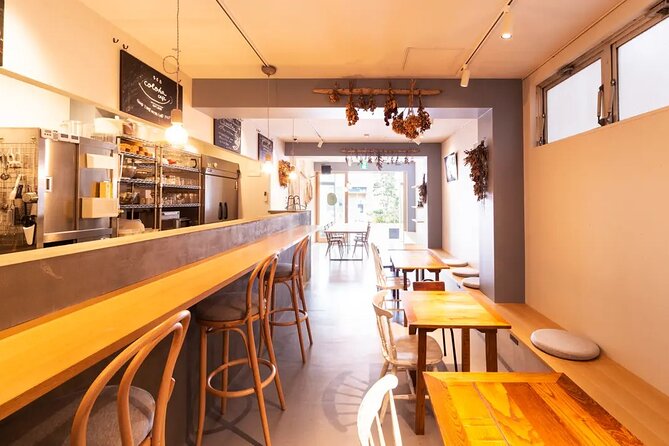
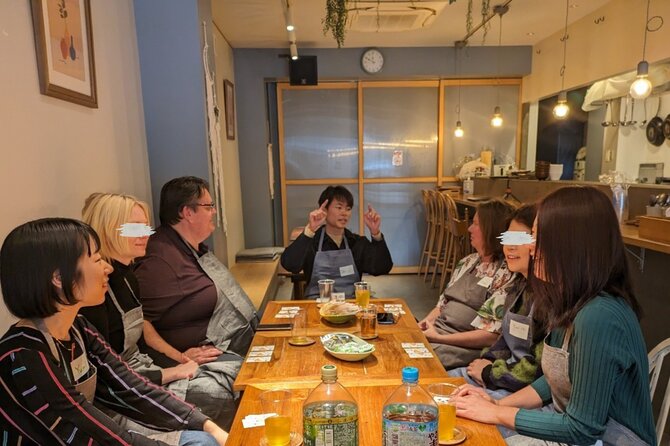
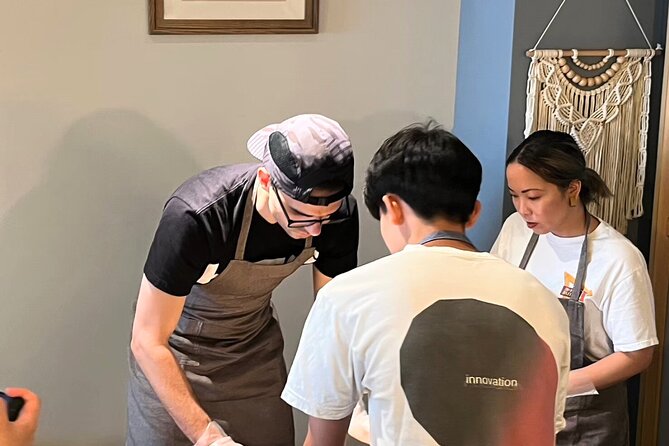
The class includes Japanese snacks, conversation and social games. These details help explain why the activity can appeal to couples, families and solo visitors alike.
Solo participants often need an easy way into a group setting. Preparing the roll gives everyone a common task, while the snacks and games offer natural breaks from cooking. You do not have to force conversation from the first minute.
Families may also like the format because the giant roll has an obvious visual payoff. Children can see how individual ingredients become one huge dish. The class still involves food preparation and coordination, so adults should judge whether the pace and tasks suit their children.
Couples can treat it as a shared activity rather than a lesson where one person watches the other. The work is collaborative, and the final dish gives you something to enjoy together. The class can also suit solo visitors who want more contact with local hosts than a self-guided food stop would provide.
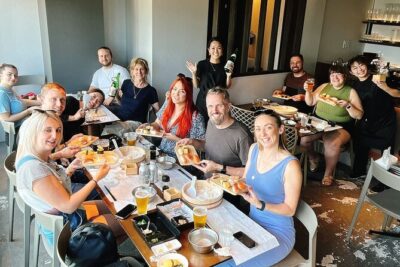
The social element is one of the most praised parts of the experience. The setting has been described as friendly and well run, with conversation and games adding to the sushi preparation. I would choose this class for its atmosphere as much as for the recipe.
What the $50 price includes in practical terms
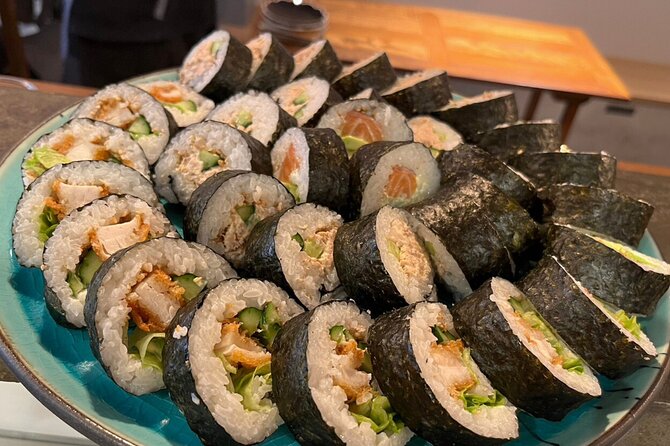
At $50, the value depends on what you want from a Tokyo food activity. You are paying for instruction, ingredients, a shared meal, snacks, social activities and the chance to take part in a distinctive group project. You also receive techniques that can be repeated at home with ordinary kitchen equipment.
That is a fair package for someone who wants participation rather than a meal alone. The class gives you a story to tell and a skill to practice. The handmade plates and onsite shop add a small craft element, though the cost of any tableware purchase is not included in the stated price.
The value is weaker if you mainly want to eat premium sushi. The experience does not promise an extended menu, rare fish or a formal chef-led tasting. Its appeal is the unusual format and the social setting.
The group limit of 12 supports the price. This is not an enormous food demonstration with dozens of people watching from a distance. You are part of the preparation. Still, a shared roll means the final product belongs to the whole group, so do not book it expecting to make a separate full-size sushi roll by yourself.
The 12-hour listing deserves a closer look
The published duration is approximately 12 hours. That is the biggest planning issue in the available information.
A sushi-making lesson built around one giant roll may take much less time than a full day, but the stated duration must be treated seriously until the provider confirms the exact schedule. The description does not explain whether the 12 hours includes a broad arrival window, an error in the booking details, or a much longer program than the cooking outline suggests.
Before booking, check the start time and expected end time directly with Japanese Cooking Home, also known as Wagaya. This matters if you have restaurant reservations, museum tickets, a train to catch or evening plans elsewhere in Tokyo.
The meeting and ending points are the same, which helps once the session is finished. The mobile ticket is also convenient because you can keep the booking on your phone rather than print a voucher.
Free cancellation is available if you cancel at least 24 hours before the scheduled start time. Changes or cancellations inside that window are not accepted for a refund, and the cut-off follows local Tokyo time.
Who will enjoy this most
I would put this class high on the list for:
- Families looking for a playful food activity
- Couples who want a shared project
- Solo visitors who enjoy conversation and group activities
- Sushi fans who want to learn basic methods
- People who prefer making a meal to simply ordering one
- Visitors interested in Japanese tableware and local craft
It is less suitable if you need a private lesson, want a quiet setting, or are searching for advanced sushi knife work. The supplied details focus on rice, nori, fish, avocado, rolling and serving, not on detailed fish butchery or professional counter technique.
You should also check the ingredients if you have allergies or follow a special diet. Fish and avocado are specifically part of the preparation, while the full recipe and substitutions are not provided.
Should you book the giant sushi class?
Book it if you want a friendly, unusual Tokyo activity where the meal is also a group project. The 1.5-meter maki gives the class a clear sense of occasion, and the snacks, games and handmade plates make it feel broader than a basic cooking demonstration.
At $50, it offers good value for hands-on participation, food, instruction and a cultural touch through the tableware and social setting. The maximum group size of 12 keeps the activity manageable, though you are still sharing the main dish with other participants.
My one firm recommendation is to verify the advertised approximately 12-hour duration before paying. If the timing suits your day, this is a strong pick for families, couples and solo visitors who want to make something memorable in Meguro. If you want an intimate sushi lesson or a refined tasting meal, choose another format.
FAQ
Where does the sushi class take place?
The meeting point is 2 Chome-3 Senzoku, Meguro City, Tokyo 152-0012, Japan.
Where does the activity end?
The activity ends back at the meeting point.
How much does the experience cost?
The listed price is $50.
How long does the activity last?
The published duration is approximately 12 hours. The available details do not provide a more precise breakdown of the schedule.
How large is the group?
The activity has a maximum of 12 participants.
Is the ticket available on a mobile phone?
Yes. The experience includes a mobile ticket.
What will I make during the class?
You will help prepare and roll a 1.5-meter sushi maki, then cut, serve and eat it.
What ingredients are included in the preparation?
The class includes preparation of fish, avocado, nori and sushi rice, with sesame seeds added to the roll.
Can I cancel for a full refund?
Yes, if you cancel at least 24 hours before the experience start time. Cancellations or changes made less than 24 hours before the start are not refunded or accepted.
More Cooking Classes in Tokyo
More Cooking Classes in Tokyo
More Sushi Making Classes in Tokyo
More tours in Tokyo we've reviewed











Sushi Making Classes, compared.
 ★ 5.0Sushi Making Tokyo Roll and Authentic Japanese Sushi ClassFrom $59
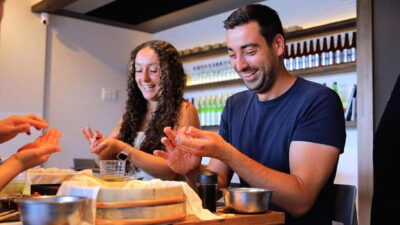 ★ 4.9Tokyo: Roll and Authentic Sushi Making Class in AsakusaFrom $581h 40m
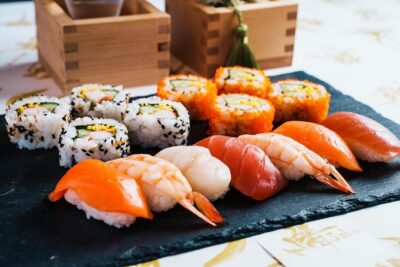 ★ 5.0Make Sushi and Create Unforgettable Memories in TokyoFrom $79
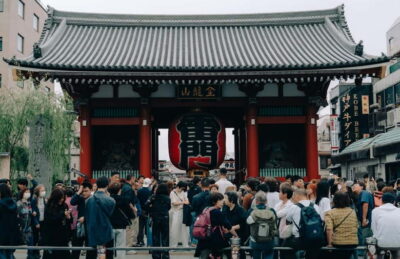 ★ 4.9Tokyo: Sushi Making Class in a Happi Coat near a Famous SpotFrom $421h 30m
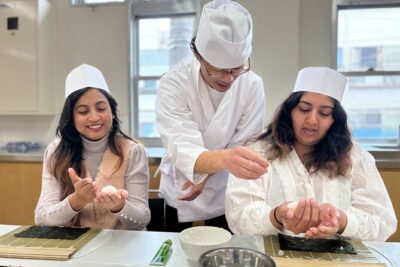 ★ 5.0Tokyo Sushi Making Class in Tsukiji with Professional ChefFrom $49
 ★ 5.0Tokyo Night Foodie Tour in Shinjuku – Seasonal Sushi, Wagyu BeefFrom $111