
Reviewed · SHIBUYA TOURS
Tokyo: Shibuya Sky, Harajuku & Meiji Shrine Highlights Tour
Tokyo reveals its split personality on this five-hour private walking tour. You begin above the city at Shibuya Sky, then move through fashion districts, youth culture, and crowded streets before ending beneath the trees at Meiji Shrine. Few short tours show such a sharp change in mood.
I like the clear route from Shibuya to Harajuku, and I like having a local guide to explain what you are seeing rather than simply pointing out photo stops. Guides named Shun, Ren, Kosei, Konon, and Max have been praised for practical advice, flexible pacing, and friendly help.
The catch is value. At $110 per person, this is not a cheap walking tour, and transportation is not included. If you are happy finding Shibuya and Harajuku on your own, you may feel the route is easy to recreate without a guide.
In This Review
- Key points to know before you book
- Starting at Hachiko, Tokyo’s most famous meeting point
- Shibuya Sky and the best view of the crossing
- Shibuya Crossing, Parco, and Miyashita Park
- Cat Street, the change of pace between districts
- Takeshita Street and Harajuku’s playful side
- Meiji Shrine, a calm finish under the trees
- What the guide adds to a route you could walk yourself
- Five hours on foot, and what that means
- Is $110 a fair price?
- Who should book this Tokyo tour?
- Final call: book for orientation, skip it for bargain sightseeing
- FAQ
- How long does the Tokyo Shibuya and Harajuku tour last?
- Where does the tour begin?
- Where does the tour finish?
- Is this a private tour?
- Which languages are available?
- Is transportation included?
- What happens if it rains?
Key points to know before you book
- Shibuya Sky begins the day with the big view: Allow 45 minutes for the observation deck and city panorama, though strong wind can close the outdoor section.
- The route links several districts on foot: You visit Shibuya, Cat Street, Harajuku, and Meiji Shrine without a private vehicle.
- The guide adds the most value through local advice: Shun has helped families with food and shopping ideas, while other guides have answered everyday questions about Tokyo products and customs.
- The mood changes completely at Meiji Shrine: After department stores, street fashion, and crowds, the forest path and shrine offer a quiet finish.
- This is a private group tour: You get a guide focused on your party, with English and Japanese available.
- The tour suits first-time visitors who want orientation: It gives you a useful map of western Tokyo, but it leaves little time for serious shopping.
Starting at Hachiko, Tokyo’s most famous meeting point
Meet at the Hachiko Statue, beside Shibuya Station. This is an easy place to recognize, but it is also one of Tokyo’s busiest corners, so give yourself time to find the meeting point.
Hachiko is more than a convenient landmark. The statue honors a loyal dog remembered for waiting at the station for his owner, and it has become a popular place for people to meet. Your guide can use the statue to set the scene for Shibuya, a district built around movement, shopping, screens, and constant foot traffic.
From here, the tour moves into the modern face of Tokyo. You will not need a private car, and that is a good thing in this part of the city. Walking lets you see how the station, shopping centers, side streets, and public spaces fit together.
The tradeoff is that this is a real walking tour, not a ride between attractions. Wear comfortable shoes, keep your belongings secure in crowded areas, and be ready for rain or shine conditions.
A few more Tokyo tours and experiences worth a look


Shibuya Sky and the best view of the crossing
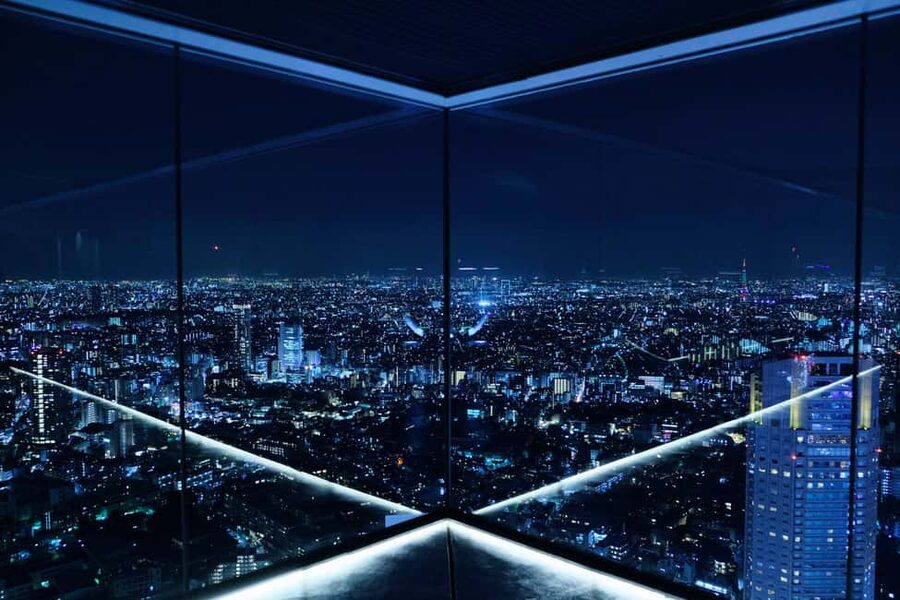
Shibuya Sky is the tour’s headline stop, and the 45-minute visit gives you time to look across Tokyo from high above the city. The observation deck offers a 360-degree view, so you can take in the spread of buildings, roads, towers, and distant horizons rather than looking in only one direction.
The view also changes how you understand Shibuya Crossing. From street level, the crossing is a rush of people and signals. From above, the movement becomes a pattern, and you can see why this intersection has become one of Tokyo’s signature images.
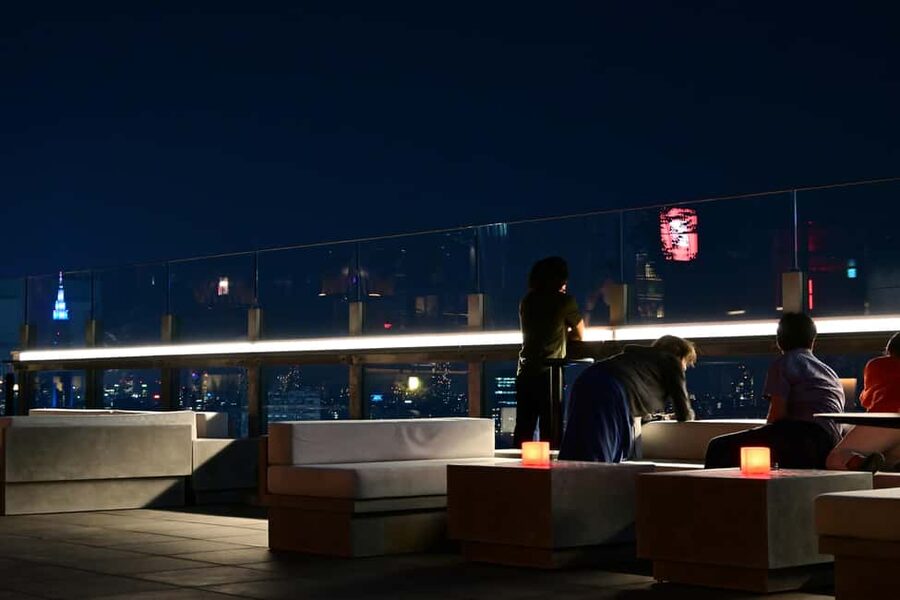
Weather matters here. One guest had an excellent day overall but found the outdoor viewing area closed because of strong wind. The indoor view still made the stop worthwhile, but you should not assume every part of the deck will be open in poor conditions.
This is also where the price question begins. One visitor felt Shibuya Sky alone was worth about $34 and considered the full tour too expensive. That criticism is fair if you only want the view and already know your way around Shibuya. The tour makes more sense if you want the guide, route planning, cultural context, and private format as well.
Shibuya Crossing, Parco, and Miyashita Park
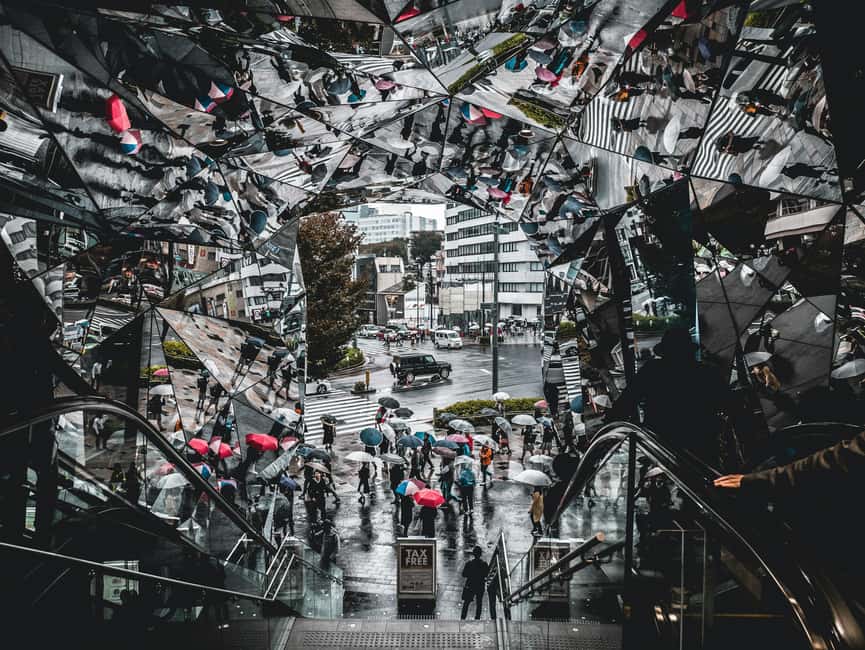
After the high view, you return to street level for about 15 minutes at Shibuya Crossing. Your guide can help you choose a useful viewpoint and explain how the crossing works. You should expect a photo stop rather than a long lesson or extended people-watching session.
The crossing is famous, but it can be easy to overrate it. The experience itself is brief. Its real value comes from seeing the contrast between the orderly crossing and the dense commercial district around it.
The route then gives 45 minutes to Shibuya Parco. This is a modern shopping and culture center with fashion, food, and entertainment. The stop helps you see how Tokyo mixes retail with design and pop culture under one roof.
If you want to shop, tell your guide early. Forty-five minutes passes quickly, and this tour is not designed for a long browse through every floor. You will get a taste of the area and suggestions for returning later, rather than a full shopping session.
Miyashita Park provides another 45-minute stop. It is a public space and shopping area where food, stores, and city recreation meet. The point is less about checking off a single sight and more about seeing how Shibuya has reshaped ordinary urban space.
I like these two stops because they keep the tour from becoming only a parade of famous photographs. They show the current city, where fashion, food, public areas, and commercial culture overlap. Still, if you prefer temples and old neighborhoods, the first half may feel heavily focused on modern Tokyo.
Cat Street, the change of pace between districts
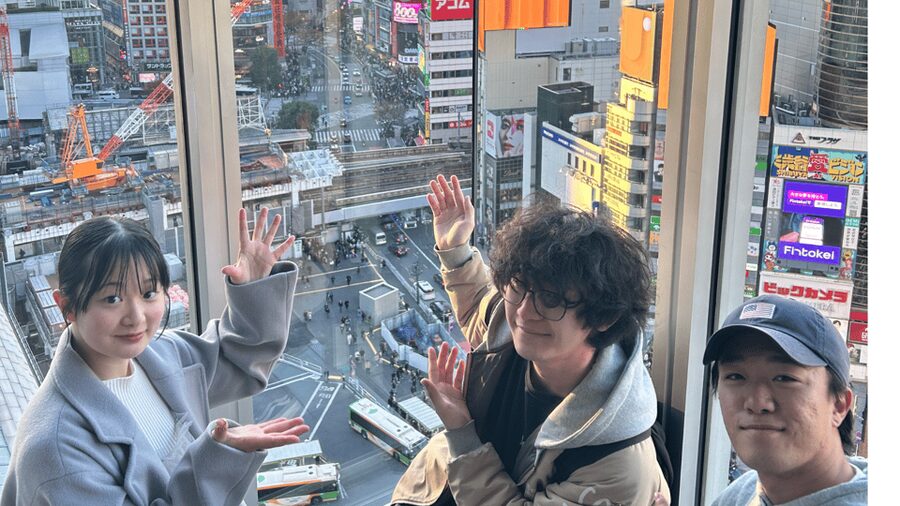
Cat Street links Shibuya and Harajuku through a more relaxed shopping area. The tour allows about 45 minutes here, enough for a guided stroll and a look at independent boutiques and street style.
This is one of the route’s more useful choices. Shibuya Crossing gets the fame, and Takeshita Street gets the loud colors, but Cat Street gives you a better sense of the city between those two poles. It is a good place to ask your guide about local shopping, clothing, and the difference between major retail centers and smaller stores.
Do not expect a quiet country lane. It is still part of central Tokyo and remains a shopping street. The appeal is its scale and atmosphere, not solitude.
The guide’s local advice matters most here. Shun has been praised for suggesting food, shopping, and activities suitable for a whole family. Max adjusted the route for someone who had already spent two days in Shibuya. Those examples point to the main benefit of booking a private tour: you can ask for help instead of following a fixed script.
Takeshita Street and Harajuku’s playful side
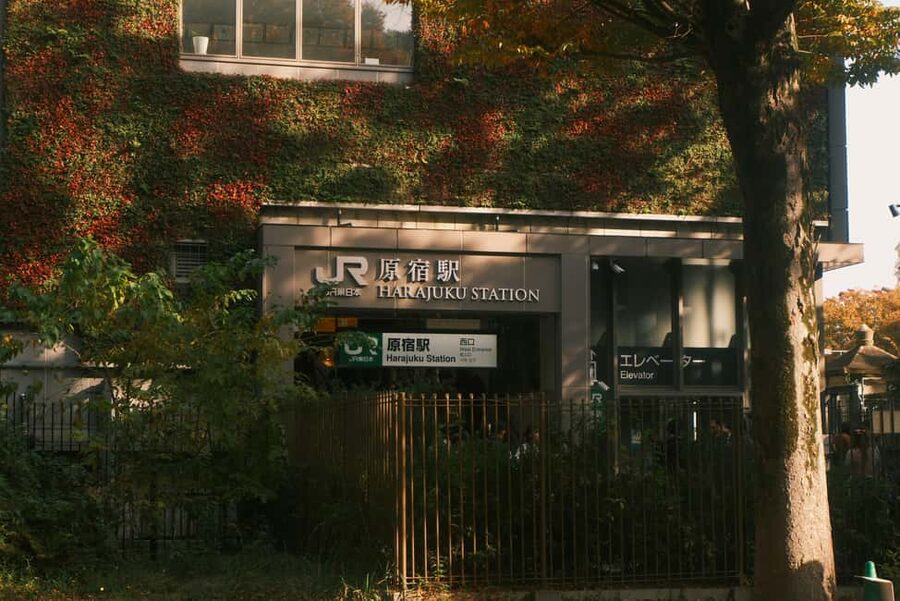
Takeshita Street brings you into Harajuku’s youthful fashion and kawaii, or cute, culture. The tour gives you 45 minutes with a guide, which is enough to understand the street and stop for photos or a quick look at its unusual snacks.
This is a sensory-heavy part of the route. Expect narrow shopping space, bright displays, fashion aimed at young shoppers, and food designed to look as appealing as it tastes. Your guide can explain what is worth noticing and help you make sense of the many choices.
The street can also feel crowded and commercial. If you dislike packed shopping lanes, you may find this stop tiring. It is not a quiet cultural visit, and the time goes quickly if you want to enter several shops.
I would treat Takeshita Street as an introduction, not the final word on Harajuku. The benefit is context. With a guide, you can ask questions about youth style, local products, and the way Japanese pop culture reaches the street. You can then return on your own if one shop or snack catches your eye.
A few more Tokyo tours and experiences worth a look

Meiji Shrine, a calm finish under the trees
The final major stop is Meiji Shrine, with about 30 minutes for a guided visit. The change is immediate. After towers, shopping centers, crossing signals, and street fashion, you walk through a forested approach beneath a large torii gate.
Meiji Shrine is dedicated to Emperor Meiji and Empress Shoken. Your guide can explain the role of the shrine and the basic etiquette for entering a sacred site. That guidance is useful if you are not familiar with shrine customs and want to behave respectfully.
Thirty minutes is enough for an introduction and a calm walk, but not for a slow, detailed exploration of every corner. If the shrine becomes a highlight for you, plan to return later with more time.
This ending works very well. Meiji Shrine does not feel like an unrelated add-on. It gives you a chance to consider the difference between Tokyo’s modern public life and its religious traditions. The tour’s strongest idea is this contrast, and the final stop lets it settle in.
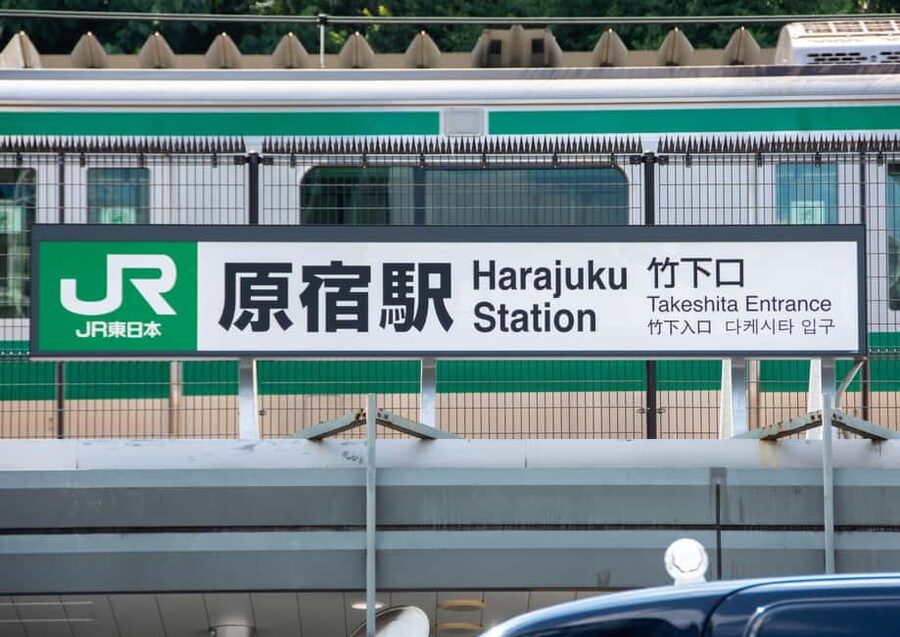
The tour finishes at Harajuku Station. That is convenient for continuing your day, especially if you want to return to Takeshita Street or explore more of the area. You are not brought back to Shibuya, so plan your evening from Harajuku.
What the guide adds to a route you could walk yourself
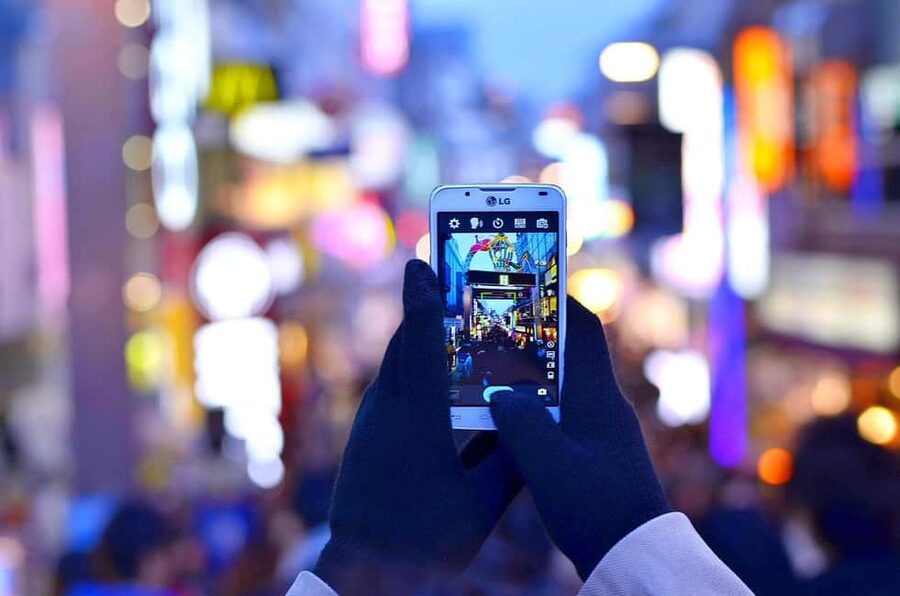
You can reach every district on this tour by train and on foot. That is the central value question. You are not paying for a remote site or difficult transport. You are paying for a private person who can connect the places, answer questions, and adjust the experience.
That help can be practical rather than academic. One guide answered questions about convenience-store products. Another offered food and shopping suggestions for a family. These small exchanges can be more useful than a long memorized speech, especially during your first days in Tokyo.
The guide quality is important, so expectations should be realistic. The experience has received an overall rating of 4.5 from nine reviews, with strong praise for Ren, Shun, Kosei, Konon, and Max. One person found the guide pleasant but felt the explanations were too limited. That is a warning for anyone booking mainly for detailed cultural commentary.
If you want a guide who responds to your questions, say so at the beginning. Ask for history at Meiji Shrine, shopping advice on Cat Street, or help understanding Japanese youth culture in Harajuku. The private format gives you a better chance of shaping the conversation.
Five hours on foot, and what that means
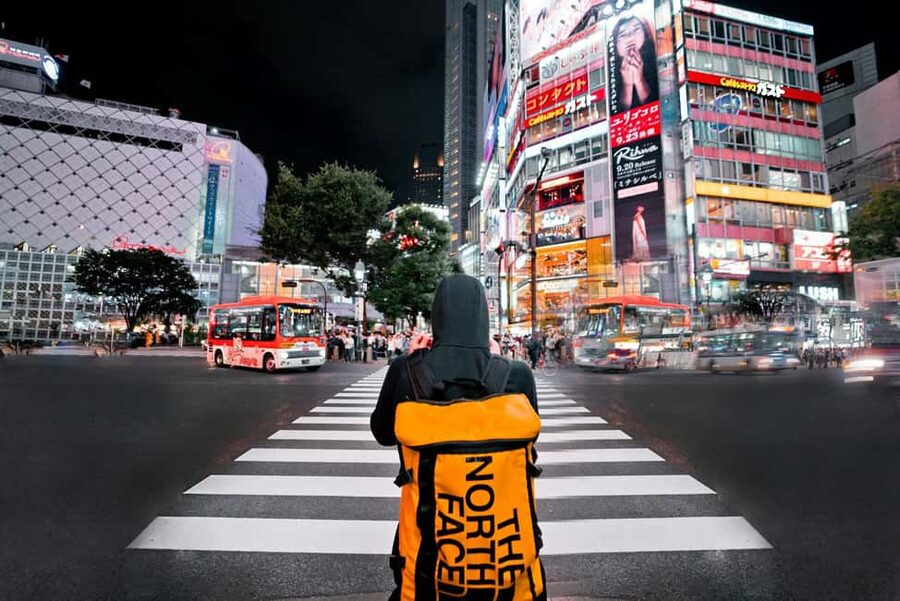
The advertised duration is five hours. The listed time adds up to a full half-day of stops, with 45 minutes at several places and shorter visits at Shibuya Crossing and Meiji Shrine. Movement between the stops is part of the experience, so the schedule will feel active.
Transportation for both you and the guide is not included. There is no private vehicle. That keeps the route close to the streets, but you should budget for any public transportation needed to reach the starting point or continue after the finish. The supplied details do not specify a separate transport fare for the route, so confirm that point before booking if you are watching every yen.
The tour operates rain or shine. Bring suitable clothing and shoes, since weather may affect your comfort and can close outdoor areas at Shibuya Sky. Smoking is not allowed.
The experience is wheelchair accessible, but the route includes a long walk through several busy districts. If you use a wheelchair or have limited stamina, confirm the practical route details and the day’s conditions before you commit to the full five hours.
Is $110 a fair price?
At $110 per person, the cost is high for a walking route through areas that are easy to reach independently. The listed inclusions identify a local guide, while transport and a private vehicle are not included. Admission details for attractions not named among the highlights are excluded, so check exactly what your booking covers before paying.
The price is easier to justify for a private group that wants a simple first-day orientation. You get one person focused on your party, a planned route, and the chance to ask questions throughout the day. Families and first-time visitors may save time and avoid some of the confusion that comes with navigating Shibuya and Harajuku alone.
The price is harder to justify if you want only Shibuya Sky. You could arrange the observation deck and walk the surrounding streets yourself for less. A self-guided plan also gives you more time in shops and lets you linger at Meiji Shrine.
I would book this for the human help, not simply for the attractions. The strongest guides have offered useful food and shopping advice, adjusted the route, and made the city easier to read. If your ideal tour means long historical explanations at every stop, ask about the guide’s style first.
Who should book this Tokyo tour?
This tour suits a first visit to Tokyo, especially if you want to understand where Shibuya and Harajuku fit into the city. It is also a good choice for families who want a private guide and practical suggestions rather than a rigid group schedule.
It works well for visitors who enjoy mixing modern culture with tradition. You get the city view, shopping districts, youth fashion, public spaces, and a major shrine in one outing.
You may prefer to go independently if you have already spent several days in Shibuya, know how to use Tokyo’s trains, or want extended shopping time. You may also find better value by booking Shibuya Sky separately and giving the rest of the day to your own route.
Final call: book for orientation, skip it for bargain sightseeing
Book this tour if you want a private introduction to western Tokyo, value direct local advice, and like the idea of moving from Shibuya’s high-rise energy to Meiji Shrine’s quiet forest in one half-day. Tell the guide what interests you, since the best value comes from conversation and flexible help.
Skip it if $110 feels steep for a walk through accessible districts, or if you mainly want the Shibuya Sky view. The route is easy to recreate, but a good guide can turn a string of famous places into a clearer picture of how modern and traditional Tokyo share the same city.
FAQ
How long does the Tokyo Shibuya and Harajuku tour last?
The tour lasts five hours.
Where does the tour begin?
It begins at the Hachiko Statue, the 忠犬ハチ公像, near Shibuya Station.
Where does the tour finish?
The tour finishes at Harajuku Station.
Is this a private tour?
Yes. This is a private group activity.
Which languages are available?
The live guide is available in English and Japanese.
Is transportation included?
No. Transportation for you and the guide is not included, and the tour does not use a private vehicle.
What happens if it rains?
The tour operates rain or shine. Strong wind or other conditions may affect access to parts of Shibuya Sky, including the outdoor viewing area.
More Temples & Meditation in Tokyo
More Shibuya Tours in Tokyo


More tours in Tokyo we've reviewed











Shibuya Tours, compared.
 ★ 5.0Official Street Go-Kart in ShibuyaFrom $76
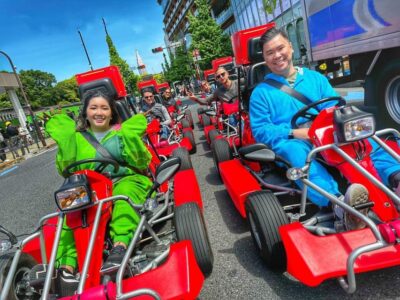 ★ 4.9Tokyo: Street Kart Experience in ShibuyaFrom $741 hour
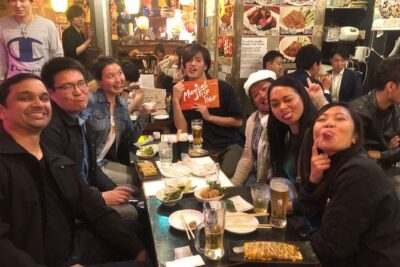 ★ 5.0Shibuya Meltdown Nightlife Tour: All-You-Can-Drink Bar HoppingFrom $106
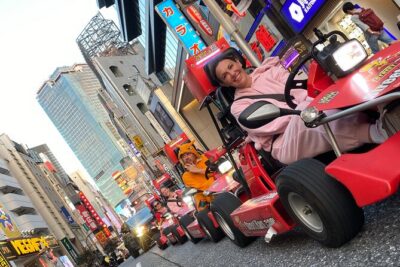 ★ 5.0Shibuya Official Street Go-Kart in Shibuya AnnexFrom $69
 ★ 5.0Tokyo: Shibuya Food Tour (13 dishes and 4 Eateries)From $77
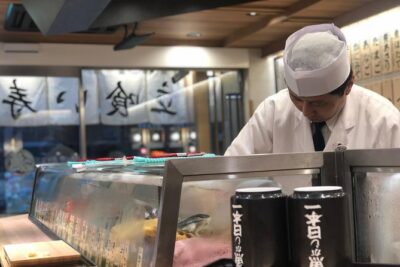 ★ 5.0Best of Shibuya Food TourFrom $217