
Reviewed · TEA CEREMONY & MATCHA
Tokyo:Tea ceremony experience at Komaba Warakuan
Tokyo’s Komaba Warakuan offers something many tea ceremonies skip: a real choice in mood. Pick rich tea for a quiet, concentrated seat, or light tea for a brighter setting where conversation is welcome. Both include Japanese tea, traditional sweets, and hands-on instruction.
I like the small group size, limited to four people, and the fact that beginners get careful guidance rather than being expected to know the rules. I also like the setting’s connection to the Kobori Enshu school, a tea tradition linked with the third Tokugawa shogun. The main drawback is finding the place, as better directions and photos would help. At $56 per person, the cost also deserves a close look.
In This Review
- Key points at a glance
- Why Komaba Warakuan feels different from a quick tea demonstration
- Arriving, changing into tabi socks, and entering the tea room
- Rich tea or light tea: choosing the right atmosphere
- Learning the tea-making movements
- A small group makes the instruction more personal
- What the historical connection adds
- Is $56 per person a fair price?
- Practical advice for a smoother visit
- Who should book this tea ceremony?
- FAQ
- Where is the tea ceremony held?
- How much does the experience cost?
- How long does the tea ceremony last?
- How many people can join the group?
- Is the experience suitable for beginners?
- Can I choose between different tea ceremony styles?
- Are Japanese tea and sweets included?
- Are tabi socks provided?
- Are tea ceremony items provided?
- What language does the instructor speak?
- Can I cancel for a refund?
- Is the venue easy to find?
Key points at a glance
- Choose your tea style: Rich tea offers a quiet, focused setting, while light tea has a sunnier, more conversational feel.
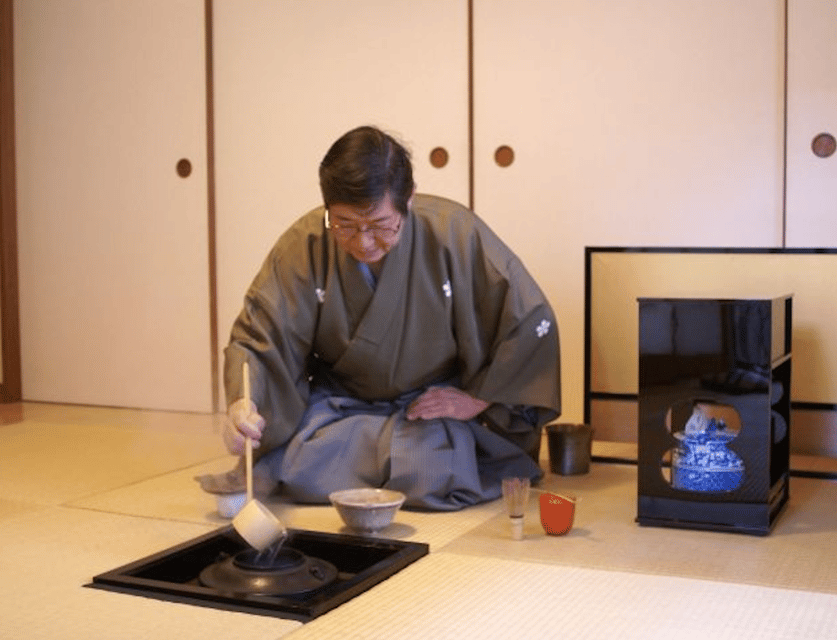
- Learn by doing: The Japanese instructor explains how to make the tea and guides you through the ceremony step by step.
- Historic school setting: Komaba Warakuan taught the Kobori Enshu school and served as tea instructor to the third Tokugawa shogun.
- Small group experience: With no more than four participants, you get more room to ask questions and follow the movements.
- Traditional details included: Tabi socks, folding fan, paper, toothpick, and other tea implements are provided.
- Plan extra time to find it: One of the clearest practical concerns is locating the venue, so do not arrive at the last minute.
Why Komaba Warakuan feels different from a quick tea demonstration
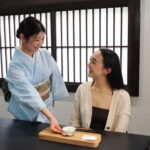
A short tea demonstration can be pleasant, but it often leaves you watching from the side. At Komaba Warakuan, the point is participation. You are shown how the process works, then given the chance to make tea yourself under instruction.
That matters because the ceremony is built from small actions. How you enter, where you sit, how you handle the tea tools, and how you receive the bowl all carry meaning. You do not need to know these customs in advance. The instructor explains the flow before the formal portion begins, which takes much of the pressure off first-time participants.
The setting also gives the activity more weight than a generic tourist presentation. Komaba Warakuan is a school connected with the Kobori Enshu tradition. It also served as tea ceremony instructor for the third Tokugawa shogun. You are not simply being shown how to whisk a bowl of tea. You are being introduced to a school with a long teaching lineage.
The information provided does not name the instructor, but the session is conducted in Japanese. If you need instruction in another language, you should take that into account before booking. The structure is beginner-friendly, yet the language point is important because tea ceremony depends on careful explanation.
A few more Tokyo tours and experiences worth a look
Arriving, changing into tabi socks, and entering the tea room
The experience begins with an explanation of the schedule. This first briefing is useful because tea ceremony etiquette can feel unfamiliar, even when the actual movements are simple. You learn what will happen before you are asked to take part.
Next, you change into tabi socks. These traditional socks are provided, though you can bring your own if you prefer. The change is not just a costume detail. Tabi socks are part of the expected dress for entering a tea room, and the activity gives you a chance to take part in that custom rather than simply observe it.
You then walk through an open area toward the tea room. The route is short in description, but it helps set a clear boundary between the everyday arrival and the formal ceremony. This is one reason to avoid rushing in at the last minute. You will want enough time to find the venue, change, and settle into the pace of the activity.
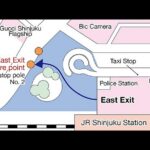
Finding Komaba Warakuan may be the trickiest part. A participant who had a very positive time still found the location difficult to locate and wanted better directions and pictures. Another person also had trouble finding the place. I would save the meeting information before leaving your hotel and allow extra time for the final approach.
The available information does not provide a station name, street directions, or a landmark. For that reason, I would not rely on a quick map glance while walking. Confirm the exact meeting point when you book and keep the contact details available.
Rich tea or light tea: choosing the right atmosphere
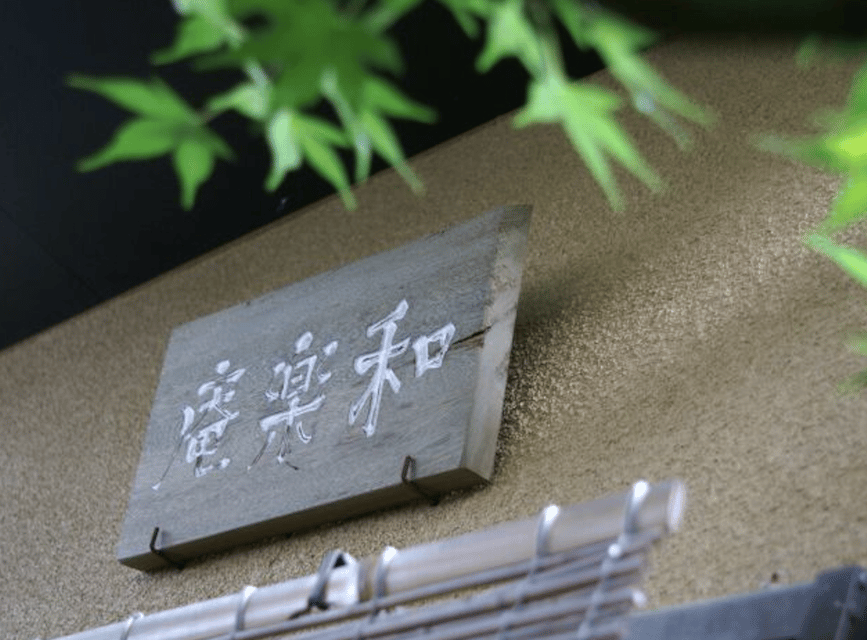
The two tea options are not merely different menu names. They are presented as different social settings, so your choice should depend on how you want the session to feel.
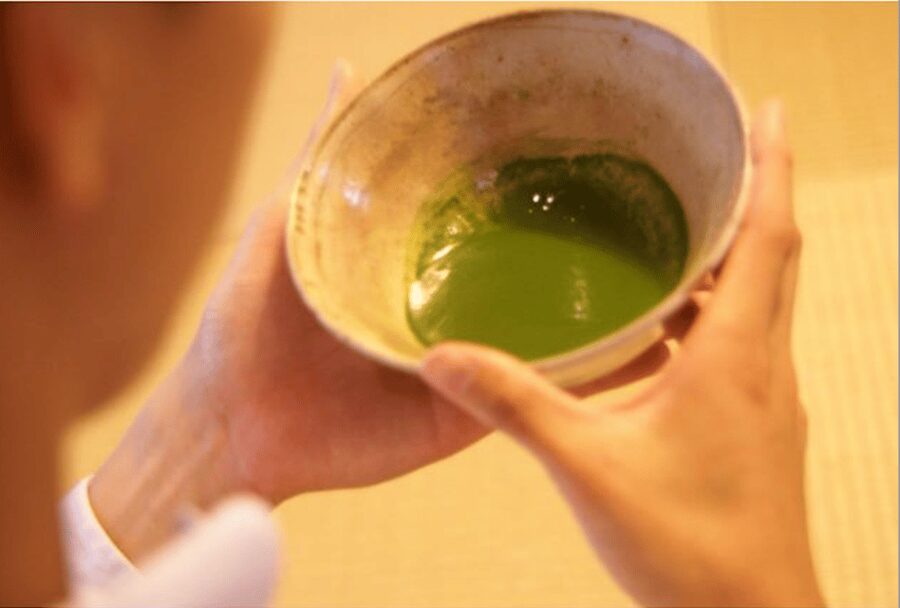
Rich tea is described as a hidden seat where you can face the tea quietly. This is the better fit if you want concentration, ceremony, and a more inward setting. The emphasis is on the tea itself and the calm rhythm of preparing and receiving it.
Light tea is described as the seat of the sun. It is brighter, and conversation is more lively. Choose it if you prefer a relaxed social mood or if you want the instructor to explain things through more open conversation.
The descriptions are poetic, but the practical point is clear: decide if you want quiet focus or a lighter exchange. If you are booking for a family or mixed group, discuss this in advance. The two options may suit different personalities, though the available details do not explain if every participant in one booking must select the same plan.
Both courses include Japanese tea and traditional sweets. The sweets are an important part of the experience because tea ceremony is not only about drinking tea. The sweet prepares your palate for the tea and gives the ceremony a pleasing balance.
Learning the tea-making movements
After the setting and etiquette are explained, the instructor carefully teaches you how to make the tea. This is the heart of the session. You are not expected to copy a long series of movements without help.
Tea ceremony can look effortless when performed by someone experienced. For a beginner, the order of actions is less obvious. Having the instructor guide you step by step makes the activity approachable, especially if you are worried about using the implements incorrectly.
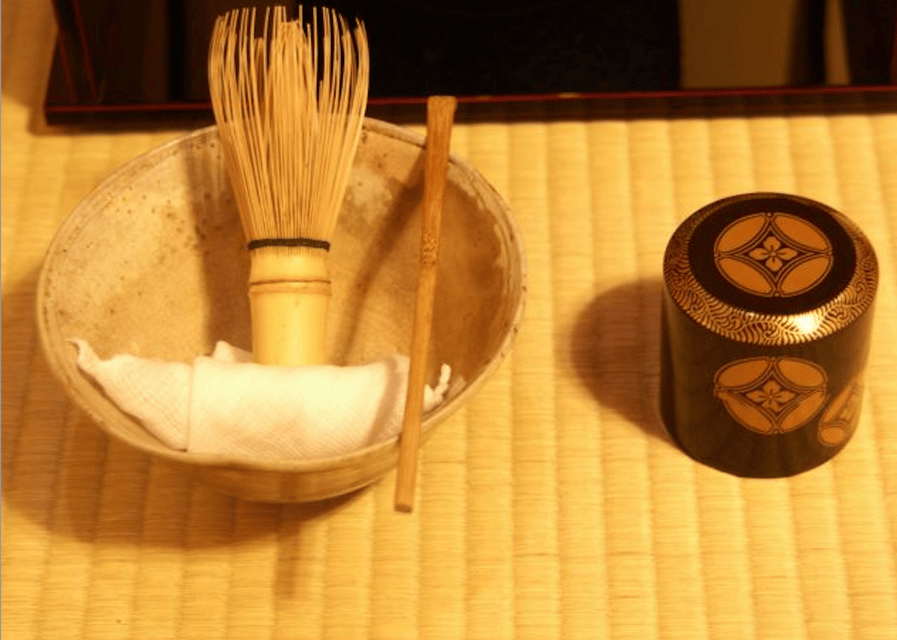
The materials include a fukusa, scissors, folding fan, paper, toothpick, and other items used during the ceremony. The supplied details refer to a fukusa and scissors, along with a folding fan, paper, and toothpick. You do not need to bring these tools because they are provided.
You may bring your own items if you have them. That option will matter most to people who already practice tea ceremony or who own personal tea utensils. For everyone else, the included equipment keeps the experience simple and avoids the need to prepare anything special.
The session lasts from 90 minutes to two hours. That range gives the instructor room to adjust the pace, but it also means you should not schedule something immediately afterward. A quiet ceremony can feel rushed if you are watching the clock.
A small group makes the instruction more personal
The group limit is four participants. That is one of the strongest practical features of this activity. In a large group, you might spend much of the ceremony trying to see what is happening. With four people or fewer, the instructor has a better chance to watch your movements and correct small mistakes.
The small format also helps if you have questions. Tea ceremony has many details that are easy to miss, and a compact group gives you more opportunity to ask about the school, the tools, and the meaning of the steps.
This setup works well for families, too. Children aged 14 and 11 were able to take part in the activity and found it educational and relaxing. That does not mean every child will enjoy sitting through a formal ceremony, but the hands-on format gives younger participants something to do.
The experience also suits solo visitors and couples who want a cultural activity with a quieter pace. If you want a loud, fast-moving Tokyo attraction, this is not the right choice. If you want to slow down and pay attention to a Japanese custom, the format is well suited.



What the historical connection adds
Komaba Warakuan taught the Kobori Enshu school and served as tea ceremony instructor for the third Tokugawa shogun. That connection gives you useful context for the ceremony’s formality and attention to detail.
The supplied information does not provide a full history lecture or a list of specific artifacts at the school. You should not book this expecting a museum visit or a long academic talk. The historical value comes through the school setting and the explanation of the ceremony’s practice.
One of the most appealing parts is the chance to connect simple movements with a long-established tradition. A folding fan, a bowl of tea, a sweet, and a careful seating arrangement can seem small on their own. In the tea room, they become part of a larger system of manners and focus.
The activity also appears to balance tradition with access. The ceremony remains formal enough to feel meaningful, but beginners receive direct instruction. That balance is difficult to get right. Too much formality can make visitors nervous, while too little can reduce the ceremony to a photo opportunity.
Is $56 per person a fair price?
At $56 per person, this is not the cheapest way to try Japanese tea. You are paying for a 90-minute to two-hour session, a small group capped at four, an instructor, the tea and sweets, the supplied items, and the use of a historic school setting.
The value depends on what you want from the activity. If your goal is simply to taste matcha, you can likely find a less expensive option. If you want instruction, etiquette, traditional tools, and a setting connected with the Kobori Enshu school, the price is easier to justify.
There is a warning here. One participant felt the price was high compared with the average and rated the activity three out of five, despite enjoying the traditional ceremony. That is useful advice. I would compare the price with other tea activities in Tokyo before booking, especially if you are traveling on a tight budget.
The high overall rating of 4.8 from nine reviews points to strong satisfaction, but the sample is small. The most consistent strengths are the instructor’s careful explanations, the authenticity of the setting, and the educational value. The clearest weaknesses are the directions and the price.
Practical advice for a smoother visit
Give yourself extra time to locate Komaba Warakuan. The venue can be difficult to find, and a better map image or location guide would make the arrival easier.
Wear clothing that lets you change into tabi socks without fuss. The activity does not state a formal clothing requirement, so do not invent one, but you should be comfortable sitting and moving through a traditional tea setting.
Bring your own tea utensils only if you already have them. Tabi socks and the listed tea items are supplied, so most people can arrive without special equipment.
Think about the mood you want before selecting a plan. Rich tea suits quiet attention. Light tea suits brighter conversation. If you are booking with others, make sure your group has the same expectations.
Remember that the instructor teaches in Japanese. The activity data lists Japanese as the language, and no translation service is specified. That does not rule out a rewarding visit for non-Japanese speakers, but you should be comfortable with the language arrangement.
Cancellation is free up to three days in advance for a full refund. The duration and start times vary, so check availability before you commit your day’s schedule.
Who should book this tea ceremony?
I would recommend Komaba Warakuan to first-time visitors who want more than a quick cup of tea. It is especially appealing if you care about traditional practice, prefer a small group, and enjoy learning through careful instruction.
Families can consider it, since older children have taken part successfully. Couples and solo visitors may also appreciate the calm setting. The choice between rich tea and light tea lets you match the activity to your preferred mood.
I would hesitate if you need instruction in English or another language, since Japanese is the listed language. I would also think twice if $56 feels high for a 90-minute cultural activity or if you dislike spending time searching for a difficult-to-find venue.
Book it if the school’s history, the hands-on format, and the small group matter to you. Skip it if you only want to sample tea cheaply or need a highly polished tourist operation with simple directions. For the right visitor, this is a thoughtful and unusually personal look at one of Japan’s most precise traditions.
FAQ
Where is the tea ceremony held?
The experience takes place at Komaba Warakuan in Tokyo, on Honshu, Japan.
How much does the experience cost?
The listed price is $56 per person.
How long does the tea ceremony last?
The activity lasts between 90 minutes and two hours.
How many people can join the group?
The group is limited to four participants.
Is the experience suitable for beginners?
Yes. The instructor explains the process and carefully teaches you how to make the tea.
Can I choose between different tea ceremony styles?
Yes. You can choose rich tea or light tea. Rich tea is intended to be quiet and focused, while light tea has a brighter setting with more conversation.
Are Japanese tea and sweets included?
Yes. All three available courses include Japanese tea and traditional sweets.
Are tabi socks provided?
Yes. Tabi socks are provided, although you may bring your own.
Are tea ceremony items provided?
Yes. A fukusa, scissors, folding fan, paper, toothpick, and other items are provided. You may bring your own items if you have them.
What language does the instructor speak?
The instructor teaches in Japanese. No other instructional language is specified.
Can I cancel for a refund?
Yes. You can cancel up to three days in advance for a full refund.
Is the venue easy to find?
Finding the venue may take extra effort. The available directions and pictures may not be detailed enough, so allow additional time and confirm the location before you go.
More Tea Ceremony & Matcha in Tokyo

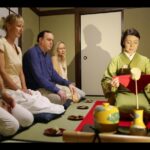
More tours in Tokyo we've reviewed











Tea Ceremony & Matcha, compared.
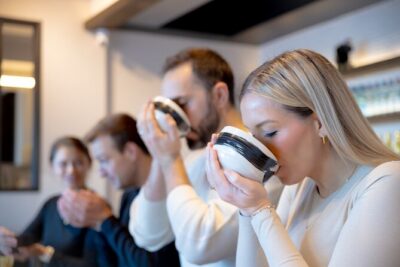 ★ 5.0Matcha Making Class in Tokyo with Authentic Japanese Sweets SetFrom $21
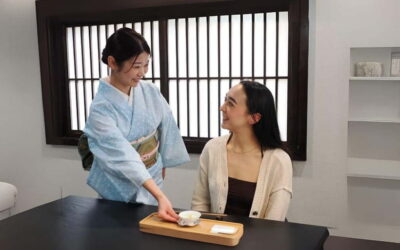 ★ 5.0Tokyo: Traditional Tea Ceremony with a Tea MasterFrom $381 hour
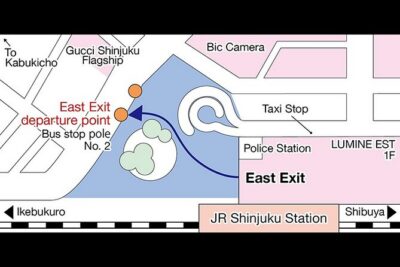 ★ 4.5Dynamic Tokyo: Tokyo Tower, Tea Experience, Bay Cruise Day TourFrom $99
 ★ 4.9Tokyo: Matcha Making Experience with Mochi Sweets in AsakusaFrom $221 hour
 ★ 4.7Tokyo: Matcha and Kimono ExperienceFrom $57
 ★ 5.0Tea Ceremony Workshop in Tokyo by the Experienced InstrucorFrom $38