
Reviewed · CRAFT WORKSHOPS
Tokyo: Calligraphy Workshop & Original T-Shirt Creation
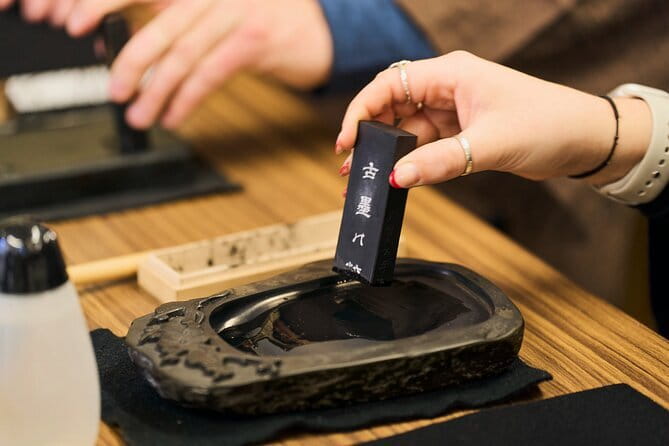
The most memorable part of this Shinjuku workshop is the ink. You grind a solid inkstick by hand, slowly mixing it with water until you have something ready for the brush. It is a quiet, hands-on start to a class that turns your name into kanji and your effort into a souvenir.
I like the patient teaching and the small groups, limited to 10 people. I also like that you can take a paper artwork home even if you skip the optional T-shirt. The main consideration is that calligraphy is harder than it looks, and the T-shirt costs extra.
In This Review
- Key points
- A quiet calligraphy class near Okubo Station
- Grinding an inkstick changes the pace
- Learning brush control before the final artwork
- Turning your name into meaningful kanji
- Paper artwork or an optional calligraphy T-shirt
- What makes the English guidance useful
- Is $30 good value for two hours?
- Who will enjoy this Shinjuku experience?
- Practical details before you book
- Should you book the calligraphy workshop?
- FAQ
- Where does the calligraphy workshop meet?
- How long does the activity last?
- Is the workshop taught in English?
- Is the T-shirt included in the price?
- How many people can join the class?
- Can I cancel for a full refund?
Key points
- Grind real ink by hand: Begin with a traditional inkstick rather than a ready-made bottle.
- Build your name in kanji: Learn the meaning and arrangement of characters chosen for you.
- Study with a calligraphy teacher: Practice brush pressure, stroke order, and spacing before making your final piece.
- Choose your souvenir: Take home paper artwork, or add your calligraphy to an original T-shirt for an additional cost.
- Learn in English: An English-speaking host translates the teacher’s explanations and helps you through the activity.
- Enjoy a calm break in Shinjuku: The workshop offers a slower cultural experience after Tokyo’s noise and crowds.
A quiet calligraphy class near Okubo Station
Tokyo offers plenty of fast-moving sights, but this two-hour class asks you to slow down. You meet at the FamilyMart Okubo Station South Exit Store, at 1-23-21 Hyakunincho in Shinjuku-ku. A guide holds a Local Guide Stars sign, which makes the meeting point easier to spot.
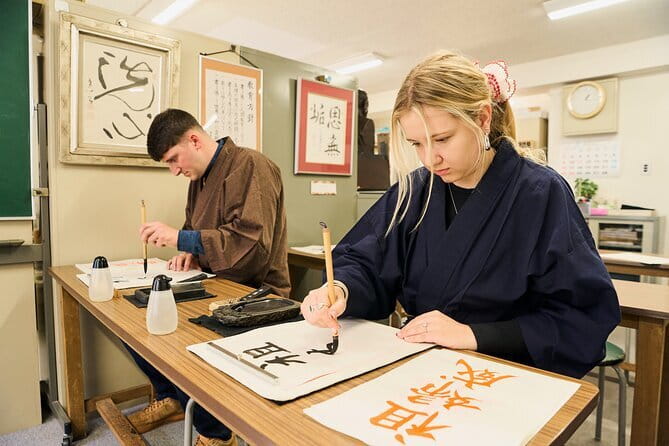
The location is in the Shinjuku area, but the activity itself is not a sightseeing walk. You go to the workshop, change into traditional Japanese workwear, and settle in for a practical lesson. I would allow a little extra time to find the convenience store, especially if you are unfamiliar with the streets around Okubo Station.
The class is conducted in English. The person translating may vary. Past sessions have included hosts such as Hiromi, Naoto, Nono, Aki, Frankie, Mayuko, and Erico, while calligraphy teachers have included Sousen, Nori, Mona, and Horino. The important point is that you have an English-speaking guide to explain the teacher’s comments, not that one particular host is guaranteed.
With a maximum of 10 people, the setup gives the teacher time to look at each person’s brushwork. Some sessions may be smaller, and one class had a single student. That can mean more personal help, though it may also make you feel that your every stroke is being watched. For beginners, direct feedback is useful.
A few more Tokyo tours and experiences worth a look

Grinding an inkstick changes the pace
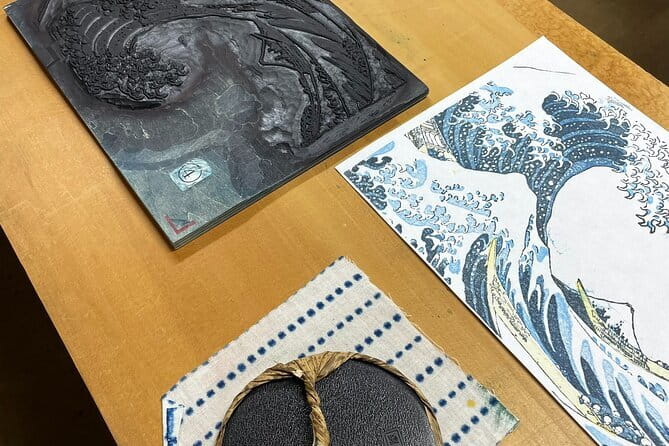
The first activity is making ink from a solid inkstick. You add water and grind the stick against an inkstone, working slowly until the ink reaches a usable consistency.
This is not just a decorative ritual. It gives you a physical introduction to the patience behind calligraphy. The motion is repetitive and quiet, and several people found it calming. In a city where you may spend much of the day crossing streets, checking train signs, and dodging crowds, this gentle opening creates a different rhythm.
You also get to use professional calligraphy tools rather than a simplified tourist kit. That matters because the tools affect the feel of the brush and the flow of the ink. You see that calligraphy is not only about drawing attractive characters. It involves preparation, control, timing, and attention.
The class also explains Japanese writing systems and how characters developed over time. You learn that a name written in another alphabet cannot always be transferred into kanji in one simple step. The teacher helps create a kanji version with meaning, sound, or personal appeal.
Learning brush control before the final artwork
After the ink is ready, you practice basic techniques. The teacher demonstrates how to hold and move the brush, how much pressure to use, and how strokes should begin and end.
Stroke order is part of the lesson. It is easy to think of kanji as small pictures and copy their general shape, but proper order affects the balance and movement of the character. You practice individual strokes before attempting a complete name or word.
The teacher gives corrections as you work. Beginners should expect their first attempts to look uneven. That is part of the point. You are not buying a polished piece made by someone else. You are learning enough technique to make a personal one.
I appreciate that the teaching is encouraging rather than rushed. The teacher may demonstrate a stroke several times, then let you try it. English support from the guide helps you understand why a line should be shorter, heavier, lighter, or placed differently.
The lesson can be especially helpful if you are interested in Japanese language. You are not simply copying symbols. You are discussing meaning, pronunciation, order, and arrangement. Several participants found the connection between names and kanji one of the most interesting parts of the class.
Turning your name into meaningful kanji
The name activity gives the workshop its personal touch. Instead of writing a standard Japanese word from a worksheet, you work with a kanji version of your own name.
The teacher helps explain the characters and their meanings. You may also have some freedom in choosing kanji that feel suitable or meaningful to you. That makes the finished work more than a generic souvenir. It connects the writing to your identity and gives you a reason to care about the shape of each character.
You should listen closely during this part. Kanji can carry several layers of meaning, and the final choice may be based on sound, meaning, or both. If you are taking the class with a partner or child, comparing the characters and their meanings adds another enjoyable part to the session.
This is also where the workshop differs from a simple handwriting lesson. You get a small introduction to how Japanese characters work, along with the artistic side of writing them. The teacher may discuss the evolution of Japanese alphabets and show how different strokes create different visual effects.
The class does not promise mastery in two hours, and you should not expect it. What you gain is a better feel for the discipline, plus enough guidance to make a credible first attempt.
Paper artwork or an optional calligraphy T-shirt

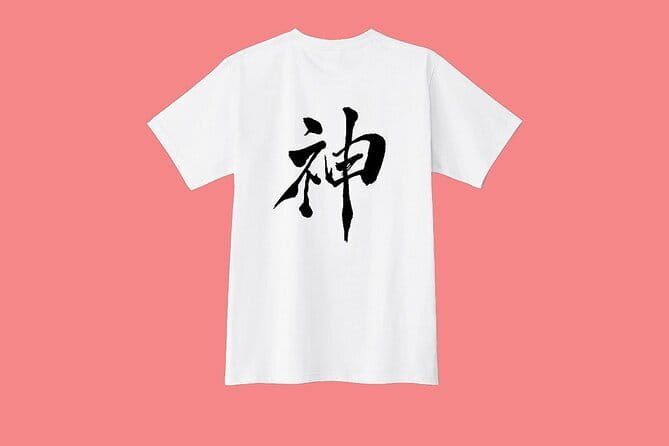
Your final calligraphy can become a paper artwork to take home. This is included, along with the calligraphy supplies used during the class. If you want clothing instead, you can write your kanji directly on an original T-shirt.
The T-shirt is not included in the $30 activity price. The exact extra cost is not given, so check the current amount before booking if the shirt is central to your plans. One participant found the shirt expensive, while others felt the finished souvenir made the activity worthwhile.
I would treat the T-shirt as an optional upgrade, not the reason to book. The paper artwork is still a proper keepsake, and some people preferred not to add clothing. A paper piece is also easier to display and does not require you to choose a size or carry another item around Tokyo.
The shirt does offer a more playful result. Calligraphy is difficult for beginners, so the final design may look charmingly imperfect rather than store-ready. That is part of its appeal. You create something with your own hand, not a perfect reproduction.
If you are taking the class with children, the T-shirt can give them a clear goal. The activity is designed to be enjoyable for children, and the patient approach has worked well with younger participants, including a toddler. Still, young children may need help with the brush, ink, and waiting quietly during explanations.
A few more Tokyo tours and experiences worth a look





What makes the English guidance useful
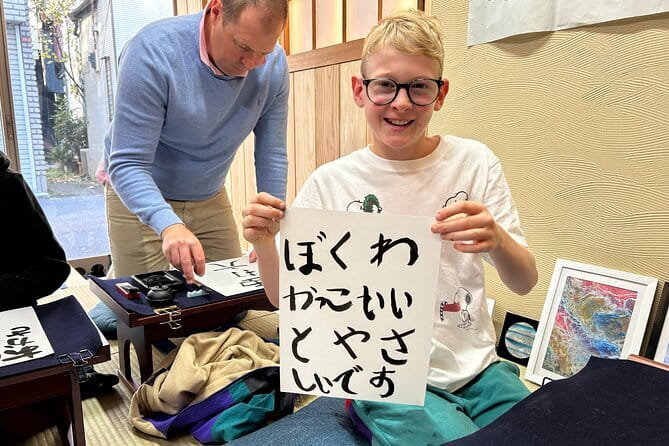
The English guide does more than point out where to sit. The guide translates the Japanese teacher’s instructions and often adds cultural context.
That support is particularly useful when the teacher explains brush order or the meaning of your kanji. A short translation can prevent confusion, while an added explanation can show why the writing is arranged in a certain way.
Hosts such as Hiromi have been praised for helping with brush technique, keeping the room calm, and responding to individual ideas. Mayuko was described as providing especially clear English translation, and Nono helped add cultural background to the lesson. Host assignments can change, but the format is built around English assistance.
The class is still taught by a Japanese calligraphy instructor, not only by an interpreter. That gives you a chance to learn from someone connected to the traditional practice. One teacher described the art as something passed down through his family, which adds a personal layer to the instruction.
You should not expect every cultural explanation to be equally long. The focus remains on making ink, practicing, and producing your artwork. For most people, that balance works well.
Is $30 good value for two hours?
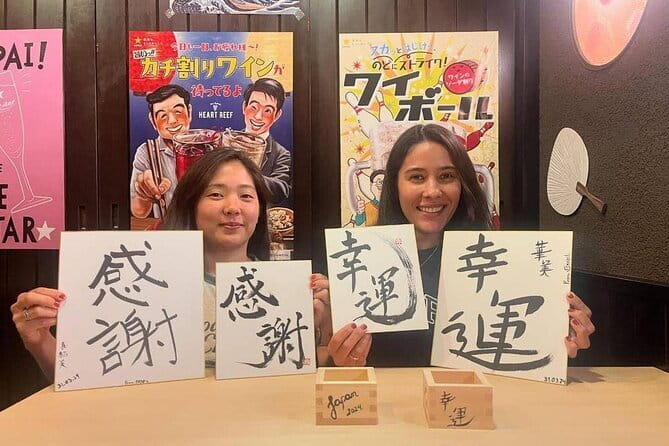
At $30 per person, the class is reasonably priced for a two-hour small-group activity in central Tokyo. The fee includes an English guide, use of the calligraphy tools and supplies, instruction, and your take-home artwork.
The value comes from the active format. You are not simply watching a demonstration. You grind the ink, handle the brush, practice strokes, learn about kanji, and produce something personal.
The separate T-shirt charge is the one budget detail to watch. If you want the shirt, your final cost will be higher than the advertised rate. If you are happy with paper artwork, the basic price is easier to judge and includes the main creative experience.
A small group also helps justify the price. A class of up to 10 people is large enough to meet others but small enough for individual correction. Sessions may have fewer participants, though that depends on the booking date.
Free cancellation is available up to 24 hours before the activity for a full refund. You can also reserve and pay later, which is helpful if your Tokyo schedule is still changing.
Who will enjoy this Shinjuku experience?
I would choose this workshop if you want a cultural activity that engages your hands and attention. It suits first-time visitors who want something beyond temples, shopping, and observation decks.
It is particularly good for:
- People curious about Japanese writing
- Art lovers who do not need formal experience
- Families looking for an indoor activity
- Couples who want matching or related souvenirs
- Solo visitors who enjoy patient instruction
- Anyone needing a quiet two-hour break from city sightseeing
You do not need to know Japanese. The class is in English, and the guide helps explain the teacher’s instructions.
You also do not need artistic talent. In fact, the workshop is most useful if you accept that your first strokes may be rough. The teacher’s feedback helps, but this is not a professional certification course or a way to become skilled in one afternoon.
If you want a perfectly polished piece, you may prefer to buy calligraphy from a specialist. If you want to understand the process and make your own imperfect work, this is a much better fit.
Practical details before you book
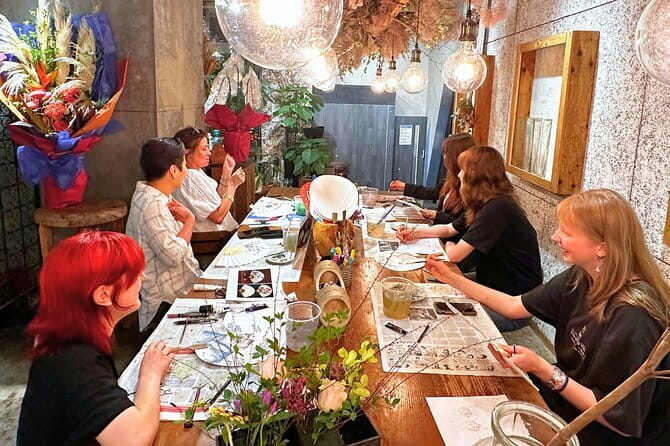
Plan on two hours from meeting to finish. Starting times vary, so check availability for your chosen date.
Wear something that will not cause concern if a small amount of ink gets on it. The activity includes changing into traditional workwear, but sensible clothing is still a good idea.
Bring your booking details and look for the guide holding the Local Guide Stars sign at the FamilyMart outside the Okubo Station South Exit. The supplied meeting address is 1-23-21 Hyakunincho, Shinjuku-ku, Tokyo. A map link is also provided with the booking information.
The workshop is in Shinjuku, but it is not a general tour of the district. Pair it with nearby plans before or after, and allow time for the class to finish on schedule.
You may want to decide in advance if the T-shirt matters to you. Since it costs extra and is not included, ask about the current price at the time of booking. If you choose paper only, you still receive artwork to take home.
The activity has a 4.9 rating from 105 reviews, with repeated praise for the calm atmosphere, clear translation, patient teaching, and personal attention. Those qualities are more important here than flashy presentation.
Should you book the calligraphy workshop?
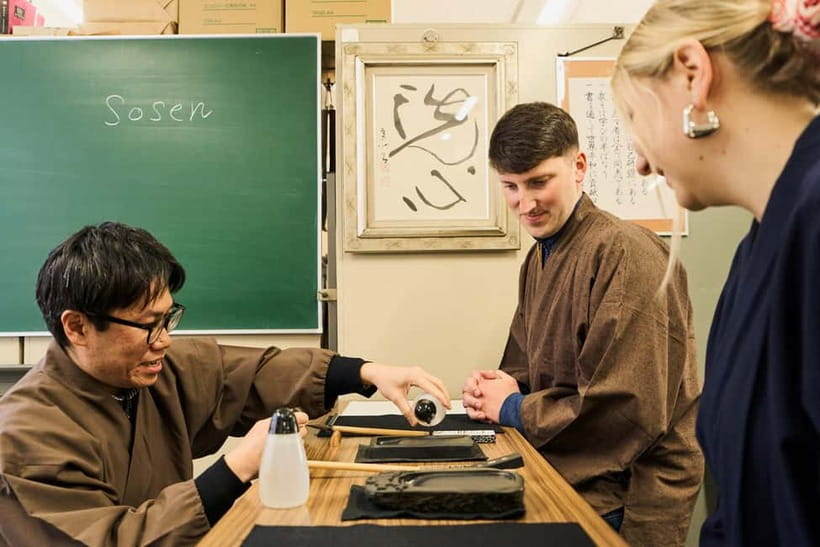
Book it if you want a personal souvenir and a real introduction to Japanese calligraphy, not just a quick photo opportunity. The ink-making, kanji name exercise, and brush practice give the two hours a clear sense of purpose.
I would be especially happy to recommend it to families, couples, and solo visitors who enjoy learning by doing. The optional T-shirt is fun, but the strongest reason to go is the process itself: slow preparation, careful strokes, and a chance to see your name in a new form.
Skip it if your schedule is packed with must-see sights or if you want a completely polished artwork without making it yourself. For everyone else, $30 buys a calm, well-supported cultural activity in Shinjuku, with a keepsake that carries your own mistakes and personality.
FAQ
Where does the calligraphy workshop meet?
You meet at the FamilyMart Okubo Station South Exit Store, located at 1-23-21 Hyakunincho, Shinjuku-ku, Tokyo, Japan. A guide holds a sign that says Local Guide Stars.
How long does the activity last?
The workshop lasts two hours. Starting times vary, so you need to check availability for your preferred date.
Is the workshop taught in English?
Yes. The activity includes a live English-speaking guide who translates and supports the calligraphy lesson.
Is the T-shirt included in the price?
No. Original T-shirts are not included in the $30 price. The T-shirt option costs extra, while your paper calligraphy artwork is included as a take-home souvenir.
How many people can join the class?
It is a small-group activity limited to 10 participants.
Can I cancel for a full refund?
Yes. You can cancel up to 24 hours in advance for a full refund. You can also reserve now and pay later.
More Workshops & Classes in Tokyo
More Craft Workshops in Tokyo

More tours in Tokyo we've reviewed







Craft Workshops, compared.
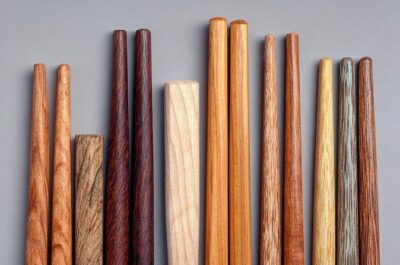 ★ 5.0Tokyo Shinjuku Chopsticks Making ClassFrom $20
 ★ 4.8Chopstick Making Workshop in GinzaFrom $251 hour
 ★ 5.0Kintsugi Experience: Art of Golden Joinery in TokyoFrom $59
 ★ 5.0Tokyo Chopstick Making Workshop with ArtisanFrom $26
Tokyo: Shinjuku Chopstick Making ClassFrom $121 hour
Tokyo: Chopstick-Making WorkshopFrom $61 hour
★ 5.0Tokyo Chopstick Making Workshop with ArtisanFrom $26
Tokyo: Shinjuku Chopstick Making ClassFrom $121 hour
Tokyo: Chopstick-Making WorkshopFrom $61 hour