
Reviewed · GINZA TOURS
Tokyo’s Upmarket District: Explore Ginza with a Local Guide
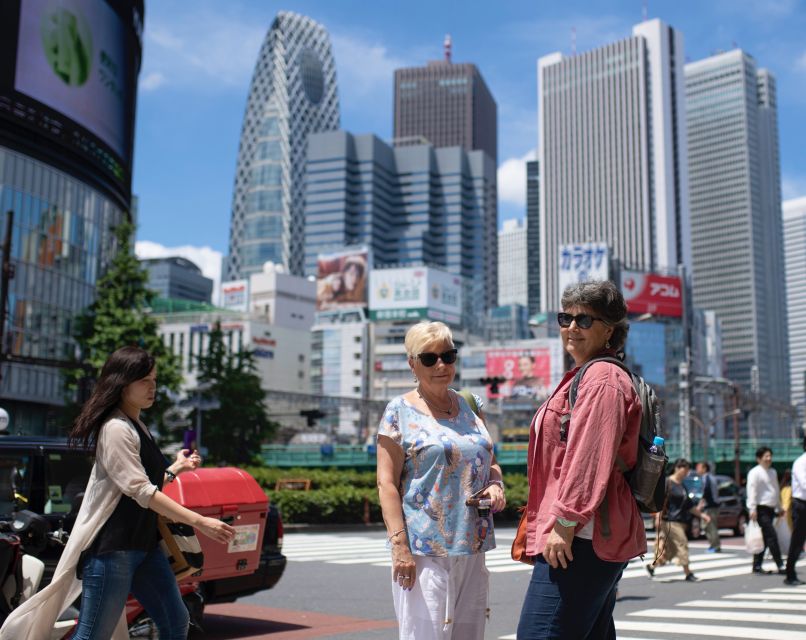
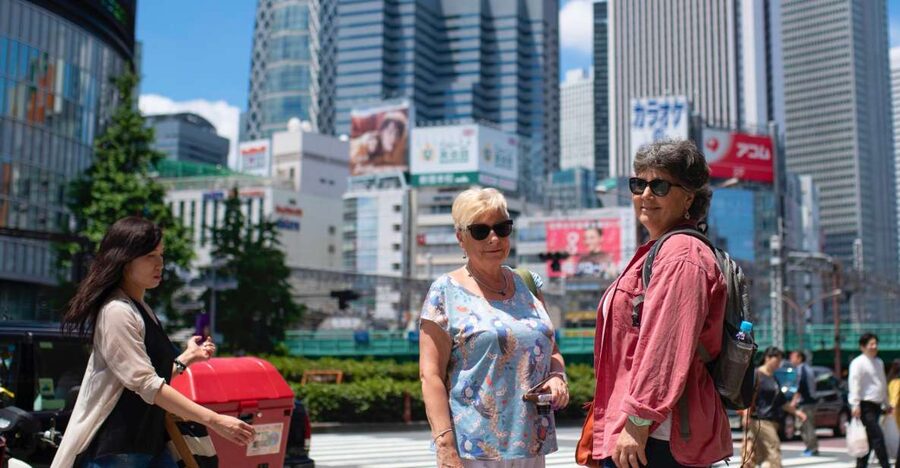
Ginza is Tokyo with its dress shoes on, but this private walk lets you choose how polished or down-to-earth the outing feels. Your host can point you toward Wako’s famous clock tower, Kabukiza theater, designer shops, bakeries, and tea stores, then steer you to the small restaurants under the Yamanote railway.
I like the fully custom itinerary and the chance to get practical advice for the rest of your Tokyo stay. I also like that the walk can shift from luxury shopping to local food, with hosts such as Alberto, Shoko, and Noriko praised for their warmth and personal attention.
The main drawback is the open-ended format. You are paying $64 for a private guide, not for meals, attraction tickets, or transportation, and the quality depends heavily on the host you are matched with and how clearly you explain what you want.
In This Review
- Key points at a glance
- Ginza without a fixed script
- Starting at Mitsukoshi and the Lion Sculpture
- Wako, department stores, and serious shopping
- Kabukiza and Ginza’s traditional stage
- From polished avenues to Gado-shita dining
- Tea shops, bakeries, and small discoveries
- Hakuhinkan Toy Park for families
- What $64 buys you
- Timing, transport, and access
- Who will get the most from this walk
- Booking advice for a better match
- Should you book Tokyo’s Ginza walk?
- FAQ
- Where does the Ginza tour meet?
- How long does the experience last?
- Is this a private tour?
- Can the itinerary be changed during the walk?
- What languages are available?
- Is hotel pickup included?
- Are food and drinks included?
- Are attraction tickets included?
- Can transportation be arranged during the tour?
Key points at a glance
- Choose your Ginza: Build the walk around shopping, food, kabuki, toy stores, architecture, or a mix.
- Meet by Mitsukoshi: The starting point is the Lion Sculpture beside the main entrance to Mitsukoshi Ginza.
- See two sides of the district: Pair Wako and designer stores with Yurakucho Gado-shita’s modest railway-side eateries.
- Use your guide as a Tokyo adviser: Ask for restaurant, shopping, and city suggestions beyond the Ginza walk.
- Plan for a private outing: Groups are normally limited to six people, with larger parties possible by prior arrangement.
- Budget beyond the tour fee: Food, tickets, and transportation during the walk cost extra.
Ginza without a fixed script
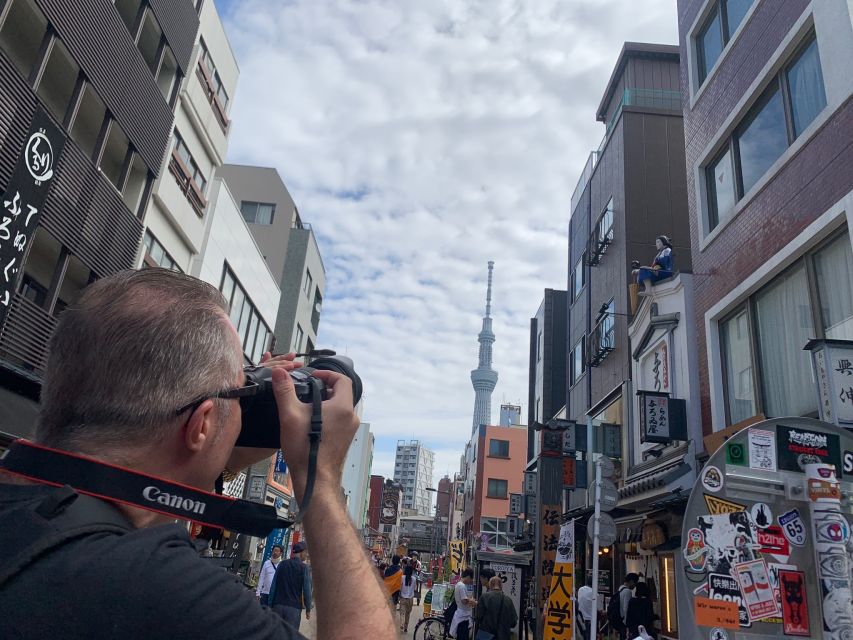
Ginza is easy to visit on your own, but it is not always easy to understand. One block may offer a luxury department store, a traditional theater, a global fashion label, and a tiny restaurant hidden beneath the railway. A private host helps you choose rather than simply march through a preset list.
You will be contacted within 24 hours to discuss your interests and requests. The supplier asks you to book at least 72 hours ahead, giving the host time to build a plan that fits your group.
That preparation matters. Tell your host if you want serious shopping, Japanese food, local sweets, architecture, kabuki, child-friendly stops, or less expensive places. If you say only that you want to see Ginza, you may get a pleasant but general walk. If you explain your priorities, the experience has a better chance of feeling like your Ginza.
The tour lasts two to four hours. That is enough time for a focused introduction, but not enough to cover every department store, theater, restaurant, and side street. I would choose two main interests and one smaller request rather than trying to do everything.
A few more Tokyo tours and experiences worth a look
Starting at Mitsukoshi and the Lion Sculpture
The meeting point is the Lion Sculpture next to the main entrance to Mitsukoshi Ginza. This is a useful place to begin because Mitsukoshi gives you an immediate sense of Ginza’s polished department-store culture.
Your guide can use the area as a reference point before setting off. From here, you may head toward grand shopping streets, smaller side roads, food shops, or cultural sights. The exact route is flexible, so you should confirm the plan at the start and adjust it if your priorities change.
The pickup service is available from your accommodation if it is within a reasonable distance. That wording matters. It is not a promise of pickup anywhere in Tokyo, and transportation to and from the meeting point is not included. If you are staying farther away, plan to reach Mitsukoshi Ginza on your own.
Wako, department stores, and serious shopping
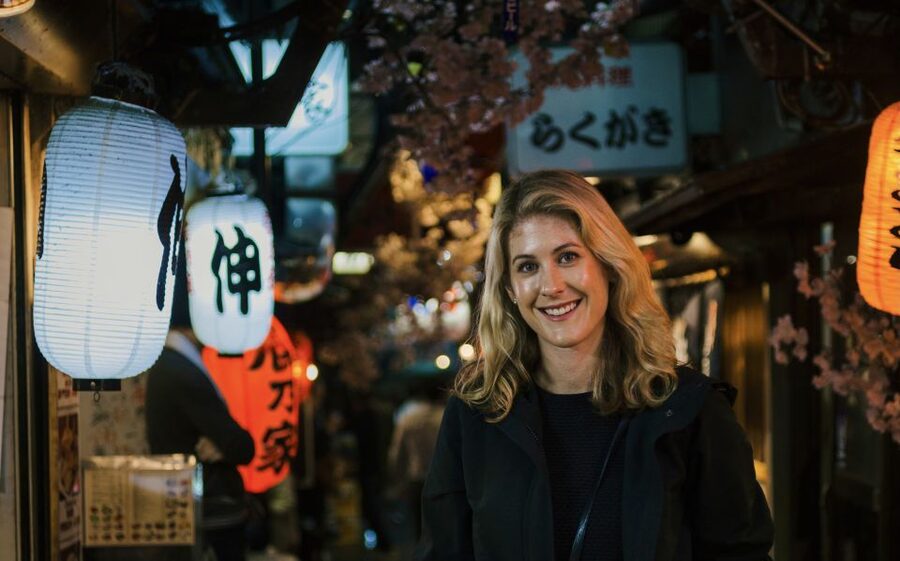
Ginza is one of Tokyo’s best areas for high-end shopping, and Wako is the classic first stop. Its clock tower is one of the district’s most recognizable sights, while the store represents the refined side of Ginza.
Your host can help you decide whether Wako fits your budget and interests, then suggest other stores. The experience is not limited to luxury labels. The guide can point you toward less expensive shops if you want Ginza’s style without paying top prices.
That is one of the better uses of a local host. Shopping in Ginza can quickly become expensive, and a guide can help you spend time where it matters to you. You might want designer goods, Japanese products, gifts, department-store food, or simply a look at the district’s retail culture.
Be clear about whether you want to buy or browse. A shopping-focused walk can easily fill the entire two to four hours, especially if you stop inside large stores. If shopping is only one part of your plan, give your host a time limit for it.
Kabukiza and Ginza’s traditional stage
Kabukiza offers a cultural change of pace from fashion and department stores. It is a theater devoted to kabuki, an old Japanese performance tradition known for stylized movement, dramatic makeup, costumes, and music.
The tour information does not include a kabuki ticket. Your host can take you to the playhouse and explain its place in Ginza, but any attraction entry costs extra. If seeing a performance is important to you, ask about tickets and arrangements before the tour rather than assuming admission is part of the $64 price.
Even without a performance, Kabukiza gives the route a useful cultural anchor. It shows that Ginza is not only about luxury storefronts. Still, your guide’s level of explanation may vary, so tell the host that you want context rather than just a photo stop.
From polished avenues to Gado-shita dining
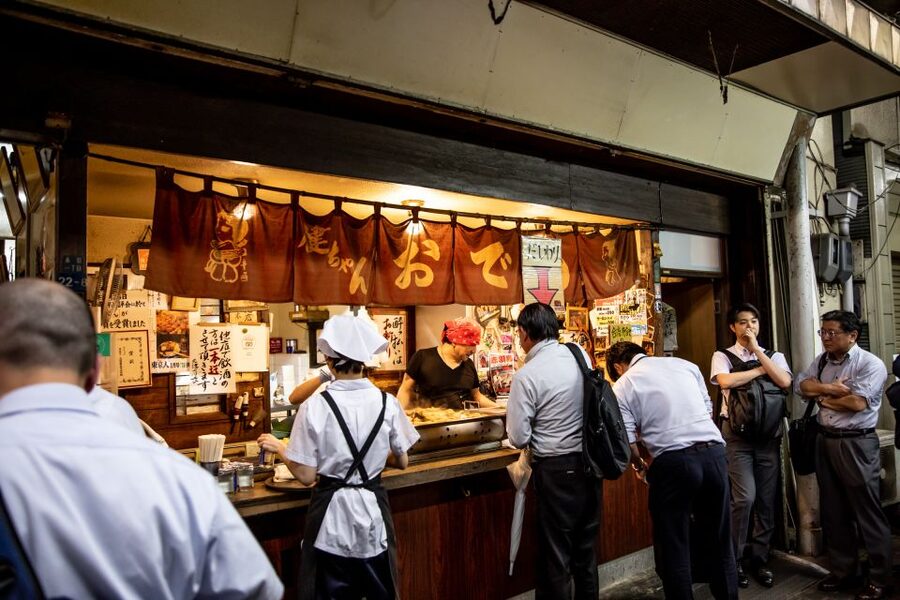
The most appealing contrast on this walk is Yurakucho Gado-shita, a collection of small restaurants built under the Yamanote railway line. Here, the mood shifts from department-store polish to compact neighborhood dining.
The food range is broad. You might find French wine at one place and inexpensive local food at another. The point is not a single famous restaurant. It is seeing how Tokyo makes use of tight urban space and how very different price levels can exist close together.
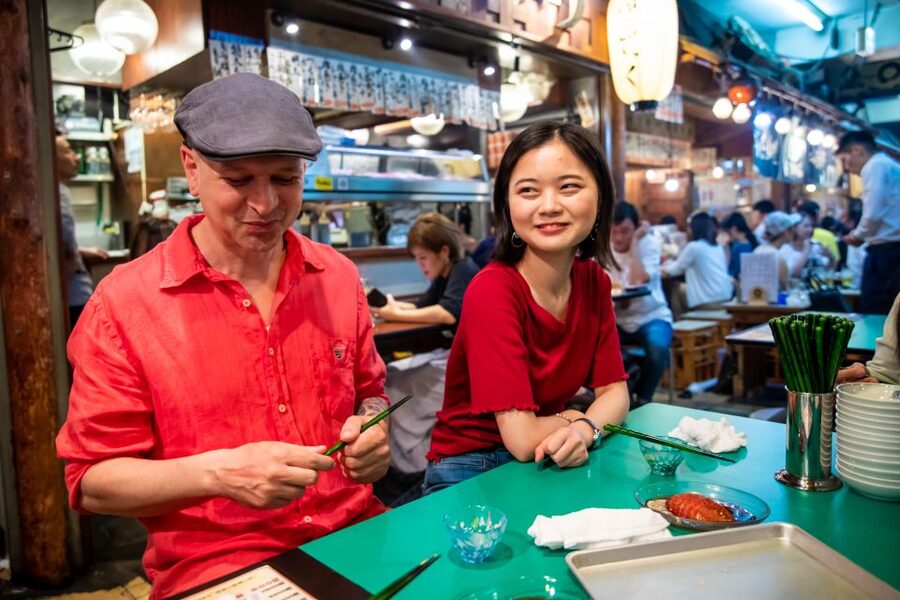
Food and drinks are not included. You can ask your host to suggest a place, but you will pay for anything you order. If you are vegetarian, say so early. A guide helped Michael find a suitable vegetarian lunch, which shows how useful the personal planning can be when you have a specific dietary need.
I would treat Gado-shita as a strong choice for a food-centered walk, but less so if your group wants a quiet, spacious meal. The restaurants are described as tiny, so the setting may be compact. Your host can help match the stop to your comfort level and budget, but cannot remove the cost of eating in Ginza.
Other guided tours in Tokyo

Tea shops, bakeries, and small discoveries
A Ginza walk does not have to focus on major landmarks. You can ask for bakeries, tea shops, charming corners, and historic places. That combination creates a more relaxed route and lets you see the district at a human scale.
This is where the host’s personal approach can make the biggest difference. The named guides connected with this experience include Alberto, Shoko, and Noriko, though you are matched according to availability, interests, and personality rather than choosing a particular guide.
Alberto was praised for showing interesting and historic areas and explaining their background. Shoko was described as talkative and kind, while Noriko was noted for going beyond what was expected. Those details suggest that the best match may be less about a standard route and more about finding a host who fits your preferred pace and conversation style.
Still, you should not assume every guide will offer the same depth. One very poor rating described a guide who explained little and offered weak value for the price. That is a useful warning: tell your host exactly how much explanation you want, and speak up if the route is not matching your interests.
Hakuhinkan Toy Park for families
If you are visiting with children, Hakuhinkan Toy Park offers a clear family-friendly option. It is one of Japan’s well-known toy stores, with large stuffed toys and many other playthings.
The store can also work for adults who enjoy playful browsing. It gives you a break from formal shopping and may be a good choice if your group needs a lighter stop after department stores or cultural sights.
It is not included as a ticketed attraction in the tour price, and the information does not promise a purchase discount or special access. Think of it as a suggested stop within a custom walk. Tell your host if children are coming so the pace and route can reflect that.
What $64 buys you
At $64 per person, this is not the cheapest way to walk through Ginza. You are paying for a private guide and planning time, not transportation, food, drinks, or admission tickets.
The value improves with a small group. Groups are normally no larger than six people, so a party of four to six can spread the guide cost across a shared private experience while keeping the route personal. For one person or a couple, the price is harder to justify unless you want tailored advice or need help making sense of Ginza.
The strongest value comes from using the guide for decisions you could not easily make alone. Ask where to shop at your budget, which district sights fit together, where to find vegetarian food, and what to do elsewhere in Tokyo. A generic sightseeing walk makes the price feel high. A focused introduction that saves you time and gives you a useful city plan can make it reasonable.
Remember that a luxury meal, shopping purchases, a kabuki performance, and transit can quickly add to the bill. Set your spending range at the beginning. Your host can arrange extra tickets, transportation, food, or drinks for an added cost, but those details should be agreed on before you rely on them.
Timing, transport, and access
The two to four hour length gives you room to choose a short orientation or a longer route with several stops. Check the available starting times when booking, since the exact schedule is not fixed in the tour details.
This is primarily a walking tour. Public or private transport during the experience is not included, though it can be arranged for an added cost. If someone in your group cannot walk comfortably for several hours, discuss that in advance.
The activity is listed as wheelchair accessible. Ginza is a practical district for a city walk, but the exact route still depends on the stops your host chooses. Mention mobility needs during the planning conversation so the itinerary can be adjusted instead of trying to solve the issue on the day.
The tour is offered in English or Japanese. It is a private group experience, which gives you more control over pace, conversation, and breaks than a large shared tour.
Who will get the most from this walk
I would recommend this for first-time visitors who want an introduction to Ginza but do not want to spend the day inside department stores. It also suits returning visitors who have already seen the main sights and want help finding food, tea shops, bakeries, or less costly shopping.
Food-focused groups should make their dietary needs clear. Vegetarian visitors may find the personal assistance especially useful, but food is still paid separately.
Families can ask for Hakuhinkan Toy Park and a shorter, more varied route. Couples or friends who enjoy shopping can split their time between Wako, designer stores, and more affordable shops.
I would be cautious about booking it if you want a guaranteed list of major sights, fixed attraction entry, or a detailed expert tour with the same guide every time. This format depends on conversation and planning. It rewards people who know what they want, or who are willing to discuss their interests before the walk.
Booking advice for a better match
Book at least 72 hours ahead, even though the activity says you will be contacted within 24 hours to discuss your requests. Use that conversation well.
Tell the supplier:
- Your top two interests, such as food and architecture
- Your budget for shopping and meals
- Whether you want a fast overview or a slow walk with explanations
- Any vegetarian or other food requirements
- The ages and interests of children
- Mobility needs
- The size of your group, especially if it is larger than six
Also ask what is realistically possible in two hours. A route that includes Wako, Kabukiza, Gado-shita, and Hakuhinkan Toy Park may sound appealing, but each stop takes time. A shorter list will usually produce a more satisfying walk.
Free cancellation is available up to 24 hours before the experience for a full refund. You can also reserve now and pay later, which helps if your Tokyo schedule is still changing.
Should you book Tokyo’s Ginza walk?
Book this experience if you want a private, adjustable introduction to Ginza and will take part in shaping the route. It is especially useful for shopping advice, food planning, family stops, and a mix of polished Ginza and railway-side dining.
Skip it if you want a low-cost group tour, included meals, or guaranteed attraction tickets. The price makes the most sense for a small group that uses the host as both a guide and a Tokyo adviser.
My practical choice would be a three or four hour booking for a first visit, with shopping and food as the main themes. Ask for a route that includes one major Ginza sight, one cultural stop, and one modest local eating area. That gives you the district’s full range without turning the walk into a checklist.
FAQ
Where does the Ginza tour meet?
Your host meets you beside the Lion Sculpture next to the main entrance to Mitsukoshi Ginza.
How long does the experience last?
The tour lasts between two and four hours. Starting times depend on availability.
Is this a private tour?
Yes. It is offered as a private group experience, normally for no more than six people.
Can the itinerary be changed during the walk?
Yes. The itinerary is flexible, and you can change direction during the experience.
What languages are available?
The tour is offered in English and Japanese.
Is hotel pickup included?
Pickup from your accommodation may be available if it is within a reasonable distance. Transportation to and from the meeting point is not otherwise included.
Are food and drinks included?
No. You pay separately for food and drinks.
Are attraction tickets included?
No. Tickets to attractions, including any kabuki performance, are not included.
Can transportation be arranged during the tour?
Yes, transportation can be arranged for an additional cost. Public and private transportation during the tour is not included in the base price.
More Guided Tours in Tokyo
More Ginza Tours in Tokyo

More tours in Tokyo we've reviewed



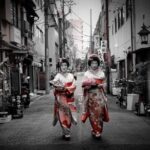
Ginza Tours, compared.
 ★ 4.8Chopstick Making Workshop in GinzaFrom $251 hour
 ★ 4.5Tokyo: Art Aquarium Museum GINZA Entry TicketFrom $171 day
 ★ 4.5Official Japan Go-Kart Through Tokyo Bay / Ginza (IDP Required)From $85
 ★ 5.0Private Ginza Architecture Walking TourFrom $132
 ★ 4.5【SUMO FESTIVAL】Tokyo Ginza: Sumo Show & Photo ExperienceFrom $63
 ★ 4.8Tokyo GINZA: KONPARU Japanese Cabaret Show with DrinkFrom $502 hours