
Reviewed · TOKYO
Sumi-e (ink painting) experience in Tokyo
The heart of this Tokyo class is a simple bamboo painting. You learn how the brush, ink, and paper work together, then use those tools to build bamboo with a few controlled strokes. That sounds modest, but it gives you a real taste of Sumi-e technique, where pressure and empty space matter as much as the ink itself.
I like the small maximum of nine people, which should make it easier to see the demonstration and ask questions. I also like the choice of switching to watercolor, ballpoint pen, or colored pencil, though you need to settle that choice by email after booking. The main drawback is the meeting point: if you miss the group at JR Asagaya Station, the non-refundable booking leaves little room for recovery.
In This Review
- Key points to know before booking
- What you actually learn in one hour
- Meeting at JR Asagaya Station
- The Sumi-e bamboo lesson
- Choosing watercolor, ballpoint pen, or colored pencil
- Why a nine-person limit matters
- Is $65.15 good value?
- Timing the class into your Tokyo plans
- Who will enjoy this experience most
- Ratings, praise, and the one serious caution
- Should you book the Asagaya Sumi-e class?
- FAQ
- Where does the experience begin?
- How early should I arrive?
- How long does the class last?
- Can I choose an art activity besides Sumi-e?
- What is included in the price?
- Can I cancel or change my booking?
Key points to know before booking
- Bamboo is the Sumi-e project: You learn the tools and basic brush methods before creating a bamboo image.
- Four art options are available: Request Sumi-e, watercolor, ballpoint pen, or colored pencil before the class.
- The meeting point is JR Asagaya Station: Meet at the ticket gate five minutes before departure, then walk about five minutes to the venue.
- The class lasts about 60 minutes: The hour includes instruction, hands-on drawing, and time for questions.
- The group is limited to nine people: This is a small workshop rather than a large demonstration.
- The price is $65.15 per person: That includes the art tools and guide, but not transportation to Asagaya.
What you actually learn in one hour
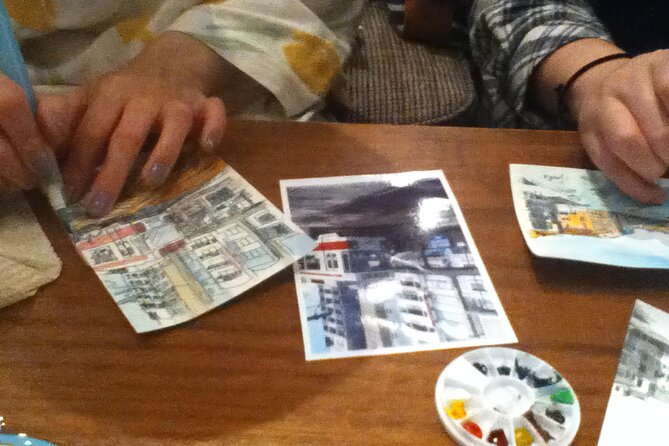
This is a short art workshop, not a long cultural lecture. You meet the guide, learn how to handle the tools, practice the basic approach, and then create your own work.
For Sumi-e, the stated subject is bamboo. That is a sensible choice for a one-hour class because bamboo can be built from a limited set of brush movements. You are not expected to complete a complex scene. Instead, the class shows you how a few lines can suggest stalks, leaves, direction, and balance.
The guide also explains how to look at Sumi-e. That matters. Ink painting is not simply a matter of copying an object in front of you. The finished image depends on where the dark marks go, where the paper remains white, and how the brush changes from heavy to light pressure.
You first receive an explanation of the tools and tips for writing or drawing well. The wording suggests a practical lesson, so you should expect advice you can use immediately rather than a long theory session. Then you put the advice to work and draw your own piece.
The class ends with questions and answers. In a 60-minute session, that final period may be brief, but it gives you a chance to ask about a stroke, a tool, or the way your picture came together.
If you're still narrowing it down, here are other tours in Tokyo we've reviewed.


Meeting at JR Asagaya Station
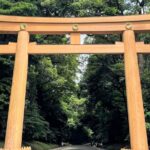
The class begins at the ticket gate of JR Asagaya Station. You are asked to arrive five minutes before the meeting time, at 3-chōme-36-2 Asagayaminami, Suginami City, Tokyo 166-0004.
After everyone gathers, the group walks together for about five minutes to the venue. This short walk is useful because you do not need to find the studio alone, but it also makes punctuality important. A station meeting point is easier than an obscure private address, yet you still need to identify the correct ticket gate and allow enough time to reach it.
I would arrive early, especially if Asagaya is not familiar to you. The booking information warns that finding the way can be difficult if you miss the meeting, and one unhappy participant failed to attend after getting confused about the route. The guide later sent a brief message asking why the person had not arrived, but the communication did not resolve the problem and was felt to be cold.
That incident is a useful warning rather than a reason to dismiss the whole class. The practical lesson is clear: keep the meeting instructions handy, confirm the art choice by email, and do not treat five minutes before the start as a suggested arrival time.
The Sumi-e bamboo lesson
The Sumi-e option is the most distinctive part of this experience. You begin by learning about the calligraphy tools, then watch how the guide uses them. The supplied description does not name the guide, so you should not expect a specific instructor by name when booking.
Bamboo works well as a first subject because its form is easy to recognize but difficult to make convincing. A straight stalk can look stiff. Leaves can become heavy blotches. The guide’s job is to show you how changes in brush pressure and ink create different marks.
You will then make your own bamboo. The result is likely to be more personal than polished, which is part of the point. A one-hour class cannot turn you into a professional painter, but it can teach you why Sumi-e images often look spare and deliberate.
The lesson also gives you a small window into Japanese brush culture. The tools are not simply supplies handed out for a craft project. The way you load the brush, place it on the paper, and lift it affects the final mark. Those details make the session more worthwhile than buying a finished souvenir.
The class includes the calligraphy tools, so you do not have to bring specialist equipment. You also receive guidance throughout the work. The information does not state that you can keep the tools, so treat them as materials provided for the session rather than a take-home kit.
Choosing watercolor, ballpoint pen, or colored pencil
Sumi-e is not your only option. After your reservation is confirmed, you are contacted by email and asked to choose the experience you want. Make this decision before the class rather than assuming you can decide after arriving.
The watercolor option uses a Japanese scenery photograph chosen by the instructor, with Mount Fuji given as the example. You learn how to paint your own favorite scenery, but the class begins with the supplied subject.
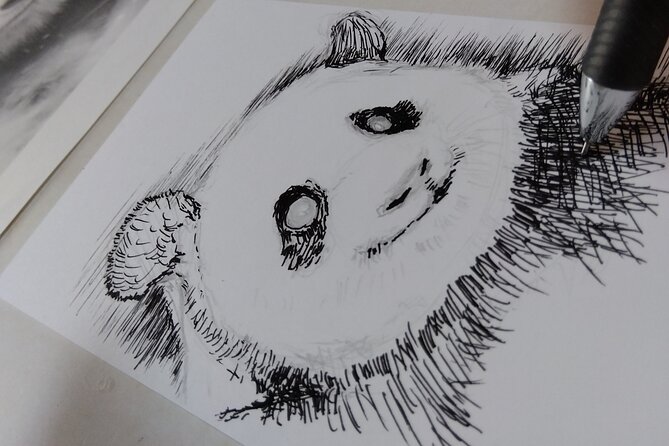
The ballpoint pen option also uses a Japanese scenery photograph selected by the instructor. The focus is on drawing the scene and learning shortcuts for a rough finish. This may suit you if you like line work and want a quick, less formal approach.
Colored pencil drawing is described as a realistic exercise on postcard-size paper. This is the only option with a stated paper size, so it may appeal to you if you want a compact piece that is easy to carry in your luggage.
These alternatives broaden the class beyond ink painting, but they also create a point you should clarify by email. The overall title centers on Sumi-e, while the actual program allows several art forms. If bamboo is the reason you are booking, state that clearly. If you prefer watercolor, pen, or pencil, make that request promptly.
Why a nine-person limit matters
The maximum group size is nine people. That is small enough to keep the class personal without making it a private lesson.
For a hands-on activity, group size affects the value more than it does on a sightseeing tour. You need to see the tool demonstration, hear the tips, and get a chance to ask about your own work. A group of nine still means the guide’s attention is shared, but it is far more manageable than a large room filled with people trying to follow a brush exercise.
The format should suit solo visitors, couples, and small groups who want a quiet creative break from Tokyo’s train stations, shopping streets, and major sights. Group discounts are offered, which may improve the price for friends or families booking together. The available information does not state the discount amount, so check the final cost before relying on it.
Most people can participate, and the activity is near public transportation. The details do not describe special assistance, child policies, or specific physical-access arrangements. If any of those points matter to you, ask before paying.



Is $65.15 good value?
The listed price is $65.15 per person. It includes the guide and calligraphy tools, but your transportation to Asagaya is extra.
For a one-hour activity, that is not a bargain in the simple sense. You are paying for instruction, a prepared venue, materials, and a small group rather than for several hours of entertainment. The value depends on what you want from the class.
I think the price makes the most sense if you want direct instruction and a creative memory of Tokyo. You receive more than paper and ink because the guide explains how to use the tools and how to view Sumi-e. If you only want to make a quick souvenir with no interest in technique, a cheaper craft activity may suit you better.
The tools are an important part of the value. Buying brushes, ink, and suitable paper on your own would take time and would not guarantee useful instruction. Here, you can try the process during a fixed one-hour session without arranging a full art setup.
The cost also needs to be weighed against the strict booking terms. The experience is non-refundable and cannot be changed for any reason. If your Tokyo plans are still uncertain, that rule makes the purchase less flexible than many sightseeing activities.
Timing the class into your Tokyo plans
The activity lasts about 60 minutes, plus the five-minute walk from the station to the venue. You should also allow time to reach Asagaya and arrive before the stated meeting time.
Asagaya is in Suginami City, away from the main sightseeing core. That can be an advantage if you want to see a less central part of Tokyo, but it means you should not place the class between two attractions without checking your train route.
Because the activity is short, it can fit into a half-day plan. Still, do not book it with a tight connection immediately afterward. The lesson includes instruction, drawing, and questions, and the exact finish may vary.
Meeting as a group at the station reduces the chance of getting lost after you arrive. The risk comes before that point. You need to find the correct station exit area and ticket gate, then be ready when the group leaves.
The activity is typically booked about 18 days ahead. That figure suggests you should reserve before your trip if your dates are fixed, especially if you want a small group or need a particular art option. Confirmation is sent within 48 hours, subject to availability.
Who will enjoy this experience most
I would choose this class if you want a calm, focused activity and enjoy learning through your hands. It suits someone who likes Japanese art, stationery, drawing, or small cultural workshops more than someone seeking a major sightseeing event.
It also works for a first-time painter. The lesson begins with the tools and basic methods, so you do not need to arrive with formal art training. You should bring patience, though. A simple bamboo image can require careful control, and the session is too short for the guide to correct every mark in depth.
The watercolor, pen, and colored pencil choices make the class easier to match to your interests. Someone who finds ink intimidating can request colored pencil or ballpoint pen instead. Someone who wants the most clearly Japanese art form should choose Sumi-e and bamboo.
I would be cautious about booking if your schedule may change. The non-refundable policy is strict, and missing the station meeting can mean missing the entire class. This is also not the best choice if you need a fully private lesson, since the maximum group is nine rather than one.
Ratings, praise, and the one serious caution
The experience has a rating of 4.6 from 10 reviews, with 90 percent recommending it. Those numbers point to a generally positive small-group class, but the sample is not large enough to erase the practical warning about directions and communication.
The strongest parts are the clear hands-on format, the chance to work with calligraphy tools, and the choice of several art styles. The class does not stop at watching a demonstration. You actually draw, then have time for questions.
The negative account centers on a missed meeting rather than a poor painting lesson. That distinction matters. It does not tell you that the bamboo instruction is weak, but it does show that you should take the station instructions seriously and arrive early.
The provider apologized for the communication problem and acknowledged that the message sent after the missed class had come across poorly. That response is worth noting because it addresses the issue directly, but it does not change the non-refundable policy or remove the need for careful planning.
Should you book the Asagaya Sumi-e class?
Book it if you want a compact, hands-on introduction to Japanese ink painting and like the idea of creating bamboo with guidance. The small group, supplied tools, and one-hour structure give you a clear activity without taking an entire day.
The class is also a reasonable pick if you prefer watercolor, ballpoint pen, or colored pencil, but make that selection by email after confirmation. For the strongest cultural connection, choose Sumi-e.
Skip it if you need flexible cancellation, dislike meeting-point logistics, or want a long art course with advanced feedback. Arrive early at JR Asagaya Station, confirm your chosen medium, and treat the $65.15 fee as payment for instruction and a focused creative hour, not simply for a finished picture.
FAQ
Where does the experience begin?
The meeting point is at the ticket gate of JR Asagaya Station in Tokyo. The listed address is 3-chōme-36-2 Asagayaminami, Suginami City, Tokyo 166-0004, Japan.
How early should I arrive?
You should meet the guide five minutes before the scheduled meeting time at the JR Asagaya Station ticket gate.
How long does the class last?
The activity lasts approximately 60 minutes. After meeting at the station, the group walks about five minutes to the venue.
Can I choose an art activity besides Sumi-e?
Yes. You can request watercolor, ballpoint pen drawing, or colored pencil drawing. After your booking is confirmed, the provider contacts you by email so you can choose your preferred experience.
What is included in the price?
The price includes the calligraphy tools and guide. Transportation to and from the experience is not included.
Can I cancel or change my booking?
No. The experience is non-refundable and cannot be changed for any reason. A booking cannot be refunded if you cancel or request an amendment.
More tours in Tokyo we've reviewed







Tokyo, compared.
 ★ 5.0Mt Fuji and Hakone 1-Day Bus Tour Return by Bullet TrainFrom $163
 ★ 5.01-Day Tokyo Bus TourFrom $129
 ★ 4.6Tokyo: teamLab Planets TOKYO Digital Art Museum Entry TicketFrom $251 day
 ★ 4.0Mt Fuji & Hakone Cruise, Drum Show Bullet Train 1 Day from TokyoFrom $149
 ★ 5.0Tokyo: Shinjuku Food Tour (13 Dishes at 4 Local Eateries)From $86
 ★ 4.4Tokyo Mt Fuji 5th St & Hakone Cruise Bus Tour w/Bullet TrainFrom $15410 hours