
Reviewed · KAMAKURA & ENOSHIMA DAY TRIPS
Day Trip to Kamakura & Enoshima: Shrines, Seaside, Temples & Tea
Kamakura and Enoshima give you two very different sides of coastal Japan in one long day: quiet temple grounds and bamboo in Kamakura, then sea air, island paths, and wide views from Enoshima. I like that this tour includes the Great Buddha entrance and the Enoshima Kamakura Free Pass, so you are not left sorting out local fares as you go.
I also like the matcha and Japanese sweet stop at a temple tea house, plus the chance to feed Japanese koi. The main drawback is the pace: at about 11 hours, with several train rides and plenty of walking, this is a full day rather than a gentle outing. Wear comfortable shoes and expect an early start.
In This Review
- Key details at a glance
- Why this makes a strong Tokyo day trip
- Meeting the guide at Shinjuku
- Kamakura’s temple, bamboo, matcha, and koi
- The Great Buddha at Kotoku-in
- The seaside walk to Enoshima
- What the included price really covers
- The walking and timing you should expect
- The guide’s role is central
- Who should book this day trip
- Should you book the Kamakura and Enoshima tour?
- FAQ
- Where does the tour start?
- What train does the group take from Shinjuku?
- How long does the experience last?
- Is admission to the Great Buddha included?
- Is transportation included?
- Are food and drinks included?
Key details at a glance
- A full coastal day from Shinjuku: Meet at 8:00 a.m. and return to the same meeting point after about 11 hours.
- Two major sights included: Visit Kamakura’s Great Buddha and Enoshima’s Sea Candle Observatory.
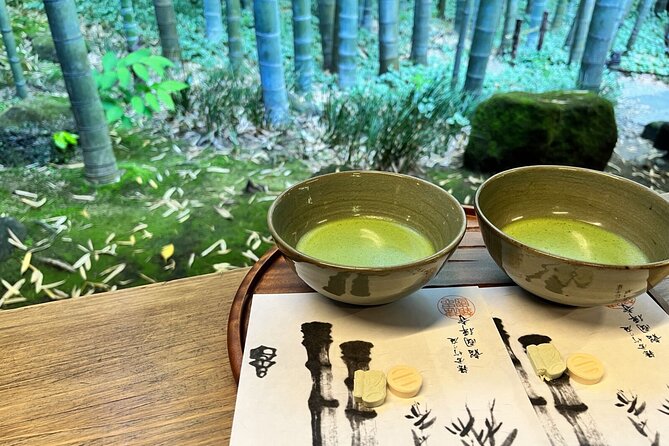
- A temple tea experience: Enjoy matcha and a Japanese sweet inside a bamboo temple setting.
- Transport made simpler: The Enoshima Kamakura Free Pass covers the local transport used during the tour.
- Small-group format: The group can include up to 20 people, with an English-speaking local guide.
- A well-liked guiding team: Jeff, Jade, Naoto, and Beth are named in the feedback, with special praise for friendly explanations, patience, and help with families.
Why this makes a strong Tokyo day trip
Tokyo can keep you occupied for weeks, but it does not give you the same combination of old temples, sea views, and island scenery found south of the city. Kamakura was once a major political center, and today it feels much smaller and more approachable, with religious sites spread around wooded hills and quiet residential streets.
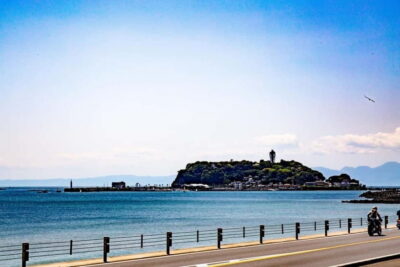
Enoshima changes the mood again. After the temple visits, you follow the sea toward an island connected to the mainland. The island has slopes, steps, shops, shrines, and lookout points. The Sea Candle Observatory provides a high point for seeing the coast from above.
I think the route works especially well if you have limited time in the Tokyo area. You get an introduction to two places that would take more planning to combine on your own. The trade-off is that you give up flexibility. You will follow a set route, and the day does not leave much room for lingering at one favorite temple or sitting for a long seaside lunch.
The tour has a maximum group size of 20. That is not a private experience, but it is small enough for a guide to keep the group together and answer questions. The current rating is 4.9 from 32 ratings, with a 100 percent recommendation figure. The strongest praise centers on the guides’ warmth, clear explanations, and ability to keep the day enjoyable for both adults and children.
A few more Tokyo tours and experiences worth a look
Meeting the guide at Shinjuku
The day begins at 8:00 a.m. outside the Green Window at Shinjuku Station’s South Exit, at 3-chōme-38-1 Shinjuku. This detail matters because Shinjuku Station is large and confusing, especially if you are still adjusting to Tokyo’s rail system. Give yourself extra time to find the South Exit rather than arriving at the last minute.
The group boards the 8:27 train from Shinjuku to Fujisawa and reaches Fujisawa at about 9:28. The journey is part of the experience, but it also adds a little over an hour to the morning before the main sightseeing begins.
From Fujisawa, the route continues toward Kamakura using the included Enoshima Kamakura Free Pass. Having the pass handled as part of the tour is a real convenience. You do not need to work out each local fare or wonder which ticket is valid for the next short ride.
Your guide manages the route and gives commentary along the way. Names associated with this tour include Jeff, Jade, Naoto, and Beth. The feedback gives particular credit to Jeff for making the day fun when he had a very small group, to Jade for her calm and patient manner, and to Naoto for working well with young children. Beth and Naoto are also praised for being well prepared and attentive to the group.
Kamakura’s temple, bamboo, matcha, and koi
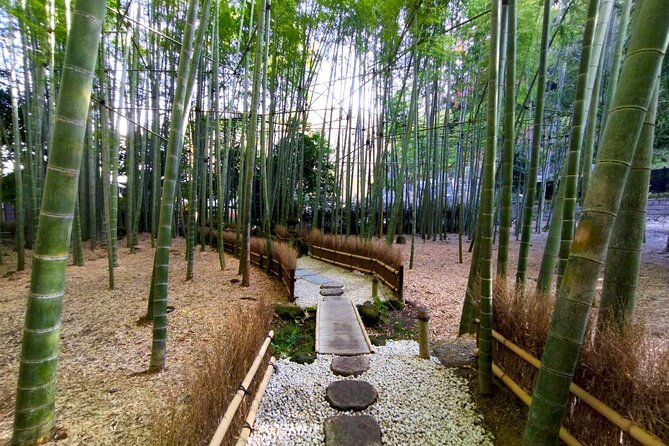
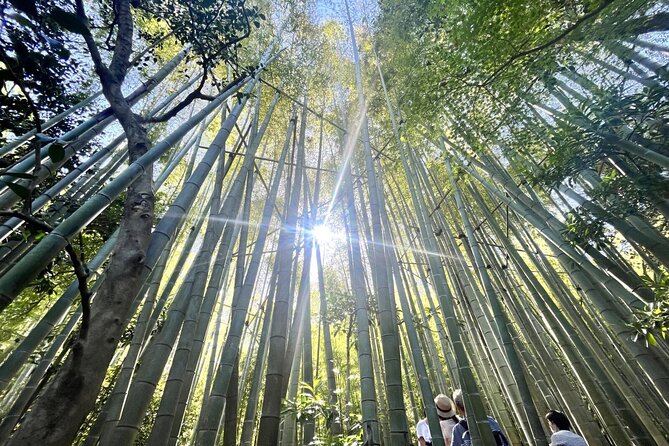
The Kamakura portion lasts about four hours, making it the largest section of the day. The first destination is reached after about a 30-minute walk from the station. You visit a temple complex with a bamboo forest, then take part in a matcha and Japanese sweet experience at the temple’s tea house.
This is one of the tour’s most appealing touches. A quick temple photo stop can blur together with the rest of a busy sightseeing day. Sitting down for tea gives you a slower moment and a more personal connection to the setting. The tea house experience is included, along with the bamboo temple admission.
The bamboo provides a cooler, quieter contrast to the streets and railway stations. You can expect the guide to explain the temple and its place in Japanese culture, while the tea stop offers time to notice smaller details rather than simply rushing to the next famous object.
Japanese koi feeding is included too. It is a modest activity, but it adds variety, particularly if you are traveling with children. Naoto received specific praise for being good with young kids, and this kind of hands-on stop helps break up the history and walking.
There is a practical point to keep in mind: the Kamakura section is not only a series of coach drop-offs. You walk for about 30 minutes to the first destination, then continue through temple grounds and between transport connections. Comfortable shoes are essential. One rating specifically advised wearing them, noting that there is lots of walking even though the food and shopping along the way add to the fun.
The supplied details do not identify the bamboo temple by name, so you should confirm the exact site with the operator if that matters to your planning. What is clear is that the stop combines a temple, bamboo, tea, sweets, and koi feeding, rather than offering only a quick look at a single shrine.
The Great Buddha at Kotoku-in
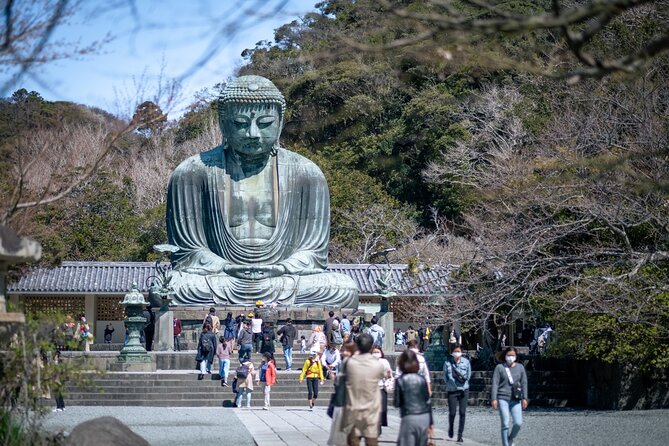
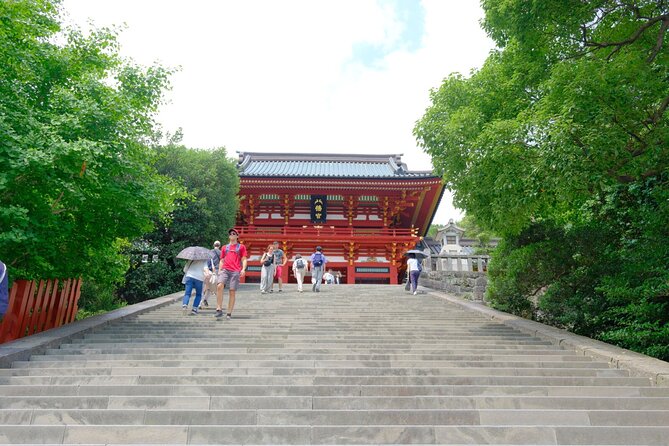
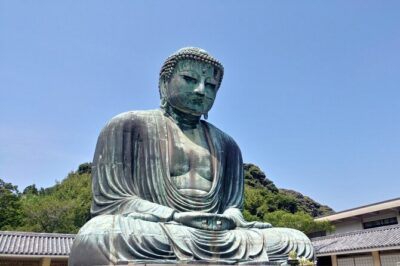
After Kamakura, the group heads to Hase Station and walks about seven minutes to Kotoku-in, home of the Great Buddha of Kamakura. The sightseeing stop lasts around 40 minutes, with about 30 minutes set aside at the Buddha itself.
The Great Buddha is one of Kamakura’s essential sights, and the tour includes both the temple admission and the fee to enter the statue. That second detail is easy to overlook when comparing day trips. You are not limited to viewing the enormous bronze figure from outside. You can go inside, which gives the visit a more complete feel.
Forty minutes is enough for a focused stop, but it is not a long visit. You will have time to see the statue, enter it, and listen to the guide’s explanation, but you should not expect an unhurried exploration of every corner of the temple grounds.
This is where the tour’s fixed schedule helps and limits you at the same time. A guide keeps the group moving and makes sure you do not miss one of Kamakura’s main sights. If you prefer to linger, sketch, shop, or explore at your own pace, the short stop may feel restrictive.
Still, I consider the included admission good value. The Great Buddha is a major reason many people visit Kamakura, and the tour removes two small tasks: paying the entrance fee and working out exactly where to go after leaving the train.
The seaside walk to Enoshima
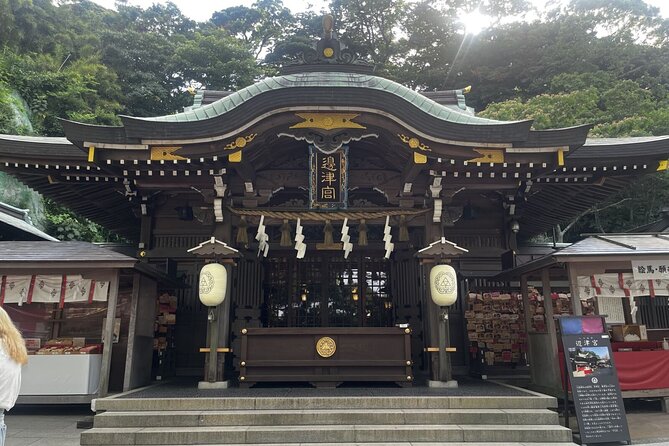
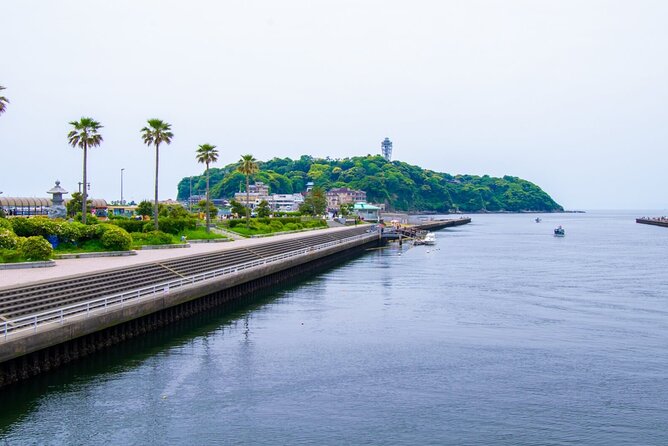
The final major section begins at Enoshima Station. From there, you take a scenic walk along the sea toward Enoshima Island. This shift from temple paths to the coast is one of the best features of the day because the scenery and atmosphere change clearly.
You are not simply being carried from one attraction to another. The walk lets you experience the connection between the station, the shoreline, and the island. Depending on the conditions, you might find this portion particularly refreshing after the earlier temple visits, though the open coastal route can also feel tiring late in a long day.
Once on Enoshima, the group uses the island escalators to reach the upper area. The escalators and observatory admission are included. This is another practical benefit, since Enoshima’s slopes and steps can make the island more demanding than it first appears.
At the top, you visit the Sea Candle Observatory. The stop lasts about 1 hour and 10 minutes, giving you time for the views and a look around the island. The observatory provides a broad perspective over the coast, while the island itself supplies a more intimate setting of paths and religious sites.
The tour information does not promise a long independent meal stop, and additional food and drinks are not included. You may find food and small shops along the way, but the schedule is built around sightseeing rather than a leisurely restaurant visit. If you have dietary needs or want a substantial lunch, plan to ask the guide about the day’s breaks and carry what you need.
A few more Tokyo tours and experiences worth a look


What the included price really covers
The price is $167.36 per person. That is not a bargain-basement excursion, but the comparison should include what is bundled into the day.
The fee covers:
- The Enoshima Kamakura Free Pass for the tour’s local transport
- Bamboo temple admission
- Matcha and Japanese sweet experience
- Japanese koi feeding
- Great Buddha temple admission
- Entrance inside the Great Buddha
- Enoshima escalators
- Sea Candle Observatory admission
- An English-speaking local guide
The trains and transport before and after the tour are not included. In practical terms, you pay separately to reach Shinjuku and to continue from the meeting point after the tour ends. Food and drinks are also extra.
I see the strongest value in the combination of transport help and admissions. Kamakura and Enoshima are possible to visit independently, but you would need to research the railway route, understand the local pass, choose which temples fit the day, and keep an eye on the clock. The tour bundles those decisions with commentary.
The value is less convincing if you are already comfortable navigating Japanese trains and want to choose your own pace. Independent visitors can spend more time at one temple, stop for a longer lunch, or skip a site that does not interest them. You are paying here for structure, guidance, and a broad first look rather than total freedom.
The walking and timing you should expect
The 11-hour duration includes travel time. The day starts early, includes the train from Shinjuku to Fujisawa, and ends back at the same meeting point. This is important when planning an evening reservation in Tokyo. I would not book anything that requires you to arrive at a precise time immediately after the tour.
The walking is spread across stations, temple grounds, the route to the bamboo temple, the seven-minute walk from Hase Station, and the seaside approach to Enoshima. The itinerary includes escalators on Enoshima, but that does not remove all walking or slopes.
Most people can take part, according to the activity information, but the day will suit you best if you are comfortable staying on your feet for much of the day. Families can benefit from the varied stops and koi feeding, and Naoto is specifically praised for his work with young children. Even so, younger children may find the long rail journey and full schedule tiring.
The group size can reach 20. That keeps the cost below a private tour, but you should expect to move at the group’s pace. The tour works best when you value a clear route and shared commentary more than spontaneous detours.
The guide’s role is central
This experience depends heavily on the guide. The route itself is attractive, but the day includes enough transfers and cultural sites that clear direction makes a real difference.
The strongest praise goes to Jeff, Jade, Naoto, and Beth for being friendly, patient, prepared, and able to explain both local history and Japanese culture. Jeff is described as making the journey upbeat and interesting, while Jade’s easygoing manner suited people on their first full day in Japan. Those details suggest a guiding style that is personal rather than purely procedural.
That matters during the train connections. A guide who simply points toward the next platform is less useful than one who explains what you are seeing and keeps the group relaxed. It also helps at the temples, where a short explanation can turn a pretty garden into a place with meaning.
The exact guide is not guaranteed in the information provided, so you should treat the names as examples rather than a promise. The overall strength of the experience rests on having an English-speaking guide who can manage the route and give useful context.
Who should book this day trip
I would recommend it most strongly if you are visiting Tokyo for the first time and want to see beyond the city without spending time planning a complicated regional day. It is also a good fit if you want Kamakura’s major sights but do not want to choose between the Great Buddha, a bamboo temple, and Enoshima.
Families may appreciate the mix of scenery, short activities, transport, and koi feeding. The guide support can also reduce stress when traveling with children, though the 11-hour length deserves serious thought.
This is less suitable if you want a slow temple day, a long beach visit, or a flexible food-focused outing. The itinerary has several fixed pieces, and the Great Buddha stop is brief. You should also think twice if long train rides and substantial walking are difficult for you.
Cancellation is free if you cancel at least 24 hours before the local start time. Changes or cancellations made within 24 hours are not accepted for a refund.
Should you book the Kamakura and Enoshima tour?
Book it if you want an efficient first taste of coastal Japan, value an English-speaking guide, and like having transport and admissions arranged. The bamboo temple with matcha, entry inside the Great Buddha, and Enoshima’s Sea Candle make the day more varied than a simple temple tour.
Skip it if you already know Kamakura and Enoshima, or if you would rather spend an entire afternoon at one site. At $167.36, you are paying for convenience and guidance, not just tickets. For a long but well-organized introduction from Tokyo, that can be a fair trade.
FAQ
Where does the tour start?
Meet at 8:00 a.m. outside the Green Window at Shinjuku Station’s South Exit, at 3-chōme-38-1 Shinjuku, Shinjuku City, Tokyo 160-0022.
What train does the group take from Shinjuku?
The group boards the 8:27 train from Shinjuku to Fujisawa and is scheduled to arrive at Fujisawa at about 9:28.
How long does the experience last?
The tour lasts approximately 11 hours, including travel time, and ends back at the Shinjuku meeting point.
Is admission to the Great Buddha included?
Yes. The price includes admission to the Great Buddha temple and entrance inside the Great Buddha.
Is transportation included?
The Enoshima Kamakura Free Pass is included for the transport used during the tour. Trains and transport before the meeting point and after the tour ends are not included.
Are food and drinks included?
No. Additional food and drinks are not included, although the tour does include a matcha and Japanese sweet experience at the temple tea house.
More 1-Day Tours in Tokyo
More Kamakura & Enoshima Day Trips in Tokyo
More tours in Tokyo we've reviewed




Kamakura & Enoshima Day Trips, compared.
 ★ 4.5Tokyo: Kamakura & Enoshima Day Trip including Temple TicketsFrom $589 hours - 570 minutes
 ★ 4.5Tokyo: Mt. Fuji, Kamakura, Big Buddha, & Lake Ashi Day TripFrom $4910 - 11 hours
 ★ 4.5From Tokyo: Kamakura & Enoshima 1-Day Bus TourFrom $66
 ★ 5.0Kamakura Historical Walking Tour with the Great BuddhaFrom $98
 ★ 5.0Kamakura Private Tour: Temples, Nature, and the Great BuddhaFrom $98
 ★ 5.0Kamakura Walking Tour – The City of ShogunFrom $35