
Reviewed · TOKYO
Tokyo: Taste the downtown atmosphere and enjoy Japanese culture
Tokyo’s most memorable cultural moments can happen in a quiet neighborhood, not beside the city’s biggest attractions. This small-group walk through Monzen-nakacho visits Tomioka Hachiman Shrine and Fukagawa Fudo-do, then lets you take part in a Buddhist goma fire ceremony before dinner.
I like the tiny group size, capped at four, because it gives your guide room to explain customs and answer questions. I also like the practical finish: your soba dinner is included, so you can focus on the experience instead of finding food after three hours on foot.
The main consideration is the goma ceremony itself. It includes loud sounds for about 30 minutes, and the tour is not suitable if you have a weak heart or dislike noise. You also need to avoid the meal if you are allergic to buckwheat.
In This Review
- Key points to know before booking
- Why Monzen-nakacho makes a good Tokyo introduction
- Tomioka Hachiman Shrine and the first look at local worship
- Traditional sweets and sake in just 10 minutes
- Fukagawa Fudo-do and the powerful goma ceremony
- Soba dinner gives the evening a proper ending
- What the $92.99 cost means in practice
- Timing, meeting point, and group size
- Who will get the most from this experience
- A practical call on booking
- FAQ
- How much does the Tokyo cultural tour cost?
- How long does the experience last?
- What time does the tour begin?
- Where does the tour meet?
- Where does the tour end?
- How many people can join the tour?
- What is included in the price?
- Is the goma ceremony loud?
- Can I join if I have a buckwheat allergy?
Key points to know before booking
- A rare chance to join a goma fire ritual: Priests burn wooden sticks bearing written prayers as part of a Buddhist blessing ceremony.
- A very small group: The maximum is four people, which suits visitors who want direct help with translation and local customs.
- A useful neighborhood introduction: The route links a historic shrine, a Buddhist temple, a sweets shop, and a sake store.
- Dinner is built in: The final stop serves traditional soba noodles, with the cost and wish card payment included.
- A late afternoon start: Meet at 3:30 pm near Monzen-nakacho Station for an experience lasting about three hours.
- A sound warning matters: The fire ceremony produces loud noise for roughly half an hour.
Why Monzen-nakacho makes a good Tokyo introduction
This tour takes you into Tokyo’s downtown east, around Monzen-nakacho in Koto City. The setting is useful for anyone who wants to see a side of the city connected to local religious practice and older neighborhood traditions.
The route is not built around grand sightseeing stops or a long list of famous landmarks. Instead, it gives you time to understand how shrines, Buddhist temples, prayer rituals, specialty shops, and everyday meals fit together.
That makes the guide important. Japanese religious customs can be easy to observe without understanding. Your guide helps translate and explain what you are seeing, and that turns a short walk into a cultural lesson you can follow.
The group limit of four is one of the strongest features. You can ask about etiquette, prayers, the fire ceremony, or the difference between a shrine and a temple without trying to get the guide’s attention in a crowd. The small size should also keep the walk more personal, though the experience still depends on the guide assigned that day.
The tour begins at 3:30 pm, a useful time for combining it with a morning of sightseeing elsewhere in Tokyo. Since it ends around three hours later, you finish in the evening near Monzen-nakacho Station.
If you're still narrowing it down, here are other tours in Tokyo we've reviewed.
Tomioka Hachiman Shrine and the first look at local worship

The first stop is Tomioka Hachimangu, a historic Shinto shrine. You have about 20 minutes here, enough to admire the main hall and offer prayers.
This is a good place for your guide to explain the basic shape of shrine etiquette. You can learn how the site differs from the Buddhist temple later in the route, and you can ask questions while the setting is still quiet and easy to take in.
Do not expect a lengthy guided visit with time for every corner. Twenty minutes is a compact stop. Its value comes from context, especially if this is your first close look at Japanese worship.
The shrine also helps establish the theme of the evening. You are not just ticking off a religious building. You are seeing how a neighborhood’s identity is tied to places where people come to pray, mark occasions, and seek good fortune.
Bring comfortable shoes and be ready to walk between stops. The supplied details do not specify the total walking distance, so anyone who needs a precise route should ask the provider before booking.
Traditional sweets and sake in just 10 minutes
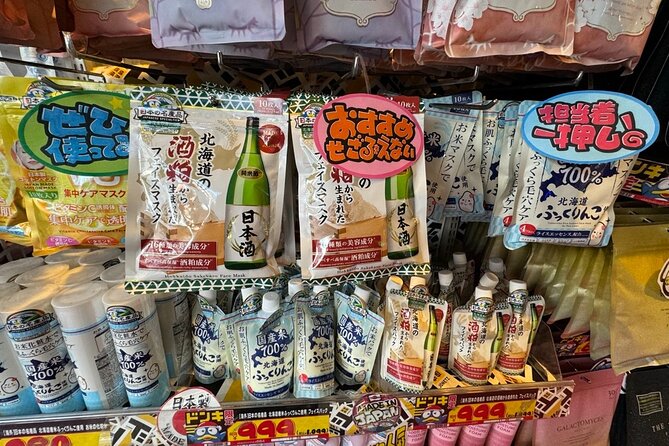
The next stop is at 1-chome-8-12 Tomioka, where the guide introduces a traditional Japanese sweets shop and a store specializing in sake.
This is a short visit, only about 10 minutes, so think of it as a quick cultural window rather than a full tasting session or shopping period. You get a look at two types of local business that connect food and drink with Japanese custom.
The sweets shop adds a lighter, everyday note after the shrine. The sake store gives the guide another way to explain Japanese tastes and traditions. These small commercial stops also keep the tour from feeling like a sequence of religious sites only.
There is no stated purchase or tasting included here. If you hope to buy something, keep the short timing in mind and ask your guide what is practical. The value lies mainly in the introduction and the chance to see the neighborhood through its long-standing shops.
Fukagawa Fudo-do and the powerful goma ceremony
The heart of the experience is Fukagawa Fudo-do, where you spend about one hour and 40 minutes. The visit includes participation in a goma fire ritual, a Buddhist ceremony connected with blessings and purification.
During the ceremony, priests burn wooden sticks carrying written prayers. The fire is meant to purify and remove negative energy. The tour also includes payment for wish cards, so you are not left to work out that part on your own.
This is the stop that gives the tour its strongest cultural focus. A temple visit can be interesting from the outside, but taking part in a ritual gives you a clearer sense of how Buddhist practice is experienced. Your guide helps explain what is happening and translates the customs so you can participate with respect.
The ceremony can also be intense. Loud sound lasts for about 30 minutes, so this is not a quiet meditation session. If you have a weak heart or do not like loud noises, the supplied guidance says you should refrain from the experience.
The modern design of Fukagawa Fudo-do is another point of interest. One of the published comments specifically praised its innovative design and described the goma prayer as powerful. That combination of ceremony and contemporary architecture may appeal to you if you want more than a conventional temple courtyard.
You should also keep expectations sensible. The ceremony is religious, not a staged cultural show designed only for sightseeing. Your guide can help you understand the practice, but you should follow instructions and treat the setting with care.
Soba dinner gives the evening a proper ending
After the shrine, shops, and temple, the tour ends at Nakamuraya Monzen Soba for a buckwheat noodle dinner. You spend about 50 minutes here, and the cost of the soba is included.
I like this arrangement because food is part of the cultural experience, not an afterthought. Soba is a familiar Japanese staple, and eating it at the end gives you time to settle down and discuss what you have seen.
The meal also makes the $92.99 price easier to assess. You are paying for a guide, a very small group, the temple-related wish card, and dinner, not just for transport between sights. The value is strongest if you want explanation and participation rather than a self-guided neighborhood walk.
The important food warning is simple: soba is made from buckwheat, and you should not eat if you are allergic to buckwheat. The supplied information does not describe the exact menu, drink options, or alternatives, so ask before booking if you have dietary needs beyond this warning.


What the $92.99 cost means in practice
At $92.99 per person, this is not the cheapest way to spend three hours in Tokyo. You could visit a shrine and walk around Monzen-nakacho on your own for far less.
The difference is the access to explanation and participation. Your guide helps bridge language and etiquette questions, arranges the wish card payment, leads you through the religious sites, and finishes with a meal. With a maximum of four people, the experience is closer to a private outing than a standard large walking tour.
The price makes most sense for first-time visitors who want a structured introduction to Japanese spiritual customs. It is also a good fit if you would feel uncertain about joining a ceremony alone.
The value is less clear if you prefer to move quickly, dislike organized activities, or mainly want famous Tokyo sights. This route is about local atmosphere and cultural context, not skyline views, shopping districts, or major museums.
The tour has received a top rating from the small number of published evaluations available, with particular praise for the guide’s kindness and ability to explain Japanese culture. Haruka was singled out for being attentive during the goma experience. That is useful evidence of the personal style the tour aims for, though your guide may be someone else.
Timing, meeting point, and group size
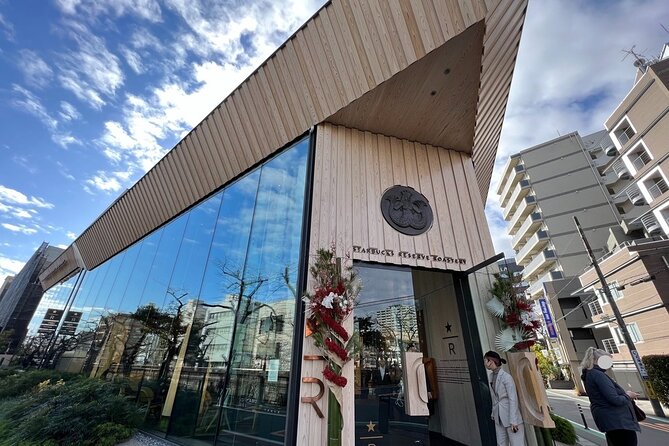
Meet at 3:30 pm at Tokyu Stay Monzen Nakacho, 1-chome-23-2 Tomioka, Koto City. The meeting point is near public transportation, and the tour ends at Monzen-nakacho Station, 2 Chome-4 Monzennakacho.
Starting and ending near the station is practical. You do not have to return to the original hotel or work out a complicated evening transfer from the final restaurant. The exact route between stops is not provided, so allow enough time to arrive early and do not assume the tour begins at the station itself.
The experience lasts about three hours. The listed stop times add up to three hours, with the longest portion at Fukagawa Fudo-do and the final 50 minutes reserved for soba.
The maximum group size is four. This is especially useful during the ritual, when a guide’s direct help can make the difference between observing passively and understanding what you are doing.
Most people can participate, according to the supplied information. Still, the experience includes walking, a loud ceremony, and a buckwheat meal, so those details should guide your decision.
Who will get the most from this experience
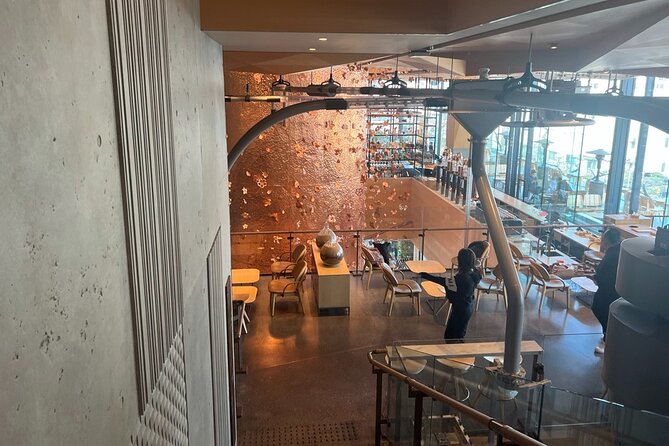
I would recommend this tour to you if you want to understand Japanese culture through a neighborhood rather than through a large sightseeing circuit. It suits first-time visitors, couples, solo visitors, and families with older children who can manage the walking and ceremony.
It is also a smart choice if you are curious about the difference between Shinto and Buddhism. The sequence from Tomioka Hachiman Shrine to Fukagawa Fudo-do gives your guide a natural chance to explain both traditions.
You may also like it if food matters to your sightseeing plans. The sweets shop, sake store, and soba dinner provide a useful food thread through the evening, even though the short shop visit does not appear to include a formal tasting.
I would hesitate to recommend it if you cannot tolerate loud sound, have a buckwheat allergy, or want a calm, silent temple visit. I would also choose another tour if your priority is Tokyo’s headline attractions. This experience stays focused on Monzen-nakacho and its religious and local character.
A practical call on booking
Book this tour if you want a small, guided introduction to Tokyo’s spiritual life and you are willing to take part in a ceremony rather than simply photograph a temple. The goma ritual is the main reason to choose it, while the included soba makes the timing and price easier to justify.
Skip it if the noise warning, buckwheat meal, or short stop at the shops creates a problem. For everyone else, the combination of a four-person group, guide support, wish card, and dinner offers a focused evening that is hard to reproduce by wandering alone.
FAQ
How much does the Tokyo cultural tour cost?
The price is $92.99 per person.
How long does the experience last?
The tour lasts approximately three hours.
What time does the tour begin?
The start time is 3:30 pm.
Where does the tour meet?
Meet at Tokyu Stay Monzen Nakacho, 1-chome-23-2 Tomioka, Koto City, Tokyo 135-0047, Japan.
Where does the tour end?
The experience ends at Monzen-nakacho Station, 2 Chome-4 Monzennakacho, Tokyo 135-0048, Japan.
How many people can join the tour?
The group has a maximum of four travelers.
What is included in the price?
The price includes the tour guide, the soba dinner, and payment for wish cards.
Is the goma ceremony loud?
Yes. Loud sound lasts for about 30 minutes. You should not join if you have a weak heart or dislike loud noises.
Can I join if I have a buckwheat allergy?
No. The guidance says you should refrain from eating if you are allergic to buckwheat.
More tours in Tokyo we've reviewed


Tokyo, compared.
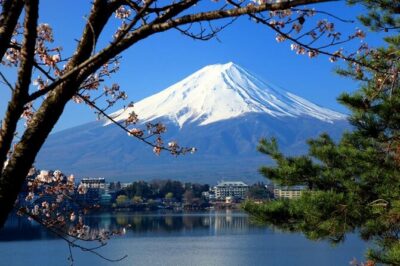 ★ 5.0Mt Fuji and Hakone 1-Day Bus Tour Return by Bullet TrainFrom $163
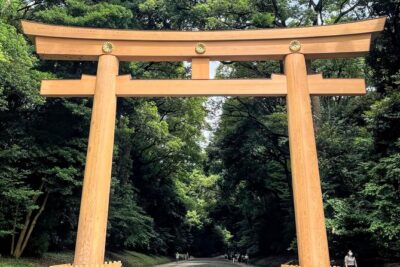 ★ 5.01-Day Tokyo Bus TourFrom $129
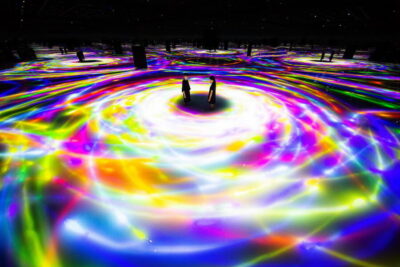 ★ 4.6Tokyo: teamLab Planets TOKYO Digital Art Museum Entry TicketFrom $251 day
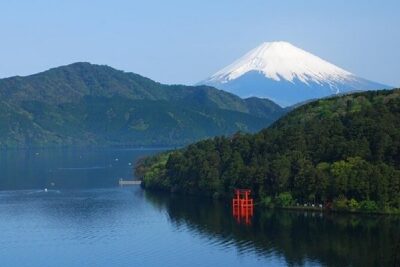 ★ 4.0Mt Fuji & Hakone Cruise, Drum Show Bullet Train 1 Day from TokyoFrom $149
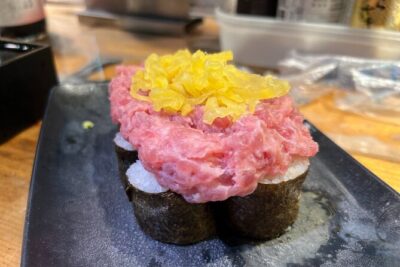 ★ 5.0Tokyo: Shinjuku Food Tour (13 Dishes at 4 Local Eateries)From $86
 ★ 4.4Tokyo Mt Fuji 5th St & Hakone Cruise Bus Tour w/Bullet TrainFrom $15410 hours