
Reviewed · TOKYO
Tokyo: Taiko Drumming Experience
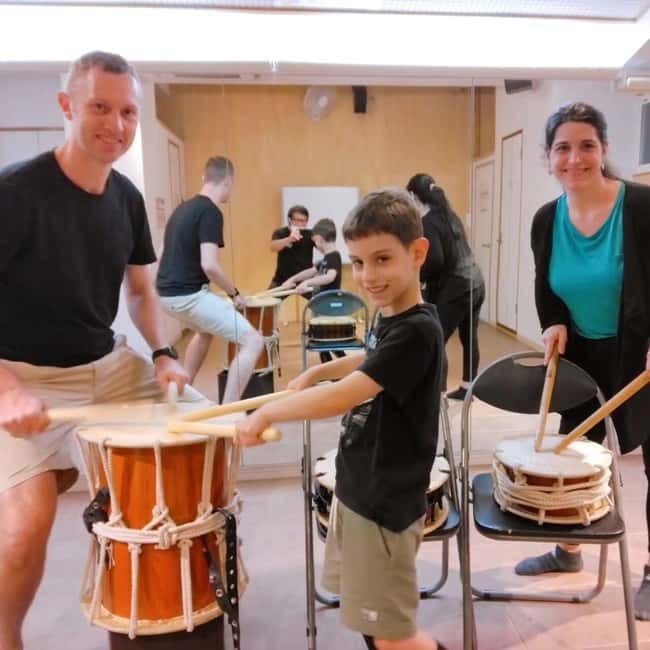
Tokyo’s taiko drumming class puts you right beside the source of the sound. Instead of watching a festival performance from the crowd, you learn how to grip the sticks, strike the drum, and move with the beat. The low, physical thud of taiko is the main event.
I like the small six-person limit, which gives the instructor room to correct your posture and rhythm. I also like that beginners start from scratch, with no musical background needed. The one-hour format is easy to fit into a Tokyo day, though a reported instructor no-show caused a serious scheduling headache for one participant. That makes punctual confirmation worth your attention.
In This Review
- Taiko drumming at a glance
- Feeling the force of a Japanese taiko drum
- Meeting your instructor near Ōkubo Station
- The first strikes and basic technique
- Following the rhythm in a small group
- What the room and equipment may be like
- Is one hour enough for $35?
- Who will enjoy this activity most?
- Practical ways to make the class better
- Should you book Tokyo’s taiko lesson?
- FAQ
- Where does the taiko drumming experience meet?
- How early should I arrive?
- How long does the class last?
- How much does the experience cost?
- Is previous drumming experience required?
- What languages does the instructor speak?
- What is included in the price?
- What should I wear?
- Is the activity suitable for people with back problems?
- Is transportation included?
- Can I cancel for a full refund?
Taiko drumming at a glance
- You play from the first lesson: Learn the basic stick grip, striking technique, and body movement instead of sitting through a long introduction.
- The group is limited to six: A small class should give you more direct contact with the English or Japanese-speaking instructor.
- The lesson lasts one hour: It is a focused cultural activity, not an all-day commitment.
- The meeting point is simple: Wait at the South Exit of Ōkubo Station, arriving 15 minutes early for check-in.
- The price is $35 per person: Drums, sticks, and instruction are included, but transport, food, and drinks are not.
- Physical comfort matters: Wear clothes and shoes you can move in, and skip this activity if you have back problems.
Feeling the force of a Japanese taiko drum
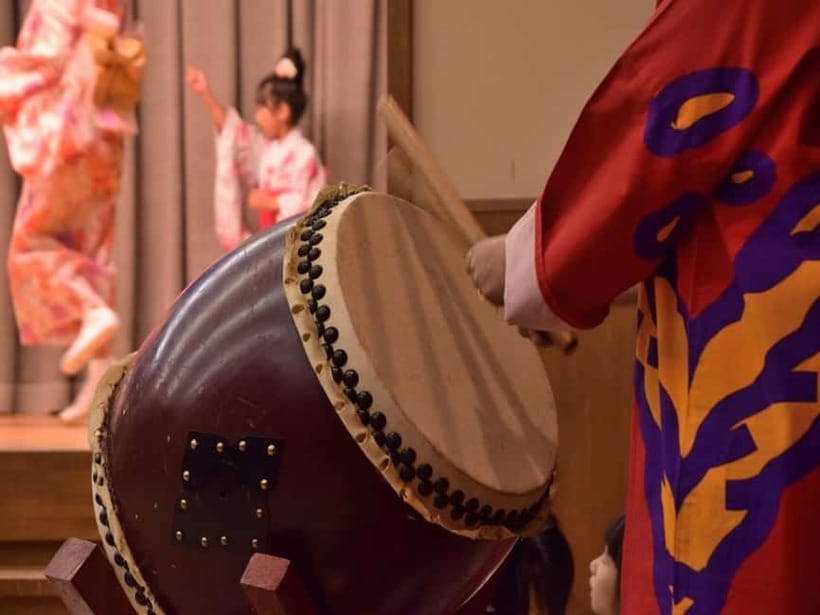
Taiko is often linked with Japanese festivals, but playing it gives you a better sense of the physical work behind that sound. You do not simply tap a surface. You use your arms, shoulders, stance, and timing to create a strong beat.
The drum’s low vibration is part of the appeal. You feel the sound through the room and through your body, especially when several people strike together. That makes this class more active than a standard cultural demonstration. You are not just learning facts about Japanese music. You are trying to produce it.
The class focuses on basic skills. You learn how to hold the drumsticks, how to strike with power, and how to follow a rhythm. The language is practical rather than academic. The instructor teaches in English or Japanese, and the session is designed for people who have never handled a taiko drum.
I would not expect a full concert or advanced performance training in one hour. The value is in getting a direct taste of the art, feeling the drum respond, and leaving with a simple understanding of how rhythm and posture work together.
If you're still narrowing it down, here are other tours in Tokyo we've reviewed.


Meeting your instructor near Ōkubo Station
Your starting point is the South Exit of Ōkubo Station in Tokyo. This is important because the experience does not include transportation to the venue. You need to make your own way there, then wait for the instructor at the stated exit.
Arrive 15 minutes early. That gives you time to find the correct exit, check in, and avoid starting the class flustered. Tokyo stations can have several exits and busy pedestrian flows, so do not treat the meeting point as a casual suggestion.
The instructions identify English and Japanese as the available teaching languages. No individual instructor name is provided, so you should not expect to select a particular teacher. The instructor’s role is hands-on: showing you the grip, demonstrating the strike, and helping you follow the rhythm.
There is one practical concern here. A participant reported reaching the meeting point and waiting because the instructor did not appear for the scheduled session. The class was rebooked for the next day, and the eventual lesson was described as fun, encouraging, and led by a strong drummer. Still, a missed appointment can cost you a valuable evening in Tokyo. I would keep your booking details handy and confirm the meeting instructions before setting out.
The first strikes and basic technique
Once the session begins, expect the instructor to start with the fundamentals. You learn how to hold the sticks and how to position yourself before striking. This matters because taiko technique is not just about hitting as hard as possible.
The best part of a beginner class is that you can concentrate on sound and movement without worrying about prior skill. You do not need to read music or arrive with drumming experience. The lesson begins at the beginning, which keeps the hour approachable for families, couples, and solo visitors who want a physical activity.
The instructor then guides you toward stronger strikes. The word power can sound intimidating, but the goal is controlled energy. You learn to connect the stick, the drumhead, and the rhythm rather than simply flailing at the instrument.
The session also asks you to move with the rhythm. That adds a physical element you may not expect from a music lesson. Comfortable clothing helps, and comfortable shoes are specifically recommended. Smoking is not allowed.
A back problem is a reason to choose another activity. The class involves standing, repeated arm movement, and forceful strikes, so it is not a good match if physical activity could aggravate your back.
Following the rhythm in a small group
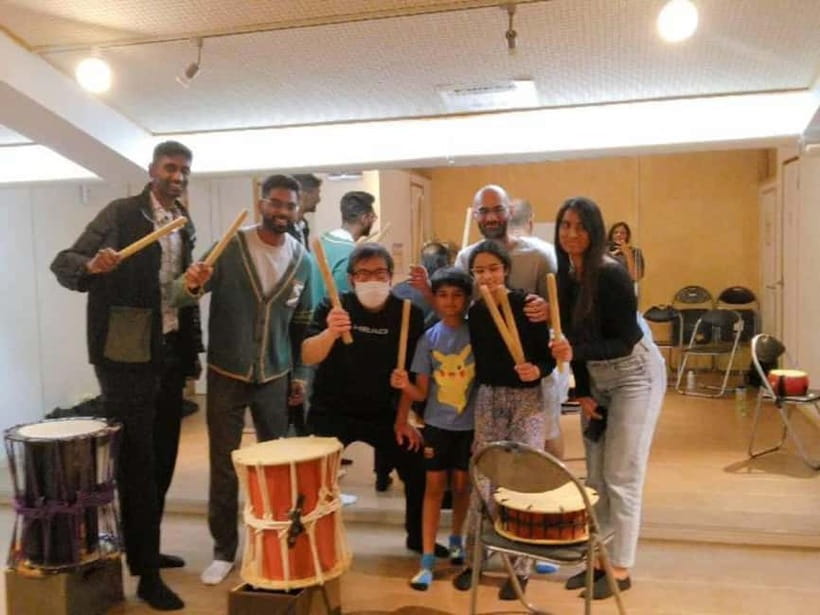
The group size is limited to six people. That is one of the strongest features for a beginner because you are less likely to disappear in a crowd. A smaller group also makes it easier to hear instructions, watch demonstrations, and receive a correction when your grip or timing goes off.
You will probably share the rhythm with the other participants. This is where the experience becomes more exciting than practicing alone. Several drums sounding together can create a powerful pulse, even at a basic level.
At the same time, a small group is not the same as private instruction. The instructor must divide attention among as many as six people. If you want a detailed study of advanced technique, an hour will feel short. If you want a lively introduction and a chance to play, the format makes good sense.
One participant found the teacher encouraging and clearly skilled as a drummer. That is exactly the sort of instruction a first-time player needs. A patient teacher can make a simple rhythm feel like an achievement, while a rushed lesson would leave you wondering what you were supposed to do with the sticks.
What the room and equipment may be like
The experience includes all necessary equipment, so you do not need to bring a drum or sticks. That keeps the activity easy to add to a Tokyo itinerary. You only need suitable clothing, shoes, and enough time to reach Ōkubo Station.
The physical setup may be basic. One participant described drums secured with tape to low stools, calling the arrangement amateurish. I would set expectations accordingly. This is not a polished concert hall or a luxury cultural production. It appears to be a practical teaching space built around the activity itself.
That does not automatically ruin the class. Taiko is a hands-on experience, and the quality of the teaching and the chance to play matter more than decorative surroundings for many people. Still, the setup raises a fair question about value. If you want a carefully staged performance venue, this may feel rough around the edges.
The equipment arrangement also makes it sensible to follow the instructor’s safety directions closely. Do not adjust the drums or seating on your own. Let the teacher handle the setup and show you the correct way to use everything.





Is one hour enough for $35?
At $35 per person, the class sits in the affordable range for a guided Tokyo activity, but the value depends on what you want. Instruction and equipment are included, and the small group gives the hour a personal feel. For a visitor who wants to try something distinctly Japanese rather than watch another attraction, that can be a fair price.
The class is less attractive if you measure value by total time. You get one hour of activity, with transport to the venue, meals, and drinks left out. You also need to arrive early, so the actual time taken from your day will be longer than 60 minutes.
I would compare it with the cost of a short workshop, not with the price of a museum ticket. You are paying for access to the instruments, a teacher’s guidance, and the chance to make the sound yourself. You are not paying for a long cultural lecture, a meal, or a professional performance.
The current rating is 2.4 from three written accounts, which is a small sample but still worth noting. The main warning is reliability, not the core activity. The reported class itself was enjoyable, and the instructor was described as fun and encouraging. The equipment setup and the price were less impressive.
Who will enjoy this activity most?
I would recommend this class to you if you want an active cultural experience that breaks up a day of sightseeing. It suits first-time visitors who want to do something rather than simply look at another shrine, shop, or museum display.
It is also a good match for:
- Beginners: You do not need previous drumming experience.
- Small groups of friends or couples: The six-person limit keeps the session more personal.
- Families with physically comfortable participants: The lesson is beginner-friendly, but it still involves standing and repeated arm movement.
- Music fans: You get a direct feel for rhythm, tone, and coordinated strikes.
- Short-stay visitors: One hour is easy to fit between other plans.
I would think twice if your back makes physical activity difficult. I would also reconsider if you are expecting a polished cultural show, a large performance space, or advanced training.
Practical ways to make the class better
Plan your route to Ōkubo Station before the day begins. Tokyo’s rail network is efficient, but finding the right station exit can take longer than expected, especially if you are carrying luggage or moving during a busy period.
Wear clothes that allow free movement. Comfortable shoes are important because the lesson includes body movement and repeated strikes. Avoid anything restrictive, delicate, or difficult to move in.
Arrive 15 minutes early, as requested. I would not schedule another activity immediately afterward. A no-show is not presented as the normal experience, but the reported delay shows why a little flexibility can protect your day.
Bring water for before or after the class if you need it. Food and drinks are not included, and the experience itself does not provide a meal.
Most of all, go in with the right expectations. The purpose is to try taiko, not become a concert-level drummer in 60 minutes. If you focus on the sound, the movement, and the pleasure of getting a basic rhythm right, the class has a clear purpose.
Should you book Tokyo’s taiko lesson?
I would book this for the chance to feel a traditional Japanese instrument under your own hands. The beginner-friendly instruction, English option, small group, and included equipment make the class easy to approach. The encouraging teacher described in one account is another good sign for newcomers.
I would not book it blindly. The reported no-show is a meaningful reliability concern, and the basic room setup may feel under-polished for $35. Confirm your meeting details, arrive early, and leave some space in your schedule in case the start does not go smoothly.
Choose this experience if you want a lively, physical introduction to Japanese music. Skip it if you prefer passive sightseeing, have back problems, or expect a formal performance venue. For the right kind of visitor, the reward is simple but memorable: you make the drum speak, even if only for an hour.
FAQ
Where does the taiko drumming experience meet?
Meet the instructor at the South Exit of Ōkubo Station in Tokyo.
How early should I arrive?
Arrive 15 minutes before the scheduled start time for check-in.
How long does the class last?
The taiko drumming session lasts one hour.
How much does the experience cost?
The listed price is $35 per person.
Is previous drumming experience required?
No. The lesson starts from scratch and is designed for beginners.
What languages does the instructor speak?
Instruction is available in English and Japanese.
What is included in the price?
Expert instruction and all necessary equipment are included.
What should I wear?
Wear comfortable clothes suitable for physical activity and comfortable shoes.
Is the activity suitable for people with back problems?
No. The experience is not suitable for people with back problems.
Is transportation included?
No. You must make your own way to the meeting point, and meals and drinks are also not included.
Can I cancel for a full refund?
Yes. You can cancel up to three days in advance for a full refund.
More tours in Tokyo we've reviewed










Tokyo, compared.
 ★ 5.0Mt Fuji and Hakone 1-Day Bus Tour Return by Bullet TrainFrom $163
 ★ 5.01-Day Tokyo Bus TourFrom $129
 ★ 4.6Tokyo: teamLab Planets TOKYO Digital Art Museum Entry TicketFrom $251 day
 ★ 4.0Mt Fuji & Hakone Cruise, Drum Show Bullet Train 1 Day from TokyoFrom $149
 ★ 5.0Tokyo: Shinjuku Food Tour (13 Dishes at 4 Local Eateries)From $86
 ★ 4.4Tokyo Mt Fuji 5th St & Hakone Cruise Bus Tour w/Bullet TrainFrom $15410 hours