
Reviewed · TOKYO
Furoshiki Cloth Wrapping
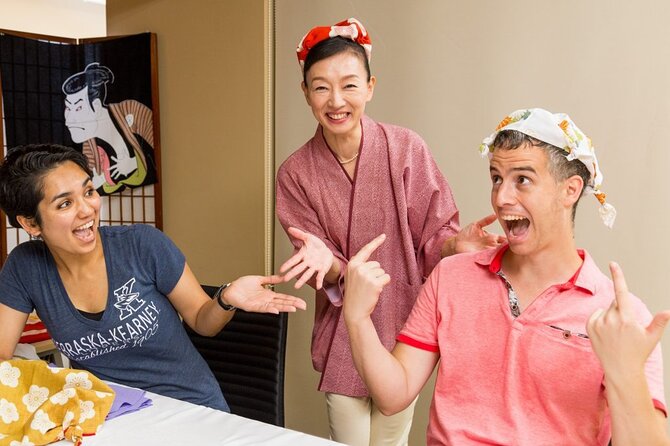
Furoshiki turns a simple square of cloth into a gift wrap, shopping bag, bottle carrier, hat, or cover. In this 90-minute Tokyo workshop, you learn seven practical techniques with an instructor, then take home your own cloth so the class does not end when you leave.
I like the hands-on format and the clear link to Japanese culture. I also like that the craft has a useful modern purpose: reusable cloth can replace disposable wrapping and some everyday bags. The main drawback is the price, $77.26 per person, which is a fair value only if you want instruction and cultural context, not just a quick demonstration.
In This Review
- Key points
- Seven ways to make one square of cloth useful
- What the 90-minute workshop feels like
- From Japanese tradition to an everyday eco choice
- The take-home cloth is part of the value
- Why the hands-on format works well for families
- Getting to Kikai Shinkō Kaikan in Shibakōen
- What is not included
- The price compared with other Tokyo activities
- Who should book this activity
- Practical booking advice and cancellation
- Should you book the furoshiki workshop?
- FAQ
- Where does the furoshiki workshop take place?
- How long does the activity last?
- What will I learn during the class?
- Do I receive anything to take home?
- Who teaches the workshop?
- Is transportation included?
- Is food or drink included?
- What is the cancellation policy?
Key points
- Seven techniques in 90 minutes: You progress from basic folds and knots to useful wraps for gifts, bags, covers, and wearable items.
- A cloth to take home: Your souvenir furoshiki lets you repeat the lessons and turn the class into a lasting skill.
- Practical Japanese culture: You learn how an old craft fits modern concerns about waste and reuse.
- Friendly, clear instruction: The instructors are praised for their warm manner and strong command of the subject.
- Small enough for guided practice: The maximum group size is 28, so this is a class rather than a stage show.
- Easy Tokyo setting: The workshop begins and ends at Kikai Shinkō Kaikan in Shibakōen, near public transportation.
Seven ways to make one square of cloth useful
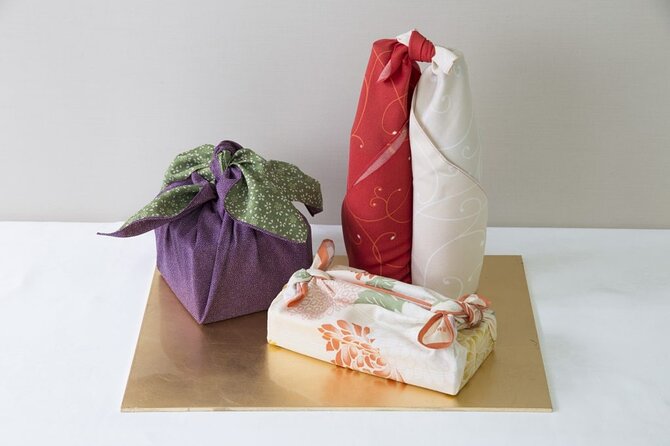
The clever part of furoshiki is its simplicity. You begin with a flat cloth and a few basic knots, then learn how small changes in folding create entirely different objects. A knot can secure a parcel, form a handle, or shape a bag.
The workshop teaches seven techniques in one sitting. The exact order is not specified, but the class starts with basic folds and knots before moving into more advanced forms. That makes sense for beginners. You need to understand tension and balance before a cloth will carry anything neatly.
You can expect to practice wraps for gifts, bags, hats, and covers. These are not only decorative exercises. They show how the same cloth can serve different jobs, which is the heart of furoshiki.
I especially like the progression because it gives you several ways to judge the craft. One technique may appeal to you for gift wrapping, another for carrying items, and another simply because it looks good. You are not required to become a devoted craft expert to get value from the session.
If you're still narrowing it down, here are other tours in Tokyo we've reviewed.


What the 90-minute workshop feels like
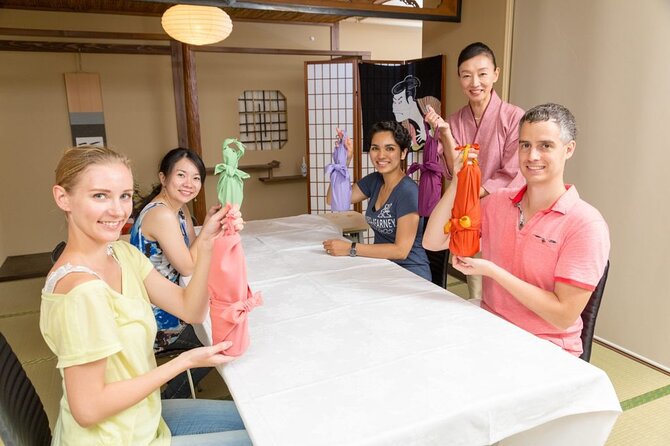
This is a focused introduction, not a full-day craft course. The 90-minute length works well for a Tokyo schedule because it leaves room for sightseeing before or after, while still giving you enough time to repeat each method.
The class is led by a nationally accredited furoshiki instructor. That matters here. Cloth wrapping looks easy when someone else does it, but the knot position and cloth tension make a large difference. Clear guidance can save you from producing a lopsided bundle and wondering why it will not stay closed.
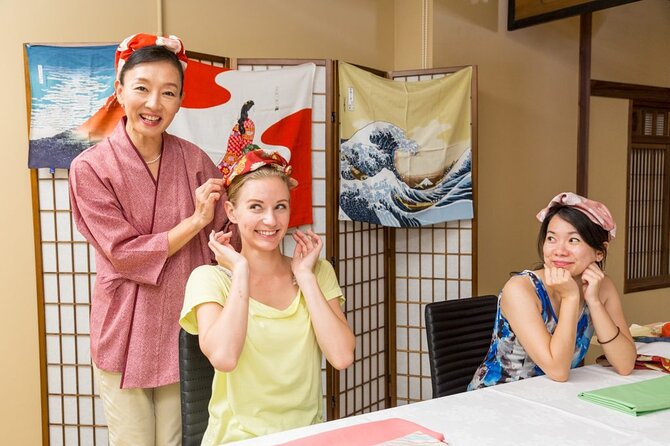
You start with the foundation: how to place the cloth, where to bring the corners, and how to tie the knots. Then you work through more useful and creative forms. The teaching is practical, so you are not just watching a demonstration and hoping to remember it later.
The instructors have been praised for being friendly and well informed. That warm approach is important in a hands-on class. You will likely need to try a fold more than once, especially when turning a flat cloth into a three-dimensional bag or hat.
The group can include up to 28 people. That is not an intimate private lesson, but it is still a manageable class size for a workshop. If the class fills, you should expect a group setting rather than constant one-to-one help. The benefit is a social atmosphere and a chance to see how other people solve the same knotting problems.
From Japanese tradition to an everyday eco choice
Furoshiki is more than an attractive way to wrap a present. The class explains its cultural background and its current environmental role in Japan. You learn why reusable cloth can be a sensible alternative to paper, plastic bags, and other single-use household items.
That connection gives the workshop more weight than a souvenir-making activity. You are learning a small piece of Japanese material culture, then considering how it can fit your own routine. A cloth can be folded away when you do not need it, used again for another purpose, and carried without taking much space.
The eco message also feels practical rather than abstract. You learn how to make an object that replaces something disposable. Even if you use your cloth only for gifts at first, the technique can become a simple habit for birthdays, holidays, or small presents.
I would not book this expecting a lecture on every period of Japanese history. The supplied details describe cultural and historical insight connected to the craft, but the main focus is doing the work yourself. That balance will suit you if you prefer learning through your hands.
The take-home cloth is part of the value
The souvenir furoshiki is not an afterthought. It gives you the material needed to practice the techniques at home, which is important because knots that seem obvious in class can be surprisingly easy to forget.
At $77.26, the cloth helps justify the cost. You are paying for an instructor-led class, cultural explanation, practice time, and a usable souvenir. The value is strongest if you plan to repeat the wraps after returning home.
The cloth can also help you share the experience. You can use it to demonstrate a knot to friends or family, wrap a present, or test whether one of the bag forms works for your daily needs. A typical souvenir sits on a shelf. This one is meant to be handled.
Still, you should keep your expectations in line with the format. One 90-minute class will introduce seven methods, but it will not make you an expert in every variation. The real payoff comes when you continue practicing with the cloth after the workshop.
Why the hands-on format works well for families
This activity can suit families, older children, couples, and solo visitors who enjoy learning a simple craft. A 15-year-old and a parent have enjoyed practicing the knots and useful wraps together, which gives you a good sense of the activity’s broad appeal.
It is also a pleasant choice when your group wants something other than temples, shopping, or food. You make something with your own hands, and the finished skill travels home with you. The craft is clever without requiring advanced artistic ability.
For children, the advantage is the quick change from cloth to object. A bag or hat gives the lesson a visible result. For adults, the appeal may be the mix of design, culture, and waste reduction.
The activity may be less satisfying if you dislike repetition or prefer fast-moving sightseeing. Folding and knotting require patience. You will spend much of the session practicing the same movement until it works properly.




Getting to Kikai Shinkō Kaikan in Shibakōen
The meeting point is Kikai Shinkō Kaikan, 3-chōme-5-8 Shibakōen, Minato City, Tokyo 105-0011, Japan. The workshop ends at the same place, so you do not need to arrange a separate return transfer.
The venue is near public transportation, but transportation to the venue is not included. You should plan your route before the start time and allow enough margin to find the building. A mobile ticket is available, which can make entry simpler if you keep the booking details ready on your phone.
Because the experience is often reserved about 40 days in advance, I would not leave it until the last minute if the timing matters to your itinerary. Confirmation arrives within 48 hours of booking, subject to availability. That is worth noting when you are arranging a tightly timed Tokyo visit.
Group discounts are available. For families or friends booking together, check the final price carefully, since the discount may make the per-person cost more comfortable than the standard $77.26 rate.
What is not included
No food or drinks are included. That is not a serious problem for a 90-minute activity, but you should not expect refreshments at the venue.
Transportation is also not included. The central practical task is getting yourself to Kikai Shinkō Kaikan in Shibakōen. Since the activity returns to the meeting point, you can pair it with nearby plans without arranging a second pickup location.
Most people can take part, according to the supplied participation information. No special skill level is required. You should be ready to use your hands, follow spoken instruction, and repeat folds and knots.
The price compared with other Tokyo activities
At $77.26 per person, this is not a bargain class in the casual drop-in sense. You are paying a premium for an accredited instructor, a structured lesson, seven techniques, cultural context, and a furoshiki to keep.
I see the price as reasonable for someone who values a guided cultural activity and expects to use the result. It is less convincing if you only want a decorative souvenir or a short photo opportunity. The cloth alone would not justify the full charge.
The strongest value comes from the combination of skill plus object. You leave with something useful and the knowledge to use it in several ways. If you teach the knots to someone at home, the cost spreads across more than one person’s enjoyment.
The group discount may also help. A family or small group can share the experience, compare techniques, and continue practicing together. A solo participant may want to think more carefully about the cost, but could still find the class worthwhile if Japanese crafts are a major part of the trip.
Who should book this activity
I would recommend it to you if you enjoy practical culture, small creative projects, or sustainable travel habits. It is particularly well suited to:
- Families with older children
- Couples looking for a quiet shared activity
- Visitors interested in Japanese design and daily life
- People who enjoy useful souvenirs
- Anyone wanting a break from Tokyo’s major sights
- Gift wrappers and craft beginners
The class is also a good fit for an itinerary with limited time. Ninety minutes is long enough to learn a real skill without taking over an entire day.
I would be more cautious if you want a private lesson, a highly specialized craft course, or a large amount of historical detail. The maximum group size is 28, and the workshop is designed as an introduction. You will learn a lot of useful basics, but not every possible furoshiki variation.
Practical booking advice and cancellation
Free cancellation is available if you cancel at least 24 hours before the local start time. Cancellations made less than 24 hours before the activity are not refunded, and changes within that same period are not accepted.
Since confirmation is issued within 48 hours, subject to availability, book early enough to handle that wait. The typical advance booking period of about 40 days suggests that popular dates can fill well ahead of time.
Bring your mobile ticket and arrive ready to follow a hands-on lesson. The activity starts and ends at Kikai Shinkō Kaikan, and you will need to arrange your own way there.
Should you book the furoshiki workshop?
Book this class if you want to take home more than a standard Tokyo souvenir. You will learn seven wrapping techniques, hear how furoshiki connects to Japanese culture and present-day reuse, and receive a cloth that lets you keep practicing.
At $77.26, it asks more than a simple craft demonstration. The price makes sense when you value the instructor, the guided practice, and the lasting usefulness of the cloth. It is a good pick for families and hands-on learners, especially with a group discount.
Skip it if your schedule is packed or you prefer sightseeing that covers more ground. But if you can spare 90 minutes, this is a calm, practical way to understand a Japanese craft by actually making something yourself.
FAQ
Where does the furoshiki workshop take place?
The workshop starts at Kikai Shinkō Kaikan, 3-chōme-5-8 Shibakōen, Minato City, Tokyo 105-0011, Japan.
How long does the activity last?
The workshop lasts approximately 1 hour and 30 minutes.
What will I learn during the class?
You will learn seven furoshiki wrapping techniques, beginning with basic folds and knots and progressing to methods for making gifts, bags, hats, covers, and other useful forms.
Do I receive anything to take home?
Yes. A souvenir furoshiki cloth is included so you can practice the techniques at home.
Who teaches the workshop?
The class is led by a nationally accredited furoshiki instructor.
Is transportation included?
No. Transportation to the venue is not included. The activity ends back at the meeting point.
Is food or drink included?
No food or beverages are included.
What is the cancellation policy?
You can cancel for a full refund up to 24 hours before the experience start time. Cancellations or changes made less than 24 hours before the start time are not accepted for a refund.
More tours in Tokyo we've reviewed








Tokyo, compared.
 ★ 5.0Mt Fuji and Hakone 1-Day Bus Tour Return by Bullet TrainFrom $163
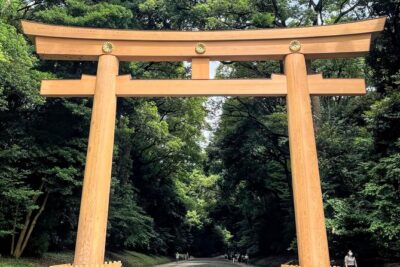 ★ 5.01-Day Tokyo Bus TourFrom $129
 ★ 4.6Tokyo: teamLab Planets TOKYO Digital Art Museum Entry TicketFrom $251 day
 ★ 4.0Mt Fuji & Hakone Cruise, Drum Show Bullet Train 1 Day from TokyoFrom $149
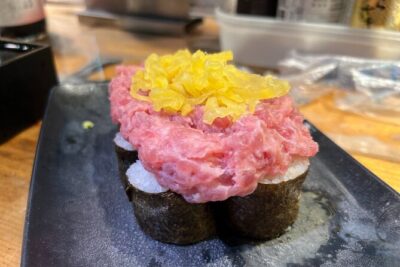 ★ 5.0Tokyo: Shinjuku Food Tour (13 Dishes at 4 Local Eateries)From $86
 ★ 4.4Tokyo Mt Fuji 5th St & Hakone Cruise Bus Tour w/Bullet TrainFrom $15410 hours