
Reviewed · SUMO EXPERIENCES
Tokyo: Sumo Morning Practice Viewing Tour at a Real Stable
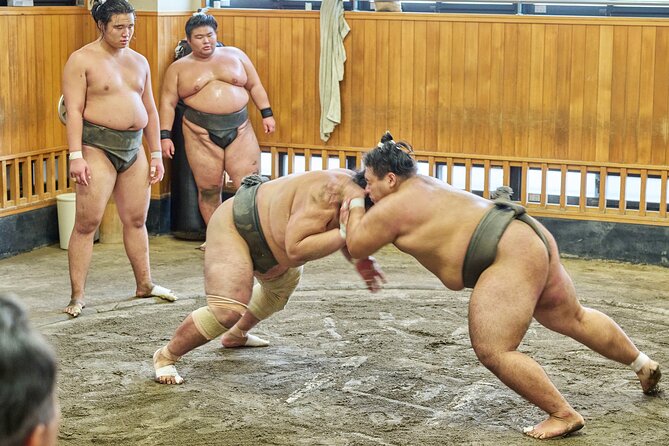
A morning at a real sumo stable puts you close enough to hear the slap of bodies and the stamp of feet. This is a working place, not a staged performance, and the wrestlers carry on with their practice as if you were not there. I love the raw, unpolished access, and I like how guides such as Mao, Kawa, Yuki, and Tomo explain what you are seeing without burying you in facts.
The English explanations make a big difference, especially before you enter the stable. You learn why sumo includes ritual, how a bout is won, and what the wrestlers are training to achieve. The main drawback is strict etiquette: you must stay quiet, remain seated, keep your phone silent, and stay until practice ends. Late arrival can mean no entry, so allow plenty of time.
In This Review
- Key points
- Why a working sumo stable feels different
- Meeting at Kiyosumi-Shirakawa Station, Exit A1
- The guide’s introduction makes the practice easier to follow
- Sitting beside the ring during morning practice
- The rituals reveal sumo’s spiritual side
- Speaking with wrestlers after the session
- Timing matters more than the two-hour headline
- Is $98 a fair price?
- Who should book this sumo visit?
- Practical details to know before booking
- Should you book it?
- FAQ
- Where does the tour meet?
- Is the tour conducted in English?
- How long does the experience last?
- When does the sumo practice take place?
- Can I leave the stable early?
- Can I take photographs?
- What should I wear?
- Are children allowed on the tour?
- Can I cancel or pay later?
Key points
- Watch genuine morning practice: See wrestlers train at close range in a real stable rather than at a tourist performance.
- Hear the ring clearly: The force of foot stamps, body slaps, and impacts gives you a real sense of sumo’s physical demands.
- Learn before you enter: An English-speaking guide explains rules, Shinto rituals, rankings, and daily dedication.
- Stay still and silent: You cannot move around during practice, and leaving means you cannot re-enter.
- Meet the athletes afterward: Speaking with wrestlers outside training hours may add a personal note to the visit.
- Plan your morning carefully: Meet at Kiyosumi-Shirakawa Station, Exit A1, and expect a possible train ride to the stable.
Why a working sumo stable feels different
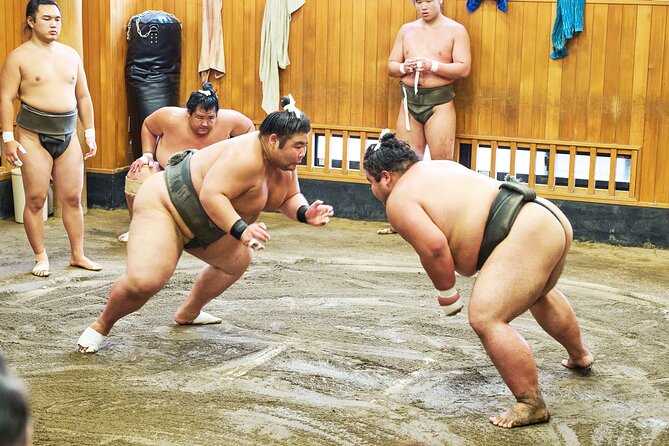
Sumo is easy to recognize but harder to understand from a short match on television. The bouts are brief, yet the preparation behind them takes years of strict routine, physical conditioning, ceremony, and self-discipline.
This two-hour experience gives you a look at that preparation. You are not simply watching two men push each other out of a circle. You are seeing young wrestlers repeat demanding movements, build strength, and pursue higher ranks in a sport tied to ancient Shinto beliefs.
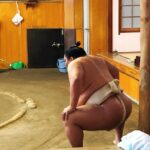
That setting matters. A stable is where wrestlers live, eat, train, and devote themselves to sumo. It is normally closed to the public and was once mainly accessible to sponsors. Even in Tokyo, this is not the sort of place you can usually walk into on your own.
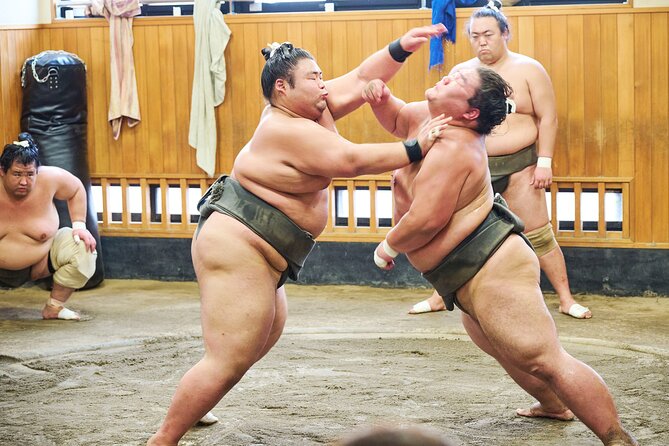
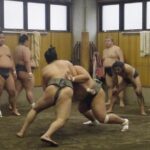
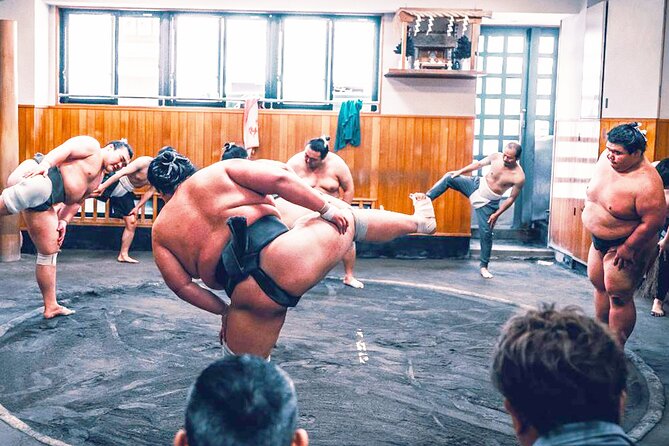
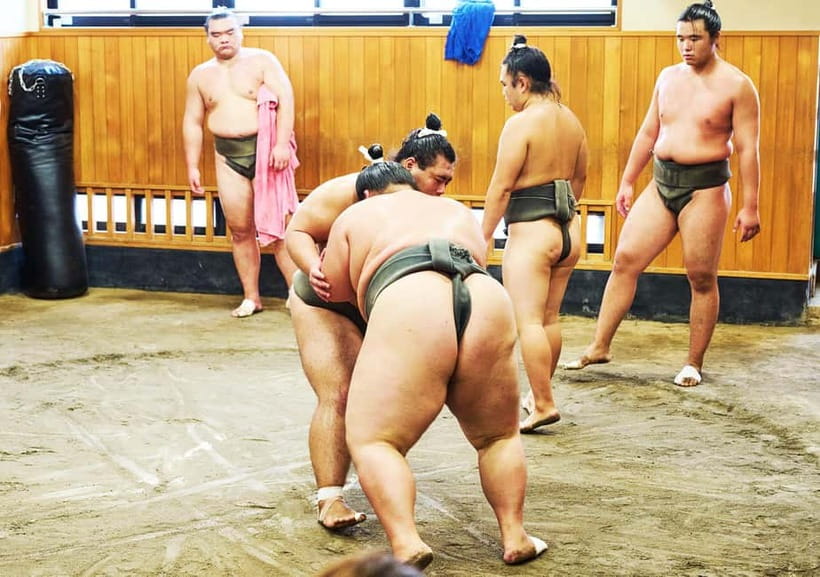
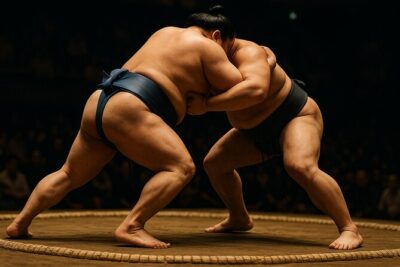
The best part is the lack of showmanship. The wrestlers do not stop to perform for the group, pose on cue, or explain each exercise. They work. That can feel almost startling when you are seated close to the ring and hear the physical force of each movement.
A few more Tokyo tours and experiences worth a look

Meeting at Kiyosumi-Shirakawa Station, Exit A1
Your day begins outside Kiyosumi-Shirakawa Station at Exit A1. You can reach the station on the Toei Oedo Line or the Hanzomon Line. Look for a guide holding a Local Guide Stars sign.
This is a meeting point where punctuality really matters. After the group gathers, you may take a train to the stable, so the tour does not necessarily begin at the station itself. Build in extra time for finding the correct exit, navigating the station, and arriving before the scheduled meeting time.
Do not cut it close. Entry may not be possible if you arrive late. One especially useful rule is to aim for at least 30 minutes of extra travel time, particularly if you are unfamiliar with Tokyo’s rail system or changing lines that morning.
The meeting point is also a practical place to settle small needs before proceeding. Use the restroom, silence your phone, and make sure you are dressed modestly. Once practice starts, you will not be getting up whenever you wish.
The guide’s introduction makes the practice easier to follow
Before entering the stable, your English-speaking guide explains the basics of sumo. Guides who have led this experience include Mao, Kawa, Yuki, and Tomo. The strongest part of their role is interpretation, not just translation.
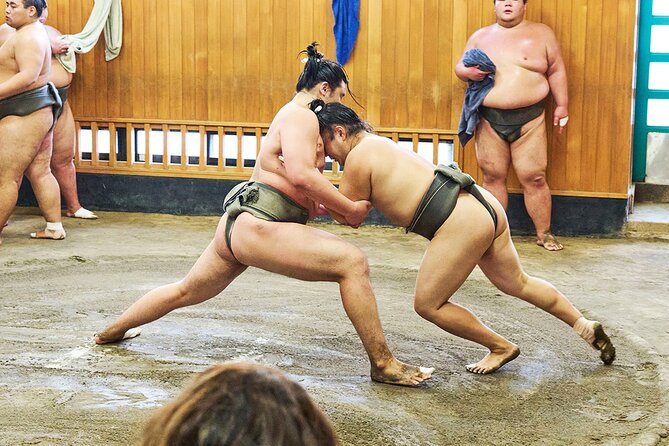
You learn that a match is won by forcing an opponent out of the ring or making any part of the opponent’s body, other than the soles of the feet, touch the ground. You also receive context for the gestures, preparation, and religious customs connected with the sport.
This short briefing is important because morning practice can look repetitive at first. Once you understand what the wrestlers are working on, you can pay attention to the differences in balance, timing, force, and technique.
The guides also help connect the practice to Japanese life. Sumo has a spiritual side rooted in Shinto, so not every movement is about physical conditioning. The rituals give the sport a solemn tone, even when the training itself looks rough and exhausting.
Mao has been praised for clear English, patience, and useful explanations. Kawa has a warm, helpful style, while Yuki and Tomo have also guided groups through the visit. The exact guide depends on the day, but the format gives you a good balance of explanation and quiet observation.
Sitting beside the ring during morning practice
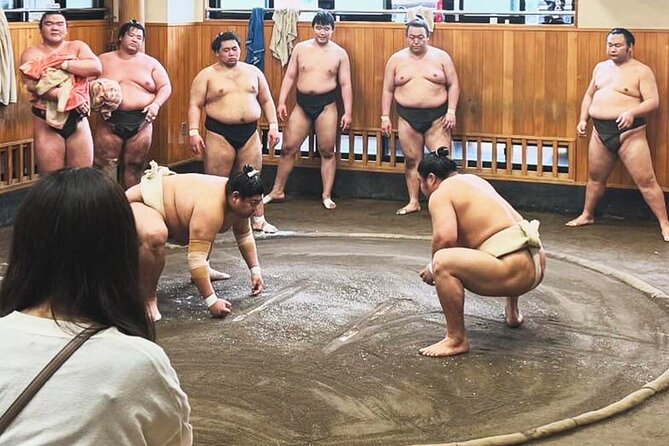
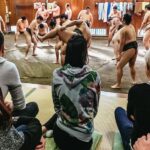
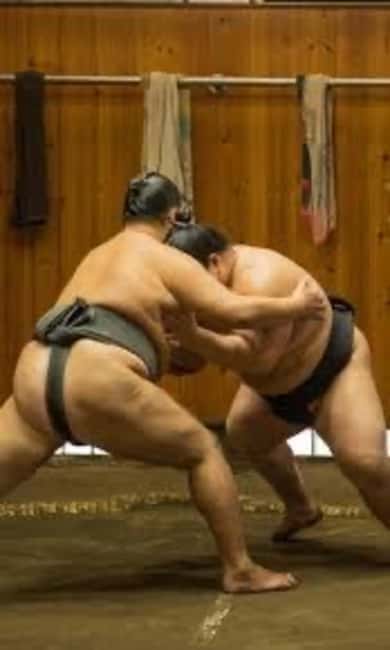
The stable is a place of work, so the viewing rules are firm. You sit on the side of the ring and watch the training from close range. You must not stand up or move around while practice is underway, and your phone must be on silent.
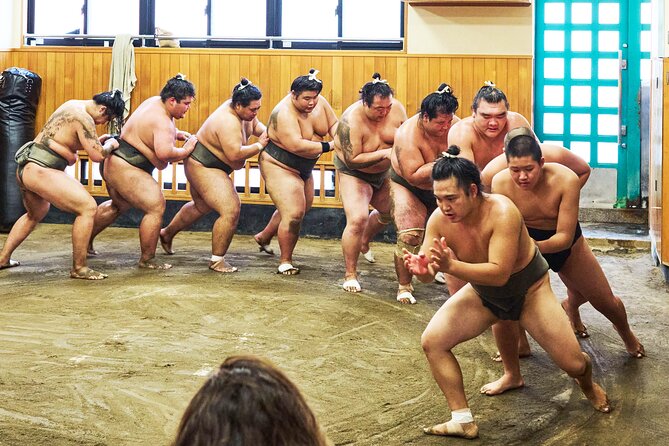
Silence is not a minor detail. It protects the wrestlers’ concentration and lets you hear the sounds of practice. The slapping of flesh, sharp footwork, and heavy impacts create a far stronger impression than a distant stadium view.
The wrestlers are described as paying little attention to the group. That is precisely why the experience feels genuine. You are watching their normal training session, not a special routine arranged for visitors.
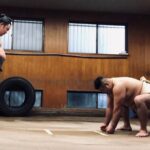
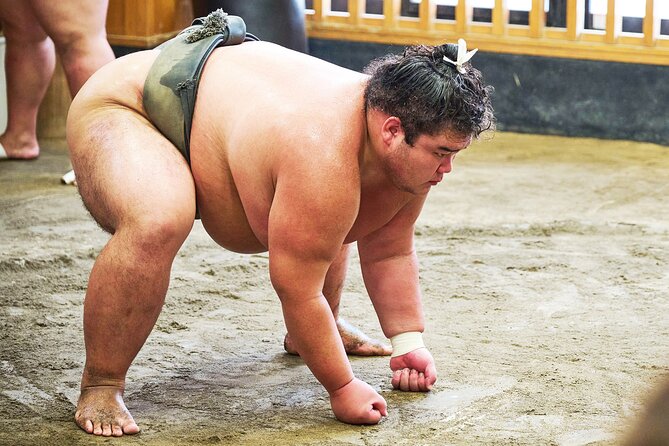
Expect to see young wrestlers giving full effort as they work toward professional ranks. The session may include powerful clashes and repeated exercises, but the precise training sequence can vary. Do not arrive expecting a guaranteed appearance by a particular wrestler or a fixed set of drills.
One visitor was fortunate enough to see a yokozuna, the highest rank in sumo. That is a memorable possibility, but it should not be treated as a promise. The value of the visit comes from seeing the stable’s training culture, regardless of exactly who is present.
The rituals reveal sumo’s spiritual side
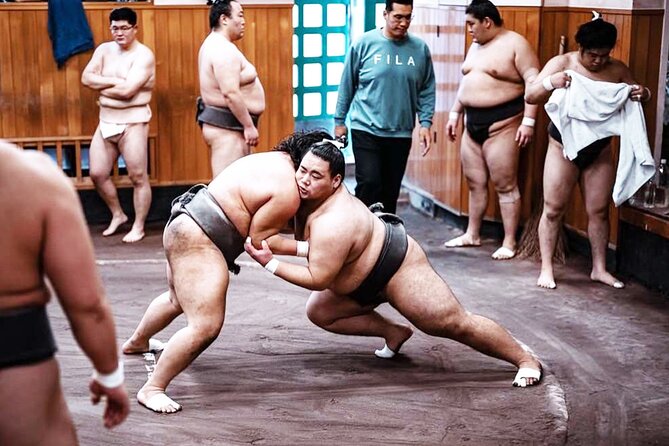
The physical strength is the obvious attraction, but the rituals give sumo its particular character. Sumo grew from Shinto traditions, and the ring is treated with respect. Movements that may seem simple to an outsider can carry meaning connected with purity, discipline, and preparation.
Your guide explains these elements so you can watch with more awareness. You may notice that the session is not simply a warm-up before the real event. The preparation itself has structure and purpose.
I like this cultural layer because it prevents the experience from becoming a quick look at an unusual sport. You see how sumo combines athletic training with ceremony. The result is a visit that speaks to Japanese tradition as much as it does to wrestling.
Still, the guide’s explanation is only part of the experience. You need to be willing to sit quietly and watch. If you prefer a highly interactive tour with constant movement, this format may feel restrained.
A few more Tokyo tours and experiences worth a look

Speaking with wrestlers after the session
Outside training hours, you may have a chance to speak with the wrestlers. This is one of the most personal parts of the visit, but it depends on the stable’s schedule and circumstances.
Treat the opportunity with respect. These athletes are at work, and the stable is their home as well as their training facility. A short conversation or photograph can be meaningful, but the visit should not be approached like a celebrity meet-and-greet.
Some groups have been able to take photographs with the wrestlers. Again, this is not something to assume as a guaranteed feature of every morning. Follow the guide’s instructions and wait for the appropriate time.
The possibility of meeting the athletes adds value to the two-hour format. You first see their effort in the ring, then have a chance to connect the people to the discipline you have just watched.
Timing matters more than the two-hour headline
The activity lasts about two hours, but the practice itself can be a little shorter or longer than expected. The stated practice period is around 9:00 to 10:00 AM, and the tour may finish at a different location from the meeting point.
That makes this a poor choice if you have a tight reservation immediately afterward. Tell the tour team in advance if you have a fixed commitment. The schedule can also include a train ride after meeting at the station, so your total morning needs some breathing room.
You must stay until the end of practice. Once you leave the stable, re-entry is not allowed. This rule protects the training session, but it also means you cannot slip out early for another appointment.
Arrive in modest clothing, keep your phone away, and avoid eating or drinking during practice apart from water. The quiet, still format is part of what makes the visit feel like a real look inside a stable, not a casual stop between sightseeing attractions.
Is $98 a fair price?
At $98 per person, this is not a cheap morning activity. The price makes more sense when you consider what you are paying for: access to a stable normally closed to the public, an English-speaking guide, cultural explanation, and help with the visit from the station onward.
You are not paying for a long list of attractions. You are paying for access to a place that is difficult to visit independently. The close viewing position is also important. A stadium match gives you scale and excitement, but it does not usually show the daily work behind the bouts.
The value is strongest if you care about Japanese culture, traditional sports, or experiences that feel connected to ordinary working life. It is weaker if you simply want to see a sumo match and take photographs. There is no promise of a tournament bout, and much of the session requires quiet observation.
The 4.9 rating from 32 reviews reflects strong satisfaction, with particular praise for the guides, close seating, and authentic training atmosphere. I would still judge the purchase by your interests and schedule. For a first Tokyo visit, this can be a memorable use of two hours if you are comfortable with the rules and early timing.
Free cancellation is available up to 24 hours in advance for a full refund, and you can reserve now and pay later. Those terms help if your Tokyo plans are still changing, but they do not remove the need to arrive on time.
Who should book this sumo visit?
I would choose this tour if you want to understand sumo rather than simply photograph it. It suits adults and older children who can sit quietly, follow instructions, and appreciate a workplace where the visitors are not the center of attention.
It is a good fit for:
- First-time visitors who want a cultural experience beyond major temples and shopping streets
- Anyone curious about Shinto ritual and the discipline behind professional sumo
- Sports fans who want to see training rather than only a tournament
- Couples and small groups who value close access and an English explanation
- Visitors willing to keep a flexible morning schedule
It is not suitable for children under 11. It is also a poor match for anyone who needs to move around often, use a phone during an activity, or leave before the session ends.
Practical details to know before booking
The experience is offered in English and includes the guide, stable visit, explanation of rules and rituals, and the opportunity to speak with wrestlers. Meet at Kiyosumi-Shirakawa Station, Exit A1, in front of the station.
Wear modest clothing. Put your phone on silent before entering, use the restroom first, and bring the patience to remain seated for the practice. Noise is not allowed.
The tour may end somewhere other than the meeting point. Since a train ride to the stable may be part of the morning, check your onward plans carefully. If you have an important booking after the tour, give yourself a generous buffer.
Should you book it?
Book this sumo morning visit if you want the real work behind the sport: the concentration, ritual, force, and repetitive training that lead to a short match in the ring. The close position and skilled guides, especially Mao, Kawa, Yuki, and Tomo, make the unfamiliar parts easier to understand.
Skip it if you want a flexible sightseeing stop, a guaranteed champion appearance, or an activity where you can talk and move freely. For the right visitor, $98 buys rare access and a much clearer sense of why sumo is more than wrestling. Just arrive early, dress respectfully, and be ready to sit quietly until the work is done.
FAQ
Where does the tour meet?
Meet in front of Kiyosumi-Shirakawa Station at Exit A1. The station is served by the Toei Oedo Line and the Hanzomon Line. Look for a guide holding a Local Guide Stars sign.
Is the tour conducted in English?
Yes. The tour includes a live English-speaking guide who explains sumo rules, rituals, and cultural meaning.
How long does the experience last?
The advertised duration is two hours. The practice and tour may be slightly shorter or longer than expected.
When does the sumo practice take place?
The practice is around 9:00 to 10:00 AM. Check the available starting time when booking.
Can I leave the stable early?
You must stay until the end of practice. Once you leave the stable, you cannot re-enter.
Can I take photographs?
Photography may be possible at an appropriate time, including a possible photograph with wrestlers. During practice, follow the guide’s instructions and remain quiet and still.
What should I wear?
Modest clothing is required because the stable is a place of work and residence for the wrestlers.
Are children allowed on the tour?
The experience is not suitable for children under 11 years of age.
Can I cancel or pay later?
You can cancel up to 24 hours in advance for a full refund. Reserve now and pay later is also available.
More Morning in Tokyo
More Sumo Experiences in Tokyo

More tours in Tokyo we've reviewed








Sumo Experiences, compared.
 ★ 4.8Tokyo: Sumo Show Experience with Chicken Hot Pot and a PhotoFrom $1032 hours
 ★ 4.8Tokyo: Sumo Show and Dining ExperienceFrom $7990 minutes - 2 hours
 ★ 5.0the SUMO showFrom $89
 ★ 5.0Tokyo Shinjuku Sumo Show & Experience with PhotoFrom $79
 ★ 4.8Tokyo: Sumo Show and Experience in ShinjukuFrom $691h 30m
 ★ 4.6Tokyo: Sumo Tournament Tour with Chair Seat TicketsFrom $141