
Reviewed · SUSHI MAKING CLASSES
3-Hour Small-Group Sushi Making Class in Tokyo
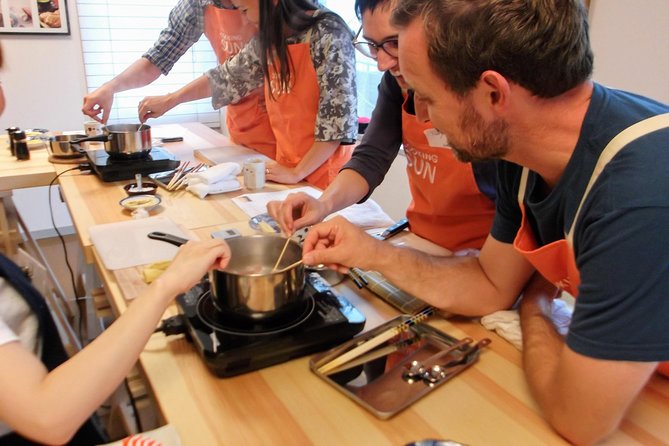
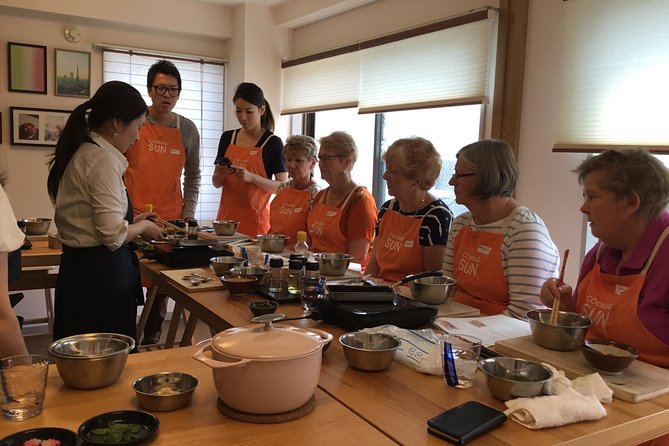
You do not just watch sushi being made here. You prepare the rice, cook tamagoyaki, shape nigiri, fill tofu pouches, and roll several kinds of sushi before sitting down to eat the results. I like the small class size of up to nine people, since the instructors can correct your hand position and rolling technique. I also like that ingredients, recipes, an apron, and a towel are provided, so you can arrive ready to cook.
The main consideration is that this is a sushi-making introduction, not a professional fish-cutting lesson. The fish comes pre-sliced, and the class covers basic preparation and assembly rather than the knife work behind high-end sushi counters. At $72.67 per person, I find it a fair deal for a three-hour meal and lesson, but serious sushi students may want a more advanced course.
In This Review
- Key points at a glance
- A quiet cooking studio in Shinjuku
- First lesson: dashi, miso, and Japanese seasonings
- Making tamagoyaki, the small challenge with a big payoff
- Sushi rice and toppings come next
- Four styles, four different techniques
- Nigiri
- Inari
- Hosomaki
- California roll
- A full meal, not just a demonstration
- How much individual help will you get?
- What you can take home
- Price, timing, and practical fit
- Who will enjoy this class most?
- Is the class worth booking?
- FAQ
- How long does the sushi-making class last?
- Where does the class begin and end?
- What time does the class start?
- What types of sushi will I make?
- Do I need previous cooking experience?
- Does the class teach raw fish cutting?
- Is the class taught in English?
- Can children join the experience?
- Is a vegetarian option available?
Key points at a glance
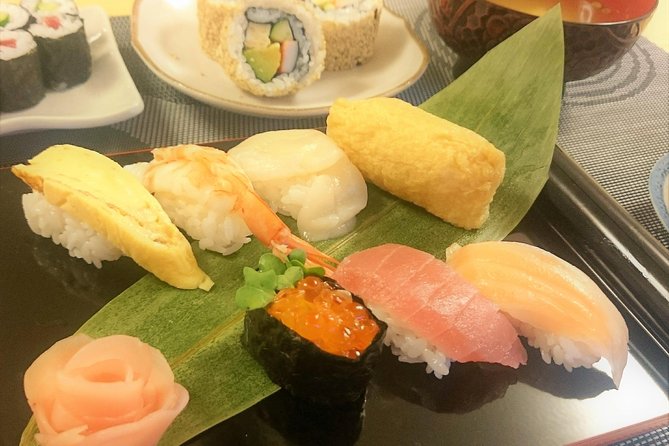
- You make four main styles: Nigiri, inari, hosomaki, and California rolls are all part of the lesson.
- Tamagoyaki is part of the work: You cook Japanese rolled omelet and use it as a sushi filling.
- The class stays small: A maximum of nine people gives you direct help from the instructors.
- You finish with a full meal: Sushi is served with miso soup, fresh wasabi, and pickled ginger.
- It works for beginners and families: No previous cooking skill is needed, and children from age six can join.
- Vegetarian preparation is available: You need to request it when booking.
A quiet cooking studio in Shinjuku
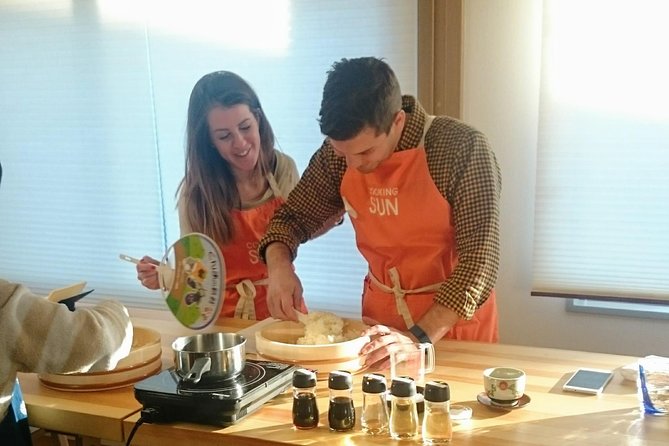
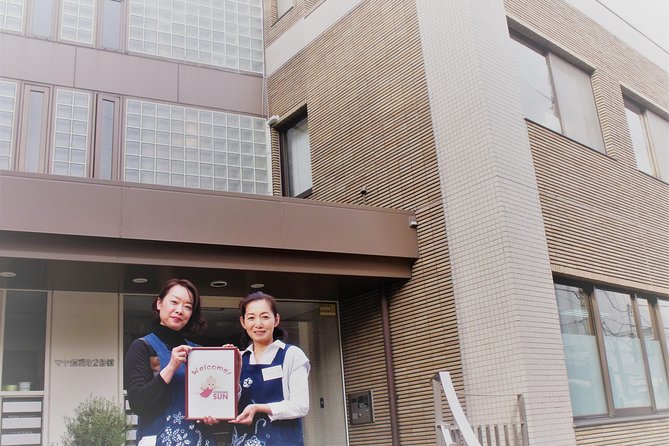
The class begins at Cooking Sun Tokyo, at 18-39 Shinanomachi in Shinjuku City. The studio is set back from the main roads in a quiet residential area, which gives the afternoon a calmer feel than you might expect in central Tokyo.
That setting matters. You are not being rushed through a loud restaurant kitchen or pushed from one demonstration station to another. The space is described as clean, well equipped, and comfortable, with room for a maximum of nine people. One family found the cool room especially welcome during a hot August day.
The meeting point is also near public transportation, though the supplied details do not name a specific station or give walking directions. I would allow a little extra time to find the address, particularly if you are still getting used to Tokyo’s street layout. The activity starts at 1:30 pm and ends back at the same meeting point after about three hours.
Bring your appetite. The amount of food can be generous, and the class is built around eating your finished work rather than taking home a small sample.
A few more Tokyo tours and experiences worth a look

First lesson: dashi, miso, and Japanese seasonings
The cooking starts with a short introduction to basic Japanese ingredients. You learn about dashi, miso, and traditional seasonings before the practical work begins.
This opening is useful because sushi is not only about raw fish. Rice seasoning, soup stock, soy-based flavors, and the balance between sweet, salty, and sour notes all shape a Japanese meal. The lesson gives you a simple framework for understanding how sushi fits into everyday cooking.
The class is taught in English by local instructors. Names associated with the sessions include Miki, Yuki, Yuko, Aya, Yuma, and Yummy. The most important point is not a particular instructor pairing, since staffing can vary, but the English-friendly format and the patient, hands-on teaching style.
You do not need prior cooking experience. Instructions are broken into manageable tasks, making this a good choice if you can eat sushi confidently but are less sure about preparing it yourself.
Making tamagoyaki, the small challenge with a big payoff
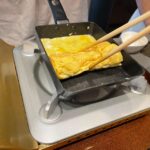
One of the more interesting parts is making tamagoyaki, the Japanese rolled omelet. This is not simply a matter of scrambling eggs and cutting them into strips. You cook and roll the egg in layers, then use it as a filling or topping for the sushi.
I like this part because it gives you a cooking task beyond assembling prepared ingredients. It also shows why Japanese food can look simple while requiring care. Your first omelet may not be perfectly shaped, but the instructors guide you through the process, and the finished result still becomes part of the meal.
Several class descriptions place tamagoyaki alongside miso soup and sushi rice as part of the from-scratch work. That broadens the lesson beyond rolling technique. You get a short introduction to a few building blocks of Japanese home cooking, not just a single restaurant dish.
Sushi rice and toppings come next
Rice is the foundation of the class. You prepare sushi rice and learn how it is handled before adding toppings or using it in rolls.
The details provided do not specify a full rice recipe or the exact equipment used, so you should think of this as a practical introduction rather than a technical rice science course. Still, learning the preparation sequence is valuable. If you plan to repeat the lesson at home, getting the rice right will matter more than making a perfect-looking roll.
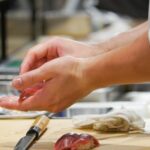
You also prepare toppings such as shrimp. The fish used in class is pre-sliced, so you do not learn how to break down a whole fish or make the long, precise cuts used by sushi chefs. That keeps the session approachable and reduces the time spent on knife work.
This is an important distinction when you compare classes. You are learning how to prepare rice, cook fillings, assemble sushi, and shape pieces. You are not training as an itamae, or sushi chef.
Four styles, four different techniques
The lesson covers several kinds of sushi, each requiring a different approach.
A few more Tokyo tours and experiences worth a look

Nigiri
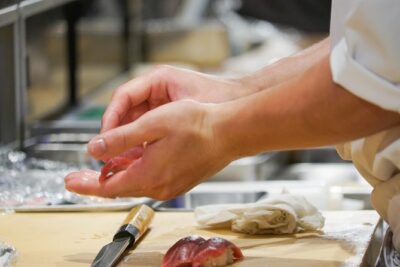
Nigiri is hand-pressed sushi. You shape a small mound of rice and place a topping over it. The challenge is using enough pressure to make the piece hold together without compacting the rice into a heavy block.
This is one of the most recognizable sushi forms, and making it yourself helps you understand the balance between rice and topping. You may also prepare shrimp nigiri and tamago sushi, depending on the exact class sequence.
Inari
Inari uses a sweet tofu pouch filled with sushi rice. It is easier to shape than nigiri, but it has a different texture and flavor profile. The sweet pouch makes a useful contrast with savory fillings and seafood.
It is also a good style for home cooking because it does not require the same hand skill as pressed sushi. The class includes inari age, so you get to see how this distinctive form fits into a larger sushi spread.
Hosomaki
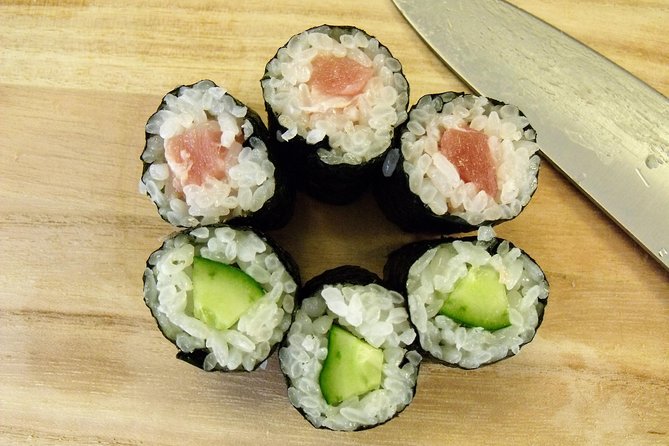
Hosomaki are thin rolls. You spread rice, add a filling, and roll the seaweed tightly with a bamboo mat or similar tool.
Thin rolls expose small mistakes. Too much rice makes the roll hard to close, while too much filling causes it to split. The instructor’s presence is helpful here, since you can get immediate guidance instead of producing a loose roll and only discovering the problem at the end.
California roll
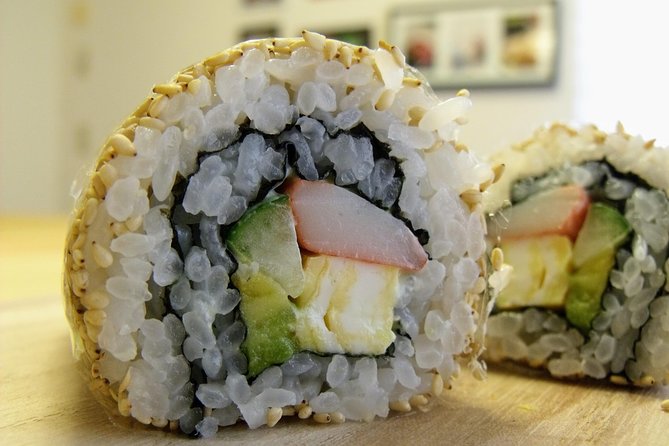
The California roll gives you a broader comparison with the traditional Japanese forms. It is usually thicker and assembled differently from hosomaki, so you can practice another rolling style in the same session.
The class presents California rolls alongside nigiri, inari, and hosomaki. That mix makes the afternoon more varied and gives you several techniques to repeat at home.
A full meal, not just a demonstration
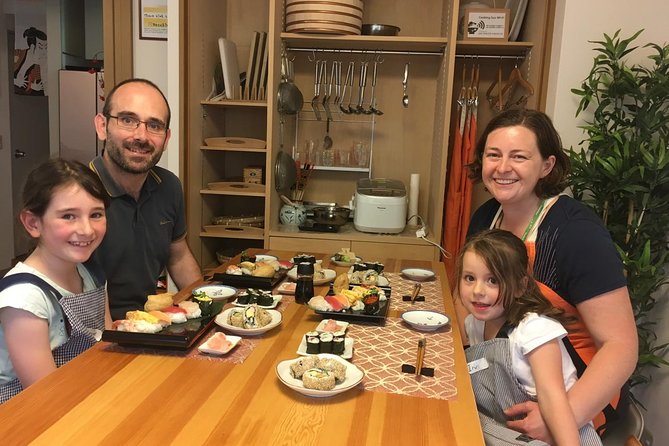
After the cooking work, you sit down and eat what you have made. The meal includes miso soup, fresh wasabi, and pickled ginger.
The food is the reward, but it also completes the lesson. You can see how each piece looks on the plate, compare textures, and understand the role of the condiments. The finished meal may include several pieces of different sushi, tamagoyaki, and soup. One class description lists miso soup, tamagoyaki, inari, hosomaki, California roll, shrimp nigiri, tamago sushi, and four pieces of nigiri.
Portions appear substantial. I would not plan a large meal immediately before the class. The exact menu can vary, and the supplied information does not promise a specific number of pieces for every session, but you should expect more than a token tasting.
The fish quality is not presented as the main selling point. One assessment specifically noted that it should not be treated as top-end fish, though the meal was still enjoyable. That is a fair way to view the experience. You are paying to cook, learn, and eat a broad selection, not to receive an omakase at a celebrated sushi counter.
How much individual help will you get?
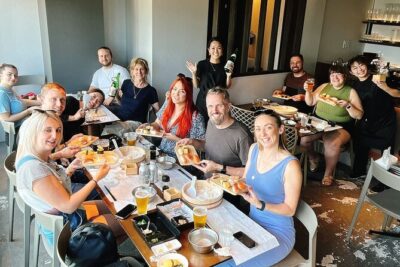
The maximum group size is nine. That is small enough for the instructors to watch your technique and answer questions, while still giving the class a social feel.
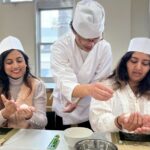
The strongest part of the experience is the hands-on format. Everyone cooks. You are not standing behind a glass partition while a chef performs the difficult steps. The instructors demonstrate, then let you try the task yourself.
That works well for families, couples, solo visitors, and mixed groups. Children from age six are allowed, and the teaching style is described as patient with younger participants. A family with children aged 10 and 12 found the format easy to follow, while another family of four appreciated the attention given to the children.
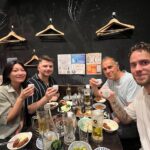
For solo visitors, the small group offers a natural way to meet people without committing to a full-day tour. The groups can include couples, families, and people from different countries. You will have your own cooking tasks, so conversation tends to happen naturally around the work.
What you can take home
Recipes and ingredients are included, and the recipes are intended to be usable after you return home. That adds real value to the price. A sushi meal in Tokyo can cost $72.67 by itself, but this class also gives you instruction, food preparation, and a souvenir skill.
I would not expect to reproduce every detail perfectly on your first attempt. Rice texture, ingredient sourcing, and rolling pressure take practice. Still, you will leave understanding the basic sequence: prepare the rice, organize the fillings, shape or roll the sushi, and serve it with suitable accompaniments.
The experience also gives you a better sense of what to buy at home. You learn the difference between a thin roll and a larger roll, see how tamagoyaki works as a filling, and practice shaping rice by hand. That is more useful than simply watching a chef make sushi at a restaurant.
Price, timing, and practical fit
At $72.67 per person, this is priced in the middle range for a three-hour cooking activity in Tokyo. The value is strongest if you count the meal, the ingredients, the instructor, the recipes, and the chance to practice several sushi styles.
It is less compelling if you want a luxury food experience centered on premium fish. The class uses pre-sliced fish and does not include raw fish cutting instruction. For that reason, I would choose it for participation and learning, not for the quality of a formal sushi tasting.
The afternoon timing is convenient. You can spend the morning sightseeing, then arrive for the 1:30 pm start. The class ends at the meeting point, so you can continue exploring Tokyo afterward without waiting for a return transfer.
There is no hotel pickup or drop-off. You are responsible for reaching the studio and leaving on your own. A mobile ticket is provided, and confirmation arrives when you book.
The class has a minimum age of six. Specific dietary needs should be shared at booking, and a vegetarian option is available if requested in advance. Do not wait until you arrive to mention dietary restrictions, since the ingredients need to be planned.
Free cancellation is available up to 24 hours before the local start time for a full refund. Changes or cancellations inside that 24-hour window are not accepted for a refund. The activity also requires good weather, and if poor weather causes a cancellation, you are offered another date or a full refund.
Who will enjoy this class most?
I would recommend it to you if you fit one of these descriptions:
- You love sushi and want to understand how it is assembled.
- You want a practical Tokyo activity rather than another sightseeing stop.
- You are traveling with children aged six or older.
- You prefer a small English-speaking class.
- You want recipes and techniques you can try at home.
- You enjoy eating a meal you helped prepare.
It is also a smart choice for anyone who has taken cooking classes before and wants a compact Japanese lesson. The session covers enough dishes to keep the three hours moving, without becoming a full-day culinary program.
I would choose a different experience if your goal is raw fish butchery, advanced knife skills, or a lesson focused on the work of a professional sushi counter. Those subjects are outside this class.
Is the class worth booking?
For most first-time sushi makers, yes. The class combines instruction with a satisfying meal, and the small group means you get to do the work instead of simply watching. The mix of nigiri, inari, hosomaki, California rolls, tamagoyaki, and miso soup gives you a useful range of techniques in one afternoon.
Book it if you value a friendly, practical experience and want to leave Tokyo with skills you can repeat at home. Skip it if you are mainly seeking rare fish, formal sushi service, or advanced cutting instruction. At $72.67, the price is sensible for a hands-on meal and a three-hour English-friendly lesson, especially for families and sushi fans.
FAQ
How long does the sushi-making class last?
The class lasts about three hours.
Where does the class begin and end?
It begins and ends at Cooking Sun Tokyo, 18-39 Shinanomachi, Shinjuku City, Tokyo 160-0016, Japan.
What time does the class start?
The stated start time is 1:30 pm.
What types of sushi will I make?
You will learn to make nigiri, inari, hosomaki, and California rolls. The class may also include shrimp nigiri and tamago sushi as part of the meal.
Do I need previous cooking experience?
No. The class is designed for beginners, and the instructors guide you through each step.
Does the class teach raw fish cutting?
No. The fish is pre-sliced, and raw fish cutting instruction is not included.
Is the class taught in English?
Yes. A local English-speaking cooking instructor leads the class.
Can children join the experience?
Yes. The minimum age is six.
Is a vegetarian option available?
Yes. A vegetarian option is available, but you must request it when booking. Specific dietary requirements should also be provided in advance.
More 3-Hour Experiences in Tokyo





More Workshops & Classes in Tokyo
More Sushi Making Classes in Tokyo
More tours in Tokyo we've reviewed





Sushi Making Classes, compared.
 ★ 5.0Sushi Making Tokyo Roll and Authentic Japanese Sushi ClassFrom $59
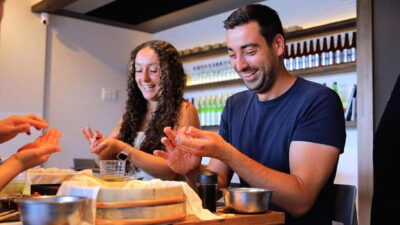 ★ 4.9Tokyo: Roll and Authentic Sushi Making Class in AsakusaFrom $581h 40m
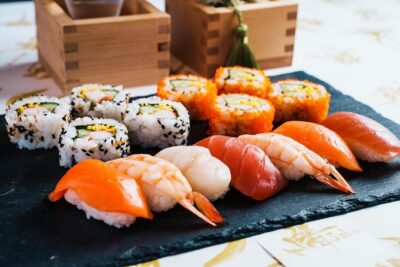 ★ 5.0Make Sushi and Create Unforgettable Memories in TokyoFrom $79
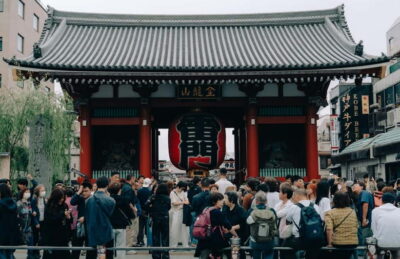 ★ 4.9Tokyo: Sushi Making Class in a Happi Coat near a Famous SpotFrom $421h 30m
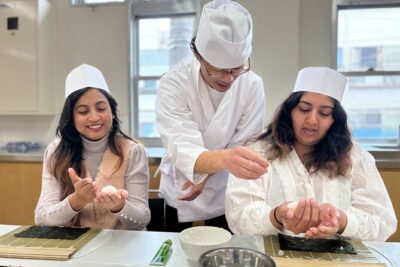 ★ 5.0Tokyo Sushi Making Class in Tsukiji with Professional ChefFrom $49
 ★ 5.0Tokyo Night Foodie Tour in Shinjuku – Seasonal Sushi, Wagyu BeefFrom $111