
Reviewed · 3-HOUR EXPERIENCES
Discover Tokyo 3 Hour Customizable Private Walking Tour
Tokyo can feel like several cities stitched together, and this private three-hour walk helps you make sense of it quickly. You choose a start time and can shape the outing around neighborhoods, culture, local customs, or less obvious corners of the city.
I like the one-to-one attention, which lets you ask practical questions about menus, manners, and public transport. I also like the flexible neighborhood choices, since you can focus on Shibuya and Shinjuku energy, Ueno’s shrines and markets, or the modern waterfront around Odaiba.
The main drawback is simple: three hours is not enough to cover every listed area properly, especially since Tokyo’s districts are spread out. Private transportation is not included, so any train, subway, or monorail costs are yours to pay.
In This Review
- Key points to know before booking
- Why a private Tokyo walk can be useful
- Shibuya: famous crossing, side streets, and small shrines
- Shinjuku: parks, drinking alleys, and high views
- Ueno and the walk toward Akihabara
- Odaiba through Shinbashi or Shiodome
- How much can you really see in three hours?
- What the guide adds beyond sightseeing
- Price, group size, and what is included
- Who will get the most from this experience?
- Booking advice for a better route
- Should you book this private Tokyo walk?
- FAQ
- How long does the Tokyo walking tour last?
- Is this a private tour?
- Can I choose the tour start time?
- Which Tokyo areas can the tour include?
- Are transportation costs included?
- Are snacks included?
- What level of fitness is needed?
- Can I cancel for a full refund?
Key points to know before booking
- A private route shaped around you: You can ask to focus on culture, local customs, city views, shopping, or less familiar streets.
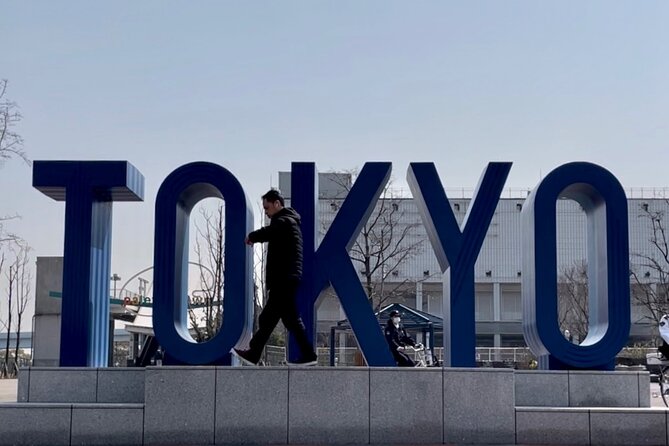
- Four very different Tokyo choices: The suggested areas include Shibuya, Shinjuku, Ueno with a walk toward Akihabara, and Odaiba via Shinbashi or Shiodome.
- Useful first-day advice: Ask your guide about basic Japanese menu items, public transportation, and customs you can use for the rest of your trip.
- A short introduction rather than a full sightseeing day: The experience lasts about three hours, with roughly 45 minutes associated with each listed stop.
- A fully private group: Only your party takes part, which makes the pace and questions more personal.
- A moderate walking requirement: You should be comfortable walking through city streets, parks, shopping areas, and station districts.
Why a private Tokyo walk can be useful
Tokyo is easy to visit badly. You can spend half a day finding the right station exit, miss the quieter lanes behind a major crossing, or pass a small shrine without realizing it is there. A local guide gives you a working map of the city, not just a list of famous sights.
This experience is especially useful at the start of a Japan trip. You can ask how to use public transport, how to order simple food in Japanese, and what local habits matter in shops, shrines, restaurants, and public spaces. Those small lessons may save time every day afterward.
The private format changes the feel of the tour. You are not following a large group at someone else’s pace. If Shibuya interests you more than Odaiba, you can say so. If you want shopping, city views, shrines, or neighborhood streets, the guide can use your interests to shape the walk.
The guides connected with this experience include Bunga and Ron. The information provided does not guarantee which guide you will receive, but the guide’s role is clear: help you build a sensible route and explain Tokyo in a way that matches what you want to see.
Other walking tours we've reviewed in Tokyo

Shibuya: famous crossing, side streets, and small shrines
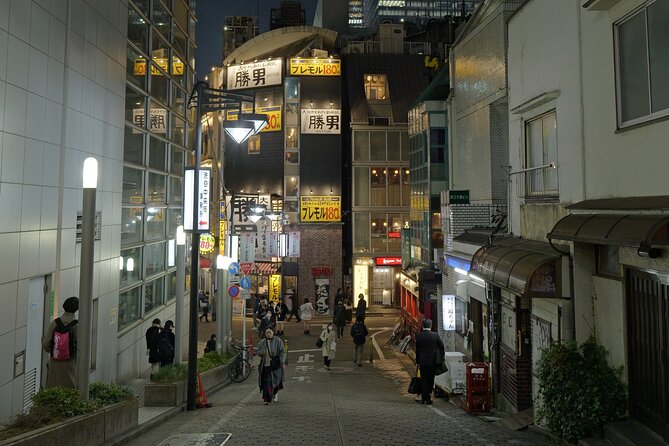
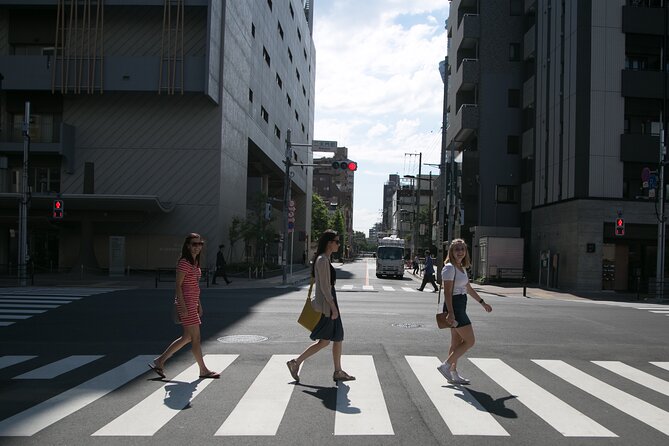
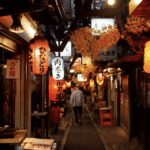
The Shibuya portion moves from the west side toward the east. That direction gives you a chance to see more than the famous crossing and giant screens. The area also includes back alleys, shops, and some shrines.
Shibuya is a good place for a first look at modern Tokyo. It is crowded, commercial, youthful, and full of sharp contrasts. One minute you may be near a major shopping street, and shortly afterward you may find a quieter lane or a small religious site.
I like this stop for visitors who want an immediate sense of Tokyo’s energy but do not want to spend the whole time taking photos at one famous intersection. A guide can point out how the district changes from large commercial streets to more local-feeling corners.
The listed time is about 45 minutes. That is enough for an introduction, not a complete tour of Shibuya. If you want shopping, food, or a slower look at the side streets, tell the guide in advance so the route does not try to do too much.
Shinjuku: parks, drinking alleys, and high views
Shinjuku is a large district, and the experience changes sharply depending on the time of day. The route may include city parks, narrow drinking alleys, broad promenades, and sweeping views of Tokyo.
That range is what makes Shinjuku interesting. It is not one single attraction. It is a place of office towers, nightlife, public spaces, and small streets where the mood can change within a few blocks.
The drinking alleys are most closely linked with an evening outing, while parks and open promenades may work better during the day. The tour description makes clear that timing affects what you see, so your chosen start time matters here more than it might in some other districts.
With about 45 minutes, you will get an introduction to the district rather than a full night out. You will also need to be clear about your priorities. If you want views and open spaces, say so. If you care more about local eating and narrow nightlife streets, ask for that focus instead.
Ueno and the walk toward Akihabara
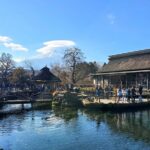
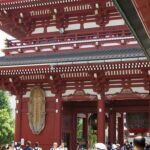
The Ueno option combines traditional sites, public space, street food, and shopping. You may pass shrines, torii gates, a large pond, Ameyoko street, ethnic food stalls, and bargain shops before continuing toward Akihabara.
This is one of the most varied route choices. Ueno offers a more traditional side of Tokyo, while Ameyoko adds a busy market feel and a chance to see everyday shopping. The movement toward Akihabara then shifts the mood again, bringing you toward one of the city’s best-known areas for electronics and pop culture.
The combination is valuable because it gives you several different views of Tokyo in one compact outing. You are not limited to temples or department stores. You get religious sites, food, bargains, and a major shopping district.
The trade-off is distance. Ueno and Akihabara are separate areas, and three hours can pass quickly when you stop for photos, food, and explanations. The listed stop time is about 45 minutes, so ask how much of the route can realistically be covered before you begin.
Snacks are not included. That is not a major problem around Ameyoko, where you may find food along the way, but you should budget separately if you want to buy something.
Odaiba through Shinbashi or Shiodome
The waterfront option begins around Shinbashi or Shiodome and uses the monorail to reach Odaiba. This is the most modern route of the four.
Odaiba is a man-made island with a different feel from central Tokyo. The route may include a man-made beach, Rainbow Bridge, the Statue of Liberty replica, and other sights in the area. It is a good pick if you want open views and a break from dense city streets.
The monorail ride is part of the route’s character, but its fare is not included. Since private transportation is excluded, you should expect to handle the cost of public transport and the monorail yourself.
This choice is also more dependent on conditions and timing than an indoor museum visit. The appeal comes from the waterfront setting, bridge views, and outdoor sights, so ask the guide how the plan fits your schedule. The route is listed at about 45 minutes, which makes it an overview rather than a full Odaiba day.
Other private tours in Tokyo



How much can you really see in three hours?
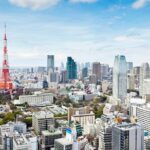
The experience is advertised as a way to get an overview of Tokyo in less than half a day. That is a fair description, as long as you treat it as an introduction.
The four itinerary sections are best understood as route choices or focus areas, not a promise that you will thoroughly visit all four. Shibuya, Shinjuku, Ueno, and Odaiba are spread across the city. Trying to fit them all into three hours would leave little time for walking or conversation.
I would choose one main area, or perhaps a pair of nearby or logically connected areas, and tell the guide what matters most. The Ueno to Akihabara route makes geographic sense. Shinbashi or Shiodome to Odaiba also follows a clear transport plan. Shibuya and Shinjuku can offer different experiences, but the best choice depends on your interests and start time.
This is where the private setup earns its price. A standard group tour has to follow a fixed plan. Here, you can spend more time on the things you actually care about and skip sights that do not interest you.
What the guide adds beyond sightseeing
The most useful part of this outing may be the advice that does not appear in a standard sightseeing checklist. You can ask how to order basic menu items in Japanese, how to use the rail system, and how to handle local customs.
Those questions are worth asking early in your trip. Tokyo’s transport network can look confusing, and Japanese menus may not always be easy to read. Even a few practical tips can make later meals and train rides less stressful.
The guide can also help connect the city’s parts. A shrine in a busy district, a market street near a major station, or a quiet alley behind a shopping area makes more sense when someone explains how it fits into daily life.
The strongest praise attached to this experience focuses on patience, attention, planning, and personal service. One account describes a guide who built a route around the visitor’s input and made the places fit together sensibly. Another names Ron as the guide who did careful preparation for a couple’s interests. A separate account credits Bunga with creating an itinerary that matched specific requests.
I would not treat those examples as a guarantee of the exact same route or guide. I would treat them as a useful hint about how to get the most from the booking: send your interests before the tour and be specific about what you want to learn.
Price, group size, and what is included
The listed price is $91.04 per person. For a private three-hour experience, that can be reasonable if you are traveling with several people and make active use of the guide’s advice.
The value depends on group size and your goals. A solo visitor pays the full listed per-person amount for a private experience. A couple or family may find the personal route and direct questions more worthwhile, particularly during a first visit to Japan.
Only the guide is included. Snacks and private transportation are not. You should plan for any train, subway, or monorail fares, along with food purchases.
Group discounts are available, which may improve the price for a larger party. Since the experience is private, you are also paying for control over the pace. That matters if your group includes people with different interests or if you want to stop for photos and questions.
The moderate fitness requirement deserves attention. This is a walking tour through large urban areas, parks, shopping streets, and station districts. The listing does not specify a total distance, so do not assume the route will be effortless.
Who will get the most from this experience?
I would recommend this tour most strongly to first-time visitors who want a useful orientation before exploring Tokyo alone. It also fits people who prefer conversation and local advice to a fixed list of major sights.
It suits you if you:
- Want a private guide instead of a large group
- Need help understanding Tokyo’s public transport
- Prefer to choose your start time
- Have clear interests, such as shrines, shopping, food, city views, or local customs
- Want to connect several Tokyo neighborhoods in a sensible way
- Can manage moderate walking
It may not suit you if you want a full-day sightseeing program, included transport, or guaranteed entry to major attractions. No admission tickets are listed because the focus is on walking through public areas. You should also look elsewhere if you want a specialist tour devoted entirely to food, architecture, anime, or museums, since no single specialty is promised.
Booking advice for a better route
The experience is booked, on average, 54 days ahead. That suggests planning early is sensible, particularly if your schedule is tight or you want a specific start time.
Before booking, decide what kind of Tokyo introduction you want. Shibuya is the clearest pick for modern city energy and side streets. Shinjuku suits parks, nightlife alleys, promenades, and views. Ueno with Ameyoko and Akihabara offers the broadest mix of traditional sites, food, shopping, and pop culture. Odaiba is best for a modern waterfront outing.
Send those preferences when arranging the tour. A request such as local food and shrines in Ueno is more useful than a general request to see Tokyo. If you have already visited one district, say so and ask for a different angle.
The tour offers free cancellation if you cancel at least 24 hours before the local start time. Changes or cancellations inside that window are not accepted for a refund, so keep the cutoff in mind when planning a packed Tokyo schedule.
Should you book this private Tokyo walk?
Book it if you want a flexible introduction to Tokyo and plan to ask practical questions that will help with the rest of your trip. The private format, choice of start time, and range of route options make it more useful than a rigid highlights walk.
I would book it for a first or second day in the city, choose one main area, and give the guide a short list of priorities. I would not book it expecting to thoroughly cover all four districts or receive transport and food as part of the price.
For the right visitor, $91.04 per person buys more than three hours of walking. It buys a chance to get your bearings, learn how Tokyo works, and shape an outing around your own interests. That is the real value.
FAQ
How long does the Tokyo walking tour last?
The tour lasts approximately three hours.
Is this a private tour?
Yes. Only your group participates in the activity.
Can I choose the tour start time?
Yes. You can choose a start time that fits your schedule.
Which Tokyo areas can the tour include?
The suggested areas are Shibuya, Shinjuku, Ueno with a route toward Akihabara, and Odaiba beginning around Shinbashi or Shiodome.
Are transportation costs included?
No. Private transportation is not included. Any public transportation or monorail costs are separate.
Are snacks included?
No. Snacks are not included in the price.
What level of fitness is needed?
A moderate level of physical fitness is recommended because this is a walking experience through city streets and public areas.
Can I cancel for a full refund?
Yes, if you cancel at least 24 hours before the experience start time. Cancellations made less than 24 hours before the start are not refunded, and changes inside that period are not accepted.
More 3-Hour Experiences in Tokyo




More Private Tours in Tokyo
More Walking Tours in Tokyo


More tours in Tokyo we've reviewed




3-Hour Experiences, compared.
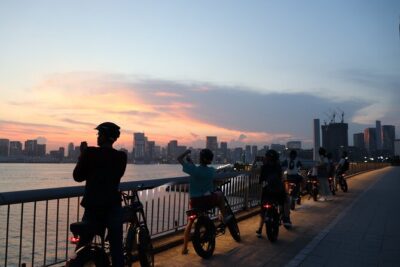 ★ 5.0Tokyo Top Highlights 3h Guided E-bike TourFrom $63
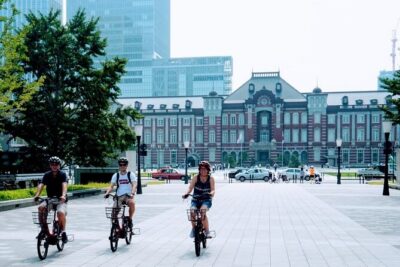 ★ 5.03h Tokyo E-Bike Tour: Hidden Gems, and Local Life with guideFrom $63
 ★ 4.8Tokyo: 3-Hour Bike or E-Bike City Highlights TourFrom $453 hours
 ★ 4.8Tokyo: 3-hour Guided E-Bike Tour of the City’s Hidden GemsFrom $65
 ★ 5.03-Hour Tokyo Pub Crawl Nightlife Welcome Guided Tour in ShibuyaFrom $46
 ★ 5.0Tokyo: 3-Hour Bike/E-Bike Tour of the City’s HighlightsFrom $63