
Reviewed · TEA CEREMONY & MATCHA
2 Hours Mochi &Nerikiri Making & Matcha Class in Bunkyo
Making Japanese sweets in a private home is the heart of this Bunkyo experience. Yuko, a bilingual native Japanese instructor trained by the Wagashi Association of Japan, teaches you to prepare mochi, dango, nerikiri, and matcha in a small, personal setting. You do not need cooking experience.
I like the one-table format, where Yuko can slow down, correct your technique, and explain what each sweet means in Japanese life. I also like that you leave with skills you can try at home, not just a few photos and a sugar rush. The main consideration is the $78.83 price for two hours, which is fair for private teaching but more than a large group workshop.
In This Review
- Key points to know before booking
- A small home class in central Tokyo
- Choosing between mochi, dango, and nerikiri
- Mochi: soft, filled, and practical
- Dango: a different texture and purpose
- Nerikiri: the artistic part
- The two-hour flow
- What makes the home setting valuable
- Yuko’s teaching style
- Is $78.83 a fair price?
- Getting there and planning your morning
- Who should book this class?
- Should you book the Bunkyo wagashi class?
- FAQ
- Where does the mochi and nerikiri class take place?
- What time does the class start?
- How long does the experience last?
- Is this a private activity?
- Which Japanese sweets can I learn to make?
- Is cooking experience required?
- Can I cancel for a full refund?
Key points to know before booking
- Private instruction with Yuko: Your group receives direct, step-by-step help rather than sharing a crowded classroom.
- Three course choices: Pick mochi and dango, nerikiri, or the combination course featuring all three sweets.
- Traditional Japanese home setting: The class takes place in Yuko’s kitchen and dining area in Bunkyo.
- Cultural context included: You learn how different sweets connect with New Year celebrations, special events, and tea ceremony.
- Matcha closes the lesson: The experience includes matcha, with some sessions also beginning with Japanese tea.
- Easy two-hour fit: A 10:00 am start gives you a useful morning activity without taking up your whole day.
A small home class in central Tokyo
This is not a demonstration from the back of a large cooking studio. You sit at one table with Yuko, watch her show each technique, and then make the sweets yourself. That difference matters. Japanese wagashi can look simple, but shaping dough, handling fillings, and creating neat designs takes a steady hand.
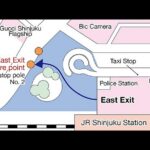
The class is held at 1-chōme-27-8 Sekiguchi, Bunkyo City, Tokyo 112-0014. The meeting point is near public transportation, and the activity ends at the same address. The setting gives the class a more personal feel than a commercial kitchen, though you should allow enough time to find the home and arrive ready for a 10:00 am start.
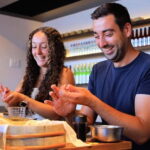
Yuko’s teaching style is a major part of the appeal. She demonstrates slowly, explains the steps, and lets you copy the process. If you are nervous about your cooking skills, this is a good setup. You can ask questions as you go instead of trying to keep pace with a dozen other people.
The private format also works well for families. Parents and children can work together at the same table, and couples or solo visitors can receive more direct help. One solo participant particularly valued the intimate atmosphere, while families appreciated being welcomed into a home rather than treated as anonymous customers.
A few more Tokyo tours and experiences worth a look

Choosing between mochi, dango, and nerikiri
You have three course options:
- Mochi and dango
- Nerikiri
- A combination of mochi, dango, and nerikiri
The combination course offers the broadest introduction, but it also covers the most techniques in two hours. If you want variety and enjoy hands-on cooking, it is likely the best use of your time. If you prefer to focus on one style and learn it carefully, choose one of the more focused courses.
Mochi: soft, filled, and practical
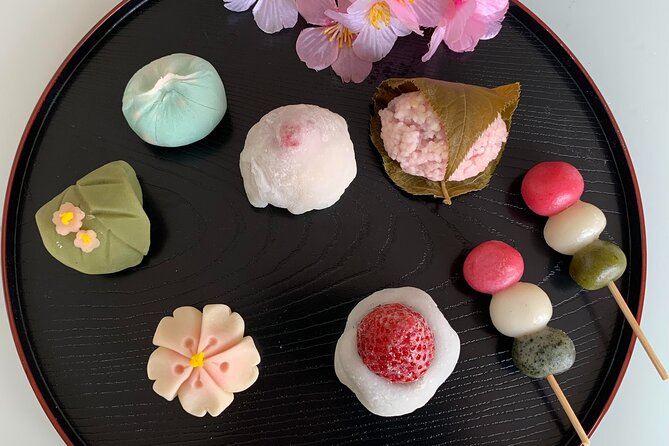
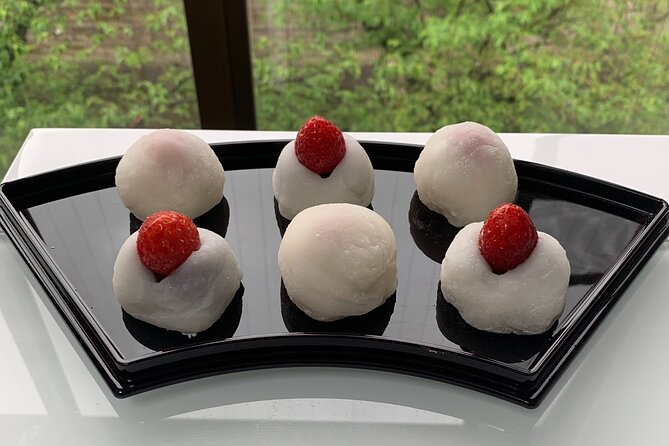
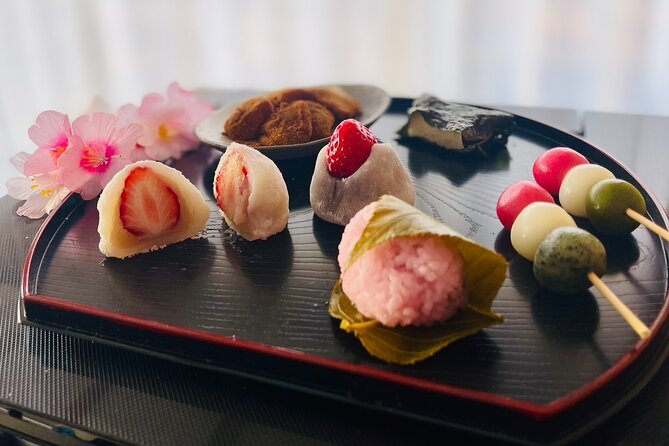
Mochi is the sweet most people associate with this type of class. It is soft, chewy, and shaped by hand, but making it well requires more than mixing ingredients. You learn how to handle the dough and form it into finished sweets.
The class examples connect mochi with occasions such as New Year and new births. That cultural explanation gives the food a place in Japanese life. You are not simply making a snack. You are learning why particular sweets appear at important moments.
Yuko demonstrates the process before asking you to repeat it. That approach is helpful because mochi can become sticky or difficult to shape if you rush. You can expect your finished pieces to be handmade rather than perfectly uniform, which is part of the fun. Several participants found that their creations looked better than expected, thanks to Yuko’s patient guidance.
Dango: a different texture and purpose
Dango gives you another style of Japanese sweet to work with. It is associated here with special events, so the class lets you connect the preparation with seasonal and social customs.
The dango course may suit you if you want a shorter introduction to traditional sweets without focusing only on mochi. If you select the combination class, comparing the different textures and shaping methods helps you understand why wagashi includes such a wide range of forms.
Nerikiri: the artistic part
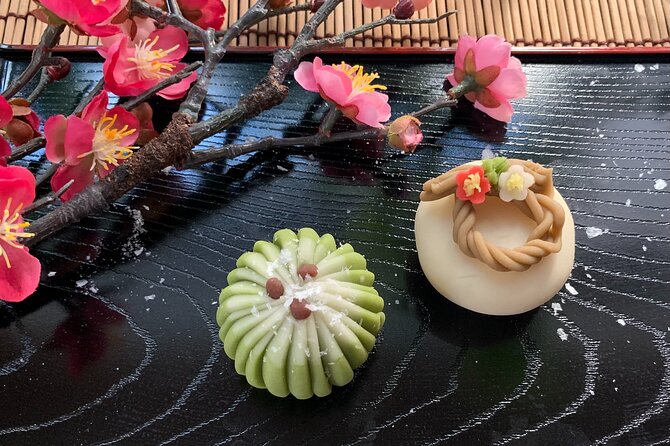
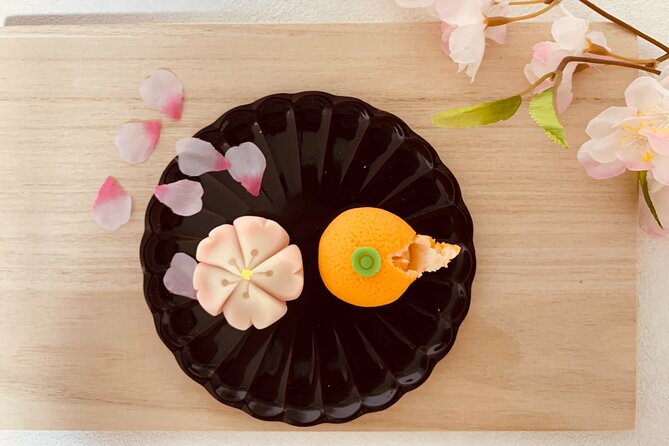
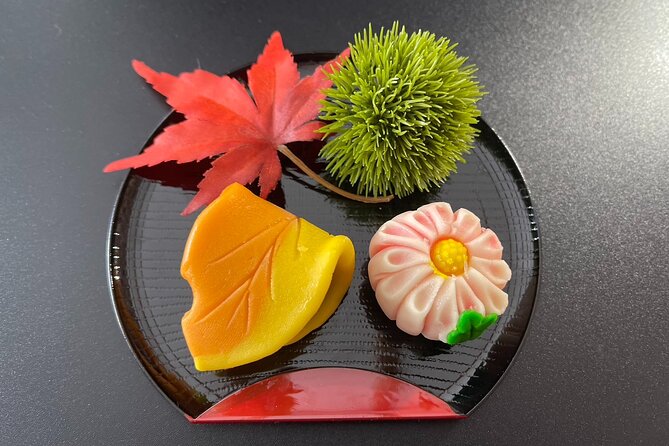
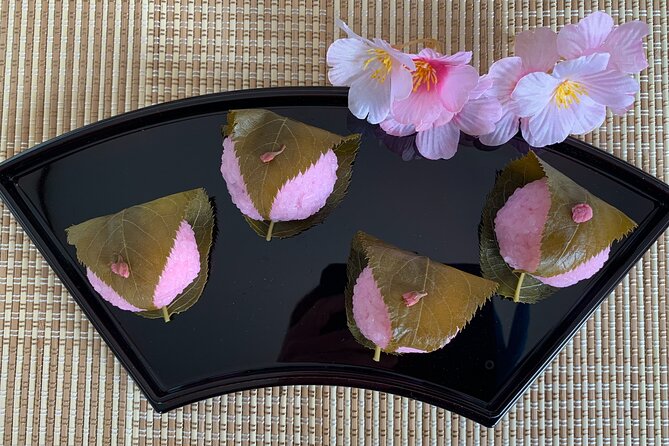
Nerikiri is the most decorative option. These sweets are commonly linked with tea ceremony, and the shaping process gives you a chance to create small designs rather than simply form a round piece.
This is the part of the class that most rewards patience. Yuko first shows the movements, then you try them yourself. The results may not look exactly like the instructor’s, but that is not a failure. You are learning how color, shape, and seasonal ideas are expressed in a small edible form.
If you enjoy crafts, photography, or design, I would give serious thought to the nerikiri course or the combination option. You get a sweet to eat, but the process feels closer to making a tiny piece of edible art.
A few more Tokyo tours and experiences worth a look


The two-hour flow
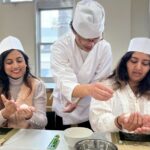
The exact order may vary with the course you choose, but the structure is clear. You meet Yuko at her home, receive an introduction to traditional Japanese sweets, watch her demonstrate the techniques, and then prepare your own wagashi with her help.
Some participants describe beginning with Japanese tea and finishing with matcha. The final matcha gives the class a natural connection to tea ceremony, especially if you make nerikiri. It also provides a calm ending after the hands-on work.
The lesson includes explanations of ingredients, methods, and cultural meaning. That extra context is important. Without it, you might remember only that you made a chewy sweet. With it, you begin to understand why mochi, dango, and nerikiri appear at different celebrations and in different settings.
The class is short enough to fit into a busy Tokyo schedule. A morning appointment leaves the rest of your day open, and the two-hour length avoids the fatigue that can come with a full cooking course. At the same time, two hours is not long enough for an elaborate meal or an extended tea ceremony. Think of this as a focused sweets lesson, not a full-day food program.
What makes the home setting valuable
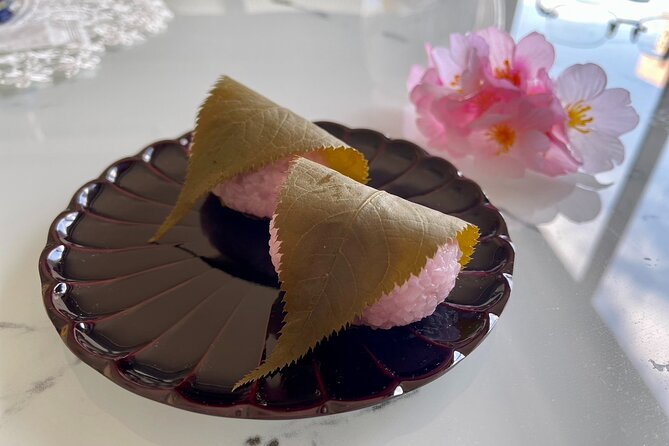
The home setting changes the tone. You work in Yuko’s kitchen and dining room, and the atmosphere is more relaxed than a formal school. One family especially enjoyed sitting with Yuko, taking in the view, and spending time together while making the sweets.
That setting can make the experience feel more like being welcomed into someone’s daily life. It also gives you room for conversation about Japanese customs and food. Yuko’s replies to participants show that she takes the personal side of the class seriously and enjoys continuing the connection after the lesson.
There is one practical tradeoff. A home is not designed like a large cooking studio. Space is intimate, and the experience is deliberately small. If you prefer a polished classroom with several workstations, this may feel informal. If you want direct contact with your teacher, the small space is a benefit.
The private format means only your group participates. That makes the class useful for families with different skill levels, since Yuko can give extra help when someone needs it. It also makes solo participation comfortable. You are not placed into a large group of strangers.
Yuko’s teaching style
Yuko’s patience comes through in the way the class is described. She performs each step with care, then gives you time to imitate it. She also explains the cultural connection behind each dessert, so the lesson includes food history and custom without becoming a lecture.
You should expect a friendly, hands-on lesson rather than a performance where you watch someone else do all the work. The goal is for you to make the sweets yourself. If you have questions about preparing mochi at home later, Yuko has encouraged past participants to contact her by email.
The bilingual instruction is another useful feature. You can ask about both the practical details and the meaning of the sweets without relying only on a printed recipe. That is especially helpful when a technique is easier to understand by watching than by reading.
Some participants also received a takeaway tray of sweets and a small goodie bag. This is described as part of at least one session, but it should not be treated as a guaranteed inclusion unless it is confirmed when you book. The main value remains the private teaching and the chance to make the sweets yourself.
Is $78.83 a fair price?
At $78.83 per person, this is not a bargain snack stop. You are paying for a private two-hour lesson, a bilingual instructor, food preparation, a home setting, cultural explanation, and matcha. The price makes more sense if you value personal instruction and want to practice the techniques yourself.
Compared with a large group class, the cost is higher. But a private lesson gives you more time at the table with Yuko, and you avoid simply following a demonstration from a distance. For a family or couple, the price buys a shared activity with a strong cultural focus rather than a standard restaurant meal.
The value also depends on which course you choose. The combination course gives you the widest range of techniques. A focused mochi, dango, or nerikiri class may be better if you care more about learning one style carefully than trying everything.
I would consider it good value for food lovers, craft-minded visitors, and anyone who wants a personal connection with Japanese cuisine. If you only want to taste mochi, you can spend far less at a shop. If you want to understand how the sweets are made and try the process yourself, the price is easier to justify.
Getting there and planning your morning
The class begins at 10:00 am and takes place near public transportation. Your confirmation arrives when you book, and the activity ends back at the meeting point.
Because this is a private home rather than a major tourist attraction, I would read the arrival instructions carefully and avoid cutting things close. Yuko has contacted participants ahead of time to help them find the class, which is useful in a residential Tokyo neighborhood.
The activity has a mobile ticket, so you can keep the booking details on your phone. Free cancellation is available if you cancel at least 24 hours before the start time. Cancellations or changes made inside that 24-hour window are not accepted for a refund.
The experience is currently listed with a 5 out of 5 rating from 21 reviews and a 100 percent recommendation rate. Those figures cannot tell you if the class matches your personal taste, but they do point to a very consistent strength: the teacher and the small, welcoming format.
Who should book this class?
I would recommend it most strongly to:
- Families looking for a calm, shared Tokyo activity
- Solo visitors who want personal instruction without a large group
- Couples interested in Japanese food and home culture
- Anyone with a sweet tooth who wants more than a tasting
- Visitors who enjoy crafts, shaping, color, and careful handwork
- People who want a short morning activity near public transportation
The class is also a good choice if you want something different from temples, department stores, and major sightseeing sites. Bunkyo offers a quieter setting, and the home visit gives the morning a more personal character.
You may want to choose another activity if you are looking for a full meal, a long culinary program, or an advanced professional pastry course. The sweets lesson is designed for beginners, and its strength is friendly instruction rather than technical chef training.
Should you book the Bunkyo wagashi class?
Book this experience if you want to make Japanese sweets with direct help from a warm, patient teacher. The private table, home setting, bilingual instruction, and mix of food preparation with cultural explanation give it more substance than a quick confectionery demonstration.
For the best balance of variety and value, I would choose the combination course if it is available for your date. Choose a focused course if you would rather spend the full lesson improving one type of sweet.
The main question is simple: do you want to eat mochi, or do you want to learn how it becomes mochi? At $78.83, this class makes sense for the second choice. It is a personal, two-hour introduction to wagashi, with enough practical work to remember long after the last matcha is gone.
FAQ
Where does the mochi and nerikiri class take place?
The class takes place at 1-chōme-27-8 Sekiguchi, Bunkyo City, Tokyo 112-0014, Japan, in a Japanese home.
What time does the class start?
The listed start time is 10:00 am.
How long does the experience last?
The class lasts approximately two hours.
Is this a private activity?
Yes. Only your group participates in the class.
Which Japanese sweets can I learn to make?
You can choose a mochi and dango course, a nerikiri course, or a combination course featuring mochi, dango, and nerikiri.
Is cooking experience required?
No. The recipes and techniques are designed for beginners, and the instructor provides step-by-step guidance.
Can I cancel for a full refund?
Yes, if you cancel at least 24 hours before the experience start time. Cancellations or changes made less than 24 hours before the start time are not accepted for a refund.
More 2-Hour Experiences in Tokyo




More Workshops & Classes in Tokyo
More Tea Ceremony & Matcha in Tokyo

More tours in Tokyo we've reviewed






Tea Ceremony & Matcha, compared.
 ★ 5.0Matcha Making Class in Tokyo with Authentic Japanese Sweets SetFrom $21
 ★ 5.0Tokyo: Traditional Tea Ceremony with a Tea MasterFrom $381 hour
 ★ 4.5Dynamic Tokyo: Tokyo Tower, Tea Experience, Bay Cruise Day TourFrom $99
 ★ 4.9Tokyo: Matcha Making Experience with Mochi Sweets in AsakusaFrom $221 hour
 ★ 4.7Tokyo: Matcha and Kimono ExperienceFrom $57
 ★ 5.0Tea Ceremony Workshop in Tokyo by the Experienced InstrucorFrom $38