
Reviewed · ASAKUSA TOURS
Tokyo: 2-Hour Asakusa Food Hunt & Cultural Tour
Asakusa is best enjoyed away from the big temple gate, where family-run shops, old food stalls, and small restaurants still serve local favorites. This tour takes you through those quieter corners, with stops for standing sushi, soba, gyoza, rice crackers, and Tokyo snacks.
I like the small group of six or fewer, which makes it easier to ask questions and get help with unfamiliar foods. I also like the full lunch-size tastings, since you are not simply nibbling your way through Asakusa and then hunting for lunch afterward.
The main consideration is the pace. You will walk about 1 to 2 kilometers and eat at several stops between 11:30 a.m. and 2 p.m. That is manageable for most people, but hot weather, crowded streets, and a full stomach can make the route feel longer.
In This Review
- Key points at a glance
- Starting near Kaminarimon in Asakusa
- Standing sushi from a fish dealer
- Soba and gyoza at a local restaurant
- Handmade rice crackers from a century-old shop
- Tokyo snacks with a longer local story
- Sensoji Temple and Asakusa beyond the postcard view
- Why the small group changes the experience
- Walking, weather, and comfort
- Is the $76 price good value?
- Who should book this Asakusa food walk?
- Booking details worth knowing
- Should you book it?
- FAQ
- How long does the Asakusa food tour last?
- Where does the tour meet?
- How much walking is involved?
- What food is included?
- Does the tour visit Sensoji Temple?
- Is transportation included?
- What language is the tour conducted in?
- How large is the group?
- Who operates the tour?
- Can I cancel the booking?
Key points at a glance
- Four or more local food stops: Expect sushi, soba, gyoza, handmade rice crackers, and Japanese snacks.
- A fish dealer’s standing sushi shop: Learn how sushi was once treated as quick, everyday food in Japan.
- Family-run businesses: Several stops have operated for 50 to more than 100 years.
- A useful food lesson: Your guide explains how to eat sushi and other foods in a more local way.
- Small English-speaking group: The group is limited to six people, allowing plenty of time for questions.
- Sensoji Temple included: The walk adds culture and history to the meal, rather than focusing only on food.
Starting near Kaminarimon in Asakusa
You meet your guide at Hinatomaru Kaminarimon, at 1 Chome-20-3 Asakusa. This is a practical starting point for seeing the area, but give yourself enough time to find the meeting spot. Asakusa has several busy lanes and major landmarks close together, so arriving a little early is sensible.
The tour runs from 11:30 a.m. to 2 p.m. The advertised duration is 150 minutes, so this is closer to two and a half hours than a strict two-hour outing. That timing works well for lunch, especially if you want to continue sightseeing in Asakusa afterward.
The group size matters here. With no more than six participants, your guide can explain the food without shouting over a large crowd. You can also ask about ingredients, manners, and ordering without holding up a bus full of people.
Guides have included Max, Shino, Chi, and Leigh. The strongest part of the guiding style is the practical explanation. You are not just told what a dish is. You learn how it fits into Japanese food culture and how to approach it at the table.
A few more Tokyo tours and experiences worth a look
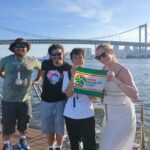
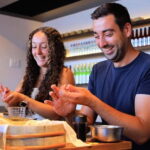
Standing sushi from a fish dealer
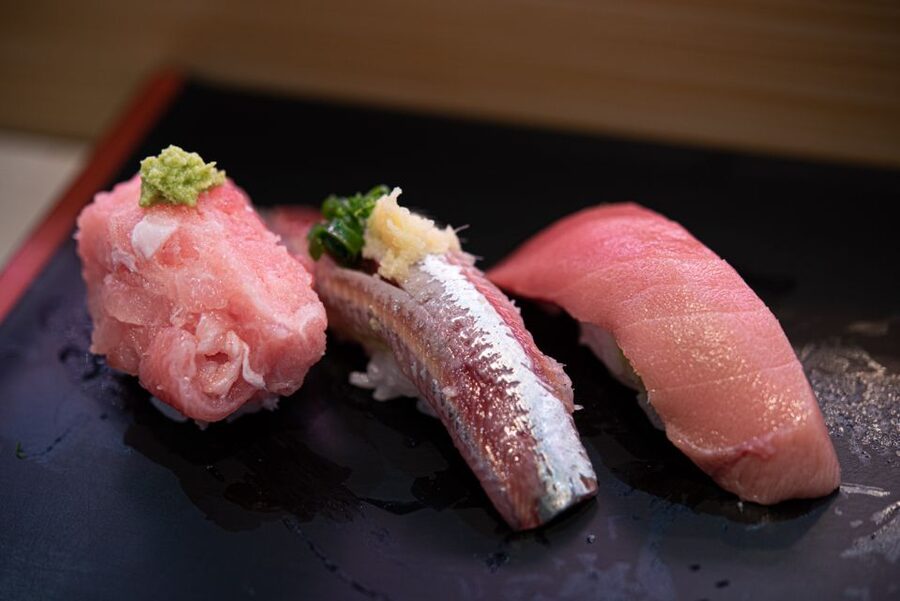
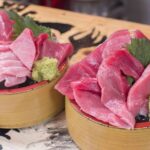
The first food stop is a standing sushi restaurant owned by a fish dealer. This gives the meal a useful starting point because your guide connects the food to its everyday roots. Sushi was once a form of fast food in Japan, rather than only a special meal for celebrations or expensive restaurants.
You will taste fresh seafood and learn the proper way to eat sushi. That may sound basic if you already eat sushi at home, but the details can be useful. A guide can explain how to handle pieces, how to use soy sauce, and how to approach ingredients you may not have tried before.
The standing format also gives you a different view of Japanese dining. You are not settling in for a long restaurant meal. You eat, learn, and move on. That keeps the tour lively, though it may be less comfortable if you prefer to sit for every course.
This stop is especially useful for cautious eaters. You can ask what you are being served and how to eat it before trying it. At the same time, the tour is designed to stretch your palate a little, so expect some seafood beyond the usual familiar rolls.
Soba and gyoza at a local restaurant
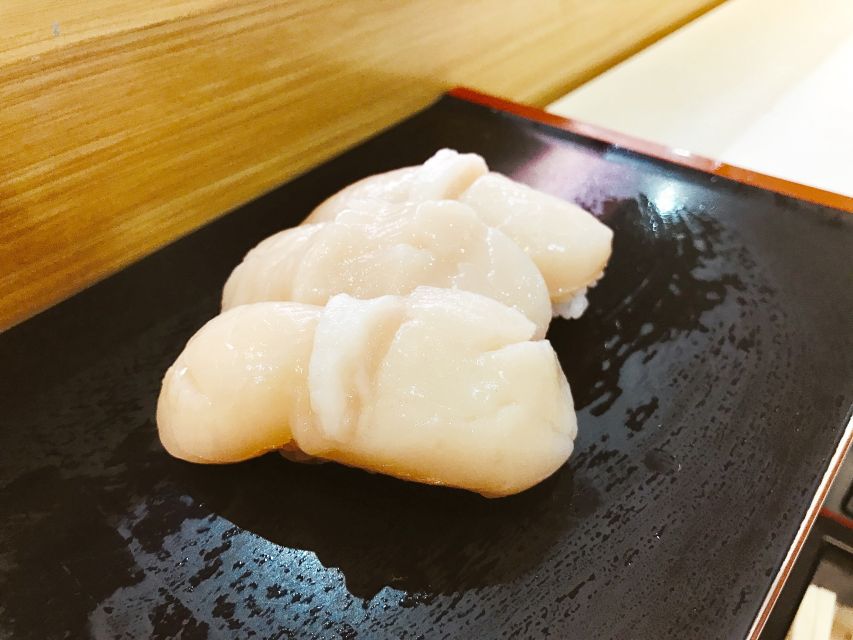
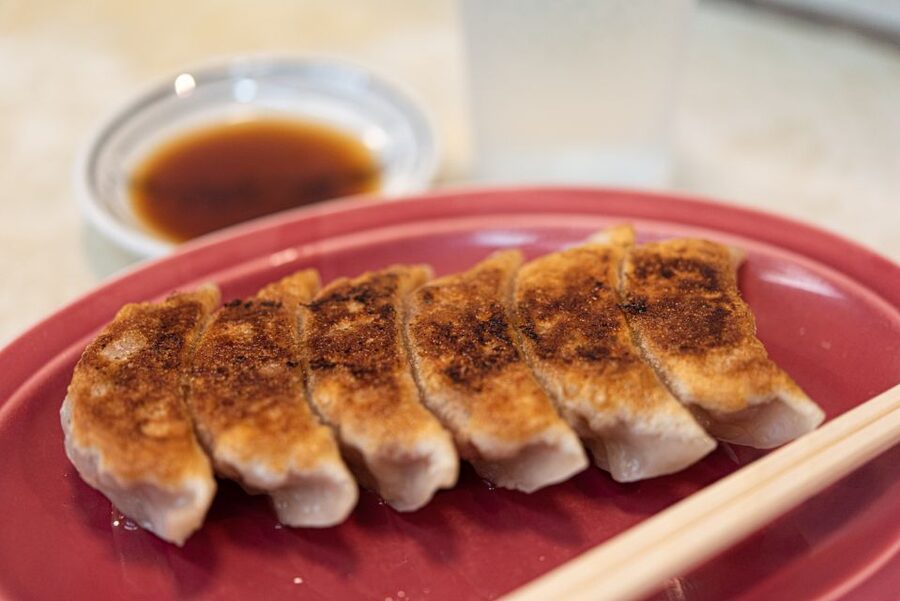
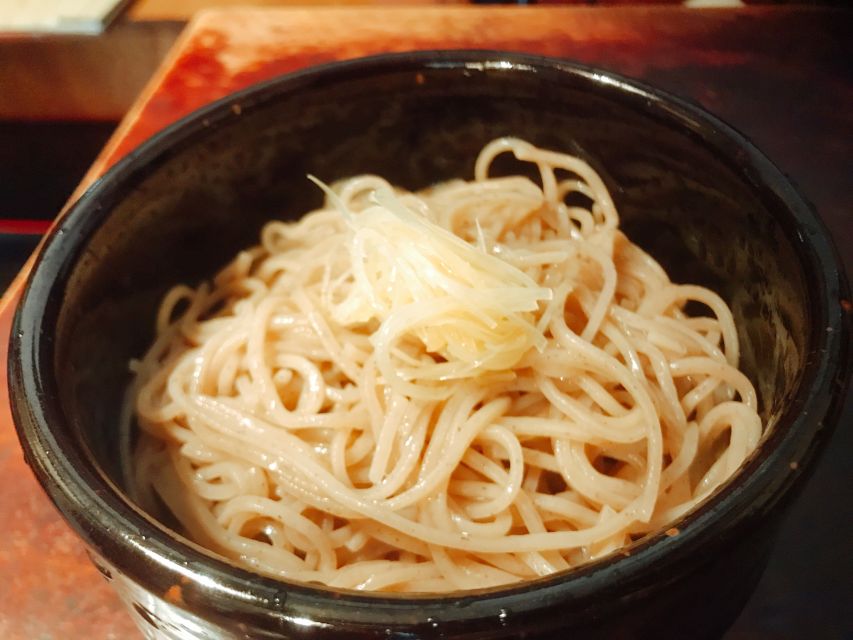
Next comes a family-owned soba restaurant where you enjoy fresh soba and gyoza. The setting is described as a place mainly used by locals, which gives the stop a different feel from a famous restaurant surrounded by tour groups.
Soba is a good way to understand the balance of Japanese food. The noodles are simple, but the texture and serving style matter. Your guide can help you recognize how the dish is meant to be eaten instead of treating it like a standard bowl of pasta.
Gyoza adds a pleasant contrast. The crisp dumplings bring a warm, savory bite beside the lighter noodles. Together, the soba and gyoza make this a proper meal stop, not just a taste.
One advantage of eating in a small group is that you can take your time asking questions. One past guide, Leigh, was praised for keeping the food stops in a sensible order and explaining the dishes in English throughout the meal. That kind of pacing matters when several foods are packed into a short afternoon.
Handmade rice crackers from a century-old shop
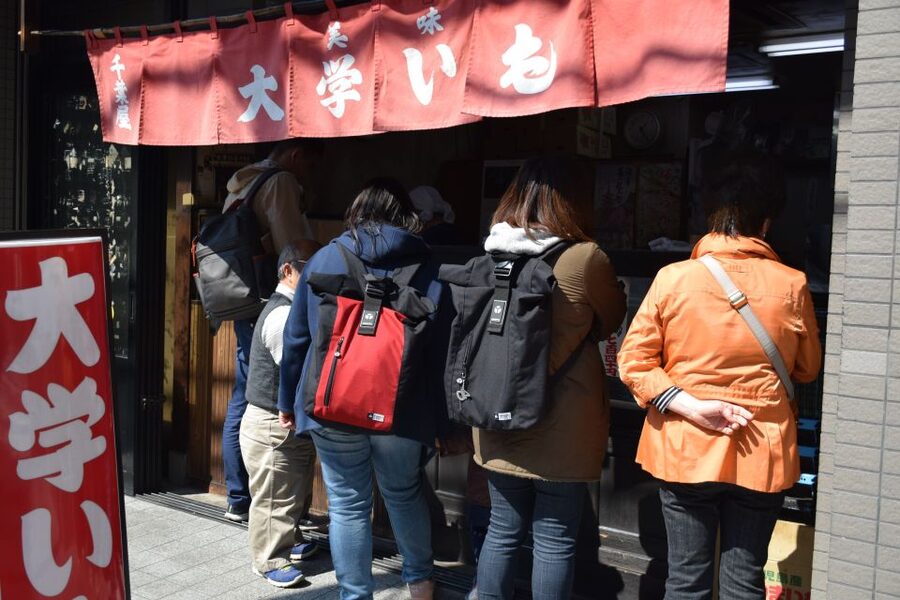
The rice cracker stop adds texture and age to the route. You visit a local shop with more than 100 years of history and taste handmade rice crackers.
This is the sort of stop you could easily miss if you stayed only around the major temple approach. It also shows how Japanese food culture includes everyday snacks, not just sushi and ramen. Rice crackers are easy to carry, simple to compare, and often connected to long-running family businesses.
Do not expect this to be a long tasting session. It is one part of a larger route, but it gives you a chance to notice the care behind a familiar snack. Your guide can also explain how to eat it and why these small shops matter to the neighborhood.
The shop’s long history is a reason to pay attention to the business itself. A century-old food store tells you something about continuity in Asakusa, where old customs and modern Tokyo exist side by side.
Tokyo snacks with a longer local story
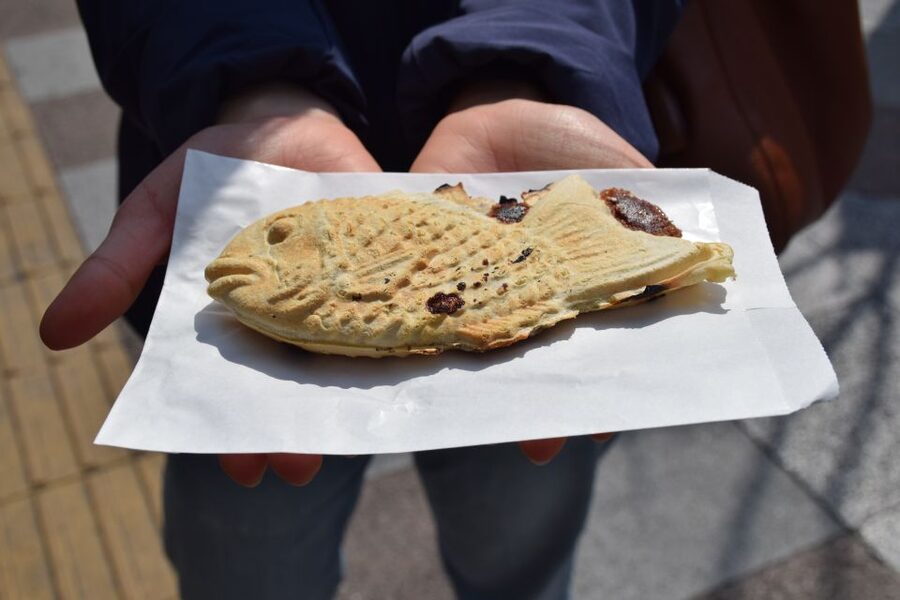
Another stop features Japanese snacks that began with a Tokyo food stand about 50 years ago. The description does not specify the exact snack, so you should expect your guide to introduce it on the day rather than plan around one particular item.
That uncertainty is part of the appeal, but it also means the tour is not ideal if you want a fixed menu. Food availability can shape the route, and the experience depends partly on what the participating shops are serving.
This stop helps round out the meal. Sushi and soba show you substantial Japanese dishes, while crackers and local snacks show the small, portable foods people eat between meals. You get a broader picture of Asakusa food than you would from visiting one restaurant alone.
A few more Tokyo tours and experiences worth a look

Sensoji Temple and Asakusa beyond the postcard view
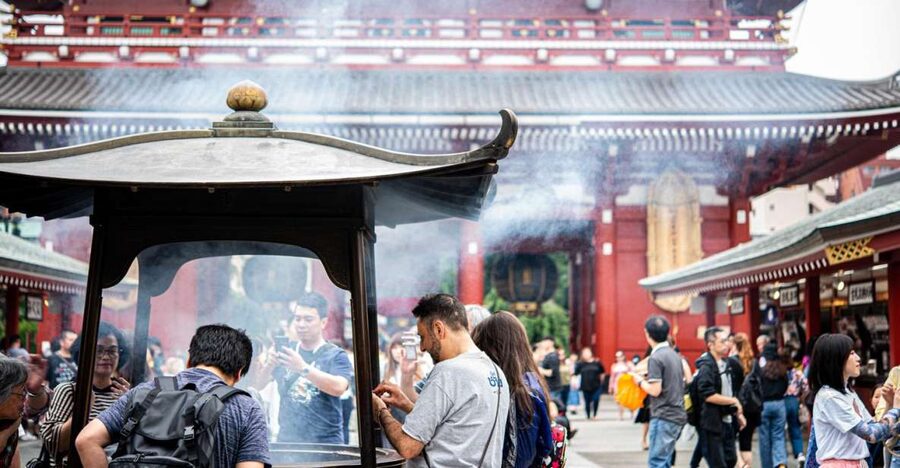
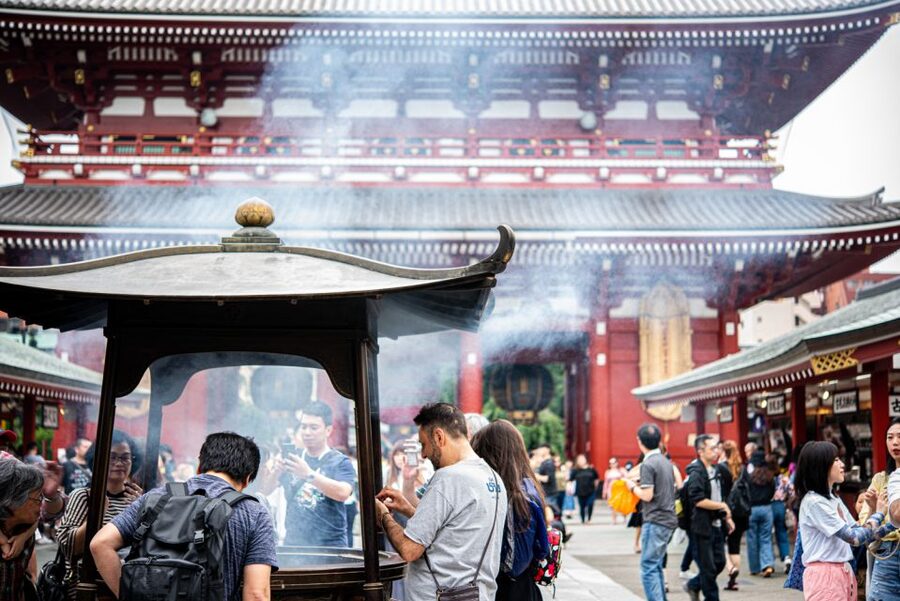
Sensoji Temple is the cultural anchor of the walk. It is one of Tokyo’s largest temples, and your guide explains Japanese culture and history as part of the visit.
The value here is context. Food stops can tell you what people eat, but the temple helps explain the setting around you. You get a better sense of why Asakusa is such an important part of Tokyo sightseeing while also seeing areas outside the standard guidebook route.
The temple itself can be busy, especially around the main approach. This tour does not promise an empty temple or a private visit. Instead, it combines the well-known landmark with smaller streets and local businesses, giving you both sides of Asakusa.
I like that balance. If you only visit Sensoji, you may remember the gate and the shopping street but miss the neighborhood’s food life. If you only visit restaurants, you lose much of the cultural setting. This walk connects the two.
Why the small group changes the experience
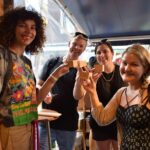
A limit of six participants is one of the clearest strengths of this tour. Food tours work better when the guide can talk with everyone, especially when the group is sharing small restaurant spaces.
You can ask questions about Japanese food manners, ingredients, and local customs without waiting for a long line of people to speak. Guides have also handled special requests and adjusted their explanations for mixed-age groups, including families with children and older adults.
That does not mean the tour is private. You share the experience with other participants, and the group may include different food preferences and walking speeds. Still, six people is small enough to keep the conversation personal.
The English-language guiding is another practical advantage. Guides such as Max, Shino, Chi, and Leigh have been described as friendly, clear, and comfortable with questions. The tour is conducted in English, so it suits you best if you want cultural explanations as well as food.
Walking, weather, and comfort
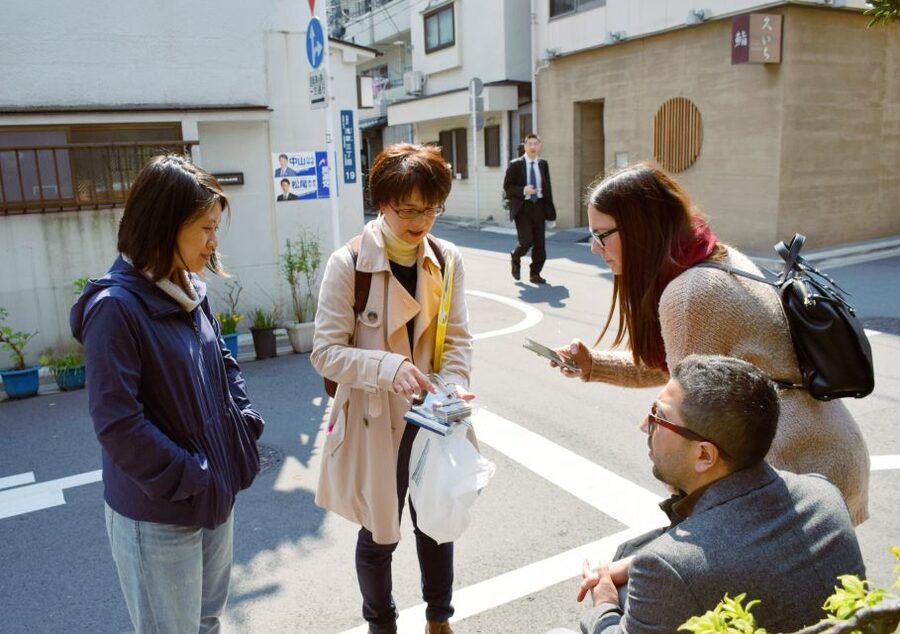
The route covers about 1 to 2 kilometers. That is not a long walk by Tokyo standards, but the route includes several stops, street sections, and time on your feet. Wear comfortable shoes.
The tour takes place during the warmest part of the day in summer. On a hot day, the heat can affect your appetite and energy. One guide made a point of finding shade, offering rest breaks, and keeping participants supplied with fluids. Even so, you should arrive ready for outdoor walking.
There is no transportation included. That is not a serious problem because the route is built around walking in Asakusa, but it does mean you need to reach the meeting point on your own.
The route may suit families, couples, solo visitors, and older participants who can comfortably walk the stated distance. If you need frequent seated breaks or have difficulty standing at a sushi counter, consider that before booking.
Is the $76 price good value?
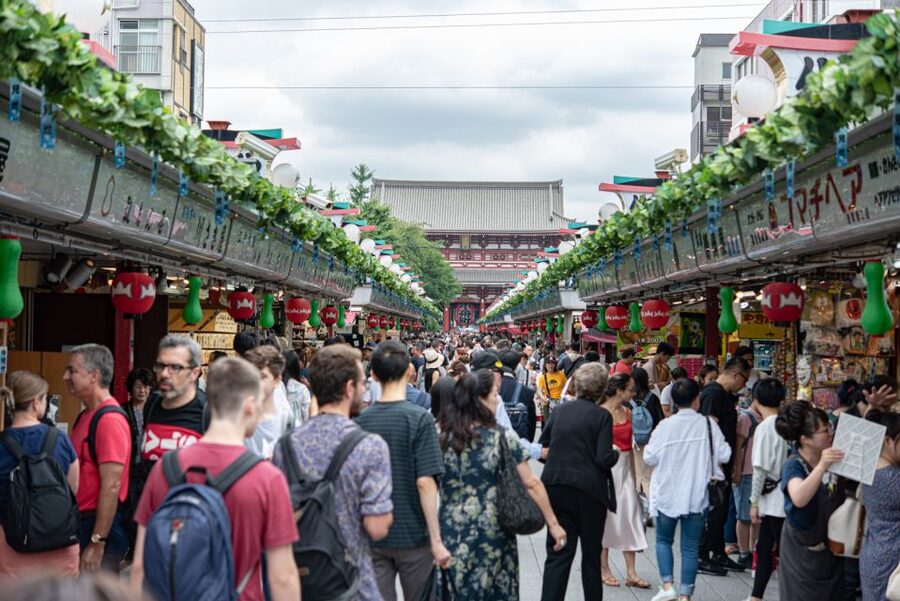
At $76 per person, this is not the cheapest way to eat in Asakusa. You could buy individual snacks and a casual lunch for less. The question is what you want the price to cover.
Here, the fee includes a full lunch-size selection of local food, the guide, several food stops, cultural explanation, and a planned route through parts of Asakusa you might not find on your own. You are paying for access and interpretation as much as for the food.
The value is strongest if you are new to Japan, unsure how to order or eat certain foods, or short on time in Tokyo. A guide can help you avoid spending your lunch wandering between places, and the small group makes the experience more personal than a large food walk.
It is less compelling if you already know Asakusa well, speak Japanese, and enjoy researching restaurants independently. You may prefer to spend the same money on one longer meal. For most first-time visitors, though, the combination of food and local explanation makes the price reasonable.
Who should book this Asakusa food walk?
I would choose this tour for someone who wants a proper introduction to Japanese food without committing to a formal cooking class or a long evening meal.
It suits you particularly well if you:
- Want to try sushi, soba, gyoza, and snacks in one outing
- Prefer family-run shops to large tourist restaurants
- Want clear advice on Japanese eating customs
- Have only a short amount of time in Asakusa
- Enjoy asking questions in a small English-speaking group
- Are traveling with children or older family members who can manage the walking
It may not suit you if you need a completely fixed menu, dislike seafood, or want a slow restaurant experience with plenty of time at each table. The route is active, and the food comes in several stages.
The tour also works well near the beginning of a Tokyo visit. You learn useful food habits early, and the guide can point out dishes or shops you may want to seek out later.
Booking details worth knowing
The experience allows free cancellation up to 24 hours before the start time for a full refund. You can also reserve now and pay later, which helps if your Tokyo plans are still shifting.
The meeting point is Hinatomaru Kaminarimon, 1 Chome-20-3 Asakusa, Taito City, Tokyo. Check the exact start time when booking, since availability controls the departure options, although the stated food and cultural tour runs from 11:30 a.m. to 2 p.m.
Tipping is not required in the usual Japanese manner, but one guide noted that tips for guides are appreciated. If you feel the guide made the food and cultural details especially useful, you can decide for yourself at the end.
Should you book it?
Book this tour if you want a filling introduction to Asakusa rather than a simple temple visit. The combination of standing sushi, soba, gyoza, old rice cracker shops, local snacks, and Sensoji gives you a rounded afternoon with plenty to eat and learn.
The strongest reasons to choose it are the small group, the family-run food stops, and the guide’s help with Japanese eating customs. Skip it if you prefer to choose every dish yourself or if walking and standing in warm weather will be difficult.
For a first or second day in Tokyo, I think the $76 is fair. You get lunch, a neighborhood walk, cultural context, and a guide who can make unfamiliar food feel approachable.
FAQ
How long does the Asakusa food tour last?
The tour lasts 150 minutes. The stated schedule is from 11:30 a.m. to 2 p.m.
Where does the tour meet?
You meet at Hinatomaru Kaminarimon, located at 1 Chome-20-3 Asakusa, Taito City, Tokyo.
How much walking is involved?
You will walk about 1 to 2 kilometers through Asakusa. Comfortable shoes are recommended.
What food is included?
The tastings include sushi, soba, gyoza, handmade rice crackers, and Japanese snacks. The food is intended to provide a full lunch-size meal.
Does the tour visit Sensoji Temple?
Yes. Sensoji Temple is included, and the guide explains aspects of Japanese culture and history there.
Is transportation included?
No. Transportation is not included, so you must make your own way to the meeting point.
What language is the tour conducted in?
The tour is conducted in English with a live English-speaking guide.
How large is the group?
The group is limited to six participants.
Who operates the tour?
The experience is operated by Ninja Food Tours.
Can I cancel the booking?
Yes. You can cancel up to 24 hours in advance for a full refund. You can also reserve now and pay later.
More Historical Tours in Tokyo
More Food Experiences in Tokyo
More Asakusa Tours in Tokyo
More tours in Tokyo we've reviewed

Asakusa Tours, compared.
 ★ 4.8Tokyo: Japanese Dance Cabaret Theater Asakusa-Kaguwa TicketFrom $492 hours
 ★ 4.7Tokyo: Meiji Shrine, Asakusa, Skytree Bus Tour and CruiseFrom $12210 hours
 ★ 4.9Tokyo: Roll and Authentic Sushi Making Class in AsakusaFrom $581h 40m
 ★ 4.8Tokyo: Asakusa Walking Tour with Sensoji Temple VisitFrom $222 hours
 ★ 5.0Tokyo Asakusa Rickshaw TourFrom $42
 ★ 4.5Tokyo Panoramic 1 Day: Meiji Shrine, Asakusa, Odaiba and SKYTREE®From $85