
Reviewed · UENO & YANAKA WALKS
Yanaka District: Historical Walking Tour in Tokyo’s Old Town
Yanaka gives you a Tokyo that high-rise districts cannot. In about three and a half hours, you walk through quiet residential lanes, a market with roots in the 1940s, Nezu Shrine’s red torii gates, and the old-fashioned Yanaka Ginza shopping street. I especially like the small group limit of seven and the hour-long cat painting break, which gives your feet and your mind a rest.
I also like the way the tour connects sights with ordinary life. Guides such as Hina, Yoko, Kenji, and Masae have helped visitors understand local customs, shopping, shrine etiquette, and neighborhood history. The main drawback is the amount of walking, along with uneven or inaccessible sections. Bring cash, wear good shoes, and do not book this if mobility is a serious concern.
In This Review
- Key points to know before booking
- Why Yanaka is a smart change from Shibuya
- Starting at Nezu Shrine and its red torii gates
- Following Hebimichi through old neighborhood streets
- Taking a proper break at the local cafe
- Eating your way along Yanaka Ginza
- What the $79 price really covers
- The walking conditions, weather, and group size
- Who should choose this Yanaka walk
- Practical booking advice for your day in Tokyo
- Should you book the Yanaka District walking tour?
- FAQ
- Where does the Yanaka walking tour meet?
- How long does the tour last?
- How large is the tour group?
- What language is the tour conducted in?
- Is food included?
- Is the lucky cat painting included?
- Is the tour suitable for wheelchairs or strollers?
Key points to know before booking
- Nezu Shrine comes first: Learn about Shinto beliefs while walking through its striking red torii gates.
- Yanaka feels unlike central Tokyo: Quiet lanes, old houses, small shops, cemeteries, and local stalls replace the neon rush.
- The cat painting is more than a souvenir: You spend about 75 minutes at a local cafe with a drink, sweet treat, and Maneki neko craft.
- Food tasting is built into the walk: Try local deli foods, sweets, and snacks along Yanaka Ginza.
- Seven people or fewer keeps it personal: You can ask questions and adjust the conversation to your interests.
- Cash and comfortable shoes matter: Many old shops do not accept cards, and the route is not suitable for wheelchairs or strollers.
Why Yanaka is a smart change from Shibuya
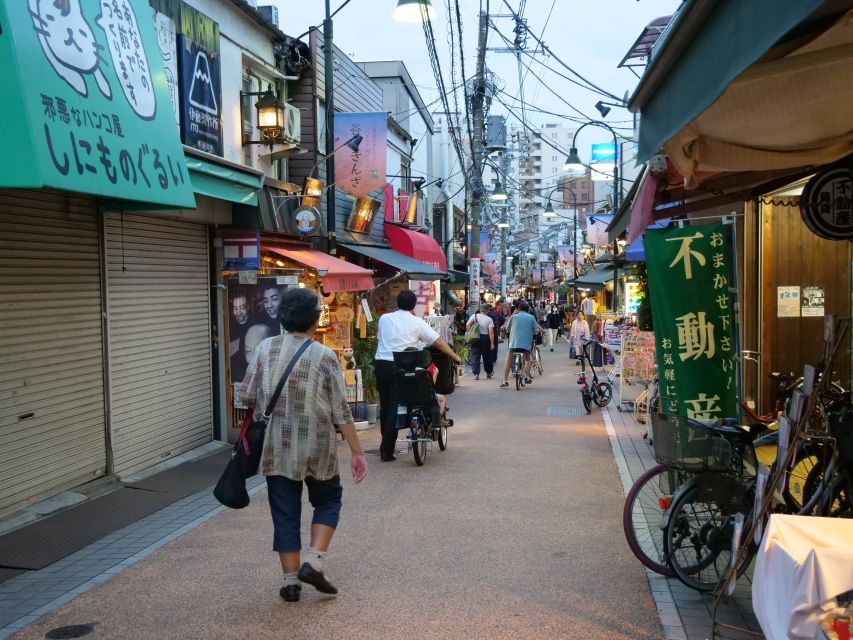
Tokyo can feel like a city of glass towers, giant crossings, department stores, and packed train platforms. Yanaka offers a slower, more human-scale view. Its streets retain the feel of an older neighborhood, with modest homes, independent shops, temples, shrines, and local businesses still woven into daily life.
The area survived the bombing of World War II and endured Tokyo’s major earthquakes. That survival helps explain why the district has an old-fashioned character that is hard to find in more heavily rebuilt parts of the city. You are not walking through a museum. People still live here, shop here, sell food here, and worship here.
I would use this tour early in a Tokyo visit if you want to understand more than the city’s famous modern face. It gives you useful context for the rest of Japan, especially if you are curious about neighborhood life, religion, architecture, food, and social customs.
The meeting point is outside Exit 1 of Tokyo Metro Nezu Station. Your guide holds a red or orange Magical Trip sign and waits at street level, directly in front of the stairs. Arrive on time. If you miss the group, you cannot join later, reschedule, or receive a refund.
A few more Tokyo tours and experiences worth a look

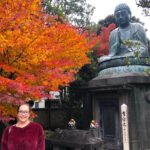
Starting at Nezu Shrine and its red torii gates
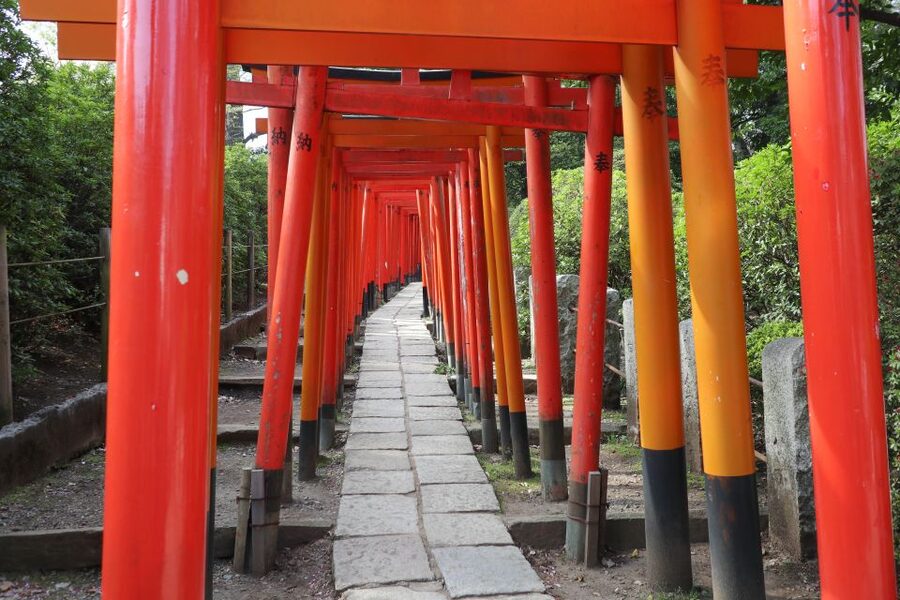
The first formal stop is Nezu Shrine, with about 20 minutes set aside for the visit. The shrine is described as the oldest in Tokyo, and its bright red torii gates provide one of the tour’s best photo settings.
Your guide explains Shinto, Japan’s traditional religion, in a way that connects the buildings and rituals to everyday life. This matters because shrine visits can otherwise feel like a series of attractive gates and wooden structures without much meaning. You learn how to view the place respectfully and why Shinto sites hold a particular role in Japanese culture.
Twenty minutes is enough for an introduction and photographs, but it is not a long, quiet shrine visit. If you want to study every detail or linger at the grounds, you may wish you had more free time. Still, the guide’s explanation makes this a useful first stop rather than a quick photo break.
Several people who took tours with Hina, Yoko, Masae, Kenji, and other guides praised the clear explanations at Nezu Shrine. One practical benefit is that the information can help you feel more comfortable at other shrines later in your trip.
Following Hebimichi through old neighborhood streets
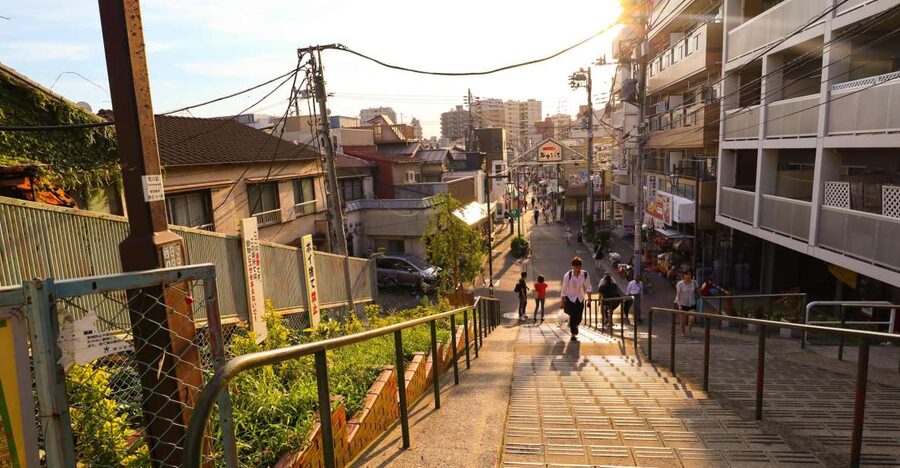
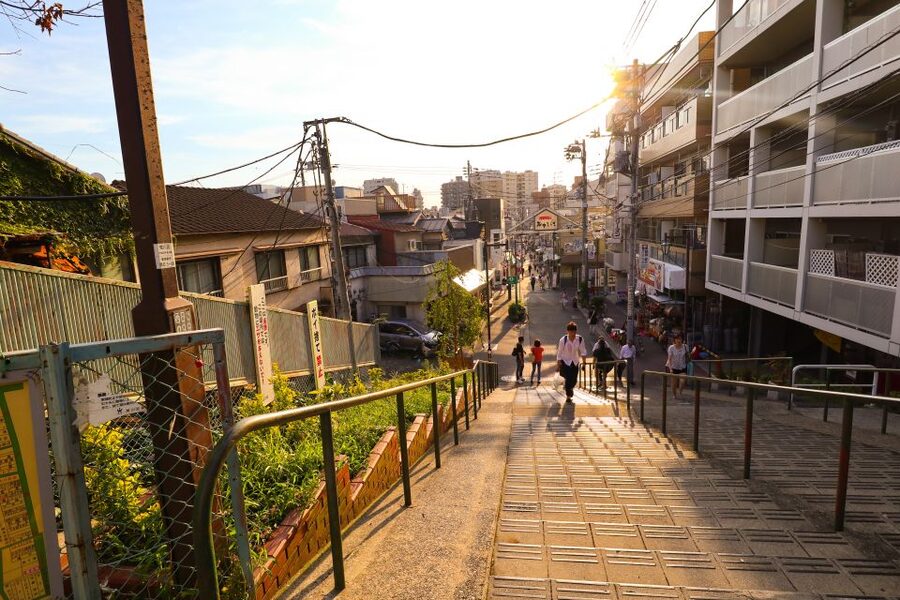
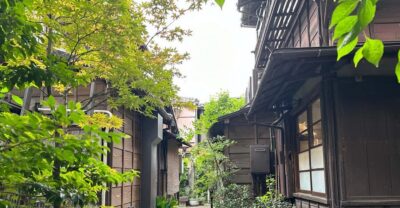
After the shrine, the route moves into residential Yanaka and includes about 45 minutes around Hebimichi. The name refers to a narrow, winding street, and the route gives you a chance to see the parts of the district that are easy to miss from a main road.
This is where the tour’s local focus pays off. You pass small shops, stalls, homes, and side streets while your guide explains how people live in the area. The pace is not simply point-to-point sightseeing. You have time to notice old buildings, quiet corners, local shopping habits, and the relationship between homes, temples, and neighborhood businesses.
The route may also include a cemetery area and other small local sights. The exact mix can vary, but the purpose stays the same: to show you Yanaka as a lived-in place. A guide can explain details you might otherwise walk past, and a small group makes it easier to stop for questions without holding up a large crowd.
This section is also where you should judge your own energy. The route is described as accessible in a general sense, but some locations are not suitable for wheelchairs or strollers. Narrow streets, stairs, and uneven ground can make the walk tiring, especially in hot or cold weather.
Taking a proper break at the local cafe
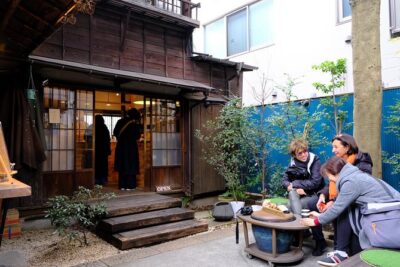
The cafe visit lasts about 75 minutes, making it the tour’s main pause. You receive one drink and a sweet treat, then paint your own Maneki neko, the Japanese beckoning cat associated with good fortune.
I like this part because it breaks up two substantial walking sections. You are not expected to keep moving for the full 210 minutes, and the hands-on activity gives you a chance to talk with the guide and the rest of the group in a relaxed setting.
The craft is also a better souvenir than something pulled from a crowded airport shop. Your painted cat will be personal, even if your artistic skills are modest. The activity is suitable for adults and families, and solo participants can easily join in because the group is limited to seven.
The cafe is not presented as a full meal stop. You get a drink and sweet, but additional food or drinks cost extra. If you have allergies or strict dietary needs, take care. The food is prepared in kitchens outside the tour company’s control, allergy-free preparation is not guaranteed, and substitutions may not always be possible.
Some guides have made this time especially warm and social. Hina has been praised for answering questions and helping people feel at ease, while Ken was noted for his humor and friendly manner. Those qualities matter during a craft activity, where the guide’s personality shapes much of the experience.
Eating your way along Yanaka Ginza
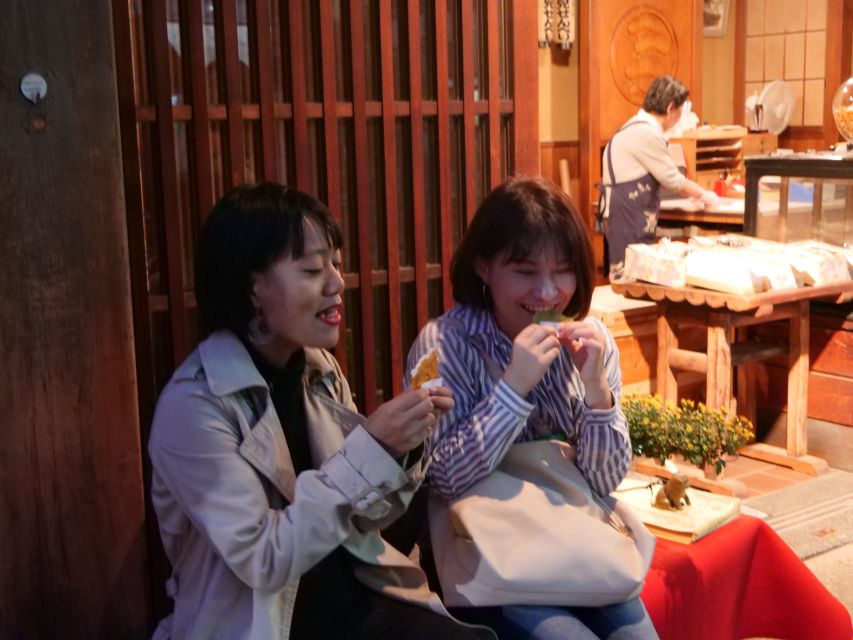
The final major part of the route covers about 100 minutes in Yanaka District, including Yanaka Ginza. This nostalgic shopping street is the best place on the tour to connect the neighborhood’s past with its present-day food culture.
You can expect small shops selling deli foods, sweets, and local snacks. The included samples give you a taste of the area without requiring you to choose everything yourself. If you find something you like, bring cash for extra purchases. Many old shops do not take credit cards.
This is a good place to delay souvenir shopping until the tour. A guide can explain what you are seeing, help you identify local foods, and point out items that feel more connected to the neighborhood than standard Tokyo souvenirs. One useful tip is to keep your hands free and your budget flexible. The street is designed for browsing, and you may want to buy snacks or small handmade goods.
Do not expect a grand food tour with a long list of restaurant meals. The emphasis is on tasting small local foods while walking through an old shopping street. That makes it easy to combine with dinner later, but it may feel light if you arrive hungry.
The final walk returns to Nezu Station. Because the tour lasts 210 minutes, plan the rest of your day with some breathing room. You will have walked for much of the afternoon, even with the cafe break.
Other walking tours we've reviewed in Tokyo



What the $79 price really covers
At $79 per person, this is not the cheapest way to walk around Yanaka. You can visit the district on your own for little more than your train fare and whatever you buy to eat. The price makes more sense if you want interpretation, a planned route, food samples, a craft, and company in a small group.
The included value is fairly clear:
- An English-speaking local guide for 210 minutes
- A small group capped at seven participants
- One cafe drink and sweet treat
- Maneki neko painting
- Local snacks and sweets
- Tour photos
The guide is the key part of the calculation. Yanaka’s appeal lies in small details, and the tour gives you someone to explain Shinto, neighborhood customs, local food, and the stories behind the streets. If you are comfortable researching and navigating on your own, the fee may seem high. If you value cultural explanation and want an easy introduction without planning every turn, it is easier to justify.
The included craft also adds real value for families and solo visitors. You leave with an activity-based memory rather than only photographs. The food samples are useful, too, though you should budget extra if you want to buy more.
Free cancellation is available until 24 hours before the start time, and you can reserve now and pay later. Those terms help if your Tokyo schedule is still changing, but they do not soften the strict same-day rule. Arrive early.
The walking conditions, weather, and group size
You should treat this as a walking tour, not a gentle sightseeing bus outing. The itinerary includes long stretches on foot, and one Australian reviewer specifically advised being prepared to walk. The cafe break helps, but it does not remove the physical demands.
Comfortable shoes are essential. Summer in Japan can reach 40 C, while winter temperatures can fall to -5 C, so dress for the forecast and carry water in hot weather. Umbrellas may also help in strong sun or rain. One guide kindly lent an umbrella for shade during a very hot outing, but you should not depend on that being available.
The small group format is one of the strongest reasons to choose this experience. With fewer than seven people, you can ask about odd details, food, religion, or local history without shouting over a crowd. It also lets the guide respond to your interests. Past guide styles have included Hina’s patient cultural explanations, Yoko’s friendly attention to Japanese culture, and Kenji’s effort to show less obvious corners of the neighborhood.
Guide quality can vary from person to person, as it does on any guided walk, but the supplied guide roster includes Ramesh, Mark, Masae, Kenji, Hina, Yoko, Inok, Hana, and Ken. The consistent strength is the chance to hear real local perspectives in English.
Who should choose this Yanaka walk
I would recommend it to you if you want:
- A quieter side of Tokyo after time in Shinjuku or Shibuya
- Historical streets and traditional buildings without leaving the city center
- A useful introduction to Shinto and shrine etiquette
- Local snacks with explanations rather than random purchases
- A creative activity during a sightseeing day
- A friendly format for solo visitors
- A small group where you can ask plenty of questions
Families can also enjoy it, especially if children need an activity to break up the walking. The lucky cat painting gives the day a clear change of pace, and the food tasting keeps the route varied.
You may want to skip it if you dislike guided sightseeing, need a fully step-free route, have strict dietary restrictions, or want a major museum and landmark itinerary. The tour is about texture and local routine, not Tokyo’s biggest attractions.
Practical booking advice for your day in Tokyo
Book this on a day when you can walk without rushing to another timed attraction. The tour begins and ends at Nezu Station, so it is easy to treat Yanaka as a self-contained part of your Tokyo plans.
Bring cash. This is the most useful piece of practical advice because old neighborhood shops may not accept credit cards, and you may want to buy extra snacks or small gifts. Wear shoes with good support, and check the weather before leaving.
Arrive at Exit 1 several minutes early. Look for the red or orange Magical Trip sign at the top of the stairs. Since late arrivals cannot join the group, a relaxed arrival is worth more than squeezing in one last photo or coffee.
Food substitutions are not guaranteed. If you have allergies or dietary restrictions, contact the provider before booking, but understand that the tour cannot promise an allergy-free experience. You can still enjoy the streets, shrine, craft, and cultural explanations, but the tasting portion may be limited for you.
Should you book the Yanaka District walking tour?
Book it if you want Tokyo to feel like a collection of neighborhoods rather than a string of famous names. The strongest parts are the small group, the thoughtful local guides, the Nezu Shrine explanation, and the balance between walking and painting a lucky cat. The route gives you food, religion, architecture, shopping, and ordinary streets in one well-paced afternoon.
At $79, the value depends on how much you want guidance. Independent visitors can explore Yanaka more cheaply, but they will need to find the route, explain the shrine, choose the food, and locate the cafe activity themselves. For a first visit, a solo trip, or a family wanting an easy cultural introduction, the fee is reasonable.
Skip it if mobility limits make narrow streets difficult, or if you want a deep architectural study with long stops at each historic site. For everyone else, this is a strong choice for seeing the old neighborhood side of Tokyo, with enough food and hands-on fun to keep the afternoon from feeling like a lecture.
FAQ
Where does the Yanaka walking tour meet?
Meet outside Exit 1 of Tokyo Metro Nezu Station. Your guide will be at street level in front of the stairs, holding a red or orange sign marked Magical Trip.
How long does the tour last?
The tour lasts 210 minutes, or about three and a half hours. Starting times depend on availability.
How large is the tour group?
The tour is limited to seven participants, making it a small group experience.
What language is the tour conducted in?
The live tour guide speaks English.
Is food included?
Yes. The tour includes local snack and sweet samples, plus one drink and a sweet treat at the cafe. Extra food and drinks are not included and can be purchased with cash.
Is the lucky cat painting included?
Yes. The cafe visit includes a Maneki neko painting activity.
Is the tour suitable for wheelchairs or strollers?
No. Parts of the route are not accessible by wheelchair or stroller, and the experience is not suitable for people with mobility impairments.
More Historical Tours in Tokyo

More Walking Tours in Tokyo
More Ueno & Yanaka Walks in Tokyo

More tours in Tokyo we've reviewed











Ueno & Yanaka Walks, compared.
 ★ 5.0Eat and Drink Like a Local: Tokyo Ueno Food Tour-Taverns&RamenFrom $95
 ★ 4.5The Old Quarter of Tokyo – Yanaka Walking TourFrom $40
 ★ 5.0Yanaka Walking Tour: Historic and Traditional District of TokyoFrom $72
 ★ 4.8Tokyo: Old Quarter Yanaka Walking TourFrom $323 hours
 ★ 5.0Tokyo: Food Tour in Ueno with 10+ Tastings of Japanese ClassicsFrom $142
 ★ 4.9Tokyo:Stroll in Old traditional culture towns~Yanaka & NezuFrom $293h 30m