
Reviewed · NIKKO DAY TRIPS
NIKKO PASS world heritage area
Nikko’s great appeal is simple: magnificent shrines sit among forested hills, and this pass gives you two days of transport from Tokyo to reach them without buying each local ticket separately. You collect it at Tobu Tourist Information Center Asakusa, then use Tobu trains and buses around the World Heritage area.
I like the clear coverage: round-trip Tobu travel from Asakusa to Shimo-Imaichi and unlimited local rides onward to Tobu-Nikko or Shin-Fujiwara. I also like the bus coverage near the shrines, since Nikko involves uphill walking and plenty of steps. The catch is that the pass does not cover shrine admission or limited express trains, and the regular train ride from Tokyo can take about three hours.
In This Review
- Key points to know before you go
- What the Nikko Pass actually gives you
- Picking up your pass at Asakusa
- The train from Asakusa to Nikko
- Reaching Tobu-Nikko and the shrine district
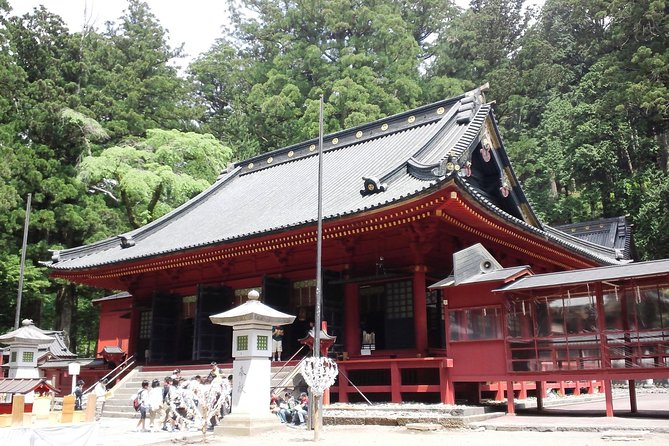
- Visiting the UNESCO shrines and temples
- Is the two-day price good value?
- Two days is better than rushing one
- What you pay for, and what you do not
- Who will like this pass most?
- Booking, cancellation, and practical details
- Should you book the NIKKO PASS World Heritage Area?
- FAQ
- How long is the NIKKO PASS World Heritage Area valid?
- Where do I pick up the pass?
- Does the pass include travel from Asakusa to Nikko?
- Can I use the pass between Shimo-Imaichi and Tobu-Nikko?
- Are buses included?
- Are shrine and temple entrance fees included?
- Can Japanese passport holders use this pass?
- Are limited express and JR train fees included?
Key points to know before you go
- Two calendar days: Your pass works on two consecutive dates, not for 48 hours from the time you first use it.
- Asakusa to Nikko included: The pass covers a Tobu Railway round trip between Asakusa and Shimo-Imaichi on local trains.
- Local connections covered: You get unlimited Tobu local trains between Shimo-Imaichi, Tobu-Nikko, and Shin-Fujiwara.
- Buses save your legs: Unlimited rides are included on the Tobu World Heritage Pilgrimage bus and Tobu buses as far as Rengeishi.
- Shrine tickets cost extra: Admission to Nikko’s temples and shrines is not part of the pass.
- Foreign passport required: This product is available only to visitors with a non-Japanese passport, which you must show when collecting the pass.
What the Nikko Pass actually gives you
This is a transport pass for independent sightseeing, not a guided tour. You will not be escorted from one shrine to the next, and no guide names or guided commentary are provided. Instead, you receive a two-day ticket that takes care of much of the movement between Tokyo, Nikko, and the surrounding World Heritage sites.
The pass covers a round trip between Asakusa and Shimo-Imaichi on Tobu Railway local trains. From Shimo-Imaichi, you can ride local Tobu trains as often as you like to Tobu-Nikko or Shin-Fujiwara during the valid period.
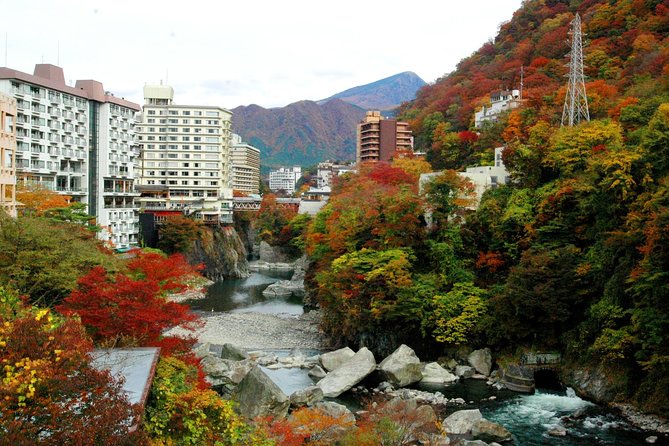
For most people using the pass to visit the famous shrines, Tobu-Nikko is the useful destination. Shin-Fujiwara extends the covered rail area toward Kinugawa, although this pass is called the World Heritage Area pass and its strongest use is around the shrines and temples near central Nikko.
The bus coverage matters just as much as the train coverage. You get unlimited rides on the Tobu World Heritage Pilgrimage bus, plus unlimited Tobu bus rides as far as the Rengeishi stop. That can cut down the amount of uphill walking between the station area and the shrine district.
A few more Tokyo tours and experiences worth a look
Picking up your pass at Asakusa
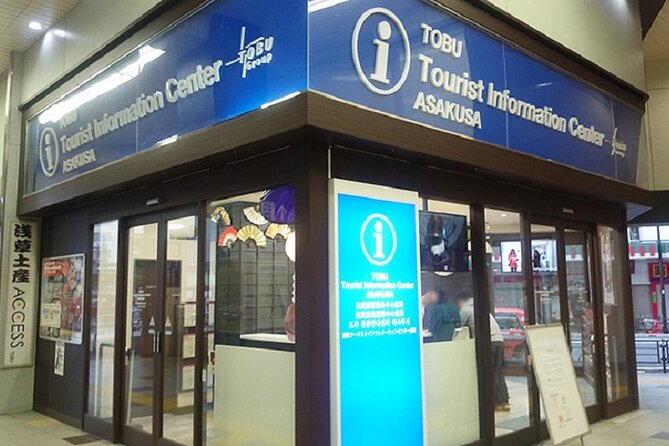
Your first stop is the Tobu Tourist Information Center on the first floor of Tobu Railway’s Asakusa Station. This is a practical starting point because the train portion of the journey begins there.
Bring the same valid non-Japanese passport used for the booking requirements. The pass is restricted to foreign tourists, and passport presentation is mandatory on the day of the activity. If you are traveling with a child age five or younger, that child is complimentary when accompanied by a paying adult.
The pass is dated for the two consecutive calendar days you select. If you choose April 1, it is valid through April 2. It does not remain valid until the same hour on April 3, so plan the start date with care.
The pass can be booked in advance, and confirmation is provided at booking. Before leaving Asakusa, check the current Tobu Railway and Tobu bus timetables. Schedules and route maps are available on the respective websites, and this small bit of preparation can save you a long wait at a rural station or bus stop.
The train from Asakusa to Nikko
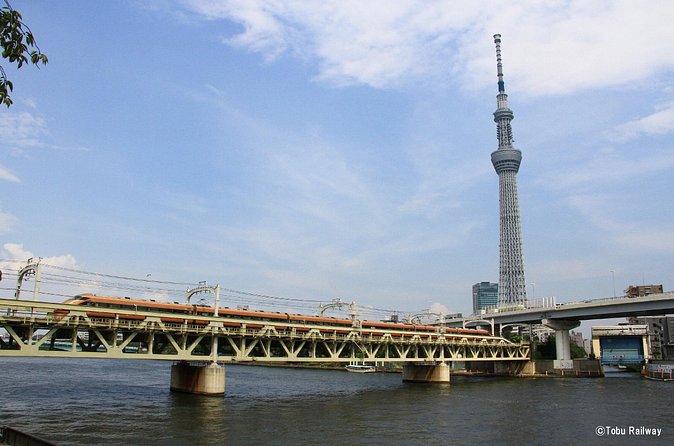
The rail journey is part of the experience. You begin in Tokyo, then gradually leave the dense city behind as the train heads north toward Tochigi Prefecture. The pass covers local trains, which is the budget-friendly choice but not the fastest one.
Allow roughly three hours for the regular train journey, based on the timing supplied for this route. A limited express can reduce the trip to about two hours, but the limited express fare is not included. You will need to pay that extra charge separately if you choose speed over the pass’s basic train coverage.
This is the biggest decision attached to the pass. If you have only one day for Nikko, saving an hour each way may be worth the additional cost of the express train. If you have two days and want to keep expenses down, the local train is a reasonable tradeoff.
The rail arrangement is fairly direct, but you should still check the exact departure and connection details. The pass itself covers the specified Tobu routes, not every train in Japan. JR trains are also excluded, so do not assume you can use it for a JR connection simply because you are traveling around Tokyo.
Reaching Tobu-Nikko and the shrine district
Once you reach Tobu-Nikko Station, the included local bus service becomes valuable. Nikko’s World Heritage area is not a compact group of buildings directly beside the station. You may face uphill walking, stairs, and uneven effort between stops.
The bus helps you preserve energy for the shrines themselves. That matters if you want to visit several sites in one day, or if you are carrying luggage, traveling with young children, or simply prefer not to turn every transfer into a steep walk.
The pass includes unlimited rides on the Tobu World Heritage Pilgrimage bus. It also covers Tobu buses up to Rengeishi. Use the official route map and current timetable to confirm which bus serves the stop you need, since the pass does not mean that every Nikko bus route is included.
The bus is a practical tool, not a sightseeing tour with narration. You are responsible for choosing your stops and keeping track of the return route. Save a little time to check the last useful departure back toward Tobu-Nikko Station, especially if you plan to stay at the shrines until late in the day.
Visiting the UNESCO shrines and temples
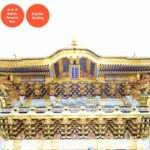
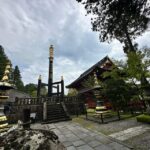
The pass gets you to the World Heritage area, but it does not pay the entrance fees. Budget separately for admission to the shrines and temples you want to enter.
That separation is important when judging the price. At $21.41 per person, the pass is attractive if you use the round trip from Asakusa, take local buses, and make several local rail journeys. It is less of an all-in-one sightseeing ticket than the name might suggest, because the major cultural sites still charge their own admission.
You should think of it as a mobility pass that supports a shrine visit, not as an admission pass to the entire Nikko complex. The benefit is freedom. You can decide which sites deserve your time instead of following a fixed group schedule.
A full day can work for the main shrine area, but the two-day validity gives you a better pace. You can use the first day for the long journey from Tokyo and the central World Heritage sites, then use the second day for anything you missed, extra bus rides, or a trip farther toward Shin-Fujiwara if that fits your plan.
Some Nikko attractions operate only during certain seasons. Check opening periods before setting your schedule. A pass cannot make a seasonal attraction available, and a carefully planned transport day can still disappoint if a chosen site is closed.
A few more Tokyo tours and experiences worth a look


Is the two-day price good value?
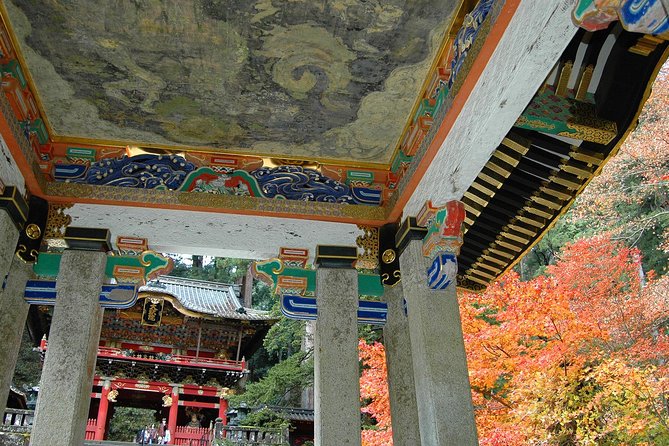
The $21.41 price is low enough to make this worth serious consideration for a budget-conscious visit. The included round trip alone gives the pass a useful base, and unlimited local trains and buses add value if you move around more than once.
You get the best return when you:
- Start in Asakusa
- Use the covered local train route to and from Nikko
- Take several included buses near the shrine district
- Make use of the second calendar day
- Visit enough attractions or shops to benefit from available discounts
The value drops if you plan to ride a limited express in both directions, since those fees are extra. It also drops if you visit only one site, walk everywhere, or return to Tokyo after a short stay without using the local bus benefit.
Discounts at local shops and attractions are included as another small advantage. The exact savings vary by season and can apply to entrance fees, transport fares, and purchases. Treat these as a bonus rather than the main reason to buy the pass, since the amount you save depends on what you choose to do.
For a couple or family, the savings can add up. For a solo visitor, the calculation is still straightforward: compare the pass price with the separate cost of the Tobu round trip and the local rides you expect to use. The more you move around Nikko, the stronger the case becomes.
Two days is better than rushing one
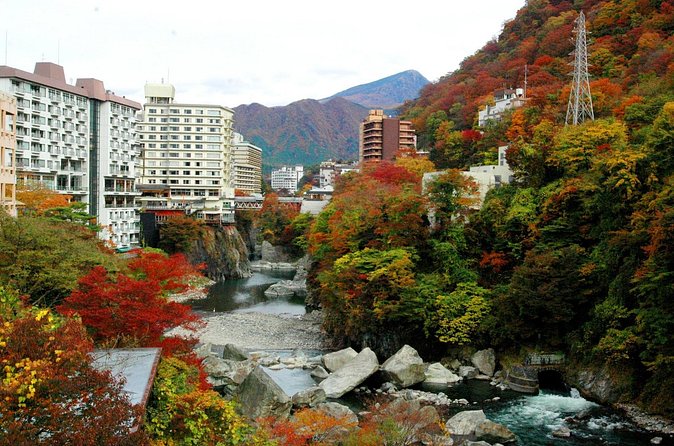
The most common mistake with Nikko is treating it as a quick Tokyo side trip with no time cushion. The distance, the train schedule, the bus connections, and the uphill walking can make a single packed day feel hurried.
A two-day pass gives you room to split the visit. You might use one day for the central World Heritage sites and another for additional areas reached by the included rail or bus routes. You can also avoid forcing every shrine into the same afternoon.
Remember that the pass follows calendar days. If you first use it late in the afternoon, that still counts as day one. Start early enough to make the first date useful, or choose a different start date if your Tokyo schedule makes that difficult.
The pass is valid for one to two days in practical use, depending on how much of its two-day period you use. It is not a 24-hour ticket, and that distinction affects late arrivals.
What you pay for, and what you do not
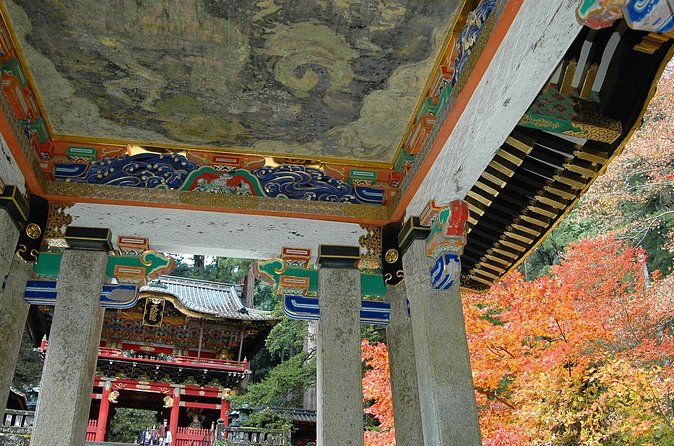
Included:
- The NIKKO PASS World Heritage Area
- A Tobu Railway local-train round trip between Asakusa and Shimo-Imaichi
- Unlimited Tobu local trains between Shimo-Imaichi and Tobu-Nikko or Shin-Fujiwara
- Unlimited rides on the Tobu World Heritage Pilgrimage bus
- Unlimited Tobu bus rides up to Rengeishi
- Certain discounts at local attractions and shops
Not included:
- Admission to Nikko shrines and temples
- Limited express train charges
- JR train fares
- Food and drinks
This list keeps the pass easy to understand. You pay for the transport network and possible discounts, then add shrine admission and meals according to your own plan.
Who will like this pass most?
I would recommend it to an independent visitor staying in Tokyo who wants to see Nikko without arranging several separate tickets. It is particularly useful if you prefer public transportation, want the option to visit more than one site, and do not need a guide.
It also suits visitors who want flexibility. You can change the order of your sightseeing, ride the local bus more than once, and decide how much time to spend at each shrine.
Families may appreciate the bus coverage and the complimentary fare for children five and younger when accompanied by a paying adult. The uphill walking and stairs still require some thought, but having a bus option can make the day easier.
This is less suitable if you want a fast, tightly scheduled day from Tokyo. In that case, the regular train journey may feel too slow, and the pass does not include the limited express supplement. It is also less suitable if your only goal is one shrine and you plan to walk directly there and back.
The maximum group size is 30 people, but this is not a conventional group tour with a guide. You collect the pass and then travel independently, so the group-size figure has little effect on how you experience the sites.
Booking, cancellation, and practical details
The activity is close to public transportation, and most people can participate. You can cancel for a full refund if you do so at least 24 hours before the local start time. Cancellations or changes made within 24 hours are not accepted for a refund.
Check train and bus route information before departure rather than relying only on a general map. Nikko’s transport is manageable, but a timetable check helps you match your shrine visits with the return journey.
Keep your passport accessible for collection. Also check seasonal operating dates for any attraction you particularly want to visit. These two steps prevent the most avoidable problems.
Should you book the NIKKO PASS World Heritage Area?
Book it if you want a reasonably priced, self-guided Nikko visit from Asakusa and expect to use both the train and bus benefits. The pass is especially helpful for a two-day plan, and the included buses can spare you some tiring uphill walking.
Think twice if you have only one day and care most about speed. The local train ride can take about three hours, while the faster limited express costs extra. In that case, compare the pass price plus express supplements against buying a simpler rail arrangement.
My practical choice would be this: use the pass for a relaxed two-day visit, take local trains if your schedule allows, and budget separately for shrine admission. That combination makes the $21.41 price easy to justify and gives you the freedom to see Nikko at your own pace.
FAQ
How long is the NIKKO PASS World Heritage Area valid?
The pass is valid for two consecutive calendar days beginning on the date selected when booking. It is not valid for 48 hours from the time of first use.
Where do I pick up the pass?
You pick it up at the Tobu Tourist Information Center on the first floor of Tobu Railway’s Asakusa Station.
Does the pass include travel from Asakusa to Nikko?
Yes. It includes a Tobu Railway local-train round trip between Asakusa and Shimo-Imaichi.
Can I use the pass between Shimo-Imaichi and Tobu-Nikko?
Yes. Unlimited Tobu local train rides are included between Shimo-Imaichi and Tobu-Nikko or Shin-Fujiwara during the valid period.
Are buses included?
Yes. The pass includes unlimited rides on the Tobu World Heritage Pilgrimage bus and unlimited Tobu bus rides up to the Rengeishi stop.
Are shrine and temple entrance fees included?
No. Admission to shrines and temples in the Nikko area is not included.
Can Japanese passport holders use this pass?
No. The pass is available only to foreign tourists with a non-Japanese passport, which must be presented on the activity date.
Are limited express and JR train fees included?
No. Limited express charges and JR train fees are not included. Food and beverages are also excluded.
More Historical Tours in Tokyo

More Tickets & Passes in Tokyo
More Nikko Day Trips in Tokyo
More tours in Tokyo we've reviewed






Nikko Day Trips, compared.
 ★ 4.6Nikko: Kegon Falls, Lake Chuzenji & Toshogu TempleFrom $8911 hours
 ★ 4.5Tokyo: Nikko Toshogu Shrine and Kegon Waterfall TourFrom $8410h 30m
 ★ 5.0Nikko Full-Day Private Tour with Government-Licensed GuideFrom $155
 ★ 4.9From Tokyo: Nikko World Heritage Site Private Full-Day TripFrom $4831 day
 ★ 4.3Nikko: Edo Wonderland Edomura Cultural Theme Park TicketFrom $351 day
 ★ 4.8Tokyo: Nikko World Heritage Private Day Trip Hotel Pick-upFrom $39011 hours - 1 day