
Reviewed · MT FUJI DAY TRIPS
From Tokyo: Mount Fuji Full Day Private Customizable Tour
Mount Fuji is the star, but the real strength of this day trip is that you can build the supporting cast. You might pair the famous Chureito Pagoda with Lake Kawaguchi and Oshino Hakkai, or swap in Hakone, a shrine, a ropeway, or Gotemba shopping. I like the private vehicle and the chance to set your own pace. I also like that guides such as Usman, Wicky, and Muneeb often suggest an earlier start to beat traffic and crowds.
The main drawback is the road time. Ten hours includes the drive from Tokyo, and Fuji-area traffic can eat into your sightseeing, especially on weekends and public holidays. Weather is another factor: on a cloudy day, you may see little or none of the mountain, though the flexible plan gives your guide room to focus on shrines, lakes, villages, or Hakone instead.
In This Review
- Key points at a glance
- Why a private Fuji day can work better than a fixed route
- The 6:00 a.m. decision from Tokyo
- Oshino Hakkai and the old village feel
- Arakurayama Sengen Park and the climb to Chureito Pagoda
- Lake Kawaguchi, Oishi Park, and the best photo pauses
- Shrines, caves, and a quieter side of Fuji
- The optional Hakone route
- What the vehicle and guide service add
- Cost, inclusions, and the real value
- Mt. Fuji 5th Station and weather planning
- Who should book this private tour?
- Should you book the Mount Fuji private day trip?
- FAQ
- How long does the Mount Fuji private tour last?
- How many people can join the private group?
- Is hotel pickup and drop-off included?
- Is the Mount Fuji 5th Station always included?
- Are meals and attraction tickets included?
- What languages are available for the guide?
Key points at a glance
- Start early for better odds: Several guides have suggested 5:30 or 6:00 a.m. departures, which can mean quieter stops and less traffic.
- Choose your own Fuji day: Combine classic sights such as Chureito Pagoda, Oishi Park, and Lake Kawaguchi, or ask for Hakone, Gotemba, or a quieter shrine.
- Private travel for up to five: The $328 price is for the group, not each person, making the math attractive for a family or small party.
- Expect stairs and walking: Chureito Pagoda requires a climb, while caves, shrines, parks, and village streets call for comfortable shoes.
- Fuji views are never guaranteed: Clear weather can produce spectacular photographs, but cloud and rain may hide the mountain.
- Small practical extras help: Hotel pickup, drop-off, WiFi, bottled water, coffee, parking, and tolls are included, with some entrance costs left to you.
Why a private Fuji day can work better than a fixed route
Mount Fuji sits far enough from Tokyo that a visit by public transport takes planning, transfers, and patience. A private car removes much of that work. You wait at your hotel lobby, find a driver holding a sign with your name, and settle into an air-conditioned vehicle for the day.
The private format matters most when your group has different needs. Families can stop for food or adjust the pace for young children. Couples can spend longer at a photo spot. A group of five can avoid the awkwardness of following a fixed bus schedule.
Your driver or guide may be English-speaking, Japanese-speaking, or multilingual in English, Hindi, Arabic, or Urdu. The level of guiding can vary by person, but the strongest reports describe guides who explain local sights, suggest photo points, help with tickets, and adjust the route. Usman, Wicky, Muneeb, Shaz, Baba, Rana, and Jutt are among the named guides praised for safe driving, clear communication, and flexibility.
I would contact the operator with a rough wish list before the day. The experience works best when you say what matters to you. Fuji photographs? Traditional sites? Hakone? Shopping? A relaxed day with fewer stops? The more clearly you set your priorities, the more useful the customization becomes.
A few more Tokyo tours and experiences worth a look
The 6:00 a.m. decision from Tokyo
The advertised duration is about 10 hours, including the journey out of Tokyo and the return drive. That sounds long, but Fuji-area roads can be slow. Starting at 6:00 a.m., or even earlier when offered, is one of the most useful pieces of advice attached to this experience.
Early departure can help you reach Chureito Pagoda before the busiest part of the day and improve your chances of seeing Fuji before clouds gather. It also gives you more room for stops. One group wished they had left at 5:00 a.m., while others found 6:00 a.m. a good compromise.
You can be collected from several Tokyo districts, including Shinjuku, Shibuya, Chiyoda, and central Tokyo locations. Pickup and return options also include Yokohama, Gotemba, Fujikawaguchiko, and Hakone, but confirm the exact arrangement when booking. Airport and cruise-port pickup is not provided, so you need to meet at an agreed hotel or central location instead.
Oshino Hakkai and the old village feel
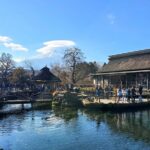
Oshino Hakkai is a good first major stop because it offers more than a mountain viewpoint. The small village is known for clear ponds, old-style houses, koi fish, food stalls, and a traditional rural atmosphere.
You can walk at your own pace for about an hour. It is particularly useful for families because there are simple pleasures here: watching fish, browsing food stands, and seeing water that comes from the Fuji area. The stop also gives you a taste of old Japan without requiring a long hike.
Do not expect a quiet village at every hour. Its popularity means it can feel busy, and the walk is more about short paths between ponds and buildings than a serious country stroll. Bring cash because meals, snacks, and small purchases are not included.
Arakurayama Sengen Park and the climb to Chureito Pagoda
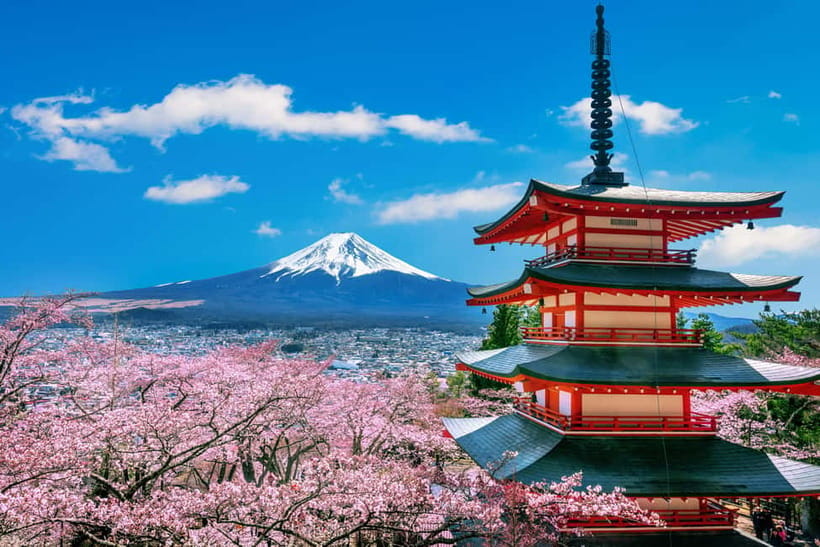
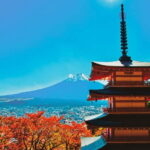
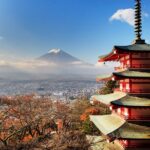
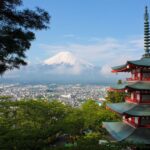
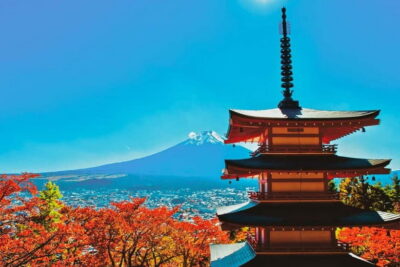
This is the classic Fuji photograph: a red pagoda with Mount Fuji rising behind it. The view from Chureito Pagoda is one of the clearest reasons to choose this day trip, but you must earn it with stairs.
The route through Arakurayama Sengen Park involves a climb, and the visit takes roughly an hour. One useful tip is to continue beyond the pagoda toward the panoramic photo point rather than stopping at the first attractive view. The extra effort can pay off with a wider composition.
The pagoda itself is photogenic, but the scene depends heavily on weather. Clear winter and autumn days can produce sharp Fuji views, while summer haze, cloud, or rain may hide the mountain. Even without Fuji, the pagoda, hillside setting, and seasonal colors can still make the stop worthwhile.
This is not the easiest part of the day for anyone with mobility limits. One guide adjusted a group’s route because of mobility concerns, which shows why you should discuss physical needs in advance. The supplied restrictions also say the experience is not suitable for pregnant women, people with heart problems or certain medical conditions, people with high blood pressure, or anyone over 95.
Lake Kawaguchi, Oishi Park, and the best photo pauses
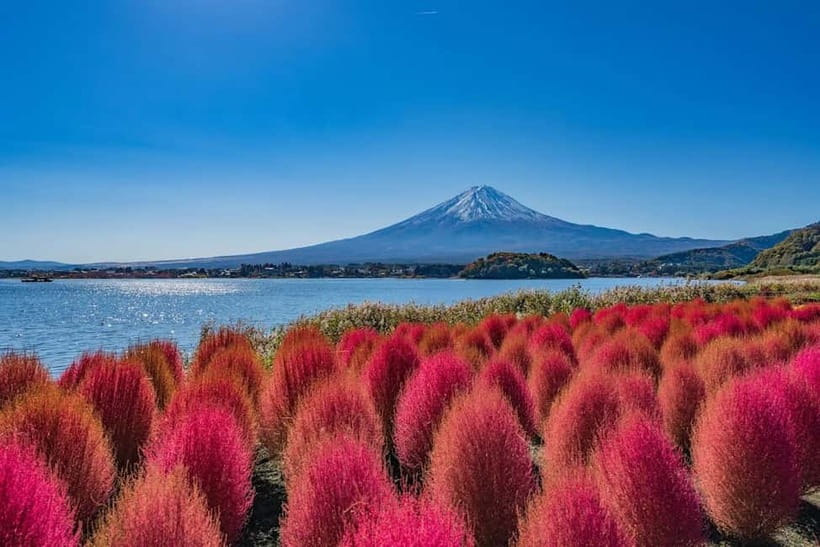
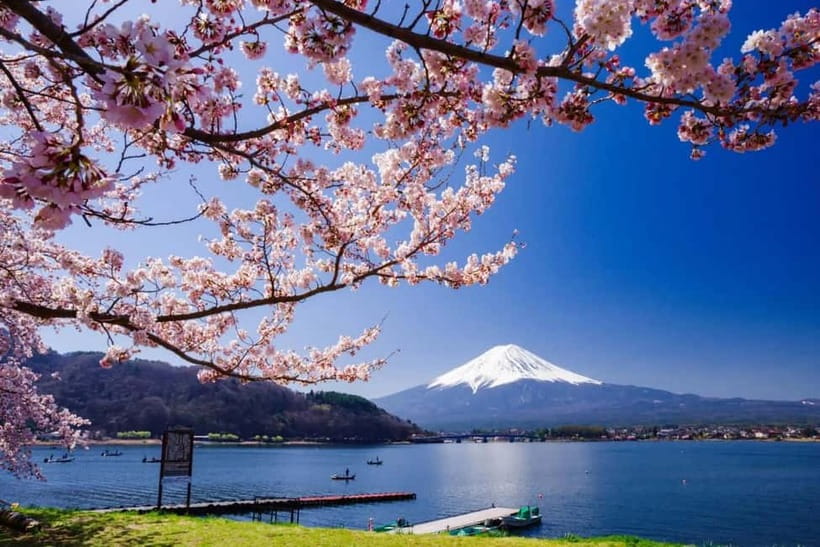
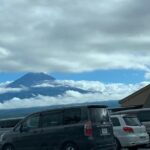
Lake Kawaguchi is one of the most rewarding places to slow down. On a clear day, Fuji can appear across the water, giving you the reflection and open foreground that mountain photographs need. You will have time to walk, take pictures, and simply watch the view rather than rushing from one landmark to the next.
Oishi Park is another strong stop, with open views toward Fuji and seasonal plantings. It is a good choice if your group wants beauty without a strenuous walk. A little soft-serve ice cream can also improve any long sightseeing day.
The lake area includes several optional stops that appeal to different interests. The Kachi Kachi Ropeway offers a higher viewpoint, while a speedboat ride on the lake may be available as an add-on. A visit to LAWSON near Kawaguchiko Station has become popular for its Fuji photo angle, and Shimoyoshida Honcho Street offers another recognizable town view.
These quick photo locations are useful, but they are not equal to a full scenic stop. If your priority is time beside the lake, tell your guide not to pack the day with every social-media viewpoint. The beauty of a private tour is having the power to skip a stop.
Other private tours in Tokyo


Shrines, caves, and a quieter side of Fuji
Kitaguchi Hongu Fuji Sengen Shrine offers a change of mood. Its tall trees and traditional setting provide a more reflective experience than a crowded viewpoint. The shrine is a strong choice if you want culture and atmosphere alongside photographs.
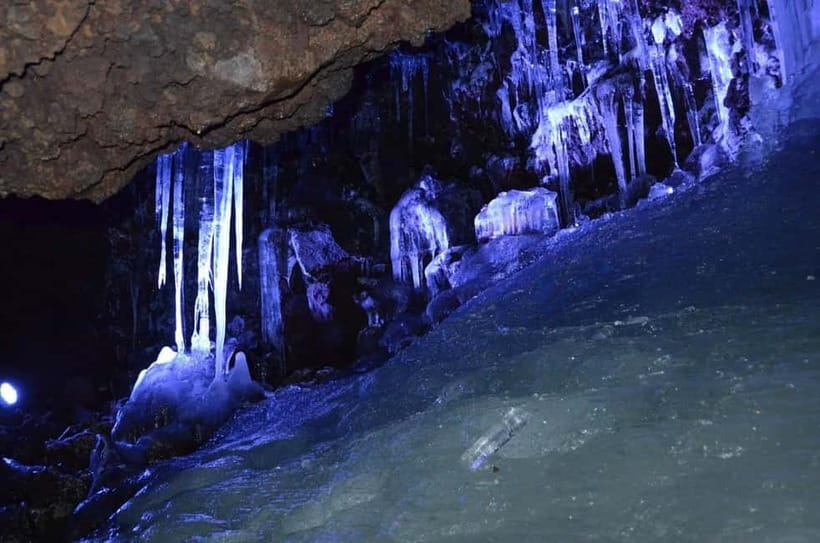
Narusawa Ice Cave adds a more unusual physical stop. You should expect a self-guided visit with safety instructions, and comfortable shoes are important. The cave is not for everyone, especially if confined spaces or uneven walking are a problem, but it gives the day some variety.
The tour can also include Saiko Iyashi no Sato Nenba, a village of old Japanese houses, although its ¥500 entry fee is not included. This type of stop works well for visitors who want architecture and traditional scenes rather than another lake view. It is also a sensible alternative when Fuji is hidden by cloud.
The optional Hakone route
Hakone can turn the day into a broader sightseeing circuit, but you should be realistic about distance and timing. The possible additions include Owakudani Valley, the Hakone Ropeway, Lake Ashi, and the Hakone Open-Air Museum.
Owakudani is a volcanic valley, with about 30 minutes listed for the visit. The Hakone Ropeway is another short stop in the suggested schedule, while Lake Ashi offers a brief lakeside visit or the possibility of a boat cruise. The Open-Air Museum provides art in an outdoor setting and is listed for about 20 minutes, which is enough for a quick look but not a full museum visit.
I would not try to do every Fuji Five Lakes stop and all of Hakone in one day. Choose one focus. A Fuji-centered plan might include Oshino Hakkai, Chureito, Oishi Park, and Lake Kawaguchi. A broader plan could reduce the number of lake stops to make room for Hakone.
The same applies to Gotemba Premium Outlets. Shopping can be a welcome change, but it uses time that could otherwise go toward mountain views and shrines. Add it only if shopping is one of your main goals.
What the vehicle and guide service add
The car is air-conditioned, private, and supplied with WiFi, bottled water, and coffee. Parking and toll fees are included except for specified charges. A comfortable vehicle is not a minor detail here. You may spend a large part of the day on the road, and having space for your own group makes the long return to Tokyo easier.
The driving has received strong praise, with many perfect ratings for the overall experience. Guides have been described as punctual, safe, friendly, and willing to stop for food, rest breaks, or photographs. One driver even returned a child’s forgotten water bottle to the hotel the next evening, an unusually thoughtful bit of follow-through.
There are small signs that the vehicles may not all be identical in condition. One comment noted that a van carpet needed replacing, and another mentioned a door that could only be used from one side. These issues did not ruin the day, but they are worth keeping in perspective. You are booking practical private transport, not a luxury limousine.
Guiding style can also vary. Some drivers provide detailed facts and local stories, while others function more as helpful drivers who point you toward the sights and allow free time. If you want a formal guided tour at every stop, state that clearly. If you prefer privacy and independent walks, this arrangement may suit you very well.
Cost, inclusions, and the real value
The listed price is $328 for a group of up to five. For five people, that is about $66 per person before optional entry fees and activities. For two people, the per-person cost is higher, but the convenience of hotel pickup, a private car, and a flexible schedule can still justify it.
The value is strongest for families and small groups that would otherwise need multiple train and bus connections. It is also useful if one person in your group has limited stamina, since you can shorten a walk or change the order of stops. Solo visitors or couples on a tight budget may find public transport cheaper, though it will not provide the same door-to-door ease.
Included are hotel pickup and drop-off in the covered areas, private transport, an English-speaking or multilingual driver or guide, WiFi, bottled water, coffee, parking, tolls except for listed exceptions, and the customized route.
Budget extra for the Mt. Fuji 5th Station toll fee, listed as ¥2,100 per group, plus attraction tickets. Ropeway rides, boat cruises, museum entry, cave visits, and other optional activities are not included. Food, snacks, souvenirs, insurance, and gratuities are also your responsibility.
Mt. Fuji 5th Station and weather planning
The 5th Station is the highest point included in the suggested Fuji route, with about 50 minutes for sightseeing. When road conditions and weather allow, you can enjoy cooler air and broad mountain views.
This stop is not guaranteed in the same way a city museum might be. Weather can affect access and visibility, and the tour may need to change. At the same time, clear weather can make the 5th Station a memorable addition, particularly if you want to feel close to the mountain rather than only photograph it from below.
Check the forecast before you go, but do not treat a cloudy morning as an automatic reason to cancel. A flexible guide can shift attention to shrines, villages, parks, and Hakone. Still, if seeing the summit is the entire reason for your trip, remember that no private vehicle can control the clouds.
Who should book this private tour?
I would choose this experience for a family of up to five, a couple wanting a relaxed private day, or friends who have a clear list of places around Fuji. It is also a good fit if you value a hotel pickup and do not want to manage regional buses and train connections.
It suits people who enjoy a mix of scenery, culture, food stops, and photography. It is less suitable if you want a serious mountain hike, a guaranteed summit view, or a carefully timed museum-focused day.
Wear comfortable clothes and walking shoes. Bring a camera, cash, a credit card, and any food you may need. High heels are a poor match for the stairs and uneven paths, and bags, alcohol, drugs, fireworks, and fire-making are not allowed.
Free cancellation is available up to 24 hours before departure, and you can reserve now and pay later. Check the final terms and pickup details before committing, especially if you are staying in an apartment or private residence. In those cases, you are asked to wait outside at the main entrance.
Should you book the Mount Fuji private day trip?
Book it if you want control over the day more than the lowest possible price. The strongest part of the experience is not simply getting to Fuji. It is being able to spend more time at the places that suit your group, leave early when traffic threatens, and change plans when weather or energy levels shift.
I would request a 6:00 a.m. start, list three must-see stops, and name two optional stops. My preferred first-time plan would be Chureito Pagoda, Oshino Hakkai, Oishi Park, and Lake Kawaguchi, with Kitaguchi Hongu Fuji Sengen Shrine as the cultural addition. Add the 5th Station only if conditions are good, and choose Hakone or Gotemba only if you are willing to remove something else.
This is a practical, good-value choice for a small group. Just keep the day focused, budget for entry tickets and meals, and accept that Fuji may choose to hide behind the clouds.
FAQ
How long does the Mount Fuji private tour last?
The tour lasts about 10 hours, including travel time between Tokyo and the Fuji area.
How many people can join the private group?
The listed price covers a private group of up to five people.
Is hotel pickup and drop-off included?
Yes. Hotel pickup and drop-off are included from the covered Tokyo areas, with additional listed locations including Yokohama, Gotemba, Fujikawaguchiko, and Hakone. Airport and cruise-port pickup is not provided.
Is the Mount Fuji 5th Station always included?
The 5th Station is an available stop when weather and conditions allow. Its toll fee, listed as ¥2,100 per group, is not included.
Are meals and attraction tickets included?
No. Meals, snacks, beverages, personal expenses, and most entrance fees are not included. Ropeway rides, boat cruises, and other optional activities also require separate payment.
What languages are available for the guide?
Live guiding is available in English, Japanese, Hindi, Arabic, and Urdu.
More Full-Day in Tokyo
More Private Tours in Tokyo
More Mt Fuji Day Trips in Tokyo
More tours in Tokyo we've reviewed




Mt Fuji Day Trips, compared.
 ★ 5.0Mt Fuji and Hakone 1-Day Bus Tour Return by Bullet TrainFrom $163
 ★ 4.0Mt Fuji & Hakone Cruise, Drum Show Bullet Train 1 Day from TokyoFrom $149
 ★ 4.4Tokyo Mt Fuji 5th St & Hakone Cruise Bus Tour w/Bullet TrainFrom $15410 hours
 ★ 4.5From Tokyo: Mount Fuji Full-Day Sightseeing TripFrom $6810 hours
 ★ 4.7Tokyo: Mt. Fuji Tour, Hakone Ropeway, Owakudani, Lake AshiFrom $5410 hours
 ★ 4.4Tokyo:Mt.Fuji,Kawaguchiko Oishi Park,Arakurayama Sengen ParkFrom $5410 hours