
Reviewed · KAMAKURA & ENOSHIMA DAY TRIPS
Private Tour in Kamakura: Matcha Tea Tasting & Photo Session
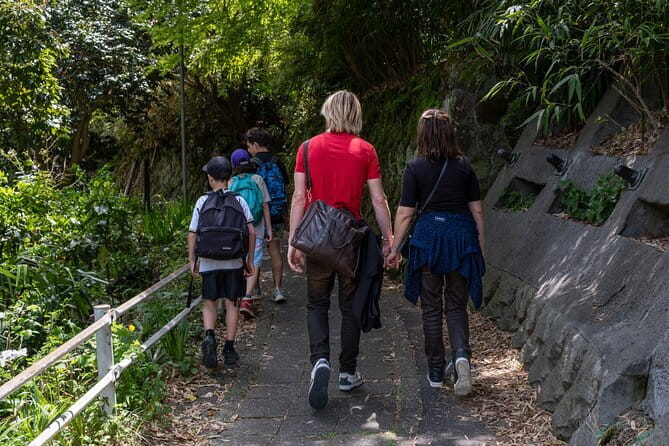
Kamakura is at its best away from the biggest crowds, and this private morning tour takes you to quiet religious sites, a bamboo grove, and a traditional tea setting with a professional photographer at your side. The route gives you both cultural context and pictures you will actually want to keep.
I like the small private format, since Bruno can adjust the pace and help you use your camera rather than simply point out monuments. I also like the practical souvenir: 10 edited photos delivered within 72 hours, a welcome bonus when you are too busy enjoying Japan to manage every shot yourself.
The main consideration is time. Three hours covers four stops, bus transfers, photography guidance, and tea, so this is a focused introduction rather than a full Kamakura day. You should also be comfortable walking and taking public transportation.
In This Review
- Key points to know before booking
- A quieter way to see Kamakura
- Nikaidō, a shrine among the trees
- Hokoku-ji and the bamboo grove
- Jomyo-ji, temple calm and a cup of tea
- What Bruno adds to the experience
- Ten edited photographs after the walk
- Is $98.71 per person good value?
- Walking, buses, and the morning pace
- Who should book this Kamakura tour?
- Booking details and cancellation
- Should you book it?
- FAQ
- Where does the tour begin?
- Where does the tour end?
- How long does the experience last?
- Which places are included?
- Is transportation included?
- Are the temple and shrine admission fees included?
- When do I receive the edited photographs?
- Can I cancel for a full refund?
Key points to know before booking
- Quiet Kamakura route: Visit Nikaidō, Hokoku-ji, and Jomyo-ji instead of spending the whole morning at the city’s busiest sights.
- Private photographer-guide: Bruno provides camera advice and helps you make better use of the equipment you already have.
- Bamboo grove and matcha: Hokoku-ji supplies the cool green setting, while Jomyo-ji offers a calm place for Japanese tea.
- Useful photo souvenir: You receive 10 professionally edited images within 72 hours after the tour.
- Simple morning schedule: Meet at the East Exit of JR Kamakura Station, then travel by bus between locations.
- Good fit for couples and families: The private setup allows room for engagement photos, family pictures, or a slower pace for your own group.
A quieter way to see Kamakura
Kamakura is famous for temples, shrines, and the Great Buddha, but this tour takes a different approach. Rather than trying to cover every major sight, it follows a compact route through wooded religious sites and older streets, with time to stop, look, and take photographs.
That choice matters. A large group tour often turns a peaceful shrine into a quick photo stop. Here, you have a private guide and a photographer who can pause when the light is good, suggest a better angle, or help arrange a family portrait.
The experience lasts about three hours and starts at Kamakura Station’s East Exit. You then use buses to reach the sites, so you are not paying for a private vehicle, and you get a little taste of how people move around this popular coastal town.
The official schedule lists Wednesday through Sunday departures in the morning, with the stated opening window from 9:00 to 10:30 a.m. Check the confirmed start time carefully when booking, since the meeting time affects how much of the morning you have left afterward.
A few more Kamakura tours and experiences worth a look
Nikaidō, a shrine among the trees
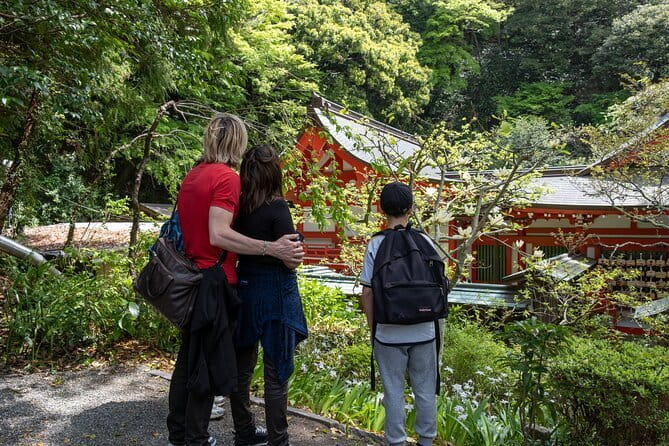
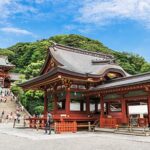
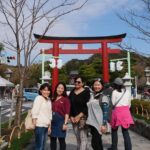
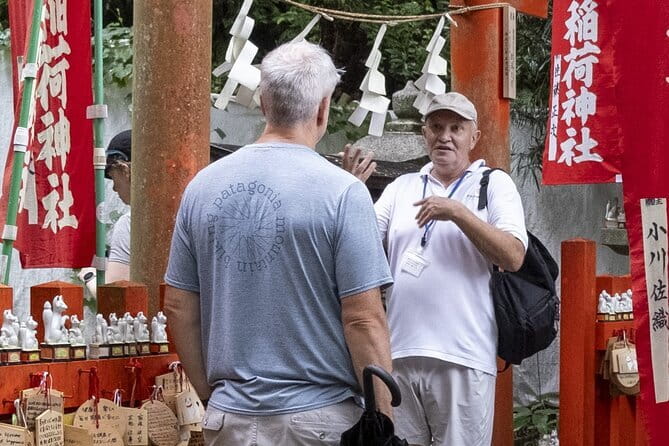
The first stop is Nikaidō, a quiet Shinto shrine surrounded by greenery. It was founded by Minamoto no Yoritomo, Kamakura’s first shogun, which gives the visit an important link to the town’s political and religious past.
You get about 30 minutes here. That is enough for a short introduction, some calm walking, and photographs of the shrine setting without making the first stop feel hurried.
The appeal is the mood. Nikaidō is presented as a peaceful place away from the main flow of Kamakura, so you can focus on details such as shrine architecture, pathways, and the surrounding nature. Bruno’s role is especially useful here because a photographer can help you notice framing and light, not just the obvious entrance gate.
This is not the stop for someone expecting a huge complex with a long list of buildings. Its value is quieter: a short pause in a natural setting and a chance to see a side of Kamakura that many first-time visitors miss.
The 30-minute visit also sets the tone for the tour. You are not racing from one landmark to another. You are being shown places selected for atmosphere, photographs, and a sense of local calm.
Hokoku-ji and the bamboo grove
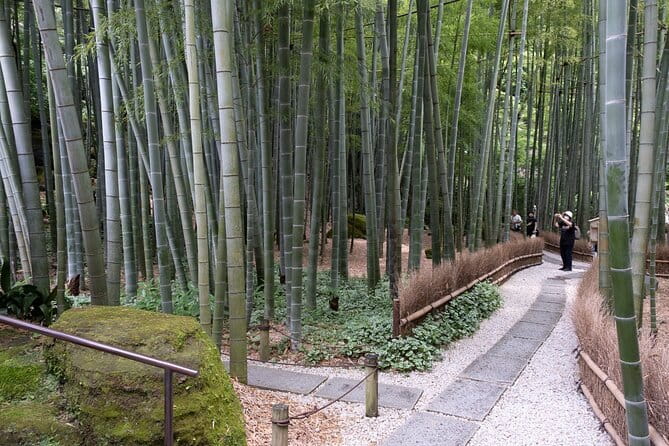
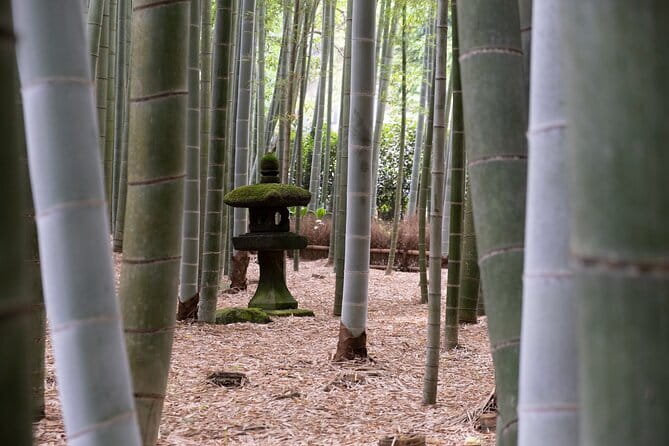
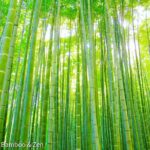
Hokoku-ji is the visual centerpiece of the route. The temple is known for its bamboo grove, where tall stalks filter the daylight and create a cool, shaded setting.
You have around 40 minutes here, giving you more time than at Nikaidō. That extra time is useful because bamboo photographs can look repetitive if you simply point your phone upward. Bruno can help you work with lines, shadows, and people in the frame so your pictures have more shape.
Hokoku-ji is also a place where the weather and season may affect the experience. The grove’s appeal comes from shade, texture, and filtered light, so bright conditions, rain, or a busy period could change the feel. The tour is still worthwhile for the temple setting, but you should keep your expectations flexible rather than assume every photograph will look like a postcard.
The supplied details list admission as included, and the tour also covers the guide fees and bus tickets. That makes the stop easy from a budgeting point of view. You do not need to arrange separate transport or work out the entrance process on your own.
Still, 40 minutes is not enough for an extensive temple visit. If Hokoku-ji is your top priority, you may want to ask how much of the allotted time is spent walking, photographing, and moving through the site. The tour’s goal is a balanced morning, not a long study of one temple.
Jomyo-ji, temple calm and a cup of tea
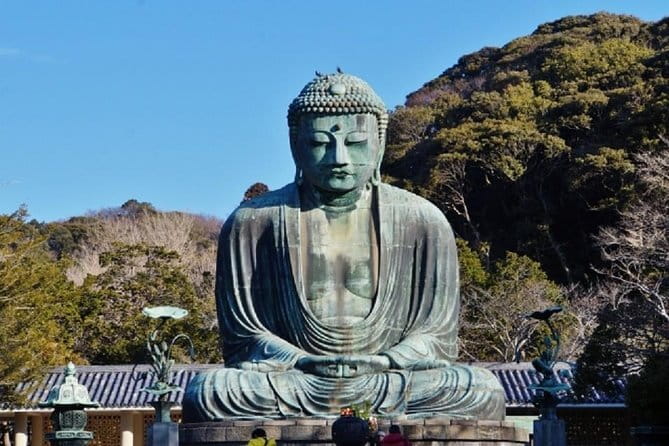
The final area is Jomyo-ji, a Zen temple connected with the Kenchoji school and founded in 1199. The setting brings together old Buddhist tradition, maintained gardens, and a slower rhythm after the bus ride and sightseeing.
The schedule gives Jomyo-ji two separate 30-minute portions. The first is for visiting the temple and taking in its grounds. The second is for green tea, making this stop a full hour of the three-hour experience.
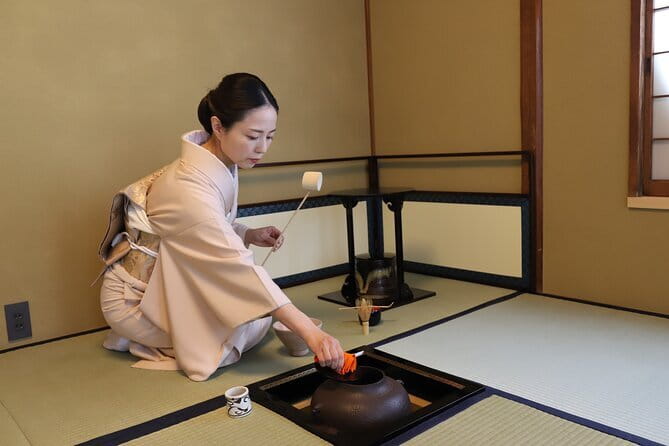
That division works well. You first see the temple as a place of history and worship, then have time to sit and enjoy the setting rather than treating tea as a quick sample. The tea tasting is part of the price, so you do not need to budget separately for it.
The experience is described as traditional Japanese green tea, with a calm Zen atmosphere. You should not expect a lengthy formal tea ceremony unless the guide confirms that in advance. The information promises a cup of green tea and an introduction to the setting, which sounds more relaxed and accessible than a specialized ceremony.
For many people, this will be the most memorable part of the tour. A bamboo grove gives you strong pictures, but tea gives you a chance to stop using the camera. That balance is important on a photography-led outing.
What Bruno adds to the experience
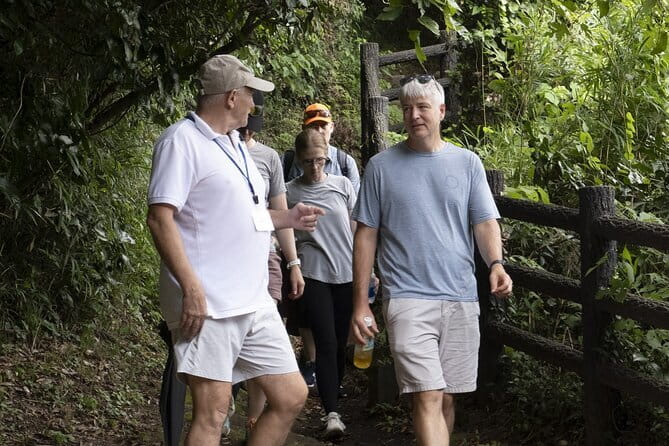
The guide is Bruno, and the strongest pattern in the available feedback is his personal attention. He has helped guests plan a surprise engagement, including timing and location choices, and has adapted the day for different groups.
That matters even if you are not arranging a proposal. A private tour leaves room for your own purpose: family portraits, couple photographs, a first look at Kamakura, or practical advice for a child who wants to take better pictures.
Bruno also brings a personal sense of place. His approach favors quiet sites close to nature, including spots beyond the standard must-see list. That does not mean you will avoid all famous places, but the route is clearly designed around atmosphere rather than collecting major names.
You can ask for advice on the camera you already use. The tour includes expert help to get more from your equipment, but it does not promise a rental camera or specialist studio session. Bring the camera or phone you want to improve with, and make sure it has enough battery and storage.
The engagement-planning experience also suggests that Bruno can handle a special request, but you should arrange any important surprise in advance. The tour information specifically confirms private participation and photography support, not a guaranteed proposal package.
A few more Kamakura tours and experiences worth a look
Ten edited photographs after the walk
The 10 edited photographs are one of the clearest reasons to consider this experience. You receive them within 72 hours after the tour, which gives you a polished record of the morning without needing to edit everything yourself.
This is particularly useful for couples and families. Someone in a group often has to take the picture and ends up missing from it. A photographer-guide can help create images of everyone together, while also offering advice for the shots you take on your own.
Ten photos is a helpful set, but it is not a full commercial photo shoot. If you want dozens of poses, outfit changes, or a long portrait session, this tour may feel too limited. Its focus is sightseeing first, with photography built into the route.
You should also understand that the professionally edited images arrive after the activity, not during it. Take your own pictures as you go, then look forward to the edited selection later.
Is $98.71 per person good value?
At $98.71 per person, the tour is not the cheapest way to visit Kamakura. You could take public buses and visit temples independently for less, especially if you already know the town and do not need a guide.
The value comes from combining several services in one private booking. The price covers the guide, admission tickets for visited sites, bus transfers, green tea, camera advice, and 10 edited photographs. You are also paying for route planning and the ability to keep the experience limited to your own group.
That calculation looks stronger for two or more people who want good group photographs. A couple can split the attention and receive images neither person could easily take alone. Families may also find the private format easier than trying to keep children on a fixed group schedule.
The value is less clear for a solo visitor who already knows how to photograph temples and prefers a long, independent day. In that case, the three-hour limit and per-person price may feel high.
Group discounts are available, though the actual discount amount is not specified. Ask about the final rate for your party before paying, particularly if you are booking for a larger family or group of friends.
Walking, buses, and the morning pace
You meet at JR Kamakura Station, East Exit, and the activity returns to that same meeting point. Bus tickets between locations are included, which removes one small but annoying part of navigating a Japanese sightseeing day.
The tour requires a moderate level of physical fitness. You should expect walking around shrine and temple grounds, moving through streets, and boarding buses between stops. Specific distances and accessibility details are not provided, so ask the provider about mobility needs before booking.
The morning timing has practical advantages. An early start can make religious sites feel calmer and leaves the afternoon free for the Great Buddha, Enoshima, shopping, or a beach walk. The tradeoff is that you need to reach the station on time and may have less flexibility after a late arrival in Kamakura.
Because this is a private activity, your group is the only group participating. That gives you more control than a shared tour, but the three-hour route still has a planned structure. A private tour does not mean you can automatically add every major Kamakura attraction.
Who should book this Kamakura tour?
I would recommend it to a first-time Kamakura visitor who wants an introduction with a clear theme. You see a shrine, bamboo grove, Zen temple, and tea setting, while also receiving help with photographs.
It is especially well suited to couples. The private format supports natural portraits, and Bruno’s experience with engagement planning may be useful if you are arranging a special moment. Contact him in advance rather than assuming the standard tour includes proposal planning.
Families can benefit too, particularly if one person usually takes all the pictures. The added camera guidance may appeal to older children or anyone who wants more than quick phone snapshots.
Photography beginners should find the advice practical, since the focus is on making better use of their own camera. Experienced photographers may still enjoy the locations, but the formal camera tips could be less important to them.
You may want a different plan if your main goal is the Great Buddha, a long temple visit, or a full-day exploration. Those experiences are not part of the stated route, and this outing is built around quieter sites and tea.
Booking details and cancellation
Confirmation is sent within 48 hours of booking, subject to availability. The tour operates Wednesday through Sunday during the listed period from August 1, 2025, through February 25, 2027.
Free cancellation is available up to 24 hours before the local start time for a full refund. Changes or cancellations made less than 24 hours before the start are not accepted for a refund, so keep that cutoff in mind when planning around trains or other day trips.
Tips are not included. Everything else listed for the experience, including guide fees, site admissions, bus tickets, tea, camera advice, and edited photos, is covered.
Should you book it?
Book this tour if you want a quiet, personal Kamakura morning and value photographs as much as sightseeing. The combination of Nikaidō, Hokoku-ji, Jomyo-ji, matcha, and 10 edited images gives you more than a standard temple checklist.
Skip it if you want maximum freedom, a full-day route, or only the most famous Kamakura landmarks. At $98.71 per person, the tour earns its price through Bruno’s personal guidance, the private group format, included transport, and the photo service. For couples, families, and first-time visitors, that package is likely to feel worthwhile.
FAQ
Where does the tour begin?
The tour begins at Kamakura Station in Kanagawa, at the East Exit of JR Kamakura Station.
Where does the tour end?
The activity ends back at the meeting point at Kamakura Station.
How long does the experience last?
The tour lasts approximately three hours.
Which places are included?
The route includes Nikaidō shrine, Hokoku-ji Temple and its bamboo grove, and Jomyo-ji Temple, where you also enjoy green tea.
Is transportation included?
Yes. Bus tickets for transfers between the locations are included in the price.
Are the temple and shrine admission fees included?
Yes. Admission tickets for all visited sites are included.
When do I receive the edited photographs?
You receive 10 professionally edited photos within 72 hours after the tour.
Can I cancel for a full refund?
Yes. You can cancel at least 24 hours before the local start time for a full refund. Cancellations or changes made less than 24 hours before the start are not accepted for a refund.
More Private Tours in Kamakura
More Tea Ceremony & Matcha in Kamakura
More Kamakura & Enoshima Day Trips in Kamakura
More tours in Kamakura we've reviewed
Kamakura & Enoshima Day Trips, compared.
 ★ 4.5Tokyo: Kamakura & Enoshima Day Trip including Temple TicketsFrom $589 hours - 570 minutes
 ★ 4.5Tokyo: Mt. Fuji, Kamakura, Big Buddha, & Lake Ashi Day TripFrom $4910 - 11 hours
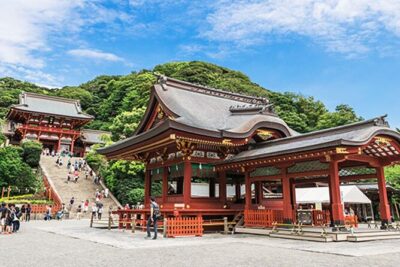 ★ 4.5From Tokyo: Kamakura & Enoshima 1-Day Bus TourFrom $66
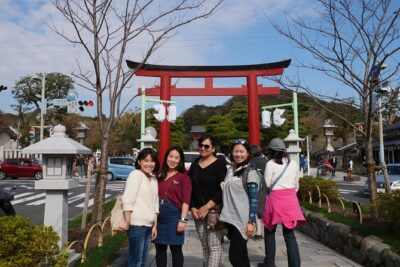 ★ 5.0Kamakura Historical Walking Tour with the Great BuddhaFrom $98
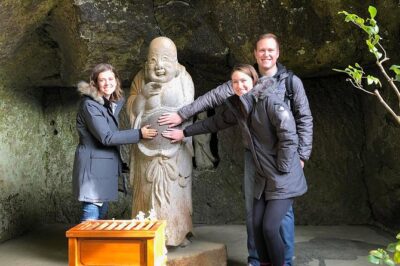 ★ 5.0Kamakura Private Tour: Temples, Nature, and the Great BuddhaFrom $98
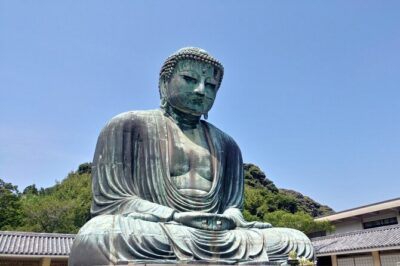 ★ 5.0Kamakura Walking Tour – The City of ShogunFrom $35