
Reviewed · KAMAKURA & ENOSHIMA DAY TRIPS
Kamakura; First Samurai Capital walking tour
Kamakura’s quiet temple lanes conceal the former seat of Japan’s first samurai government. This 210-minute walk brings that story into focus at Engaku-ji, Kencho-ji, and Tsurugaoka Hachimangu, then finishes with an unusual look at 800-year-old Kamakura lacquerware.
I like the small maximum of four people, which gives guide Yurie room to explain Zen architecture and answer questions without shouting over a crowd. I also like the route’s balance: solemn temples, a grand Shinto shrine, and a hands-on look at traditional craft.
The main catch is the walking. You will tackle 135 steps to Engaku-ji’s bell, plus more stairs, slopes, and pavement in changing weather. Temple admission, about ¥500 per temple, is extra, so the $63 price is not quite the full cost.
In This Review
- Key points to know before booking
- Why this route explains Kamakura so well
- Starting at Kita-Kamakura Station
- Engaku-ji and the climb to the old bell
- Kencho-ji, Kamakura’s grandest Zen stop
- Tsurugaoka Hachimangu and the samurai capital
- Kamakura-bori, a craft with 800 years of use
- What the $63 price really covers
- Walking conditions, weather, and timing
- Who will get the most from this Kamakura walk
- Should you book it?
- FAQ
- Where does the Kamakura walking tour begin?
- Which train stops at Kita-Kamakura Station?
- How long is the tour?
- What language is the tour conducted in?
- How many people can join the tour?
- Which temples are included?
- Is temple admission included?
- Is the lacquerware museum admission included?
- What should I bring?
- Is the tour suitable for wheelchair users?
Key points to know before booking
- Three major Kamakura landmarks: Visit Engaku-ji, Kencho-ji, and Tsurugaoka Hachimangu in one carefully connected route.
- A small English-speaking group: The tour is limited to four participants, with licensed guide Yurie leading the walk.
- A 135-step reward: Climb to Engaku-ji’s 800-year-old national treasure bell for a fine view and a memorable finish to the temple visit.
- A useful Zen introduction: See the Sanmon gates, Buddha halls, Dharma halls, and temple art while learning how Zen temples are organized.
- A rare craft stop: The Kamakura Lacquerware Museum traces Kamakura-bori work from the Muromachi period to today.
- A practical train meeting point: Meet outside the East exit at Kita-Kamakura Station, using the correct end of the long Yokosuka Line platform.
Why this route explains Kamakura so well
Kamakura is easy to treat as a simple day trip from Tokyo: take the train, see the Great Buddha, eat lunch, and head back. This tour takes a different path. It focuses on the city’s political and religious center, where samurai power, Zen Buddhism, Shinto belief, and traditional art meet.
The Kamakura shogunate was established in 1192. The city then became a center of military rule, and its temples and shrines reflected the authority of the people who built them. The setting looks peaceful now, but more than 170 Buddhist temples in Kamakura commemorate people who died in the wars surrounding the city’s rise.
Guide Yurie’s strength is historical context. She uses original panels to organize key dates and ideas, making it easier for you to understand where Kamakura fits into Japanese history. Her English is described as fluent, and the tour’s strongest praise centers on her clear explanations, careful organization, and ability to connect ancient events with Japanese culture today.
The route also avoids being only a procession of religious buildings. You get an introduction to Zen, a look at shrine ritual and samurai symbolism, and an art-focused ending at the Kamakura Lacquerware Museum.
A few more Kamakura tours and experiences worth a look
Starting at Kita-Kamakura Station
The tour begins at Kita-Kamakura Station, a quieter and more relaxed starting point than Kamakura Station. This matters because you begin among temple grounds and wooded hills rather than in the busiest shopping area.
The meeting instructions deserve close attention. Only the Yokosuka Line stops at Kita-Kamakura, and the platform is extremely long. If you are arriving from Tokyo, ride in the carriage closest to the driver and leave through the ticket gate at the front of the platform. This is the gate for trains heading toward Zushi, Yokosuka, and Kurihama.
If you arrive on a train heading toward Tokyo, use the rearmost carriage. You will need to cross the railroad crossing to reach the other side, then use the nearest ticket gate. Do not cross the tracks casually after leaving the station. The guide meets you just outside the correct gate.
Engaku-ji and the climb to the old bell
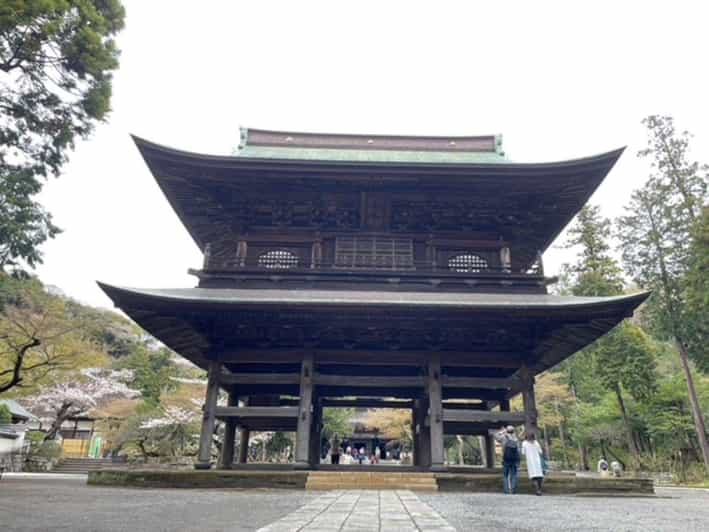
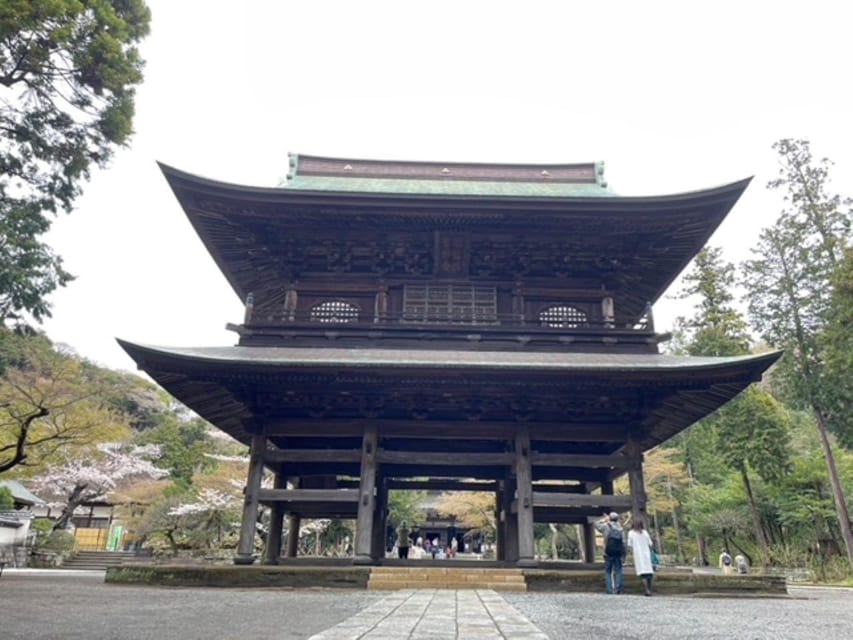
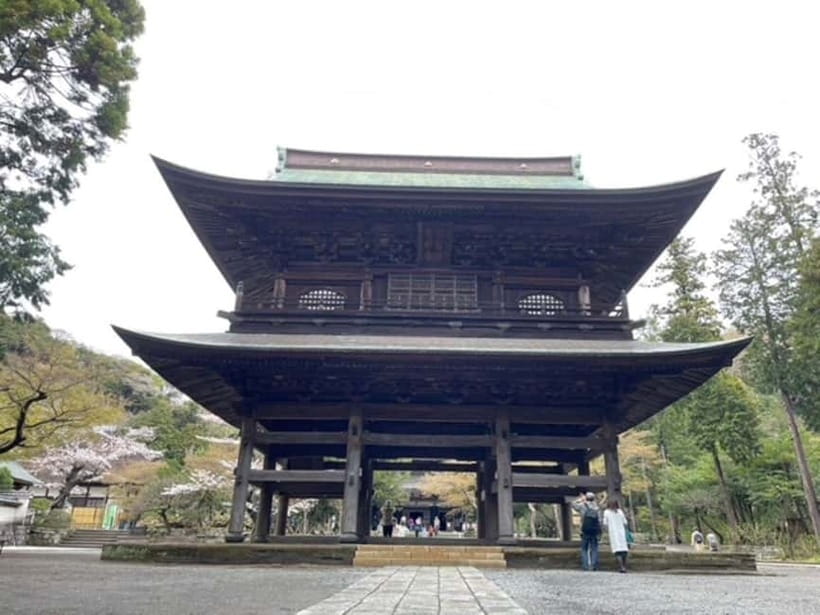
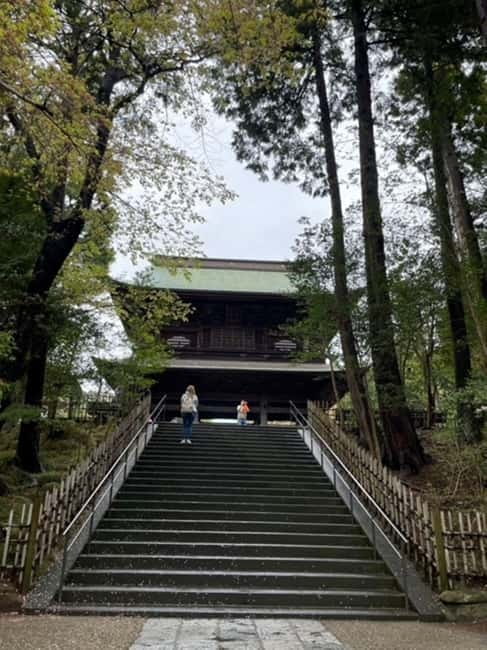
Engaku-ji is only about two minutes from the station, so the tour gets to its first major sight quickly. You enter through the imposing Sanmon Gate, a fitting introduction to the scale and order of a Rinzai Zen temple.
The 65-minute visit covers the Butsuden, or Buddha Hall, where you can admire the Buddha statue, and the Hatto, or Dharma Hall. Look up in the Dharma Hall to see the dragon painted on the ceiling. These stops are more useful with a guide because the buildings are not just decorative. Their layout and functions reflect the structure of Zen practice.
Engaku-ji is considered Kamakura’s second most important Zen temple. It also contains the Shariden, identified as the only national treasure construction in Kamakura. That detail gives the temple extra importance for visitors interested in architecture and religious art.
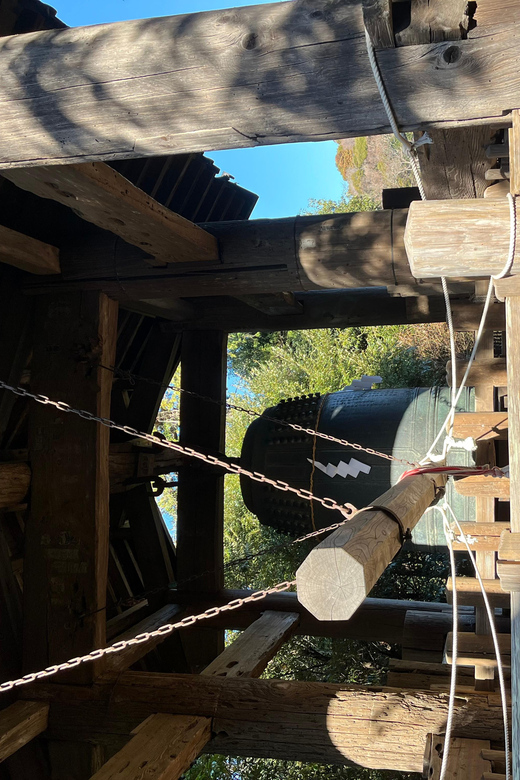
The most physical part comes afterward. You climb 135 stairs to reach the Bonsho, or temple bell. The bell is about 800 years old and is a national treasure. The climb is not long by mountain-hiking standards, but it is enough to matter on a warm day or for anyone who has already spent hours walking around Japan.
Wear shoes with a firm sole, take the stairs at your own pace, and carry water. The elevated position gives you a scenic reward, but the tour does not pretend this is a flat stroll through town.
Kencho-ji, Kamakura’s grandest Zen stop
A 20-minute walk connects Engaku-ji with Kencho-ji. This stretch helps you shift from the calm of one temple complex to the scale of another, though you will be walking on ordinary streets between the sites.
Kencho-ji is described as Kamakura’s most prestigious Zen temple. Its Sanmon Gate, Butsuden, Hatto, and Bonsho are presented on a grander scale than at Engaku-ji. Seeing both temples in one morning lets you compare their forms rather than viewing either one in isolation.
One important limitation applies here: Kencho-ji’s Butsuden is closed for maintenance until 2027. You can still see the other major structures and learn about the temple’s role, but anyone booking mainly to enter the Buddha Hall should adjust expectations.
The 40-minute guided visit is long enough to explain the main buildings without turning the morning into an architectural lecture. I would ask Yurie about the difference between the two Zen temples, the purpose of the Dharma Hall, and the place of Rinzai Zen in samurai-era Kamakura. The small group makes those questions practical.
Tsurugaoka Hachimangu and the samurai capital
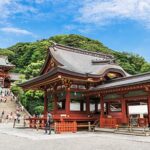
After about 15 minutes on foot, the route reaches Tsurugaoka Hachimangu, Kamakura’s defining shrine. This is the place that most clearly presents the political message of the first shogun.
The shrine honors Hachiman, a kami associated with good fortune in warfare. Its position at the top of a hill was meant to impress, and it still does. From the higher ground, you get a scenic view across Kamakura.
The 40-minute visit gives you time to consider the shrine as both a religious site and a public statement of power. The scale is different from the austere Zen temples. Here, the broad approach, gates, and elevated setting create a ceremonial route designed to make an impression.
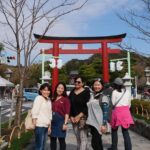
You walk through Dankazura, the 450-meter walkway leading from the former seacoast toward the Third Torii Gate. The first shogun built it as a prayer for the safe delivery of an heir. Today, it is also known for cherry blossoms.
The walk continues from the Third Torii Gate toward the Second Torii Gate, which marks the present start of Dankazura. This portion is relatively easy compared with the temple stairs, but the total distance adds up. If you are visiting during cherry blossom season, this is likely to be one of the route’s prettiest sections. At other times, its value is historical and ceremonial rather than purely scenic.
Kamakura-bori, a craft with 800 years of use
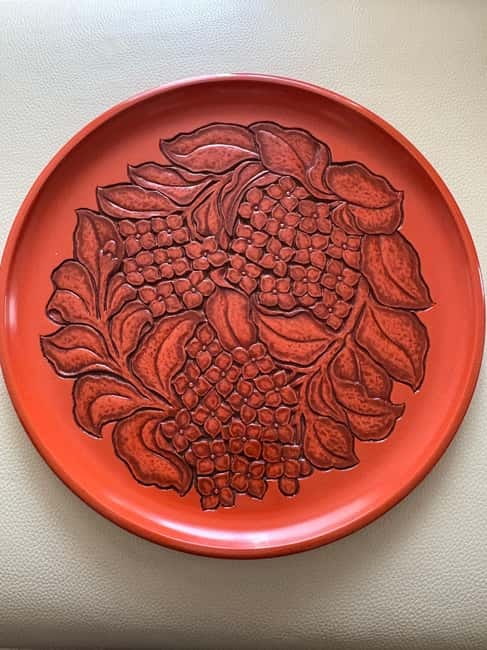
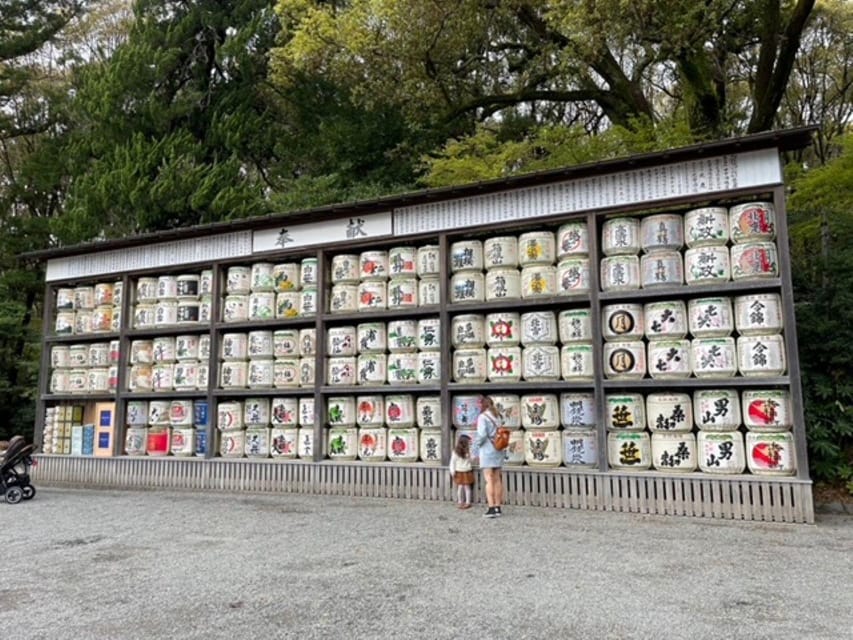
The final 10-minute walk leads to the Kamakura Lacquerware Museum, local gift shop, and cafe. This is a smart ending because it changes the pace. After temples and shrine architecture, you turn to an object-based art form that you can still find in daily and ceremonial use.
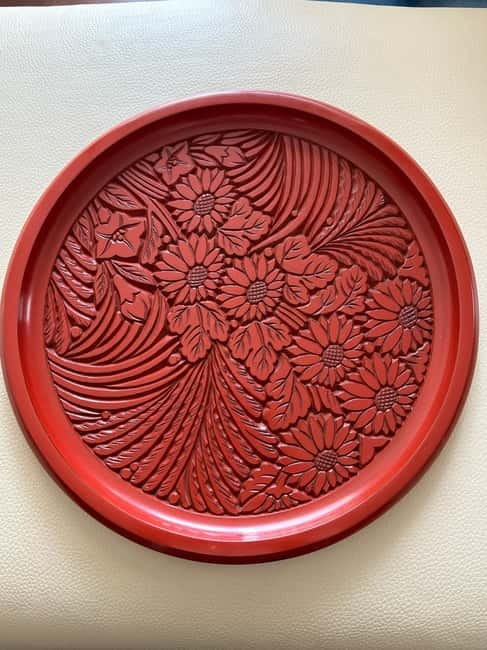
Kamakura lacquerware, or Kamakura-bori, was originally made by Buddhist sculptors about 800 years ago. During the Edo period, from 1603 to 1868, production expanded beyond Buddhist ritual objects to include everyday goods. The craft is now also used in tea ceremonies.
The museum displays works from the Muromachi period, 1336 to 1568, through the present. That time span helps you see the craft as a living tradition rather than an antique technique frozen in one historical moment.
Yurie’s particular interest in Kamakura-bori is an important part of this stop. Her explanations focus not only on what the objects look like, but also on the craftsmanship and cultural value behind them. The 20-minute guided visit is brief, yet it adds an artistic layer that many temple-only walks miss.
Admission to the lacquerware museum is included. You can also browse the local gift shop, and the tour ends here beside the cafe. Food and drinks are not included, so plan to make your own meal arrangements after the tour. One useful advantage of finishing here is that you are not rushed into lunch with the group. You can use a hand-drawn map from the guide to choose where to go next, including the shops along Komachi-dori.
What the $63 price really covers
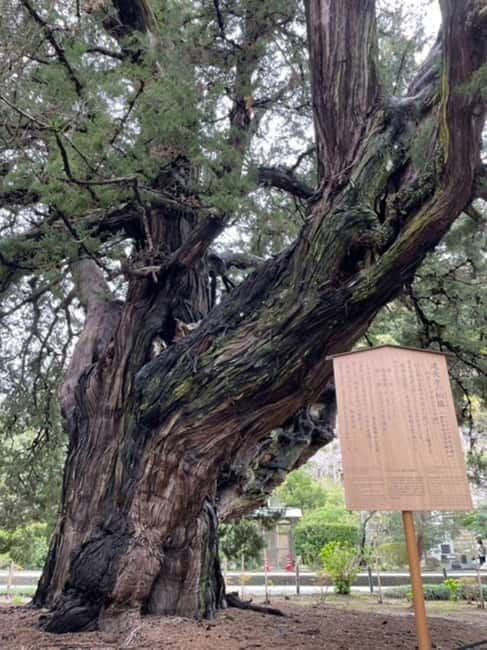
At $63 per person, this is not the cheapest way to see Kamakura. You still pay the entrance fees for the temples, about ¥500 each, and your train fare is separate. Food, drinks, hotel transfers, and personal purchases are also your responsibility.
The value comes from the guide-led structure. You are paying for 3.5 hours in English, a small group limited to four people, historical interpretation at three major sites, and admission to the lacquerware museum. If you visit the temples alone, you can save on the guiding fee, but you may miss the connections between Zen buildings, samurai rule, shrine ritual, and Kamakura-bori.
I see the price as fair for someone who wants context rather than a quick checklist of sights. It is less appealing if your main goal is simply to walk around freely, visit the Great Buddha, or spend the day shopping. This route does not include the Great Buddha, and it does not include lunch.
The strongest value comes from the guide’s work. Yurie’s background in Kamakura history and her prepared visual panels help make a complicated period easier to follow. Her clear English is especially useful when discussing religious terms, temple functions, and the transition from ancient government to modern cultural traditions.
Walking conditions, weather, and timing
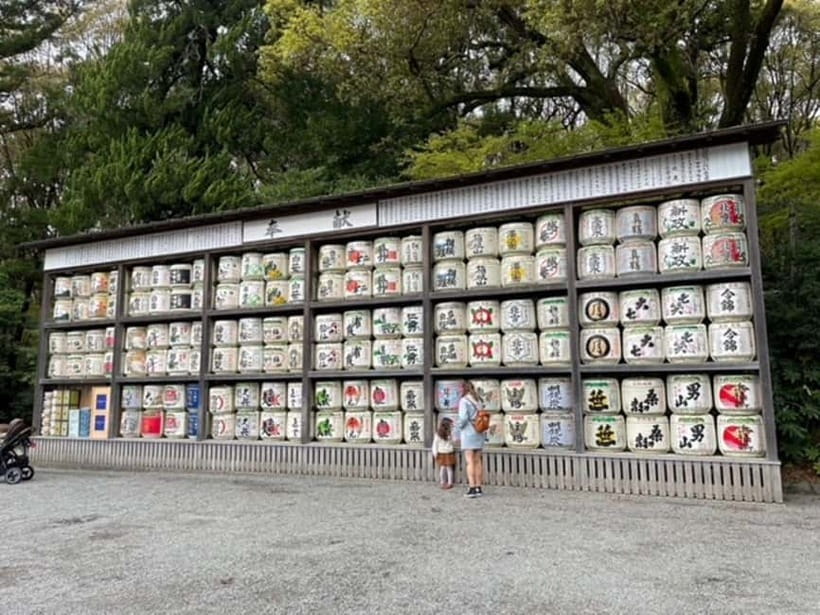
The tour lasts 210 minutes, or three and a half hours. The listed stops account for the whole period: 65 minutes at Engaku-ji, 20 minutes walking, 40 minutes at Kencho-ji, 15 minutes walking, 40 minutes at Tsurugaoka Hachimangu, 10 minutes walking, and 20 minutes at the museum.
This is a genuine walking tour, not a sightseeing trip with short transfers between monuments. Expect ups and downs, temple paths, pavement, and the 135 stairs at Engaku-ji. Comfortable shoes are essential.
The tour operates rain or shine. Wear clothing suited to the forecast, and bring water. In summer, a hat is useful because parts of the route are exposed. Bring cash for temple admissions and, if you collect temple stamps, Goshuin fees of about ¥500.
The tour is not suitable for wheelchair users, people with a cold, or people over 95. The age restriction and physical demands make this a poor choice for anyone who needs a flat, low-effort route.
Who will get the most from this Kamakura walk
I would choose this tour if you want to understand why Kamakura matters, not just photograph its most famous buildings. It is especially well suited to first-time visitors who have already seen, or plan to see, the Great Buddha and want a different side of the city.
It also works well for people interested in Japanese religion, military history, architecture, or traditional crafts. The mixture of Rinzai Zen temples, a Hachiman shrine, and lacquerware gives you several ways into the subject.
The small group suits visitors who like asking questions. Yurie’s explanations cover history from ancient times to the present, so you can ask for a basic timeline or spend more time on Zen ideas and temple art.
I would hesitate if you dislike stairs, want a slow solo walk, or have only a short time in Kamakura and need to see the Great Buddha. The 3.5-hour schedule is focused, but it leaves little room for long shopping stops or spontaneous detours.
Should you book it?
Book this tour if you want a compact, thoughtful introduction to Kamakura’s samurai-era identity, led by Yurie in a group of no more than four. The best features are the comparison between Engaku-ji and Kencho-ji, the powerful setting of Tsurugaoka Hachimangu, and the unexpected lacquerware museum finish.
Skip it if you need an accessible route, prefer exploring without a guide, or are unwilling to pay separate temple fees. For active visitors who value clear history and authentic local craft over a rushed list of famous sights, the $63 fee is a reasonable investment.
Free cancellation is available up to 24 hours before the tour, and you can reserve now and pay later. That flexibility helps, especially when weather is a concern, but the walk itself still operates in rain or shine.
FAQ
Where does the Kamakura walking tour begin?
It begins outside the East exit of Kita-Kamakura Station. The guide meets you just outside the correct ticket gate.
Which train stops at Kita-Kamakura Station?
The Yokosuka Line is the only train line that stops at Kita-Kamakura Station.
How long is the tour?
The tour lasts 210 minutes, or 3.5 hours.
What language is the tour conducted in?
The tour is conducted in English by a live, licensed guide.
How many people can join the tour?
The group is limited to four participants.
Which temples are included?
The route includes Engaku-ji and Kencho-ji, two important Rinzai Zen temples in Kamakura.
Is temple admission included?
No. Temple admission costs about ¥500 for each temple and should be paid separately.
Is the lacquerware museum admission included?
Yes. Admission to the Kamakura Lacquerware Museum is included.
What should I bring?
Bring weather-appropriate clothing, comfortable shoes, drinks, and a hat in hot summer weather. Cash is useful for temple admission and Goshuin, which costs about ¥500 if you choose to collect it.
Is the tour suitable for wheelchair users?
No. The tour is not suitable for wheelchair users and includes considerable walking, slopes, ups and downs, and stairs.
More Walking Tours in Kamakura
More Kamakura & Enoshima Day Trips in Kamakura
More tours in Kamakura we've reviewed

Kamakura & Enoshima Day Trips, compared.
 ★ 4.5Tokyo: Kamakura & Enoshima Day Trip including Temple TicketsFrom $589 hours - 570 minutes
 ★ 4.5Tokyo: Mt. Fuji, Kamakura, Big Buddha, & Lake Ashi Day TripFrom $4910 - 11 hours
 ★ 4.5From Tokyo: Kamakura & Enoshima 1-Day Bus TourFrom $66
 ★ 5.0Kamakura Historical Walking Tour with the Great BuddhaFrom $98
 ★ 5.0Kamakura Private Tour: Temples, Nature, and the Great BuddhaFrom $98
 ★ 5.0Kamakura Walking Tour – The City of ShogunFrom $35