
Reviewed · KAMAKURA & ENOSHIMA DAY TRIPS
Kamakura: Private History and Heritage Tour by Rickshaw
Kamakura is easy to visit, but its best sights spread beyond the station streets. A private rickshaw tour lets you cover more ground while your guide points out Tsurugaoka Hachimangu Shrine, quiet temple grounds, and the Great Buddha. I like the personal format and the built-in photo stops. You are not being moved in a large group.
I also like the choice of four tour lengths, from a quick 45-minute introduction to a 190-minute outing with all the main stops. The main drawback is space: a rickshaw fits no more than two adults, and its 74-centimeter width can feel tight. Admission fees, food, transport to Kamakura, and hotel transfers are also extra.
In This Review
- Key points to know before booking
- Why a rickshaw works well in Kamakura
- The 45-minute route around Otori Gate and Hachimangu
- Hachimangu Shrine and the view over the former capital
- Hokokuji Temple and its garden stop
- The full 190-minute Kamakura experience
- What the private guide adds
- Price, group size, and comfort
- Which tour length should you choose?
- Practical booking advice for Kamakura
- Is this Kamakura rickshaw tour worth booking?
- FAQ
- Where does the Kamakura rickshaw tour meet?
- How long does the tour last?
- Does every tour visit the Great Buddha?
- Is the tour private?
- How many people fit in one rickshaw?
- Are admission fees included?
- Is the tour wheelchair and stroller-friendly?
- Can I cancel the booking?
Key points to know before booking
- Four tour lengths: Choose 45 minutes, 70 minutes, 130 minutes, or 190 minutes, depending on your schedule and sightseeing plans.
- A private ride: The rickshaw is reserved for your party, with room for up to two adults.
- The shortest route: See Otori Gate, pass Tsurugaoka Hachimangu Shrine, and return through smaller streets and temple grounds.
- The longer routes: Add Hokokuji Temple, the Great Buddha, and views over Kamakura from Hachimangu Shrine.
- Helpful guides: Satoshi is one guide praised for being friendly, informative, and willing to stop for photos.
- Family details matter: Children under six may ride on an adult’s lap, while a child needing a separate seat pays the adult fare.
Why a rickshaw works well in Kamakura
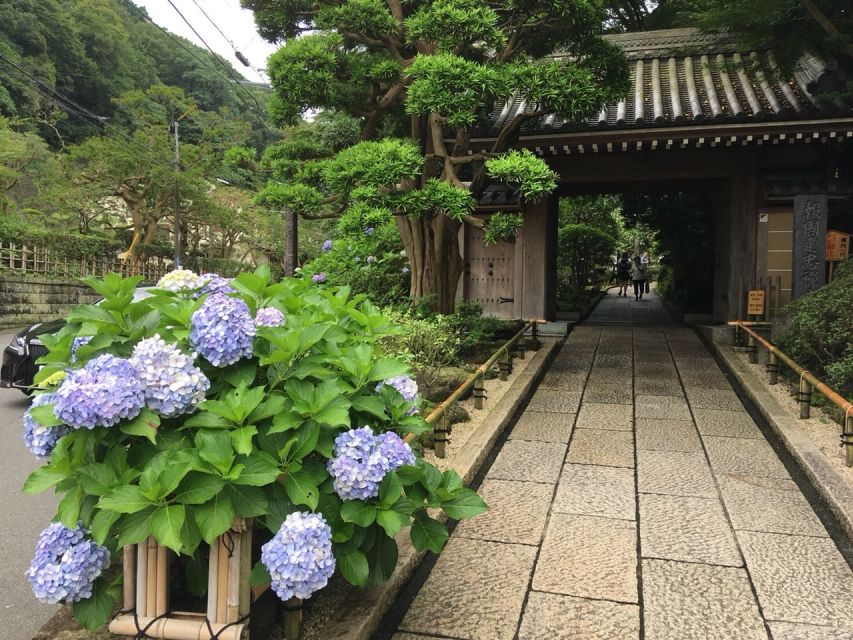
Kamakura is compact enough for a day trip, yet its attractions are not all bunched together. The station area, Hachimangu Shrine, Hokokuji Temple, and the Daibutsu each give you a different view of the old capital. Walking between every stop can eat up valuable time, especially in warm weather or with children.
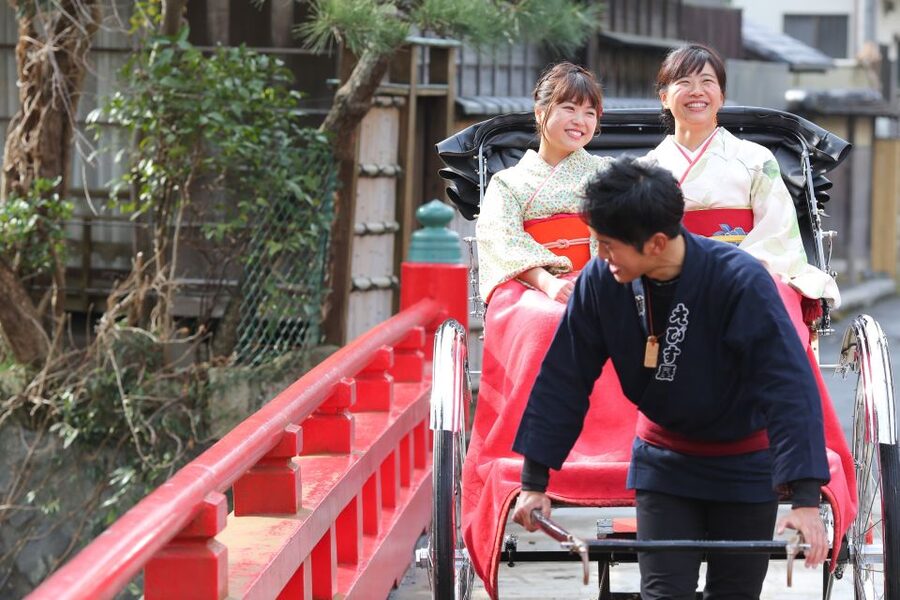
A rickshaw changes the pace. You sit back while the guide handles the route and gives you a running introduction to the city. You still see the streets at ground level, unlike on a bus, and you can pause for photographs along the way.
The private format is useful if you want to ask questions, adjust the emphasis, or keep the outing short. It is also more relaxed than joining a large sightseeing group. The ride is not a substitute for exploring every temple on foot, but it gives you a clear first look at Kamakura and helps you decide where to spend more time afterward.
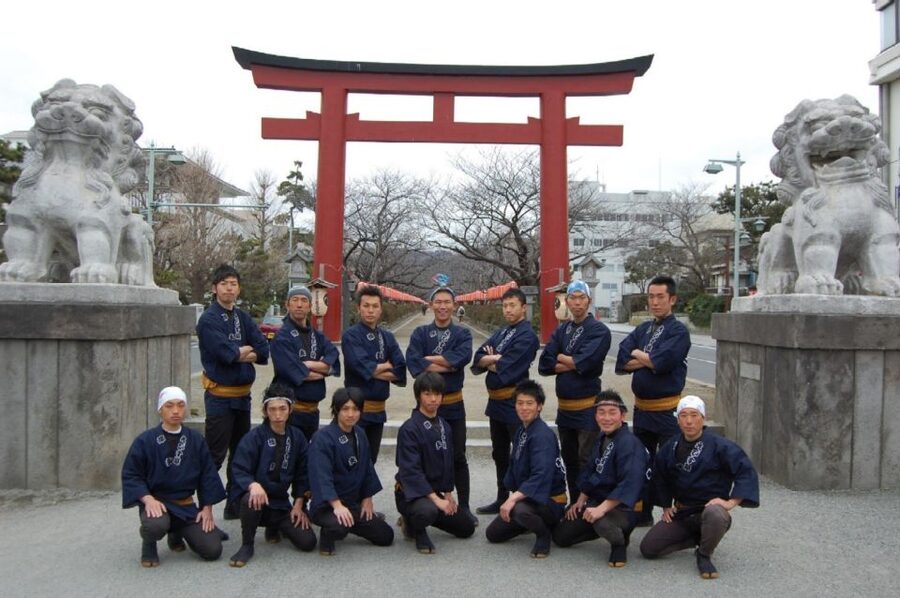
The meeting point is just outside the Ebisuya Rickshaw office, less than 90 meters down the street from Tsurugaoka Hachiman-gu Shrine. That location is practical because the shrine is one of the main sights on the route, and you do not need to search through a large station complex to find your guide.
A few more Kamakura tours and experiences worth a look
The 45-minute route around Otori Gate and Hachimangu
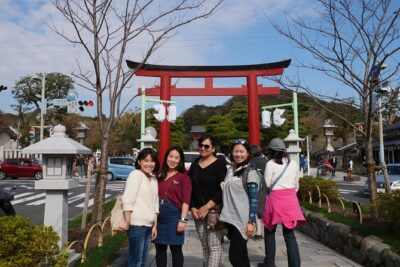
The shortest tour is best thought of as a Kamakura orientation. Your guide takes you through the town center, passes Otori Gate, and shows you the approach to Tsurugaoka Hachimangu Shrine. The ride then returns toward the station by way of quieter side streets and temple grounds.
This option suits you if your day already includes the Great Buddha or other temples. It also works well when you arrive in Kamakura with only a small window before catching a train. You will not have time for a full temple visit, but you get a sense of the town’s layout and its connection to Japan’s samurai past.
I would choose this route for a first hour in Kamakura, not as your only sightseeing activity. The photo stops give it more value than a simple transfer, and the guide can help you notice details you might otherwise pass without a second look.
The short duration also limits the chance of feeling overcommitted. If you are unsure about a rickshaw ride, 45 minutes is a gentle trial. You can then continue on foot and visit the places that caught your interest.
Hachimangu Shrine and the view over the former capital
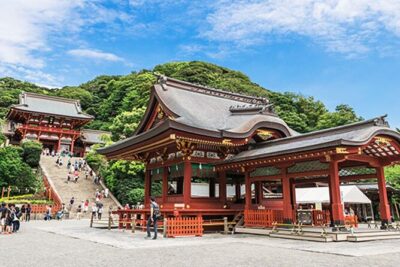
The longer 130-minute tour gives Tsurugaoka Hachimangu Shrine more attention. Instead of simply passing the shrine, you climb all the way up and take in views across Kamakura. The elevated position helps you understand how the shrine relates to the town below.
Hachimangu is not just a quick photo stop. It is one of Kamakura’s key heritage sites, and its central position makes it an ideal place for a guide to explain the former samurai capital. The approach, the shrine grounds, and the view each tell a different part of the story.
The climb is worth noting. The route includes going up to the shrine, so you should allow for steps and uneven walking once you leave the rickshaw. Wheelchair and stroller access is listed for the activity, but you may want to discuss your exact needs with the local partner before booking, since a shrine climb can involve practical limits even when the tour itself is accessible.
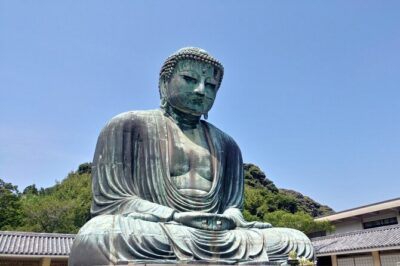
This option also includes the Daibutsu, Kamakura’s Great Buddha Statue. Seeing the statue up close gives the tour a strong focal point. It is one of the city’s most recognized sights, and adding it to a rickshaw route saves you from trying to link several major areas on your own.
Admission fees are not included. Set aside extra money for any temple or statue entry required during your selected route.
Hokokuji Temple and its garden stop
The 70-minute tour adds Hokokuji Temple and its famous gardens. This is a useful choice if you want more than streets and shrine views but do not have time for the full route.
Hokokuji brings a quieter garden setting to the experience. The stop allows you to leave the rickshaw and walk through the grounds rather than viewing the temple only from the road. That small change matters. You get time to slow down, take pictures, and see one of Kamakura’s more peaceful heritage sites.
The 70-minute duration is a middle ground. It gives you a proper stop without using most of your day. I would consider it for a short Kamakura visit when your priority is a taste of the town’s temples and gardens, not every major sight.
The tour details do not include meals or drinks, so plan those separately. A stop at a garden is not the same as a café break, and the included souvenir postcard and sticker are modest keepsakes rather than refreshments or entry tickets.
The full 190-minute Kamakura experience
The longest option combines every feature described for the shorter tours. You pass Otori Gate and Hachimangu Shrine, go up to the shrine viewpoint, visit Hokokuji Temple, and continue to the Great Buddha.
This is the most useful choice if Kamakura is a main destination for your day. You receive an introduction to the old town, time at a garden, a high view over the city, and a close look at the Daibutsu. The route gives you more context than a single-stop ride, and the private setting lets you ask the guide to adjust the emphasis around your interests.
Three hours and ten minutes is still not enough to inspect every temple in Kamakura. That is not a flaw so much as a question of priorities. The rickshaw gives you an efficient overview, while your own walking time can be used for places outside the route.
You should also consider the physical side. Sitting for a long ride may be comfortable for some people, but the narrow vehicle and road movement may not suit anyone with back problems. The activity is not suitable for pregnant women, and the information specifically advises against it during the first 16 weeks of pregnancy.
A few more Kamakura tours and experiences worth a look
What the private guide adds
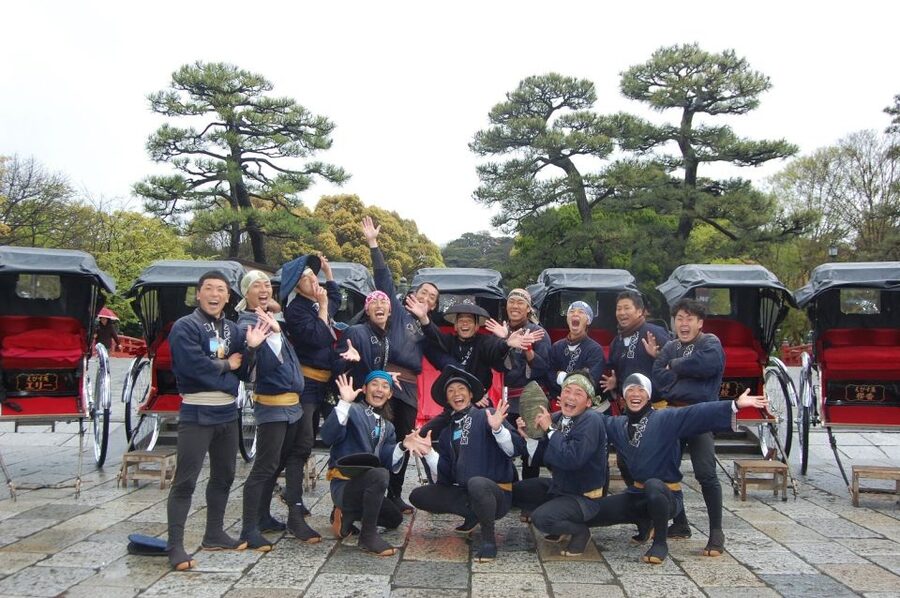
The guide is the heart of this experience. Your driver does more than pull the rickshaw from one sight to the next. The tour is designed around local history, heritage sites, and the stories attached to Kamakura’s streets.
Satoshi is one guide whose friendly manner and explanations helped make the ride feel personal. He also included photo stops, which is useful because a rickshaw is a distinctive subject in its own right. Another guide was described as speaking well in both English and Japanese, but the listed tour language is Japanese, so you should confirm language needs before booking.
The private format gives you room to request a certain focus. The activity can be customized around your interests, so contact the local partner if you care most about temples, photography, history, or a shorter route. Do not assume every request is included automatically. Ask before the day of the tour.
Photo stops are included, and the guides can take pictures for you. That is a small but practical benefit, especially if you are traveling as a couple or family and want everyone in the frame. Selfie sticks are not allowed, so rely on the guide or a regular camera for your pictures.
Price, group size, and comfort
The advertised price is $51 per person. That is a reasonable value if you want a private guide, a rickshaw ride, local orientation, and photo stops in one package. The value rises on the longer tours because you spend more time at the shrine, garden, and Great Buddha instead of paying for a short town loop.
The price is less attractive if you want only transportation. A rickshaw tour is a heritage experience, not the cheapest way to move around Kamakura. You are paying for the guide’s commentary, the private arrangement, and the novelty of seeing the city from the open vehicle.
Each rickshaw holds a maximum of two adults. It is 74 centimeters wide, or about 21.1 inches, so two adults may find it snug. Individual rickshaws can be more comfortable for each passenger if space matters to you. This is worth considering for a longer booking.
Families need to read the seating rules carefully. Children aged six and over pay the adult price. Up to two children aged five and under may ride with two adults if they sit on an adult’s lap. A child under six who needs a separate seat pays the adult fare.
The activity is wheelchair and stroller-friendly according to the booking information. Since each vehicle has limited width, contact the local partner in advance if you need a particular arrangement.
Which tour length should you choose?
Here is the practical choice:
- 45 minutes: Pick this for a quick introduction, a tight schedule, or a ride before visiting Kamakura independently.
- 70 minutes: Choose this if Hokokuji Temple and its gardens interest you more than covering every major sight.
- 130 minutes: Select this for Hachimangu’s higher viewpoint plus the Great Buddha, with enough time for a fuller look at the town.
- 190 minutes: Book this if you want all the listed highlights in one private outing and have most of a morning or afternoon available.
The longest tour is not automatically best for everyone. If you prefer long temple visits, quiet meals, and unplanned wandering, the 70-minute or 130-minute route may leave you more freedom. If this is your only organized activity in Kamakura, the 190-minute option gives you the clearest picture of the city.
Practical booking advice for Kamakura
You need to arrange your own transportation to Kamakura. Hotel pickup and drop-off are not included, so plan to reach the meeting point outside the Ebisuya office near Hachimangu Shrine.
Starting times vary, and you need to check availability for your date. The booking allows cancellation up to 24 hours before the activity for a full refund, and you can reserve now and pay later. Those terms help if your Japan itinerary is still shifting.
Bring a camera, but leave the selfie stick behind. Wear shoes you can walk in, especially if you choose the route that climbs to Hachimangu or includes time at Hokokuji. Food and drinks are not provided, so fit a meal or snack into your Kamakura plans.
The ride is private, but it is not entirely passive sightseeing. You will get in and out, walk at the stops, and possibly climb. People with back problems should avoid it, and pregnant women are listed as unsuitable for the activity.
Is this Kamakura rickshaw tour worth booking?
I would book it if you want a friendly, efficient introduction to Kamakura and like the idea of seeing the town from a local rickshaw. The strongest reasons are the private format, flexible duration, photo stops, and the chance to connect the shrine, temples, and Great Buddha in one outing.
Choose the 45-minute route if your day is packed. Choose 70 minutes for Hokokuji, 130 minutes for the shrine view and Daibutsu, or 190 minutes for the full route. I would not book it as a simple ride between sights, and I would think twice if the narrow seat, shrine climb, pregnancy restrictions, or back concerns affect you.
For most visitors, the 130-minute option offers the best balance. It includes two of Kamakura’s major sights and gives you more than a passing look without taking over the whole day.
FAQ
Where does the Kamakura rickshaw tour meet?
Your guide waits just outside the Ebisuya Rickshaw office. The office is less than 90 meters down the street from Tsurugaoka Hachiman-gu Shrine.
How long does the tour last?
You can choose from four durations: 45 minutes, 1 hour and 10 minutes, 2 hours and 10 minutes, or 3 hours and 10 minutes.
Does every tour visit the Great Buddha?
No. The 2-hour and 10-minute tour includes the Great Buddha, and the 3-hour and 10-minute tour includes all the listed sights. The 45-minute and 1-hour-and-10-minute options do not list the Daibutsu.
Is the tour private?
Yes. This is a private group activity, so the rickshaw is reserved for your party.
How many people fit in one rickshaw?
A rickshaw holds a maximum of two adults. Up to two children aged five and under can ride with two adults if they sit on an adult’s lap.
Are admission fees included?
No. Admission fees are not included in the tour price. Food and drinks are also not included.
Is the tour wheelchair and stroller-friendly?
The activity is listed as wheelchair and stroller-friendly. Because the rickshaw is 74 centimeters wide, contact the local partner to discuss your needs before booking.
Can I cancel the booking?
You can cancel up to 24 hours in advance for a full refund. The reserve-now-and-pay-later option lets you hold your place without paying immediately.
More Private Tours in Kamakura
More Rickshaw Rides in Kamakura
More Kamakura & Enoshima Day Trips in Kamakura
More tours in Kamakura we've reviewed

Kamakura & Enoshima Day Trips, compared.
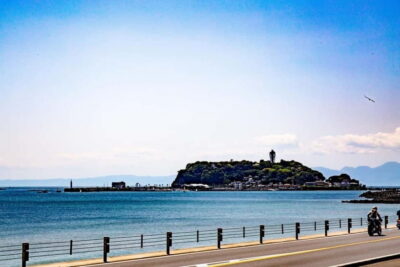 ★ 4.5Tokyo: Kamakura & Enoshima Day Trip including Temple TicketsFrom $589 hours - 570 minutes
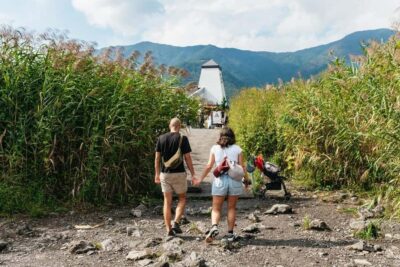 ★ 4.5Tokyo: Mt. Fuji, Kamakura, Big Buddha, & Lake Ashi Day TripFrom $4910 - 11 hours
 ★ 4.5From Tokyo: Kamakura & Enoshima 1-Day Bus TourFrom $66
 ★ 5.0Kamakura Historical Walking Tour with the Great BuddhaFrom $98
 ★ 5.0Kamakura Private Tour: Temples, Nature, and the Great BuddhaFrom $98
 ★ 5.0Kamakura Walking Tour – The City of ShogunFrom $35