
Reviewed · TSUKIJI MARKET TOURS
Tsukiji Fish Market Street Food & Culture Walking Tour
Tsukiji is best understood one bite at a time, and this 90-minute walk keeps things simple. You follow a local English-speaking guide through the Outer Market, stopping for foods such as fatty tuna nigiri, grilled scallops, juicy meats, and sweets. Guide Atsu, a university student, has also led private walks for solo visitors, showing favorite stalls and side streets.
I like the short walking route with frequent stops, especially for families or anyone who does not want a hard-paced food crawl. I also like the mix of eating and context: you are not just handed a snack, you learn about the market, its vendors, and Japanese food customs. The main consideration is that $38 covers the guiding fee and tastings, but not extra food, drinks, or transport, and crowded lanes can make browsing less relaxed.
In This Review
- Key points to know before you book
- Why Tsukiji still rewards a guided walk
- Meeting at Family Mart and entering the market
- Tasting Tsukiji, from fatty tuna to grilled scallops
- The guide adds the missing context
- Tsukiji Hongwanji Temple gives the walk a pause
- Photos and the family-friendly pace
- What $38 buys you
- Who will get the most from this experience
- Practical advice for a smoother 90 minutes
- Should you book the Tsukiji walking tour?
- FAQ
- How long does the Tsukiji Fish Market Street Food & Culture Walking Tour last?
- What language is the tour offered in?
- Where do I meet the guide?
- What food can I expect to taste?
- Is Tsukiji Hongwanji Temple included?
- Are market admissions included?
- Are transportation and extra food included in the price?
- Can I cancel for a full refund?
Key points to know before you book
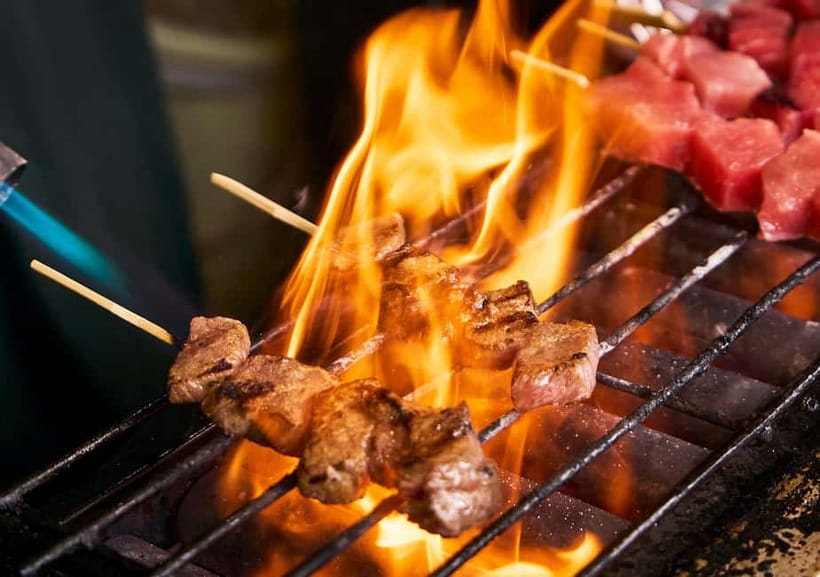
- Fatty tuna nigiri and grilled scallops are among the specific foods enjoyed on the walk.
- Tsukiji Hongwanji Temple is included, adding a cultural stop beyond the food stalls.
- Atsu and other English-speaking guides keep the tour conversational and can explain how foods are prepared.
- Frequent breaks and photo stops make this a gentler choice than a fast-moving market crawl.
- Edited photos are included, useful if you want pictures of the outing without stopping to arrange every shot yourself.
- The $38 price is a fair introduction, but your final food bill rises if you buy more than the included tastings.
Why Tsukiji still rewards a guided walk
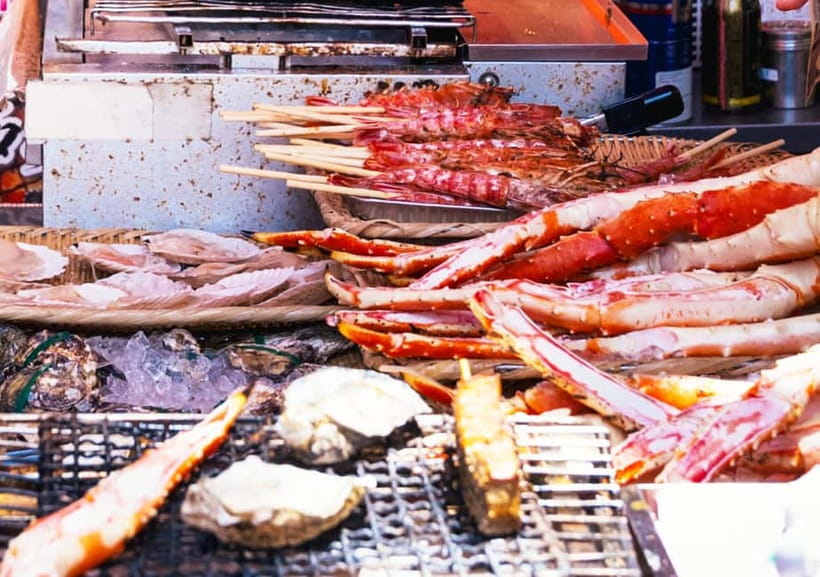
Tsukiji’s wholesale tuna auction moved to Toyosu, but the Outer Market remains a major food destination. Its narrow lanes are lined with stalls, grills, shops, and small eateries. You get the pleasure of a market without having to plan a full meal around one restaurant.
That sounds easy, but Tsukiji can be confusing on a first visit. You may see a shop selling one prized ingredient beside a grill serving it ready to eat, then turn a corner and find sweets, tea, knives, or seafood you cannot identify. A guide gives the place a thread to follow.
I like this kind of tour because it gives you enough structure to get started, but not so much information that the market becomes a lecture. You walk, stop, taste, ask questions, and move on. The pace leaves room for photographs and short rests.
This is not a long culinary class or a full-day eating marathon. It is a compact introduction to one of Tokyo’s best-known food districts. That makes it useful early in your Japan trip, when you want practical food context before exploring markets on your own.
A few more Tokyo tours and experiences worth a look



Meeting at Family Mart and entering the market
The meeting point is Family Mart. Your transport to the market is not included, so you need to arrange your own way there and arrive ready for a walking tour. Since the precise starting time depends on availability, check the schedule before booking and plan a little buffer for Tokyo’s busy streets.
Once the group starts moving, expect a market environment rather than a quiet sightseeing route. Tsukiji’s lanes can be crowded, and stalls may be close together. Keep your belongings in front of you and stay aware of the group, especially when you stop to take pictures.
The first few minutes matter. A guide can help you understand how the Outer Market is laid out and point out the kinds of businesses around you. Without that help, it is easy to spend your whole visit choosing between food stalls without noticing the wider story of the district.
The route is designed to be relaxed. You will not be expected to march from one end of the market to the other. Frequent stops give you time to look, eat, and rest, which is a real advantage if you are traveling with children, older relatives, or anyone who prefers an easy pace.
Tasting Tsukiji, from fatty tuna to grilled scallops
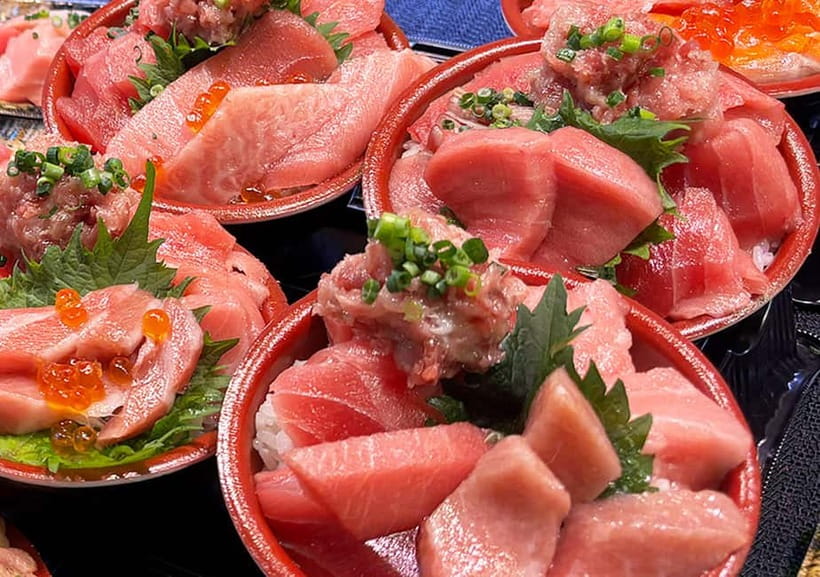
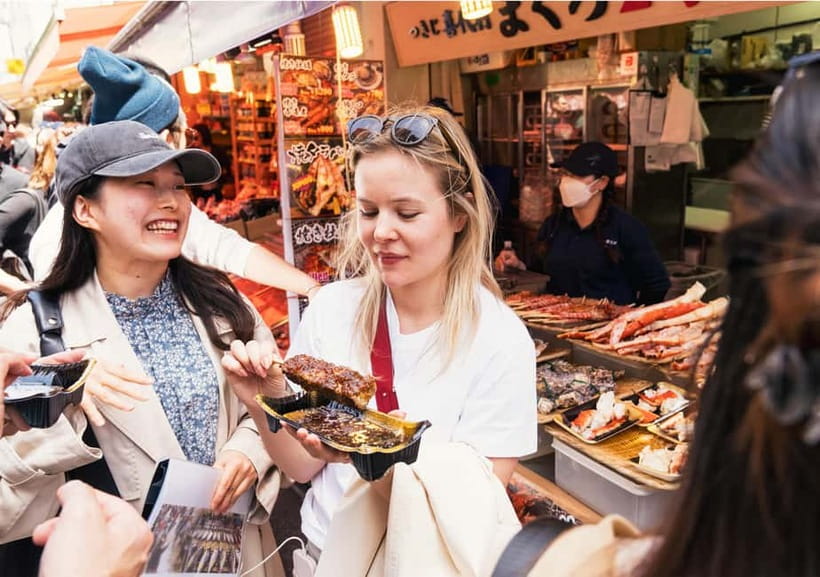
The food is the heart of the outing. Tastings include a range of market-style bites, with the exact selection depending on the stops and availability. Specific foods enjoyed on the walk include fatty tuna nigiri and grilled scallops, while the wider tasting selection can include juicy meats and sweet treats.
Fatty tuna nigiri gives you a direct taste of Tsukiji’s seafood identity. It is a small serving, but that is part of the appeal. You can try a prized item without committing to a large meal, then compare it with something cooked over a grill.
Grilled scallops offer a different experience. Instead of the clean, cool texture of sushi, you get the smell and sound of food prepared in front of you. Your guide can explain how the food is prepared, helping you notice more than just whether you like the taste.
The tour also makes room for meat and sweets. This variety matters if your group has mixed tastes. One person may be eager for seafood, while another would rather try grilled meat or finish with something sweet. The walk gives everyone several chances to find a favorite.
Keep in mind that the included tastings are not an unlimited meal. Additional food and drinks cost extra, so bring some spending money if you expect to buy more. That is not a flaw, but it is worth knowing before you compare the $38 price with a self-guided market visit.
Food stalls also operate at their own pace. A particular item may sell out or be unavailable, and the tour description does not promise a fixed menu. The benefit is freshness and flexibility. The tradeoff is that you should book this for the experience of sampling Tsukiji, not for one guaranteed dish.
The guide adds the missing context
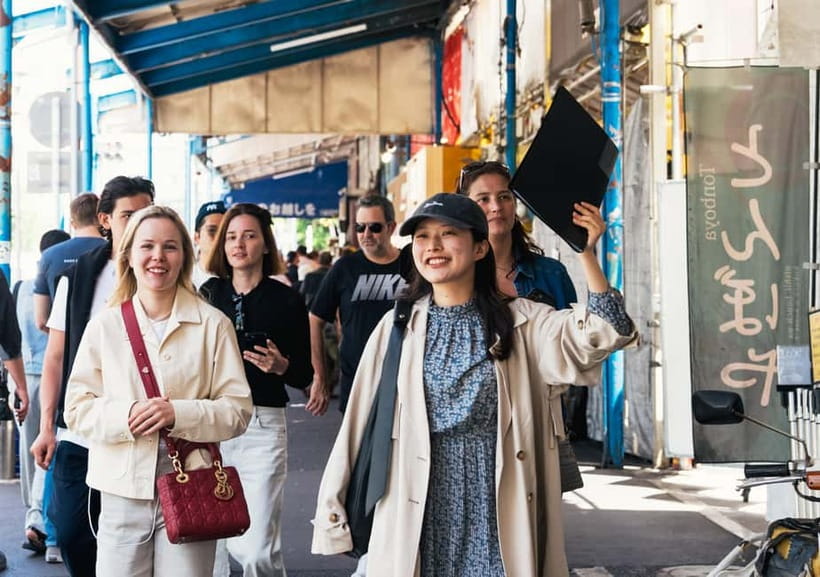
A good food market guide earns the fee by helping you understand what you are seeing. This walk includes explanations about Tsukiji’s history, its vendors, local specialties, and food preparation. The most useful part is likely the chance to ask questions as they come up.
Guide Atsu is identified as a university student who has shown visitors his favorite foods and parts of the market. That detail suggests a personal approach rather than a script delivered from a distance. On one private outing, he took a solo visitor to several food stops and explained the market along the way.
Other guides are described as conversational, energetic, and attentive to questions. One also made sure the group had time to stop and taste instead of rushing people through the route. For you, that means the quality of the outing depends partly on who leads your departure, but the guiding style is clearly intended to be friendly and interactive.
The hidden side streets are another reason to consider a guide. Tsukiji has more than its main food lanes. A local can take you along less obvious paths and explain the history of shops you might otherwise pass. You should not expect secret access or an empty market, but you may see corners that are easy to miss when following a map.
Tsukiji Hongwanji Temple gives the walk a pause
The tour includes admission to Tsukiji Hongwanji Temple. This adds a welcome change of pace after the market’s food smells, close lanes, and constant movement.
The temple visit also helps place Tsukiji in a wider cultural setting. You are not only checking off food stalls. You get a short chance to look at a significant religious site connected to the neighborhood, then return to the market with a better sense of the area.
The supplied details do not give a separate length of time for the temple stop, so do not expect a long temple tour with extensive ceremony or instruction. Treat it as one included cultural stop within a compact walking route.
For photographers, it provides a different kind of subject from the market. The colorful stalls and sizzling grills are lively, while the temple offers a calmer setting for pictures. The tour also includes edited photos, so you can focus more on the experience and less on staging every family shot yourself.
Other walking tours we've reviewed in Tokyo
Photos and the family-friendly pace
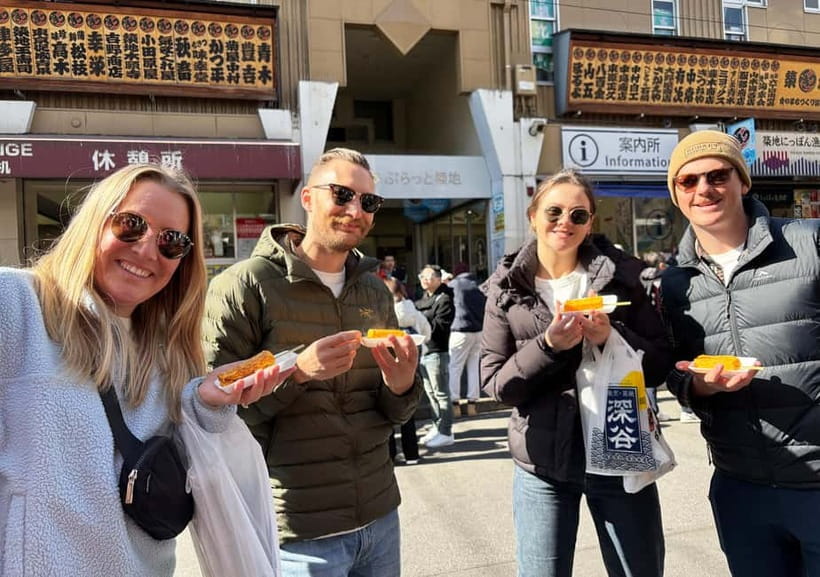
The tour is built around easy movement. You will stop often, have time to rest, and get chances to take pictures of the market and your group. That structure makes it a sensible choice for families who want food and culture without a tiring half-day commitment.
A 90-minute duration is long enough to sample several items and hear useful background, but short enough to fit around other Tokyo plans. You could place it before another Tsukiji activity or use it as an introduction before returning independently for more shopping.
The edited photos are a nice extra, but you should still bring your own camera or phone. The market offers plenty of visual detail, from displays of food to busy grills and colorful storefronts. Keep your device secure when the lanes tighten.
I would not describe this as a completely effortless outing. You are still walking through a crowded market, and comfortable shoes are important. The frequent breaks soften the pace, but they do not remove the need to stand, move through narrow areas, and watch your footing.
What $38 buys you
At $38 per person, the value comes from a guided introduction rather than from the food alone. You receive the guiding fee, market and temple admissions, included tastings, and edited photos. You also avoid the uncertainty of choosing every stall by yourself.
If you are already comfortable navigating Japanese markets and know exactly what you want to eat, a self-guided visit may cost less. You can buy only the foods that interest you and spend as long as you like. The downside is that you may miss the background, favorite stalls, and less obvious routes that make the neighborhood more than a collection of snack counters.
For a first visit, the price is easier to justify. You get a local perspective, several small tastes, and a clear 90-minute framework. The value is strongest for solo visitors, couples, and families who would rather pay for guidance than spend their limited Tokyo time studying maps and menus.
Budget separately for transport, personal purchases, and extra food or drinks. The included tastings should give you a sample, but hungry visitors may want to continue eating afterward. That is easy to do in Tsukiji, provided you allow both money and time for it.
Who will get the most from this experience
This tour suits you if you want to try Japanese market food but do not know where to begin. It also works well if you enjoy asking questions, prefer a local point of view, or want a short activity that does not take over the whole day.
Solo visitors can benefit from the social structure and direct attention of a small group. One booking resulted in a private walk when no other participants joined, though you should not assume every departure will be private.
Families may appreciate the breaks, photos, and mix of savory and sweet foods. The tour is not described as a special children’s program, so parents should still consider each child’s comfort with crowds, seafood, walking, and unfamiliar flavors.
Food-focused visitors will enjoy the chance to sample several styles rather than sit down for one long meal. History-minded visitors may find the cultural explanations useful, though this is primarily a food and market walk, not a full academic tour of Tokyo.
You may want to skip it if you dislike crowded shopping areas, need a fully accessible route, or want a fixed food menu. The available details confirm a walking format, but they do not provide specific accessibility information or guarantee particular dishes.
Practical advice for a smoother 90 minutes
Wear comfortable shoes. The route is short, but you will be walking and stopping in a busy market.
Keep valuables secure and stay close to your guide. Tsukiji’s narrow lanes can fill quickly, especially around popular food stalls.
Bring a camera, but do not let photography slow the group. The included edited photos help, yet your own pictures will capture the foods and small details that catch your eye.
Eat lightly beforehand if you want to make the most of the tastings. You are likely to sample several items, but the included food should not be treated as a guaranteed full lunch.
Have some Japanese yen or another accepted payment method available for extra purchases. The tour fee does not cover personal expenses or additional food and drinks.
Check the starting time and meeting details before you leave your hotel. You are responsible for transportation to Family Mart and the market area.
Cancellation is flexible: you can cancel up to 24 hours before the activity for a full refund. You can also reserve now and pay later, which helps if your Tokyo schedule is still shifting.
Should you book the Tsukiji walking tour?
Book it if you want a friendly, low-pressure introduction to Tsukiji with several tastings, a temple visit, and local explanations. The combination of short walking distances, frequent rests, food variety, and photos makes it especially practical for families and first-time visitors.
The $38 cost is reasonable when you value help choosing stops and learning what you are eating. It is less attractive if you plan to wander independently, spend only on one specific dish, or avoid group activities.
For most first-time visitors who want to taste Tsukiji without getting lost in its busy lanes, I would book this early in the Tokyo stay. You will leave with a better sense of the market and can return later for the foods that deserve a second try.
FAQ
How long does the Tsukiji Fish Market Street Food & Culture Walking Tour last?
The tour lasts 90 minutes.
What language is the tour offered in?
The live tour guide speaks English.
Where do I meet the guide?
The meeting point is Family Mart.
What food can I expect to taste?
The tour includes a variety of tastings, including foods such as juicy meats and sweet treats. Specific foods enjoyed on the walk include fatty tuna nigiri and grilled scallops, but a fixed menu is not provided.
Is Tsukiji Hongwanji Temple included?
Yes. Entry to Tsukiji Hongwanji Temple is included.
Are market admissions included?
Yes. Entry to Tsukiji and Tsukiji Jogai Market is included.
Are transportation and extra food included in the price?
No. Transportation to and from the market, personal expenses, and additional food or drinks are not included.
Can I cancel for a full refund?
Yes. You can cancel up to 24 hours in advance for a full refund. You can also reserve now and pay later.
More Food Experiences in Tokyo

More Walking Tours in Tokyo
More Tsukiji Market Tours in Tokyo

More tours in Tokyo we've reviewed







Tsukiji Market Tours, compared.
 ★ 5.0Tokyo Tsukiji Fish Market Food and Culture Walking TourFrom $99
 ★ 5.0Tokyo: Tsukiji Fish Market Food and Walking tourFrom $30
 ★ 4.9Tokyo: Tsukiji Fish Market Guided Walking TourFrom $222 hours
 ★ 5.0Tokyo Sushi Making Class in Tsukiji with Professional ChefFrom $49
 ★ 5.0Tsukiji Fish Market Guided Tour and Sushi Making with Pro ChefFrom $104
★ 4.7Tokyo: Tsukiji Fish Market Food and Culture Walking TourFrom $963 hours
★ 5.0Tsukiji Fish Market Guided Tour and Sushi Making with Pro ChefFrom $104
★ 4.7Tokyo: Tsukiji Fish Market Food and Culture Walking TourFrom $963 hours