
Reviewed · TSUKIJI MARKET TOURS
Tokyo’s Kitchen: Tsukiji Market Food & Culture Walk
Tsukiji is best understood with your appetite switched on and a local guide at your side. In three hours, you’ll move from Kabuki Inari Shrine into the market’s food lanes, tasting sushi, tamagoyaki, sashimi, seasonal wagashi, snacks, and drinks along the way. I especially like the six-person limit and the way the tour links food with Buddhist and Shinto customs. The main catch is that Tsukiji is now the Outer Market, not the wholesale fish market or tuna auction that moved to Toyosu.
I also like the personal contact with vendors. Guides such as Mikki, Oku, Mihori, Shino, and Yumi have been praised for explaining unfamiliar foods clearly and keeping the pace relaxed. Bring an empty stomach, closed-toe shoes, and patience for crowds, queues, wet pavement, and the occasional food choice that may not suit everyone.
In This Review
- Key points at a glance
- Starting at Kabuki Inari Shrine beside Kabukiza
- Entering Tsukiji Outer Market with a local guide
- The tasting sequence: sushi, tamagoyaki, and seasonal sweets
- What Tsukiji tells you about sushi and market life
- A second shrine and the spiritual side of food
- How the guides shape the morning
- The market’s pace, noise, and practical limits
- What the $80 price really buys
- Who should book this Tsukiji walk
- Should you book Tokyo’s Kitchen?
- FAQ
- Where does the tour meet?
- Where does the tour finish?
- How long does the experience last?
- What language is the tour conducted in?
- How large is the group?
- What food is included?
- Are extra food and drinks included?
- Can vegetarians and vegans join?
- Can children join the tour?
- What should I wear?
- Can participants under 20 drink alcohol?
- What is the cancellation policy?
Key points at a glance
- Small group of six: A tiny group makes it easier to hear your guide, stay together, and ask questions in narrow market lanes.
- More than sushi: Tastings can include sashimi, tamagoyaki, Kobe beef, strawberries, soybeans, matcha, dashi, mochi, wagashi, sake, and unusual drinks such as pepper cola tea.
- Two shrines, two settings: Kabuki Inari Shrine begins the walk, while Namiyoke Inari Jinja connects Tsukiji’s food trade with local religious customs.
- A market with a changed role: The famous wholesale auction moved to Toyosu, but Tsukiji Outer Market remains a lively place to eat, shop, and meet vendors.
- Useful first-morning activity: The three-hour walk gives you a practical introduction to Japanese foods before you tackle the market on your own.
- Plan for weather and footwear: Wet floors, wind, rain, and open-air sections make sneakers and weather-ready clothing sensible.
Starting at Kabuki Inari Shrine beside Kabukiza
The meeting point is Higashi-ginza Station, Exit 3, at street level. Look for the top of the escalator in front of the Kabukiza Theatre, on the Harumi Street side, beside the small shrine and torii gate.
That location is easy to reach if you know exactly what you are looking for, but the area can feel busy and confusing at first. The Kabukiza Theatre is the useful landmark. Do not simply wait inside the station. Come up to street level and find the small shrine near the theatre.
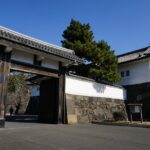
The first stop is Kabuki Inari Shrine. It is a compact beginning, but it gives the walk a useful frame. Your guide explains the simple gestures used when visiting a shrine and introduces the connection between daily life, food, respect, and spiritual practice in Japan.
You will not receive a long religious lecture. Instead, you learn practical customs: how to approach a shrine, how to show respect, and why these small actions matter. I like this opening because it keeps the tour from becoming a basic eating crawl. You are not just being led from one snack to the next. You are given a little context before entering the market.
A few more Tokyo tours and experiences worth a look



Entering Tsukiji Outer Market with a local guide
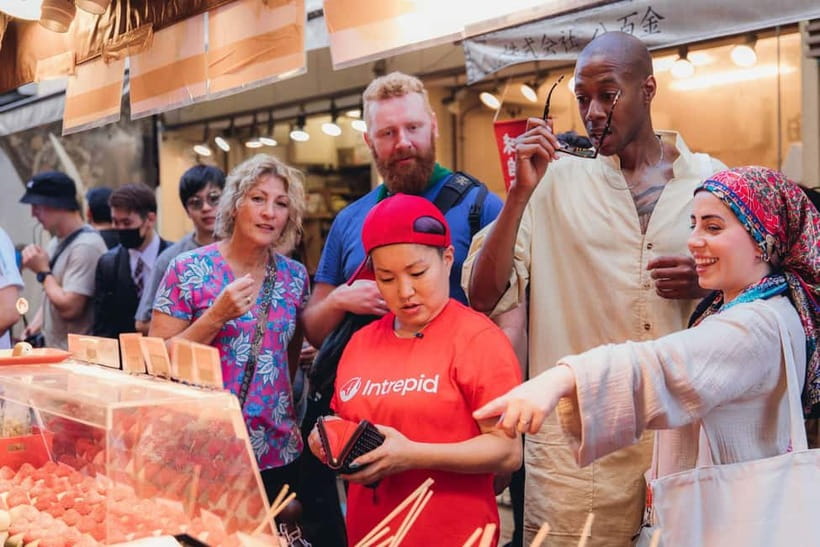
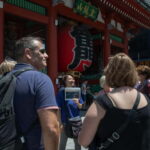
From the shrine, the route continues to Tsukiji Outer Market. The market is made up of food stalls, small shops, seafood sellers, kitchen-related businesses, and places serving quick meals. It is colorful, crowded, and full of unfamiliar ingredients.
A guide matters here. Without one, you can certainly wander around and buy food, but you may not know what you are looking at, how it is made, or which items fit together as part of Japanese daily food culture. An English-speaking guide can translate, explain, and help the group move through tight areas without losing anyone.
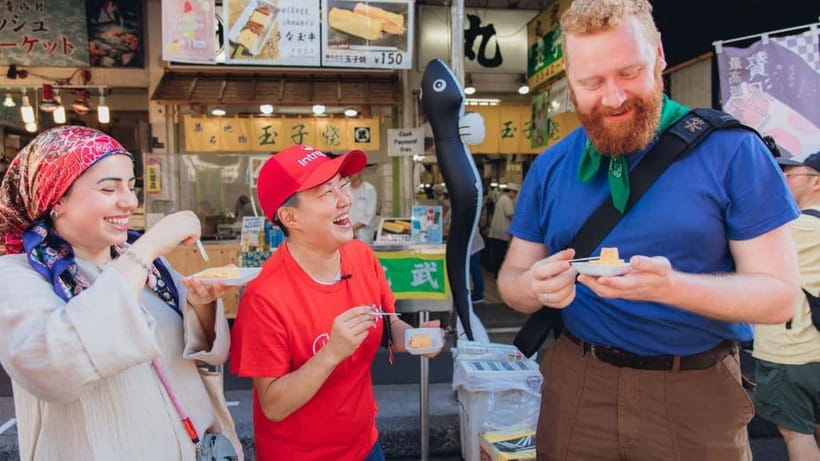
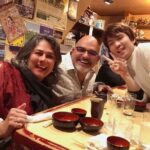
The group limit is especially useful in this setting. Six people can gather around a stall without taking over the space, and you have a better chance of hearing an explanation over the market noise. Several guides have also been praised for keeping the walk friendly and unhurried, even when the market is crowded.
This is not a private shopping trip. You will share the morning with other people, and the exact route and foods can change. Market stalls open and close, ingredients are seasonal, and availability depends on the day. That flexibility is part of the appeal, but it means you should not treat the tasting list as a fixed menu.
The tasting sequence: sushi, tamagoyaki, and seasonal sweets
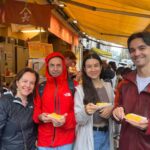
The food is the main reason to book this walk, and the portions are generally small enough to let you try many things. You should arrive hungry, but not so hungry that you rush through the explanations. The food comes in stages, and the morning can add up quickly.
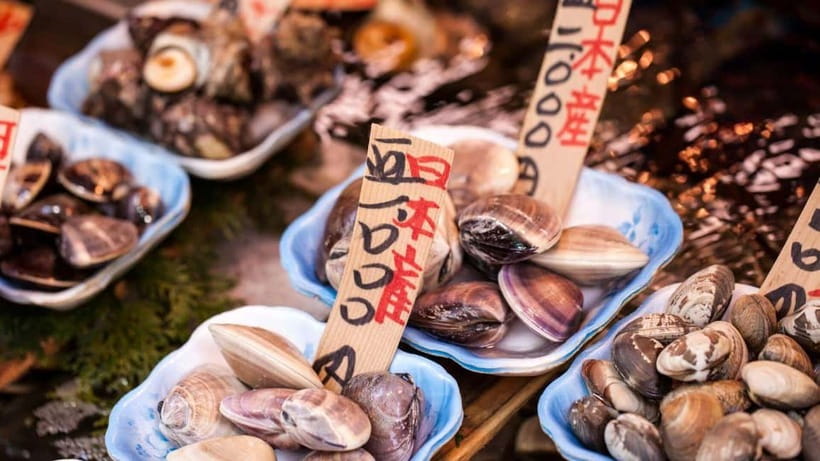
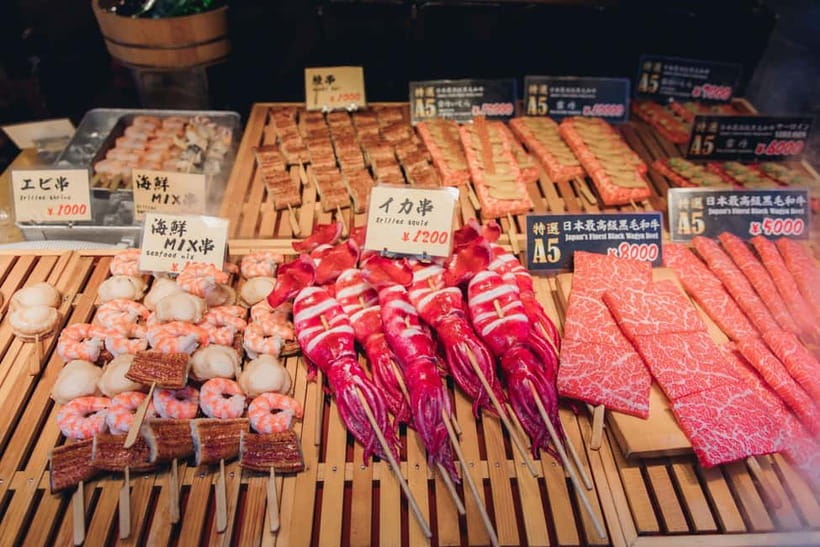
Fresh sushi and sashimi are central to the experience. You may also have a chance to try sake, with non-alcoholic options provided for anyone under 20. The tour includes multiple tastings, but extra food and drinks are not included, so you should carry some spending money if a stall catches your eye.
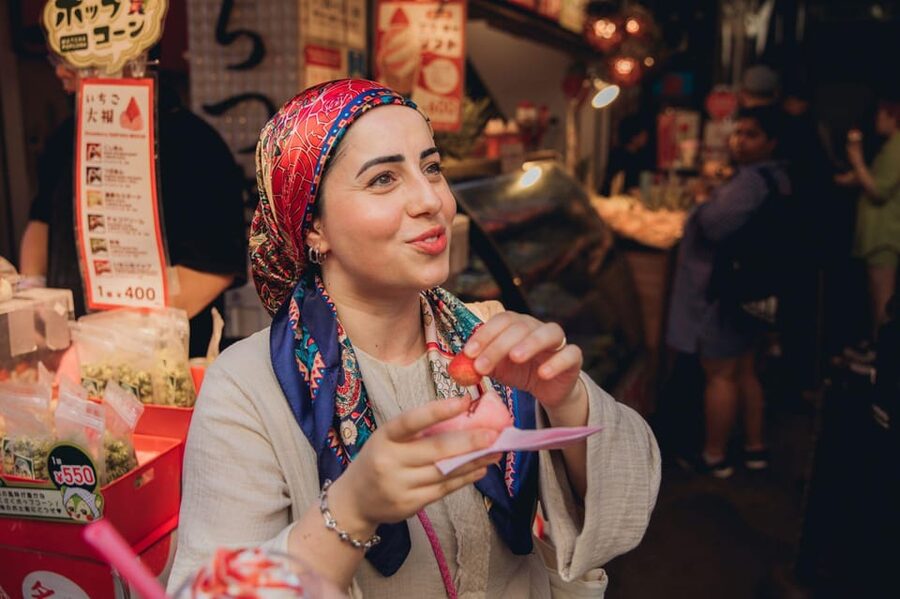
Tamagoyaki is one of the more useful tastings because it shows how much care can go into a food that looks simple. You may see where the Japanese omelet is made and learn how it fits into market food culture. Other tastings can include Kobe beef skewers, seafood, strawberries, soybeans, matcha, dashi, mochi, and seasonal wagashi sweets.
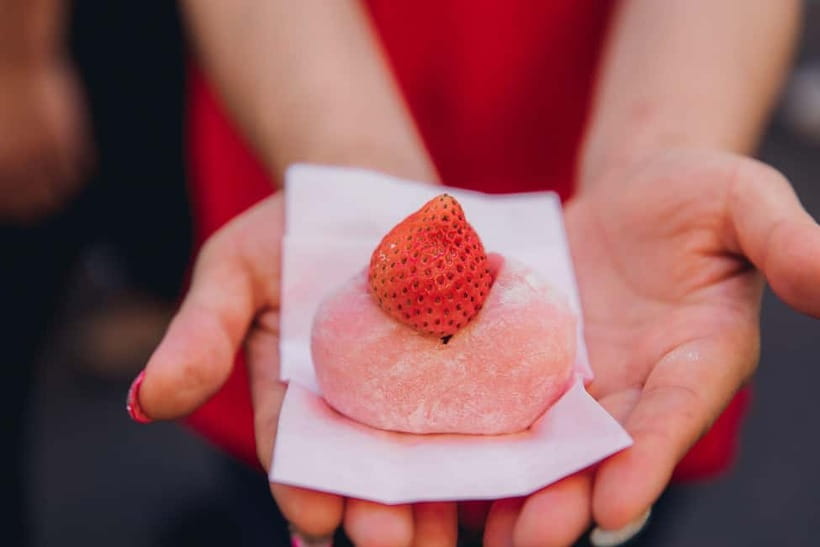
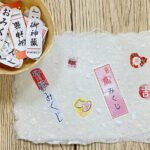
Wagashi is especially good for understanding seasonality. These Japanese sweets are tied to appearance, ingredients, and the time of year. Your guide explains the story behind what you are eating, so the sweet is not just a quick sugar stop.
Past tastings have also included pepper cola tea and other drinks. That variety keeps the walk from becoming repetitive. You might move from a salty seafood sample to a warm snack, then to green tea or a sweet. The small portions help, but you still should not eat breakfast before arriving.
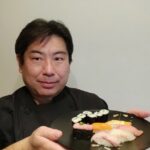
One guide, Shino, has been known to finish the walk with a generous sushi meal and a chance to grind fresh wasabi. That exact finish is not guaranteed, but it shows how the final tasting can become a longer pause rather than one more bite taken while walking.
What Tsukiji tells you about sushi and market life
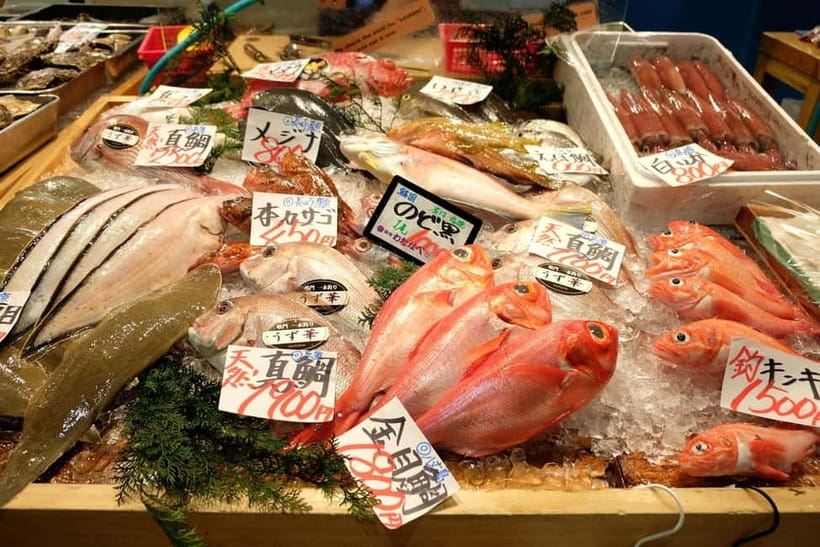
The tour explains that sushi did not simply appear as a polished restaurant dish. Your guide places it within the broader story of Japanese food, preservation, craftsmanship, and changing city life.
You also learn about Tsukiji’s modern change. The wholesale fish market and famous tuna auction moved to Toyosu, so this tour does not take you into the current wholesale auction area. Tsukiji Outer Market still has a strong food identity, but its role is different. It is a place for retail shopping, prepared food, specialist shops, and eating.
That distinction matters if you arrive expecting the old television-image Tsukiji, with wholesale traders racing around before dawn. This is a street-level food and culture walk through the Outer Market. You get closer to what many people can actually enjoy: buying ingredients, sampling prepared foods, watching shopkeepers work, and asking questions.
The guides also explain how vendors and businesses fit into the market community. A guide who knows the sellers can make the visit more comfortable. You are introduced rather than left to point at a tray and guess what to do. That small social bridge is one of the tour’s strongest features.
A second shrine and the spiritual side of food
The route includes Namiyoke Inari Jinja, a historic shrine near the market. This stop provides a quiet change from the food lanes and gives you time to connect the market with local religious traditions.
The tour focuses on the relationship between Tsukiji, Buddhist beliefs, and Shinto spirit. The explanation is practical rather than abstract. You learn how food, gratitude, ritual, and respect can overlap in everyday Japanese life.
This stop also helps the itinerary feel complete. You begin beside a shrine, enter the market, eat and learn, then finish near another shrine before returning to the food district. The route is not only about collecting samples. It shows how the market fits into the neighborhood around it.
The shrine visit is not a major sightseeing stop with a long list of monuments. It is small and carefully designed, and the value comes from what your guide explains. If you want a full religious history tour, this will feel brief. If you want a simple introduction to Japanese shrine etiquette tied to the market, it works well.
Other walking tours we've reviewed in Tokyo
How the guides shape the morning
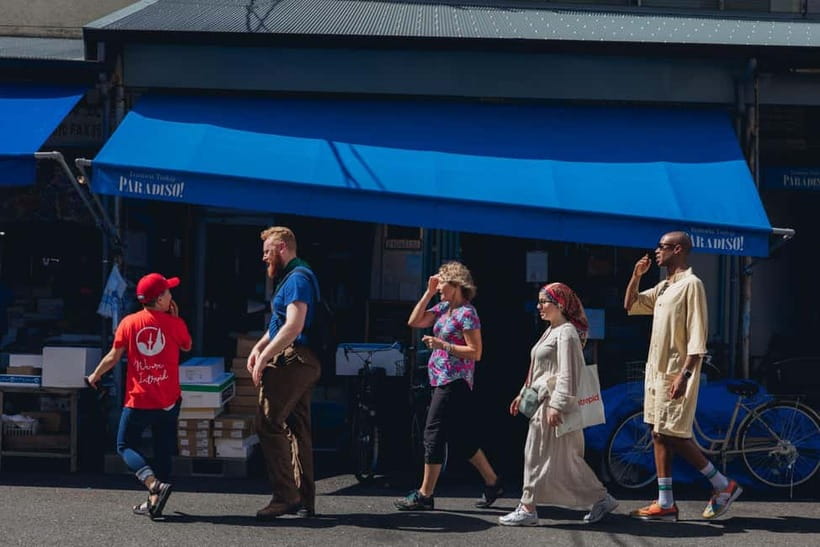
The guide can make or break a food walk, and this experience depends heavily on the person leading your group. The guides named in past bookings include Mikki, Oku, Mihori, Shino, Shinto, Shino, Yumi, Kyou, Meg, and Kimi.
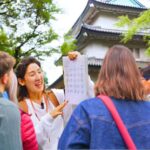
Oku, for example, used photos, maps, and models to explain ingredients and history. He also had friendly relationships with vendors, which made the stops feel natural instead of stiff. Mihori has been praised for welcoming small groups and adjusting tastings to food preferences. Shino has been described as warm, enthusiastic, and generous with explanations.
You should not assume you will have one particular guide unless your booking says so. The useful thing to look for is the small-group format and English-language service. A strong guide translates not only words but also social cues, helping you understand how to approach a stall, what you are tasting, and why it matters.
The best guides also make room for questions. That is valuable if you are nervous about raw fish, unfamiliar with dashi, or unsure what to do at a shrine. One past participant even arrived with a fear of fish and found the guide willing to help make the food less intimidating.
The market’s pace, noise, and practical limits
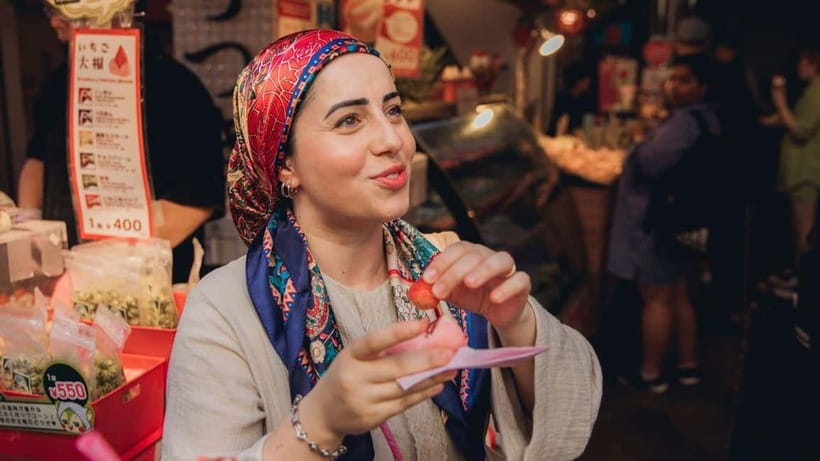
Tsukiji is not a calm museum. You will walk through narrow lanes with other shoppers, food buyers, and people waiting at popular stalls. Queues can form, and the market can feel crowded even with a small tour group.
Your guide should keep everyone together, but you still need to stay alert. Stop when asked, do not block shop entrances, and avoid wandering off for a photo without telling the group. The small size helps, though it does not remove the market’s natural pressure.
Rain and wind can make the morning less pleasant. One person arrived unprepared for poor weather, and that is a fair warning. Some market floors can be wet, so closed-toe shoes are recommended. Sneakers are the sensible choice. Bring clothing that works for a changeable morning, especially if the forecast looks poor.
The walk lasts three hours. That gives you enough time to taste, listen, and pause, but it is not long enough to cover every corner of Tsukiji. If you want a full shopping expedition, plan to return after the tour. The guide can give you a better sense of what interests you, and you can then browse at your own pace.
What the $80 price really buys
At $80 per person, this is not the cheapest way to eat at Tsukiji. You could spend less by choosing a few snacks yourself, especially if you already understand Japanese food and can read the signs.
The value comes from the combination of tastings, translation, cultural background, and access to a very small group. You are paying to avoid guesswork and to make several stops in a limited amount of time. For a first morning in Tokyo, that can be worthwhile.
The price includes the guided walk, an English-speaking local guide, multiple tastings, and the shrine visit. Extra food and drinks are separate. Alcohol is limited to people aged 20 and over, and younger participants receive non-alcoholic alternatives.
I see this as good value for first-time visitors who want an introduction rather than a self-guided snack hunt. It is less compelling for experienced Tokyo visitors who prefer choosing their own restaurants or who want to see the wholesale operations at Toyosu.
The carbon-neutral operation and certified B Corp status may also matter to you. The activity is designed to support local people and use tourism in a more responsible way. That does not change the food, but it is a useful factor when choosing between similar tours.
Who should book this Tsukiji walk
I would recommend it for first-time Tokyo visitors, curious eaters, and anyone who feels uneasy ordering unfamiliar food. The guide gives you a friendly start, and the small group leaves room for questions.
Families can also consider it. Children aged 5 and under join free, although you should tell the operator about a child under 6 when booking. The market can be crowded and wet, so parents should be ready to keep young children close.
Vegetarians and vegans can request suitable options in advance. Choices may be limited because the tour takes place in a seafood-focused market, so do not expect the same range available on a dedicated vegetarian food tour.
I would be cautious about booking if raw fish is completely off your menu, if you dislike crowded shopping lanes, or if your main goal is to see wholesale fish auctions. You can still learn a lot, but the experience is built around tasting and market culture.
Free cancellation is available up to 24 hours before the start time, and you can reserve now while paying later. Check the available morning start times when booking, since the early timing is part of what makes the market experience work.
Should you book Tokyo’s Kitchen?
Book this tour if you want a guided introduction to Tsukiji that combines food with local customs. The strongest reasons are the very small group, the wide mix of tastings, and the chance to meet vendors through a guide who can explain what is happening.
Do not book it expecting the old wholesale fish market or a guaranteed list of exact dishes. You are visiting Tsukiji Outer Market, where the day’s foods and stall access can change. Arrive hungry, wear sturdy shoes, prepare for weather, and leave room in your schedule to shop or eat again afterward.
For many visitors, this is a smart first Tokyo morning. It gives you enough confidence to return to Tsukiji on your own, now knowing what tamagoyaki, dashi, wagashi, sashimi, and shrine etiquette mean.
FAQ
Where does the tour meet?
The meeting point is Higashi-ginza Station, Exit 3, serving the Tokyo Metro Hibiya Line and Toei Asakusa Line. Meet at street level, at the top of the escalator, in front of Kabukiza Theatre on the Harumi Street side, beside the small shrine and torii gate.
Where does the tour finish?
The tour finishes at Tsukiji Fish Market, in the Tsukiji area.
How long does the experience last?
The walking tour lasts three hours. Starting times vary, so check availability for the date you want.
What language is the tour conducted in?
The tour is conducted in English by a live English-speaking guide.
How large is the group?
The group is limited to six participants. This keeps the walk more personal and makes it easier to hear the guide in narrow market lanes.
What food is included?
The tour includes multiple tastings at Tsukiji Market, including fresh sushi, Japanese snacks, and seasonal wagashi sweets. Tastings may also include foods such as sashimi, tamagoyaki, mochi, or other market items, depending on availability.
Are extra food and drinks included?
Additional food and drinks are not included. You can buy extra items separately during or after the tour.
Can vegetarians and vegans join?
Vegetarian and vegan options are available where possible, but choices may be limited because the tour takes place in a seafood-focused market. Tell the operator about dietary restrictions ahead of time.
Can children join the tour?
Children aged 5 and under join free. If you are bringing a child under 6, notify the operator when booking so the group can be planned accordingly.
What should I wear?
Closed-toe shoes, such as sneakers, are recommended because market floors can be wet. You should also prepare for rain or wind, since parts of the experience take place outdoors.
Can participants under 20 drink alcohol?
No. In Japan, alcoholic drinks are limited to people aged 20 and older. Anyone under 20 receives non-alcoholic alternatives.
What is the cancellation policy?
You can cancel up to 24 hours in advance for a full refund. The tour also offers a reserve-now, pay-later option.
More Food Experiences in Tokyo

More Walking Tours in Tokyo
More Tsukiji Market Tours in Tokyo
More tours in Tokyo we've reviewed






Tsukiji Market Tours, compared.
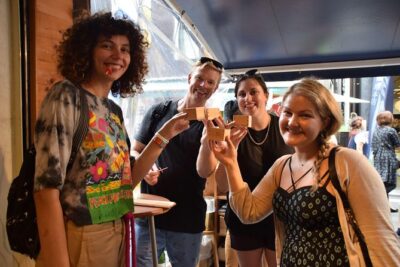 ★ 5.0Tokyo Tsukiji Fish Market Food and Culture Walking TourFrom $99
 ★ 5.0Tokyo: Tsukiji Fish Market Food and Walking tourFrom $30
 ★ 4.9Tokyo: Tsukiji Fish Market Guided Walking TourFrom $222 hours
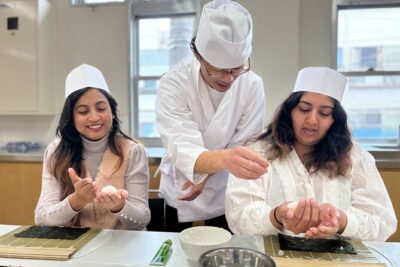 ★ 5.0Tokyo Sushi Making Class in Tsukiji with Professional ChefFrom $49
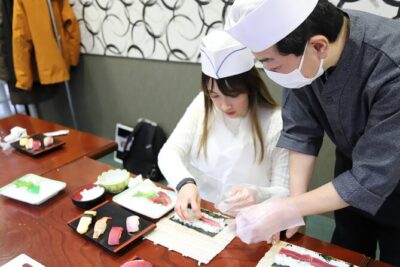 ★ 5.0Tsukiji Fish Market Guided Tour and Sushi Making with Pro ChefFrom $104
★ 4.7Tokyo: Tsukiji Fish Market Food and Culture Walking TourFrom $963 hours
★ 5.0Tsukiji Fish Market Guided Tour and Sushi Making with Pro ChefFrom $104
★ 4.7Tokyo: Tsukiji Fish Market Food and Culture Walking TourFrom $963 hours