
Reviewed · TSUKIJI MARKET TOURS
Tokyo: Tsukiji Fish Market Walking Tour
Tsukiji Outer Market is best enjoyed with an appetite and a guide who knows which counter deserves your attention. In two hours, you can move from seafood stalls to food shops, culinary tools, sweets, and small bites without wasting time guessing what to order. Some guides also stop at Tsukiji Hongwanji Temple.
I like the small group of up to 10 people, which makes it easier to hear explanations and stay together in crowded lanes. I also like the practical food advice. Guides such as Doren, Nao, Ryo, Yayoi, and Nicholas have helped people find good-value specialties, from tuna and oysters to wagyu, eel, mochi, fruit, and wasabi beans. The main catch is that food samples and purchases cost extra, and you need cash because some stalls do not accept cards.
In This Review
- Key points to know before you go
- Starting at Tsukiji Station
- What Tsukiji Outer Market offers today
- Following the food through the market
- Learning how Japanese food fits together
- A possible stop at Tsukiji Hongwanji Temple
- Why two hours is the right length
- The value of $17 per person
- What to bring and how to prepare
- Who will get the most from this walk
- Practical booking details
- Should you book the Tsukiji Fish Market Walking Tour?
- FAQ
- Where does the Tsukiji Fish Market tour begin?
- Where does the tour finish?
- How long does the walking tour last?
- What language is the tour conducted in?
- How many people can join the group?
- Is the tour wheelchair accessible?
- Are food and hotel transportation included?
- Do I need to bring cash?
Key points to know before you go
- Two hours in Tsukiji Outer Market: Enough time to visit several stalls, taste different foods, and learn how the market works without turning the outing into an all-day commitment.
- Food choices guided by local know-how: You can get help choosing specialties you might otherwise pass by, including fatty tuna, oysters, wagyu skewers, eel, mochi, and wasabi beans.
- Meeting point near Tsukiji Station: The tour begins and ends at the Starbucks near the station, about a two-minute walk from Tsukiji Station.
- English-speaking guides with different styles: Guides named Doren, Nao, Ryo, Yayoi, Nicholas, Yota, and Shingo have led this experience.
- Small group, not a private tour: The group is limited to 10 people, giving you more personal help while keeping the price at $17 per person.
- Bring a wallet, not just a phone: Cash is important for tastings and purchases at stalls that do not take cards.
Starting at Tsukiji Station
The meeting point is the Starbucks Coffee near Tsukiji Station, at coordinates 35.6679239, 139.7720981. It is about a two-minute walk from the station, so the start is simple if you are already exploring central Tokyo.
You return to the same Starbucks after the two-hour walk. That makes this tour easy to fit between other plans, especially if you want to continue toward Ginza or another part of Tokyo afterward.
The tour does not include hotel pickup or drop-off. You make your own way to Tsukiji Station, which is worth noting if you are carrying shopping bags or planning to visit the market very early in the day.
The group can include up to 10 people. That is a useful middle ground. You get the social feel of a shared tour, but the group is small enough for a guide to answer questions and point out details without shouting across a large crowd.
A few more Tokyo tours and experiences worth a look


What Tsukiji Outer Market offers today
Tsukiji is no longer Tokyo’s main wholesale fish market. The wholesale operation moved to Toyosu, but Tsukiji Outer Market remains a busy food district with seafood shops, prepared foods, ingredients, knives, cooking tools, sweets, and small restaurants.
That distinction matters. You should not book this walk expecting to watch the wholesale auction or see endless rows of industrial fish handling. The experience is about the public market, its shops, eating culture, and the people who keep the area active.
One visitor found there was less fish on display than expected, with more prepared food and skewers than a classic fish-market image might suggest. That is a fair warning. You will see seafood, but Tsukiji is also a place for quick bites, specialty ingredients, meat, produce, sweets, and kitchen goods.
Your guide gives the market a clearer shape. Instead of wandering past dozens of counters, you learn what a shop sells, how an item fits into Japanese cooking, and which stalls may offer better value. That help is especially useful when menus are unfamiliar or when a display looks tempting but gives you no clue how to order.
Following the food through the market
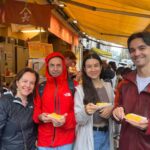
The tour is not a fixed meal with a published list of tastings. Your guide leads you through the market and helps you choose items from the available stalls. Past stops have included tuna sushi, fatty tuna, oysters, wagyu skewers, eel, fresh fruit, mochi, wasabi beans, and other Japanese specialties.
That flexible approach is one of the tour’s strongest features. If you are eager to try seafood, you can focus on tuna or oysters. If you prefer a wider sampling, you might add sweets, fruit, meat, or packaged ingredients. The exact food lineup can vary, so you should treat the examples as possibilities rather than a promised menu.
The guide’s advice can also keep you from ordering too much too soon. Two hours may sound long, but small bites add up quickly, particularly if you want to try high-quality tuna and wagyu. I would arrive hungry, but not ravenous, and keep some cash aside for an item you discover halfway through the walk.
Several people found the food both varied and affordable when the guide selected the stops. Nao, for example, was praised for taking the group to places that felt local and reasonably priced. Doren was also singled out for finding good-value shops and keeping the walk lively.
Do not assume the $17 tour price covers food. The listed inclusions are the walking tour and guide. Tastings and purchases are extra, and cash is required at some stops. If you want to sample several items, carry enough Japanese yen to avoid having to skip something that catches your eye.
Learning how Japanese food fits together
The best part of a guided market visit is not simply eating something fresh. It is understanding why the item matters.
You may learn about ingredients used in traditional dishes, the role of seafood in Japanese cooking, and the habits connected with market shopping. A guide can explain unfamiliar products, point out culinary tools, and describe how certain specialties are used at home or in restaurants.
This turns a row of stalls into a lesson in daily life. A packet of wasabi beans, a piece of eel, or a slice of fatty tuna becomes easier to appreciate when you know what makes it different and how people in Japan typically enjoy it.
The tour also helps with etiquette and ordering. The supplied details do not promise a formal cooking class or a set lecture, but the guides explain local culture and food customs as you walk. That is useful if this is your first visit to Japan or your first time facing a market full of unfamiliar choices.
Guides have included Yayoi, Nicholas, Doren, Yota, Ryo, Nao, and Shingo. Individual personalities vary, of course, but the strongest feedback consistently centers on clear explanations, energy, patience, and good food judgment. Yota even earned a playful comparison to Master Yoda for an especially memorable guiding style.
A possible stop at Tsukiji Hongwanji Temple
Some guide-led walks include a short visit to Tsukiji Hongwanji Temple before or during the market route. This adds a cultural note to a food-focused morning and gives you a chance to see a local religious site alongside the market streets.
The temple stop is not presented as a separate guaranteed itinerary item, so I would not book this tour mainly for the temple. Think of it as a welcome extra when the route and guide include it.
That balance works well. Tsukiji is more than a place to eat, and the temple can provide a quiet change of pace before you return to food stalls and shop counters. Still, the market remains the main event.
Other walking tours we've reviewed in Tokyo
Why two hours is the right length
Two hours gives you enough time to visit several stalls without overloading your schedule. You can taste a range of foods, ask questions, and browse specialty shops while keeping the walk manageable.
A shorter tour might feel rushed, especially if the group pauses to eat. A much longer food walk could become tiring, expensive, or repetitive. For most people, this length offers a useful first look rather than an attempt to cover every corner.
The tour may begin early, depending on the available start time. One person noted that the early schedule required getting up sooner than expected, but felt worthwhile. Market tours often make more sense earlier in the day, when food shops are active and popular items are available, but you should check the start time when booking.
Because the route is on foot, wear comfortable shoes. The supplied information confirms wheelchair accessibility, but the market remains a busy commercial area with people moving through narrow shopping lanes. If you use a wheelchair, it is sensible to confirm the exact meeting and route details before departure.
The value of $17 per person
At $17 per person, this is an inexpensive way to add structure and food knowledge to a Tsukiji visit. You are paying mainly for a guide who can save time, explain unfamiliar ingredients, and direct you toward worthwhile stops.
The price is particularly fair if you are new to Tokyo’s food culture. A self-guided visit costs nothing beyond your own food and shopping, but it also leaves you to interpret menus, judge stalls, and decide what is worth trying. The guide can make those choices easier.
The tour is less compelling if you already know Tsukiji well or prefer to browse at your own pace. You may also spend more than expected once you start buying food. The tour fee is modest, but your total outing depends on how many tastings and purchases you make.
I would think of the $17 as an orientation fee. You get a route, a companion for the market, and explanations that may help you return later on your own. The advice about restaurants, specialties, and ingredients can be useful beyond the two-hour walk.
What to bring and how to prepare
Bring cash in Japanese yen. This is the most important practical point. Some food stops do not accept cards, and one person specifically wished the need for cash at sampling stops had been made clearer.
Arrive ready to eat small portions rather than one large meal. You may want tuna, oysters, wagyu, eel, fruit, sweets, and other items, but trying everything can quickly become expensive and filling.
Comfortable walking shoes will make the experience easier. The route returns to the starting Starbucks, so you do not need to carry anything for a full day unless you plan to shop afterward.
You should also bring an open mind about what a fish market looks like. Tsukiji includes seafood, but it is not only fish. Expect a mix of street foods, specialty goods, cooking tools, meat, sweets, and market shops.
Who will get the most from this walk
This tour suits first-time visitors to Japan who want an easy introduction to Japanese food culture. It is also a good match for people who enjoy tasting several small items but do not know where to begin.
Food-focused visitors will appreciate the chance to choose among different specialties. One person who wanted freedom rather than a fixed tasting menu found this format especially useful, since the guide helped with choices while still leaving room to select preferred foods.
The walk also works for couples, solo visitors, and small groups who want to meet other people. The maximum group size is 10, and the shared format can add a friendly social element.
I would be more cautious about recommending it to someone seeking the wholesale fish auction, a long restaurant meal, or a private shopping experience. It is also not ideal for anyone who wants every food cost included in the booking price.
Practical booking details
The tour is conducted in English with a live guide. It is wheelchair accessible, and the group is limited to 10 participants.
The advertised price is $17 per person, with a duration of two hours. Availability determines the starting time, so check the schedule before making other plans around it.
You can cancel up to 24 hours in advance for a full refund. The reserve-now, pay-later option lets you hold a place without paying immediately, which is useful when your Tokyo schedule is still shifting.
The walk begins and ends at the Starbucks near Tsukiji Station. Hotel transportation is not included, so plan your own route to and from the station.
Should you book the Tsukiji Fish Market Walking Tour?
I would book this tour if you want to taste your way through Tsukiji but need help choosing stalls and understanding what you are seeing. The $17 price is strong value for a two-hour introduction, especially when guides such as Doren, Nao, Ryo, Yayoi, and Nicholas can turn a confusing market into a clear route.
Bring cash, budget extra for food, and expect a public market rather than a wholesale auction. If that matches your plans, this is a practical and tasty way to meet Tsukiji.
FAQ
Where does the Tsukiji Fish Market tour begin?
The meeting point is the Starbucks Coffee near Tsukiji Station, about a two-minute walk from the station. The coordinates are 35.6679239, 139.7720981.
Where does the tour finish?
The tour returns to the Starbucks near Tsukiji Station, the same place where it begins.
How long does the walking tour last?
The tour lasts two hours.
What language is the tour conducted in?
The live tour guide conducts the experience in English.
How many people can join the group?
The tour is a small-group experience limited to 10 participants.
Is the tour wheelchair accessible?
Yes, the activity is listed as wheelchair accessible.
Are food and hotel transportation included?
The included services are the walking tour and guide. Hotel pickup and drop-off are not included, and food tastings or purchases are extra.
Do I need to bring cash?
Yes. Cash is important because some market stops do not accept cards, including some places where you may buy samples.
More Shopping Tours in Tokyo

More Walking Tours in Tokyo
More Tsukiji Market Tours in Tokyo
More tours in Tokyo we've reviewed





Tsukiji Market Tours, compared.
 ★ 5.0Tokyo Tsukiji Fish Market Food and Culture Walking TourFrom $99
 ★ 5.0Tokyo: Tsukiji Fish Market Food and Walking tourFrom $30
 ★ 4.9Tokyo: Tsukiji Fish Market Guided Walking TourFrom $222 hours
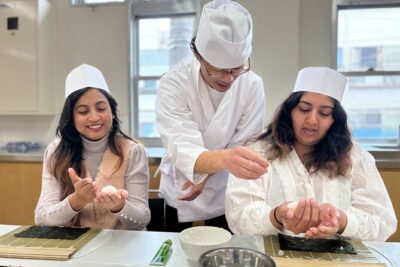 ★ 5.0Tokyo Sushi Making Class in Tsukiji with Professional ChefFrom $49
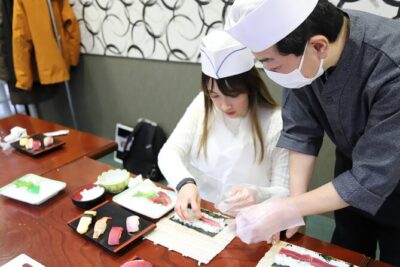 ★ 5.0Tsukiji Fish Market Guided Tour and Sushi Making with Pro ChefFrom $104
★ 4.7Tokyo: Tsukiji Fish Market Food and Culture Walking TourFrom $963 hours
★ 5.0Tsukiji Fish Market Guided Tour and Sushi Making with Pro ChefFrom $104
★ 4.7Tokyo: Tsukiji Fish Market Food and Culture Walking TourFrom $963 hours