
Reviewed · SHIBUYA TOURS
Tokyo: Shibuya Highlights Walking Tour & Secret View Spot
Shibuya Crossing is the hook: hundreds of people move across the intersection at once, then disappear into a maze of shops, bars, neon signs, and narrow food alleys. This 90-minute walking tour gives you a local guide to help make sense of the area instead of leaving you to wander between famous names.
I like the mix of major sights and less obvious corners, especially Nonbei Yokocho and Miyashita Park. I also like the practical help: guides such as Mao, Sakura, Ayaka, Noa, and Sota have helped visitors with photos, restaurant choices, train directions, and Japanese customs. The main consideration is pace. You cover a lot of ground in 90 minutes, so comfortable shoes and a willingness to keep moving matter.
In This Review
- Key points
- Why this Shibuya walk works so well
- Meeting Hachiko and finding your guide
- Crossing the world-famous intersection
- Looking down from Scramble Square
- Nonbei Yokocho and the small-scale side of Tokyo
- Miyashita Park, an urban pause
- Center-Gai, fashion, food, and after-dark energy
- Mark City and the final return to the station
- What the guides add to the experience
- Is $23 a fair price?
- Pace, access, and weather
- Who should book this Shibuya tour?
- FAQ
- How long does the Shibuya walking tour last?
- What is the tour price?
- Where is the meeting point?
- How do I identify the guide?
- Which languages are available?
- Is Shibuya Crossing included?
- Does the tour include food or drinks?
- Is hotel pickup included?
- Can I cancel the booking?
- Should you book it?
Key points
- Shibuya Crossing in context: See the famous intersection, then learn how it fits into the surrounding district.
- A useful first-day tour: Local advice on food, shopping, etiquette, and navigating Tokyo can help shape the rest of your stay.
- More than the main square: The route includes Nonbei Yokocho, Miyashita Park, Center-Gai, and Mark City.
- A city view without a long sightseeing stop: Shibuya Scramble Square and other elevated viewpoints offer a different angle on the crossing.
- Small-group feel from the guide: Guides are praised for answering questions, taking photos, and adapting the walk to group preferences.
- Good value at $23: The price covers a live guide and a focused introduction to one of Tokyo’s most confusing districts.
Why this Shibuya walk works so well
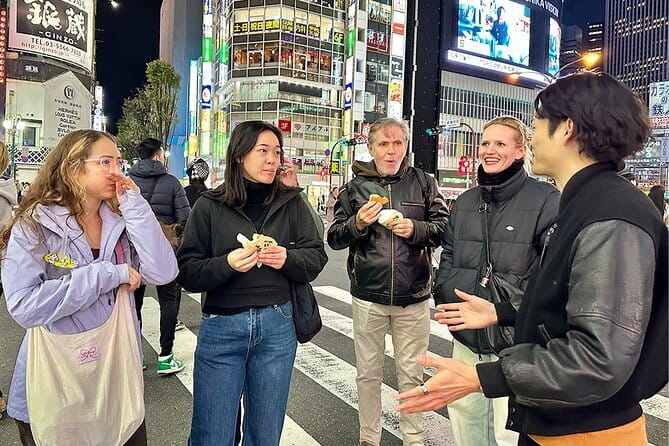
Shibuya can feel like several neighborhoods stacked together. One minute you are beside Hachiko and the crossing, surrounded by giant screens and department stores. A few turns later, you are in a narrow lane lined with tiny drinking spots or walking through a public park built above a shopping complex.
That contrast is the real point of the tour. You are not simply taken to the places already printed in every Tokyo guidebook. You get a basic map of how Shibuya fits together, plus local suggestions that can save you time later.
The walk is especially useful early in a Tokyo visit. After 90 minutes, you should know where the crossing is, how Center-Gai connects to the station, where Miyashita Park sits, and which streets deserve another look after dark.
The tour is not designed for long museum stops or detailed architectural study. It is a brisk introduction to street life, local habits, popular landmarks, and places where you might eat or shop afterward.
A few more Tokyo tours and experiences worth a look



Meeting Hachiko and finding your guide
The tour begins at SHIBU HACHI BOX, at 2-1-1 Dogenzaka in Shibuya. It is near the JR Shibuya Station Hachiko Gate and Tokyo Metro Exit A8, a useful location but one that can still feel confusing inside the station’s many exits.
Look for the guide holding a Local Guide Stars sign. Give yourself extra time to reach the meeting point, particularly if you have luggage or are arriving by a train line you do not know well.
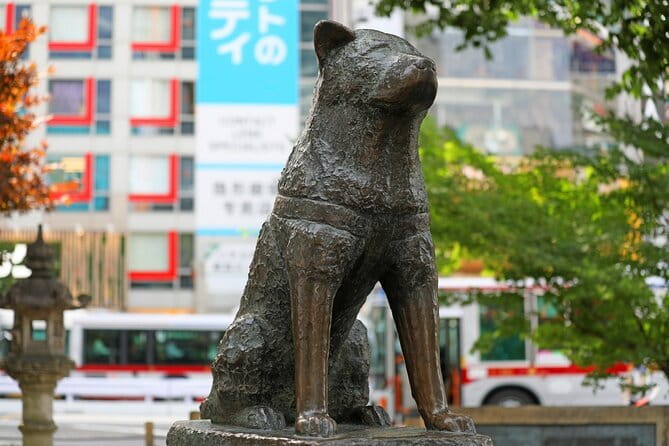
The Hachiko statue makes a fitting starting place. It is one of Shibuya’s best-known meeting points, and the guide uses it to explain the area’s background before leading you into the crowds.
This opening stop is brief, but it gives you a clear reference point. If you return to Shibuya on your own, Hachiko can help you orient yourself between the station, the crossing, and the main shopping streets.
Crossing the world-famous intersection
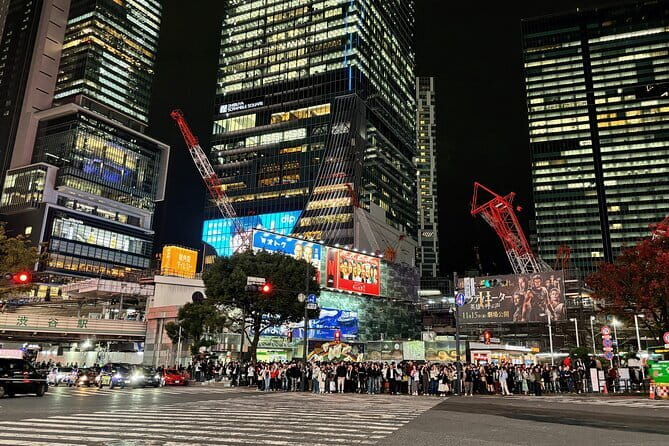
The walk then reaches Shibuya Crossing, the scene most people picture when they think of modern Tokyo. Traffic stops, the signals change, and pedestrians move across the broad intersection from several directions.
You will spend around 10 minutes here. That is enough for a crossing, a few photos, and an explanation of the surrounding buildings. It is not a long photography session, so if you want carefully composed pictures, plan to return later.
The guide adds value by pointing out where to stand and how the surrounding streets connect. Several guides have also taken photos for visitors, which helps if you are traveling alone or want a group picture without relying on a stranger.
The crossing is most dramatic when the signs and screens are lit, but the tour schedule determines the atmosphere. A daytime departure gives you clearer views of the district. An evening departure gives you more neon and after-work energy. Check the available start times before booking if this matters to you.
Looking down from Scramble Square
Shibuya Scramble Square provides a different view of the district. From above, the crossing becomes a pattern of moving people and traffic rather than a wall of noise at street level.
The stop lasts about 10 minutes. Treat it as a quick viewpoint visit rather than a long observatory experience. The guide can help you understand what you are seeing and suggest places to take pictures without spending much of the tour standing still.
A useful detail from the experience is that the guide may show you a good view of Shibuya Crossing without making you wait in a long line. The exact viewpoint used can depend on the guide and the day, so do not assume the tour includes a full ticketed observatory visit.
This stop also breaks up the street walking. That matters in hot or rainy weather, when a short indoor or sheltered pause makes the route easier.
Nonbei Yokocho and the small-scale side of Tokyo
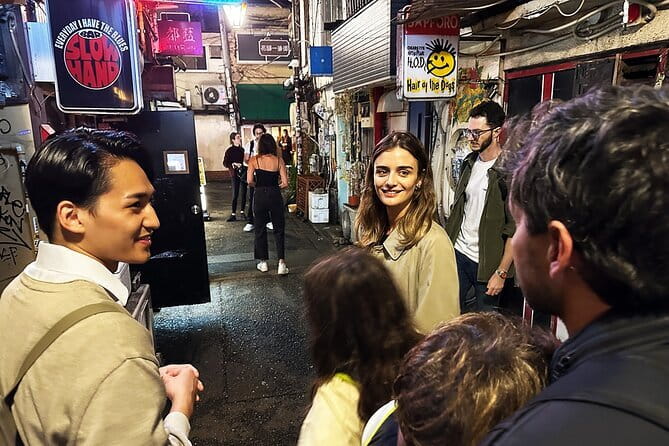
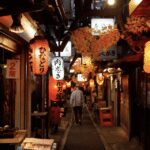
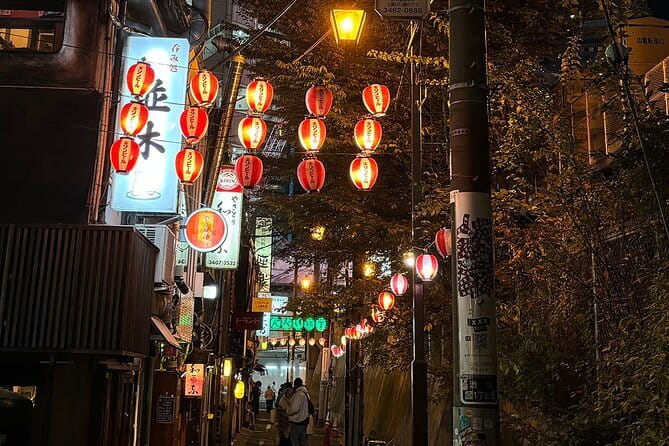
Nonbei Yokocho is one of the most appealing stops because it feels so different from the wide roads and huge signs around the station. Its narrow alleys are associated with small local eateries and drinking places, giving you a look at a more compact side of Shibuya.
You spend roughly 10 minutes here. The guide can explain the character of the lane and point out food options, but food and drinks are not included. You should think of this as a preview and recommendation stop, not a sit-down meal.
That distinction is important. If you want to eat at one of the suggested places, save the name and return after the tour. Guides have offered recommendations for ramen, monja, and other local meals, along with advice about what to order.
The alley is also a reminder that Shibuya is not only a district of fashion chains and giant advertisements. Small businesses survive in tight spaces just a short walk from the station.
Other walking tours we've reviewed in Tokyo



Miyashita Park, an urban pause
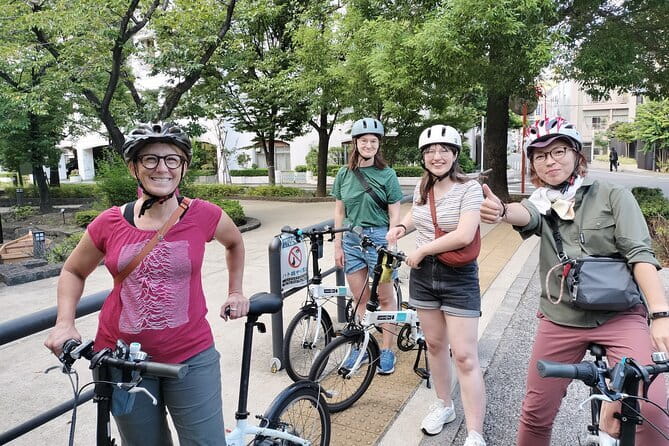
The tour spends about 20 minutes at Miyashita Park, one of the longer stops. This elevated public space offers a break from the crowded streets and is popular with younger people.
It is an urban oasis in the practical sense: a place to sit, look around, and watch how Tokyo residents use a built-up part of the city. The guide can explain how the park fits into Shibuya’s newer development and why it has become a social meeting place.
Miyashita Park is useful for visitors who want to see present-day Tokyo rather than only old temples and traditional neighborhoods. It shows how the city creates public space above commercial areas.
The park can also be a welcome rest point, though do not expect a long seated break. The tour continues on foot, and the guide still has several places to cover.
Center-Gai, fashion, food, and after-dark energy
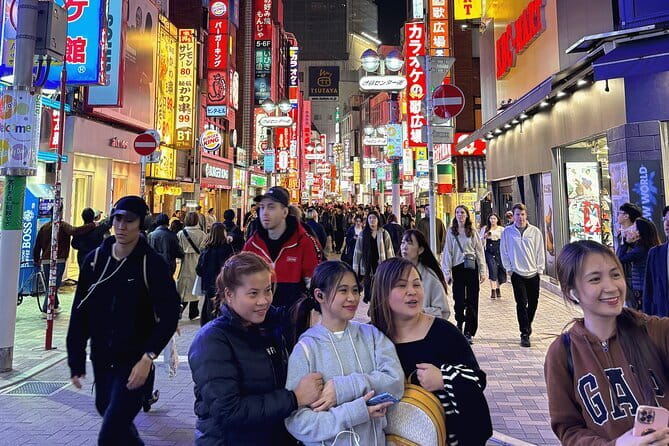
Shibuya Center-Gai receives around 20 minutes. This is one of the district’s main pedestrian areas, packed with shops, restaurants, bars, bright signs, and young crowds.
The guide helps you read the street. You may learn which parts are linked to fashion, nightlife, food, or youth culture, along with suggestions for places worth returning to. Several guides have been praised for giving restaurant and shopping advice that goes beyond simply naming a famous chain.
Center-Gai is liveliest at night, but that also means it can be loud and crowded. Stay close to your guide and pay attention when crossing side streets. The tour is family-friendly in the sense that it covers public streets and major sights, but the district’s nightlife character may not suit every young child.
This is also where the tour can feel fastest. You are seeing a lot in a limited time, so take notes or save recommendations on your phone rather than trying to remember every name.
Mark City and the final return to the station
The last major stop is Shibuya Mark City, with about 20 minutes allocated before returning to SHIBU HACHI BOX. Mark City is practical as well as scenic, linking transport, shopping, restaurants, and views across the district.
The guide can help you connect what you have seen during the walk. The crossing, station, shopping streets, elevated park, and small alleys are not isolated sights. They form a compact but layered part of Shibuya.
This ending is useful if you plan to continue exploring. You finish near the station rather than at an unrelated location, making it easier to head to dinner, return to your hotel, or take another train.
Some guides have also helped with train navigation after the formal walk. That kind of help can be valuable in Tokyo, where the station signs are generally clear but the number of lines and exits can overwhelm a first-time visitor.
What the guides add to the experience
The guide is the main reason to book this tour rather than follow a free map. English and Japanese are available, and the English-speaking guides named by visitors include Mao, Sakura, Hannah, Ayaka, Noa, Sota, Tomo, Yuki, and others.
The strongest pattern is personal help. Guides have answered questions about local culture, explained etiquette, suggested restaurants, and taken photos at the crossing. Sota, who grew up near Shibuya, has offered particularly useful local perspective, while Yuki has been praised for helping beyond the formal route.
Guide style will vary. One person may focus more on history, another on food and shopping, and another on photography. The route remains centered on Shibuya’s major sights, but guides have adapted parts of the walk to group interests when possible.
You should ask questions as you go. This is not a lecture delivered at fixed stops. The experience works best when you tell the guide whether you care most about food, fashion, photography, nightlife, or navigating Tokyo.
Is $23 a fair price?
At $23 per person, this is a good-value introduction to Shibuya. You pay for a live local guide and a carefully arranged route, while food, drinks, transport, and hotel pickup are left out.
The price makes sense if you are new to the district and want to avoid losing time between the station and the main sights. It is also worthwhile for solo visitors who want help with photos and immediate local suggestions.
It is less useful if you already know Shibuya well or prefer to explore without a schedule. Most of the places are accessible independently, and the tour does not include admission to a major paid attraction or a meal.
Still, the cost is modest for a 90-minute orientation. One good restaurant recommendation, a useful train tip, or a shortcut to a viewpoint can repay the fee in convenience.
Pace, access, and weather
The tour runs rain or shine. Bring an umbrella or raincoat when rain is forecast, and wear shoes suited to city walking. The route includes busy streets, station areas, public spaces, and alleys, so dry weather will make it more comfortable, but the activity does not stop simply because conditions change.
The activity is listed as wheelchair accessible. Because Shibuya can be crowded and the route moves through busy public areas, it is sensible to confirm current route details if you have specific mobility needs.
There is no transportation included. You reach the meeting point yourself, and the tour ends back at the same location. That makes the experience easy to combine with a meal, shopping, or another Tokyo activity nearby.
Free cancellation is available up to 24 hours before the start time, and you can reserve now and pay later. Those terms are useful when your Tokyo schedule is still changing.
Who should book this Shibuya tour?
I would choose this walk for a first visit to Tokyo, especially if Shibuya is high on your list but you are unsure where to begin. It suits couples, families, solo visitors, and small groups who want a local person to explain what they are seeing.
It is also a smart choice for photographers and food-minded visitors. You get several recognizable views, advice about picture spots, and leads for ramen, monja, shopping, and local eateries.
I would not choose it as a substitute for a full historical tour of Tokyo. The focus is modern Shibuya, street culture, public spaces, nightlife, and practical orientation. The tour also cannot give every stop much time, so you should return independently to places that catch your attention.
FAQ
How long does the Shibuya walking tour last?
The tour lasts 90 minutes and returns to SHIBU HACHI BOX near Shibuya Station.
What is the tour price?
The listed price is $23 per person.
Where is the meeting point?
Meet in front of SHIBU HACHI BOX at 2-1-1 Dogenzaka, Shibuya-ku, Tokyo 150-0043. It is near the JR Shibuya Station Hachiko Gate and Tokyo Metro Exit A8.
How do I identify the guide?
The guide will be holding a Local Guide Stars sign.
Which languages are available?
The live tour is available in English and Japanese.
Is Shibuya Crossing included?
Yes. The route includes a visit to Shibuya Crossing for about 10 minutes.
Does the tour include food or drinks?
No. Food and drinks are not included, but the guide can provide restaurant and food suggestions.
Is hotel pickup included?
No. Hotel pickup, hotel drop-off, and transportation are not included.
Can I cancel the booking?
You can cancel up to 24 hours in advance for a full refund. Reserve now and pay later is also available.
Should you book it?
Book this tour if you want a friendly, efficient introduction to Shibuya, with both famous sights and small streets you might otherwise miss. The best reason is not simply crossing the intersection. It is having someone like Mao, Sakura, Ayaka, Noa, or Sota explain where to eat, how the district fits together, and what deserves a second visit.
Skip it if you already know Shibuya or want a slow, specialized tour. For most first-time visitors, though, $23 is a sensible price for getting your bearings fast, seeing the district from several angles, and leaving with practical ideas for the rest of your Tokyo stay.
More Walking Tours in Tokyo
More Shibuya Tours in Tokyo



More tours in Tokyo we've reviewed








Shibuya Tours, compared.
 ★ 5.0Official Street Go-Kart in ShibuyaFrom $76
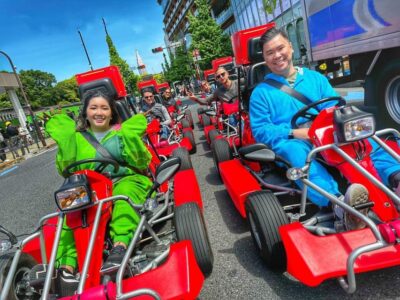 ★ 4.9Tokyo: Street Kart Experience in ShibuyaFrom $741 hour
 ★ 5.0Shibuya Meltdown Nightlife Tour: All-You-Can-Drink Bar HoppingFrom $106
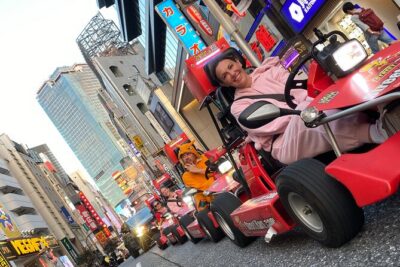 ★ 5.0Shibuya Official Street Go-Kart in Shibuya AnnexFrom $69
 ★ 5.0Tokyo: Shibuya Food Tour (13 dishes and 4 Eateries)From $77
 ★ 5.0Best of Shibuya Food TourFrom $217