
Reviewed · PRIVATE CAR WITH DRIVER
Tokyo Sightseeing/ City Tour by Private Car with English Guide
Tokyo is easier to grasp when someone else handles the long crossings between neighborhoods. This private eight to nine-hour car tour links old temples, food streets, anime shops, imperial grounds, and famous city views without asking you to solve Tokyo’s transport puzzle all day.
I like the one-group-only format, which lets you adjust the day around your interests. I also like the central hotel pickup, air-conditioned vehicle, and free Wi-Fi. Guide Abdul has been praised for being kind, accommodating, and willing to adjust the route, even helping make sure the day was captured in photographs.
The main catch is time. Eight stops in one day means some visits will feel like introductions rather than full explorations. Tokyo Skytree admission costs extra, meals are not included, and traffic can affect how long you have at each place.
In This Review
- Key points to know before booking
- A private route through Tokyo’s many different sides
- Tsukiji Fish Market: start with Tokyo’s food culture
- Senso-ji in Asakusa: Tokyo’s oldest major temple
- Tokyo Skytree: pay extra for the high view
- Akihabara: electronics, anime, and otaku culture
- Meiji Jingu: a quiet break near Harajuku
- Imperial Palace: Tokyo’s central historic setting
- Tokyo Tower: an older city icon
- Takeshita Street: Harajuku’s youth style
- Shibuya Crossing: finish with Tokyo in motion
- What the private guide adds
- Who gets the best value from this Tokyo tour
- Booking advice and final verdict
- FAQ
- How long does the Tokyo private car tour last?
- How many people can join the private tour?
- Is hotel pickup available?
- Is the vehicle air-conditioned?
- Is private transportation included?
- Is Tokyo Skytree admission included?
- Are meals included?
- Can the tour route be customized?
- What happens if bad weather cancels the tour?
Key points to know before booking
- Private car for up to five people: The $362.39 price covers the whole group, not each person.
- Central Tokyo pickup and drop-off: You avoid arranging taxis or learning several train routes at the start and end of a long day.
- A wide mix of Tokyo sights: The route covers Tsukiji, Asakusa, Skytree, Akihabara, Meiji Jingu, the Imperial Palace, Tokyo Tower, Harajuku, and Shibuya.
- Guide Abdul can adjust the day: The available feedback highlights his care, flexibility, and attention to photographs.
- Tokyo Skytree is optional at extra cost: The listed admission is ¥2,100 per person.
- Best for a first Tokyo visit: You see major landmarks quickly, though shoppers and museum fans may want fewer stops.
A private route through Tokyo’s many different sides
This tour works because Tokyo is not one single kind of city. In the course of one day, you can move from seafood counters and Buddhist gates to electronic shops, quiet shrine paths, imperial stone walls, youth fashion, and one of the world’s best-known crossings.
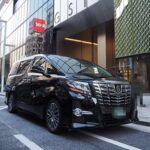
You travel in a private air-conditioned vehicle with fuel and private transport included. That matters in Tokyo, where a short distance on a map can involve a train change, a crowded platform, and a fair amount of walking. You still need to walk at the stops, but the car gives you a useful base between them.
The price is $362.39 for up to five people. For five people, that works out to about $72.48 per person. For two people, the cost is much harder to justify than for a family or small group, so the value improves sharply when you fill the vehicle.
The route is flexible, but you should not expect unlimited time at every sight. The listed stop times already add up to most of the day, and Tokyo traffic can be slow. I would tell the guide your top two or three priorities at the start rather than trying to give every stop equal attention.
Other guided tours in Tokyo

Tsukiji Fish Market: start with Tokyo’s food culture
The first stop is Tsukiji Fish Market, where the former wholesale seafood market has given way to a lively public food area. The inner wholesale operation moved to Toyosu in 2018, but Tsukiji remains a useful place to see the food side of Tokyo.
You have about an hour here, with no admission fee. That makes it an easy opening stop. You can look around the market streets, see seafood-focused shops, and get a sense of how central food is to daily life in Japan.
Breakfast is not included, so you may want to budget for something to eat here. The tour does not promise a specific meal or tasting, so think of Tsukiji as a market visit rather than a guided food tour.
An hour is enough to get your bearings and sample the atmosphere, but not enough for a slow, detailed food crawl. If eating is a major reason you want this tour, ask whether the route can give Tsukiji more time.
Senso-ji in Asakusa: Tokyo’s oldest major temple
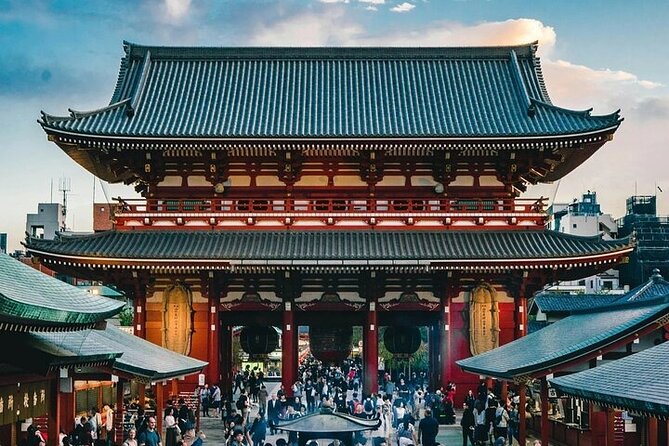
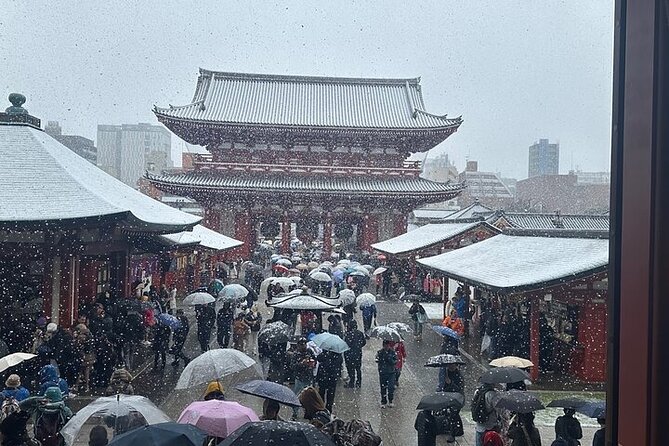
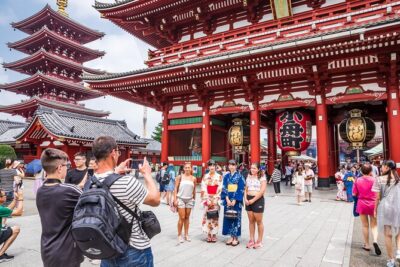
Senso-ji offers a sharp change of mood. This Buddhist temple in Asakusa was founded in 645 and is dedicated to Kannon, the Goddess of Mercy. Its long history makes it one of the most important stops on the route, not simply a quick photo point.
The tour allows roughly an hour, and admission is free. You can see the famous temple approach, spend time around the grounds, and take in the contrast between traditional religious architecture and the high-rise city nearby.
I like this stop because it gives the day some cultural weight early on. Tokyo can sometimes feel defined by screens, shopping, and traffic, but Senso-ji shows an older side of the capital that remains part of city life.
The temple can be busy, and one hour may pass quickly if you want to look closely at every detail. Your guide can help explain what you are seeing, but the provided information does not promise a formal ceremony or special access.
Tokyo Skytree: pay extra for the high view
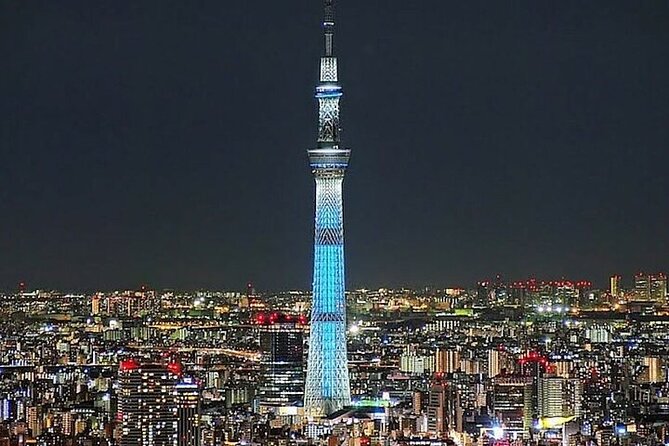
Tokyo Skytree rises 634 meters and is Japan’s tallest structure. From the Sumida district, it gives you a modern counterpoint to Senso-ji, which is located nearby.
The stop is planned for about an hour, but admission is not included. The listed price is ¥2,100 per person. You should decide before the day whether the view is worth the added cost, especially if your group is large.
The attraction makes sense for anyone who wants a broad look at Tokyo from above. On a clear day, you might find the height particularly rewarding, though the tour information does not guarantee weather or visibility.
There is also a practical trade-off. You already have Tokyo Tower later in the day, so paying for both observation towers may be unnecessary. If city views matter most, ask the guide which tower fits your schedule and interests better.
Akihabara: electronics, anime, and otaku culture
Akihabara is Tokyo’s Electric Town, known for electronics, anime, manga, gaming, and otaku culture. The planned hour gives you time to look into the area’s multilevel stores and see a side of Tokyo built around technology and Japanese pop culture.
Admission is free, though shopping is obviously at your own expense. This is a good place to tell the guide what you actually want to see. An electronics fan, retro-gaming enthusiast, and anime collector may all use the hour differently.
The drawback is that one hour is short for serious shopping. Akihabara rewards browsing, and you can easily lose track of time in its large stores. If your group has no interest in electronics or anime, this is one of the easier stops to replace with something else.
The private format helps here. You are not tied to a fixed group schedule, so you can ask for more time if this is a priority, or move on sooner if it is not.
Other city tours we've reviewed in Tokyo

Meiji Jingu: a quiet break near Harajuku
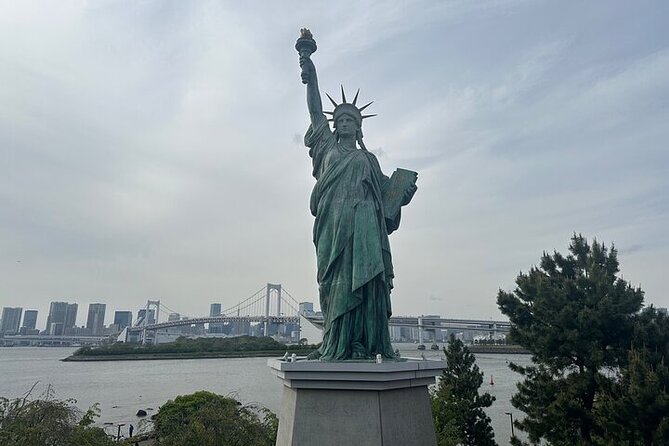
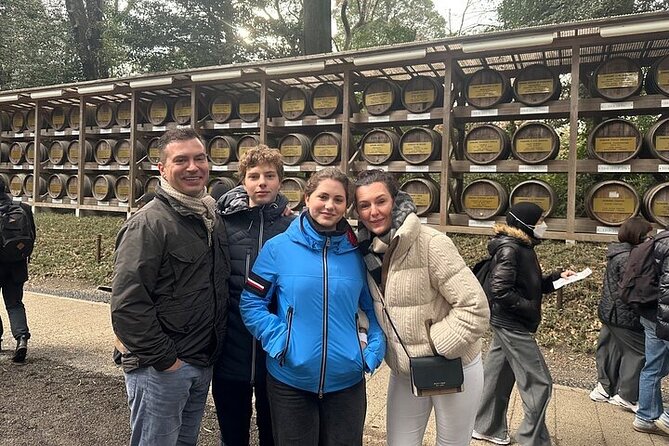
Meiji Jingu sits near Harajuku but feels far removed from the surrounding shops. The Shinto shrine is dedicated to Emperor Meiji and Empress Shoken, and its forested grounds provide a calmer stretch in the middle of a busy sightseeing day.
You have about an hour, with no admission fee. I would use this stop to slow down, walk through the grounds, and notice the difference between a Shinto shrine and the Buddhist setting at Senso-ji.
The stop is especially useful because the day includes several crowded commercial areas. Meiji Jingu gives you space to reset before heading back into Harajuku’s fashion streets.
As with the other major sights, the tour does not promise a special religious event or private access. You should treat it as a respectful visit to the grounds, with your guide helping you understand the setting.
Imperial Palace: Tokyo’s central historic setting
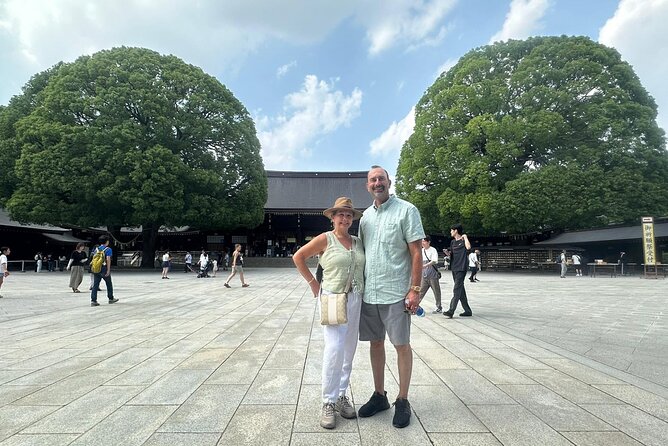
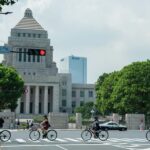
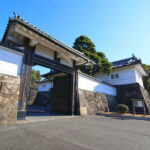
The Imperial Palace is the Emperor’s primary residence. It sits in central Tokyo behind moats, stone walls, and landscaped grounds, giving you a strong sense of how imperial space fits into the modern capital.
The visit is listed at about an hour and does not charge an admission fee. You can expect a scenic exterior-focused stop rather than a full palace tour. The information provided does not state that the interior is included, so do not book this expecting broad access to palace buildings.
I like the palace stop for its contrast. Tokyo’s towers and office blocks are close by, yet the moats and walls create a clear break from the surrounding city. It is a useful place for understanding the scale and symbolism of central Tokyo.
If you want a long walk or detailed palace visit, an hour may not be enough. This is another point where you should tell the guide whether photographs, history, or simply seeing the grounds matters most.
Tokyo Tower: an older city icon
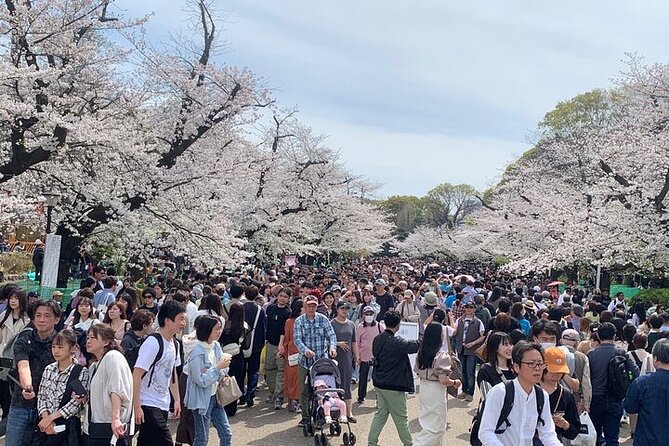
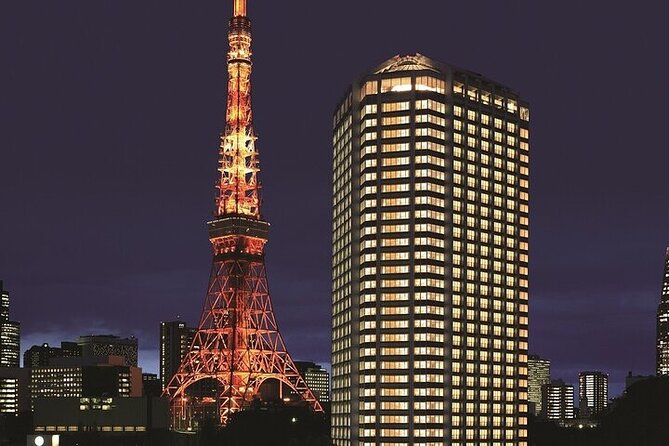
Tokyo Tower reaches 333 meters and was inspired by Paris’s Eiffel Tower. Built as a symbol of Japan’s postwar recovery, it remains one of the capital’s most recognizable landmarks.
The supplied schedule includes Tokyo Tower but does not give a specific visit length or admission price. That makes it worth confirming the plan with the guide, especially if you want to go inside rather than view it from outside.
This stop pairs well with Tokyo Skytree. Skytree represents Tokyo’s newer height and engineering, while Tokyo Tower carries a more nostalgic connection to the city’s rebuilding years.
Because the day already includes many stops, you may have to choose between a quick photo visit and paid tower access. Ask early if you want time inside. Do not assume the Skytree ticket covers Tokyo Tower, or that either observation deck is part of the base fare.
Takeshita Street: Harajuku’s youth style
Takeshita Street is given the longest listed stop, about 90 minutes. That extra time makes sense. The street is packed with fashion shops, crepe stands, themed cafés, and changing youth trends.
There is no admission charge, but food and purchases are not included. This is the place to leave room in your budget for a snack or a small item, particularly if you enjoy Japanese street style and playful pop culture.
I see Takeshita Street as a fun, highly visual stop rather than a lesson in traditional Japan. It shows how quickly Tokyo’s styles change, and it gives you a chance to browse at your own pace.
The street can feel crowded and loud. If that is not your scene, 90 minutes may be more time than you need. Since the tour is private, you can ask to shorten this stop and give that time to a temple, tower, or market visit.
Shibuya Crossing: finish with Tokyo in motion
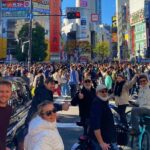
The final listed stop is Shibuya Crossing, with about 30 minutes. When the lights change, people cross from several directions at once, creating the famous scramble seen in countless photos and films.
You do not need an admission ticket, and half an hour is enough for a first look and photographs. The short stop also works well at the end of a long day, when you may not want another major attraction requiring a long visit.
Shibuya is a strong finale because it gathers the modern Tokyo themes seen throughout the day: crowds, signs, shopping, speed, and careful organization. You can see the crossing, take photos, and finish near one of the city’s best-known districts.
Do not expect a full exploration of Shibuya in 30 minutes. The value here is the landmark itself, not a complete neighborhood visit.
What the private guide adds
The most useful promise of this tour is not simply the car. It is the ability to shape the day around your group. The tour is exclusive to your party, and the route can be adjusted according to your interests and schedule.
Guide Abdul is specifically associated with the available feedback. He was praised for being kind, accommodating, considerate, and willing to change the tour to fit the group’s needs. He also made an effort to ensure the day was captured in photographs, which is helpful if you want more than rushed phone snapshots.
You should still be clear about your priorities. Tell the guide if you care most about food, temples, anime, fashion, skyline views, or photographs. With this many stops, direct communication is the best way to turn a broad city sampler into a day that suits you.
Free Wi-Fi in the vehicle is a small but useful touch. You can share photos during the day, check information, and stay connected between stops.
Who gets the best value from this Tokyo tour
I would recommend this tour most strongly to a first-time Tokyo visitor, a family of up to five, or anyone who wants a simple overview without managing public transport all day. It also suits groups with mixed interests because the route covers food, religion, shopping, architecture, technology, and famous city views.
It is less suitable if you prefer slow travel. You will not have hours for one temple, a long market meal, or serious shopping at every district. Independent visitors who already know Tokyo’s train system may get better value by choosing only two or three neighborhoods.
The tour is also a practical choice when convenience matters. Central hotel pickup and drop-off remove a fair amount of planning, and the air-conditioned vehicle gives you a place to rest between stops.
Lunch and dinner are not included, and breakfast is also excluded. Plan to pay for meals separately. Tokyo Skytree costs ¥2,100 per person if you choose to enter.
Booking advice and final verdict
The tour costs $362.39 per group of up to five. That is a solid group price when divided among four or five people, but a much bigger commitment for one or two. Compare it with the time and effort of arranging taxis or several train trips, not just with the cost of a train ticket.
Free cancellation is available if you cancel at least 24 hours before the start time. Changes made inside that window are not accepted, and late cancellations are not refunded. The tour requires good weather, so poor conditions may lead to a new date or a full refund.
I would book it if you want a broad first look at Tokyo, value private transport, and are willing to keep each stop fairly focused. I would skip it if you want an unhurried food tour, extensive shopping, or deep time at one attraction. The smartest booking strategy is to arrive with a short priority list and use the private format to adjust the day around it.
FAQ
How long does the Tokyo private car tour last?
The tour lasts approximately eight to nine hours.
How many people can join the private tour?
The price covers one private group of up to five people.
Is hotel pickup available?
Yes. Pickup and drop-off are offered from central Tokyo hotels.
Is the vehicle air-conditioned?
Yes. An air-conditioned vehicle is included.
Is private transportation included?
Yes. Private transportation, fuel surcharge, and GST are included in the price.
Is Tokyo Skytree admission included?
No. Tokyo Skytree admission is not included. The listed price is ¥2,100 per person.
Are meals included?
No. Breakfast, lunch, and dinner are not included.
Can the tour route be customized?
Yes. The private format allows the route to be adjusted according to your interests and schedule.
What happens if bad weather cancels the tour?
You will be offered a different date or a full refund if the experience is canceled because of poor weather.
More Private Tours in Tokyo

More City Tours in Tokyo
More Guided Tours in Tokyo
More tours in Tokyo we've reviewed


Private Car with Driver, compared.
 ★ 5.0Tokyo Private Sightseeing Tour by Car- English speaking chauffeurFrom $268
 ★ 5.0Tokyo Private Tour by Vehicle with English-Speaking ChauffeurFrom $468
Mt FUJI Day Tour with Private Car and English Speaking GuideFrom $440
★ 5.0Tokyo Private Tour by Vehicle with English-Speaking ChauffeurFrom $468
Mt FUJI Day Tour with Private Car and English Speaking GuideFrom $440
 ★ 5.0Private Car Tour to Mt. Fuji Lake Kawaguchiko or HakoneFrom $1,286
 ★ 5.0Mt Fuji Exclusive Tour with Private Car English GuideFrom $445
 ★ 5.0Tokyo Private Customizable Tour with English Speaking ChauffeurFrom $273