
Reviewed · SHIBUYA TOURS
Tokyo: Japanese anime stores with ramen lunch in Shibuya
Shibuya’s anime shops pack a lot into a short walk, from familiar Pokémon and Mario goods to character items you may not see outside Japan. This small-group outing adds a useful human touch: your English-speaking guide can help you find the right stores, explain the appeal of Japanese manga culture, and point out souvenirs worth your shelf space.
I like the maximum group size of four, which should make it easier to ask for help or adjust the search around your interests. I also like that a bowl of pork ramen is included, giving you a classic Japanese meal instead of leaving lunch as an extra decision. The main catch is price: at $92 per person, this makes the most sense if you want a guided shopping hunt rather than simply browsing Shibuya on your own.
In This Review
- Key points at a glance
- Shibuya’s character shops in a compact 150-minute outing
- Meeting at SHIBU HACHI BOX
- Finding anime and manga goods beyond the usual souvenirs
- Why a guide helps with anime shopping
- Mario, Pokémon, and the appeal of Japan-only goods
- Pork ramen closes the experience
- Who gets the most from this Shibuya tour
- Timing, price, and practical planning
- Should you book the anime shops and ramen tour?
- FAQ
- How long does the Tokyo anime shopping tour last?
- Where is the meeting point?
- How do I identify the guide?
- Is the tour conducted in English?
- How many people can join the group?
- Is ramen included in the price?
- Are shopping purchases included?
- Which character stores are included?
- Can I cancel for a full refund?
Key points at a glance
- Small groups of up to four: You get more room to ask for specific characters, series, or game goods.
- Mario and Pokémon specialty shops: The route includes stores focused on major Japanese and international characters.
- English-speaking guidance: Your guide helps connect the shops to Japanese anime and manga culture.
- Pork ramen included: The tour ends with ramen featuring a pork bone soup.
- 150-minute format: The experience fits neatly into a half-day Shibuya plan.
- Haruka has helped young fans: If she leads your outing, she has experience finding favorite anime stores for teenagers.
Shibuya’s character shops in a compact 150-minute outing
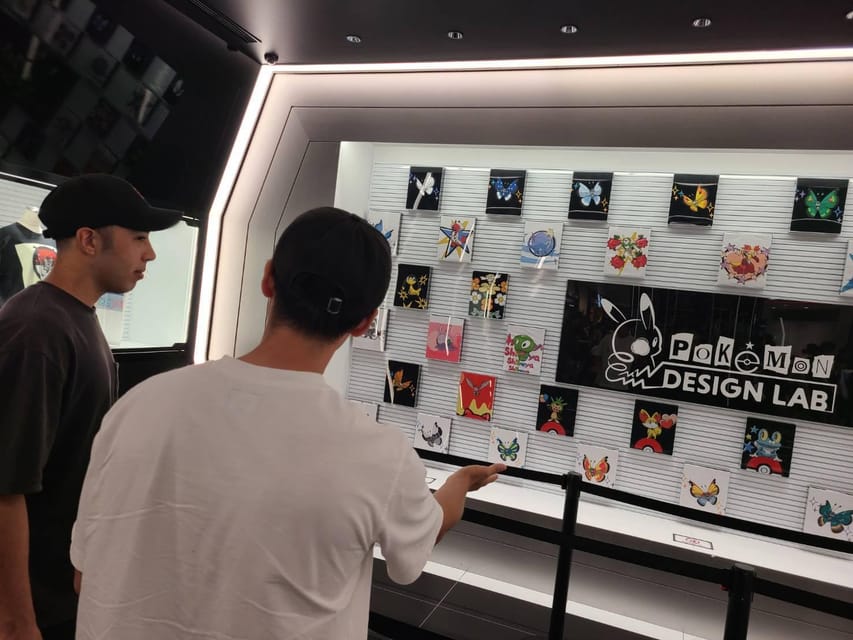
This experience is built around a simple idea: let someone familiar with Shibuya lead you to shops where anime, manga, and video game characters take over the shelves. You are not signing up for a broad Tokyo sightseeing walk. You are choosing a focused look at Japanese pop culture, with time for shopping and lunch.
The 150-minute length is useful. It is long enough to visit several specialty shops and sit down for ramen, but short enough to fit around other plans in Shibuya. You will want to arrive ready to walk between stops and make quick decisions about purchases, since shopping time can disappear fast when every shelf offers another character.
The small group matters here. With no more than four participants, you can tell the guide that you are hunting for a particular series or character instead of following a fixed crowd. That setup is especially helpful for families and small groups with different interests. One person might be looking for Pokémon goods, another for Mario, and another for manga characters aimed at older fans.
A few more Tokyo tours and experiences worth a look


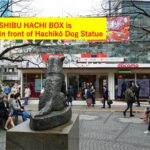
Meeting at SHIBU HACHI BOX
The meeting point is in front of SHIBU HACHI BOX, a clear landmark in Shibuya. Look for a guide holding a sign marked gotcha. That detail should make the start easier in a busy district, but I would still allow extra time to reach the meeting point. Shibuya is not a place where you want to arrive at the last second, especially if you are unfamiliar with the station and its many exits.
Your guide speaks English. That is important during a shopping tour because the value is not only in being shown a storefront. You can ask what a particular item is, which characters are popular in Japan, or where to look for a certain kind of souvenir.
The experience is provided by gotcha Corporation. The guide is part host, part shopping helper, and part cultural interpreter. You should be clear at the start about the characters or series you care about most. That gives the guide a better chance to shape the visit around your interests.
Finding anime and manga goods beyond the usual souvenirs
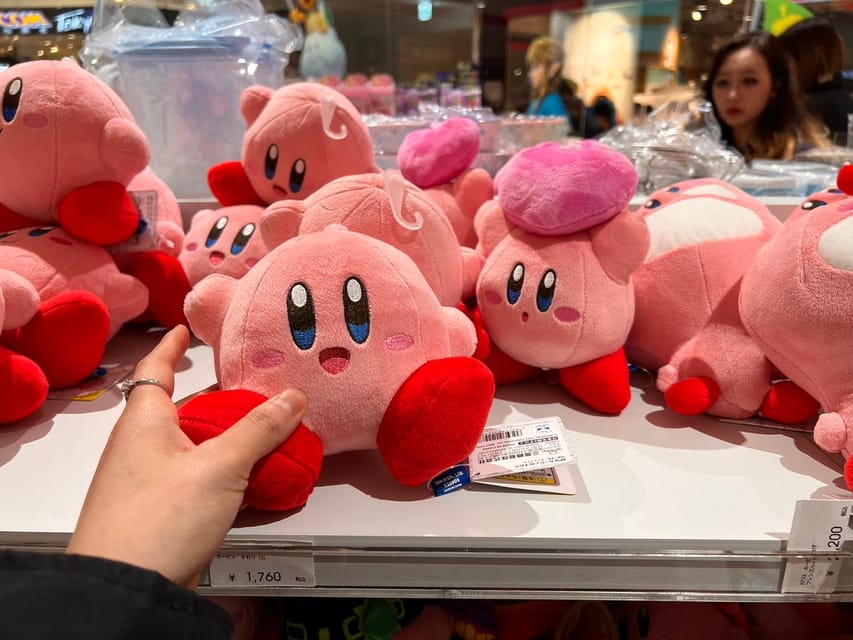
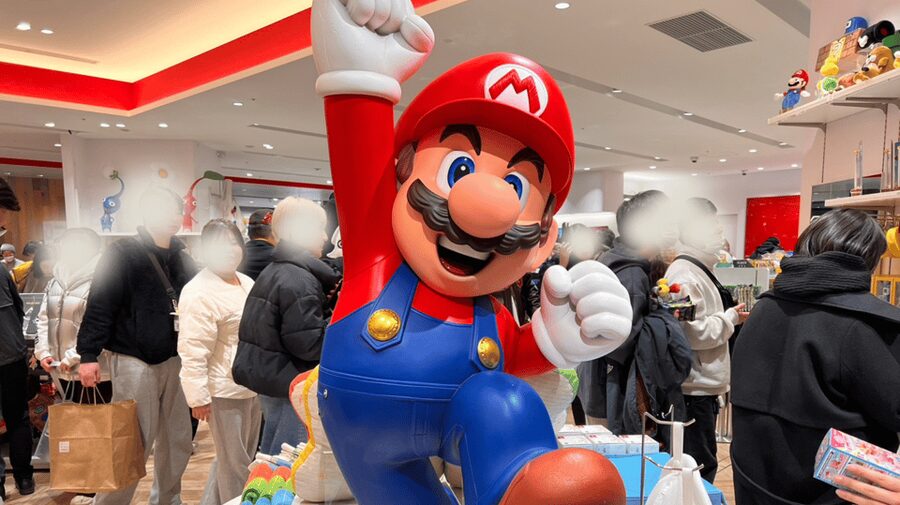
The shops are the heart of the experience. You will visit stores specializing in popular anime and video game characters, with products aimed at both children and adults. The selection can include cute items, collectibles, gifts, and character goods that feel more specific to Japan than a standard airport souvenir.
The description highlights original merchandise and items available only at these shops. That does not mean every product will be exclusive in the strict collector’s sense, so I would treat this as a chance to find Japan-specific goods rather than a promise that every item cannot be bought elsewhere. Still, specialty stores usually give you a better chance of finding unusual designs and character combinations than a general souvenir shop.
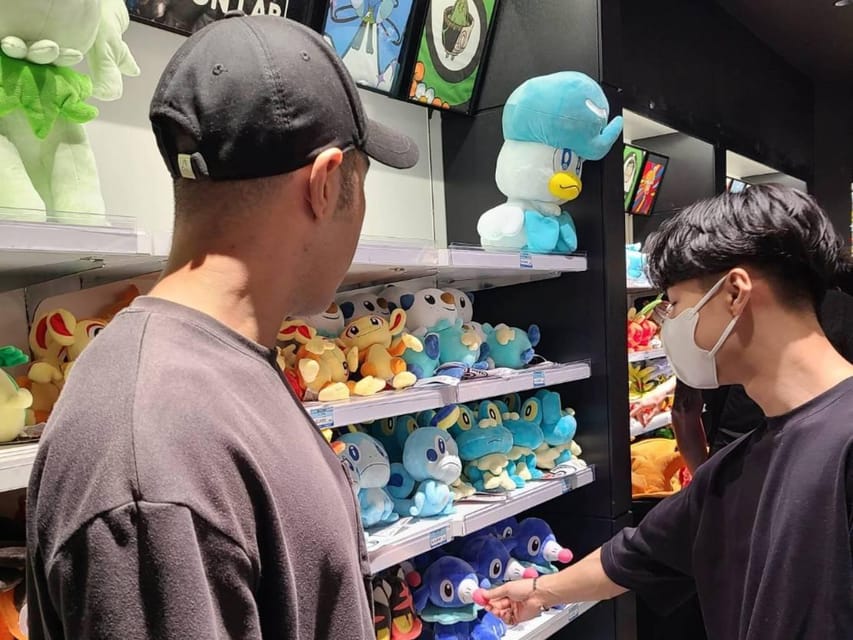
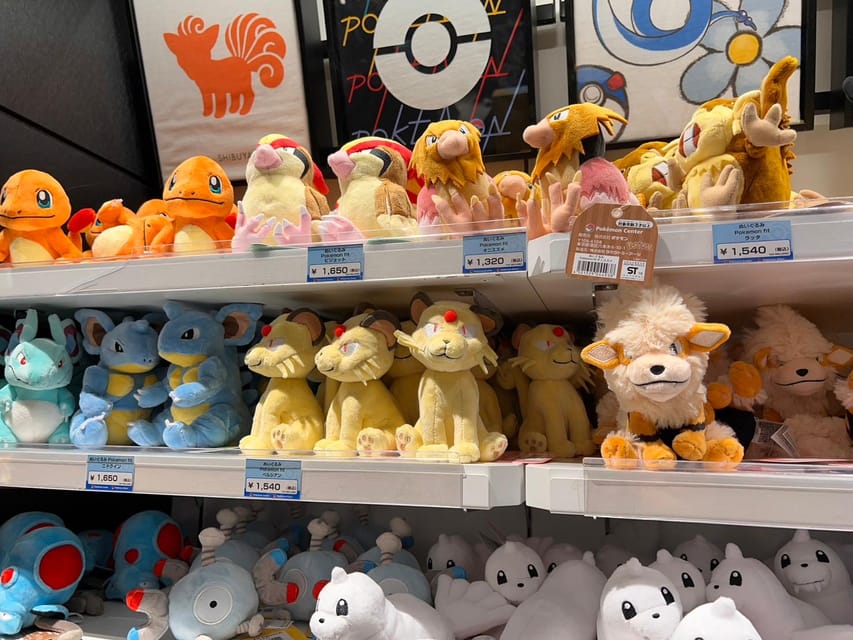
Mario and Pokémon are named stops or themes. Both are easy entry points for families because the characters are widely known, but the experience is not limited to young children. Japanese anime and manga culture reaches adults too, and the stores serve a broad audience.
You may find yourself choosing between practical items and pure display pieces. Character goods can be charming enough to make you buy quickly, so set a spending limit before you start. The tour price does not cover purchases, and each shop sets its own prices.
Why a guide helps with anime shopping
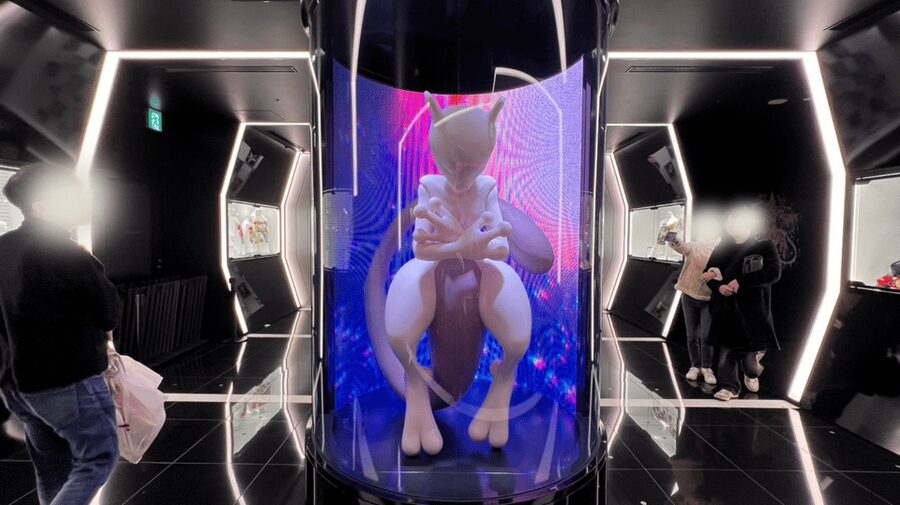
You can certainly explore Shibuya’s shops alone. The question is what you want from the outing. If you already know the stores and have a short shopping list, independent browsing may cost less. If you want help locating specific goods or would rather have the cultural context explained as you go, a guide adds real value.
A guide can also reduce the time spent wandering into shops that do not match your interests. That matters during a 150-minute tour. You are paying for direction and conversation, not just entry to stores.
The strongest evidence of this benefit comes from the experience of young participants. Haruka is specifically praised for helping two 16-year-olds find their favorite anime stores. That gives parents a useful clue: this is not only a children’s character outing. An engaged guide can work with teenagers who already have strong opinions about the series and merchandise they want.
Candice also highlights a guide who was friendly, accommodating, and well informed about the subject. Those qualities are important here because anime shopping can be personal. You may want one exact character, a gift for someone at home, or a product that fits in your luggage. The best use of the guide is to say what you want early and let the route work from there.
Mario, Pokémon, and the appeal of Japan-only goods
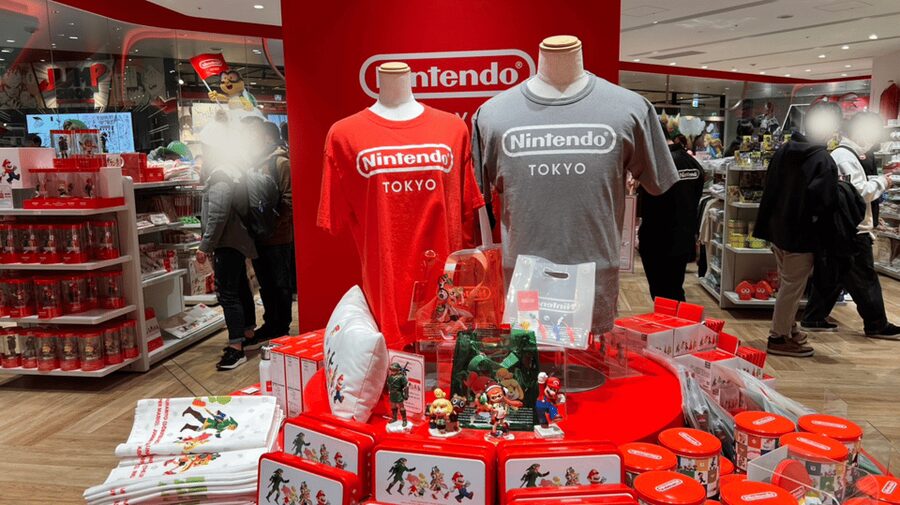
The focus on Mario and Pokémon gives the visit an easy structure. These are recognizable names, but Japanese stores often present familiar characters in ways that feel different from standard international merchandise.
You might find regional designs, Japan-themed items, limited shop goods, or products tied to a particular character lineup. The available information does not promise a specific product list, so go with an open mind. The fun is partly in seeing how much merchandise exists for characters you thought you already knew.
For children, the stores can be the main event. For adults, they offer a window into how manga and anime characters operate as part of everyday consumer culture. A plush toy, stationery set, keychain, or figure can be a small souvenir, but it also captures the visual language of modern Japan.
The phrase sacred places of manga and anime refers to locations that Japanese fans hold dear. You should not expect a museum lecture or a formal historical tour. Think of it as a fan-oriented visit to places and shops that matter within the culture. The guide’s explanations help give those stops more meaning than a quick purchase would have on its own.
A few more Tokyo tours and experiences worth a look




Pork ramen closes the experience
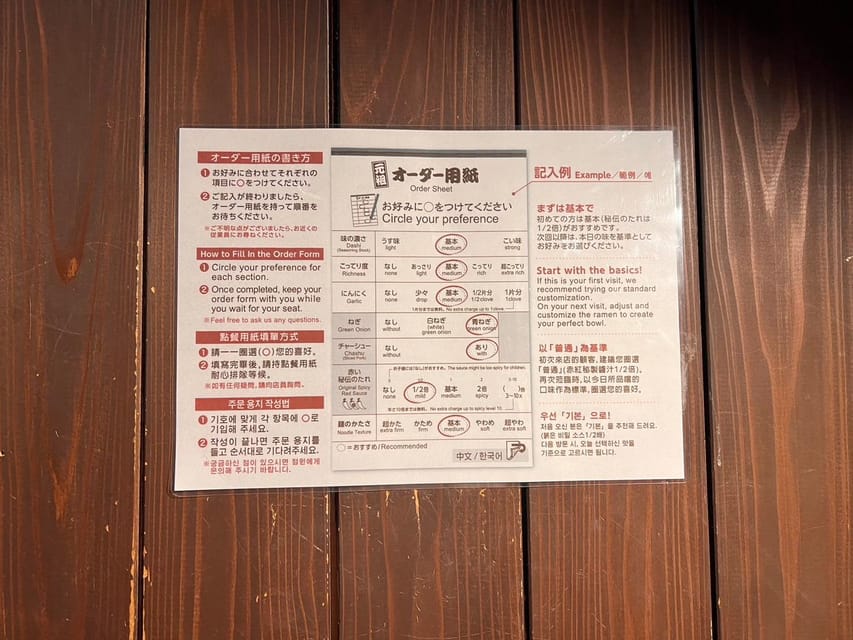
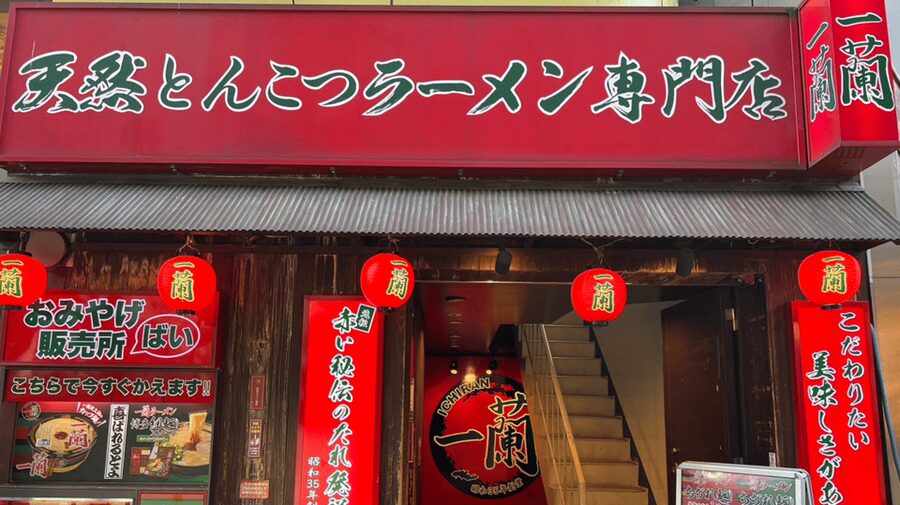
After the shopping portion, you sit down for pork ramen. The meal includes ramen noodles with a pork bone soup, a popular Japanese style known for its full, savory broth.
This is a smart addition to a shopping tour. After looking through crowded shelves and making purchase choices, you get a chance to stop and eat. It also means you can sample a classic Japanese food without having to choose a restaurant on your own.
The information provided does not specify the ramen shop, exact broth style, toppings, or choices for dietary restrictions. If you do not eat pork, ask before booking or contact the provider. The included meal is specifically described as pork ramen, so it should not be treated as a flexible food option.
The ramen is included in the $92 price, while shopping is not. That makes the cost easier to assess. You are paying for a guide, a small group, a focused route through specialist shops, and lunch. The price is harder to justify if you only want a bowl of noodles and a quick look at Pokémon goods. It is more reasonable if you value personal help, cultural explanation, and a planned experience in a district where choosing the right shops can take time.
Who gets the most from this Shibuya tour
I would put this near the top of the list for families with anime-loving children or teenagers. The small group allows the guide to respond to specific interests, and the included ramen breaks up the shopping in a natural way.
It also suits adults who collect anime, manga, or video game merchandise but do not speak Japanese. You may already know exactly what you want, or you may simply want a better idea of what Japanese fans buy. Either way, an English-speaking guide can make the search more efficient.
This is less suitable for someone who dislikes shopping or prefers museums, temples, and traditional crafts. The experience is firmly about modern character culture. It also may not suit a serious collector who needs a guaranteed list of rare products, since the route and available stock are not specified.
The four-person limit is a plus for couples, families, and small friend groups. Solo participants can also benefit from the guide, though the value depends on how much personal interest they have in anime and manga.
Timing, price, and practical planning
The tour lasts 150 minutes, so plan your day around a compact block rather than expecting a full-day excursion. You will want comfortable shoes and enough room in your bag for purchases. The available details do not state that transportation, hotel pickup, or delivery of purchases is included, so plan to reach SHIBU HACHI BOX independently and carry what you buy.
The cost is $92 per person. Ramen and the guide are included. Your final spending can rise quickly if you find several must-have items, since purchases at each shop are separate and depend on what you choose.
Booking is flexible in two useful ways. You can reserve now and pay later, and you can cancel up to 24 hours before the experience for a full refund. Check the available starting times before you commit, since the tour operates at set times.
The overall rating is 5 out of 5 from three listed ratings, with praise centered on the guide, the help given to young anime fans, and the Shibuya setting. That is a small sample, so I would not treat it as proof that every departure will be identical. It does point clearly to the experience’s main strength: personal guidance rather than a standard sightseeing script.
Should you book the anime shops and ramen tour?
Book it if anime, manga, Pokémon, or Mario are a real part of your Japan trip and you want help finding the right stores. The small group and English-speaking guide are the strongest reasons to pay more than you would for independent shopping, while the included pork ramen adds a practical meal to the schedule.
Skip it if you prefer to browse alone, already know Shibuya’s character shops, or want a traditional Tokyo experience. For families and fans with a short wish list, this is a focused and friendly way to spend two and a half hours. Tell the guide your favorite characters at the start, keep room in your budget for purchases, and arrive at SHIBU HACHI BOX early enough to find the gotcha sign without stress.
FAQ
How long does the Tokyo anime shopping tour last?
The experience lasts 150 minutes.
Where is the meeting point?
Meet in front of SHIBU HACHI BOX in Shibuya.
How do I identify the guide?
The guide will be waiting with a signboard showing gotcha.
Is the tour conducted in English?
Yes. The tour includes a live English-speaking guide.
How many people can join the group?
The group is limited to four participants.
Is ramen included in the price?
Yes. The cost of ramen noodles is included, specifically pork ramen with pork bone soup.
Are shopping purchases included?
No. Purchases at the stores cost extra and depend on what you buy.
Which character stores are included?
The experience includes specialty stores featuring original goods such as Mario and Pokémon, along with stores focused on popular anime and video game characters.
Can I cancel for a full refund?
Yes. You can cancel up to 24 hours in advance for a full refund.
More Shopping Tours in Tokyo




More Akihabara & Anime Tours in Tokyo
More Shibuya Tours in Tokyo



More tours in Tokyo we've reviewed







Shibuya Tours, compared.
 ★ 5.0Official Street Go-Kart in ShibuyaFrom $76
 ★ 4.9Tokyo: Street Kart Experience in ShibuyaFrom $741 hour
 ★ 5.0Shibuya Meltdown Nightlife Tour: All-You-Can-Drink Bar HoppingFrom $106
 ★ 5.0Shibuya Official Street Go-Kart in Shibuya AnnexFrom $69
 ★ 5.0Tokyo: Shibuya Food Tour (13 dishes and 4 Eateries)From $77
 ★ 5.0Best of Shibuya Food TourFrom $217