
Reviewed · WALKING TOURS
Tokyo: Private Custom Walking Tour with Local Guide
Tokyo makes more sense when someone shows you how its pieces fit together. This private walking tour lets you pair famous sights such as Senso-ji, Shibuya, the Imperial Palace Gardens, or Tokyo Skytree with quieter streets, food stops, shopping areas, and useful lessons on the train system. The itinerary is built around you, not around a fixed bus route.
I like two things right away: the practical help with public transport, and the freedom to change plans as you go. Guides including Karl, Enrique, Francine, Albert, and Shaban have helped visitors use trains, obtain Suica cards, find food, and handle the city with more confidence. The main consideration is stamina. A long day can mean extensive walking, and tickets, meals, and drinks cost extra.
In This Review
- Key points at a glance
- Why a private Tokyo tour can save your first day
- Building the route before you meet
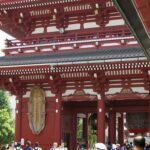
- Senso-ji, Asakusa, and the old Tokyo feel
- Shibuya and Shinjuku, Tokyo in modern motion
- Imperial Palace Gardens and Marunouchi
- Tokyo Skytree, city views, and useful detours
- Food, markets, and special interests
- The biggest benefit: learning Tokyo’s transport system
- How much walking should you expect?
- Choosing between two, four, and eight hours
- Language, pickup, and guide matching
- Should you book this Tokyo walking tour?
- FAQ
- How long is the private Tokyo walking tour?
- What is included in the $53 price?
- Are attraction tickets included?
- Can I visit a museum?
- Where does the tour start?
- Does the tour have to end where it starts?
- Is the tour private?
- Which languages are available?
- Is the tour wheelchair accessible?
Key points at a glance
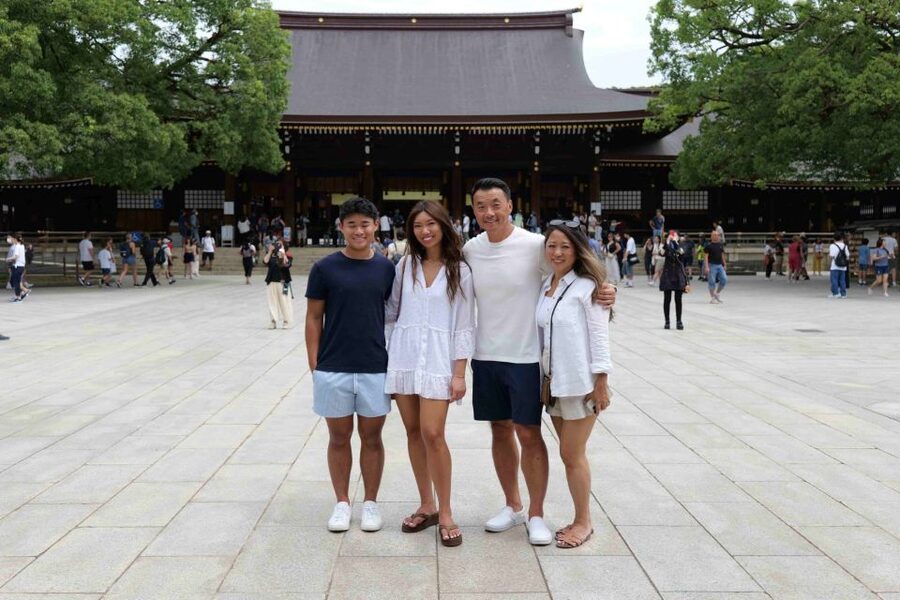
- Choose your own Tokyo: Request temples, museums, markets, shopping streets, modern districts, viewpoints, or quieter neighborhoods.
- Learn the trains by using them: Public transport is included, and guides can help with routes, tickets, and Suica cards.
- Meet at your hotel: Pickup is available from accommodation in Tokyo, with a central meeting point arranged for hotels outside the city center.
- Fit the tour to your pace: Book from 2 to 8 hours, with time for children, mobility needs, food stops, or extra photo breaks.
- Go beyond the standard sights: Past excursions have included Odaiba Marina, fish-market areas, Pokemon Mega Center, Marunouchi, and less obvious viewing spots.
- Pay for guidance, not admission: The $53 per person price covers the private walking experience and public transport, but attraction tickets and food are separate.
Why a private Tokyo tour can save your first day
Tokyo is not hard because it lacks signs. It is hard because it has so many railway lines, enormous stations, different neighborhoods, and small customs that are easy to miss. A local guide gives you a working start instead of leaving you to spend your first morning decoding the map.
This is especially useful if you arrive tired or have only a short stay. One four-hour outing has combined Tokyo Skytree, Senso-ji, and Asakusa. Other half-day routes have linked Shinjuku, Shibuya, temples, modern buildings, and quieter local streets.
I particularly like booking this early in your stay. You can ask the guide to show you how to use the metro, locate a station entrance, buy or load a transit card, and understand the basic rhythm of getting around. After that, the rest of Tokyo feels less intimidating.
The private format matters. You are not waiting for a large group or visiting stops that hold no interest for you. A family can slow down for children, a solo visitor can focus on photography or food, and a couple can shift from major sights to a peaceful neighborhood without asking permission.
Other walking tours we've reviewed in Tokyo
Building the route before you meet
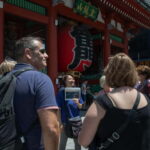
Your guide contacts you before the tour to learn what you want. Use that conversation well. Do not simply write Tokyo highlights. Send a short list of priorities and mention what you have already booked or seen.
You might ask for:
- Traditional temples and shrine etiquette
- Tokyo trains and everyday navigation
- Japanese food and market areas
- Modern architecture and city views
- Shopping, anime, electronics, or Pokemon
- Quiet neighborhoods away from the busiest streets
- A family-friendly pace
- Help with mobility limits or regular rest stops
The guide can shape the day around those requests. Past routes have covered several wards, mixed history with shopping, and added special-interest locations. One itinerary moved between Shinjuku and Shibuya, combining temples, major buildings, famous sites, and calmer streets.
This planning stage also helps with museums. The normal experience focuses on exteriors, including museum buildings, but a museum visit can be added if you ask in advance. The provider can help arrange tickets for desired visits, though admission itself is not included.
Do not overfill the schedule. Tokyo distances can look short on a map but take time by train and on foot. A short tour works best with one area or two nearby areas. An eight-hour booking gives you room to cross town, stop for food, and adjust the plan without racing from one station to the next.
Senso-ji, Asakusa, and the old Tokyo feel
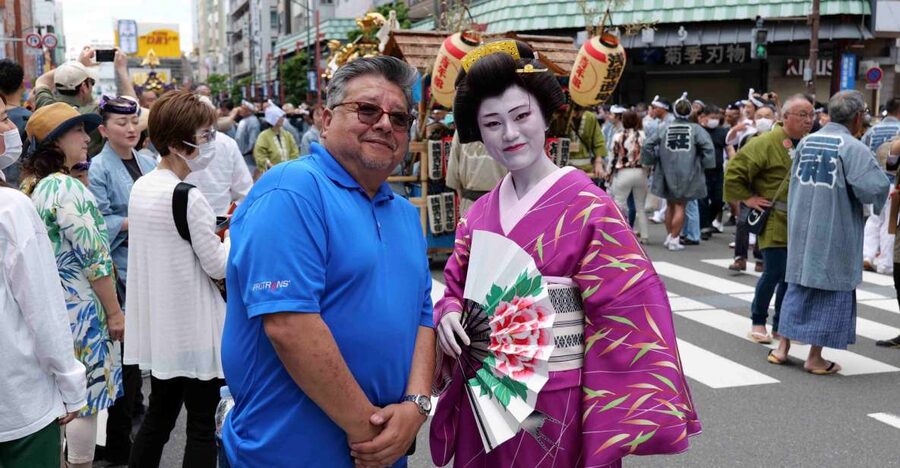
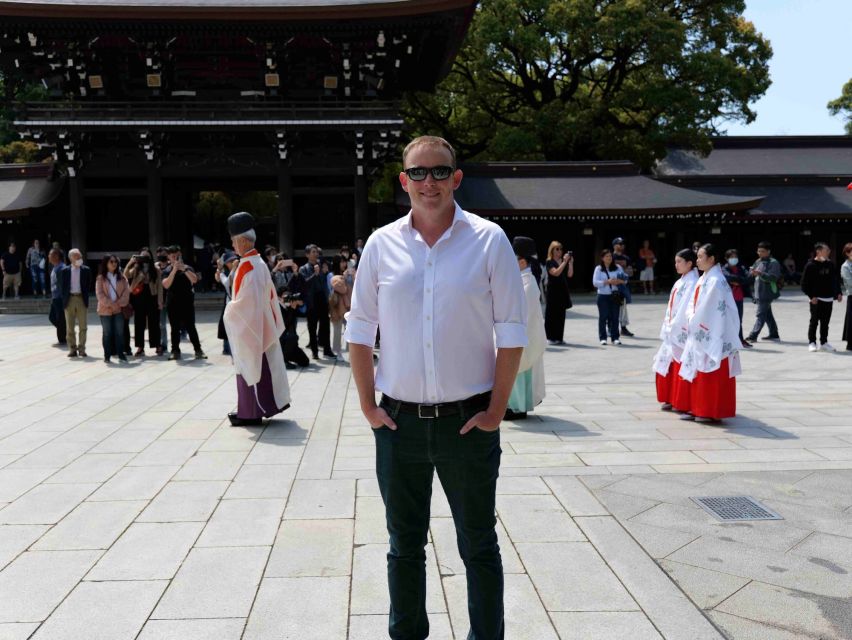
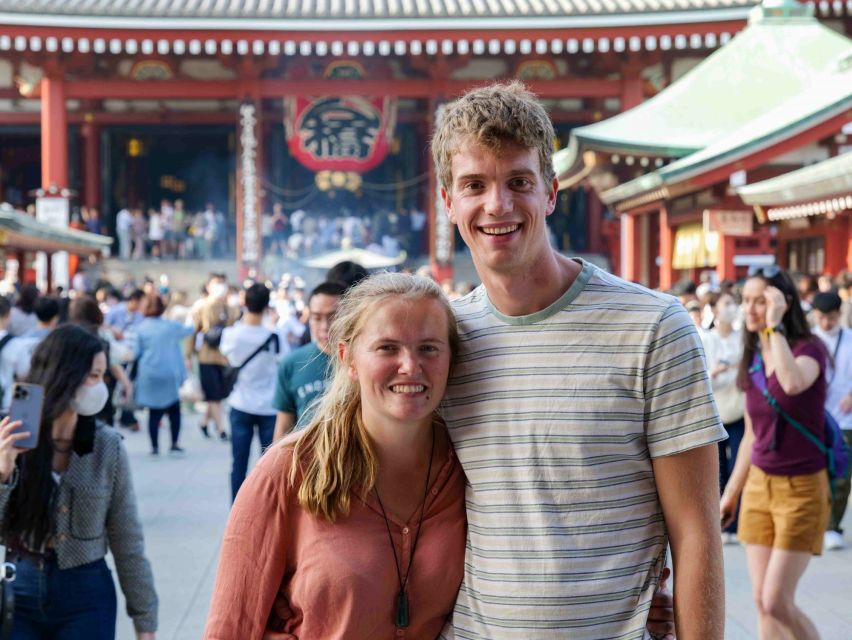
Asakusa is one of the clearest choices for a first private outing. Senso-ji gives you a traditional setting, while the surrounding streets offer snacks, shops, and plenty to explain about temple manners and local customs.
A guide can show you how to enter shrines and temples respectfully, something that makes the visit feel less like a quick photo stop. You can also ask about the difference between Shinto and Buddhist spaces, though the exact discussion depends on your guide and interests.
Asakusa works well for families because it offers short stops and easy reasons to pause. One guide adapted the day for children, allowing breaks and small detours. Another took a family to a high viewing spot overlooking Senso-ji and the streets below.
The drawback is popularity. Senso-ji and its approach can be crowded, and a short visit may feel focused on the main path. That is where a private guide helps most, since you can request nearby streets, food suggestions, or a different pace rather than simply following the main stream.
Shibuya and Shinjuku, Tokyo in modern motion
Shibuya and Shinjuku show the other side of the city. These districts are useful if you want modern Tokyo, large buildings, shopping, nightlife, entertainment, and the practical challenge of finding your way through huge stations.
A two-hour tour can cover a surprising amount, but do not expect a deep look at every district in that time. Ask your guide to choose a clear theme. You might focus on city views and architecture, food and bars, or a first lesson in the train network.
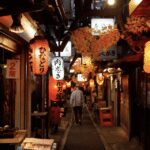
Shinjuku can also provide a change of pace beyond the large commercial streets. One custom outing included different parts of the district and quieter areas, along with suggestions for bars, restaurants, and karaoke. Those personal recommendations can be more useful than a standard list because they match the interests you gave your guide.
Shibuya is a good choice for a first evening orientation, but it can be tiring. The crowds, station passages, and long distances between points are not ideal for everyone. Tell your guide about mobility limits before the day begins. A private route can include more breaks and fewer unnecessary transfers.
Imperial Palace Gardens and Marunouchi
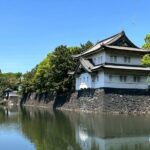
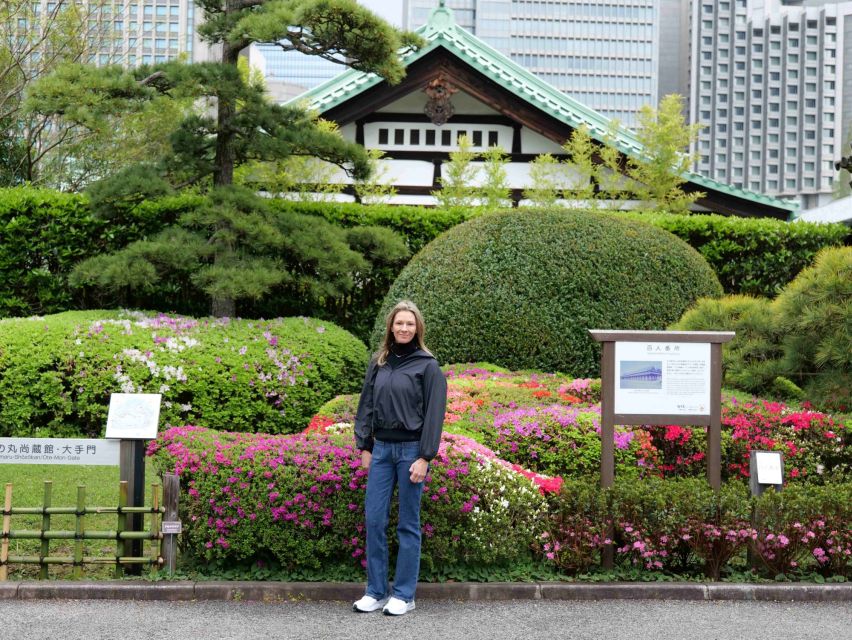
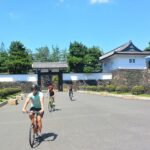
The Imperial Palace Gardens and Marunouchi offer a calmer contrast to Asakusa, Shibuya, and Shinjuku. You get open space, formal city planning, historic surroundings, and the polished office district around Tokyo Station.
This area suits you if you want a broad introduction rather than a single attraction. A guide can explain the setting while pointing out how old and new Tokyo sit close together. Winter scenery has its own appeal, while spring can bring a different look to the gardens, though seasonal conditions are not guaranteed.
The palace grounds are also a good request for visitors who want a less commercial stop. You may not get the same concentration of shops and food as in Asakusa, but the change in mood gives the day useful balance.
Remember that this tour generally shows attraction exteriors. If you want entry into a museum or another paid site, request it before your tour and budget for the ticket.
Other guided tours in Tokyo


Tokyo Skytree, city views, and useful detours
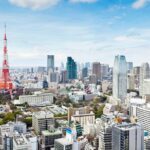
Tokyo Skytree makes a strong anchor for a four-hour route. It gives you a sense of the city’s size and helps connect the eastern districts with what you see on the ground.
The tower itself requires an admission ticket, which is not part of the tour price. You can still ask your guide to include the area or to help with planning the visit. Your guide may also suggest other viewpoints, including less obvious spots.
A private guide is handy here because the best route depends on your other requests. You might pair Skytree with Asakusa and Senso-ji, or use the time for a wider route through eastern Tokyo. The guide can explain the transport choices and adjust the order if you spend longer at one stop.
Some unusual views have come from the guide’s local knowledge rather than from a major paid attraction. One outing included a high point overlooking a temple and city streets. That kind of stop can add character without adding another expensive ticket.
Food, markets, and special interests
Food is not included, but food can be part of the plan. Tell your guide about allergies, dietary rules, and foods you want to try before meeting. One family member with celiac disease received help locating suitable food during a custom tour.
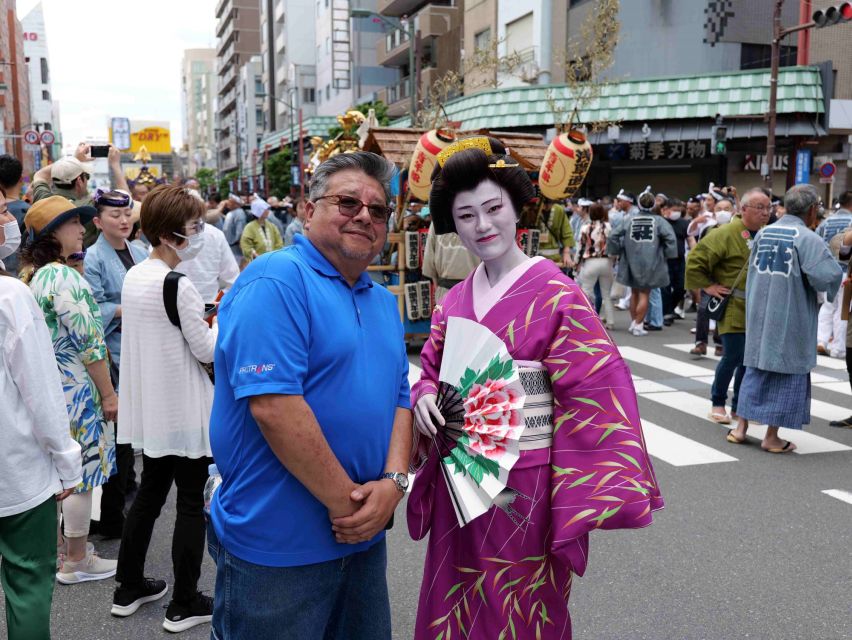
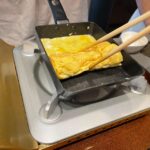
You can request a market area, local snacks, or a meal break. An outing through Asakusa included traditional treats, while another included a behind-the-scenes look around a fish-market area. The exact food options depend on availability, your guide, and the time of day.
The private setup works well for specific interests. Visitors have included Akihabara, a Pokemon Mega Center, shopping, karaoke, and special-interest locations across several neighborhoods. A large group tour rarely gives you this much room to change the subject.
Keep your food budget separate from the $53 tour cost. The guide can help with ordering in some circumstances, but food and drinks are not included. Also allow time for a meal. If you try to squeeze a full restaurant visit into a short two-hour tour, you will have less time for sights.
The biggest benefit: learning Tokyo’s transport system
For many people, the most useful part of the day is not a temple. It is the first train ride. Tokyo’s network can be confusing because several operators, lines, stations, and exits overlap.
Your guide can travel with you on public transport and explain how to move through the system. Past outings have included help with train tickets, JR rail passes, Suica cards, station routes, and basic navigation. This is practical knowledge you keep using after the tour ends.
I would make this a priority if you are visiting Japan for the first time. Ask to start at your hotel and use the first part of the tour to learn the nearest station. You can then build sightseeing around that lesson.
Public transport is included unless you choose an option that says otherwise. You remain responsible for attraction admission, meals, and drinks. The tour may finish somewhere different from where it began, so request a return to the starting point in advance if that matters to you.
How much walking should you expect?
The name says walking tour, and you should take that seriously. Even with trains, you will walk between stations, platforms, temples, shopping streets, viewpoints, and meeting spots.
An eight-hour outing once reached about 23,000 steps. That is a full day on your feet, not a gentle orientation. Shorter tours can still cover a lot, with one two-hour route visiting parks, a temple, and Shibuya.
Tell the guide about mobility issues during the planning conversation. Guides have adjusted routes for visitors who needed patience, frequent breaks, and easier transport. The experience is wheelchair accessible, but the exact route should still be discussed ahead of time because Tokyo stations and neighborhoods vary.
Families should be direct about snack stops, toilets, and rest periods. The private format makes these changes possible, but the guide needs to know your needs before the itinerary is fixed.
Choosing between two, four, and eight hours
A two-hour booking is best for a focused introduction. Choose one compact area, such as Asakusa, or ask for a quick orientation around your hotel and the nearest transport routes.
Four hours gives you a more useful first look. You can combine a traditional district with one major view or learn the trains while visiting several nearby sights. Senso-ji, Asakusa, and Tokyo Skytree are a natural example, but your requests decide the route.
Six to eight hours suits you if Tokyo is a major part of your trip and you want several districts in one day. You can include more transport practice, a market, food, shopping, and a wider range of neighborhoods. The cost is more time on foot, so plan breaks.
The $53 per person price is strong value for a short private orientation, especially if you are splitting the cost with family or friends. It becomes less of a bargain if you expect attraction admission, meals, or a full museum program to be included. Think of it as paying for a personal route planner, interpreter, city tutor, and companion for the booked hours.
Language, pickup, and guide matching
Guides are available in English, French, Italian, Japanese, Spanish, and Portuguese. The actual guide assigned to you depends on availability, so a requested name cannot be guaranteed unless the provider confirms it.
Several guides have received especially warm praise for different strengths. Karl has helped with modern Tokyo, mobility needs, and the metro. Enrique is a strong choice to request if transport navigation matters. Francine has been praised for careful advance planning and flexible changes, while Shaban has helped with tickets, attractions, meals, and photos during a long day.
Pickup is included from a Tokyo hotel or other accommodation within the city. If you stay outside the center, the provider chooses a convenient central meeting point. Confirm the address and meeting details before the tour.
The experience is for a private group, not a shared departure. That gives you control over the pace and conversation. It also means the value depends partly on how clearly you communicate your interests.
Should you book this Tokyo walking tour?
Book it if you want a personal introduction to Tokyo, need help with trains, or have a mixed wish list that does not fit a standard route. It is particularly useful for first-time visitors, families, solo visitors, couples, and anyone who wants local advice for the rest of the trip.
I would choose four hours for most people. It gives you time to see several meaningful places without turning the day into a foot race. Pick eight hours if you want a full city sampler and can handle a long day.
Skip it if you want a fixed sightseeing package with attraction tickets already bundled in. This is a flexible service, and you get the most from it by planning a short priority list, staying open to sensible changes, and treating the guide as your Tokyo coach for the day. With a 4.8 rating from 533 bookings, the experience has a strong record, but your own preparation still shapes the result.
FAQ
How long is the private Tokyo walking tour?
You can book the tour for between 2 and 8 hours. Starting times depend on availability.
What is included in the $53 price?
The price includes a private walking tour, itinerary customization, hotel pickup in Tokyo, walking, and public transport unless you select an option that says otherwise.
Are attraction tickets included?
No. Tickets to attractions, museums, food, and drinks are not included. The provider can help your group book desired visits when arranged in advance.
Can I visit a museum?
You can request a museum visit in advance. The usual tour focuses on the exterior of monuments and museums, so confirm your preferred indoor visits before the tour.
Where does the tour start?
The guide can pick you up at your Tokyo accommodation. If your hotel is outside the city center, you will meet at a convenient central location chosen by the provider.
Does the tour have to end where it starts?
No. The tour may finish at a different location from the departure point. Request the same ending point in advance if needed.
Is the tour private?
Yes. It is arranged for a private group, so you can set the pace and select the places that interest you.
Which languages are available?
Live guides are available in English, French, Italian, Japanese, Spanish, and Portuguese.
Is the tour wheelchair accessible?
Yes, the activity is listed as wheelchair accessible. Discuss your route and mobility needs with the guide ahead of time because some Tokyo areas require more walking than others.
More Private Tours in Tokyo


More Guided Tours in Tokyo
More Walking Tours in Tokyo

More tours in Tokyo we've reviewed





Walking Tours, compared.
 ★ 5.0Tokyo Tsukiji Fish Market Food and Culture Walking TourFrom $99
 ★ 5.0Tokyo: Imperial Palace and Shogun Historical Walking TourFrom $22
 ★ 4.9Tokyo: Shinjuku Local Bar and Izakaya Guided Walking TourFrom $343 hours
 ★ 5.0Tokyo: Tsukiji Fish Market Food and Walking tourFrom $30
 ★ 4.8Tokyo: Asakusa Walking Tour with Sensoji Temple VisitFrom $222 hours
 ★ 4.9Tokyo: Tsukiji Fish Market Guided Walking TourFrom $222 hours