
Reviewed · MT FUJI DAY TRIPS
Discover Mt. Fuji 5th Station & Kawaguchiko Sightseeing Day Tour
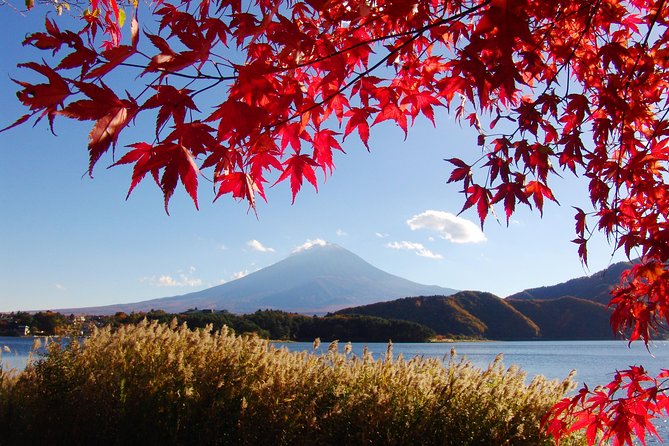
Mt. Fuji is the star here, and the best part is getting close to Japan’s most famous peak without arranging several trains and buses yourself. The bus climbs to 5th Station at 2,305 meters, then carries you to Lake Kawaguchiko for mountain views, free time, and an optional cruise.
I like the easy central Tokyo pickup and the choice between a basic bus plan, lunch packages, and upgrades that may include the boat and panoramic ropeway. I also like the human touch reported from guides such as Anju, Hitoshi, Yoko, Sojiro, Tomoko, and Ike-san, who have helped with photos, food suggestions, weather checks, and small bits of Japanese.
The catch is the long day and the uncertain road conditions. Traffic can turn the advertised 11 hours 30 minutes into a much longer outing, while clouds, snow, maintenance, or road closures can remove the 5th Station, cruise, or ropeway from your day.
In This Review
- Key points before you book
- What the day from Tokyo really feels like
- Mt. Fuji 5th Station at 2,305 meters
- Lunch near Fuji-Q Highland
- Lake Kawaguchiko and the Ensoleille cruise
- The panoramic ropeway option
- Guides can make the difference
- Bus changes, taxis, and luggage
- Is $99.49 good value?
- Who should choose this day trip?
- Should you book it?
- FAQ
- Where does the tour start and finish?
- How long does the tour last?
- Is Mt. Fuji 5th Station always included?
- Is lunch included?
- Is the Lake Kawaguchiko boat ride included?
- Is the panoramic ropeway included?
- Can I leave luggage on the bus?
- Can I cancel for a full refund?
Key points before you book
- The 5th Station sits at 2,305 meters, the highest point on Mt. Fuji reached by car.
- About 2.5 hours at Lake Kawaguchiko gives you time to cruise and explore without a guide beside you.
- Lunch, boat, and ropeway access depend on the package, so check exactly what your chosen option includes.
- Tokyo traffic is the main time risk, especially on weekends and holiday periods.
- The guide quality can shape the day, with several strong mentions for Anju, Hitoshi, Yoko, Sojiro, Tomoko, Ike-san, Hiro, and Mike.
- You cannot leave luggage on the bus, since the departing and returning buses may be different.
What the day from Tokyo really feels like
The meeting time is 7:50 am, and the tour returns to the same meeting point in Tokyo. Hotel pickup and drop-off are not provided, so you need to reach the designated central meeting place on your own and arrive early.
Take the meeting instructions seriously. The pickup area can be hard to spot, and some people have had trouble finding it even when they arrived ahead of time. The bus leaves on schedule and does not wait for late arrivals. A fully charged phone is wise, but do not rely on internet service alone. Save the meeting details and map before leaving your hotel.
The ride out of Tokyo can take a while. A comfortable air-conditioned bus with Wi-Fi makes the trip easier, and there may be a rest stop where you can use the restroom and buy drinks or snacks. Still, this is a road trip, not a quick rail transfer. On a weekend, you could spend about three hours each way in traffic.
That matters when you compare this outing with visiting the Fuji area independently. The tour removes much of the planning and gives you a guide, but it cannot remove Japanese holiday traffic. I would not book it on a day when you have a tight evening reservation in Tokyo.
The group can reach up to 42 people, though some departures have been much smaller. One outing had only six people on a large bus, while another had eight. A small group can make questions and photo help easier, but you should book with the understanding that a full coach is possible.
A few more Tokyo tours and experiences worth a look
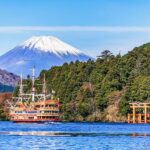
Mt. Fuji 5th Station at 2,305 meters
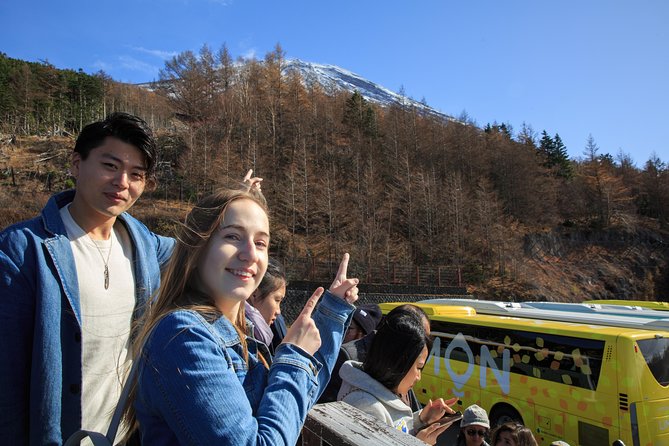
The first major stop is Mt. Fuji’s 5th Station, usually scheduled for about 10:45 to 11:25 am. The bus climbs partway up the mountain to the highest point accessible by car, giving you a close view of the upper slopes and, on a clear day, broad views from above the surrounding area.
Forty minutes is enough for photographs and a quick look around, but it is not a generous stop. If Mt. Fuji is visible, you will want to use the time quickly. If the clouds move in, the visit can feel especially short. This is one place where you should have your camera ready before stepping off the bus.
The air can be cooler than in Tokyo, even during warm weather. Bring a light jacket and an umbrella if rain is possible. Comfortable walking shoes are important because the day includes walking at several stops.
The mountain is famously shy. Clear views are never guaranteed, and weather can change quickly. Several guides have checked forecasts during the day and watched for a brief opening in the clouds. That kind of attention can help, but no guide can promise a view.
Winter and bad weather create a bigger problem. Snow, road closures, traffic, or safety concerns can make the 5th Station unreachable. The replacement may be the Mt. Fuji Heritage Center or Oshino Hakkai, a small area known for eight spring-fed ponds and views toward Mt. Fuji. Oshino Hakkai can be a worthwhile alternative, with traditional food stalls and a quieter village feel, but it is not the same experience as standing high on the mountain.
This is also where the tour’s flexibility has limits. You do not receive a refund simply because the boat cannot operate or a planned stop changes due to weather or other operating conditions. Book this day for the Fuji region as a whole, not for one guaranteed photograph.
Lunch near Fuji-Q Highland
Around lunchtime, the schedule includes about 50 minutes at Fuji-Q Highland, depending on the option you choose. This is not presented as time for the amusement park’s rides. It is mainly a meal stop connected to the lunch package.
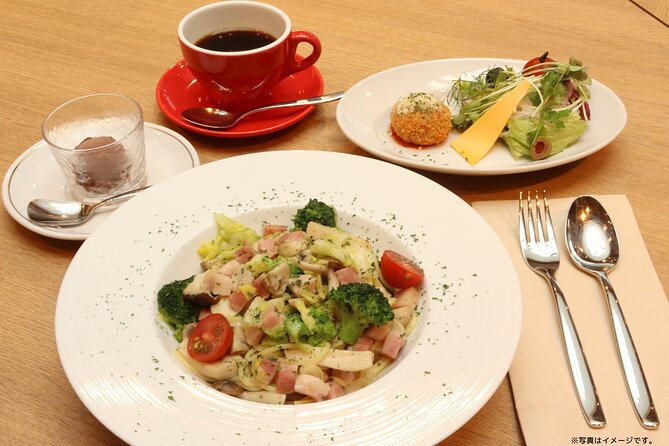
If you select lunch, the meal has received some of the warmest food-related praise, including a well-regarded three-course Italian meal at a hotel restaurant. That can be a pleasant surprise on a coach tour, especially after the early start.
If you choose the plan without lunch, bring food or plan carefully. The non-lunch arrangement may not give you the same restaurant access as the prepaid meal group. Some people have found that a restaurant at the stop required reservations and would not serve them, even when tables appeared empty. A convenience store near the Fuji-Q Highland entrance became the practical backup.
This is a key point for families, picky eaters, and anyone with dietary restrictions. Halal and vegan meals are not available. Dietary requests must be sent at least three days before departure, and same-day changes cannot be accepted. Vegetarian food may be easier to arrange or find with guide advice, but do not assume a substitute is guaranteed.
The food package can improve the day’s convenience, yet it also reduces flexibility. The no-lunch plan costs less and lets you choose your own food, but you need a backup plan. I would carry snacks even if lunch is included, since 50 minutes is not much time if a meal runs late or the stop is crowded.
Lake Kawaguchiko and the Ensoleille cruise
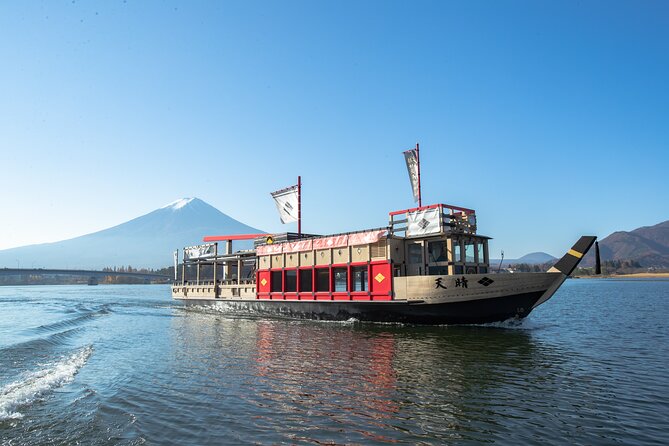
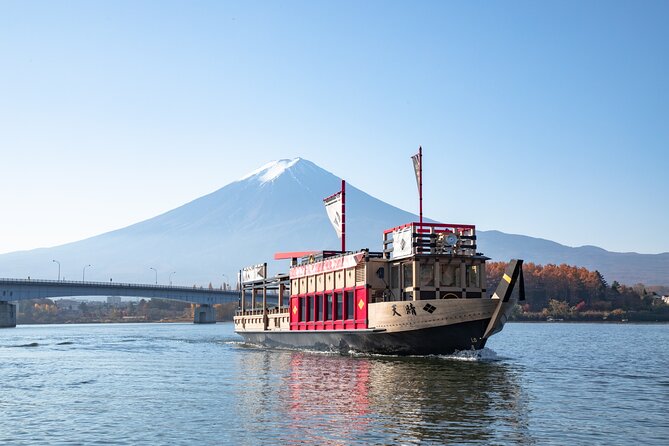
The lake portion is the most relaxed part of the day. You receive your cruise ticket from the guide and then have about 2.5 hours to use the excursion ship and explore Kawaguchiko on your own.
The Ensoleille Excursion Ship leaves from Appare Pier and cruises beneath the Kawaguchiko Ohashi Bridge. The route passes near Unoshima, the only island in the Fuji Five Lakes. The cruise lasts about 20 minutes, so it is a short sightseeing ride rather than a full lake expedition.
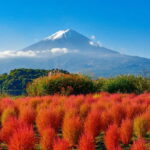
I like this structure because you are not marched from one photo stop to another. After the fixed schedule, you have room to take pictures, find a drink, browse around, or simply sit near the water. Clear weather can produce excellent views of Mt. Fuji reflected across the lake, while cloudy weather still gives you a pleasant change from Tokyo.
The downside is that free time requires a little self-management. The guide may explain when and where to return, but the amount of detail can vary. Ask directly about the pier, the return meeting point, and how long the cruise queue usually takes. Do not leave the boat until the last few minutes of your free time.
Weather and operations can cancel the cruise. In that case, the tour may use alternative facilities around Lake Kawaguchiko, with no refund offered. This policy makes the package less appealing if the boat is the main reason you are booking.
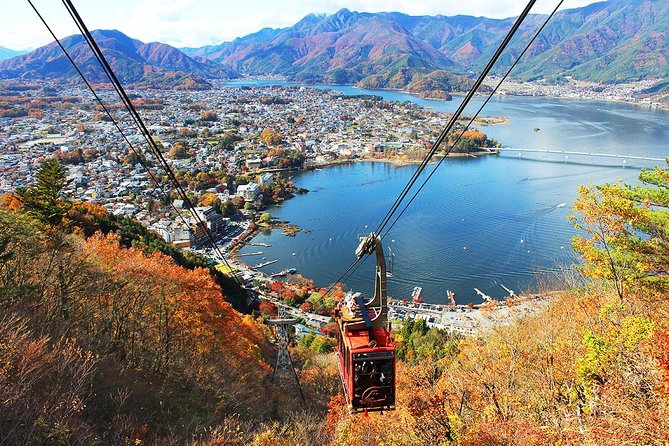
The panoramic ropeway option
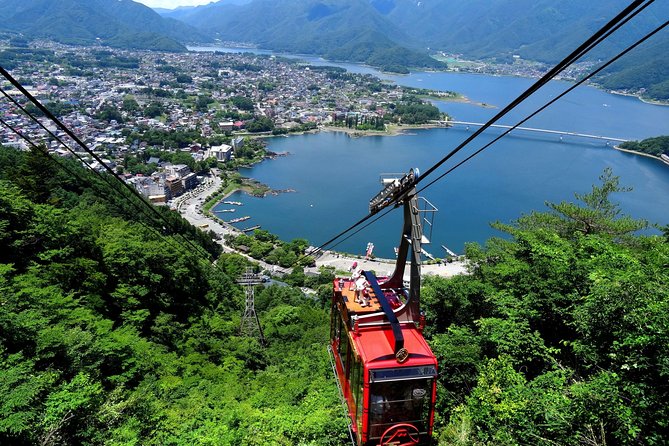
Some versions of the experience offer an upgrade with the Mt. Fuji Panoramic Ropeway, but it is not included in every plan. The exact package matters. Read the inclusions for the date and option you select, especially if the booking screen presents boat and ropeway access in more than one form.
The ropeway can give you another high viewpoint over Lake Kawaguchiko and Mt. Fuji. It is a strong addition on a clear day, but it can also create a timing problem. Lines for the return ride may be long, and you could miss the boat if you spend too much of your free time waiting.
There are also stairs inside the ropeway building. If stairs are difficult for you, ask the guide about the route before entering. The tour requires walking, and the general information does not promise step-free access.
Maintenance or weather can close the ropeway. One scheduled outing had a closure due to maintenance, and the change was not communicated clearly to everyone. If the ropeway is essential to you, confirm its operating status close to departure and keep your expectations flexible.


Guides can make the difference

This tour is sold as an English-speaking guided experience, but the level of spoken English may vary by departure. Some guides have offered useful facts about Mt. Fuji and Japan during the drive, answered questions, helped with photographs, and recommended food and coffee. Anju, Hitoshi, Yoko, Sojiro, Tomoko, Ike-san, Hiro, and Mike have all been praised for being friendly, organized, or helpful.
Ike-san added a little Japanese language instruction during the ride. Sojiro shared fun facts, helped with photos, and took care of the group when snow changed the plan. Yoko worked hard to preserve as much of the schedule as possible during severe traffic. These are the moments that turn a transfer bus into something closer to a guided day out.
But you should not assume a full lecture throughout the journey. Some departures have provided little explanation beyond instructions about when to return to the bus. If learning about Japanese geography and culture is your main goal, ask questions early and clearly. This tour can be informative, but the experience depends heavily on the individual guide.
There have also been reports of poor communication around schedule changes, food arrangements, and transport swaps. That does not make every departure problematic, but it is a reason to listen carefully at each stop and confirm anything that affects your plans.
Bus changes, taxis, and luggage
The standard promise is air-conditioned bus transport with Wi-Fi, but the exact vehicle arrangement may change. Some outings have involved leaving the original bus, taking taxis, waiting for another coach, or transferring between vehicles. One such disruption added a long delay and made the day tiring.
This matters if you carry shopping bags, a stroller, medical items, or a large daypack. The departing and returning buses are different, so luggage cannot be stored on the bus. Pack lightly and keep everything manageable for walking, stairs, the boat, and possible transfers.
The operator does not provide luggage storage. I would leave large suitcases at your hotel or a reliable storage facility before meeting the group. A small backpack, water bottle, jacket, snacks, and portable charger are the sensible load.
Traffic is another practical concern. A day that should finish after roughly 11.5 hours can run much later, with one reported outing reaching more than 14 hours. Build a cushion into your evening. Do not book a nonrefundable dinner, theater ticket, or airport transfer soon after the planned return.
Is $99.49 good value?
At $99.49 per person, this can be fair value for a long-distance day trip that includes coach transport, a guide, and central meeting-point transfers. The price becomes stronger when your chosen package includes lunch and the Lake Kawaguchiko boat. You are paying for convenience, not simply admission tickets.
The value is weaker if you select the bus-only option and then expect a fully narrated sightseeing experience. You may still see excellent places, but much of the day can feel like transportation between stops. Independent rail travel gives you more control over meals, timing, and personal stops, although it requires more planning.
The tour is at its best when you want the broad outline handled for you: get out of Tokyo, reach the Fuji area, see the 5th Station if roads are open, spend time by the lake, and return without piecing together every connection.
Its value drops if you dislike fixed departure times, long road journeys, or backup itineraries. It also drops if your priority is a guaranteed 5th Station visit, guaranteed Mt. Fuji visibility, or a guaranteed boat and ropeway combination.
Who should choose this day trip?
I would recommend it to first-time visitors who want a straightforward introduction to the Mt. Fuji area. It suits couples, families, and solo visitors who prefer a coach and guide to several separate public transport connections.
It can also suit you if you want a full day beyond Tokyo but do not want to rent a car. The lake cruise and free time add variety, and the option to include lunch lets you choose between convenience and independence.
I would think twice if you have limited mobility, a toddler, or a firm evening schedule. Walking, stairs, possible vehicle changes, and traffic can make the day demanding. Families should also plan food carefully, since the meal arrangements may not work well for every diet.
Most of all, choose this tour for access and convenience, not certainty. Mt. Fuji may be clear and magnificent, or hidden behind cloud. The 5th Station may be open, or Oshino Hakkai or the Heritage Center may take its place.
Should you book it?
Book this tour if you want a practical, reasonably priced escape from Tokyo with several ways to see Mt. Fuji and Lake Kawaguchiko in one day. Choose the lunch and boat options only after confirming exactly what is included, and consider the ropeway as a bonus rather than a promise.
Skip it if you need a quiet pace, detailed English commentary, guaranteed attractions, or a reliable return time. For the best chance of a satisfying day, arrive early, pack light, bring layers and snacks, save the meeting instructions offline, and leave your evening open.
FAQ
Where does the tour start and finish?
The tour starts at a designated central Tokyo meeting point at 7:50 am and ends back at the meeting point. Hotel pickup and drop-off are not included.
How long does the tour last?
The stated duration is approximately 11 hours 30 minutes. Traffic, weather, road closures, vehicle changes, and other delays can make the day longer.
Is Mt. Fuji 5th Station always included?
The plan is to visit 5th Station at 2,305 meters, but access can be affected by road closures, traffic, snow, or safety conditions. The replacement may be the Mt. Fuji Heritage Center or Oshino Hakkai.
Is lunch included?
Lunch is included only when you select a lunch option. Halal and vegan meals are not available, and dietary needs must be provided at least three days before the tour.
Is the Lake Kawaguchiko boat ride included?
The excursion ship is included when you select the ticket option that includes it. If weather, traffic, or operating conditions prevent boarding, an alternative facility around Lake Kawaguchiko may be used and no refund is offered.
Is the panoramic ropeway included?
The ropeway is available with some upgraded options, but it is not included in every plan. Check the exact inclusions for your selected package before booking.
Can I leave luggage on the bus?
No. The departing and returning buses are different, and luggage cannot be stored on the bus. Hotel pickup, drop-off, and luggage storage are not included.
Can I cancel for a full refund?
You can cancel at least 24 hours before the experience start time for a full refund. Cancellations or changes made less than 24 hours before departure are not accepted for a refund.
More Mt Fuji Day Trips in Tokyo
More tours in Tokyo we've reviewed



Mt Fuji Day Trips, compared.
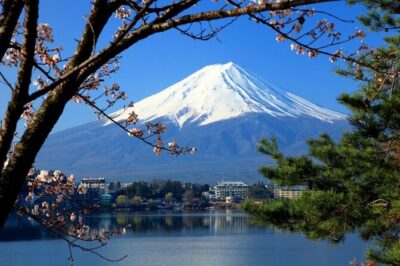 ★ 5.0Mt Fuji and Hakone 1-Day Bus Tour Return by Bullet TrainFrom $163
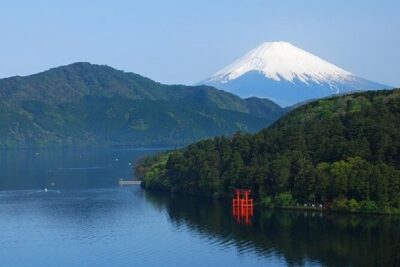 ★ 4.0Mt Fuji & Hakone Cruise, Drum Show Bullet Train 1 Day from TokyoFrom $149
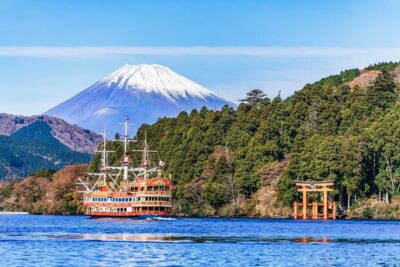 ★ 4.4Tokyo Mt Fuji 5th St & Hakone Cruise Bus Tour w/Bullet TrainFrom $15410 hours
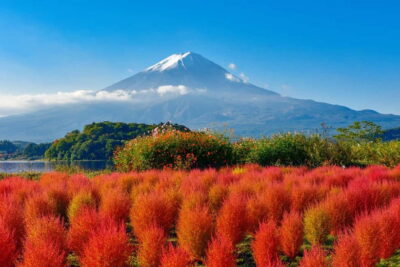 ★ 4.5From Tokyo: Mount Fuji Full-Day Sightseeing TripFrom $6810 hours
 ★ 4.7Tokyo: Mt. Fuji Tour, Hakone Ropeway, Owakudani, Lake AshiFrom $5410 hours
 ★ 4.4Tokyo:Mt.Fuji,Kawaguchiko Oishi Park,Arakurayama Sengen ParkFrom $5410 hours